Cold plunge chiller maintenance is a documented routine for the water loop, filter, accessible airflow surfaces, hoses, fittings, controller and operating baseline. The correct interval depends on the selected model, water treatment, user load, environment and local requirements; a universal “change it every X days” rule is not reliable.
This page owns preventive care and maintenance records. It does not own symptom diagnosis, internal electrical work or refrigerant service. For an active fault, start with the troubleshooting hub; if the chiller runs without measurable cooling, use the no-cooling checklist.
Table of Contents
Maintenance system and log
Cold plunge chiller maintenance: quick answer
Build cold plunge chiller maintenance around four records: the model manual, a documented commissioning baseline, a dated service log and defined stop/escalation rules. Before use, observe water level, visible leaks, controller state and normal flow. At the interval justified by pressure, flow or visual condition, service the filter as instructed. Periodically inspect accessible air paths, hoses, fittings, drain and surroundings. Record every change.
Water care and equipment care are related but not interchangeable. Clear water does not prove microbiological control, and cold water does not eliminate treatment requirements. Follow the selected treatment system, test method, manufacturer instructions and local rules. The CDC’s guidance on home pool and hot-tub water treatment and testing provides general context; it is not a model-specific cold-plunge prescription.
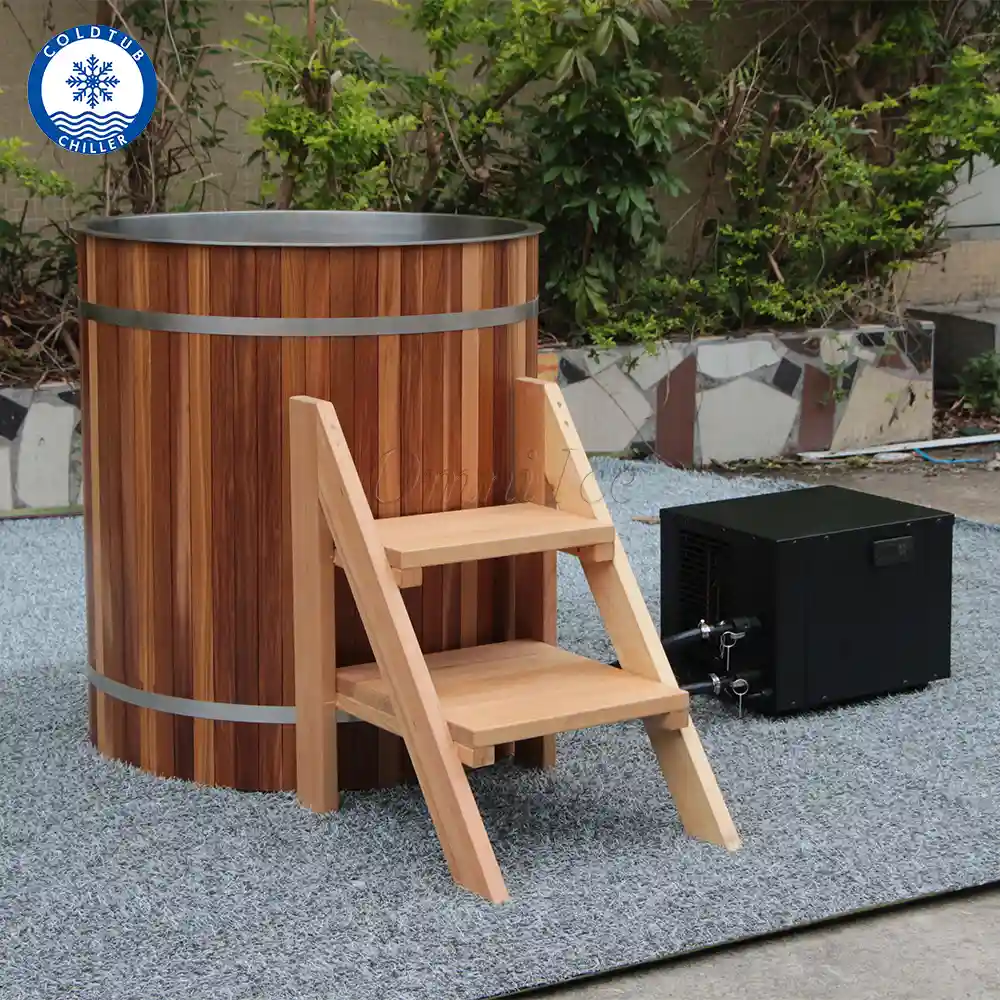
10 cold plunge chiller maintenance checks
| Check | What to record | Action boundary |
|---|---|---|
| 1. Identity | Model, serial, voltage/frequency and manual revision | Use model-specific parts and instructions |
| 2. Water level | Normal fill and any unexplained loss | Do not run below the approved level |
| 3. Visible flow | Normal return pattern or approved flow indication | Investigate a change before continued operation |
| 4. Filter condition | Type, install date, service date and observed loading | Clean or replace only as specified |
| 5. Water condition | Test results, treatment additions, clarity, odor and change date | Use the approved treatment plan |
| 6. Hoses and fittings | Kinks, abrasion, swelling, drips, clamp and support condition | Isolate before corrective work |
| 7. Accessible air path | Dust, blockage, clearance and hot-air recirculation | Clean only approved external surfaces |
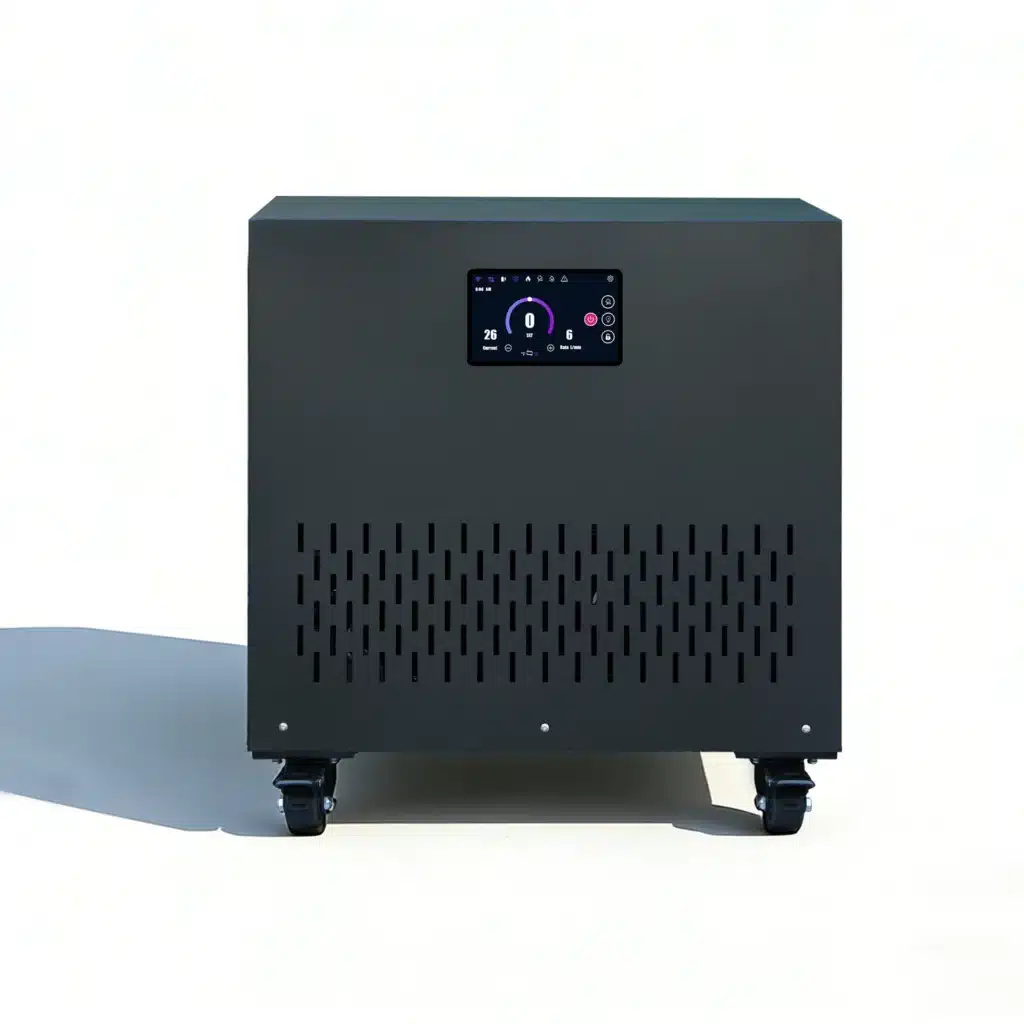
| 8. Controller state | Mode, setpoint, schedule, displayed temperature and code history | Do not bypass protection |
| 9. Performance baseline | Water/ambient temperatures, volume, elapsed time and flow condition | Compare like-for-like tests |
| 10. Service record | Who did what, when, why, parts used and result | Escalate qualified tasks |
The purpose of these checks is not to create busywork. A cold plunge chiller maintenance record gives the operator a normal reference and gives support staff evidence. It also prevents an undocumented filter change, treatment change or hose modification from being mistaken for an equipment defect.
Use a condition-based cold plunge chiller maintenance schedule
Create daily-or-before-use, periodic and seasonal sections, then fill in the actual interval from the manual and site risk assessment. A single-user covered indoor tub and a high-turnover commercial plunge do not have the same load. Dust, weather, bather load, cosmetics, water treatment, filter size and operating hours all change the interval.
| Frequency class | Typical observations | Recorded trigger |
|---|---|---|
| Before use | Water level, visible leak, controller state, visible flow and water condition | Abnormality, code or safety concern |
| Condition-based | Filter loading, flow change, pressure indication, treatment results and accessible debris | Model limit or documented site threshold |
| Periodic | Hoses, fittings, drain, grille, clearance, fasteners and service access | Dated inspection result |
| Seasonal/storage | Freeze exposure, weather protection, drainage and restart procedure | Climate and model instructions |
| Qualified service | Internal electrical, refrigerant and sealed-component checks | Fault, manual interval or service recommendation |
Water care within cold plunge chiller maintenance
Document the water source, test method, treatment products, dosing authority, target ranges, testing frequency and full-water-change trigger for the actual setup. Do not combine incompatible products or copy a dosing number from an unrelated pool, spa or social post. Ozone and UV, where present, do not remove the need for mechanical filtration, testing, cleaning and the rest of the approved water plan.
Record clarity, odor, surface residue and visible debris, but do not use appearance alone as the acceptance test. If a commercial facility is involved, local public-health rules and a trained operator may control. The CDC’s aquatic-facility operating toolkit illustrates why written operating procedures, testing and incident response matter.
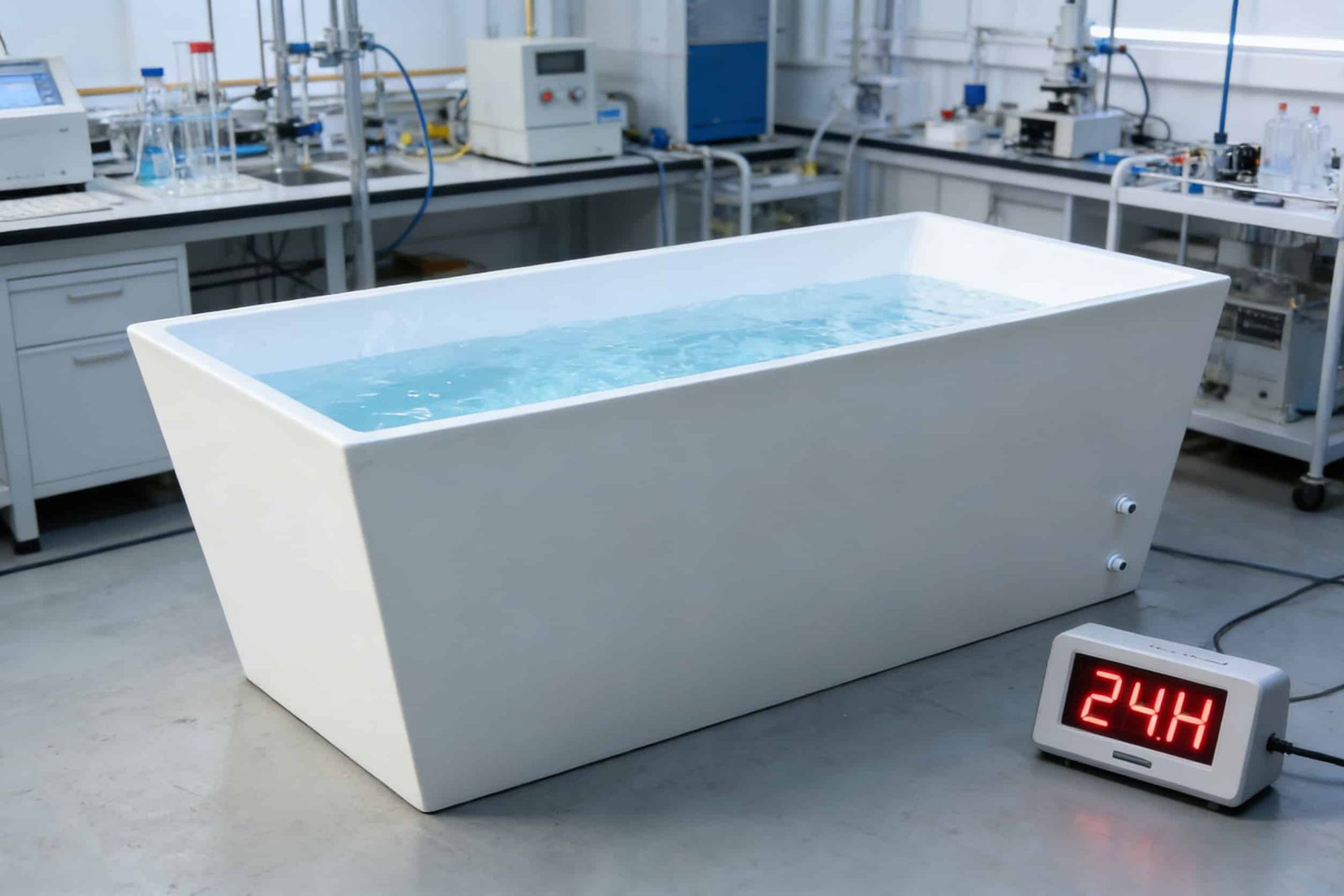
Cold plunge chiller maintenance for filters and flow
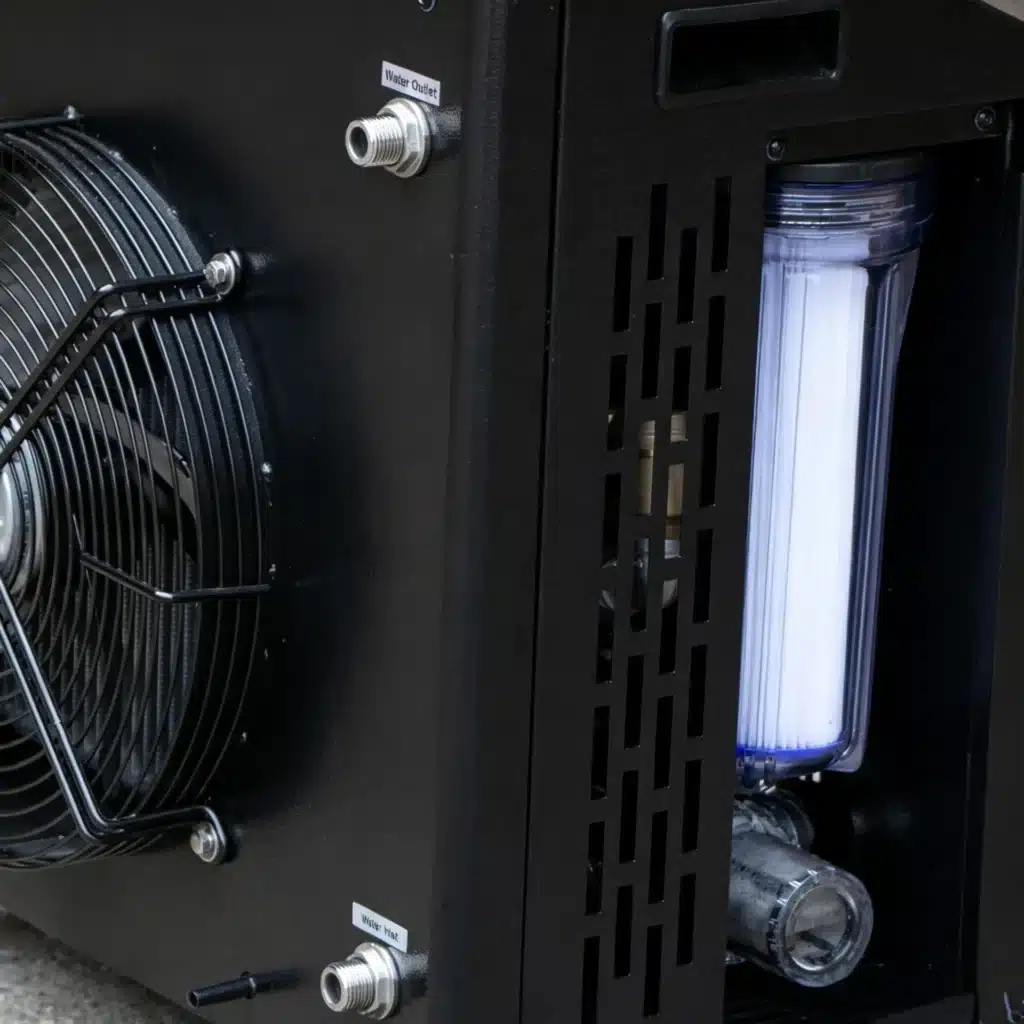
Identify the exact filter element, orientation, service method and replacement specification. Use pressure, flow, visual loading or the manufacturer’s stated interval as the trigger. A filter that looks clean may still be restricted, while aggressive cleaning can damage media intended for replacement rather than reuse. Keep the previous and new service dates in the cold plunge chiller maintenance log.
Use the component service-access drawing to confirm that the filter, retained water, tools and replacement element can complete their movement in the finished room before setting the maintenance routine.
If filtration design itself is the question, the filter-system planning guide covers facility-level selection, while the filter checklist covers element and service decisions. If a pump will not draw water after service, verify water level, valve state, direction, seals and the approved priming procedure rather than repeatedly running it dry.

Cold plunge chiller maintenance for airflow and surroundings
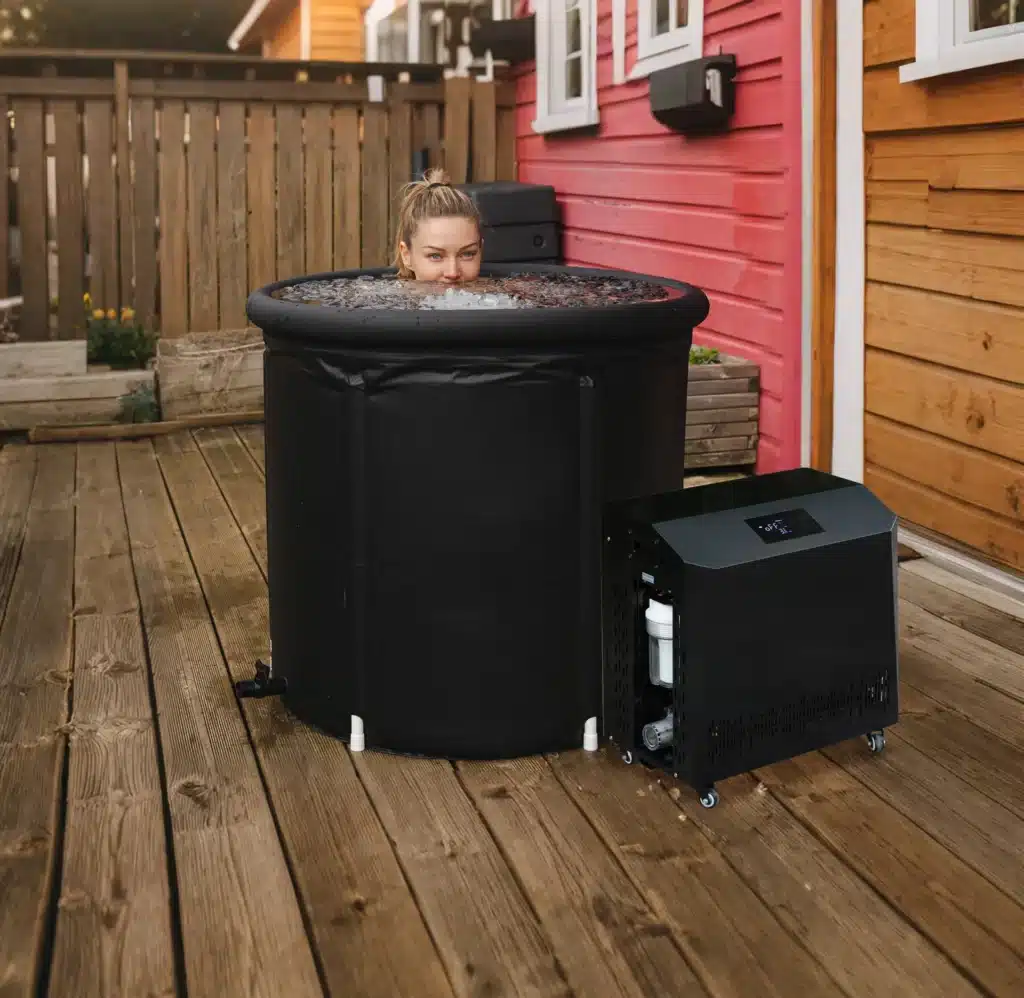
Compare the installed clearances with the model instructions. Remove approved external dust and debris without pushing contamination into the equipment. Check for storage against the intake or exhaust, hot discharge air returning to the inlet, a new decorative enclosure, direct sun, standing water, poor drainage or weather exposure beyond the rating.
Do not pressure-wash the chiller or open guarded sections simply to “deep clean.” The safe cold plunge chiller maintenance boundary is the accessible surface and method named in the manual. Record anything that requires panel removal for qualified service.
Cold plunge chiller maintenance for hoses and drainage
Look for kinks, abrasion, softening, swelling, cracking, drips, unsupported weight, loose accessible connections and strain at ports. Confirm valves remain in the intended operating position and that the drain route cannot damage the site. Use compatible replacement materials and dimensions approved for the model and water treatment.
Condensation on cold lines is not automatically a plumbing leak, but it still needs controlled drainage and protection of nearby finishes and electrical equipment. If the liquid source is uncertain, isolate the system and identify it before restarting.
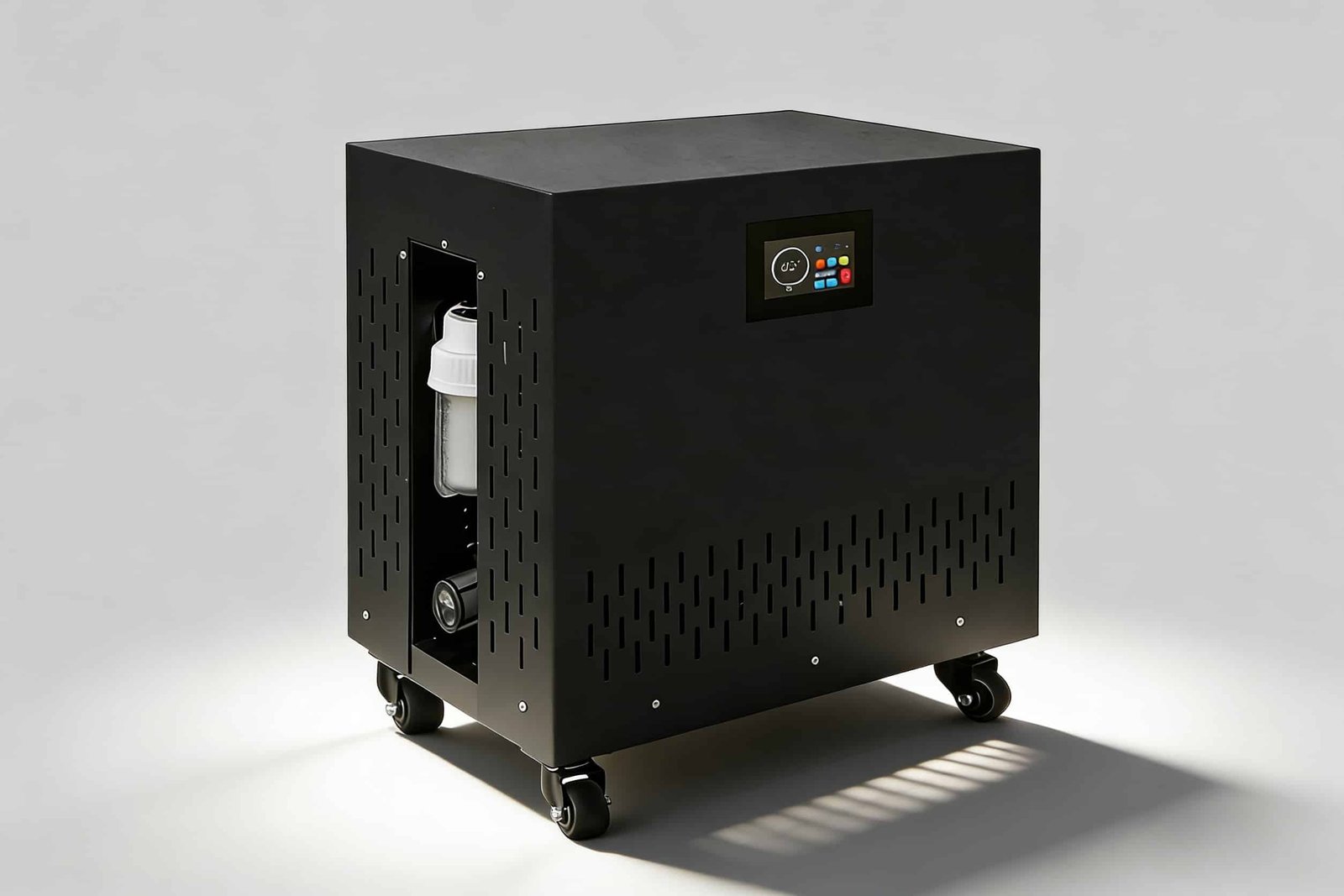
Cold plunge chiller maintenance performance baseline
After commissioning and after material service, record water volume, starting and ending water temperatures, ambient temperature, elapsed time, cover state, normal visible flow, controller mode and filter condition. Also note normal sound and vibration without attempting internal diagnosis. Repeat under comparable conditions when performance changes.
A baseline can show whether the issue appeared after filter loading, a hose change, warmer weather, a moved chiller or a changed setpoint. If the cold plunge chiller is not cooling, the dedicated diagnostic guide uses these records to separate water-side, heat-load and equipment causes.
Commercial and OEM maintenance records
For gyms, hotels, studios, distributors and OEM fleets, assign an equipment ID and keep model, serial, location, responsible person, operating hours, test records, filter history, treatment history, incidents, parts and service actions together. Define who can perform each action and who releases the unit back to use.
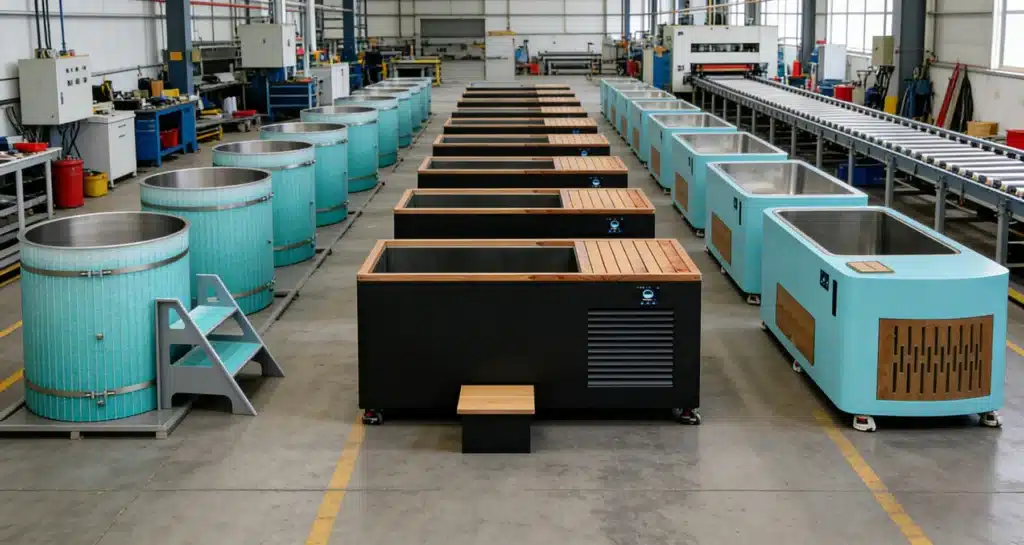
Before buying a batch, request the maintenance schedule, consumables list, exploded parts or service documentation where available, warranty process, spare-parts route and evidence required for a claim. Add those fields to the OEM RFQ and verify the finished configuration through the factory acceptance test. When a specific unit later needs review, use the cold plunge chiller warranty claim evidence guide to package its order identity, chronology, operating conditions, images and service history.
Use the cold plunge chiller spare-parts stocking record to convert that requested list into exact part identities, on-site/regional stock levels, reorder triggers and return-to-service evidence.
Know when cold plunge chiller maintenance becomes service
Internal electrical testing, refrigerant handling, sealed-system work, compressor diagnosis and component replacement are service tasks. The U.S. EPA’s Section 608 technician information explains requirements for work that could release refrigerants in the United States; follow the rules that apply at the installation location.
Escalate with the equipment identity, symptom, photos, controller state, water and ambient readings, flow and filter evidence, service log and actions already taken. Good cold plunge chiller maintenance makes that handoff faster because the normal baseline and history already exist.
Cold plunge chiller maintenance FAQ
How often should I perform cold plunge chiller maintenance?
Use the model manual and site conditions. Check visible safety, water level, leaks, controller state and flow before use; service filters and other items by the documented interval or condition trigger; complete seasonal and qualified service where required.
How often should a cold plunge filter be changed?
There is no reliable universal interval. Filter type, area, user load, water condition and operating hours matter. Use the manufacturer’s interval plus pressure, flow or visual-condition evidence and record each service.
Does cold water stay sanitary without treatment?
No. Cold temperature and clear appearance do not replace an approved water-treatment, testing, filtration and cleaning plan. Follow product instructions and local rules for the actual use case.
Can I clean inside the chiller myself?
Only perform accessible maintenance expressly allowed by the model instructions. Internal electrical, refrigerant and sealed-component work should go to qualified and authorized service.
What belongs in a maintenance log?
A cold plunge chiller maintenance log should record equipment identity, date, operator, water tests, filter state, visible flow, controller state, temperatures, ambient condition, inspection result, actions, parts, abnormal findings and the person who returned the unit to service.
Evidence note: This cold plunge chiller maintenance guide was technically reviewed on September 10, 2026. It provides an evidence-led framework; the selected model instructions, water-treatment documents, local rules and qualified service requirements remain controlling.
For a commercial fleet or OEM project, request a configuration-specific maintenance and spare-parts record before approving the order.