
OMNI Ice Product Directory
Cold Plunge System Directory: Chillers, Tubs & Complete Projects
A cold plunge system connects the tub, cooling, circulation, water care, controls and installation conditions. Browse current models, compare complete project routes or send one evidence-based shortlist.
How this page works
- 01Choose a product family→
- 02Compare current models→
- 03Send one product shortlist→
Chiller & tub catalogue
Find a product without searching the whole page.
Use the directory to narrow the catalogue by product family and format. Open a product for specifications, or add several models to one inquiry shortlist.
Try a model number or a broader product-family filter.
Sauna models and integrated projects
Choose a sauna model or plan a complete system.
Browse sauna models in their dedicated catalogue. For a complete cold plunge system, review the tub, chiller and installation scope together.
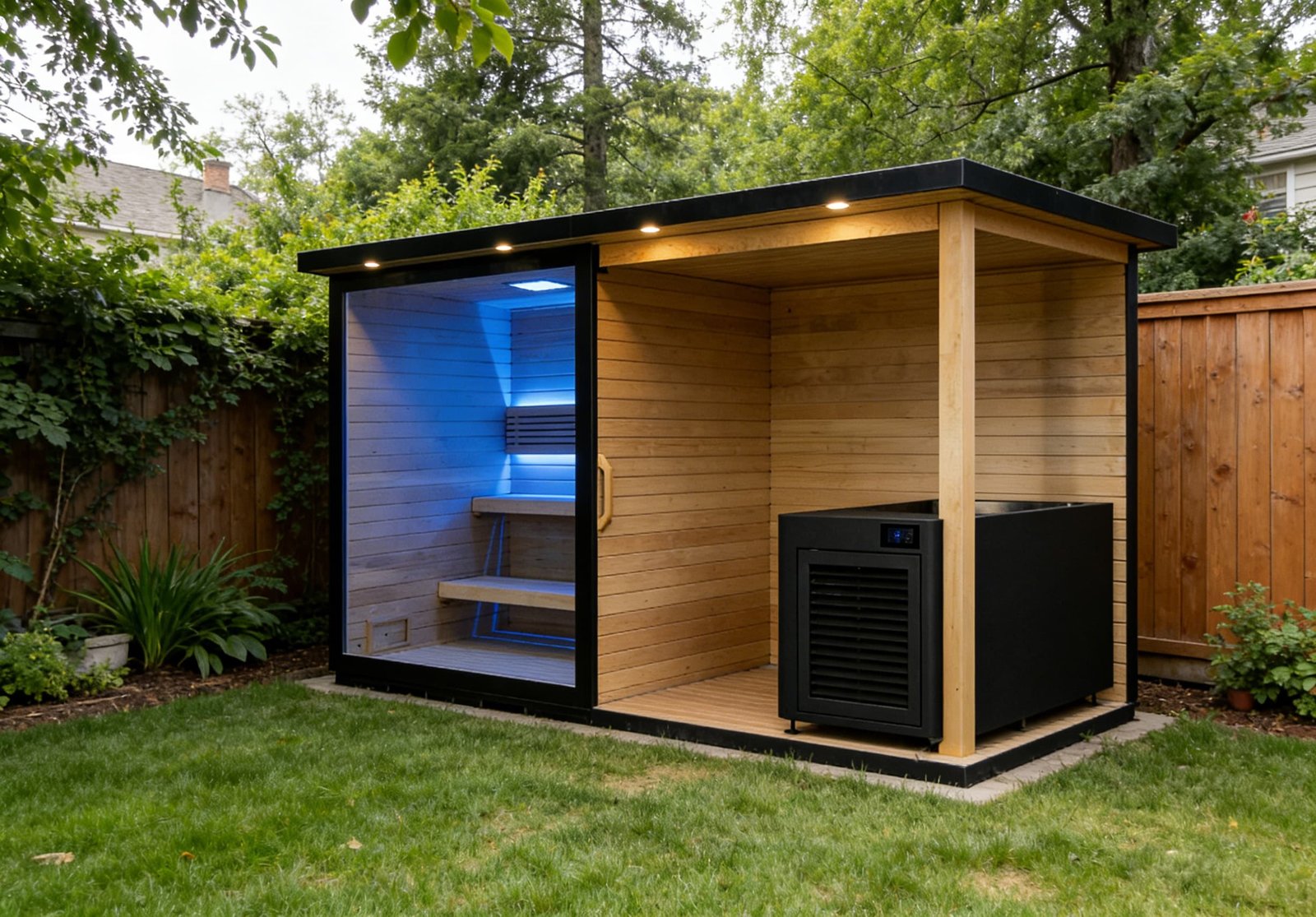 Sauna rooms
Compare sauna room models.
Compare indoor and outdoor sauna models, then confirm room dimensions, heating configuration and destination-market requirements.
Browse sauna models →
Sauna rooms
Compare sauna room models.
Compare indoor and outdoor sauna models, then confirm room dimensions, heating configuration and destination-market requirements.
Browse sauna models →
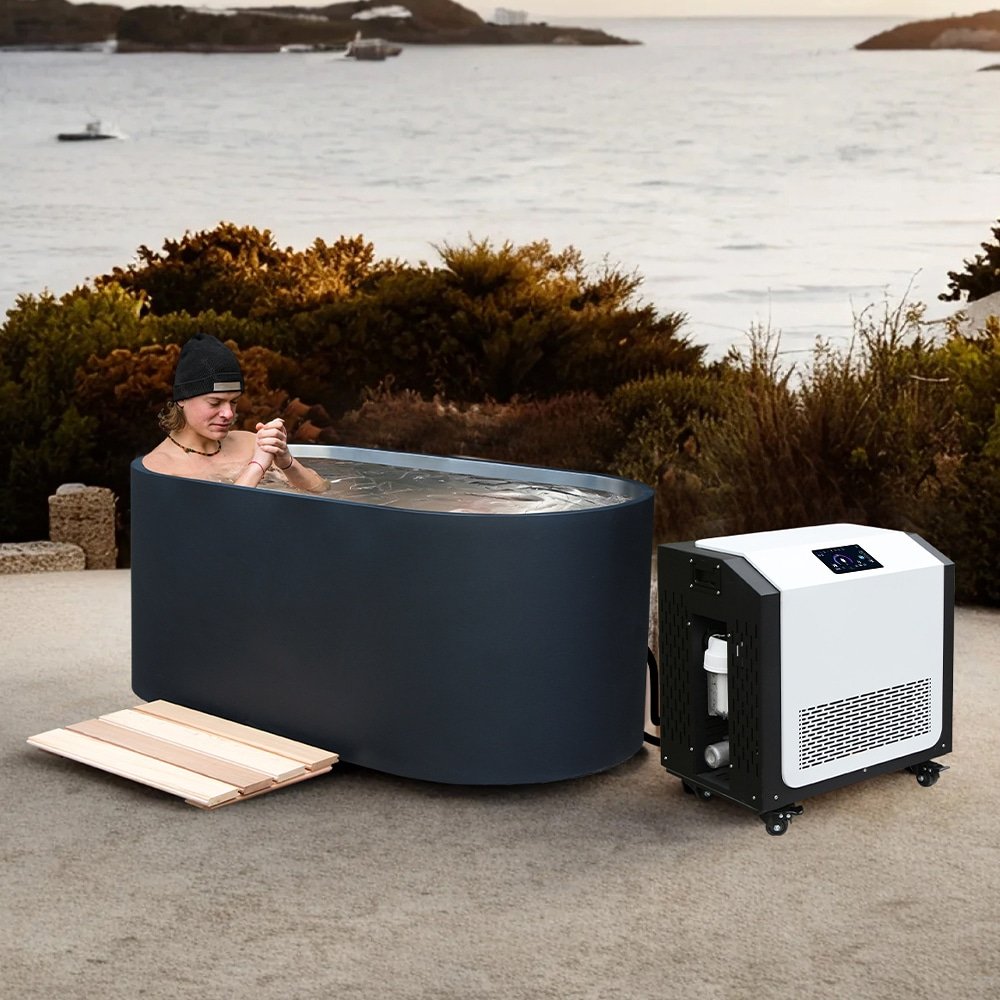 Complete cold plunge systems
Match every component as one scope.
Coordinate the tub, chiller, circulation, filtration, sanitation approach, hoses, fittings, project accessories and documentation.
Plan a complete system →
Complete cold plunge systems
Match every component as one scope.
Coordinate the tub, chiller, circulation, filtration, sanitation approach, hoses, fittings, project accessories and documentation.
Plan a complete system →
Product selection starter
Choose a product route before you compare individual models.
A useful product shortlist starts with the project around the equipment—not only with a product name or a price request.
Send your project direction →What helps narrow the shortlist
-
01
Existing tub or a new system?
Start with what is already in place, what is being replaced, or the recovery space you are planning.
-
02
What conditions must the equipment handle?
For chillers and tubs, share the water volume and target temperature. For saunas, share the available room size, intended users and heating requirements.
-
03
Which market and electrical setup apply?
Destination market, voltage and frequency should be clear before a configuration or documentation route is discussed.
-
04
What is the commercial goal?
A resale range, OEM project, commercial installation or one current model can each need a different next step.
You do not need a complete technical brief to start. Share the information you already have, and use the next discussion to make the product direction clearer.
View contact options →How to compare suppliers
What should make one supplier easier to work with than another?
The answer is not a louder claim. It is whether the product, configuration, documentation and project scope become clearer as the discussion progresses.
A quotation does not make a project clear. The clarity has to come before the quotation, from the quality of the questions, the scope and the evidence behind the response.
The product starts with the application.
OMNI Ice begins with the existing tub or intended system, working water volume, temperature direction, environment and daily-use context.
Configuration comes before documents.
Selected model, electrical configuration and destination market are clarified before documentation is discussed for that configuration.
The system is considered as one scope.
For complete installations, the tub, chiller, circulation, filtration, sanitation approach, hoses, fittings and accessories are connected decisions.
OEM starts with the buyer, not a logo.
Target customers, product family, configuration direction, branding, packaging and expected quantity create a useful OEM starting point.
From shortlist to scope
A clear inquiry moves from product interest to a usable project scope.
You do not need a complete engineering brief before contacting OMNI Ice. The next discussion resolves the factors that actually change your product, document and commercial decisions.
- 01
Send a direction, not a perfect brief.
Share a shortlisted model, a product family, an existing-tub context or the recovery project you want to explore.
- 02
Clarify the factors that change fit.
Review water volume or dimensions, target temperature, use frequency, installation environment, electrical requirements and destination market.
- 03
Define the scope around the product.
Confirm configuration direction, quantity, branding, packaging, system components, documentation needs and project-specific requirements where relevant.
- 04
Review the next practical proposal.
Use the confirmed scope as the basis for a more relevant quotation and next-stage product, delivery or project discussion.
- 05
Coordinate the agreed project route.
Use the official contact route for production, delivery and after-sales communication once the product and project scope are agreed.
Certification availability depends on the selected CHM or CHU model, electrical configuration and destination market. Documentation is available on request.
Browse by application
Start from where the equipment will be used.
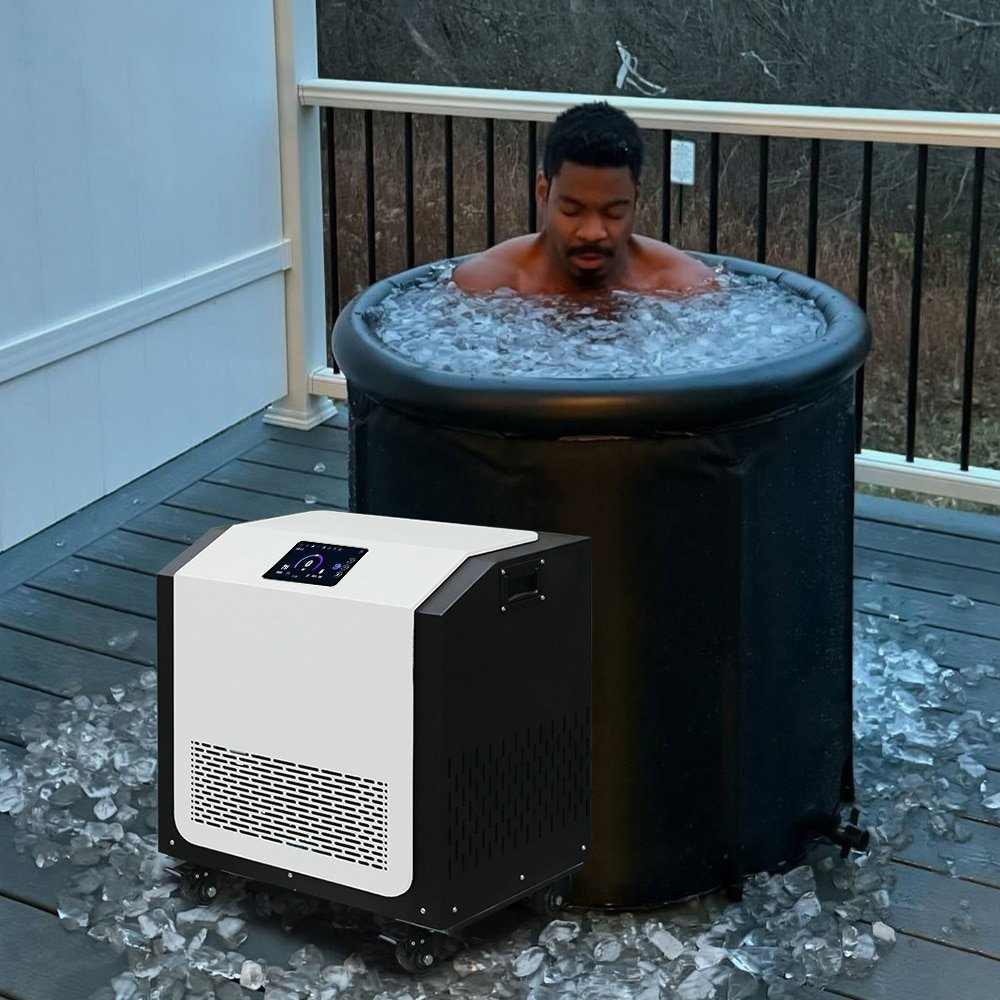 Sports recoveryAthletes & TeamsReview usage frequency, recovery workflow and equipment placement.
Commercial wellnessGyms & Fitness CentersPlan around daily users, water care, access and operating conditions.
Sports recoveryAthletes & TeamsReview usage frequency, recovery workflow and equipment placement.
Commercial wellnessGyms & Fitness CentersPlan around daily users, water care, access and operating conditions.
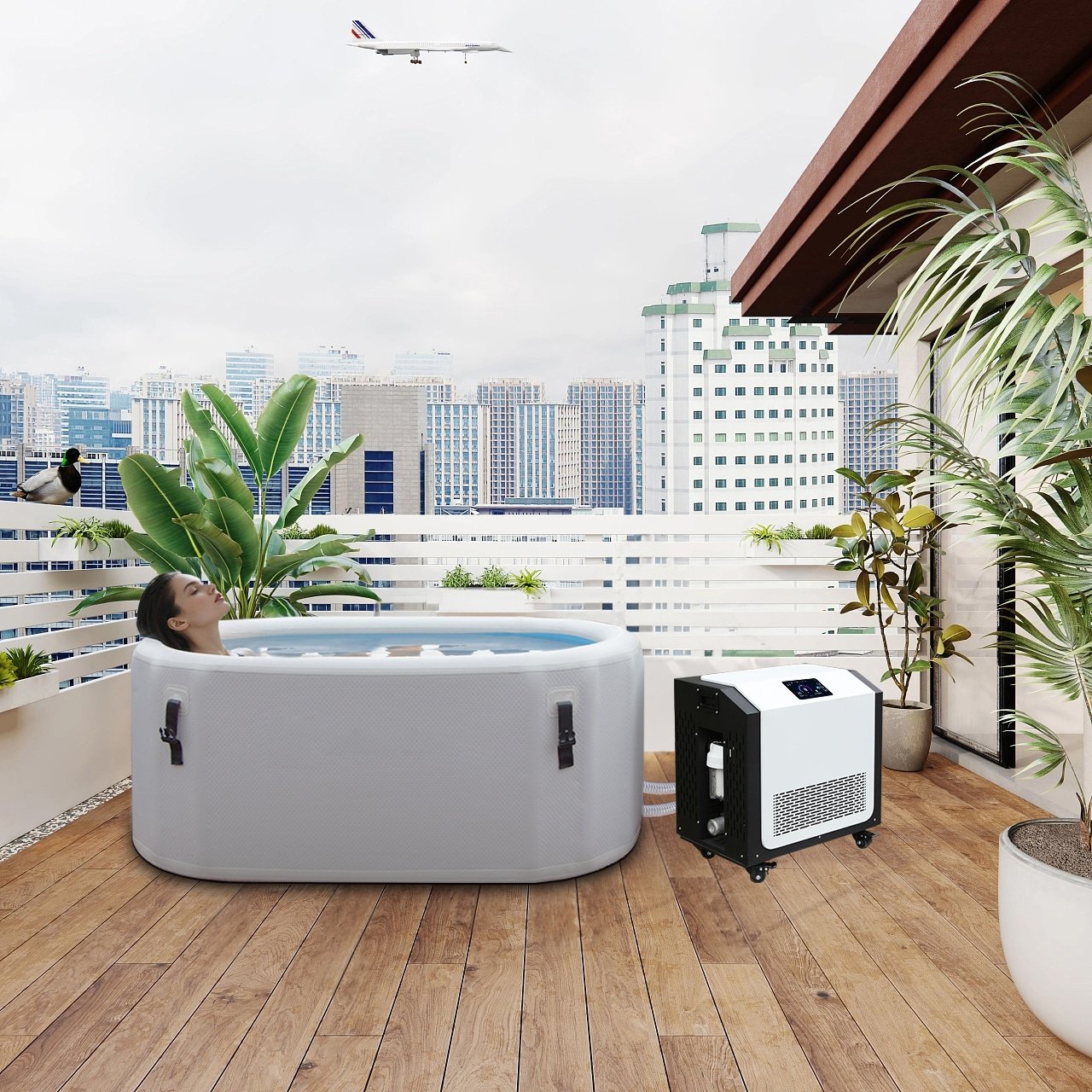 HospitalityHotels & Luxury SpasCoordinate finish, guest experience, installation and service access.
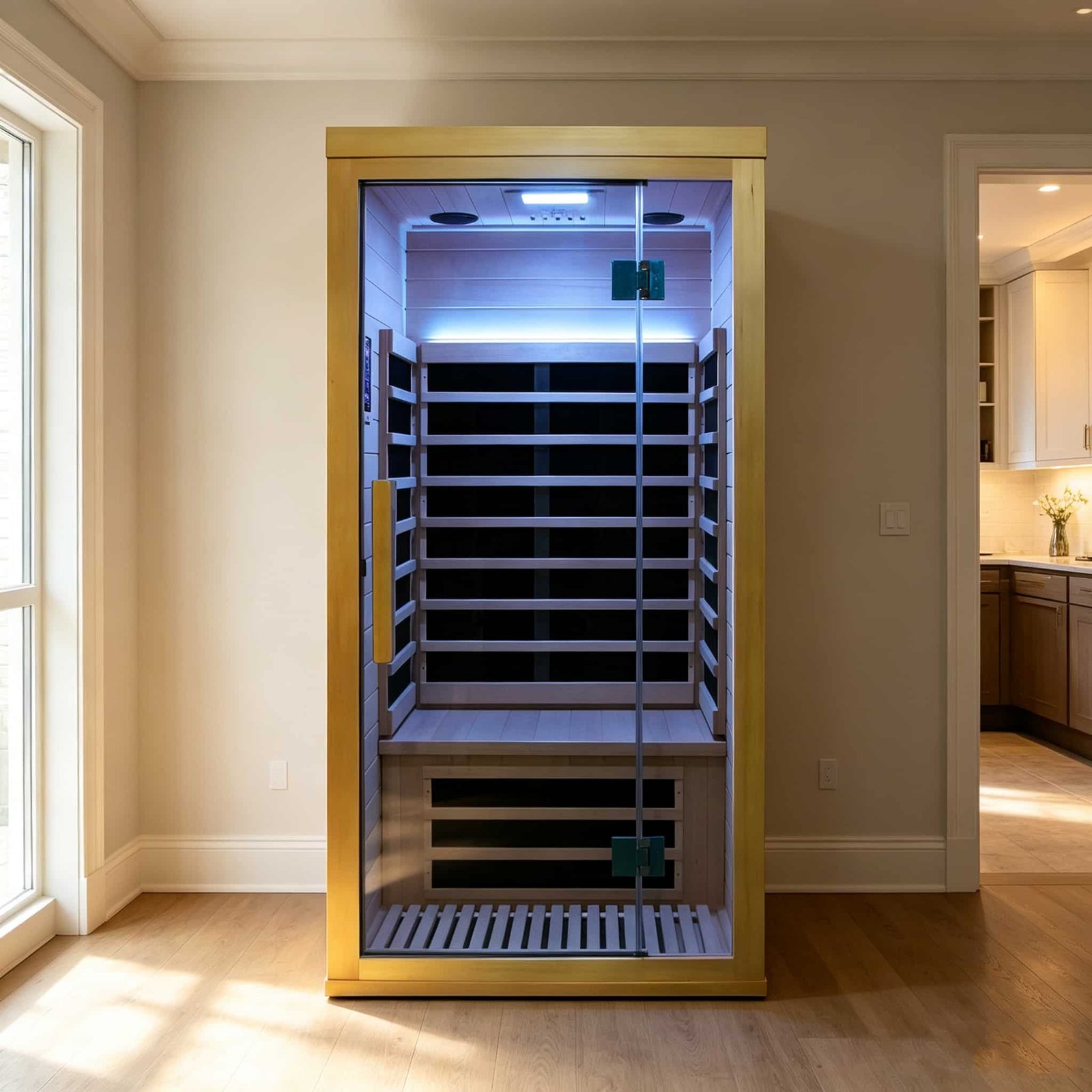 Contrast therapySauna & Cold PlungePlan the hot-and-cold experience as one project scope.
Buyer questions
Answers before you choose a product or supplier.
B2B system selection
Cold plunge system selection: four routes before a quotation
Quick answer: A cold plunge system is the coordinated scope around the tub, cooling unit, circulation, filtration or treatment route, controls, electrical supply, installation and service access. The right cold plunge system is selected from a defined operating case—not from horsepower, appearance or a lowest-price list alone.
| Cold plunge system route | Start with | Confirm before approval |
|---|---|---|
| Existing tub + external chiller | Usable water volume, ports, hose route and equipment position | The cold plunge system flow path, heat rejection, voltage, drainage and service clearances |
| New tub + chiller package | User fit, tub material, working volume and installation setting | The cold plunge system component list, compatible interfaces, accessories and commissioning boundary |
| Integrated or direct-cool unit | Space, delivery route, operating duty and maintenance access | The exact cold plunge system model, electrical variant, test conditions and replaceable components |
| Commercial multi-user project | Users per block, daily schedule, water-care plan and responsible operator | The cold plunge system duty cycle, local requirements, inspection record, spares and support route |
Evidence to request
Ask for the exact model and revision, nameplate data, included parts, rated test conditions, water-loop diagram, document matrix, packing record and written exclusions. A product photo does not prove the final cold plunge system configuration.
Independent planning context
For shared-water facilities, the CDC Model Aquatic Health Code is voluntary U.S. model guidance, not universal law. For EEA projects, the European Commission CE marking guidance explains manufacturer, importer and distributor responsibilities. Applicability still requires project-specific review.
Cold plunge system evidence register
Cold plunge system identity: record the model, revision, electrical variant and complete supplied-parts list.
Cold plunge system duty: record usable water volume, start and target conditions, ambient range, users and required recovery window.
Cold plunge system hydraulics: record pump, filter, treatment route, ports, hoses, fittings, lift and expected flow.
Cold plunge system installation: record indoor or exposed placement, ventilation, drainage, noise, delivery access and service clearances.
Cold plunge system electrical fit: record destination voltage, frequency, connection method, protection and local qualified-work responsibilities.
Cold plunge system documents: list each requested document with the model/series, standard, issuing body, version and current status.
Cold plunge system acceptance: tie sample approval, test observations, deviations and release authority to the purchase order.
Cold plunge system packing: identify accessories, protected components, carton or crate, dimensions, weight and shipping marks.
Cold plunge system service: state warranty terms, diagnostic route, parts, exclusions and buyer, installer and operator duties.
A buyer should compare every cold plunge system on this same register. If the cold plunge system model, duty or included component changes, the supplier should revise the record before price or delivery is approved.
Use the chiller sizing guide when thermal duty is still open, then send one shortlist through the project enquiry route. The response should separate confirmed cold plunge system facts from assumptions that still need evidence.
Turn a shortlist into a practical product proposal.
You do not need the final configuration before contacting us. Send the products or route that look relevant, plus your intended use, market and electrical context. The next discussion can narrow the product and commercial scope.