Skip to content

Recovery equipment manufacturing for global B2B buyers

WOOD + HYBRID / WARM OUTSIDE, SERVICEABLE INSIDE

Wooden Cold Plunge Tubs for Premium Recovery Spaces

A wooden cold plunge tub should be specified as a layered system: visible cladding, water-contact liner, structure, insulation, cooling, drainage and service access. The result can feel architectural without hiding the operating reality.
Natural timber or compositeStainless or polymer linerExternal or integrated cooling
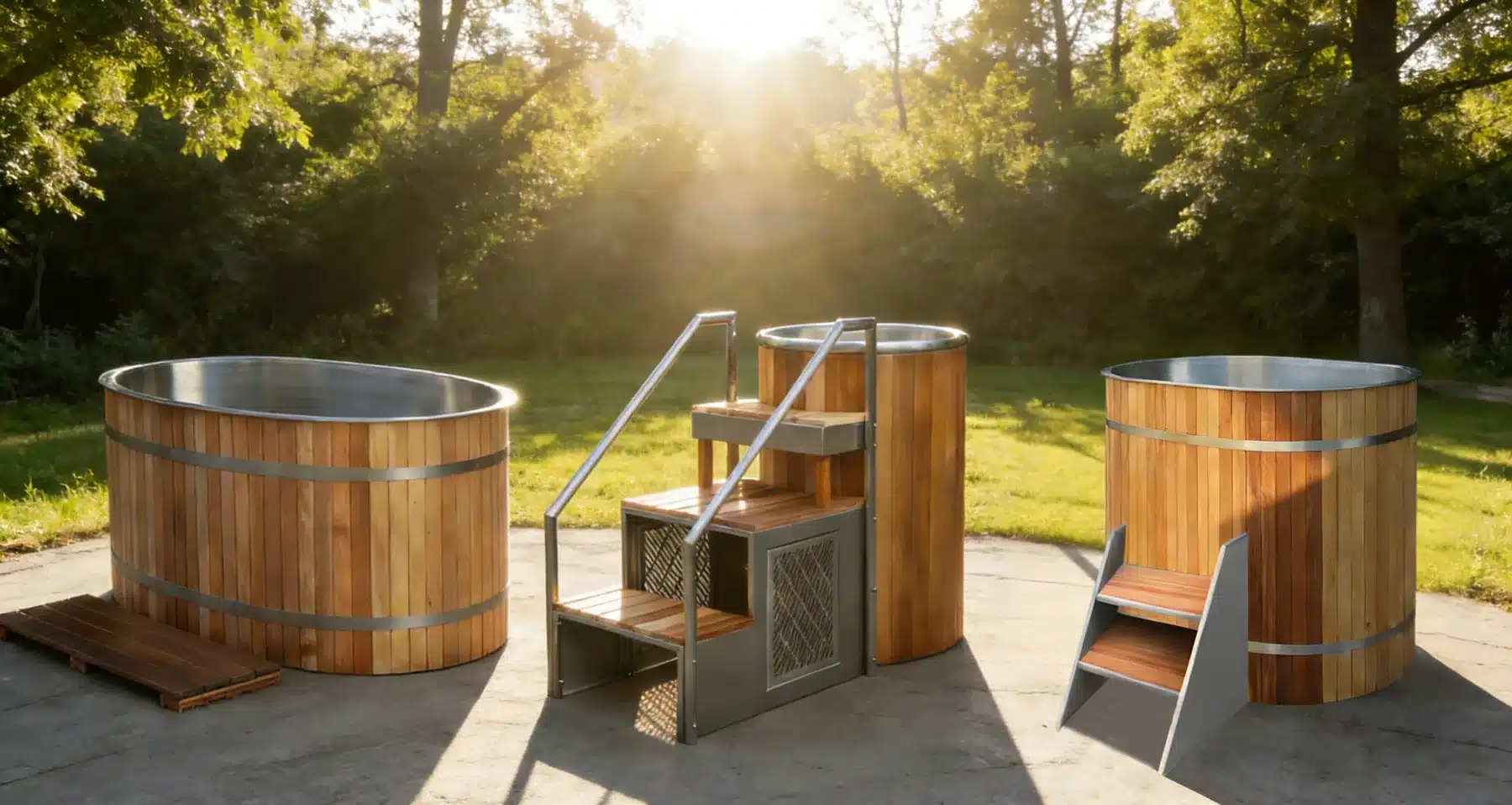
Wood-wrapped and hybrid cold plunge tub model family
MODEL FAMILYRound, oval and integrated directions
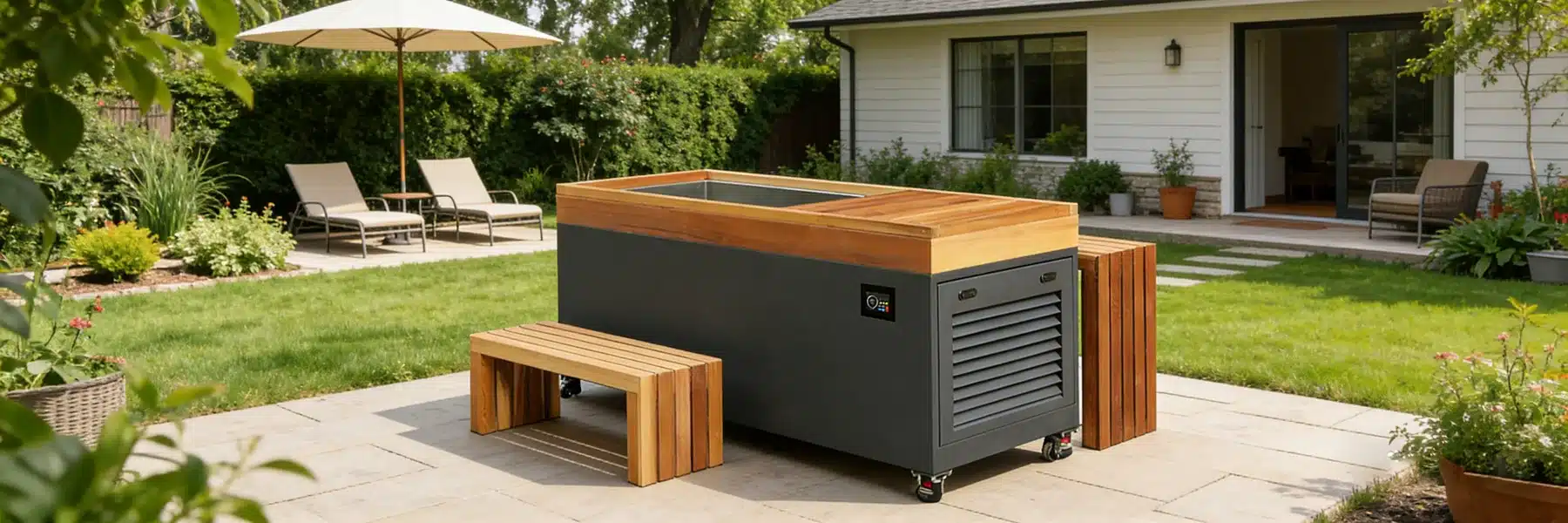
Wood-wrapped cold plunge tub in a residential landscape
Residential landscape direction

MATERIAL STACK

Wooden cold plunge tub specification: approve seven separate layers.

The warm exterior is only one layer. A reliable project file identifies what touches water, what carries load, what limits heat gain and how every component can be maintained.
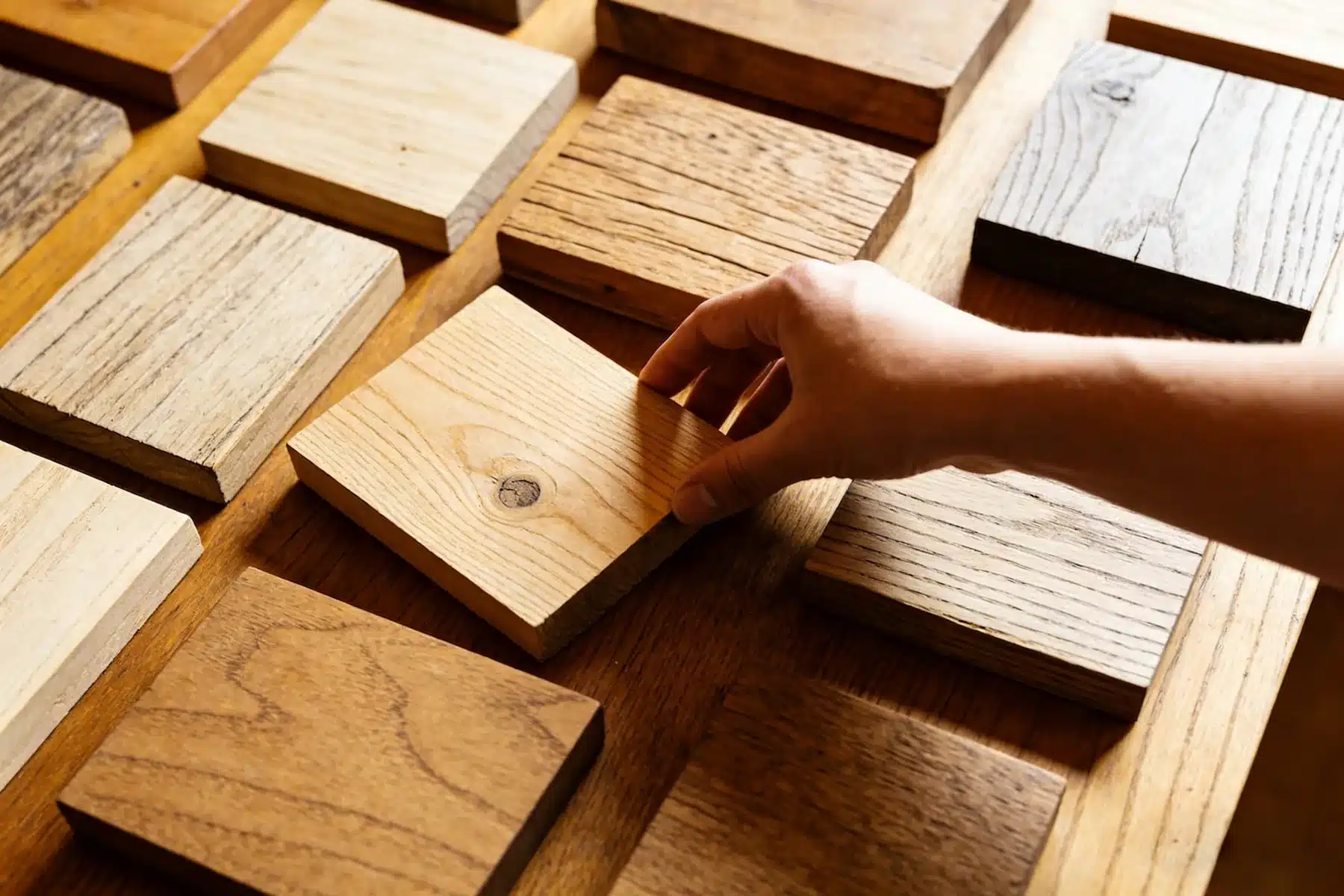
Wood cladding samples for cold plunge tub finish selection
01 / VISIBLE LAYER

Approve colour, grain range and exposure from a controlled sample.

Natural timber variation and composite consistency need different approval rules.
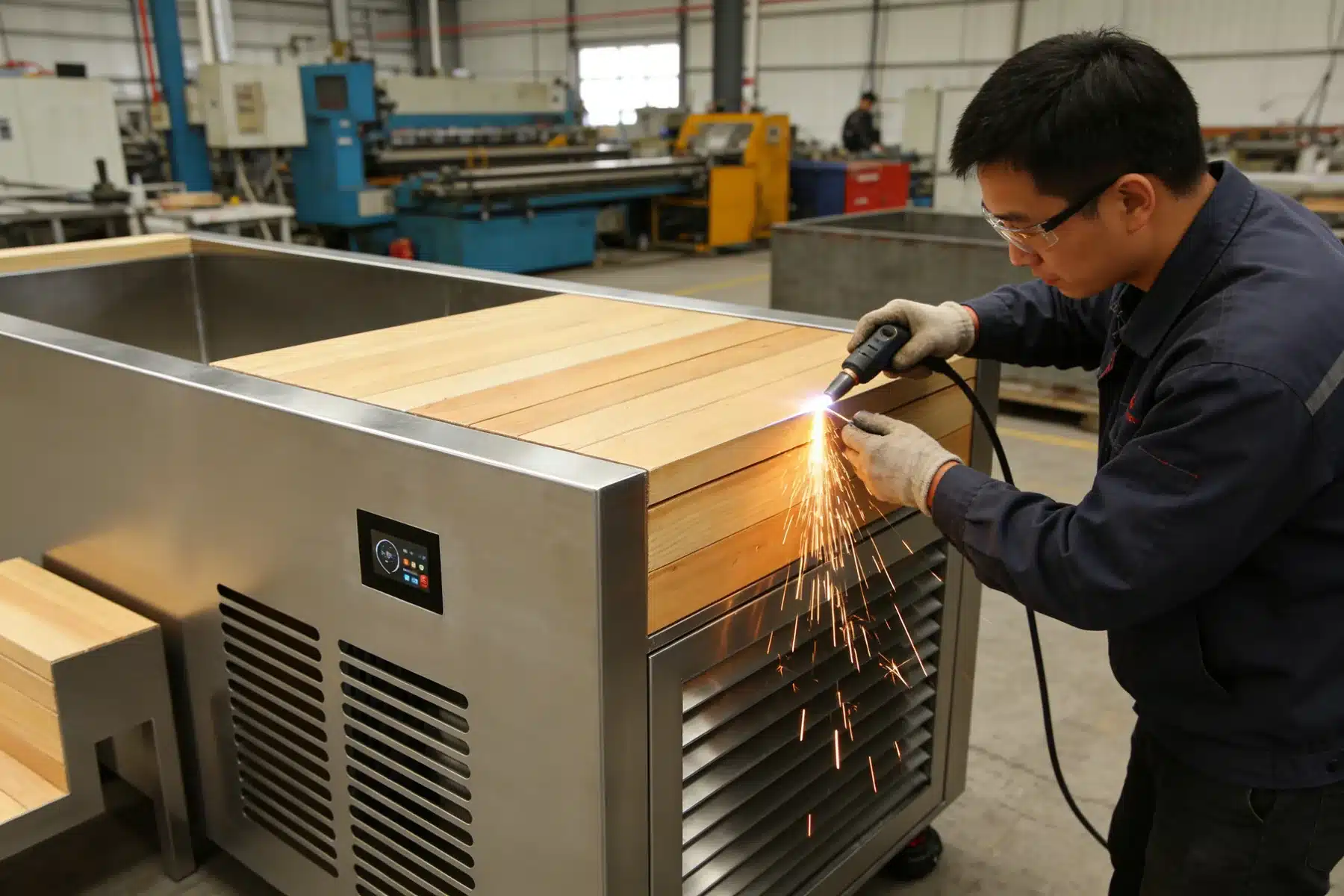
Technician assembling a wood-wrapped cold plunge tub cabinet
02 / ASSEMBLYKeep service panels removable.
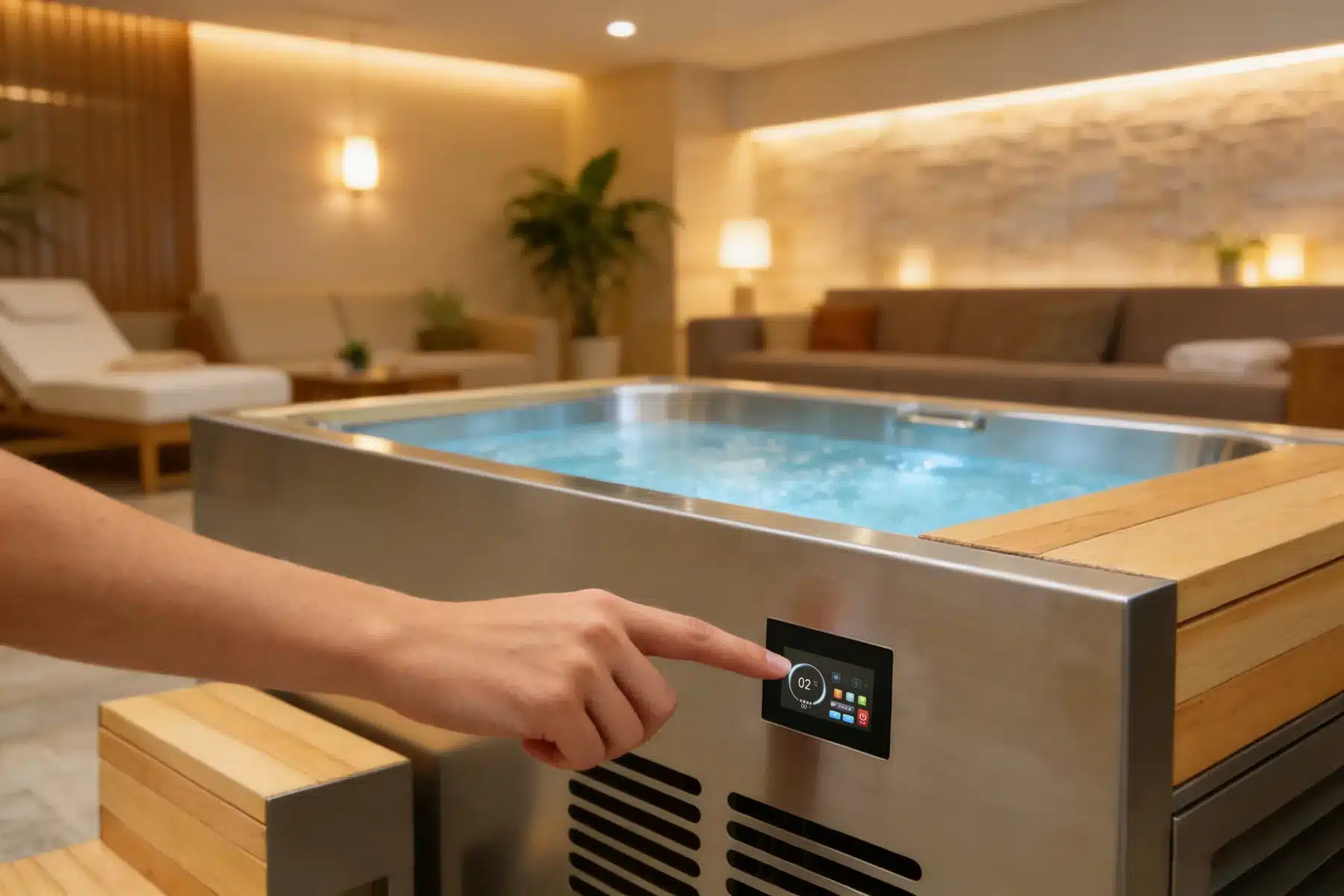
Integrated control panel on a wood-wrapped cold plunge tub
03 / OPERATIONControls remain visible and reachable.
01

Visible cladding

Natural timber, veneer, WPC or another composite, with species/product identified.

Material sample, colour range and installation detail.

Calling every wood-look surface cedar.

02

Finish system

Coating, edges, fasteners, UV/moisture exposure and maintenance interval.

Product-specific care and refinishing guidance.

Using an indoor finish claim for an exposed outdoor site.

03

Water-contact liner

Stainless, polymer or other liner, with geometry, seams and care requirements.

Liner material schedule and leak-test/inspection method.

Assuming the cladding material identifies the water-contact surface.

04

Structure and base

Frame, supports, floor contact, lifting points and movement allowance.

Dimensioned build and site support requirements.

Ignoring material movement and drainage around the base.

05

Thermal system

Insulation coverage, cover, pipe insulation and condensation control.

Section detail for the selected model and climate.

Using wood appearance as proof of thermal performance.

06

Water and cooling

Volume, drain, ports, pump, filter, external/integrated chiller and ventilation.

Hydraulic diagram and service-clearance plan.

Hiding equipment without providing airflow or service access.

07

Delivery and care

Crating, access, weather protection, cleaning, inspection and seasonal routine.

Handover file assigning owner, installer and operator responsibilities.

Treating a premium finish as maintenance-free.

08

Cladding attachment

Fixing method, removable sections, drainage gaps and access to hidden components.

An assembly detail showing how service panels are removed and replaced.

Permanent-looking cladding that blocks inspection, drying or repair.

09

Batch appearance

Natural colour/figure range, composite consistency, join pattern and replacement-panel matching.

A signed master sample plus documented acceptable variation.

Promising identical natural grain or approving batches from edited photos.

10

Ventilation and drying

Air path around integrated equipment, drainage behind cladding and post-use drying conditions.

Clearances and maintenance steps for the exact enclosure architecture.

Sealing the visual shell while trapping heat or moisture.

EXPOSURE + CARE PLAN

Approve finish, core and cooling as one coordinated build.

A wood sample alone cannot approve the full tub system. Use this path to move from wooden cold plunge tub research to an approved supply scope.

01

Choose the visual layer

Define wood/composite direction, tone, coating and expected exposure.

02

Confirm the tub core

Review liner material, structure, insulation, drain and water volume.

03

Match the cooling route

Define external or integrated system, target, flow, power and service access.

04

Plan the handoff

Approve care guidance, packaging, site responsibilities and market documents.

SITE AND MATERIAL INPUTS

Six layers behind a wood-wrapped plunge tub.

The visible material is only the first line of the specification. These inputs keep the wooden cold plunge tub comparison tied to an actual project.

01

External finish

Wood species or composite, coating, colour and exposure.

02

Water-contact liner

Material grade, geometry, seams, finish and care guidance.

03

Structure

Frame, base, supports, entry and handling points.

04

Thermal layer

Insulation, cover and site heat-gain strategy.

05

Water & cooling

Volume, drain, ports, pump, filtration, chiller and service access.

06

Maintenance

Surface care, water care, inspection, drainage and seasonal storage.

ARCHITECTURAL PROJECT ROUTES

Warm material language works only when the operating plan is equally considered.

These tubs often sit in visible, experience-led spaces. The hidden technical and maintenance route still decides whether the concept lasts.
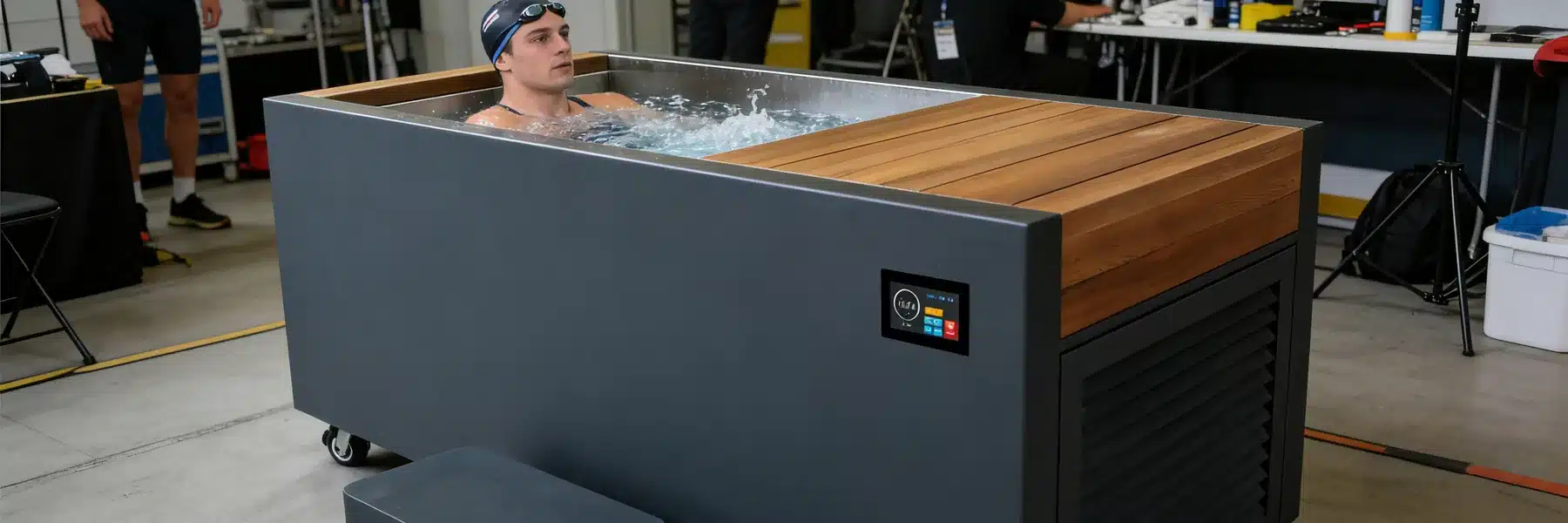
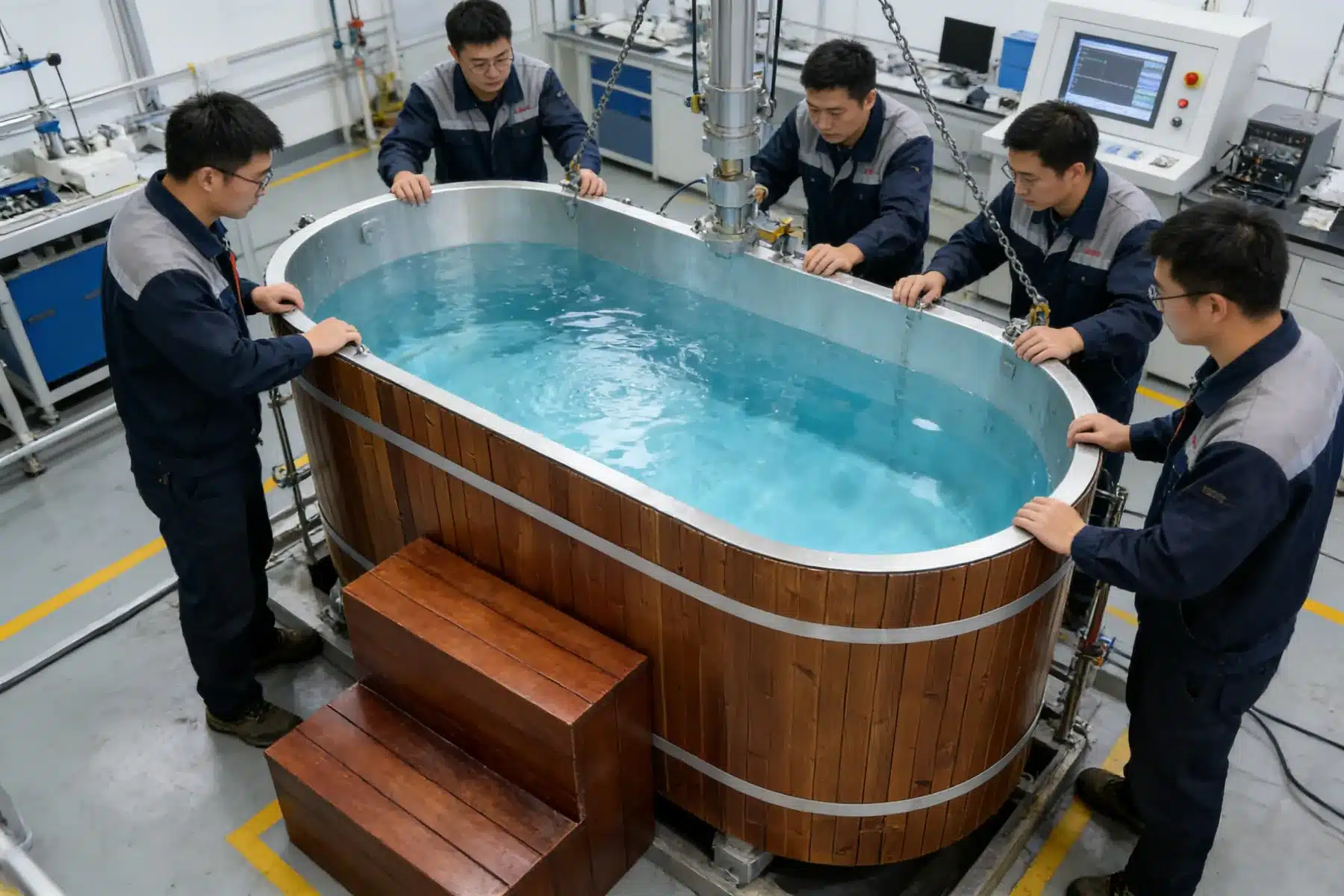
LODGE

Hotel, resort and spa terrace

Exterior tone can connect the tub to landscape and sauna areas, while weather, drainage and plant access need project coordination.

What to send

Share exposure, climate, cover, site plan, power and maintenance ownership.

CLUB

Gym or private club

Repeated users make liner cleaning, water care and service access just as important as the warm exterior.

What to send

Define daily users, staff routine, downtime, finish care and cooling load.

HOME

Architectural residence

Material can match decking or interiors when the delivery route, moisture control and long-term finish care are accepted.

What to send

Confirm access, base, drainage, ambient, finish sample and owner routine.

BRAND

Premium OEM collection

A marketable finish must be repeatable across samples, production, packaging and after-sales instructions.

What to send

Approve species/composite, master sample, tolerance, care label, crate and spare parts.

SAUNA

Sauna and cold-contrast suite

A coordinated wood language can connect the two experiences, but wet-side care, heat exposure and separate service zones remain distinct.

What to send

Share sauna distance, humidity/temperature context, drainage, ventilation and finish palette.
BUYER INPUT

A premium finish needs a practical maintenance and site brief.

Tell the supplier where the unit will live, how it will be used and who will care for it—not only which wood tone you prefer. This brief gives the team enough context to review wooden cold plunge tub against the real requirement. This wooden cold plunge tub review becomes useful only when the requirement is tied to a named model and operating condition.

  1. Indoor/outdoor setting and weather exposure
  2. Natural wood or composite direction
  3. Preferred liner and internal size
  4. External or integrated cooling route
  5. Operating and cleaning routine
  6. Quantity, destination, branding and documents
What the image can show

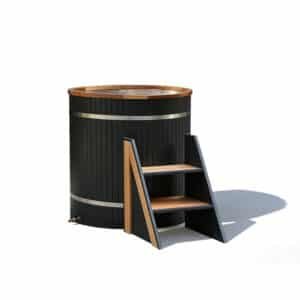
Form, visible finish, steps, rails and the apparent equipment arrangement.

What the image cannot prove

Species, grade, liner, insulation, cooling performance, outdoor rating or maintenance interval.

What to approve in writing

A model-specific material schedule, drawings, finish sample, care guide and service-access plan.

BUYER FAQ

Wood and hybrid tub questions before material approval.

Separate the visible wood language from the water-contact, structural, thermal, cooling and maintenance systems.

These wooden cold plunge tub answers help buyers compare product options, installation needs and the information required for an exact model recommendation.

Is a wooden cold plunge tub made entirely from wood?

Often the visible wood or composite is an exterior layer around a separate water-contact liner and structural system. Confirm every material by model.

Which is easier to maintain: cedar or WPC?

They have different appearance and care tradeoffs. Ask for the exact material, coating, exposure guidance and cleaning/maintenance instructions for the selected model.

Can the chiller be built into the tub?

Some model directions may use integrated cooling while others connect to an external chiller. Compare ventilation, service access, freight, noise, drainage and site layout.

Can a wood-wrapped tub stay outdoors?

Outdoor use requires confirmation of the exact cladding, coating, liner, cover, drainage, weather exposure, freeze conditions, electrical protection and maintenance routine.

What should a hotel or gym buyer request?

Request drawings, materials schedule, water volume, cooling and hydraulic layout, operating and cleaning guidance, service access, packaging and model/market-specific documents.

Will natural wood change colour or move?

Natural wood can vary and respond to moisture, sunlight and temperature. The exact species, construction and finish guidance should define acceptable variation and maintenance.

Can the exterior be refinished?

That depends on the cladding and coating system. Request approved cleaning, spot-repair and refinishing procedures before the product is installed or sold.

How should a replacement cladding panel be matched?

Retain the material, finish system and master sample, while accepting the documented colour and grain variation of natural timber. Composite batches also need a controlled reference.

Why are drying gaps and removable panels important?

They can support moisture management, inspection and service access. Their exact design must be reviewed with the liner, frame, insulation and equipment layout.

wooden cold plunge tub planning references. The USDA Forest Products Laboratory Wood Handbook provides background on wood and moisture relationships; it does not verify an OMNI Ice model. The OSHA electrical overview illustrates why equipment suitability and site installation must be reviewed against the applicable local rules. Use both as planning context when checking a wooden cold plunge tub proposal, not as product certification.

CONFIGURATION, NOT GUESSWORK

Turn wooden cold plunge tub research into a model-level review.

Send the use setting, water volume, temperature target, ambient, run time, power, quantity, destination and customization scope. A final wooden cold plunge tub recommendation can then be tied to an actual product and project condition.