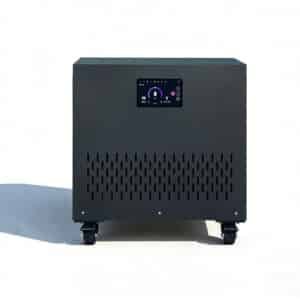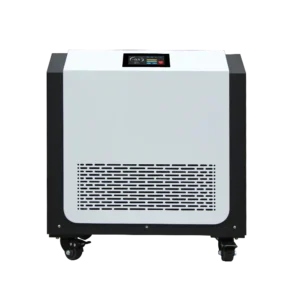
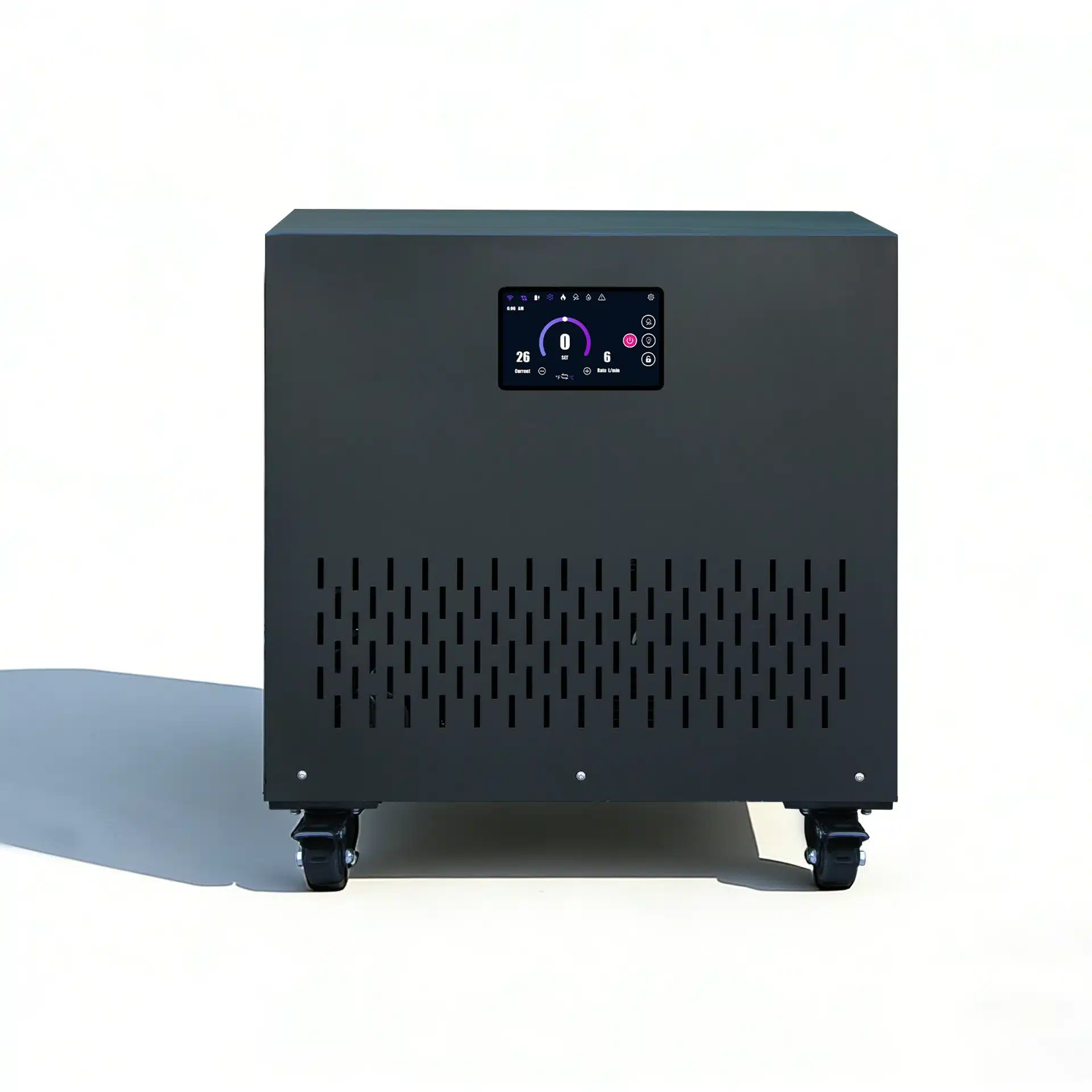
1.5HP / HIGHER-CAPACITYCHU-15 routeFor the project needing more low-temperature capacity.
Recovery equipment manufacturing for global B2B buyers
DEEP FREEZE / SPECIALIST RANGE
Deep Freeze Performance Chillers are the specialist route for experienced users, professional recovery projects and buyers who genuinely require freezing-point performance or visible ice—not simply a colder version of an entry chiller.
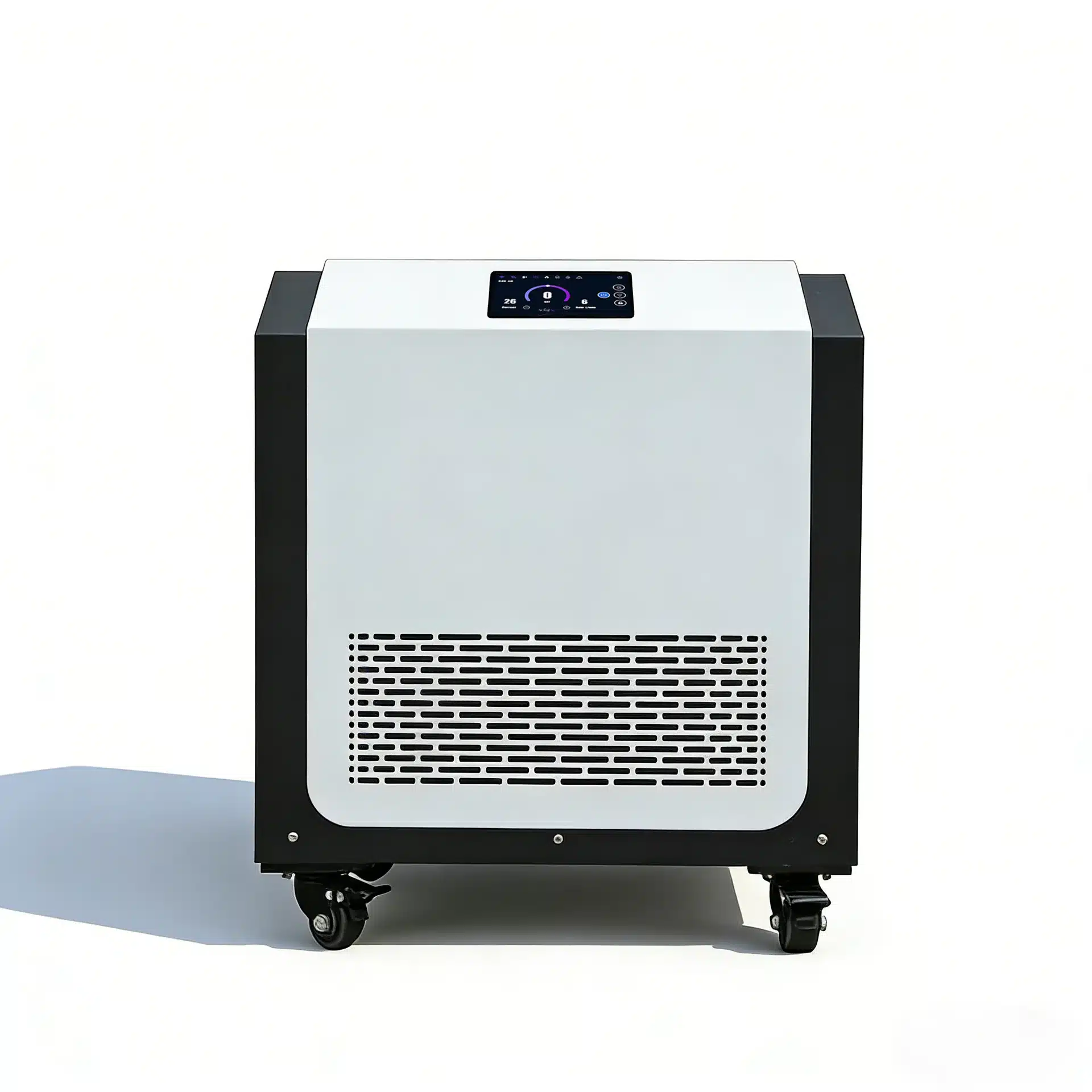
SEE THE EVIDENCE
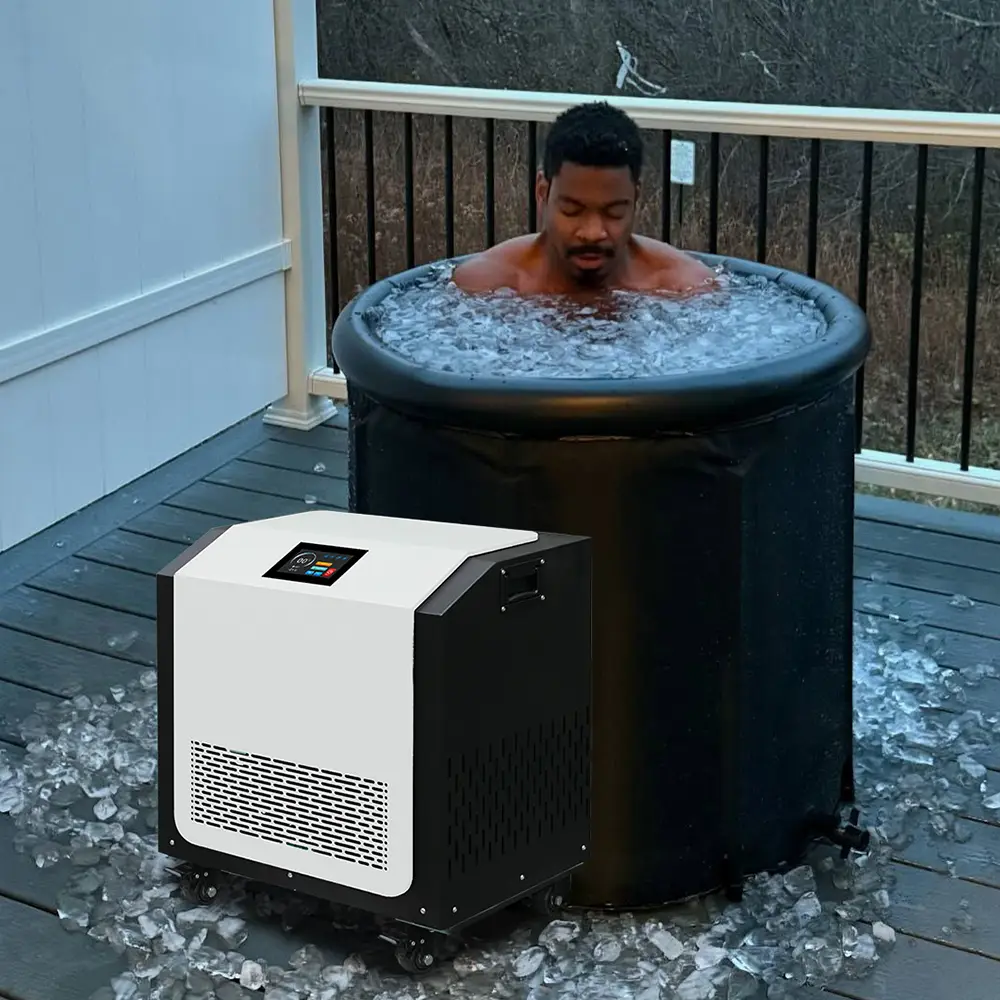
Deep Freeze Performance Chillers should be judged with the actual tub, visible ice condition, machine configuration and a repeatable test envelope in view.

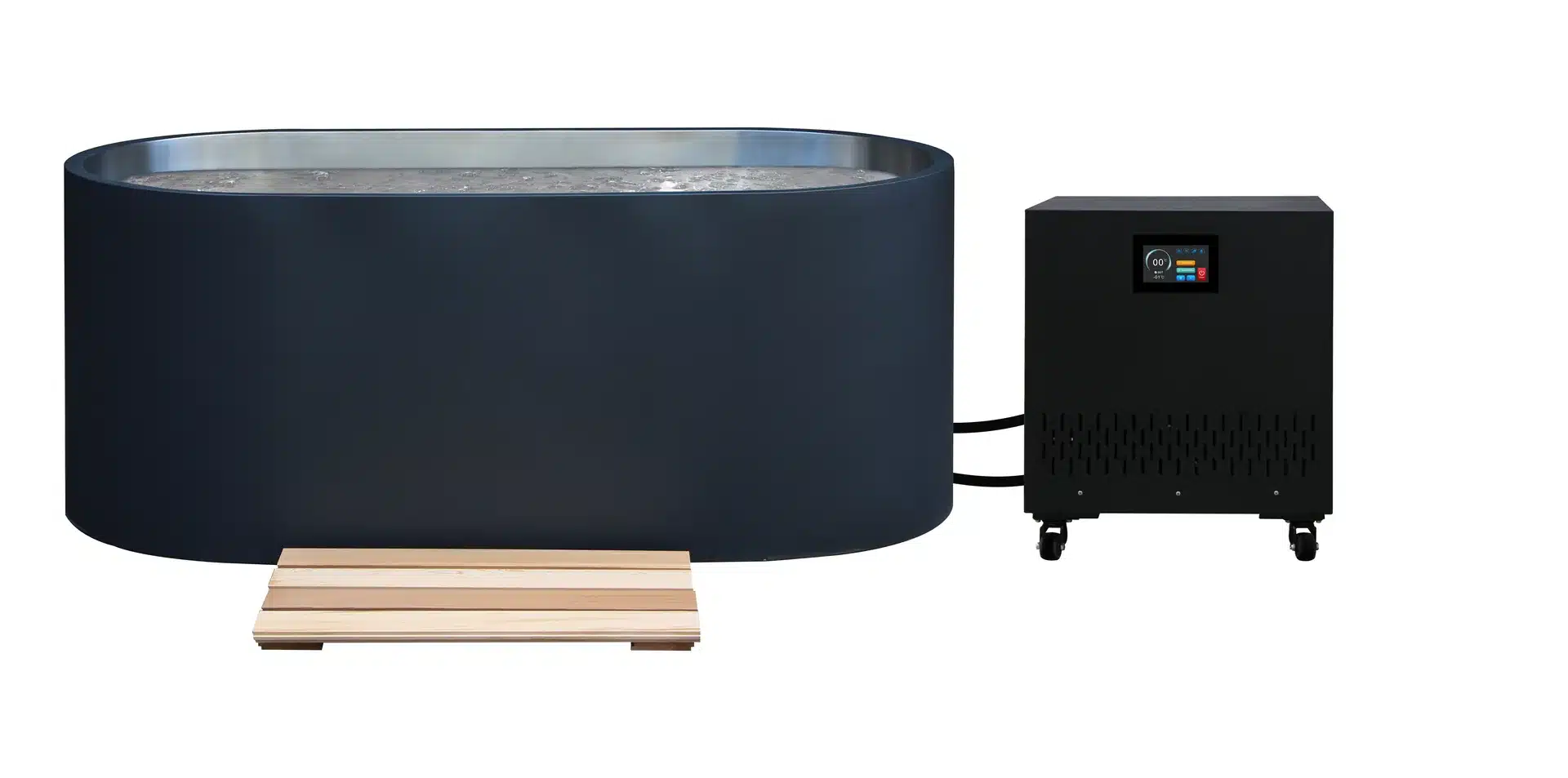

WHAT PROVES PERFORMANCE
Deep Freeze Performance Chillers need a result that shows what was measured, where it was measured and which conditions produced it.
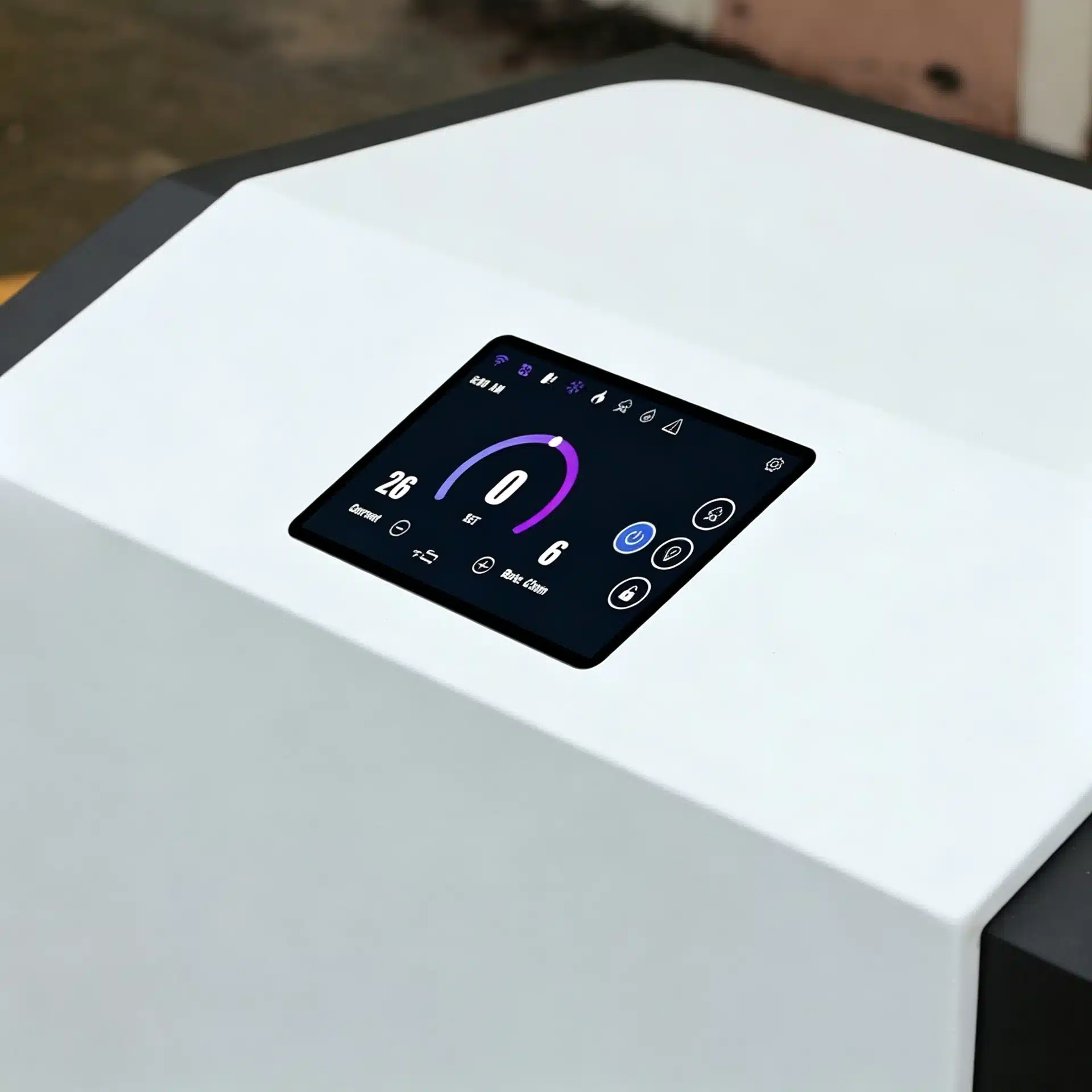
Identify probe position and distinguish bulk-water temperature from outlet or surface readings.
State where ice appeared, whether it spread across the tub and how long it remained.
Record volume, ambient, insulation, flow, start temperature and elapsed time together.
Confirm destination power, protection, wet-area installation and service clearances.
BUILD THE TESTABLE SYSTEM
Use the factory and test record to connect the refrigeration assembly to the final water loop instead of treating the chiller as an isolated black box.
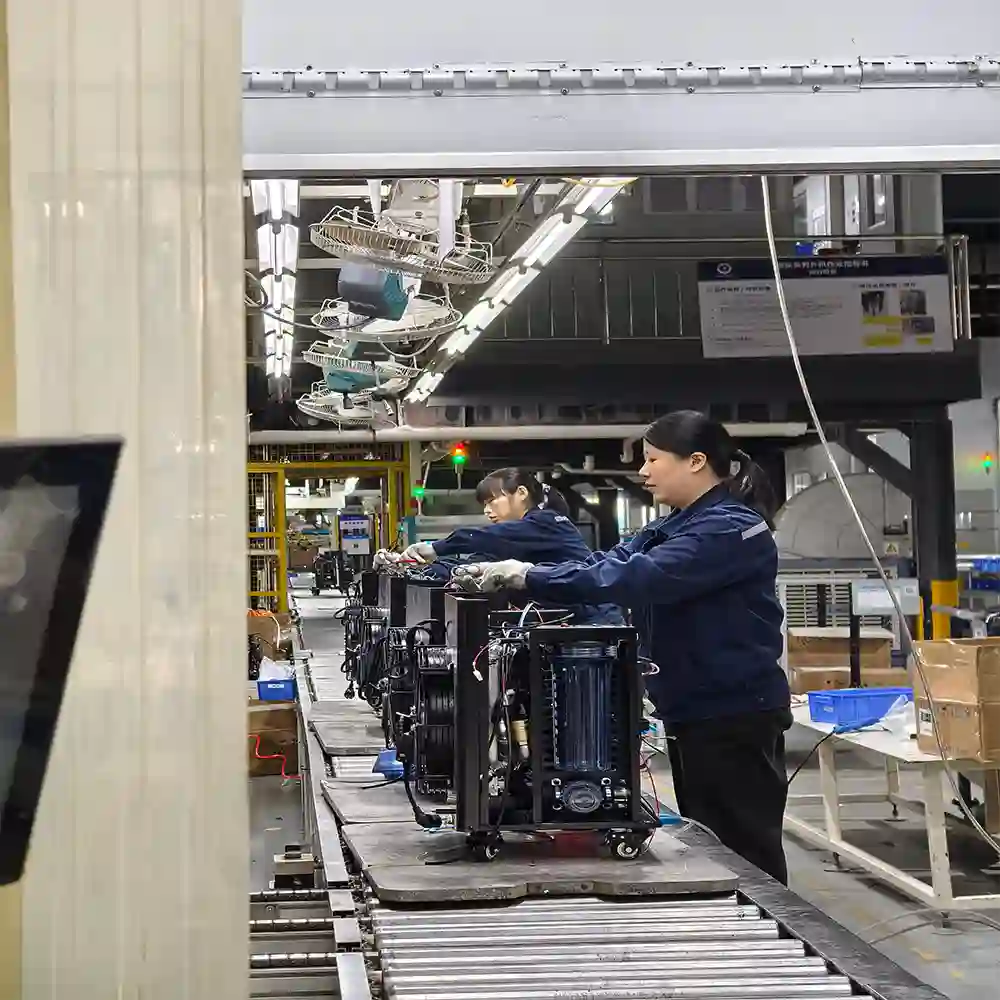
Measured water target, visible-ice goal and required hold time.
Volume, ambient, insulation and power version decide the shortlist.
Pump, hoses, filter, flow protection and heat rejection stay in the record.
Compare the repeatable result before purchase or production release.
WHO SHOULD CHOOSE DEEP FREEZE
Choose this page when 0°C or visible ice is part of the operating brief. A personal beginner who only wants ordinary cold water will usually get better value from Essential or Smart.
You understand the cold-plunge routine and want a documented low-temperature result rather than a general entry setup.
Choose by test envelope and usable volume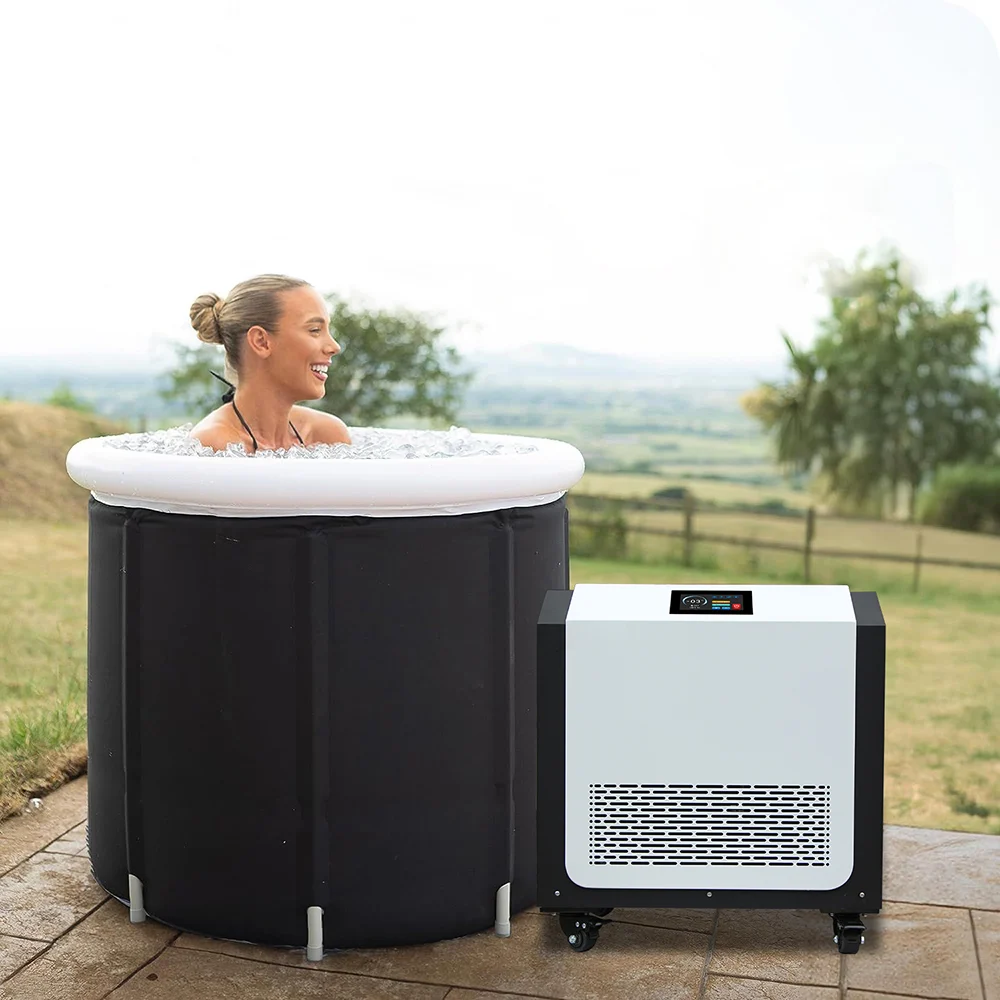
Training, recovery and specialist projects need a model-specific test, installation plan and clear operator responsibility.
Request measured performance and commissioning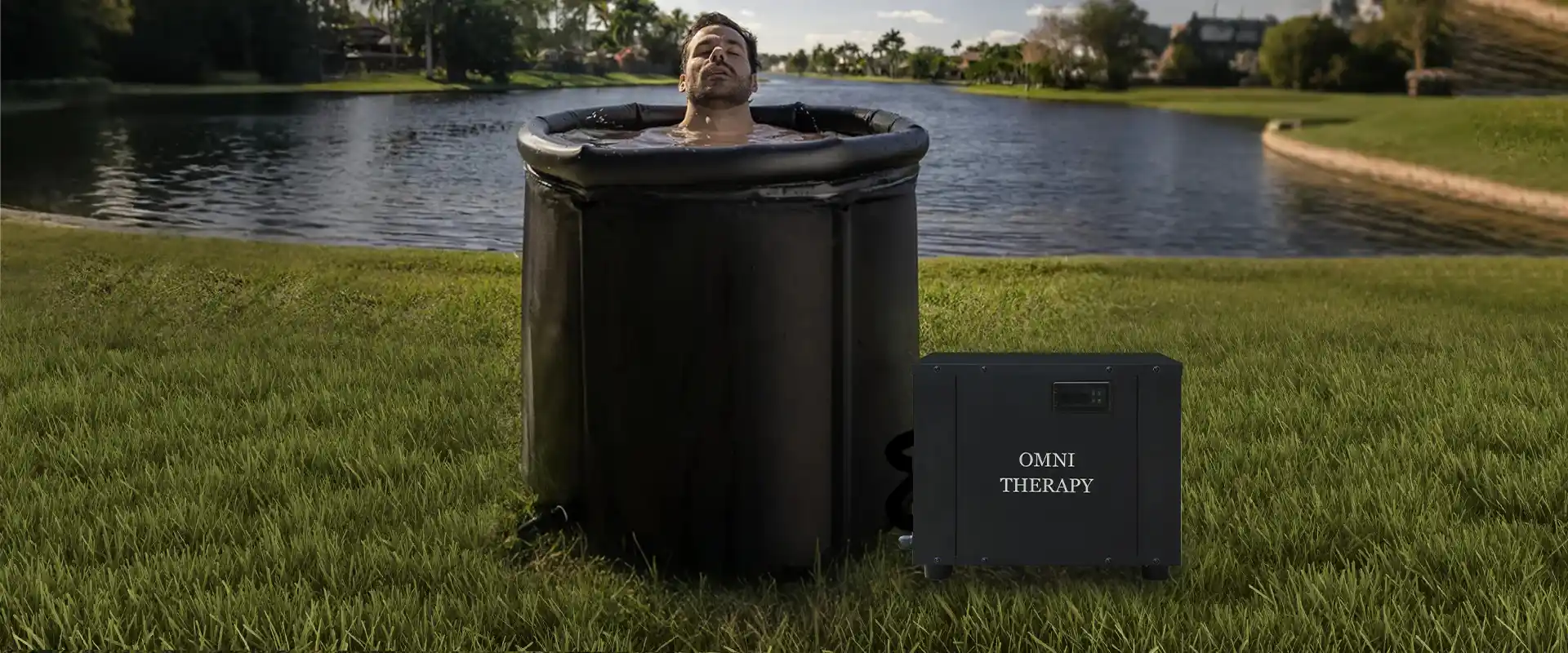
Do not pay for deep-freeze complexity if your real goal is a simple personal cold-plunge routine with a moderate temperature target.
Return to Essential or Smart for better fitDETAILED BUYER NOTES
The points below stay collapsed until a technical or purchasing buyer needs them. They explain the boundary between an impressive photograph and an approvable low-temperature system.
Deep freeze performance chillers are unnecessary when a personal buyer wants a conventional cold-plunge temperature, operates one modest tub and does not require visible ice. The lower-complexity route can reduce initial cost, installation demands and the number of systems the owner must maintain. Before moving up, write down the actual target temperature, starting water temperature, tub volume, ambient conditions and acceptable pull-down time.
If the target can be served by the Essential range, paying for freezing-point capability may not improve the daily experience. If the buyer values scheduled starts, heating, filtration, ozone or app control more than visible ice, the Smart route may solve the real problem more directly. The correct comparison is the simplest configuration that can meet the measured operating brief with suitable margin.
For deep freeze performance chillers, the quotation should distinguish a controller setting from measured bulk-water temperature and from visible ice formation. Record where the probe was placed, which instrument was used, whether the water was circulating, and whether the reading came from the tub, the outlet or a local cold zone. Include usable water volume, starting temperature, ambient air, humidity, cover and insulation condition.
If visible ice is required, state where it first appeared, how widely it formed and how long the condition was maintained. Add hose length, fittings, pump, filter and elapsed time. These details make the result reviewable and help engineering teams evaluate flow protection, heat rejection, electrical demand and service implications before confirming a model.
Deep freeze performance chillers cannot be selected by horsepower alone. Compare the 1HP ice-making direction and 1.5HP higher-capacity direction against the same inputs: water volume, starting and target temperatures, ambient condition, insulation, pull-down time, circulation arrangement and destination power. A larger compressor label does not automatically solve restricted flow, poor ventilation, an uncovered tub or an unrealistic run-time expectation.
Ask for the exact model and voltage version, refrigeration and water-side configuration, rated condition and test record. Then compare what is supplied and what remains site-provided, including pump, filter, hoses, fittings, protection devices and drainage. This keeps model selection tied to the complete operating loop rather than one number on a catalogue card.
Deep freeze performance chillers increase the importance of ventilation, condensation control, pipe insulation, drainage and electrical protection. The machine needs enough clearance to reject heat without recirculating hot discharge air. Cold hoses, fittings and tub surfaces may collect condensation, so the site plan should identify insulation, wet-area protection and a safe drainage route.
The circulation loop should document hose length, lift, fittings, filter restriction, pump duty and flow protection. Outdoor or semi-outdoor installations need an environmental and weather-exposure review. Service access must remain available after the tub is installed. Commissioning should confirm leak-free operation, stable circulation, controller behaviour, alarms and measured temperature response.
Deep freeze performance chillers fit experienced individual users who have a clear low-temperature target and understand the practical demands of cold-plunge operation. Professional training, recovery and specialist wellness projects may benefit when repeatable temperature evidence is part of the operating standard. Brands and distributors may use the range when their market specifically requires an ice-making product.
In every case, the buyer should explain why ordinary cooling or a smart all-in-one system is insufficient and be prepared to validate configuration, documentation and support. This range is not automatically best for a beginner, a small casual tub or a price-led purchase. It is right when the objective, test envelope, installation and operating responsibility justify the capability.
Approve the exact deep freeze performance chillers model, destination voltage and frequency, controller version, supplied water-loop components, refrigeration specification and external connections. Attach a test condition covering volume, starting temperature, ambient, target, elapsed time, flow and insulation. Confirm cabinet finish, labels, manuals, packaging and any private-label requirements against the sample.
Identify site-provided items and the party responsible for plumbing, electrical work, ventilation, drainage, commissioning, water care and service. For an OEM order, connect the approved sample and controlled configuration to the production and inspection plan. This gives buyer and supplier the same model-level reference for acceptance, repeatability and support.