Skip to content

Recovery equipment manufacturing for global B2B buyers

COLD PLUNGE TUB COLLECTION / FOUR MATERIAL ROUTES

Choose the tub body, then build the complete cold-plunge system.

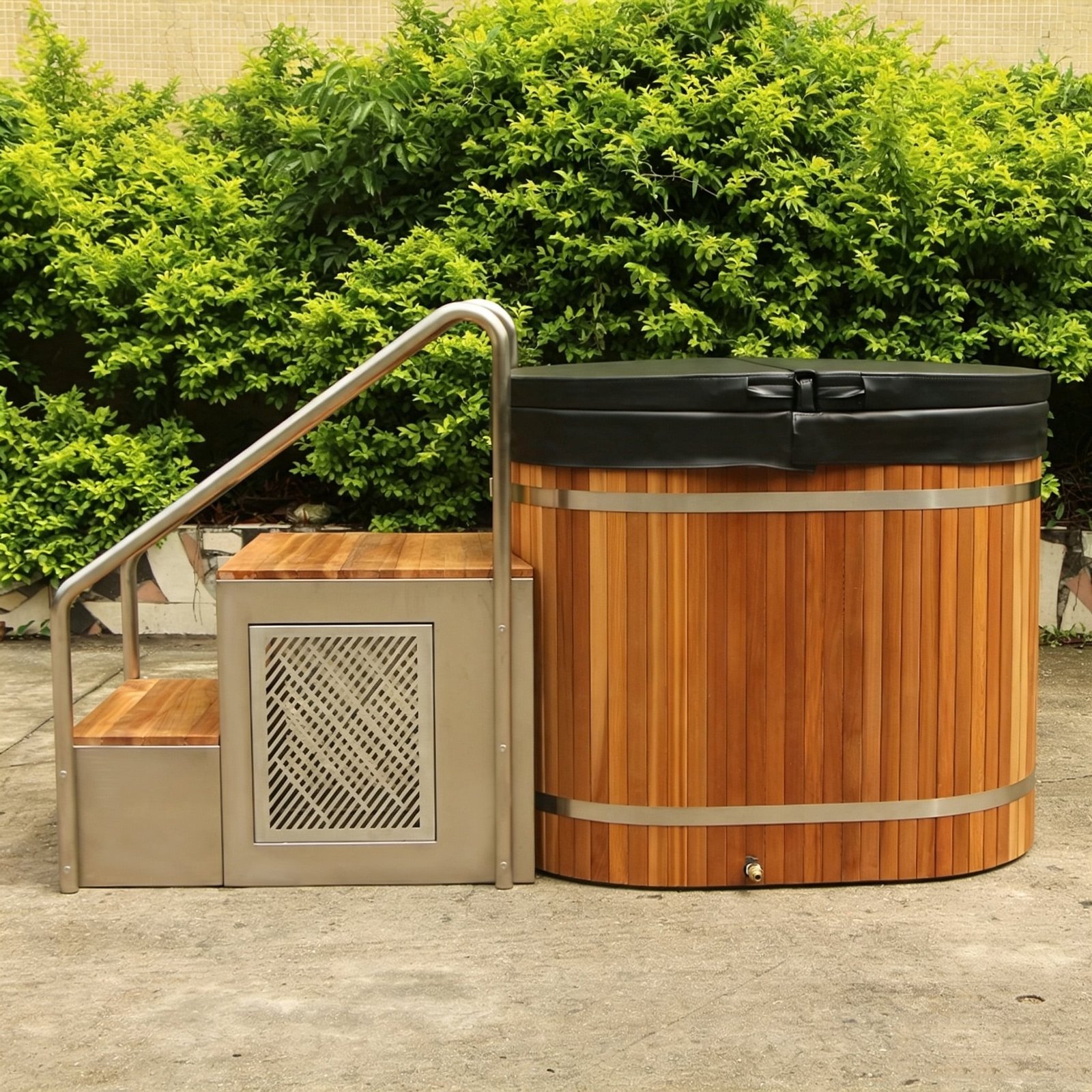
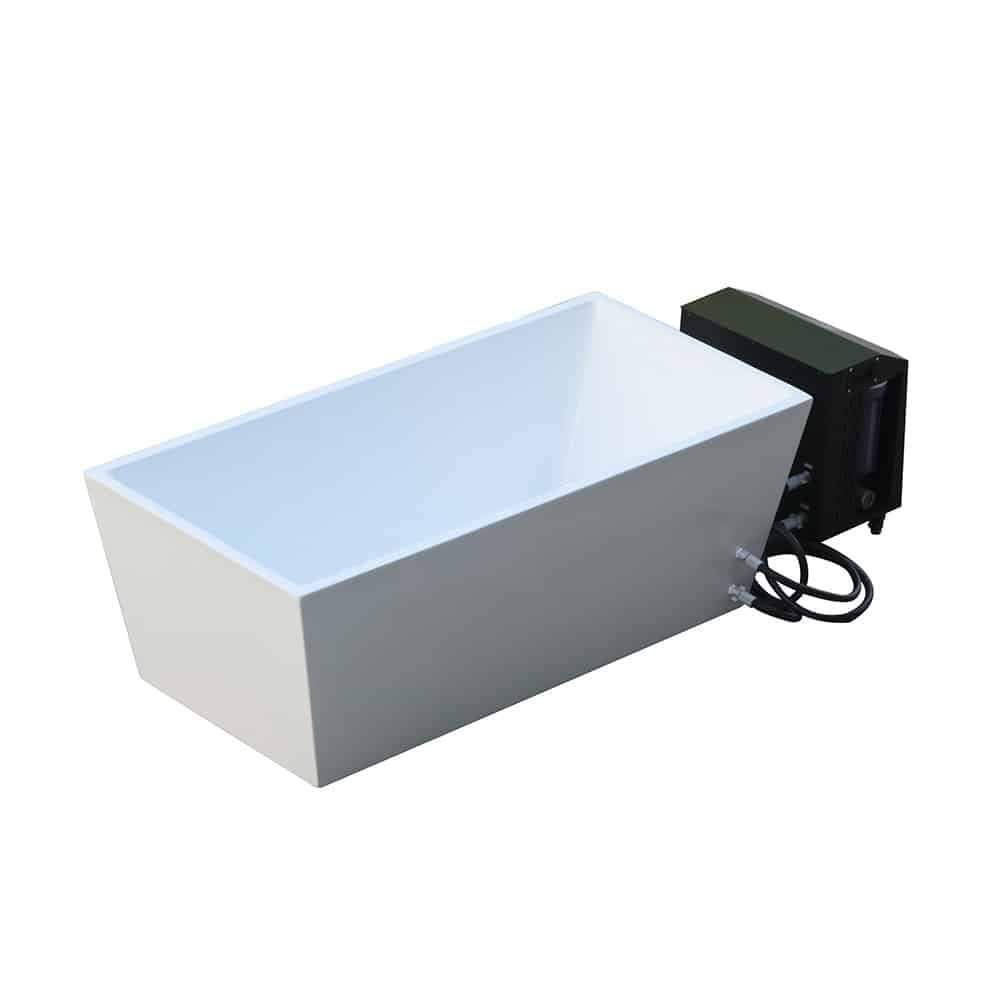
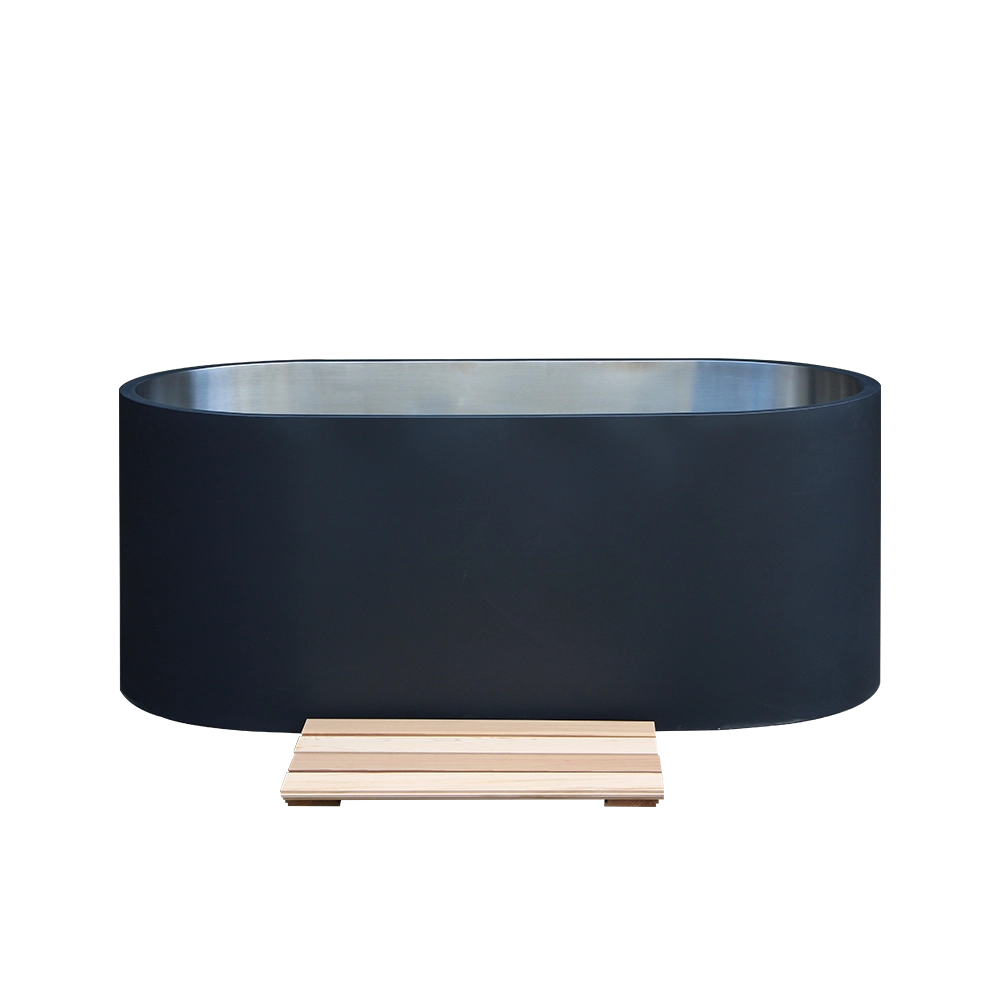
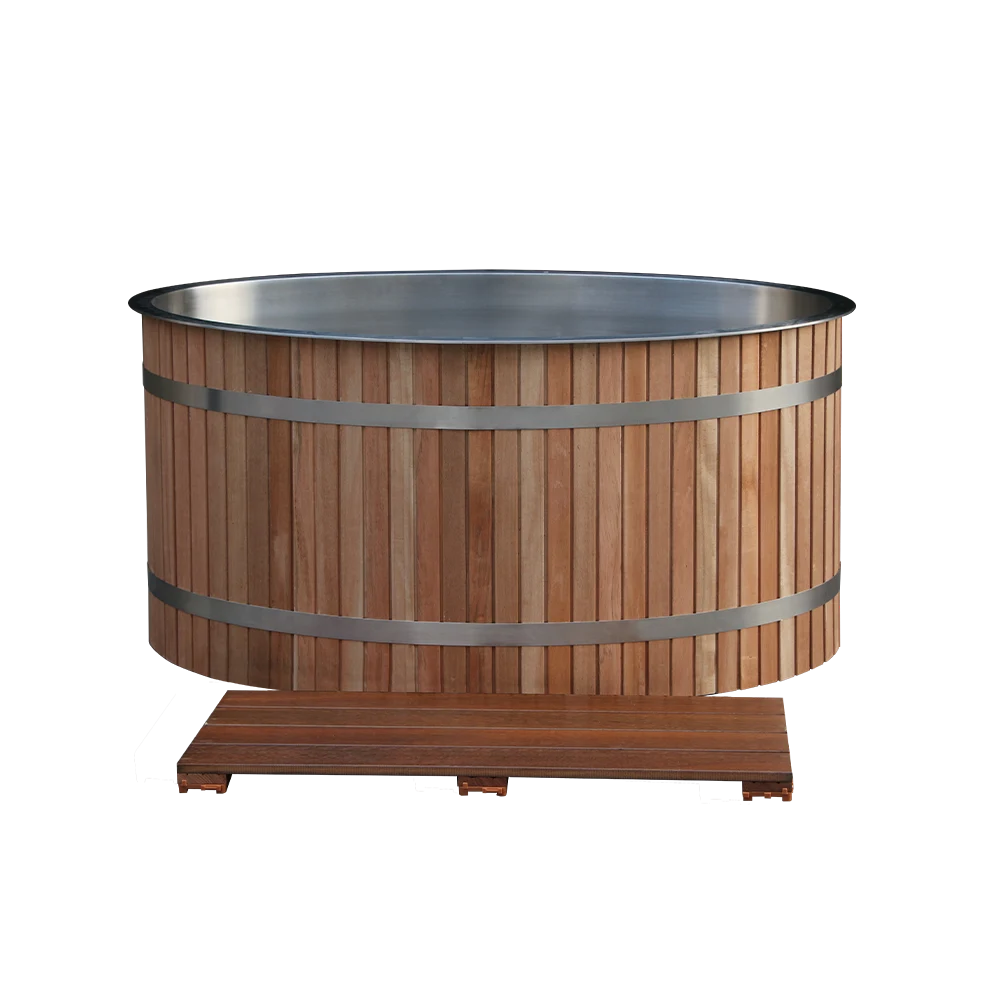
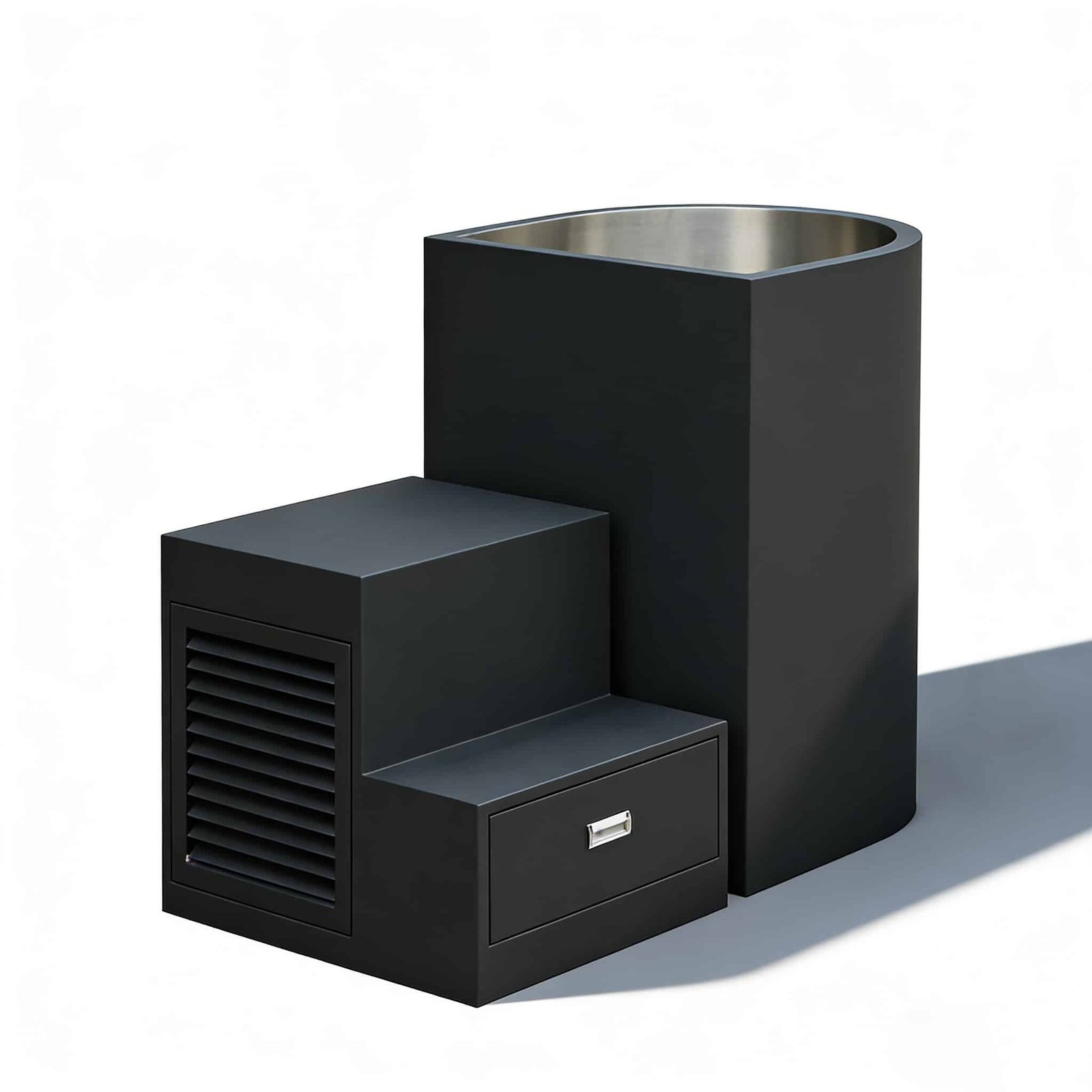
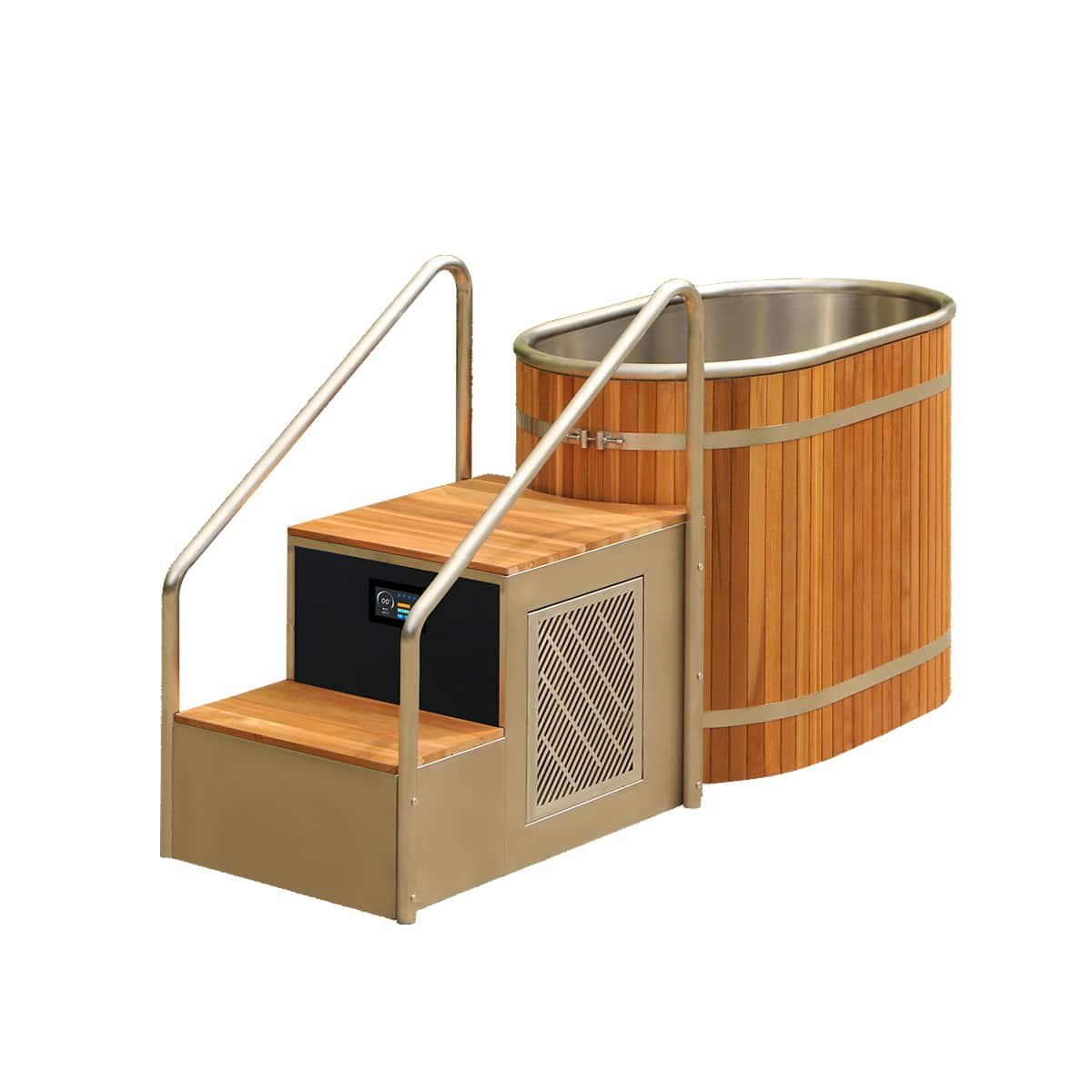
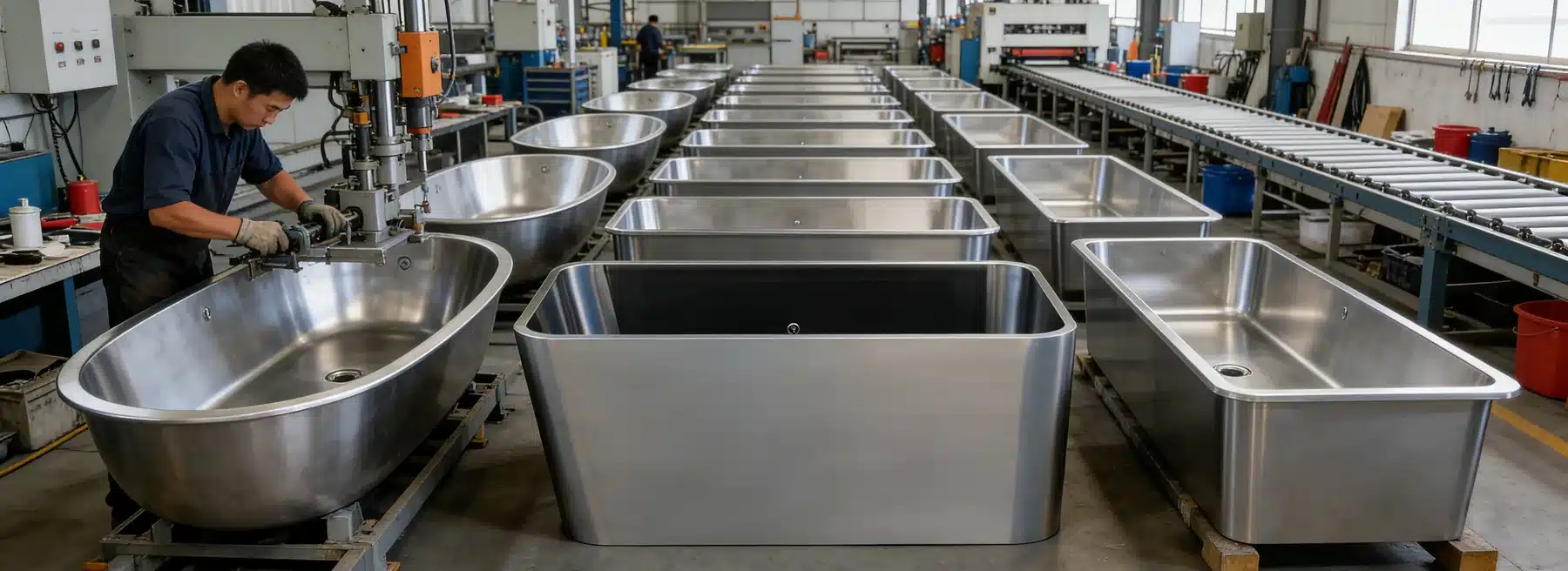
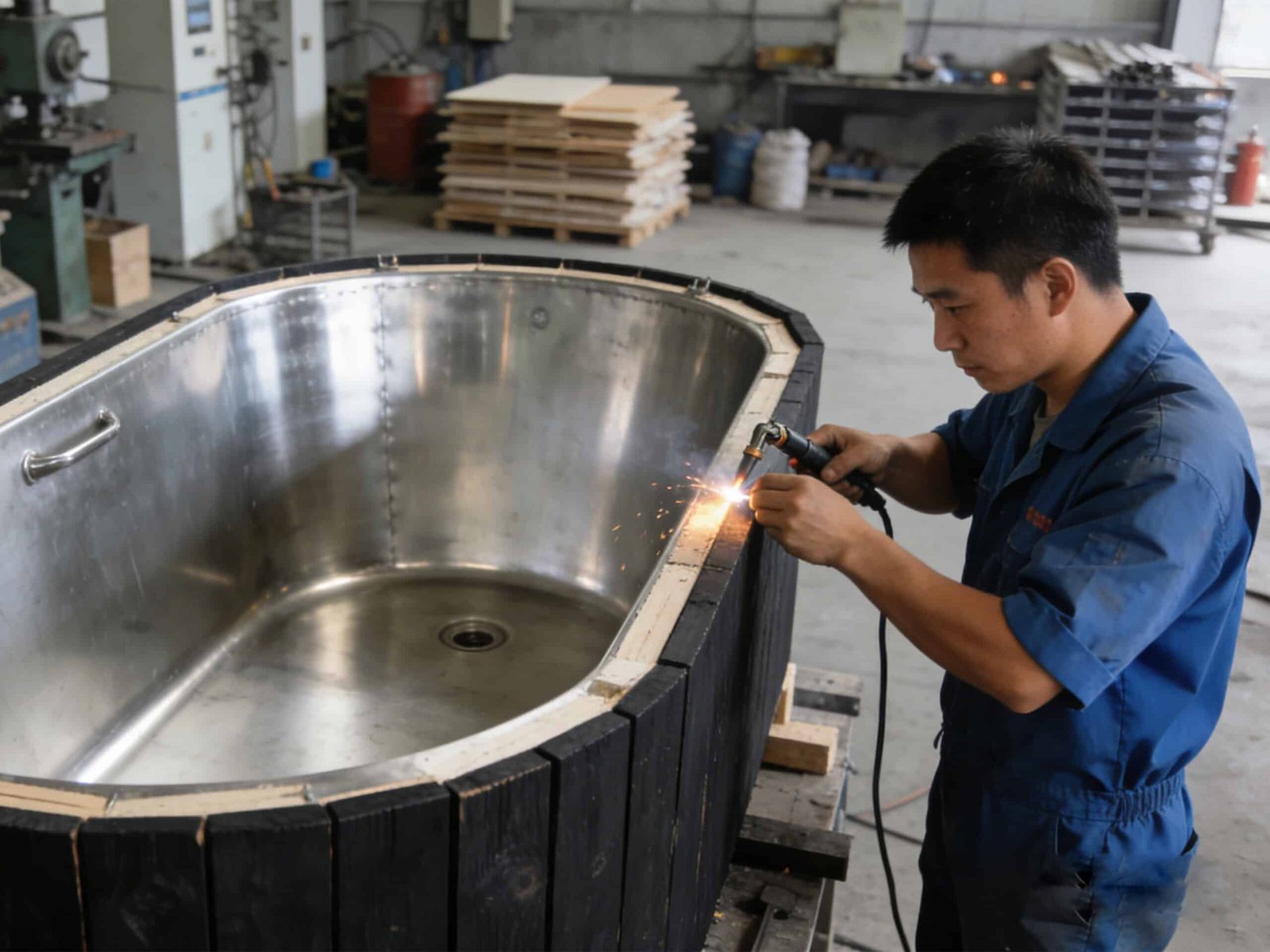
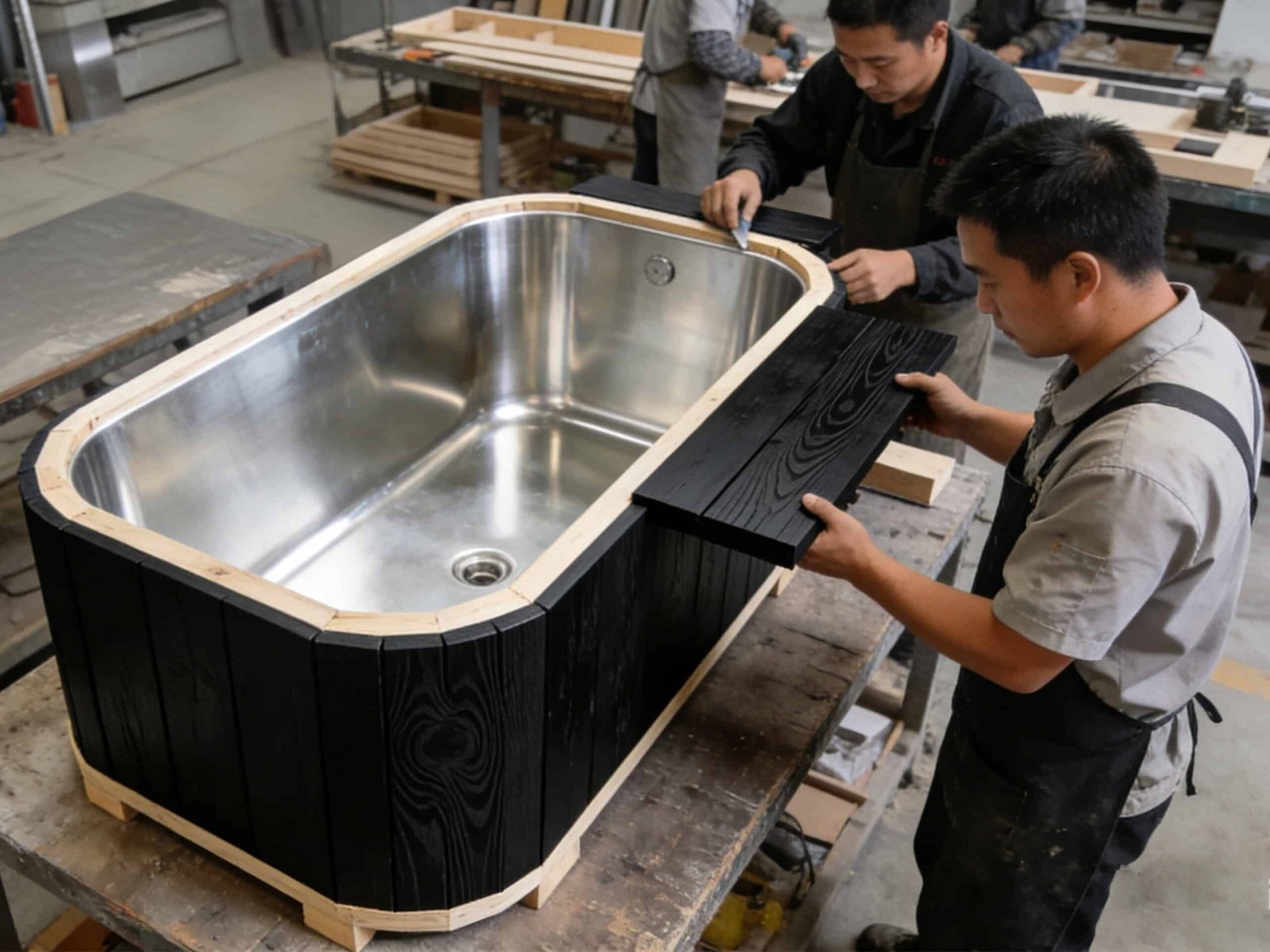
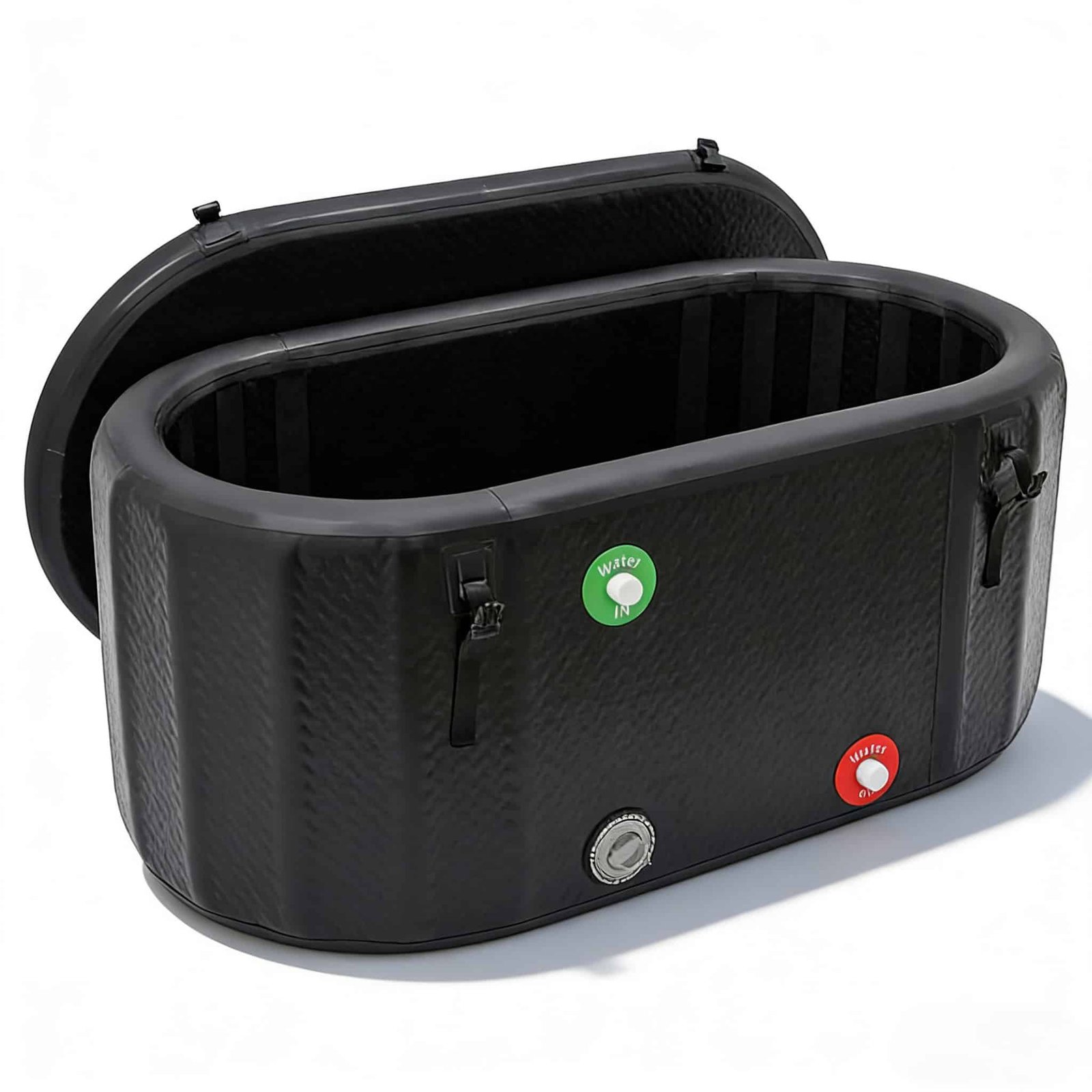
This plunge cold tub factory collection brings inflatable, stainless steel, acrylic and wood-wrapped tubs into one decision page. Use a plunge cold tub factory brief to compare how each format is installed, cleaned, shipped and connected to a chiller before you shortlist a model.

04material routes
11current tub listings
01system brief before quotation

CHOOSE BY MATERIAL + OPERATING REALITY

Four tub formats. Four different reasons to choose them.

A plunge cold tub factory comparison should start with where the tub will live, who will use it and how it will be maintained. Material changes freight, handling, cleaning, appearance and the chiller interface—not just colour.

TUB + CHILLER INTERFACE

A good-looking tub still has to work as a water system.

Define the interface before approving a finish or purchase order.

01

Users & setting

Private, gym, studio, hospitality, event or distribution program.

02

Usable size

Internal dimensions, intended user profile and actual water volume.

03

Cooling route

External chiller, integrated system or direct-cool model direction.

04

Access

Freight format, doors, turns, lifting, base and final placement.

05

Care

Drainage, cleaning access, surface care, cover and service routine.

06

Finish & market

Material, colour, branding, destination and documentation needs.

DESIGN CHECK

Start with the installation drawing, not the colour swatch.

A tub can look complete while the drain, suction, return, overflow, service panel and chiller clearances are still unresolved. Ask the plunge cold tub factory to mark every water connection, direction of flow, supplied fitting and site-provided component on one drawing. Then review hose routing, pump lift, filtration restriction, condensation drainage, ventilation and access for routine cleaning.

For a freestanding retail model, portability and a clean packout may lead the decision. For a built-in hospitality project, hidden service access, waterproofing interfaces and replacement paths matter more. For an integrated cold-plunge system, the tub, pump, filter and chiller must be approved as one operating loop. This is why a plunge cold tub factory comparison should separate visible material from the complete system scope before sample approval or purchase order.

WHOLE-TUB APPROVAL

Plunge cold tub factory comparison: approve the whole tub, not the finish alone.

A useful quotation separates the user space, material layers, water system, installation and commercial handoff. Use the same worksheet across inflatable, metal, acrylic and wood-wrapped options.

#DecisionDefineRequestAvoid
01

Usable geometry

Internal length, width, depth, entry height, water line and intended user profile.

Dimensioned drawing plus usable water volume for the selected model.

Comparing only external dimensions or a staged lifestyle photo.

02

Material system

Water-contact surface, structure, outer cabinet, insulation, cover and visible finish.

A model-specific material schedule with grades or constructions identified.

Treating 'stainless', 'acrylic' or 'wood' as the entire build specification.

03

Cooling interface

External chiller, integrated refrigeration or direct-cool architecture, with ports and flow path.

Hydraulic diagram, drain location, access panels and supplied connections.

Ordering tub and chiller independently without checking flow and fittings.

04

Site route

Packing size, doors, stairs, lifting, base, floor loading, drainage and ventilation.

Delivery and placement plan before sample or production approval.

Discovering access or service clearance limits after arrival.

05

Operating care

Drain-and-clean routine, water treatment, cover use, finish products and service access.

Written care guidance appropriate to the exact materials and user volume.

Assuming a premium surface removes routine water and finish care.

06

OEM handoff

Colour, logo, artwork, tolerances, sample approval, packaging and destination documents.

Signed drawings, finish reference and inspection checklist tied to the order.

Approving customization through chat images without controlled references.

07

Entry and user contact

Step or seat geometry, rim shape, hand support, edge finish and wet-surface behaviour.

A dimensioned user-contact review appropriate to the intended audience.

Assuming a visually minimal edge is comfortable or manageable for every user.

08

Accessories

Cover, steps, headrest, hoses, adapters, filter housing and tools included with each SKU.

A signed accessory and replacement-part list.

Showing accessories in photography that are not identified in the quotation.

09

Water volume and duty

Usable fill volume, displacement, expected sessions and time available between users.

A tub-and-chiller recommendation based on the real operating pattern.

Quoting external dimensions as if they were cooling load.

10

Inspection plan

Dimensions, leak test, finish, fittings, packout, labels and documentation checkpoints.

A model-specific pre-shipment checklist with pass criteria and evidence format.

Using a generic QC statement with no order-level acceptance record.

FORMAT × BUSINESS MODEL

Match the tub format to the business model and site reality.

Wholesale buyers and project teams need different evidence. These scenarios show which constraints should lead the conversation. A plunge cold tub factory needs these constraints before locking the platform.

BRAND

E-commerce and retail range

Packout size, assembly, accessories, replacement parts and customer instructions affect returns as much as appearance.

What to send

Confirm carton data, included kit, label artwork, spare-part plan and user documentation.

FACILITY

Gym and recovery studio

User turnover makes entry, cleaning, drainage, cover handling and serviceability central to the model choice.

What to send

Share daily operating hours, expected sessions, staff routine and reset requirements.

HOSPITALITY

Hotel, spa and wellness project

Finish integration must be coordinated with access, plant location, acoustics, drainage and local project responsibilities.

What to send

Provide layout drawings, material palette, power, ventilation and commissioning scope.

PRIVATE

Home and design-led residence

Comfort, access route, floor protection, noise and an understandable maintenance routine usually outweigh feature count.

What to send

Confirm user dimensions, room or outdoor exposure, drainage and service path.

DEVELOPER

Multi-site property or franchise

Repeatability, installation responsibilities and controlled finish references matter more as the same platform moves across sites.

What to send

Define site archetypes, roll-out quantity, drawing set, spares and handover standard.

RENTAL

Event and temporary-installation operator

Handling cycles, protected transport, fill/drain time and site-safe connections should determine whether a portable format is suitable.

What to send

Share deployment frequency, crew, transport, water source, electrical plan and pack-down routine.

PROJECT SEQUENCE

Build the tub and cooling system as one project.

A good-looking tub can still be a poor fit if the water loop, service access or destination requirements are left until the end. Use this path to move from plunge cold tub factory research to an approved supply scope.

01

Choose the use case

Define users, location, operating pattern, movement and cleaning needs.

02

Choose material & form

Compare portable, rigid, gloss-finish and wood-wrapped directions.

03

Define the water system

Confirm volume, ports, drain, pump, filtration, chiller and service access.

04

Approve the project scope

Align dimensions, finish, power context, packaging, documents and delivery handoff.

BUYER INPUT

A useful tub brief is more than a reference photo.

Send the practical constraints first. The team can then recommend a current model direction or identify where customization review is needed. This brief gives the team enough context to review plunge cold tub factory against the real requirement. This plunge cold tub factory review becomes useful only when the requirement is tied to a named model and operating condition.

  1. Use setting and expected users
  2. Preferred internal size and water volume
  3. Material and visible finish direction
  4. External or integrated cooling preference
  5. Site access, drainage and service constraints
  6. Quantity, destination, branding and packaging

BUYER FAQ

Tub questions to settle before model approval.

Use these answers to compare materials, interfaces and service conditions—then confirm them on the selected SKU.

Use this plunge cold tub factory FAQ to separate a category-level comparison from the exact model, configuration and project evidence still required before approval.

Which cold plunge tub material is best?

There is no universal best. Inflatable formats favour portability; stainless, acrylic and wood-wrapped systems create different tradeoffs in freight, care, rigidity, finish and integration.

Can the tub be supplied with a chiller?

Selected models and project packages can be paired with external or integrated cooling. Confirm tub volume, ports, pump and flow, filtration, power and target conditions together.

Are all tubs suitable for commercial use?

Commercial fit depends on the exact model, operating frequency, user flow, cleaning routine, material and component specification, site and local requirements.

Can dimensions, colour and logo be customized?

Customization may be reviewed by platform and quantity. Feasibility, sample requirements, artwork, tolerances, tooling and packaging should be confirmed in the quotation.

What should be confirmed before shipping?

Approve the model and dimensions, finish, included components, cooling interface, electrical context where relevant, packaging, documents and receiving plan.

Should a wholesale buyer approve a sample?

For a new model, finish or branded packout, a controlled sample can verify dimensions, appearance, interface and documentation before the production acceptance criteria are frozen.

What freight information is needed before choosing a tub?

Request packed dimensions, gross weight, pallet or crate method, stacking limits, unloading needs and the final access route. A compact product can still have a difficult delivery path.

Why does usable water volume matter?

It affects cooling load, chemical/water-care planning, fill and drain time, operating weight and chiller matching. Ask for the volume at the intended fill line.

What should a pre-shipment inspection include?

Check the approved drawing, dimensions, material/finish references, leak and drain function, connections, included accessories, labels, documents and protected packout.

plunge cold tub factory planning references. The CDC Model Aquatic Health Code provides public aquatic-venue guidance on design and operation; it does not verify an OMNI Ice model. The OSHA electrical overview illustrates why equipment suitability and site installation must be reviewed against the applicable local rules. Use both as planning context when checking a plunge cold tub factory proposal, not as product certification.

CONFIGURATION, NOT GUESSWORK

Turn plunge cold tub factory research into a model-level review.

Send the use setting, water volume, temperature target, ambient, run time, power, quantity, destination and customization scope. A final plunge cold tub factory recommendation can then be tied to an actual product and project condition.