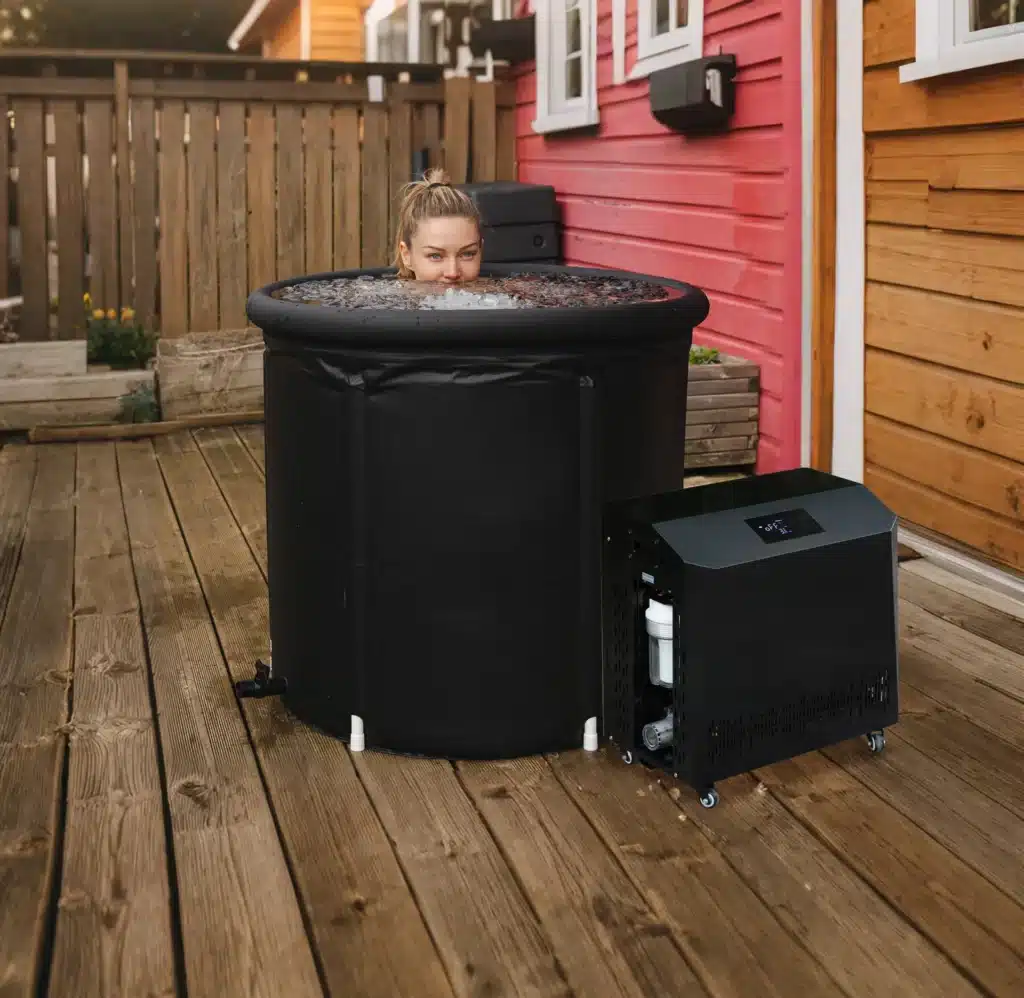
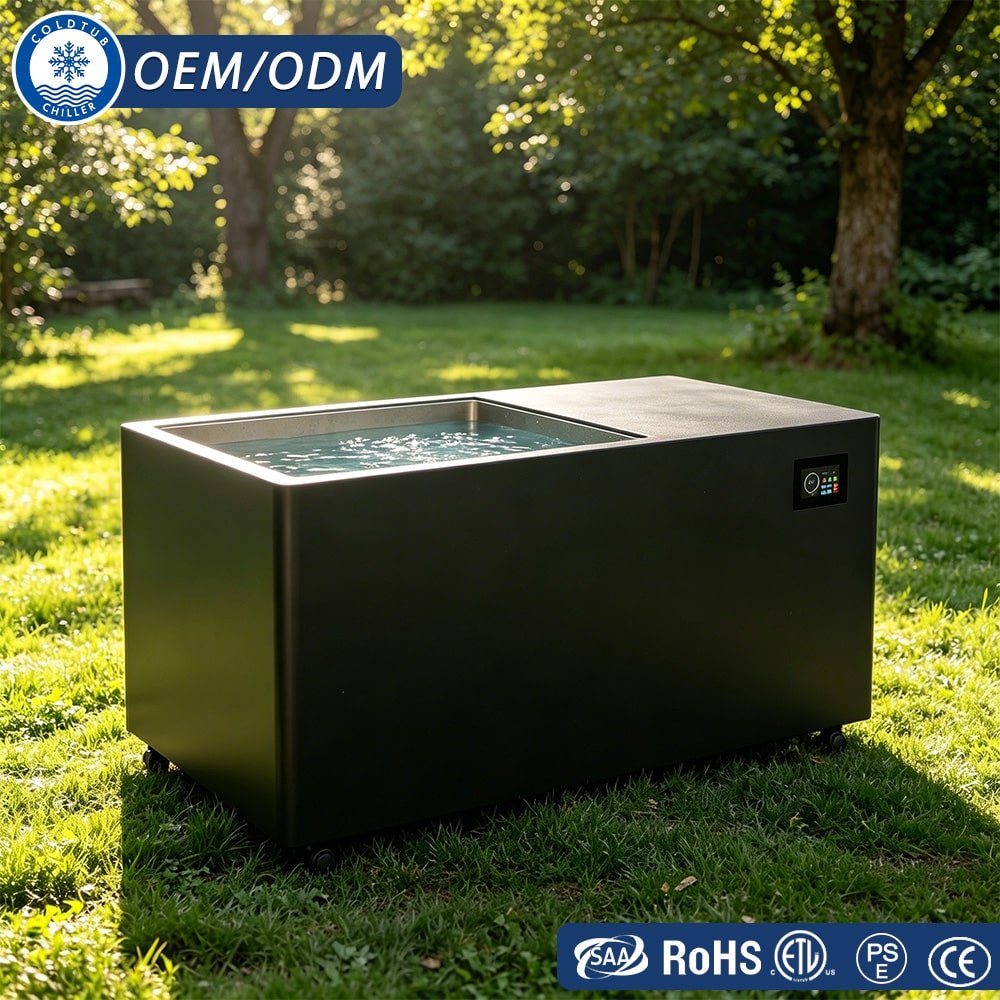
Your cold plunge chiller is running. The pump is circulating, the display shows your target temperature, everything looks normal — but the water is staying warm. Or it’s cooling, just far more slowly than it used to.
Before assuming the unit is broken, work through this list. Some no-cooling symptoms come from restricted flow, blocked airflow or changed operating conditions; others require professional service. The checks below move from observable setup conditions to faults that need model-specific diagnosis.
If you find your cold plunge chiller not cooling, it’s important to diagnose the issue promptly to restore its efficiency.
Restricted Water Flow — The Most Common Reason a Cold Plunge Chiller Stops Cooling
If a cold plunge chiller is not cooling, first confirm that water can circulate through the complete loop. Restricted flow can limit heat transfer, but it does not identify a refrigeration fault by itself. Power off and isolate the equipment before opening a filter housing, and follow the service steps for the exact model.
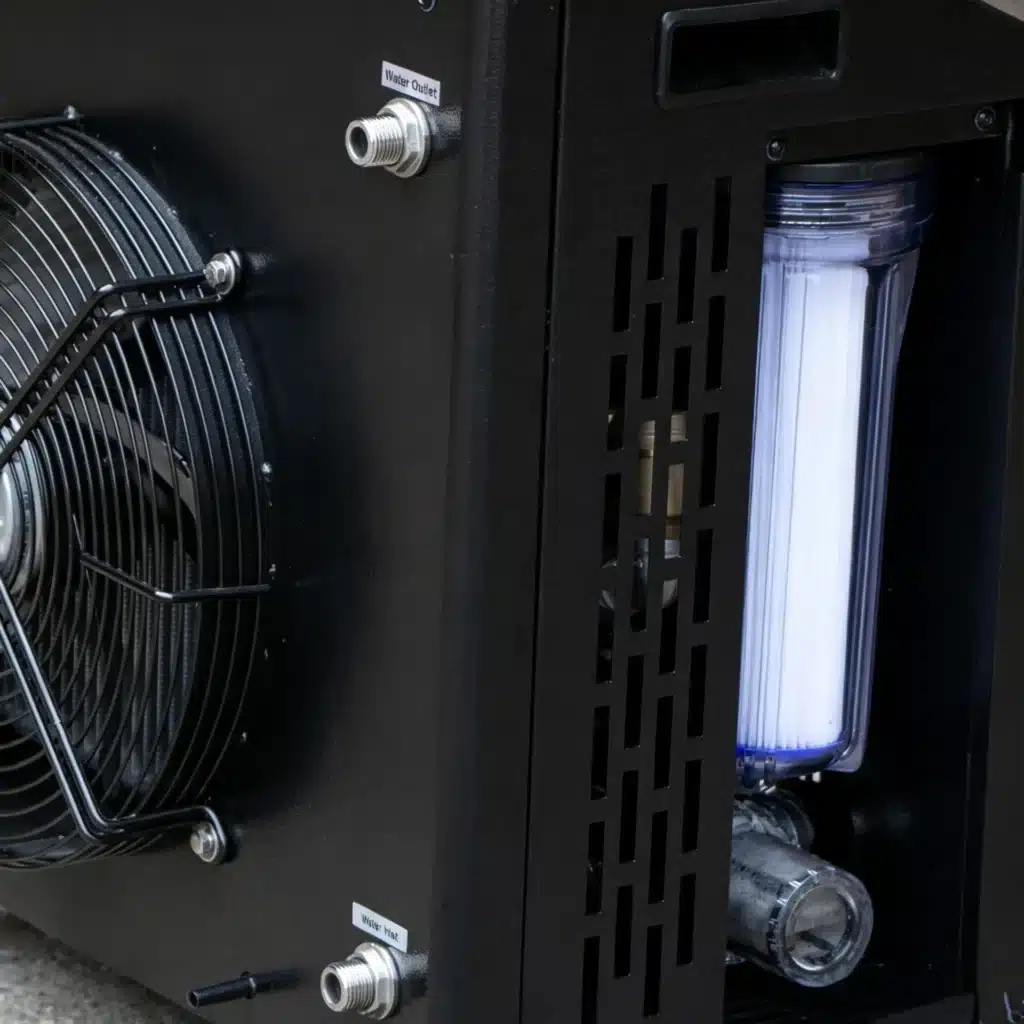
Filter restriction. Inspect the approved cartridge and housing for visible loading, damage, bypass or an incorrect replacement element. Service timing depends on the medium, use, water condition and model instructions—not a universal number of weeks. A finer micron rating can increase pressure drop, so confirm fit, rated flow and allowable head loss before substituting a cartridge. Use the ice bath filter selection guide for the fields to compare.
Hoses, valves and water level. Trace the complete path for closed or partly closed valves, pinched hoses, blocked strainers, loose connections and a water level that allows air to enter. Restore only the routing and settings permitted by the installation instructions.
Air in the loop. Air may enter after initial setup, filter service or a low-water event. Prime or bleed the circuit only by the method stated in the model manual, and do not run the pump dry.
If normal flow is not restored, stop repeated restarts and record the model, controller message, water level, filter part number and observed return flow for supplier or service support.
Blocked Airflow Causing the Cold Plunge Chiller to Overheat
Blocked airflow may lead to your cold plunge chiller not cooling effectively.
Every cold plunge chiller pulls heat out of your water and expels it as warm air through the exhaust fan. If that warm air can’t escape — unit against a wall, inside a cabinet, in an enclosed space — it recirculates back into the intake and the chiller fights its own exhaust heat.
Check that the intake and exhaust are unobstructed and keep the clearance specified in the official installation guidance for your exact model. Warm exhaust can be a useful observation, but it does not confirm that every part of the refrigeration system is working correctly. If airflow is clear and cooling remains poor, record the model, controller code or message, ambient temperature, and water-flow condition before contacting support.
Ensure there’s sufficient airflow; otherwise, your cold plunge chiller not cooling will continue to be a problem.
Dirty Condenser Coils Reducing Cold Plunge Chiller Performance
Regular maintenance can prevent a cold plunge chiller not cooling from becoming a frequent concern.
The condenser coils — the metal fins visible near the exhaust fan — release heat from the refrigerant into the surrounding air. A layer of dust or pet hair reduces their ability to dissipate heat, forcing the cold plunge chiller to work harder for less cooling output.
This builds gradually, which is why it gets missed. The unit was cooling well six months ago, now it’s struggling, and nothing obvious has changed.
Turn off the cold plunge chiller and clean the fins gently with a soft brush or vacuum attachment. The fins are thin aluminium and bend easily — don’t use a pressure washer. After cleaning, run the unit for 30 minutes and check whether temperatures improve. For gym installations with high dust levels, monthly checks are worth adding to the maintenance routine.
Ambient Temperature Too High for Your Cold Plunge Chiller’s Rated Capacity
In summer, your cold plunge chiller not cooling may indicate the ambient temperature is too high.
Rated cooling performance depends on the exact model, water volume, starting water temperature, tub insulation, and surrounding temperature. A unit may cool more slowly or stabilize at a higher temperature in a hot installation without having a mechanical fault. Compare the setup with the operating conditions in the official manual for that exact model before treating the difference as equipment failure.
Shade the unit from direct sun, improve ventilation in the space, or relocate the installation somewhere cooler. If performance drops mainly during hot periods and improves when ambient temperature falls, heat load is a likely contributor. For sizing considerations, see our horsepower sizing guide.
Tub Insulation Mismatch Overloading the Cold Plunge Chiller
Check insulation if your cold plunge chiller not cooling issue persists, especially with uninsulated tubs.
If the tub or its insulation has changed, reassess the cooling load before treating slower cooling as a chiller fault. Compare the actual wall construction, cover, working water volume and installation conditions. A material label alone does not establish insulation thickness or thermal performance.
This is common when someone tries their chiller on a bathtub or inflatable as a secondary setup. Nothing changed on the chiller — but the thermal load on it changed dramatically.
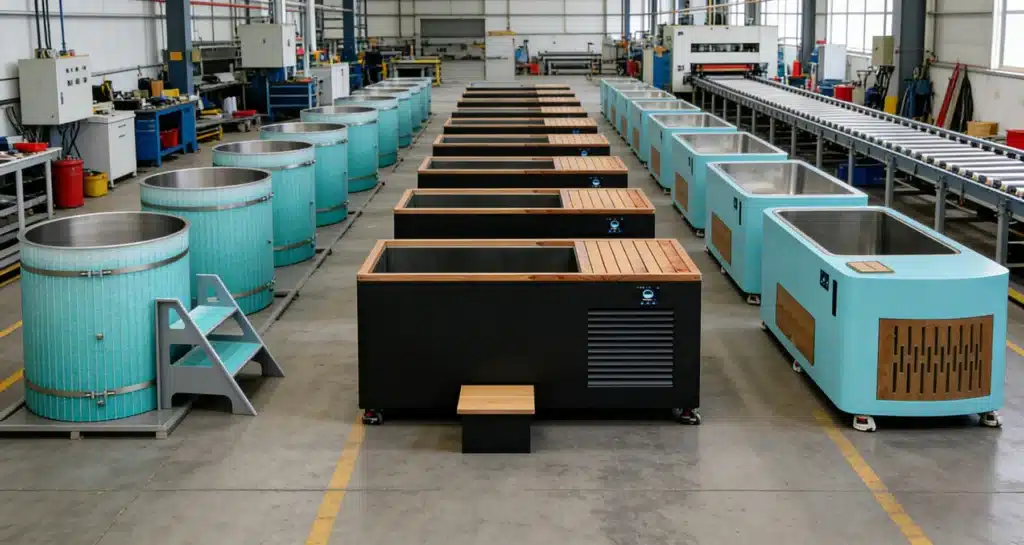
For a replacement tub, compare the WT-09 metal tub for ice baths and specify the tank material, cover, insulation construction and water connections in the quotation. Ask for cooling performance under your intended water volume, ambient temperature and target temperature rather than relying on horsepower alone. For the broader equipment comparison, see our chiller model collection.
Temperature Sensor Reading Incorrectly
Faulty temperature sensors could lead to a cold plunge chiller not cooling as expected.
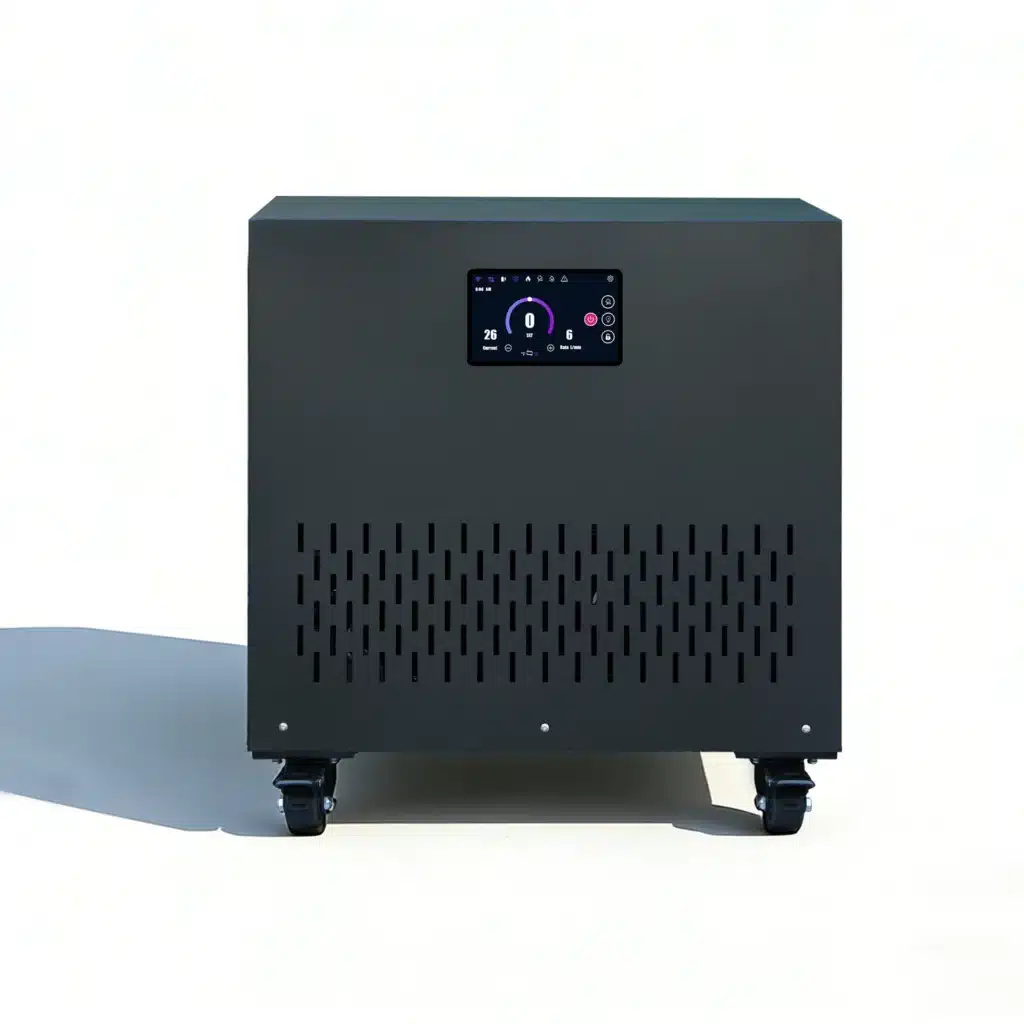
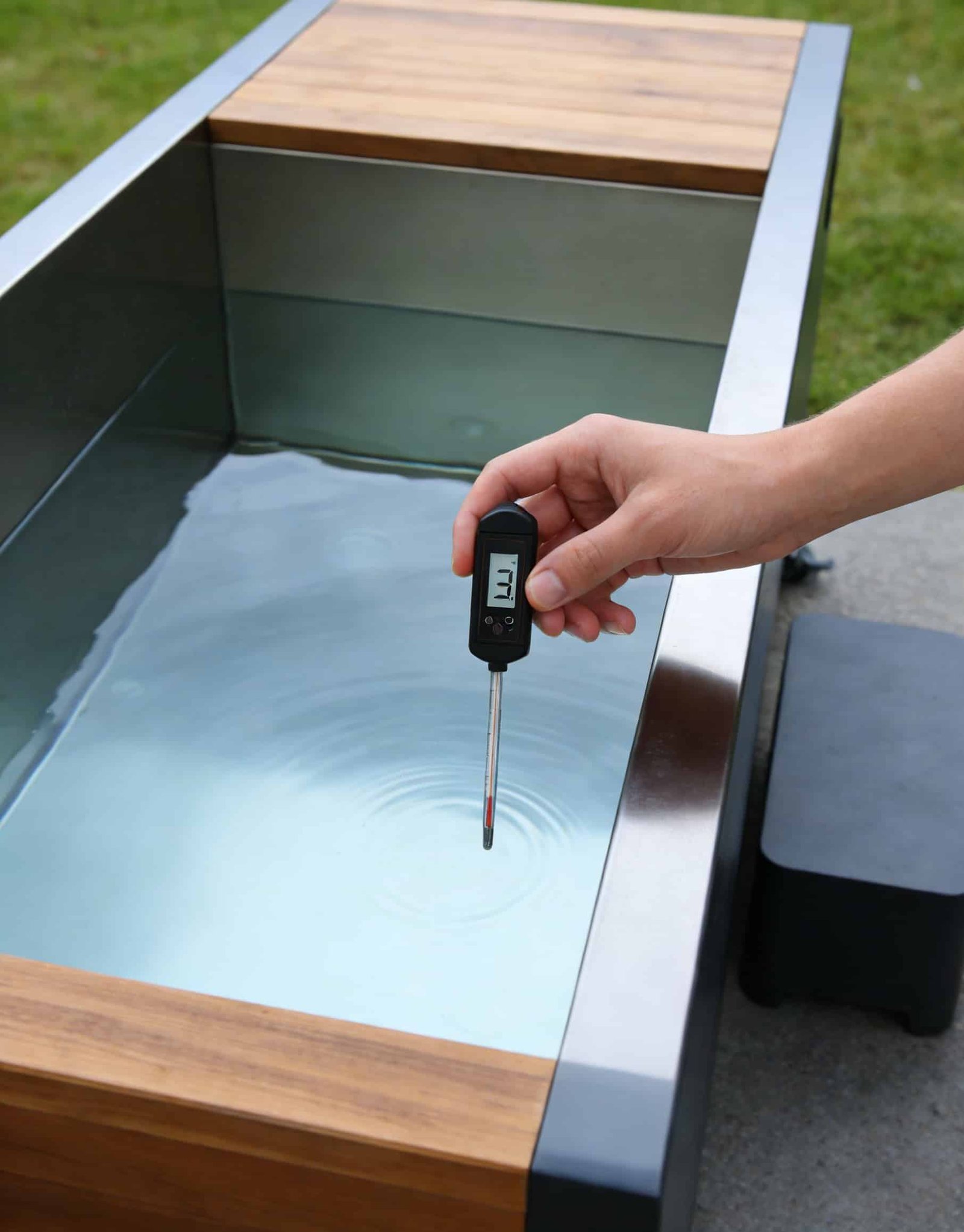
Sometimes the cold plunge chiller is cooling correctly — but the display doesn’t match what’s in the tub. If the unit shows 10°C and the water feels much warmer, the sensor may be misreading.
Compare the display with an independent thermometer using the measurement location and method in the model instructions. A built-in sensor may be inside the water circuit rather than loose in the tub. Record a persistent difference and contact service; do not reposition a built-in probe, alter calibration or open the enclosure unless the exact-model procedure permits it.
Refrigerant Leak in the Cold Plunge Chiller
If you suspect a refrigerant leak, it could explain why your cold plunge chiller not cooling anymore.
If you’ve worked through all the above and the cold plunge chiller is still not cooling, a refrigerant leak is the next possibility. Refrigerant doesn’t deplete under normal operation — low levels mean something is leaking.
Possible signs of a refrigeration-system fault can include continuous compressor operation, little or no temperature change, unusual frost, or abnormal exhaust behavior. These signs are not a diagnosis on their own; confirm that water flow and airflow are normal first, then document the model, controller display, and symptoms for service support.
Do not add refrigerant or open the sealed refrigerant circuit yourself. Refrigerant work should be handled by a qualified technician under applicable local requirements; in the United States, see the EPA Section 608 technician certification requirements. Contact your supplier with the unit model, purchase date, and a clear description of the symptoms.
Compressor Failure
Be alert for signs of compressor failure if your cold plunge chiller not cooling is the result of mechanical issues.
When the compressor fails, the cold plunge chiller runs but produces no cooling at all. The fan operates, the display works, the pump may circulate water — but the exhaust air is room temperature rather than warm, and the tub temperature doesn’t change regardless of how long the unit runs.
Compressor failure is one possible explanation when the fan and pump operate but cooling is absent; it should be considered only after water flow, airflow, coil condition, and controller information have been checked. Actual compressor service life depends on the exact unit, sizing, installation, maintenance, and operating conditions.
Contact your supplier. Depending on warranty status and unit age, options are warranty replacement, technician repair, or full unit replacement.
If a facility is comparing replacement tubs and cooling equipment after a service assessment, review the cold plunge tub collection before requesting a project-specific equipment match.
Before asking for a replacement quote, separate the equipment fault from the installation conditions. Send the current model, water volume, starting and target temperatures, ambient conditions and available electrical supply. Include the technician’s findings where available, together with the space and connection limits that any replacement must fit. This helps compare the repair scope with a genuinely suitable alternative instead of choosing a larger horsepower label by default. A new chiller still needs a compatible water loop, service access and a documented operating range.
Quick Diagnosis Checklist
To summarize, ensure you address the checklist if your cold plunge chiller not cooling remains unresolved.
Work through in order — most cold plunge chiller not cooling problems are resolved by steps 1 to 4:
- Water flow — filter clean? Hoses clear? Air lock?
- Airflow — intake and exhaust clearances match this model’s installation instructions?
- Condenser coils — dusty or clogged?
- Ambient temperature — hotter than usual?
- Tub insulation — has the setup changed?
- Sensor accuracy — confirmed with independent thermometer?
- Refrigerant — compressor running non-stop, ice on lines?
- Compressor — exhaust air cool rather than warm?
For pump-specific problems—no circulation, intermittent flow, or pump noise—see our Cold Plunge Pump Troubleshooting & Repair Guide
If the unit displays a controller code, or if no-cooling checks do not identify the cause, use the troubleshooting guide for model-specific code triage and the next diagnostic path.
Cold Plunge Chiller Not Cooling — FAQ
If your cold plunge chiller not cooling is a common query, knowing the FAQs can help you troubleshoot.
Q: My cold plunge chiller is running but the water won’t get cold at all. What should I check first?
A: Start with water flow — check the filter, check the hoses for kinks, and check for an air lock. A completely blocked filter or severe air lock can stop all cooling even when everything else appears to be working. If flow is confirmed normal and the exhaust air from the chiller is cool rather than warm, the refrigeration system has a problem and you need a technician.
Q: My cold plunge chiller used to reach 8°C but now only gets to 13°C. What changed?
A: Gradual performance decline rather than sudden failure points to condenser coils that need cleaning, a filter that’s partially blocked, or rising ambient temperatures as the season changes. Check all three before assuming the unit is failing. Slow decline over weeks is almost always environmental or maintenance-related rather than mechanical failure.
Q: How long should initial cooldown take on a cold plunge chiller?
A: There is no model-independent cooldown time for a 300-litre tub or a 1HP chiller. Use the performance information for the exact unit, recording the starting and target water temperatures, ambient temperature, insulation, cover use and water-flow conditions. Compare your setup with those conditions before treating slower cooling as a fault.
Q: Can I fix a cold plunge chiller not cooling myself?
A: Limit user checks to the inspection and maintenance actions expressly allowed in your model manual. Keep power isolated for permitted cleaning. Sensor, electrical, controller and sealed-refrigerant work may require authorized service; do not assume the first six causes are all DIY repairs.
Q: How do I prevent cooling problems with my cold plunge chiller?
A: Follow the filter and condenser service instructions for your exact unit. Check return flow, hose routing, water level, and the specified intake and exhaust clearances. Replace a loaded, damaged or unsuitable cartridge as directed by its instructions rather than a universal calendar interval. Maintenance helps avoid restrictions but does not guarantee years without faults.
Planning equipment for a gym, spa or recovery space? Request a commercial cold plunge equipment match. Send the working water volume, target temperature, room or outdoor conditions, expected usage, destination and required quantity. For an existing fault, include the model and service findings so repair and replacement options can be considered separately.