Cold Plunge Chiller Filter: The Essential Upgrade for Clean and Safe Ice Bath Water
If you’re serious about cold therapy, you already know the power of a cold plunge. But what many users overlook is the importance of keeping the water clean — and that’s where a cold plunge chiller filter makes all the difference.
Whether you’re a wellness enthusiast, gym owner, or simply enjoy daily plunges at home, your chiller’s filter system directly impacts water quality, machine longevity, and even your health. In this article, we’ll break down why filtration matters, what types of filters are available, and how to choose the right setup for your needs.
Why Your Cold Plunge Chiller Needs a Filter
Reusable cold plunge water can collect visible debris, oils, hair, skin particles, and residues over time. A filter helps capture physical debris from the circulating water path before it reaches accessible components.
A filter does not by itself establish water safety or replace appropriate cleaning and water-care procedures. Water that looks clear may still need inspection when flow changes, debris is visible, or the water condition becomes unusual.
For general information on recreational-water health, see the CDC Healthy Swimming guidance.

What Is a Cold Plunge Chiller Filter?
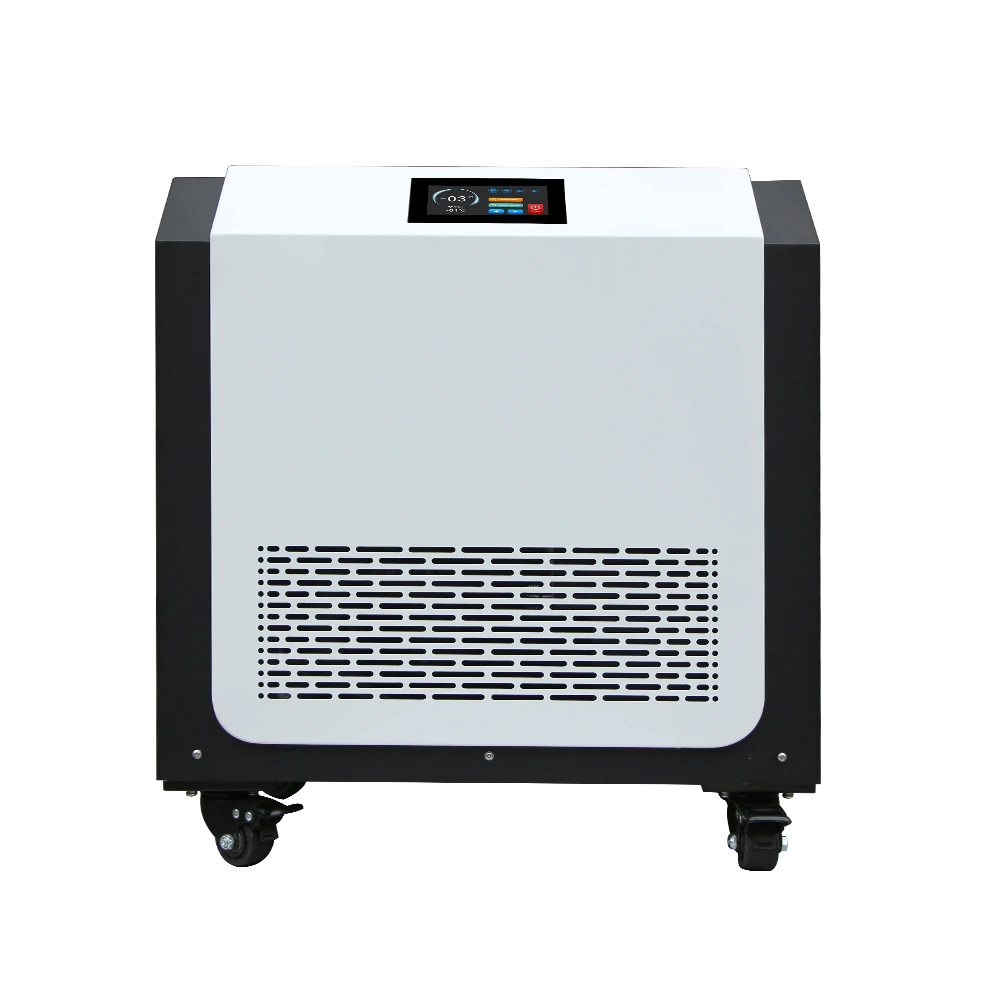
A cold plunge chiller filter is a water treatment component that removes physical debris and microscopic contaminants from your system. It works by circulating water through a filter before it returns to the chiller — keeping both the machine and your plunge water clean.
There are two common filter setups:
-
Built-in Filters – Found in premium or smart chiller units. These include cartridge-style filters and sometimes ozone disinfection.
-
Inline External Filters – Installed between your tub and chiller. Ideal for basic or entry-level systems without internal filtration.
The 3 Types of Filters Used in Cold Plunge Systems
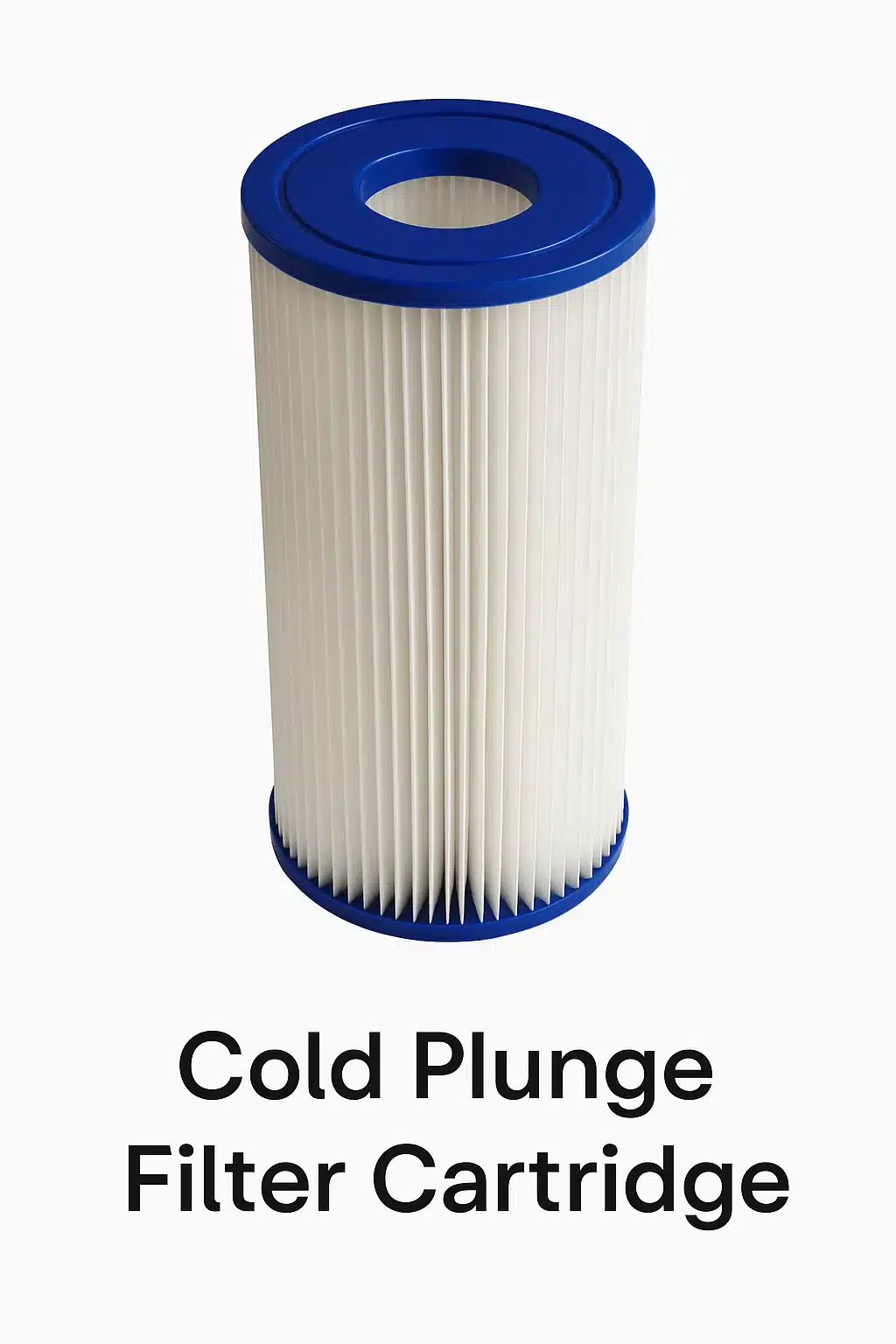
 1. Cartridge Filters
 1. Cartridge Filters
The most common type, cartridge filters are compact, affordable, and easy to replace. They trap fine particles like dust, hair, and skin cells. Most personal cold plunge chillers use this system.
2. Sand Filters
Used in commercial-grade chillers, sand filters are designed for high-capacity systems. They’re excellent at removing sediment and debris from large volumes of water but require more space and maintenance.
3. Ozone or UV Filters
These aren’t physical filters but sterilization systems. Ozone or UV helps kill bacteria and prevent biofilm buildup. Often paired with cartridge or sand filters for optimal water hygiene.
For a deep dive into sterilization systems, check out Ozone vs UV: Which Disinfection Method is Best for Cold Plunge?
How Often Should You Replace Your Filter?
 Filter service timing depends on the exact filter medium, water condition, frequency of use, water-care procedure, and manufacturer’s instructions.
Inspect or service the filter sooner when you notice:
- Reduced water return flow.
- Visible debris or a heavily soiled filter medium.
- Unusual water odour, cloudiness, or changed water condition.
- New pump noise, airlocks, or a change in cooling performance.
Use the approved replacement part and service method for the exact system rather than applying one fixed number of days, weeks, or months.
5 Signs Your Filter Needs Attention
-
Reduced water flow from the chiller
-
Visible particles in the plunge tub
-
Unpleasant odors from the water
-
Yellowing or discoloration
-
Your chiller is working harder or louder than usual
These are all red flags that your filter system is overloaded or overdue for replacement.
Do All Cold Plunge Chillers Come With Filters?
Does Every Cold Plunge Chiller Include a Filter?
No. Filter availability, filter location, and compatible accessories vary by model and supplied configuration.
| System configuration | What to confirm before use |
|---|---|
| Chiller with supplied filter path | Filter type, compatible replacement medium, and service procedure. |
| Chiller designed for an external filter | Hose route, fittings, pump compatibility, and approved filter housing. |
| Commercial or shared-use system | Site requirements, water-care procedure, inspection records, and accessible maintenance points. |
Before choosing a system, confirm the official documentation for the exact equipment rather than assuming that a filter, UV, ozone, pump, or accessory is included.
Choosing a Filter-Compatible Setup
Select a setup that provides a clear water path, accessible filter service, compatible fittings, and documented maintenance instructions. For installation sequence and water-path checks, read filter setup guide.
Our Recommended Filter-Compatible Cold Plunge Chillers
Looking for a system that includes high-efficiency filtration? We’ve got you covered.
Smart 1HP Cold Plunge Chiller
-
Cartridge filter + ozone generator
-
Wi-Fi app control and scheduling
-
Ideal for home users
2HP Commercial Cold Plunge Chiller
-
Supports external sand filter
-
Rapid cooling and stable performance
-
Built for high-volume operation
Not sure which one fits your setup? Contact our team we’ll help you find the right match.

Visual Before & After: Why Filters Matter
Without filtration, your cold plunge can go from clean and refreshing to cloudy and unpleasant in days.

Final Thoughts: Clean Water = Better Recovery
A cold plunge chiller is a fantastic recovery tool — but only if the water is clean. Investing in a cold plunge chiller filter protects your machine, your body, and your overall experience.
If you’re still running your plunge without a filter, it’s time to upgrade.
A cold plunge chiller filter can help keep physical debris out of the circulation path, but clean operation depends on the full maintenance routine: filter service, water care, circulation, inspection, and model-specific instructions.
For the complete filtration and water-care overview, read clean filter guide.
For troubleshooting water flow, cooling, filters, pumps, or controller-code issues, return to the troubleshooting guide.