A cold plunge chiller warranty claim should begin with one review-ready evidence package: order reference, exact model, serial or equipment code, nameplate, issue chronology, display or alarm evidence, water-loop photos, operating conditions, maintenance history, change history, delivery evidence when relevant, and the next action requested. Sending these 12 items together helps the supplier identify the unit, separate installation or shipping questions from equipment symptoms, and decide what information or action is needed next.
This guide is for importers, distributors, OEM brands, commercial operators and project buyers. It explains how to prepare evidence for technical and contractual review; it does not decide whether an issue is covered, create a universal warranty period or replace the applicable sales contract, order documents, product instructions or written warranty terms. Scope reviewed: September 10, 2026.
What should a cold plunge chiller warranty claim include?
The shortest useful answer is identity, chronology, conditions, evidence, history and requested next step. A reviewer should be able to tell which unit is involved, what happened, when it happened, how the system was connected and operated, what has already changed, and what the claimant is asking the supplier to review.
Use the cold plunge chiller after-sales policy for OMNI Ice’s general communication route and boundaries. Use this article for the narrower evidence-assembly task. If the technical symptom is still unclear, start with the cold plunge chiller troubleshooting guide; do not use a claim form as a substitute for safe symptom isolation.
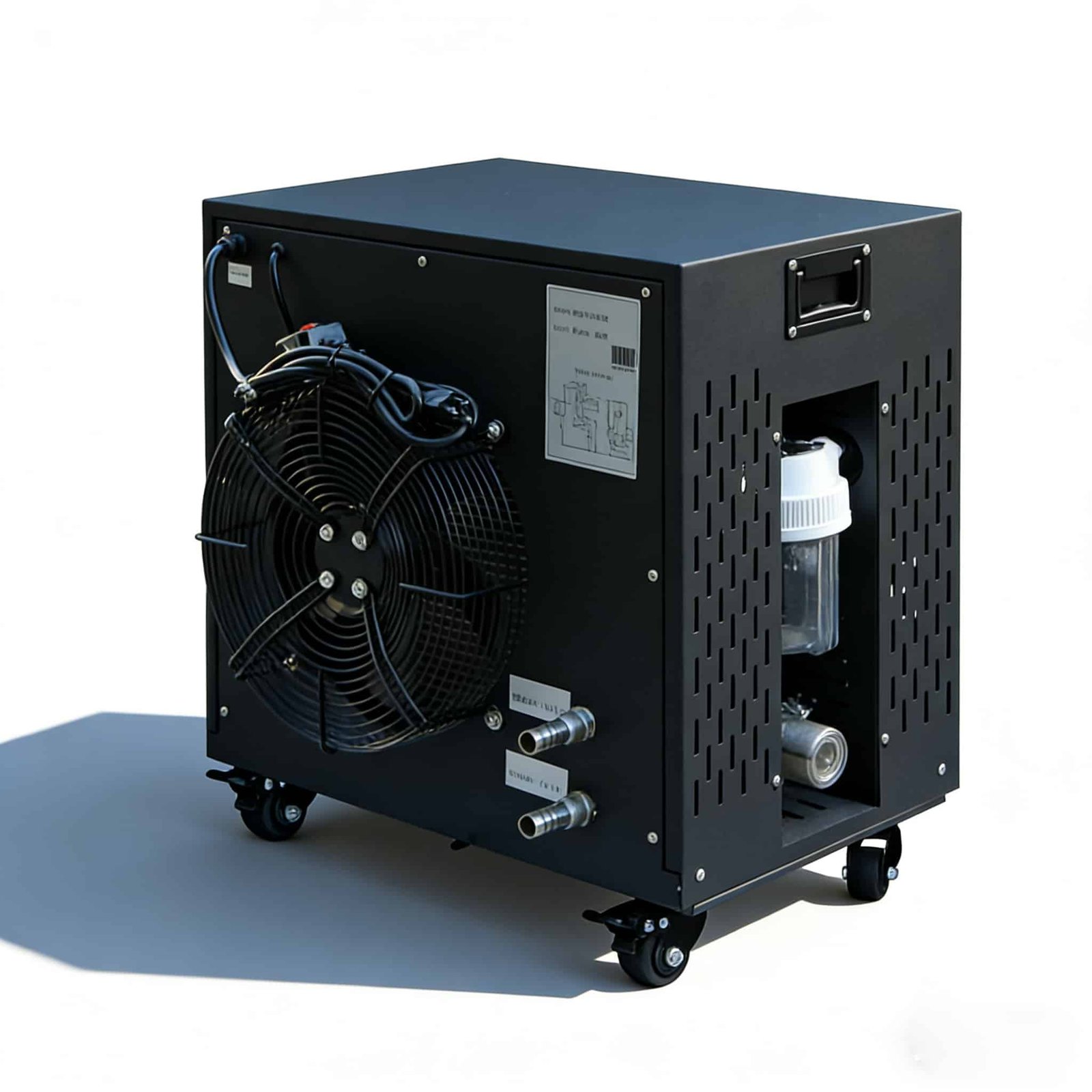
What the evidence package can—and cannot—decide
A cold plunge chiller warranty claim evidence package does not guarantee approval. It creates a common factual record for three different questions:
- Technical question: what symptom is present, and what safe diagnostic step is appropriate?
- Responsibility question: does the evidence point toward the supplied unit, installation, water loop, electrical supply, maintenance, modification, transit handling or another factor?
- Coverage question: what do the applicable written terms, order documents and project agreements say about the issue and available remedy?
Keep those questions separate. A photograph may prove that a connector leaked at a stated time, but it may not establish why it leaked or who is responsible. A diagnostic suggestion may help locate a restriction, but it is not a coverage decision. Conversely, an unresolved technical cause does not authorize anyone to promise or deny a remedy without reviewing the applicable terms.
Written terms matter. The U.S. Federal Trade Commission’s Businessperson’s Guide to Federal Warranty Law explains U.S. consumer-warranty principles and itself notes that legal scope varies. It is not a global B2B rule and does not determine an OMNI Ice project claim. For an international commercial order, review the actual contract, order confirmation, written warranty or service terms and applicable jurisdiction with qualified advisers where needed.
Cold plunge chiller warranty claim: 12 evidence items
For each cold plunge chiller warranty claim, use the matrix below as a completeness check. If an item is unavailable, state that explicitly instead of leaving a silent gap. Preserve original files and send viewable copies with stable filenames.
| Evidence item | What to provide | Why the reviewer needs it | Common weak submission |
|---|---|---|---|
| 1. Claimant and order reference | Buyer/company, contact person, email/phone, purchase-order or invoice number, delivery location and supplier/project contact | Connects the request to the correct commercial file and communication history | “Our chiller is broken” with no order context |
| 2. Exact product identity | Model, configuration, voltage/frequency, controller or option package, tub/system pairing and quantity affected | Prevents instructions for a similar-looking but different variant | A catalogue screenshot without the delivered configuration |
| 3. Serial/equipment code and nameplate | Clear, uncropped nameplate photo plus typed serial/equipment code; add carton or packing-label identity if relevant | Links evidence to one physical unit and confirms visible electrical identity | Blurry plate, cropped fields or only a handwritten number |
| 4. Issue chronology | Delivery, installation, commissioning, first occurrence, recurrence, last normal operation and each intervention with local date/time | Shows sequence and what changed before or after the symptom | “It suddenly failed” without dates or prior conditions |
| 5. Symptom and controller evidence | Exact observed behavior, display state, alarm/code, sound or leak location, frequency and a time-stamped photo/video where safe | Separates non-start, no-flow, no-cooling, intermittent and physical-damage cases | A single close-up that does not show the unit or operating context |
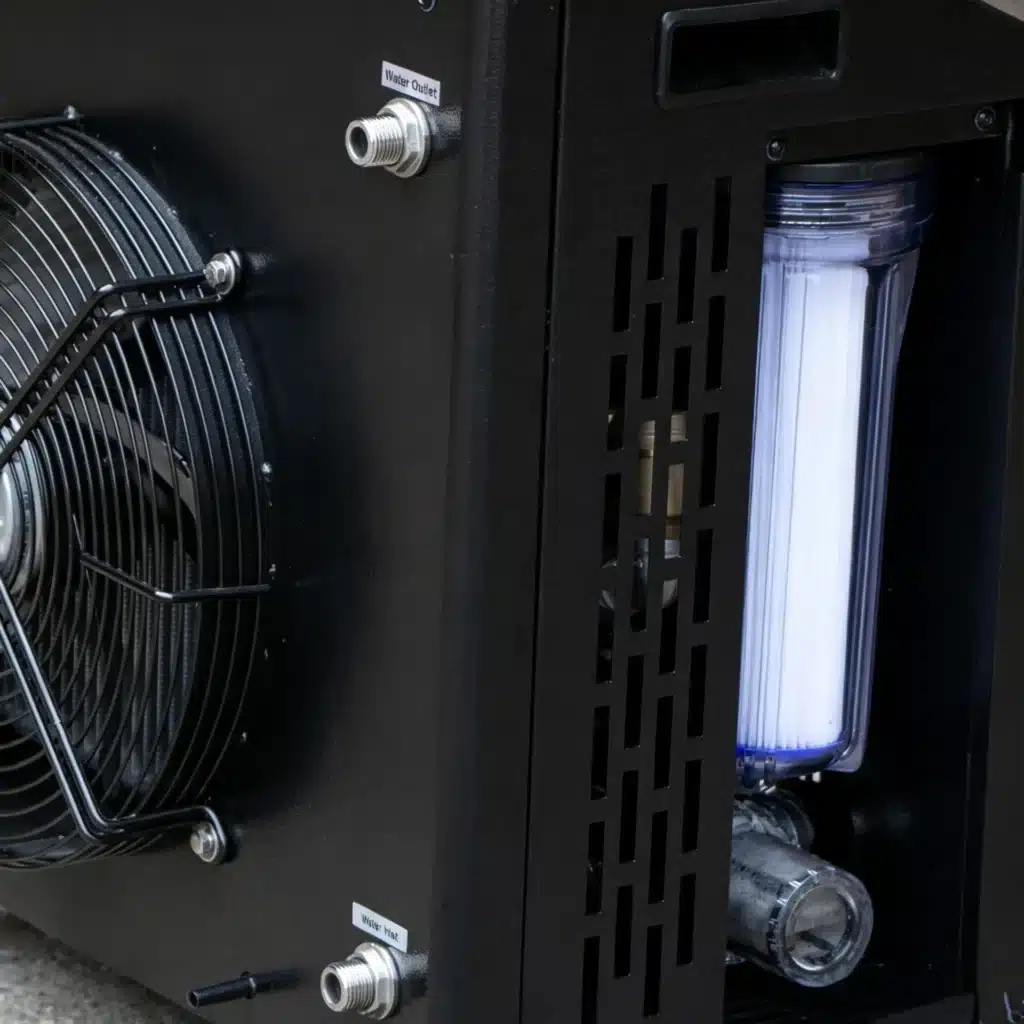
| 6. Water-loop layout | Wide photo or sketch showing tub outlet, suction path, pump, filter, chiller inlet, chiller outlet, return, valves, hoses and flow direction | Lets support see restrictions, reversed flow, air-entry points and third-party components | Only photographing the front controller |
| 7. Operating conditions | Water volume, starting/set/observed temperature, elapsed run time, ambient condition, tub/cover, visible flow and user-load context | Makes performance observations comparable without assuming universal conditions | A temperature claim with no water volume, time or ambient context |
| 8. Electrical supply context | Country/site, supply type, plug or connection, protective device and any observations permitted by the manual; measurements only by qualified personnel | Helps identify a destination-variant or site-supply question | Opening energized equipment or bypassing protection to “prove” a fault |
| 9. Maintenance and water-care history | Dated filter, cleaning, inspection and water-care records; product used, concentration/testing basis where recorded, and last service action | Shows the condition and care history relevant to flow, fouling, corrosion and hygiene | “Maintained normally” with no dates or tasks |
| 10. Changes and repair history | Replaced parts, third-party accessories, plumbing/electrical changes, relocation, prior repair, disassembly and instructions followed | Prevents a changed configuration from being mistaken for the delivered baseline | Removing a part before documenting its original condition |
| 11. Delivery and packaging evidence | Tracking/transport record, delivery date, carton/crate and all sides, labels, impact/wet areas, internal protection and unit damage before disposal | Separates a carrier/transit track from technical and warranty review | Discarding packaging before the carrier decides whether inspection is needed |
| 12. Requested next step | State whether you request document review, remote diagnosis, approved test, parts identification, site/service coordination or coverage review | Gives the reviewer a concrete decision to route and answer | Demanding a remedy before the affected unit and issue are identified |
In a cold plunge chiller warranty claim, the 12 items should agree. The nameplate variant should match the order; the chronology should match file timestamps; the water-loop image should match the components listed; and maintenance or repair records should explain any change from the delivered configuration. Contradictions are not a reason to hide evidence—identify and explain them.

Route the case through three separate review tracks
Track 1: stop-use and safety boundary
Stop operating and isolate the system according to its instructions if there is smoke, a burning smell, damaged wiring, water entering electrical parts, repeated protective-device trips, severe leakage, an exposed moving part, or any condition identified as unsafe by the product instructions. Do not bypass a GFCI/RCD, flow switch, fuse, cover or interlock. Do not open the sealed refrigerant circuit or perform live electrical work unless the work is assigned to appropriately qualified personnel under the applicable procedure.
Document the visible condition only when it is safe. The first cold plunge chiller warranty claim message should say that the unit is isolated, where it is located and whether people or property remain exposed to a hazard. A commercial claim should never encourage extra operation merely to produce a more dramatic video.
Track 2: technical diagnosis
Classify the symptom before changing parts: no power, controller/alarm, no circulation, weak/intermittent flow, no cooling, slow cooling, leakage, unusual noise/vibration, icing/condensation concern, sanitation/water condition or physical damage. Then follow only checks allowed by the model instructions. The cold plunge chiller maintenance checklist helps reconstruct routine care, while the troubleshooting guide helps route the symptom and identify when qualified support is needed.
For distributor or facility stock, the spare-parts kit decision guide keeps model compatibility, replacement authority and inventory separate from the diagnosis and warranty decision.
Track 3: coverage and remedy review
Coverage is a separate written decision. Provide the applicable quotation, order confirmation, warranty or service document, delivery record and prior written instructions. Ask the reviewer to identify the controlling term and the next authorized step. Do not assume that “warranty,” “service,” “carrier claim,” “commissioning issue” and “goodwill support” mean the same thing.
If the concern existed before shipment, compare it with the cold plunge chiller quality documents and the pre-shipment inspection record. If it first appeared after delivery, preserve arrival, packaging, installation and commissioning evidence so the tracks can be evaluated independently.
Cold plunge chiller warranty claim photo and video shot list
Photographs for a cold plunge chiller warranty claim should move from context to detail. Rename files with the order, model or serial, date and subject—for example, PO123-CHU15-SN0087-20260910-water-loop-wide.jpg. Keep originals with their metadata; make compressed copies only for convenient sharing.
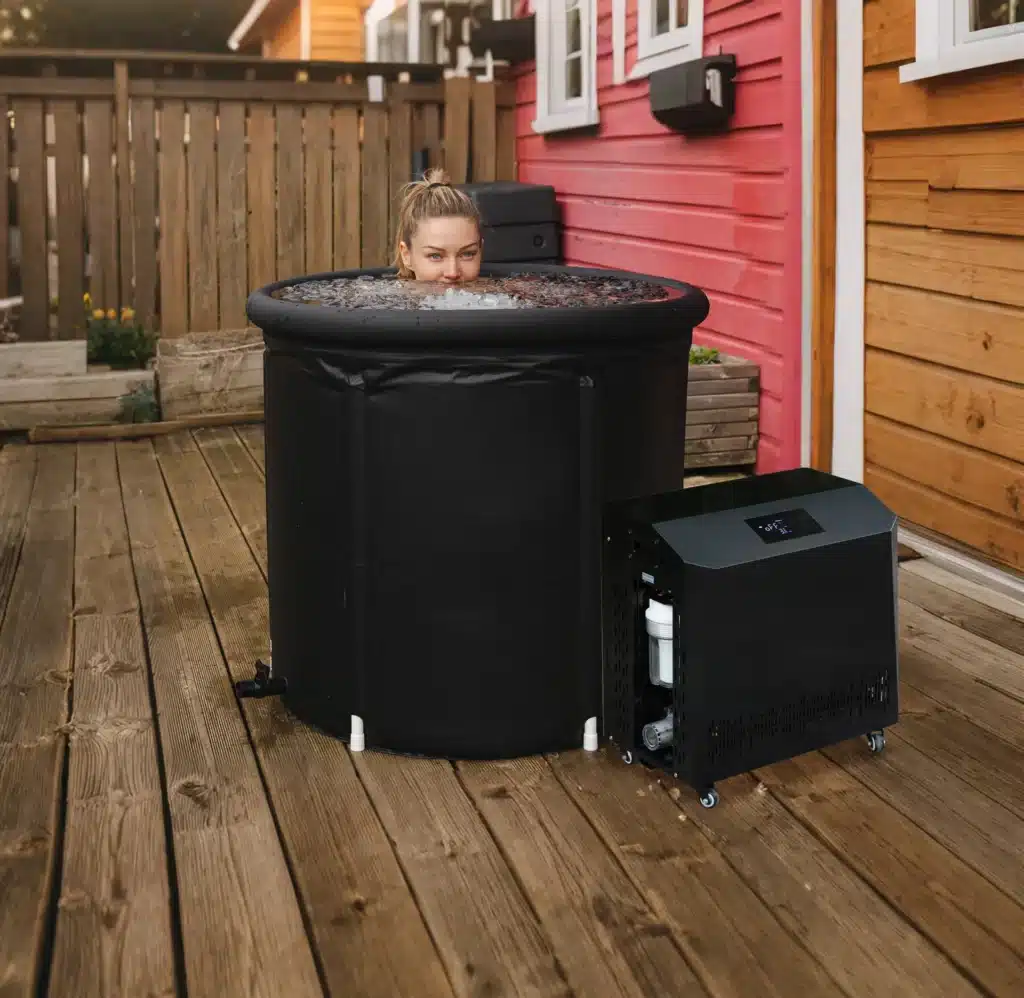
- Complete unit from front and rear, with its installed surroundings visible.
- Uncropped nameplate and a separate typed transcription of its fields.
- Whole water loop from tub outlet through pump/filter/chiller to return.
- Close-ups of inlet/outlet markings, connectors, valves, filter and hose routing.
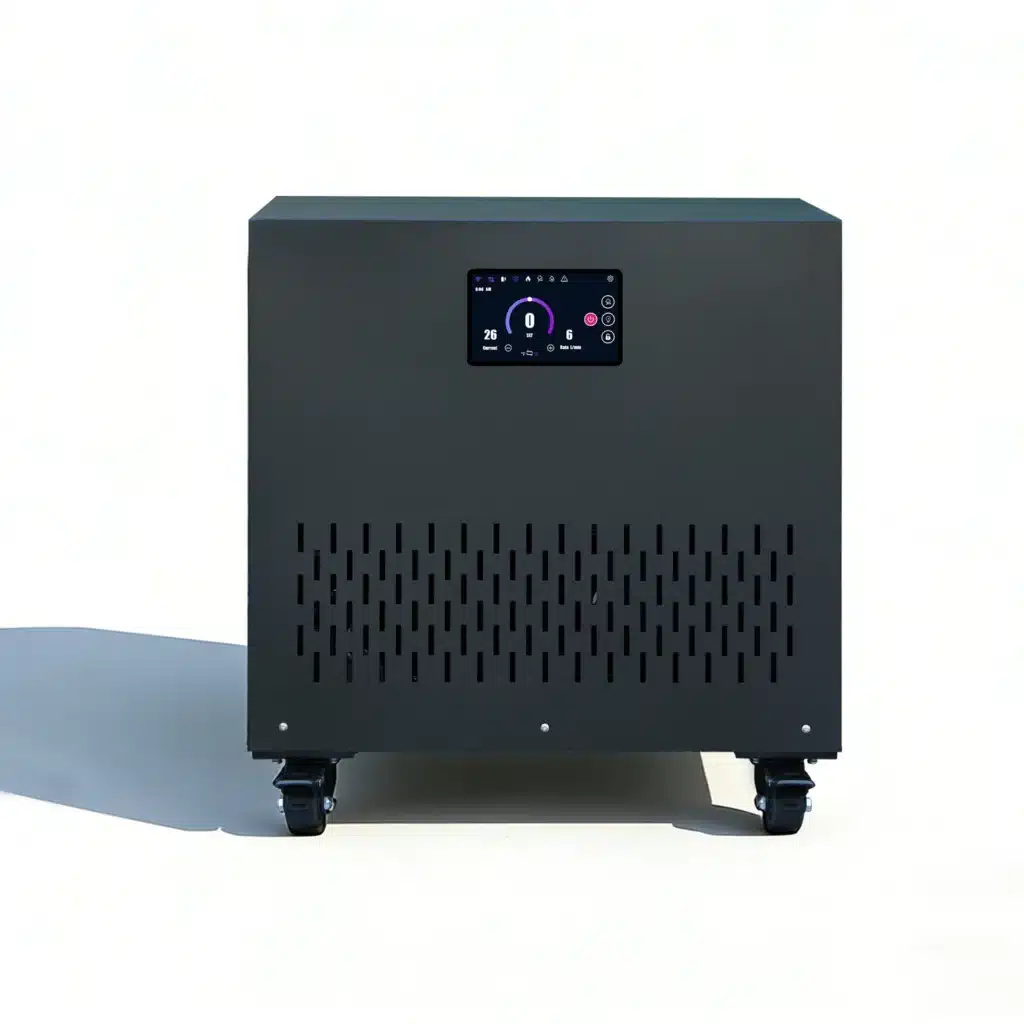
- Controller at power-up and when the symptom or code appears.
- Leak or physical-damage detail plus a wider image showing where it is on the unit.
- Electrical plug/connection and site context without opening energized parts.
- Third-party or replaced components, labels and installation position.
- Packaging exterior, all damaged areas, shipping label and internal protection for arrival damage.
- A short continuous video that begins with the unit identity, then shows the operating context and symptom without unsafe intervention.
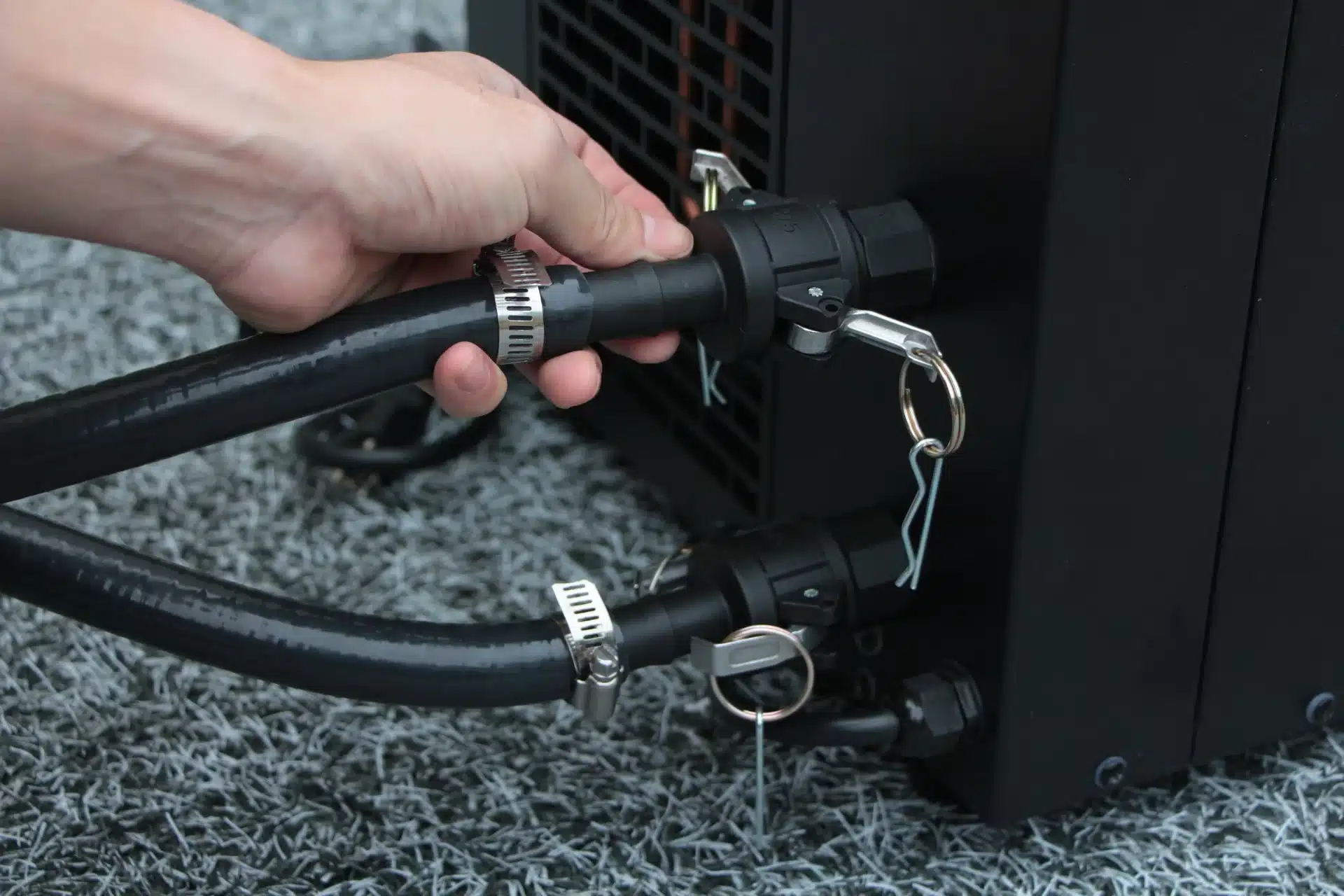
For transport damage, treat carrier evidence as a distinct file. FedEx’s official damaged-shipment claim guidance, for example, asks for supporting documents and says to retain original packaging until the claim is resolved. Carrier, route and contractual procedures differ, so follow the actual carrier’s current instructions and deadlines; do not assume a carrier claim is the same as a product warranty claim.
Cold plunge chiller warranty claim issue chronology
A cold plunge chiller warranty claim chronology is more useful than a folder of unlabelled files. Record observations before interpretations. “Display showed E2 at 14:05 after 18 minutes of circulation” is stronger than “the sensor is defective.” If you later learn the cause, add it as a new dated finding instead of rewriting the original observation.
| Date/time and zone | Event or observation | Configuration/condition | Action and authority | Evidence file |
|---|---|---|---|---|
| Delivery | Package condition and visible damage | Sealed/opened; carton/crate identity | Accepted, noted or held | Photo/video/receipt |
| Installation | Connection and commissioning steps | Water loop, electrical supply, tub volume | Installer and instruction revision | Diagram/photos/checklist |
| First occurrence | Exact symptom, display and sound | Setpoint, temperatures, flow, ambient | Stopped/continued under instructions | Video/log/screenshot |
| Each recurrence | Same or changed symptom | What differed from first event | Approved check performed | New labelled files |
| Intervention | Filter clean, hose reseat, part change or service | Before/after configuration | Who authorized/performed it | Record, parts and results |
For temperature or cooling concerns, report measured values with context: water volume, starting and ending temperatures, elapsed time, ambient condition, tub/cover, circulation path and load. Do not compare an observed result with an advertising number unless both use the same defined conditions.
Who should provide which evidence?
A cold plunge chiller warranty claim can involve several parties, but each should contribute evidence within its role. One shared chronology and clearly named decision owners reduce contradictory instructions.
| Party | Typical evidence contribution | Decision boundary |
|---|---|---|
| Buyer/claimant | Order identity, current location, chronology, operating conditions, photos/videos, maintenance/change history and requested outcome | Reports facts; does not assign technical cause solely from symptoms |
| Supplier/manufacturer | Delivered configuration, applicable documents, safe diagnostic request, parts identity and written review response | Confirms only the specific project scope and authorized next step |
| Installer/service provider | Installation/commissioning record, site measurements within competence, changes, service work and before/after findings | Does not alter sealed, electrical or refrigerant systems outside authorization and qualification |
| Carrier/freight party | Tracking, delivery exceptions, inspection request and current claim procedure | Carrier decision is separate from technical diagnosis and product coverage |
| Distributor/OEM brand | End-customer intake, sales terms, unit/order mapping and escalation record | Keeps end-customer promises aligned with supplier and brand documents |

Final claim submission checklist and copyable email
Before sending a cold plunge chiller warranty claim, check that the package answers these questions:
- Can the reviewer identify the buyer, order, model and exact unit without guessing?
- Is the issue described as an observation rather than an unverified cause?
- Are date, time zone, operating conditions and configuration recorded?
- Do wide and close-up images show both context and detail?
- Are maintenance, modifications and previous interventions disclosed?
- Is delivery evidence included and packaging retained when transit damage may be involved?
- Are unsafe tests, bypasses and unauthorized disassembly excluded?
- Does the message name the written terms being reviewed and the specific next step requested?
- Are files labelled, viewable and linked to the chronology?
- Is one contact person available for follow-up?
SUBJECT: Cold plunge chiller review request — [PO/order] — [model] — [serial]

Buyer/company:
Contact person and time zone:
Order/invoice/project reference:
Model and configuration:
Serial/equipment code:
Installation/delivery location:

OBSERVED ISSUE
First occurrence date/time:
Last normal operation:
Exact symptom/display/alarm:
Frequency and current status:
Unit safely isolated? Yes / No / Not required under instructions

OPERATING CONTEXT
Water volume and tub/cover:
Starting/set/observed temperatures and elapsed time:
Ambient condition:
Water-loop components and visible flow:
Electrical supply/configuration:

HISTORY
Maintenance and water-care records attached:
Changes, repairs or third-party parts:
Checks already performed and who authorized them:
Delivery/packaging evidence if relevant:

ATTACHMENTS
01 Order and applicable written terms
02 Full unit and nameplate photos
03 Water-loop wide photo/diagram
04 Controller/symptom photo or video
05 Chronology and operating log
06 Maintenance/change records
07 Delivery/packaging evidence, if relevant

REQUESTED NEXT STEP
[Document review / remote diagnosis / approved test / parts identification / service coordination / coverage review]

Please confirm receipt, identify any missing evidence, and provide the next authorized step for this specific unit and project.
Send the completed cold plunge chiller warranty claim package through the official OMNI Ice contact page. For an OEM or distributor fleet, submit one affected-unit table plus separate serial-specific evidence folders; do not merge observations from several units into one anonymous claim.
Frequently asked questions
What should I include in a cold plunge chiller warranty claim?
Include the order reference, exact model and configuration, serial or equipment code, clear nameplate photo, issue chronology, symptom and controller evidence, water-loop layout, operating and electrical context, maintenance history, modifications or repairs, delivery evidence when relevant, and the specific review or next step requested.
Does submitting complete evidence mean the issue is covered?
No. Complete evidence makes technical, responsibility and coverage review more efficient, but coverage depends on the applicable written contract, order documents, warranty or service terms, project facts and governing requirements. Evidence submission is not approval of a remedy.
What photos should I send with a chiller claim?
Send full front and rear unit views, an uncropped nameplate, the complete water loop, inlet/outlet and connector details, controller or alarm evidence, the symptom area in both wide and close views, third-party or changed components, and all packaging and arrival damage when transit may be involved.
Should I troubleshoot before opening a warranty claim?
Record the symptom and follow only the checks allowed by the exact model instructions or authorized by support. Stop and isolate the system for unsafe conditions. Do not bypass protection, open energized equipment, enter the sealed refrigerant circuit or disassemble parts merely to strengthen a claim.
What if the damage appeared after delivery?
Preserve the unit, original packaging, shipping labels, delivery record and wide/close damage photos; notify the appropriate seller, supplier and carrier under their current procedures. Keep the carrier claim, technical diagnosis and warranty review as separate tracks until responsibility is established.
A strong cold plunge chiller warranty claim is not the longest message—it is the smallest complete record that lets the right people identify the unit, reproduce the chronology, understand the conditions and issue an authorized next step. For OMNI Ice projects, submit the 12-item package with the applicable order documents and avoid making changes that erase the original evidence before review.