Cold plunge chiller quality documents should form one controlled, model-specific file that connects the buyer’s requirements to the exact configuration, tests, inspections, deviations, packing and shipment release. For a B2B order, request a document register plus the applicable specification, drawings, approved-sample record, label files, test plan and results, outgoing inspection, compliance evidence index, manuals, packing record and signed release status. A certificate logo, catalogue PDF or folder of unnamed photos is not a complete quality file.
This guide is for importers, distributors, OEM brands and commercial-project buyers. It explains how to request and review a buyer-ready document package; it does not claim that every OMNI Ice order includes every file below. The exact package depends on the selected model, customization, destination market, contract and agreed inspection scope.
What should cold plunge chiller quality documents contain?
The shortest useful answer is: identity, requirement, evidence, exception and authorization. Every important file should identify the project or order, exact model and electrical variant, revision or date, issuing party and approval status. Together, the files should show what was ordered, what configuration was reviewed, what was checked, what differed and who authorized the next step.
Use the OEM cold plunge chiller RFQ template to capture quotation inputs, the cold plunge chiller factory acceptance test to define witnessed factory checks, and the pre-shipment inspection checklist to verify the outgoing unit and packing. This guide shows how to assemble the resulting specifications, approvals, test results, inspection records and release evidence into one file that can be matched to the correct order and product configuration.
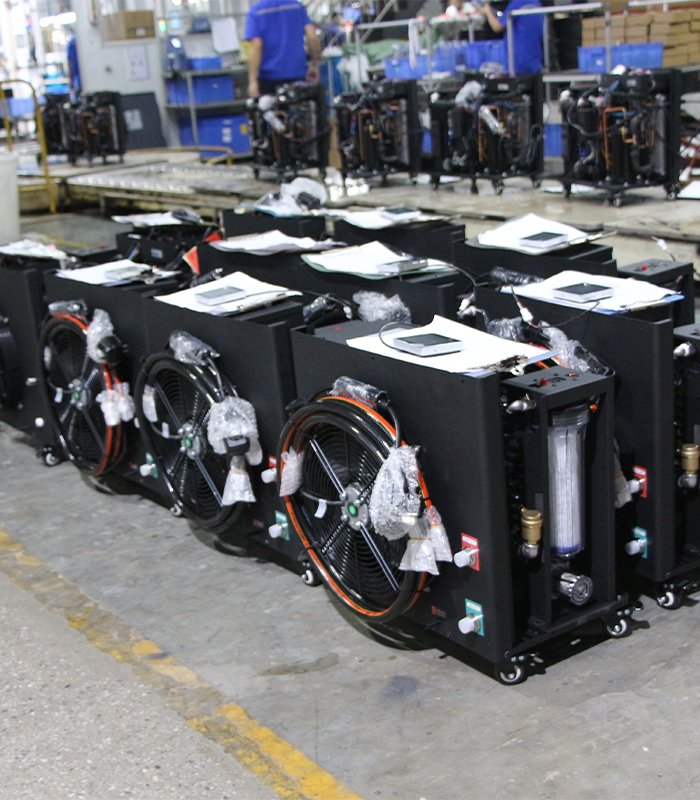
Cold plunge chiller quality documents: 12 buyer-ready files
Use the matrix as a request list, then mark each row required, not applicable, supplier to advise or buyer supplied. “Not applicable” should include a reason. The table does not convert every file into a universal requirement; it makes the project decision visible.
| File | What it should identify | Buyer decision it supports | What it does not prove by itself |
|---|---|---|---|
| 1. Document register | File name/number, owner, revision, date, model or order coverage, required stage and status | Whether the package is complete and current | That the contents are accurate |
| 2. Approved product specification | Exact model/variant, intended project duty, included components, options, exclusions and approved revision | What the supplier is expected to build and quote | Measured performance under unstated conditions |
| 3. Drawings and interface schedule | Dimensions, clearances, water ports, hose/fitting sizes, drainage, electrical connection and service access | Whether the chiller can physically connect to the tub and site | That the destination installation is approved |
| 4. Approved sample and change record | Sample identity, approval date, approvers, accepted differences and later changes | Which physical and documented baseline controls production | That every production unit is identical without inspection |
| 5. Nameplate, label and artwork set | Model, electrical rating, responsible entity, warnings, language, logo, barcode and artwork revision as applicable | Whether visible identification matches the approved configuration | That a mark or claim is legally applicable |
| 6. Test and inspection plan | Check, method, conditions, instrument, acceptance criterion, sample scope, witness and retest rule | What evidence must exist before approval | That a test was actually completed |
| 7. FAT or functional test record | Unit/sample identity, setup, water and ambient conditions, readings, observations, files and sign-off | Whether the identified unit/sample met the agreed factory checks | Universal performance or product certification |
| 8. Outgoing inspection report | Quantity/sample, identity, appearance, accessories, documents, packaging, marks, deviations and disposition | Whether the inspected shipment matches the release checklist | A full design validation or site commissioning |
| 9. Compliance-evidence index | Document title, issuer, report/certificate number, standard or rule, covered model/variant, revision/date and file location | Which evidence is available for destination-market review | That the buyer has identified every applicable obligation |
| 10. Manual and service-document set | Covered model/revision, installation boundaries, operation, maintenance, troubleshooting, parts and support route | Whether operators and service teams receive the agreed information | Approval of a local installation or water-treatment program |
| 11. Pack-out and shipping record | Included items, cartons/crates, protection, labels, shipping marks, dimensions/weights and photo references | Whether the released order is packed on the agreed basis | Carrier handling or arrival condition |
| 12. Deviation and release log | Issue, affected units/files, containment, correction, retest, concession if any, approver and final status | Whether open exceptions block shipment or have authorized disposition | That an unauthorized deviation is acceptable |
Together, these cold plunge chiller quality documents create a chain from the approved requirement to shipment disposition. They should agree with one another: the model on the test record should match the specification, the nameplate should match the electrical variant, and the pack-out record should match the released accessories and manuals.
When a listed check or file does not meet its requirement, link the register to a nonconformance report with nine closure fields. The register shows the file and status; the NCR preserves affected scope, containment, disposition and verification evidence.
If the issue is repeated, material or systemic, also reference the corrective action response and effectiveness record. An NCR closes the defined nonconforming scope; the CAR addresses supported causes and recurrence control.
ISO/TC 176 publishes implementation guidance for documented information under ISO 9001:2015. That quality-management context supports controlled documentation, but it does not prescribe this exact cold-plunge package or certify an individual chiller.
Build one master register for the quality file
The register is the control page for all cold plunge chiller quality documents. Without it, a buyer may receive ten files but still be unable to tell which specification is approved, whether a report covers the ordered electrical variant or whether a later change invalidated an earlier result. Review cold plunge chiller quality documents against the register at each approval gate, not only when the shipment is ready.
When one of those files changes because a component or configuration is being revised, use the cold plunge chiller change-control notice to record the impact review, approval and physical introduction of the revision.
| Register field | What to record |
|---|---|
| Project and order | Buyer, supplier, project code, quotation or purchase-order reference |
| Document identity | Controlled title, file number, revision and issue date |
| Product coverage | Model, suffix, voltage/frequency, configuration or lot covered |
| Owner and issuer | Who created the file and who is responsible for maintaining it |
| Required stage | Quotation, sample approval, production release, shipment release or destination handover |
| Status | Requested, received, under review, approved, superseded, rejected or not applicable |
| Approval | Approver, date and any conditions or linked deviations |
| File location | Stable folder/link and the exact retained filename |
A filename such as test-report-final2.pdf is not reliable document control. A clearer pattern is [project]-[model]-[document]-[revision]-[date]-[status]. The filename is only a locator; the same identity should appear inside the file. Never overwrite an approved revision silently. Mark the old file superseded and retain the change trail required by the project.

Use cold plunge chiller quality documents at four approval gates
Cold plunge chiller quality documents should mature with the order. The quotation defines the required list, the sample creates a physical baseline, production freezes approved revisions, and shipment closes the final evidence and deviation status.
1. Quotation gate: define what will be returned
List required documents in the RFQ before comparing prices. Ask the supplier to mark each item available, project-specific, optional, buyer-supplied, not applicable or requiring third-party review. Request the exact model and configuration covered. “Certificates available” is not a document response.
2. Sample gate: convert the sample into a controlled baseline
Record the sample identity, specification revision, visible build, nameplate, controller, interfaces, included components, labels, documents and test conditions. List every known difference between the sample and planned production. Approval should say what is accepted and what remains open; a photo of a running unit is not a complete sample record.
Use the cold plunge chiller golden sample approval baseline when the sample must become a repeat-production reference. It adds explicit approval status, configuration identity, evidence cross-references, deviations, retention and change triggers.
3. Production gate: freeze changes and inspection scope
Before production release, reconcile the approved specification, drawings, labels, manual, test/inspection plan and authorized changes. If a component, electrical variant, controller, artwork or packaging method changes, record the affected files and decide whether review, testing or sample re-approval is needed.
When the packaging method is new or materially changed, add the route-based packaging validation report to the register. It should identify the tested chiller and packout, sequence, product/package acceptance, failures and revalidation decision.
4. Shipment gate: close or hold every exception
The shipment file should reconcile unit identity, quantity, FAT or other agreed test results, outgoing inspection, manuals, accessories, pack-out, shipping marks and open deviations. A release record should state pass, hold, rework/retest or an explicitly authorized concession. Missing evidence should remain visible rather than being converted into an assumed pass.
Add the cold plunge chiller receiving inspection record when the quality file must continue through destination handover, arrival condition, accessory reconciliation, exceptions and controlled transfer to commissioning.
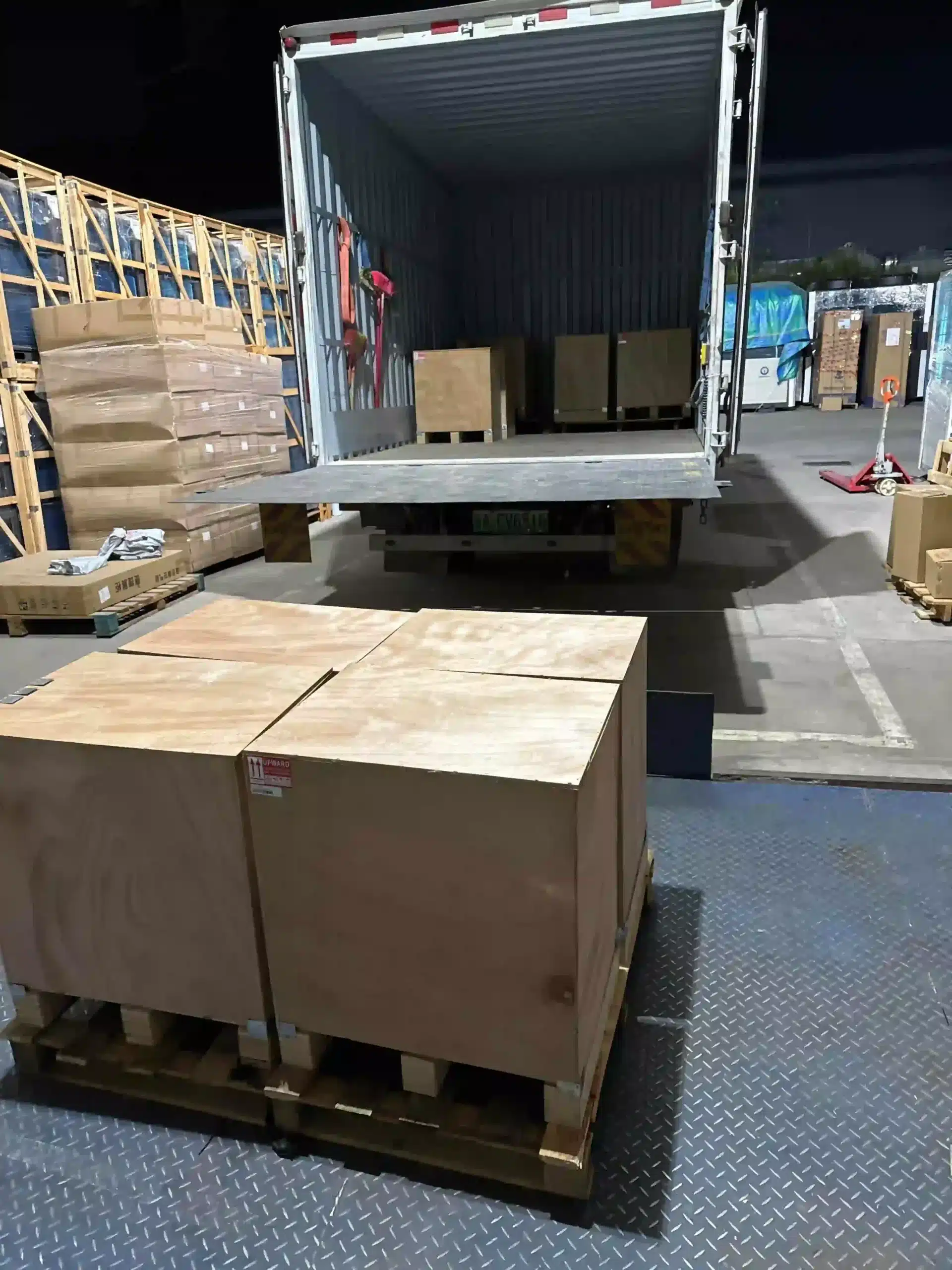
How to verify cold plunge chiller quality documents
Reviewing cold plunge chiller quality documents is a reconciliation task, not a file-count exercise. Use these checks:
- Identity: Does the model, suffix, voltage/frequency, revision or lot match the order?
- Issuer: Who created the record, who performed the work and who approved it?
- Scope: Does the file cover the complete chiller, one component, one sample or a wider series?
- Method and conditions: Are the setup, instrument, water volume, ambient condition, duration and acceptance criteria stated where relevant?
- Result: Are observations and readings recorded instead of only a “pass” stamp?
- Traceability: Can photos, videos and attachments be matched to the record and covered unit?
- Revision: Is the file current, approved and consistent with later changes?
- Boundary: Does the document say what it does not establish?
For destination-market requirements, start with the product, intended use, role in the supply chain and actual jurisdiction. The U.S. International Trade Administration’s product-standards resources explain how standards and conformity-assessment systems affect market access. For an EU project where harmonized product rules apply, the European Commission explains that technical documentation supports assessment of design, manufacture and operation. Those sources are market frameworks, not proof that one named document or CE route applies automatically to every cold plunge chiller.
Why a certificate is not the whole quality file
A certificate or test report can be useful only within its stated scope. Check the issuing body or laboratory, document number, standard or program, applicant/manufacturer, covered model or series, electrical variant, issue/revision date, status and any referenced annex. Then compare those fields with the quotation, nameplate artwork and actual order.
Do not treat a component report as approval of the assembled product. Do not treat a report for one model suffix as automatic coverage for every voltage or customized housing. Do not infer destination compliance from a logo in marketing material. The buyer’s compliance adviser or responsible market party should determine the applicable requirements and whether the supplied evidence is sufficient.
Assign supplier and buyer responsibilities
Cold plunge chiller quality documents work only when ownership is explicit. The buyer defines the decision and required evidence; the supplier identifies what it can provide for the offered configuration and records any limits, gaps or changes.
| Decision | Buyer should define or verify | Supplier should return |
|---|---|---|
| Configuration | Application, destination, duty, site and requested options | Exact offered model/variant, inclusions, exclusions and assumptions |
| Document scope | Required files, language, review stage and destination needs | Availability, owner/issuer, coverage, revision and delivery date |
| Testing | Acceptance criteria, witness needs, sample scope and authority | Method, conditions, instruments, results, evidence and deviations |
| Changes | Which changes require approval or a revised sample | Change notice, impact, affected files and proposed verification |
| Release | Who can accept, hold or grant a concession | Complete register, inspection/test records and signed disposition |
The OMNI Ice OEM project route can be used to start a configuration review. For broader supplier due diligence, use the ice bath chiller supplier checklist. Neither page removes the buyer’s responsibility to identify project and destination requirements.
Copyable cold plunge chiller quality-document request
Paste this into the RFQ or purchase-document schedule and replace the brackets:
QUALITY DOCUMENT REQUEST

Project / PO reference: [ ]
Buyer and destination market: [ ]
Offered model and configuration: [ ]
Voltage / frequency: [ ]
Sample or production quantity: [ ]

Please return a document register showing, for every applicable file:
1. controlled title and file number;
2. revision and issue date;
3. issuing and responsible party;
4. covered model, variant, sample, lot or order;
5. required delivery stage;
6. status: available / project-specific / buyer-supplied / not applicable / open;
7. approver and approval date;
8. linked deviation or change record.

Requested file groups:
[ ] approved specification and configuration list
[ ] dimensions and interface drawings
[ ] sample approval and change record
[ ] nameplate, labels, warnings and artwork
[ ] test and inspection plan
[ ] FAT / functional-test records
[ ] outgoing inspection report
[ ] compliance-evidence index and applicable files
[ ] manual, installation and service documents
[ ] accessories, pack-out and shipping-mark record
[ ] deviation, retest and release log

Please identify gaps and assumptions. Do not substitute generic catalogue files or unrelated-series documents without stating their coverage.
Request a model-specific document review
Send OMNI Ice the destination country, intended application, water volume and temperature duty, verified voltage/frequency, preferred configuration, quantity, branding scope and required document list. The team can review which cold plunge chiller quality documents may be available or need project-specific preparation. Final compliance, installation and release responsibilities must be agreed for the actual order.
Frequently asked questions
What quality documents should I request for a cold plunge chiller order?
Request a document register plus the applicable approved specification, drawings, sample/change record, label artwork, test and inspection plan, FAT or functional record, outgoing inspection, compliance-evidence index, manuals, packing record and deviation/release log. Tailor the list to the exact model, order and destination.
Is a CE, ETL or other certificate enough to approve the order?
No. Verify the issuing body, document number, standard/program, applicant or manufacturer, covered model and electrical variant, date/status and destination relevance. A certificate does not replace the approved specification, production records, shipment inspection or buyer compliance review.
What is the difference between a quality file, FAT and pre-shipment inspection?
The quality file is the controlled package and register. FAT is one buyer-defined factory test and evidence process. Pre-shipment inspection checks the outgoing units, documents, accessories, packing and marks against the approved order. FAT and inspection records can become parts of the quality file.
When should the supplier provide cold plunge chiller quality documents?
Agree the document list at quotation, review applicable files before sample or production approval, and require the final approved revisions before shipment release. A late document may reveal a model, label or compliance mismatch after corrective options have narrowed.
How should cold plunge chiller quality documents be controlled?
Give each file a controlled title, number, revision, issue date, owner, model/configuration coverage and approval status. Keep superseded versions identifiable, link changes to affected tests or approvals, and never silently replace an approved file.