Cold plunge chiller batch traceability is credible only when a buyer can run the chain in both directions: from one shipped unit back to its approved build and test records, and from a suspect component or revision forward to every affected unit and shipment. A serial-number photo by itself does neither. The identifier must connect records that answer what was built, which requirements applied, what was checked, what changed, where the unit went and what happened later.
This article gives importers, distributors and OEM brand owners a field map for that connection. It is not a claim that every cold plunge order requires the same depth of component tracking, software or retention. The appropriate scope depends on the product, destination, contract, safety risk and after-sales model. The practical aim is narrower: agree a chain that can answer a real buyer question without relying on memory or an unlabelled folder of photos.
Two tests expose whether the traceability chain works
Do not approve a proposed system because it has barcodes, a cloud dashboard or a neat serial-number format. Give it two retrieval tasks. The first starts with a finished unit. The second starts with a possible problem. If either search ends in guesswork, the chain is incomplete.
| Proof test | Start with | The record should reach | Failure signal |
|---|---|---|---|
| Backward test | One unit or package identifier | Buyer/order, exact model and revision, electrical variant, approved changes, relevant component or assembly lots, test/inspection records, deviations and release | The answer depends on a date estimate, a shared photo folder or “normally we use this part” |
| Forward test | One suspect component lot, firmware/build revision or process deviation | Affected production scope, unit identities, hold/release status, shipment records, buyers or destinations and open service actions | All units made that month are treated as affected because the narrower population cannot be found |
The backward test protects acceptance and service. The forward test protects containment. Together they make cold plunge chiller batch traceability useful to purchasing, quality, engineering, logistics and after-sales teams. Neither test requires every internal supplier record to be disclosed to the buyer; the contract should define which fields, summaries and evidence are returned.
When the forward test identifies an affected population, use the chiller NCR closure record to control that population through containment, authorized disposition, reinspection and release.

Model, batch, lot and serial do different jobs
Traceability breaks down when four identifiers are treated as synonyms. A model code describes a product configuration family. A production batch groups output under a defined manufacturing scope. A component lot identifies a supplied or produced group of parts. A serial number identifies one finished unit. The purchase order and shipment references then connect those identities to a commercial transaction.
| Identifier | What it should distinguish | Buyer question it can answer | What it cannot answer alone |
|---|---|---|---|
| Model and revision | Approved design or configuration baseline | Which specification, drawing and manual apply? | Which physical unit was shipped? |
| Production batch | A defined group made under one recorded scope | Which units share a production event or release decision? | Whether one individual unit passed its checks |
| Component lot | A traceable group of relevant purchased or made parts | Which finished units may contain the affected lot? | Whether the part caused a reported symptom |
| Serial or equipment ID | One finished chiller | Which records and shipment belong to this unit? | The build history unless records are linked |
| PO and shipment ID | Buyer, order and logistics movement | Where did the identified units go? | The technical configuration without a unit link |
Not every screw or commodity item needs individual lot capture. The buyer and supplier should select critical items by safety, performance, compliance, field-replaceability, substitution risk and failure containment. For a specific chiller, that decision may include selected electrical, refrigeration, control or water-loop components; it should not be guessed from this general article.
Build cold plunge chiller batch traceability around events
A useful record follows the product through events rather than collecting disconnected certificates. GS1 describes traceability through Critical Tracking Events and Key Data Elements: events such as receiving, packing and shipping, plus the data that describes each event. A cold-plunge project does not have to adopt a GS1 implementation to use that sound design idea.
| Event | Object being traced | Linking evidence | Decision supported |
|---|---|---|---|
| Requirement freeze | Project and ordered configuration | PO, approved specification, drawings, electrical variant, artwork and document list | What must be built |
| Material or component receipt | Selected critical item or lot | Supplier identity, part/revision, lot, quantity, receipt and acceptance status | What may enter production |
| Assembly | Batch and individual unit | Work order, model revision, serial assignment, relevant component links and operator/station record where agreed | What the unit contains |
| Change or deviation | Affected design, lot, batch or units | Change notice, reason, impact review, approval, rework and retest scope | Whether the baseline still applies |
| Test and inspection | Named sample or unit set | Protocol, conditions, instrument ID where relevant, readings, photos, result and reviewer | What was actually checked |
| Pack-out and release | Unit, package and shipment | Accessories, manuals, marks, carton/crate ID, deviation closure and release authorization | What may leave the factory |
| Delivery and service | Installed unit and customer case | Recipient, commissioning baseline, maintenance history, symptom chronology, parts and claim outcome | What changed after shipment |
The OEM cold plunge chiller RFQ template defines the project inputs before this chain starts, and the quality-document matrix defines the files a buyer may need. Use the identifier and event links in this article to retrieve those files for the correct unit, batch or affected population.
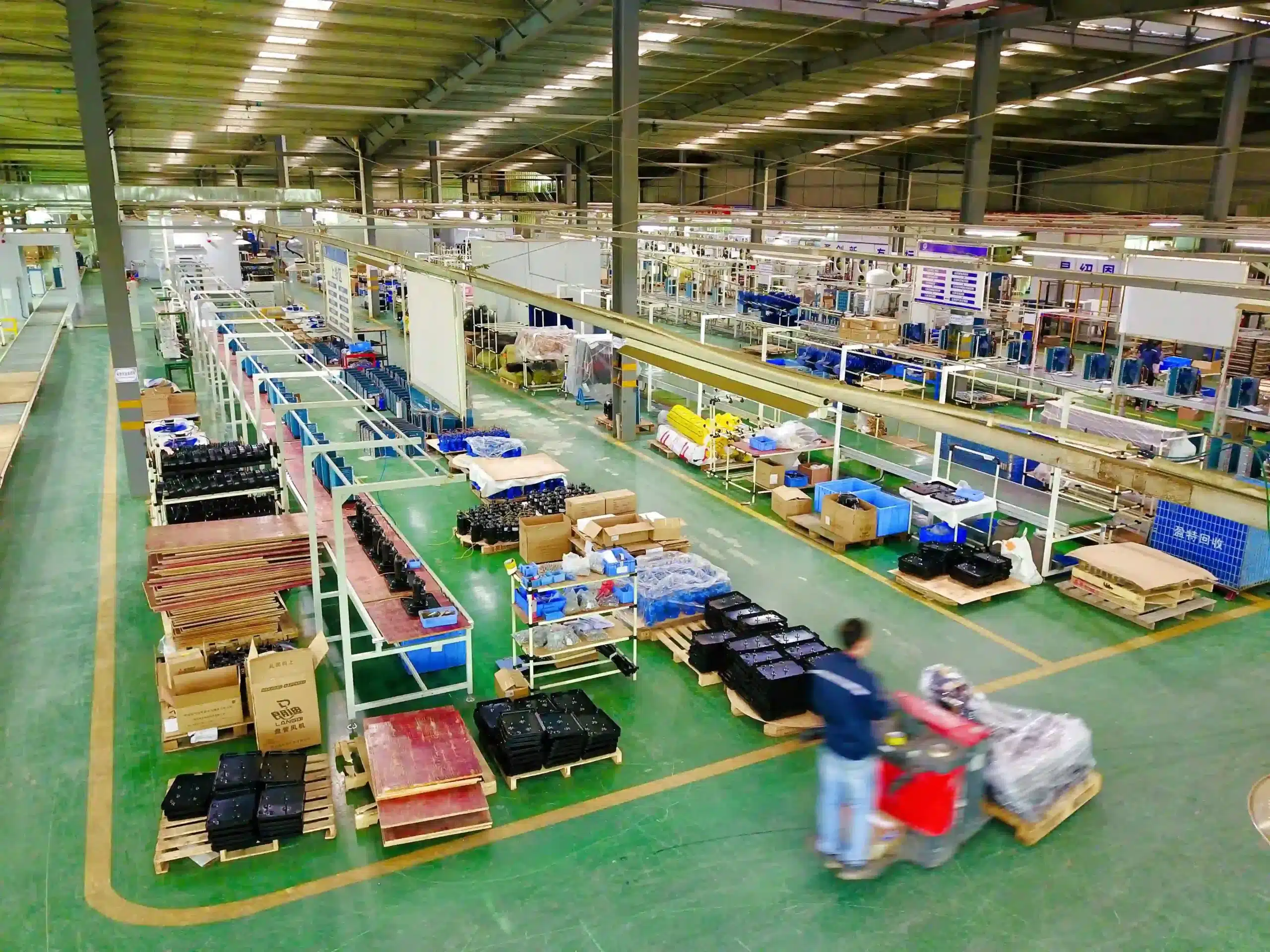
Where cold plunge chiller batch traceability usually breaks
The expensive failure in cold plunge chiller batch traceability is rarely a missing sticker. It is a broken handoff between two records that were created by different teams. Purchasing keeps the PO, engineering keeps a drawing, production keeps a work order, quality keeps test files and logistics keeps a packing list. Each file can look complete while the unit-to-record relationship is absent.
1. A date range is used as a batch
“Built in the first week of September” may narrow a search, but it does not define which work order, configuration or approved change applied. If production crosses shifts, models or revisions, a calendar range can pull unaffected units into a hold and miss affected ones. Cold plunge chiller batch traceability needs an explicit population rule and the unit identities inside it.
2. Photos are stored without a record key
A photo can show a label, connection or test screen and still be unusable. The filename, folder or accompanying record should connect it to a unit or batch, date, checkpoint and observation. Otherwise, the image is production context—not proof that the photographed condition belongs to the shipped chiller. Good cold plunge chiller batch traceability preserves that distinction.
3. A component list has no affected-unit link
A supplier may know which component lots entered the factory yet be unable to show which finished units received them. That gap makes the forward test fail. The practical fix is not necessarily full automation; it can be a controlled issue record that assigns the relevant lot to a work order, serial range or individually scanned units. Cold plunge chiller batch traceability is only as narrow as its weakest link.
Time the retrieval, not the software demonstration
Before shipment, select a representative unit and run the backward test with the people who will answer a future claim. Then select a fictional suspect lot or approved change and run the forward test without altering production records. The exercise is a retrieval drill, not a performance claim or simulated defect. It shows whether cold plunge chiller batch traceability survives normal handoffs.
| Drill field | Record |
|---|---|
| Start identifier | Selected serial, batch, component lot or change ID |
| Question | The exact backward or forward population to retrieve |
| People/systems used | Named roles, register, folder or approved system |
| Elapsed time | Start, finish and interruptions; no universal pass time is assumed |
| Result | Complete, incomplete or conflicting, with missing links listed |
| Disposition | Pass, hold, correct and rerun, or approved limitation |
Set the acceptance rule in the contract or quality plan. One buyer may need same-day access to a shipment list; another regulated or higher-risk project may require a tighter method. The meaningful result is not a universal number. It is whether the agreed fields are complete, internally consistent and available to authorized people when a decision is due. That is the point of cold plunge chiller batch traceability.
The minimum field map a buyer can request
Start with fields that answer retrieval questions. More data is not automatically better: an overloaded spreadsheet that nobody updates is weaker than a small controlled register whose identifiers remain intact. The following map is a contractual starting point, not a claim about one universal OMNI production system.
| Field group | Minimum fields | Control question |
|---|---|---|
| Commercial identity | Buyer/project, quotation or PO, order line, destination, quantity | Which transaction owns the requirement? |
| Product identity | Model, configuration/revision, electrical variant, serial or unit ID, batch/work order | Can the record identify the exact unit and baseline? |
| Selected component link | Part description/code, revision, supplier, lot, receipt or issue reference, affected unit range | Can a relevant lot be traced into finished units? |
| Process and change | Assembly date/stage, approved change or deviation ID, affected scope, disposition, approver | Can a departure from the baseline be reconstructed? |
| Verification | Protocol/revision, sample or serials checked, conditions, result, evidence location, reviewer/date | Does the result belong to the identified product? |
| Release and logistics | Package/crate ID, accessories/documents, release status, shipment reference, consignee | Can a released unit be tied to its destination? |
| After-sales | Commissioning date where applicable, service case, symptom, replaced part/lot, action, closure | Can field history refine the affected population? |
| Record control | Owner, revision, status, timestamp, retained filename or stable location | Can the team find the approved version later? |
A shared spreadsheet can be sufficient for a modest project if access, required fields, revision history and backups are controlled. Barcodes or QR codes can reduce transcription errors, but a code is only a pointer. It does not repair missing relationships behind the screen. Before buying software, run the two proof tests against a representative record.
Put the chain through five approval gates
Cold plunge chiller batch traceability should be designed before production, not assembled after a fault. Five gates keep the scope proportional and prevent a serial label from becoming the only surviving link.
- Quotation gate: define the identifiers, critical-item scope, records returned to the buyer, retention expectation and confidentiality boundary.
- Sample gate: assign the sample identity and freeze the model, revision, electrical configuration, interfaces, artwork and accepted differences.
- Production gate: confirm serial/batch rules, relevant component links, approved changes and the units affected by each deviation.
- Shipment gate: reconcile released serials or batches with the factory acceptance test evidence, pre-shipment inspection, package identity and consignee.
- Service gate: connect the installed unit, symptom chronology and parts/actions to the warranty-claim evidence package without assuming that a traceable issue is automatically covered.
At each gate, use four states: pass, hold, approved deviation or not applicable with a reason. “Pending” should name an owner and due date. An empty cell is not a decision.
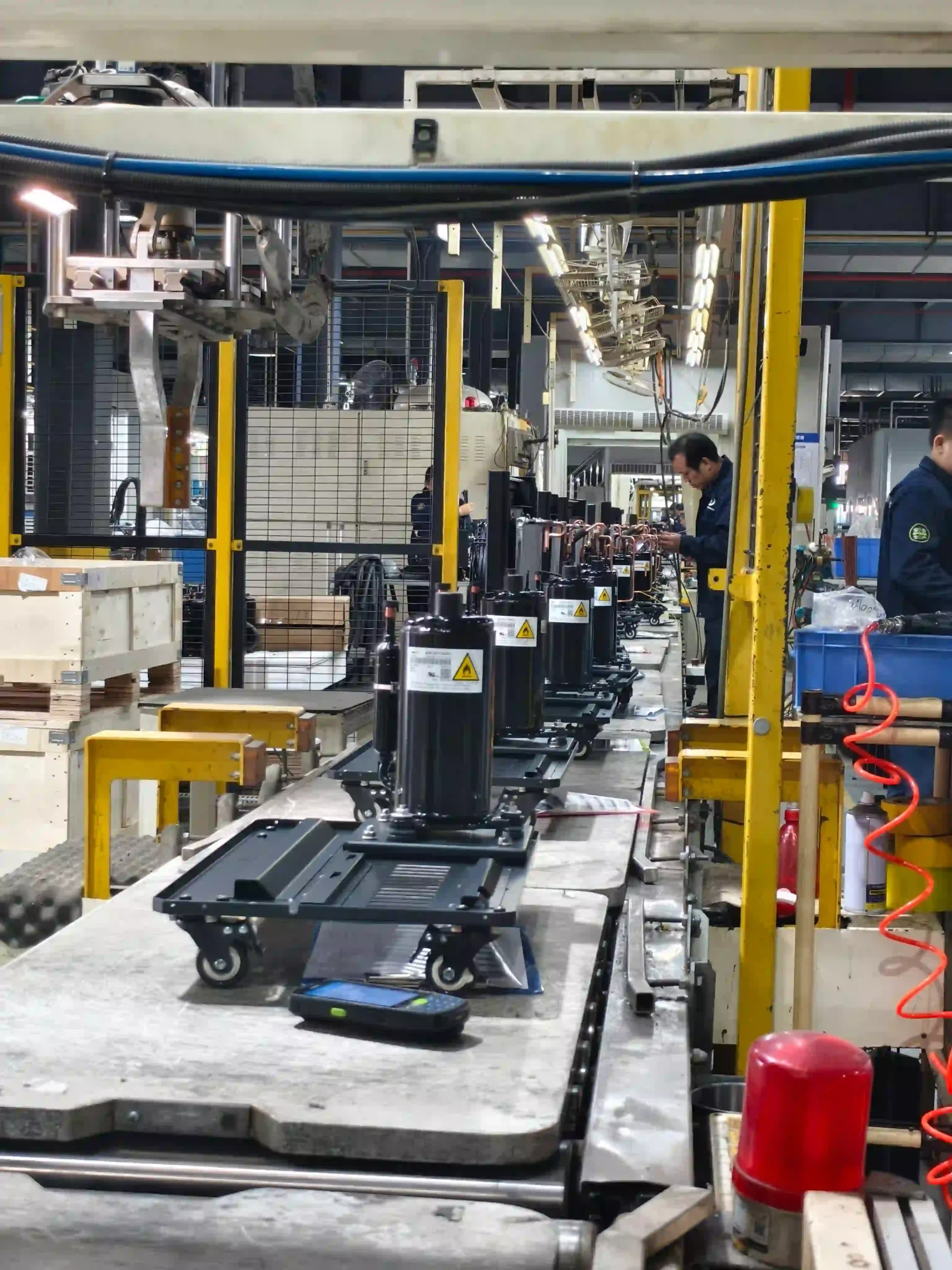
Assign the handoffs, not just the labels
| Decision | Buyer or brand owner | Supplier | Importer, distributor or service partner |
|---|---|---|---|
| Scope | Define destination, risk, critical fields, disclosure and retention needs | Explain available identifiers, system limits and project-specific additions | Confirm local support and record-access needs |
| Baseline | Approve model, variant, sample and change authority | Maintain the controlled build and link authorized changes | Keep the received configuration identifiable |
| Verification | Set acceptance and witness requirements | Return records tied to the agreed batch or units | Record receiving and commissioning evidence where applicable |
| Containment | Decide notification and commercial escalation rules | Identify affected scope and proposed action | Locate stock, installations and customers within its custody |
| Service feedback | Define claim and data-return fields | Link analysis and replacement parts to the unit history | Return accurate symptom, condition and intervention records |
For an OEM project, the OMNI Ice OEM project route can be used to discuss which identifiers and records fit the selected model and commercial scope. Do not request confidential supplier data without defining why it is needed, who may access it and whether a summary, certificate of conformance or affected-unit list would satisfy the buyer’s decision.
Where legal and standards requirements take over
A commercial traceability plan does not replace destination-market analysis. As one example, the EU General Product Safety Regulation includes manufacturer and economic-operator duties involving product identification and supply-chain information. Its text addresses type, batch, serial or other identifying elements and the ability to provide relevant upstream and downstream information in specified circumstances. Read the official Regulation (EU) 2023/988 with the product’s applicable Union rules; this article does not decide whether a specific chiller falls under a particular provision or what other legislation applies.
ISO’s guidance on documented information explains that organizations determine the documentation needed to operate and control their processes and retain evidence that work occurred as planned. That principle supports a controlled traceability record, but it does not prescribe this cold-plunge field map or prove that a supplier is certified. See the ISO/TC 176 implementation guidance for ISO 9001:2015.
Sources and scope were reviewed on September 11, 2026. The purchase contract, approved specification, destination rules and competent professional advice remain controlling for an actual order.
Copy this traceability block into the RFQ
TRACEABILITY REQUIREMENT
Project / buyer: [ ]
Destination market: [ ]
Offered model and electrical variant: [ ]
Sample / production quantity: [ ]

Please describe and return:
1. model, revision and unit serial or equipment-ID format;
2. production batch or work-order link;
3. critical component or material lots to be retained, with reasons;
4. change and deviation link to affected units;
5. test and inspection records linked to the tested serials/batch;
6. package/crate and shipment link to released units;
7. record owner, revision, retention and buyer-access method;
8. one backward trace demonstration and one forward trace demonstration.

Mark each item: available / project-specific / buyer-supplied /
not applicable with reason / open with owner and due date.
State confidentiality limits and any assumptions.
Send OMNI Ice the destination, intended application, water volume and temperature duty, verified power supply, proposed model, quantity and branding scope. Ask for a project-specific traceability response rather than a generic promise that “serial numbers are available.” Submit the project and traceability fields for review.
Cold plunge chiller batch traceability FAQ
What is cold plunge chiller batch traceability?
Cold plunge chiller batch traceability is the linked record that connects a project requirement, model and revision, production batch, individual unit, relevant component lots, test and inspection evidence, package, shipment and later service history. Its depth should match the product, contract, destination and risk.
Is a serial number enough for traceability?
No. A serial number is useful only when it retrieves the approved configuration, production scope, applicable checks, release and shipment. A label with no linked records identifies an object but does not reconstruct its history.
Should every cold plunge chiller component have a lot number?
Not necessarily. Select critical components according to safety, performance, compliance, substitution risk, service needs and the cost of containment. Record the agreed scope instead of implying that every fastener requires individual tracking.
How can a buyer test traceability before shipment?
Choose one finished unit and trace it backward to its approved build, relevant lots, tests and release. Then choose one component lot, revision or deviation and trace it forward to every affected unit and shipment. Record retrieval gaps before release.
What traceability information belongs in a cold plunge chiller RFQ?
Define the model/revision and serial format, batch or work-order link, critical-lot scope, change/deviation link, test and inspection link, package-to-shipment link, record owner, retention, buyer access and the two proof tests. Require the supplier to identify gaps and confidentiality limits.