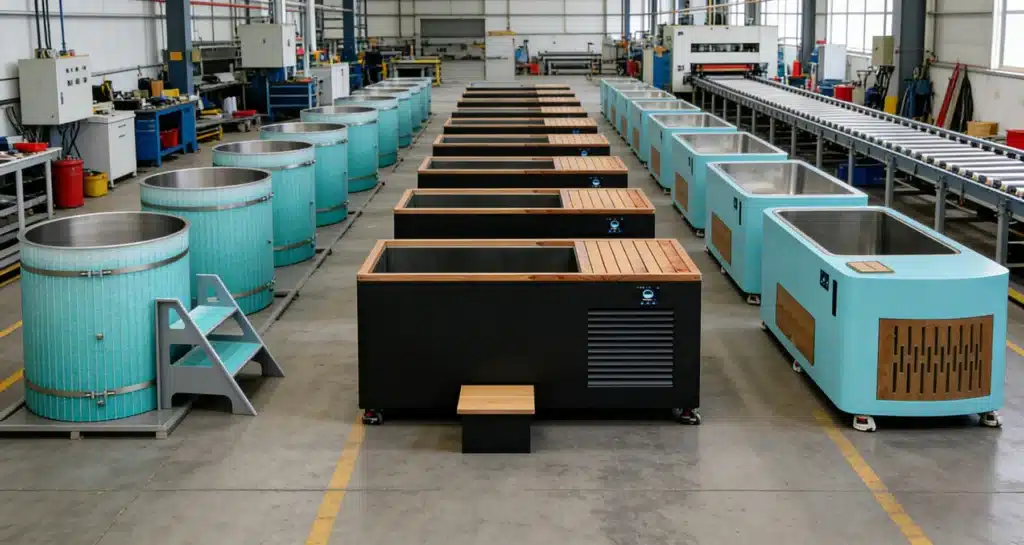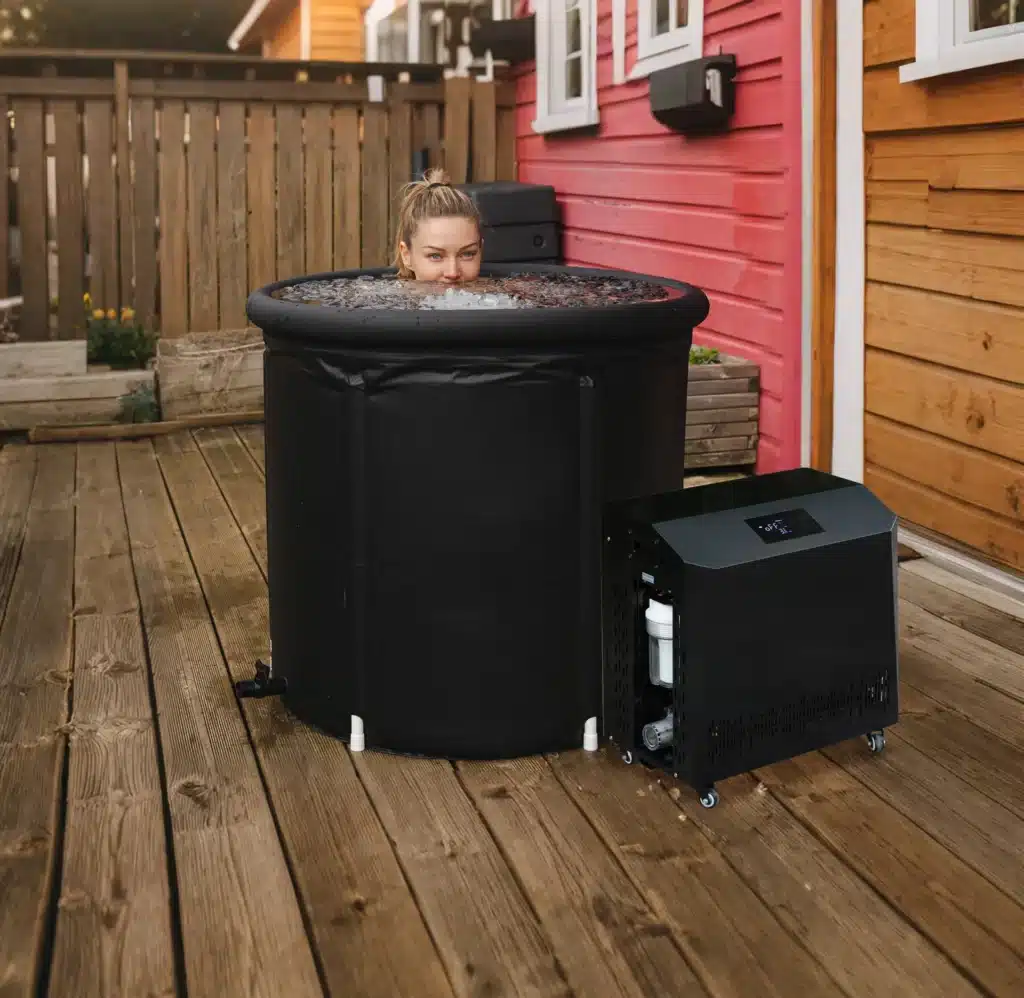
A cold plunge chiller inspection checklist should confirm that the units about to leave the factory match the approved order, documents and packing record. The checklist should cover product identity, appearance, nameplate and electrical configuration, water-loop integrity, basic running observations, controller functions, accessories, documents, export packaging, shipping marks and a signed pass/fail or deviation record.
Use this cold plunge chiller inspection checklist if you are an importer, distributor or OEM brand owner who needs a practical final-inspection record before release. It does not replace a regulatory inspection, laboratory test, certification review or destination-country compliance decision. Where the buyer needs a government-mandated or third-party preshipment inspection, the importer should define that requirement in the contract, letter of credit or documentary instructions.
Cold plunge chiller inspection checklist: scope and evidence
For a cold plunge project, the cold plunge chiller inspection checklist should not be reduced to a few finished-product photos. A useful inspection record connects the purchase order to the actual units, then checks whether the visible build, electrical variant, water-loop interfaces, controller, documents and packaging are consistent with the approved configuration. The OEM cold plunge chiller solutions page explains the project route; establish the buyer inputs earlier with the OEM cold plunge chiller RFQ template, then use this page for the release gate immediately before shipment.
nnnnDo not use PSI and FAT as synonyms. A cold plunge chiller factory acceptance test records agreed functional checks under documented conditions, while this pre-shipment checklist covers outgoing order identity, condition, documents, packaging and release. If both are required, define separate records, acceptance criteria and sign-off authority.
| Inspection block | What to verify | Evidence to keep |
|---|---|---|
| Order identity | PO, model, configuration, quantity, colour, options and destination market | PO/spec snapshot, model list and unit serial or equipment IDs |
| Visual condition | Housing, panels, fasteners, fittings, labels, wheels, scratches and workmanship | Wide-angle and close-up photos by defect category |
| Nameplate/electrical | Rated voltage/frequency, warning labels, plug/cable route and configuration match | Nameplate photos and electrical variant record |
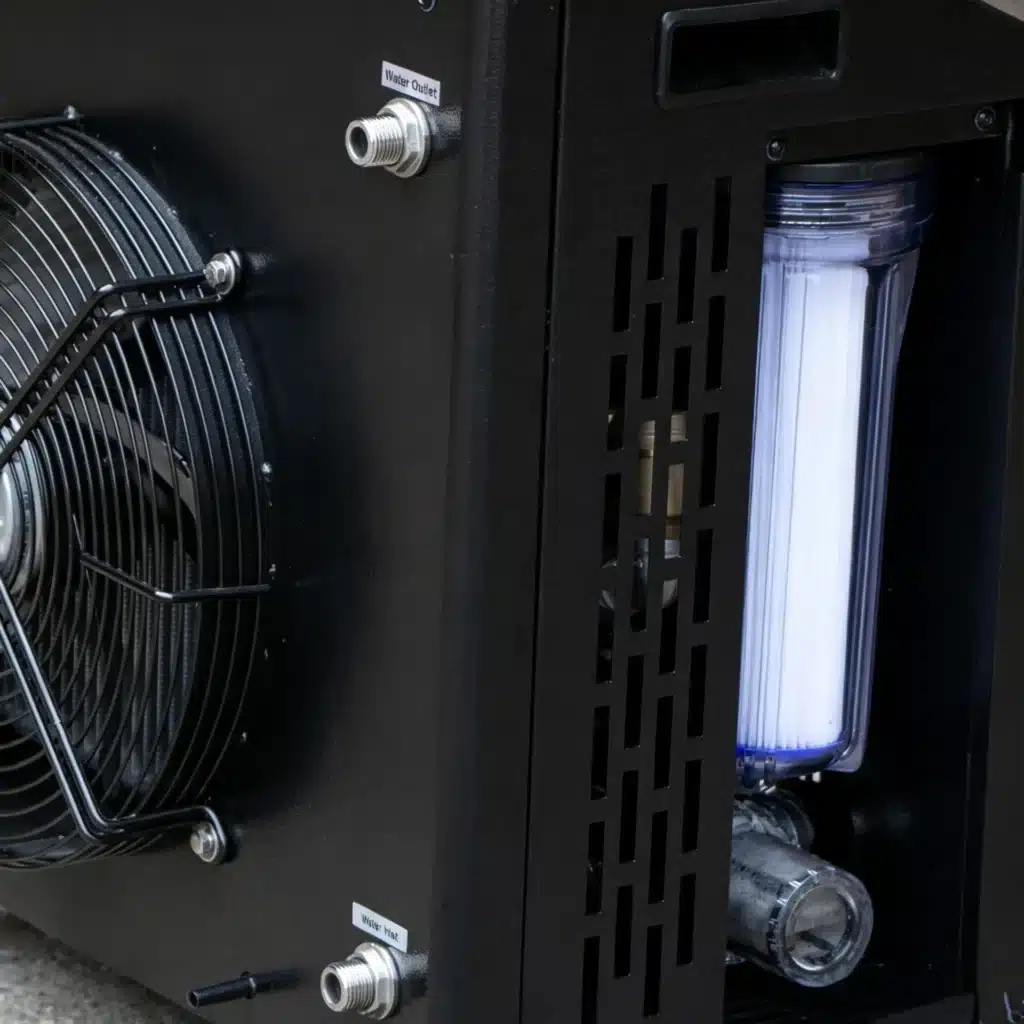
| Water loop | Ports, hoses, fittings, filter, pump direction, visible leaks and drain points | Connection photos and leak/flow observation notes |
| Functional observation | Power-up, display, controls, alarm state, flow indication and cooling/heating observation if specified | Short video, test condition notes and time-stamped readings |
| Accessories/documents | Manuals, labels, packing list, accessories, spare parts and buyer-requested files | Document revision list and packed-accessory photos |
| Export packing | Protection, crate/carton, pallet, orientation, marks, gross/net weight and dimensions | Packing photos, mark photos and packing list |
| Release decision | Pass, fail, hold, concession, rework or buyer approval needed | Signed inspection record and deviation log |
18 checks in the cold plunge chiller inspection checklist
Use these 18 checkpoints as the short release summary, then use the copyable record below for evidence and sign-off. The cold plunge chiller inspection checklist should state which units were inspected and whether each checkpoint is Pass, Fail, Not Applicable or Pending Buyer Decision.
If any checkpoint fails, open a cold plunge chiller nonconformance report that defines affected units, containment, authorized disposition, reinspection and shipment-release closure. Keep the failed check and its closure record linked.
- Purchase order: record the PO and approved specification revision.
- Model identity: match every model and configuration code to the order.
- Quantity: record total quantity, inspected quantity and the sampling rule.
- Unit traceability: save serial numbers or equipment IDs for inspected units, then use the cold plunge chiller batch traceability field map to connect them to the approved build, tests, packing and shipment.
- Housing finish: check colour, panels, coating, dents, scratches and stains.
- Assembly: inspect fasteners, wheels, handles, ports and accessible component fit.
- Branding: compare logos, rating labels and warning labels with approved artwork.
- Electrical variant: verify rated voltage, frequency, input fields, plug and cable.
- Water interfaces: confirm inlet, outlet, hose, fitting, filter and drain details.
- Leak observation: record the agreed leak-check setup, duration and result.
- Flow observation: note pump direction, water movement or displayed flow evidence.
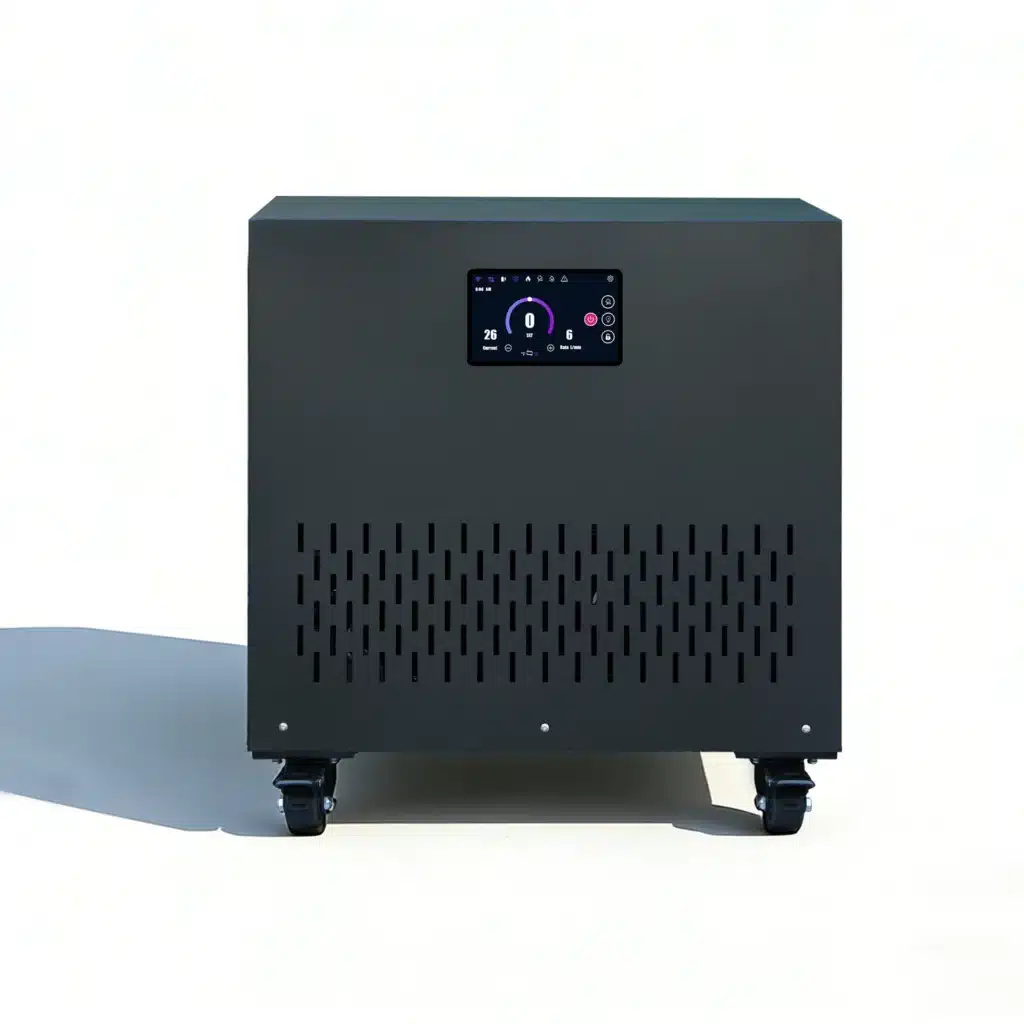
- Controller: check power-up, display, setpoint response and visible alarm state.
- Running evidence: log the agreed condition, duration, readings, noise and vibration.
- Accessories: count hoses, fittings, filters, spare parts and ordered extras.
- Documents: verify manuals, drawings, packing list and requested file revisions.
- Inner protection: check cushioning, moisture protection and restraint inside the pack.
- Export pack and marks: record crate/carton, pallet, dimensions, weights and shipping marks.
- Release decision: list deviations, rework, concessions, evidence and responsible signers.
This 18-point cold plunge chiller inspection checklist is a starting framework. The buyer should add project-specific acceptance limits, documentary instructions and third-party requirements before the inspection begins.
Copyable cold plunge chiller inspection checklist
Use this checklist as a buyer template. Replace the bracketed fields and mark each item as Pass, Fail, Not Applicable or Pending Buyer Decision.
COLD PLUNGE CHILLER INSPECTION CHECKLIST — PRE-SHIPMENT RECORD

Project / PO:
Buyer / brand:
Supplier / factory:
Destination market:
Inspection date and location:
Inspector / witness:
Inspection basis: [PO / approved sample / datasheet / drawing / artwork / packing instruction]
Sampling rule or inspection scope:

1. PRODUCT IDENTITY
Model and configuration:
Quantity inspected / total quantity:
Serial or equipment IDs:
Colour / housing / finish:
Options included:
Result and notes:

2. VISUAL AND WORKMANSHIP CHECK
Housing condition:
Panel fit and fasteners:
Fittings, ports, wheels and handles:
Labels and warning marks:
Visible scratches, dents, stains or missing parts:
Photos saved:
Result and notes:

3. NAMEPLATE AND ELECTRICAL VARIANT
Rated voltage:
Frequency:
Rated input / nameplate fields:
Plug/cable requirement:
Warning label language:
Destination-market label requirement:
Nameplate photo saved:
Result and notes:

4. WATER LOOP AND LEAK OBSERVATION
Water inlet/outlet identified:
Hoses and fittings:
Filter / pump / flow path:
Drain and service points:
Visible leakage check:
Flow observation:
Photos/video saved:
Result and notes:

5. BASIC RUNNING AND CONTROL CHECK
Power-up:
Display/controller response:
Setpoint change:
Cooling or heating observation under agreed condition:
Alarm state:
Unusual noise/vibration:
Test condition and duration:
Photos/video saved:
Result and notes:

6. ACCESSORIES AND DOCUMENTS
Manual:
Packing list:
Accessories:
Spare parts:
Datasheet/drawing/certificate files requested:
Document revision/date:
Result and notes:

7. PACKAGING AND SHIPPING MARKS
Inner protection:
Carton/crate/pallet:
Orientation and handling marks:
Shipping mark:
Gross/net weight:
Packing dimensions:
Container or loading plan reference:
Result and notes:

8. DEVIATIONS AND RELEASE
Open defects:
Rework required:
Buyer concession requested:
Final decision: [Pass / Hold / Fail / Release after rework evidence]
Supplier signer/date:
Buyer or inspector signer/date: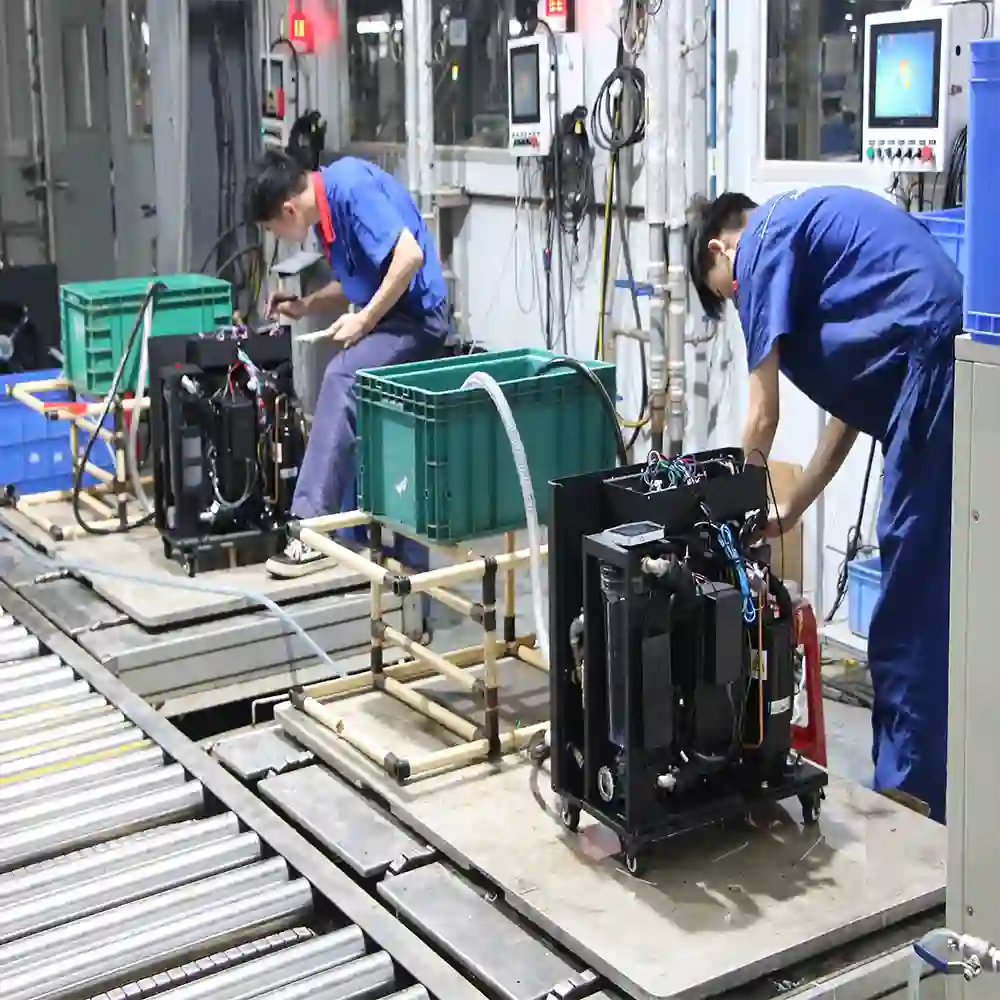
Use the cold plunge chiller inspection checklist to lock identity
The first inspection risk is not always a defect; it is often ambiguity. The record should identify the purchase order, approved sample or specification revision, destination market, quantity, model, electrical variant, colour, options and any OEM details. If the buyer ordered several configurations, inspect and record them separately. Do not let one photo set represent all variants unless the sampling rule says so and the buyer accepts that boundary.
For OEM projects, connect the PSI record to the earlier supplier-evaluation work. The OEM chiller supplier guide helps qualify a manufacturer, and the China sourcing verification guide explains how to separate supplier identity, product evidence and export readiness. PSI is the final shipment check, not the first time the buyer should discover the product specification.
Appearance and workmanship in the cold plunge chiller inspection checklist
In a cold plunge chiller inspection checklist, exterior condition should be recorded before finished equipment is wheeled, packed and shipped. Check exterior panels, coating, fasteners, wheels, handles, ports, filters, labels and visible tubing or wiring routes where accessible. Record scratches, dents, loose parts, missing labels, incorrect colour, mismatched branding and packaging damage before the unit enters its crate. Use close-up photos with the unit ID in the same inspection set so the defect record can be tied to the exact product.

Electrical checks in a cold plunge chiller inspection checklist
Before release, verify that the nameplate and order record show the requested voltage, frequency and electrical variant. The inspection should not make local installation decisions; circuit protection, grounding, wet-location rules and site wiring must be confirmed by qualified professionals under local requirements. The PSI record can still prevent a wrong shipment by checking that the physical unit and label match the buyer-approved configuration.
When documents are required for import clearance or compliance review, identify them by file name, issuer, model coverage and revision. The U.S. International Trade Administration notes that some countries or products may require special documents, and the WTO describes pre-shipment inspection as verification before goods depart the exporting country. For government or third-party PSI, use the buyer’s documentary instructions instead of relying on a factory checklist alone.
Water-loop checks in a cold plunge chiller inspection checklist
A shipment-ready chiller should be checked against the agreed water-loop configuration: inlet and outlet identification, hose and fitting size, filter arrangement, pump route, drain points and visible accessibility. If the buyer requires a running observation, record the test setup, water volume or loop condition, ambient condition, setpoint, duration and what was observed. Avoid writing a universal cooling-performance promise from a short final check unless the project has an agreed test condition and acceptance limit.
For a shipment release video, ask for continuous footage that shows the unit ID, power-up, controller response, water movement or flow indication where visible, leak check, and final condition. A short video is not a laboratory report, but it is useful evidence when paired with the order record and photos.
Document checks in the cold plunge chiller inspection checklist
Accessories and documents often create after-sales problems when they are treated as loose extras. Check the packing list against the order: hoses, filters, fittings, power accessories where applicable, manuals, labels, spare parts and any buyer-specific inserts. For private label or OEM projects, verify that label language, logo placement, carton marks and manual treatment match the approved artwork or sample. Before release, reconcile them in the cold plunge chiller quality-document matrix so each file’s revision, model coverage and approval status remain visible.
Packing checks in a cold plunge chiller inspection checklist
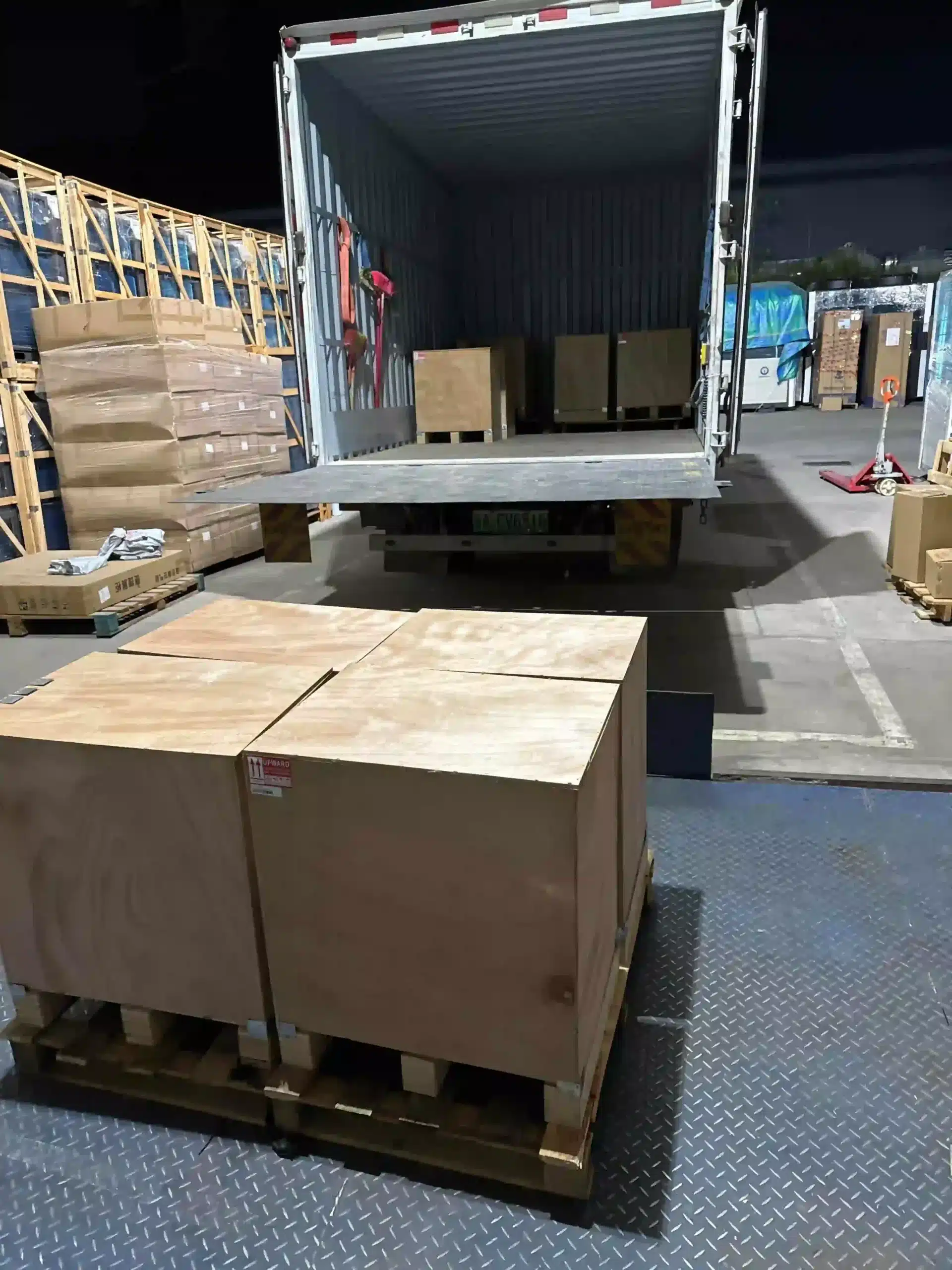
Export packing should protect the product and support the logistics documents. Record carton or wooden-crate condition, palletization, cushioning, orientation marks, shipping marks, gross and net weight, dimensions and unit count. If the buyer’s quotation or contract uses an Incoterms® 2020 rule, the named place and selected rule should also be clear because the ICC explains that Incoterms obligations. PSI does not decide the trade term, but it should confirm that packing and release evidence match the agreed shipment basis.
After transport, the destination receiving inspection record separates carrier handover, package condition, unit identity, missing items and storage disposition from this pre-shipment release decision.
Before PSI checks execution, use the cold plunge chiller packaging-validation record to establish the tested product, packout revision, distribution hazards, acceptance criteria and revalidation triggers.
Close the cold plunge chiller inspection checklist with a decision
The inspection record needs a decision, not just observations. Use clear outcomes: Pass, Hold for buyer decision, Fail, or Release after rework evidence. For each defect or deviation, identify the affected unit, severity, required action, responsible party, evidence needed and deadline. If the buyer accepts a concession, keep the written approval with the shipment file so later service or warranty discussions do not depend on memory.
Scope and responsibility boundaries
OMNI Ice is a recovery-equipment brand operated by Shenzhen Helsitec Technology Co., Ltd. OMNI Therapy® is a registered trademark used on selected products and legacy materials.
This cold plunge chiller inspection checklist is a buyer framework for defining and recording inspection scope. It does not set a universal sampling rule, replace third-party certification or promise a fixed test duration, cooling result or export document package. Tie every release decision to the exact order and buyer-approved requirements.
Send OMNI Ice the cold plunge chiller inspection checklist
Before using the cold plunge chiller inspection checklist to release goods, send the model, quantity, destination market, order specification, sample approval record, packaging instruction and the inspection items you want witnessed. You can send project details. Any unconfirmed item should remain marked for buyer decision rather than being treated as a shipment promise.
Frequently asked questions
What should a pre-shipment inspection for a cold plunge chiller include?
Use the cold plunge chiller inspection checklist to cover order identity, model and configuration, quantity, appearance, nameplate and electrical variant, water-loop interfaces, leak and flow observations where specified, basic controller response, accessories, documents, packing, shipping marks and a signed pass/fail or deviation decision.
Is a factory PSI the same as product certification?
No. A factory PSI is a shipment-readiness check against the order and agreed inspection scope. Certification, regulatory compliance and destination-country approval require the correct test reports, documents and responsible parties for the exact product and market.
Should every cold plunge chiller be powered on before shipment?
That depends on the buyer’s inspection scope, quantity, sampling rule and factory process. If running observations are required, the record should state the inspected units, test condition, duration, setpoint, controller response and whether photos or video were saved.
What photos should a buyer request before release?
Request photos of the unit ID, nameplate, front and rear condition, ports and fittings, controller display, accessories, labels, manual or document set, packing protection, crate or carton marks, gross/net weight label and any defect or rework evidence.
Can PSI approval replace sample approval?
No. Sample approval confirms an earlier reference configuration, while PSI checks whether the shipment matches the approved order and release requirements. If components, labels, documents or packaging changed after sample approval, the buyer should review the change before release.