A cold plunge for hotels should be planned as a guest-facing aquatic system, not purchased as decorative spa furniture. Before comparing tubs or chillers, define the usable water volume, expected user pattern, operating hours, target temperature range, water-management responsibility, local approval path, accessibility, wet-area electrical design, service access and shutdown procedure.
This buyer guide is for hotel owners, spa directors, designers, operators and procurement teams. It does not promise occupancy, room-rate, social-media or return-on-investment results. Those are property-specific business outcomes. The equipment decision should be justified by an auditable facility brief and model-specific evidence. If the property is owner-managed rather than a staffed hotel or spa, use short-term rental cold plunge planning to define host access, guest instructions, turnover and incident response.
Table of Contents
Hotel cold plunge planning checklist
Cold plunge for hotels: quick answer
The right cold plunge for hotels is the complete configuration that fits the property’s actual duty and can be operated safely every day. A cold plunge for hotels requires the tub material, refrigeration capacity, pump, filter, water-care components, controller and room interfaces to be reviewed together. A supplier photo, horsepower label or generic “commercial grade” statement is not enough.
Start every cold plunge for hotels project with the facility brief. Record whether the venue is restricted to one guest at a time or supports multiple users, whether use is scheduled or walk-in, and how much recovery time exists between sessions. State indoor or outdoor conditions, usable water volume, desired operating range and the site’s verified electrical supply. Then ask the supplier to return its assumptions, exclusions and test conditions in writing.
If guest-service continuity is material, add the cold plunge chiller redundancy record to define minimum available capacity, acceptable interruption, common utilities and the proven switching or replacement path.
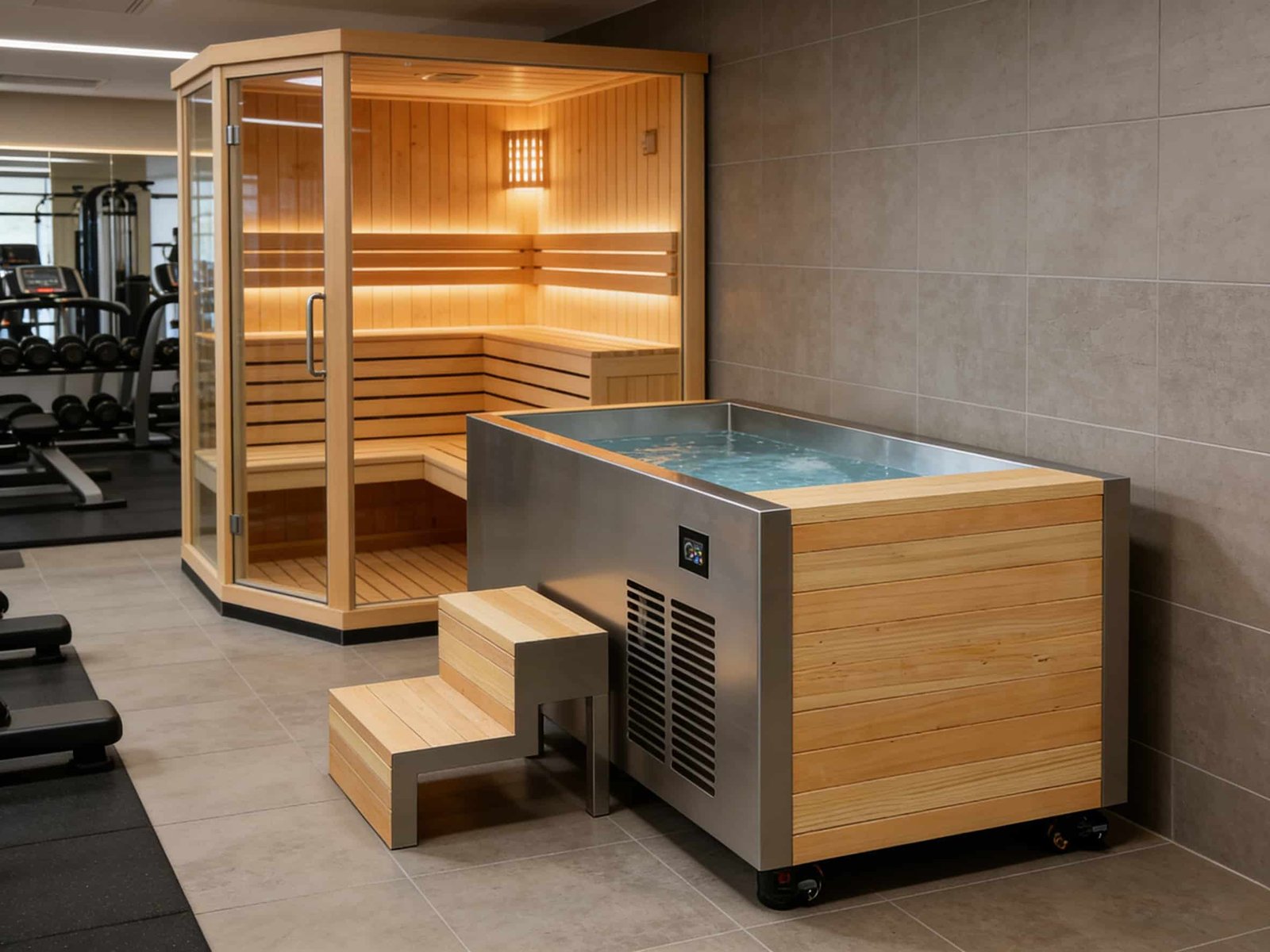
12 critical cold plunge for hotels planning checks
| Check | Hotel input | Required evidence or decision |
|---|---|---|
| 1. Venue classification | Guest amenity, spa treatment area, gym, suite or private-use zone | Applicable local authority and operator requirements |
| 2. User pattern | Sessions per hour/day, booking rules and peak periods | Cooling and water-management assumptions tied to the pattern |
| 3. Water volume | Usable fill volume and displacement | Capacity recommendation based on actual water mass |
| 4. Temperature duty | Starting range, operating range and allowed recovery time | Test conditions and stated limitations |
| 5. Tub interface | Material, insulation, cover, entry and overflow | Drawings, drain plan and compatibility confirmation |
| 6. Water loop | Pump, filter, treatment, hoses or pipes and valves | Complete flow diagram and responsibility map |
| 7. Electrical | Verified voltage/frequency and wet-area context | Exact variant plus qualified site design and installation |
| 8. Plant location | Clearances, ventilation, acoustics and guest separation | Service and airflow requirements |
| 9. Accessibility | Route, transfer or entry method and staff assistance policy | Design review against applicable accessibility rules |
| 10. Operations | Opening checks, supervision, incident and closure procedures | Named owners, forms and staff training |
| 11. Maintenance | Filter access, cleaning window, spares and downtime tolerance | Planned tasks and escalation route |
| 12. Acceptance | What must pass before guest use | Commissioning, documents and signed deviation record |
For a cold plunge for hotels, the list prevents a common ownership gap: the interior designer assumes the equipment supplier owns the water system, the equipment supplier assumes the installer owns the room interfaces, and operations receives a finished space without a usable procedure. Put every boundary into the purchase package.
Translate cold plunge for hotels guest demand into cooling duty
Do not size a cold plunge for hotels from the number of rooms or annual guests. The relevant input is the expected pattern at the plunge: typical and peak users per hour, session scheduling, opening hours, water volume, ambient conditions and time allowed between sessions. Ten users spread across a day create a different short-term load from ten consecutive bookings.
Separate initial pull-down from temperature maintenance. Initial pull-down removes heat from the starting water. Maintenance removes ongoing heat from the environment, circulation equipment and users. Ask the supplier to identify which duty its result addresses and what assumptions were used. The commercial cold plunge chiller guide provides a complete load-and-responsibility worksheet.
Horsepower is not a universal cold plunge for hotels comparison metric because model design, refrigerant circuit, heat exchanger, ambient rating, pump and test method vary. Ask for the exact model, electrical variant, water volume, starting and target temperatures, ambient condition, elapsed time, cover state and measurement locations. If the test differs from the hotel duty, record the difference rather than treating it as equivalent.
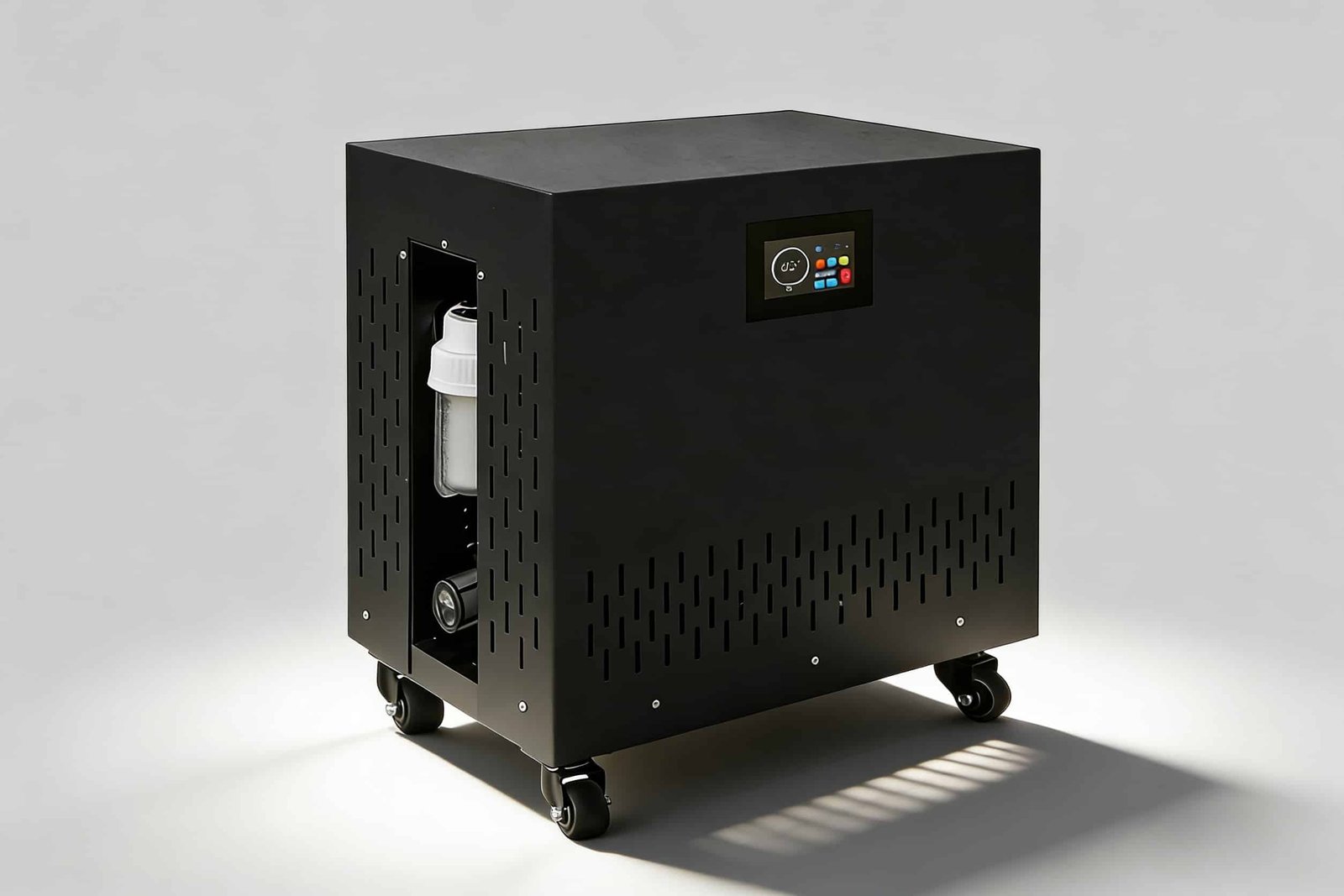
Design cold plunge for hotels water management
A filter is not a complete water-care plan. Mechanical filtration can remove suspended material, while treatment, monitoring, cleaning and water replacement address different risks. The operator must decide how the full system will be managed under the equipment instructions and local rules, and who has authority to close the venue when readings or conditions are unacceptable.
For U.S. public aquatic venues, the Centers for Disease Control and Prevention describes its Model Aquatic Health Code as guidance that jurisdictions may use or adapt. The CDC specifically identifies hotels, motels and membership clubs among the types of venues addressed. It is not automatic approval for a particular installation, so the project still needs its destination-specific code and authority review.
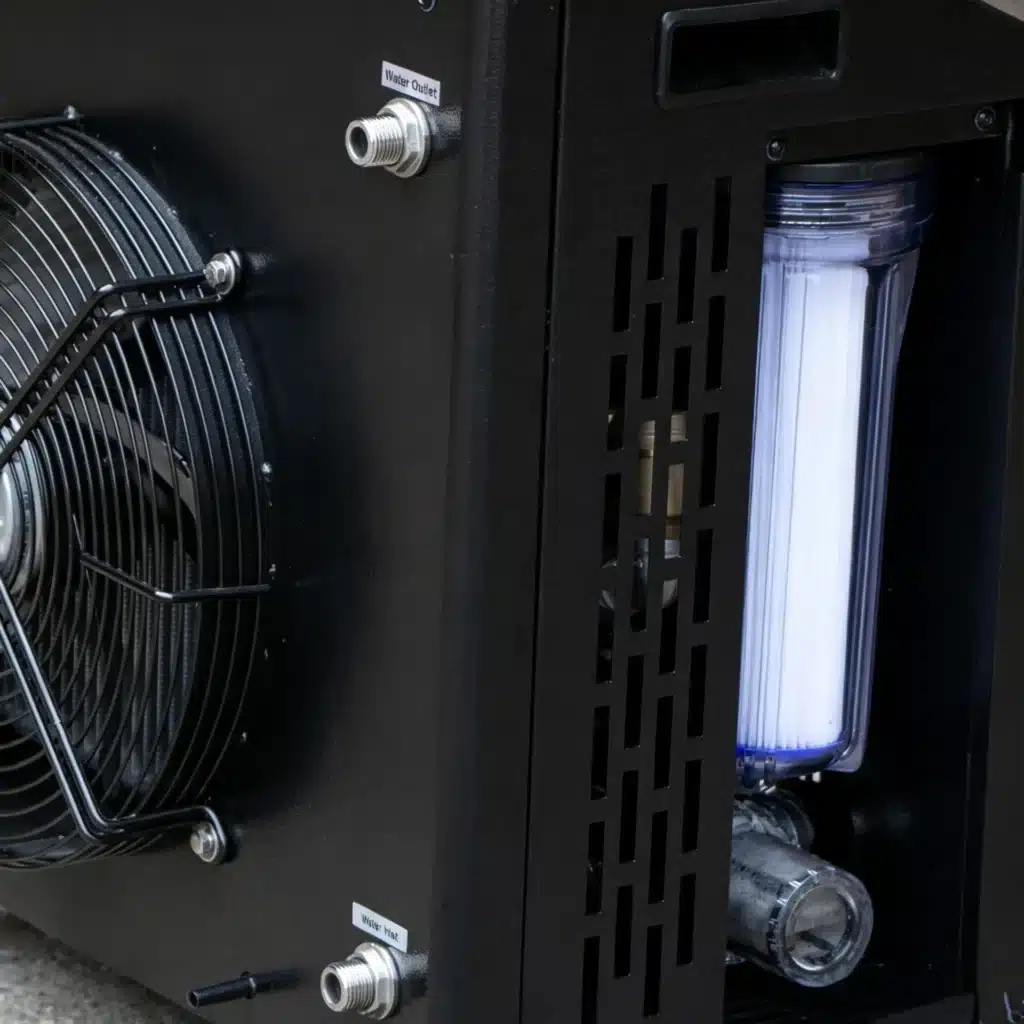
Build a cold plunge for hotels operating baseline during commissioning: representative water readings, visible or measured flow, clean-filter condition, controller settings and normal cooling recovery. The cold plunge chiller filter system guide explains what the pump, filter and water-care components each do. Keep chemical storage and handling instructions separate from the equipment sales page and under qualified facility control.

Coordinate cold plunge for hotels layout and accessibility
Plan the route from changing area to plunge, the wet walking surface, handholds or entry method, towels, drainage, supervision sightlines and emergency access. Avoid placing chiller exhaust where it heats the tub zone or blows on guests. Confirm acoustic expectations before enclosing equipment; an enclosure that reduces perceived noise can also restrict airflow and service.
Accessibility is a design input, not a late accessory. In the United States, the U.S. Access Board’s guide to pool and spa accessibility standards explains accessible means of entry for covered facilities. The project team should determine which provisions apply to the actual venue and jurisdiction. Similar reviews are needed for other markets.
Keep cold plunge for hotels maintenance out of the guest path. Staff should be able to reach the filter, valves, drain, controller and service panels without moving fixed millwork or taking tools through an occupied treatment area. Provide enough space to remove the unit if major service is ever required. The indoor cold plunge installation checklist turns these room interfaces into a pre-purchase approval record.
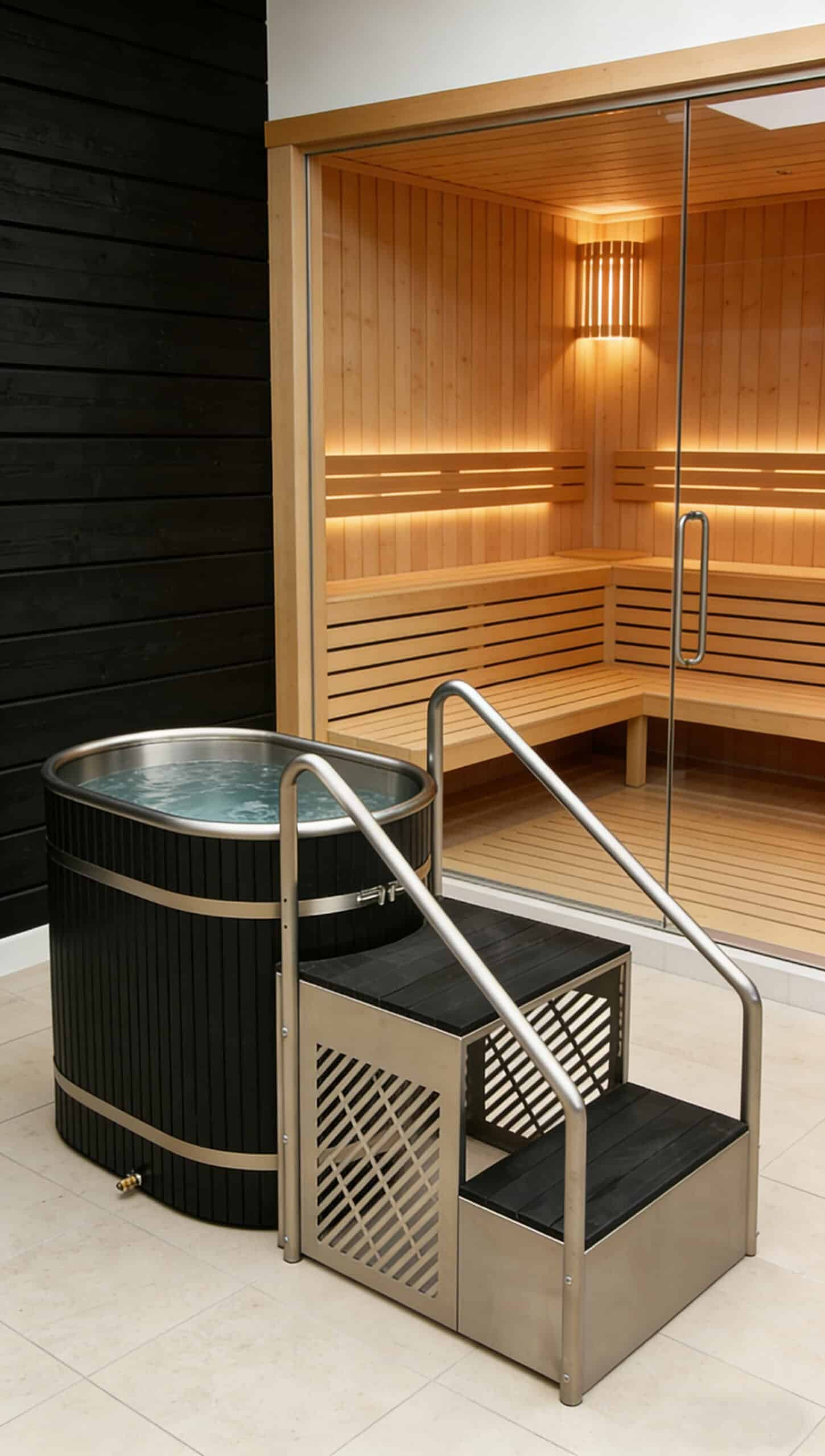
Cold plunge for hotels supplier evidence
- Exact tub, chiller, pump, filter, controller and optional-component model list.
- Usable water volume and connection drawing for the proposed layout.
- Nameplate and datasheet for the destination electrical variant.
- Operating envelope, airflow clearances and service-access requirements.
- Cooling record with water volume, temperatures, ambient condition, elapsed time and cover state.
- Material description tied to the actual quoted tub and wetted components.
- Included and excluded water-care components, without implying that one component proves hygiene.
- Maintenance tasks, consumables, spare-part route and escalation contacts.
- Document list by title, revision, issuer and model coverage.
- Packaging, handling points, shipping dimensions and installation responsibilities.
- Factory-acceptance and pre-shipment records linked to the purchase order.
Use the cold plunge chiller factory acceptance test to define test evidence, and the pre-shipment inspection checklist to verify identity, appearance, accessories, documents and packing. Neither checklist replaces local design approval or commissioning.
Handover the cold plunge to hotel operations
Before guest use, assign every cold plunge for hotels operating task: who performs opening checks, who records water and equipment conditions, who cleans the tub, who services the filter, who responds to alarms, and who can close the venue. Train more than one staff member so the procedure does not disappear when a shift changes.
| Operating record | Minimum purpose |
|---|---|
| Opening check | Confirm venue condition, water-management readings, flow, leaks, controller state and access route |
| Use log | Capture peak pattern and unusual conditions without collecting unnecessary guest data |
| Cleaning/service record | Show what was done, by whom, with which consumable or part |
| Exception log | Record alarms, repeated trips, slow recovery, water concerns and shutdown decisions |
| Change record | Control replacement pumps, filters, hoses, controllers, settings or treatment components |
Do not publish medical promises for a cold plunge for hotels in guest signage or marketing simply because the equipment creates cold water. The property should review claims, screening language and operating protocols with its qualified advisors. Hardware specifications and a guest health program are different responsibilities.
Copyable cold plunge for hotels RFQ fields
PROPERTY / VENUE TYPE: [ ]
DESTINATION COUNTRY AND CITY: [ ]
INDOOR / OUTDOOR / SHELTERED: [ ]
USABLE WATER VOLUME: [ ]
STARTING AND OPERATING TEMPERATURE RANGE: [ ]
TYPICAL / PEAK USERS PER HOUR: [ ]
OPERATING HOURS AND BOOKING PATTERN: [ ]
TUB MATERIAL / FINISH / ENTRY REQUIREMENTS: [ ]
WATER LOOP AND WATER-CARE RESPONSIBILITIES: [ ]
VERIFIED VOLTAGE / FREQUENCY: [ ]
PLANT LOCATION / AIRFLOW / ACOUSTIC LIMITS: [ ]
ACCESSIBILITY REVIEW OWNER: [ ]
LOCAL APPROVAL AND INSTALLATION OWNER: [ ]
DOCUMENTS / TESTS / PACKING REQUIRED: [ ]
COMMISSIONING AND STAFF-HANDOVER SCOPE: [ ]
For a matched cold plunge for hotels tub, chiller, branding and documentation project, send the completed brief through the OEM cold plunge chiller solutions page. Request a dated configuration response rather than a generic catalogue recommendation.
Cold plunge for hotels FAQ
What makes a hotel cold plunge commercial grade?
Commercial suitability should be demonstrated against the property’s user load, operating hours, water-management plan, environmental conditions and service requirements. A label alone does not prove duty, hygiene or code acceptance.
How many guests can one cold plunge support?
There is no universal number. The answer depends on tub volume, guest sequence, target range, ambient load, circulation, water-management procedure and recovery time. Require the supplier to state its assumptions.
Can a hotel install the chiller in a cabinet?
Only if the exact model’s airflow, clearance, drainage, temperature and service requirements are met. Decorative enclosures can recirculate hot exhaust air and make routine service impractical.
Does ozone or UV make a hotel cold plunge compliant?
No single component proves compliance or safe operation. The facility needs a complete, validated water-management system and operating procedure aligned with equipment instructions and applicable local requirements.
What should be approved before hotel guests use the plunge?
Approve the complete installed configuration, local reviews, commissioning readings, water-management procedure, accessibility and guest-safety arrangements, staff training, maintenance route and shutdown/escalation process.