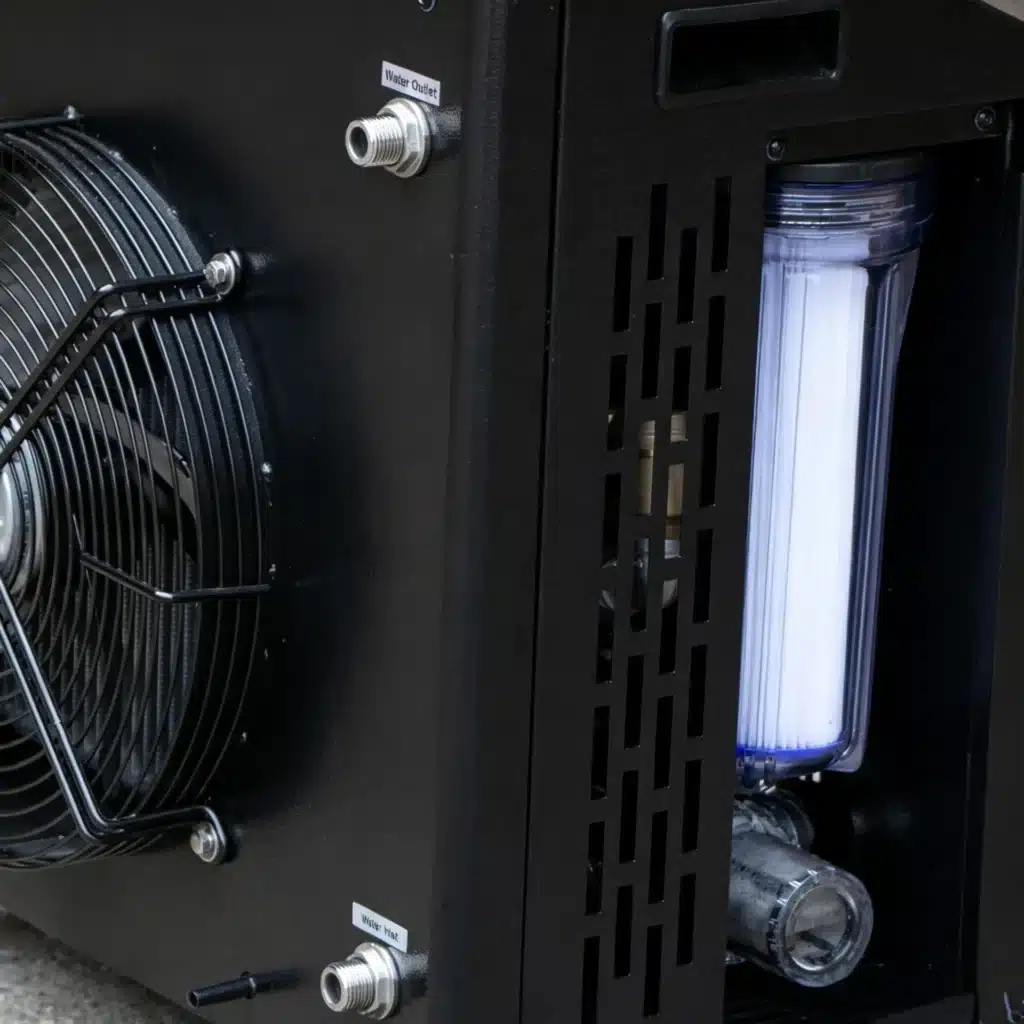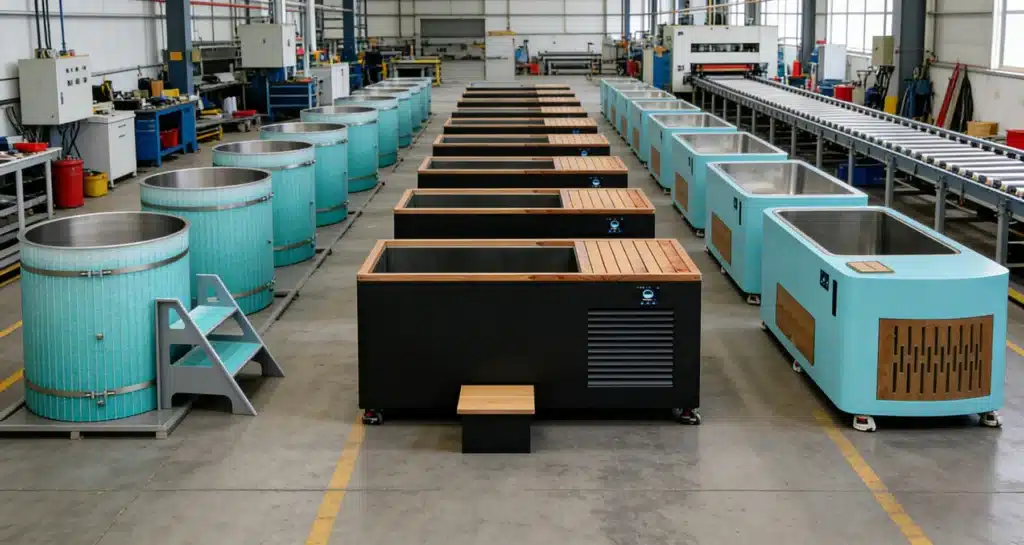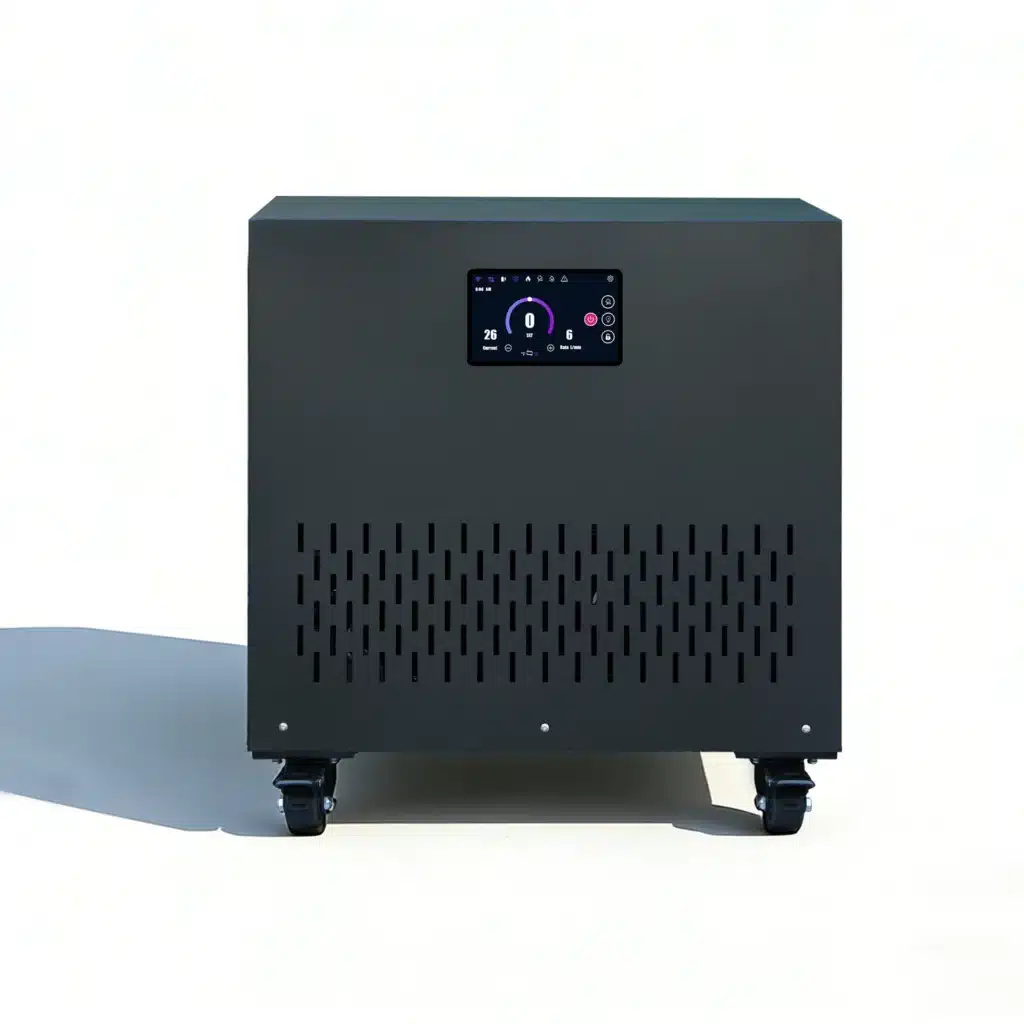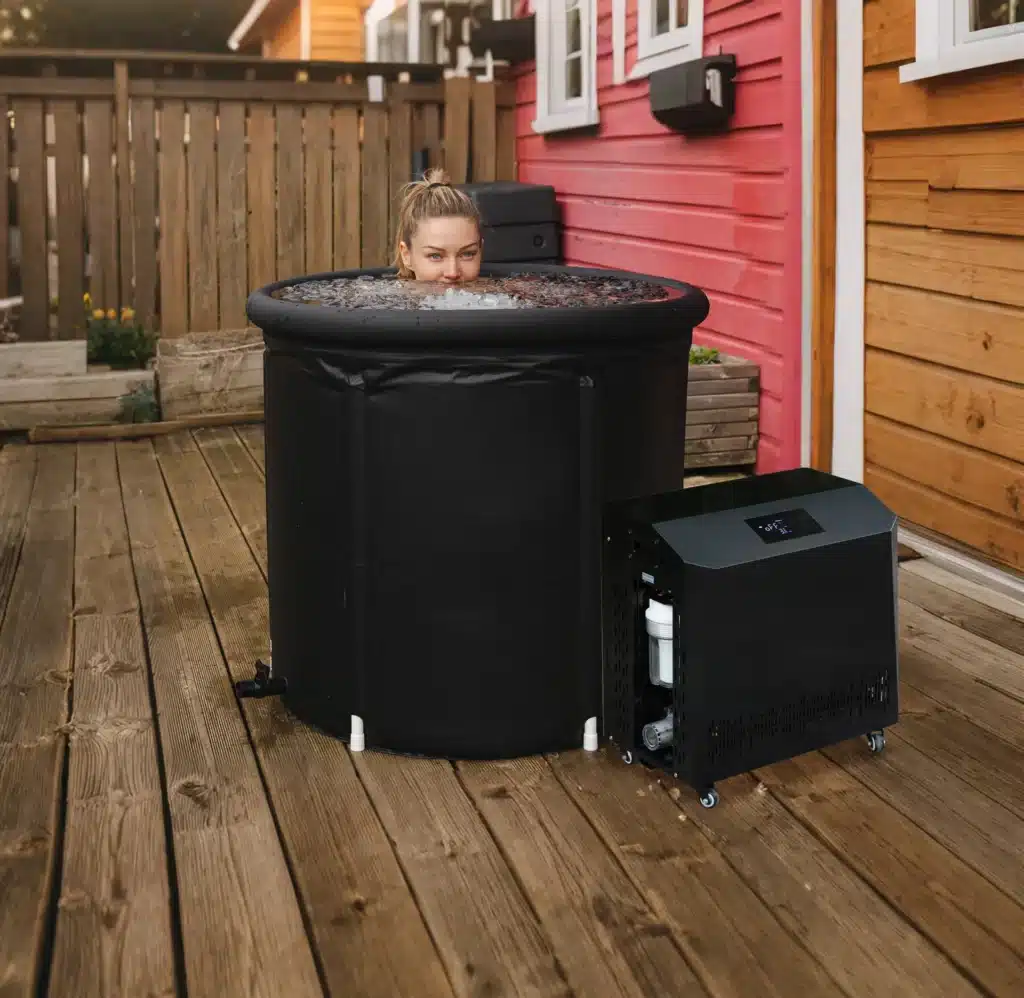
A cold plunge for Airbnb is viable only when the host can lawfully install it, insure it, control guest access, maintain water and equipment between stays, provide clear instructions, respond to incidents and measure the result with the property’s own booking data. No credible universal percentage proves that adding a plunge will raise nightly rate, occupancy or revenue.
This page owns short-term-rental amenity planning. It does not own hotel or spa facility operations, which are covered in the cold plunge for hotels guide, and it does not prescribe cold-immersion sessions or make medical, recovery or booking-performance claims.
Table of Contents
Short-term-rental planning map
Cold plunge for Airbnb: quick answer
Use a twelve-gate process: permissions, insurance, intended guests, supervision and emergency rules, structural and wet-area fit, electrical review, equipment specification, water-management plan, guest instructions, turnover records, weather/noise control, service plan and a property-specific financial test. Approve a cold plunge for Airbnb only when every responsibility has a named owner and a documented release condition.
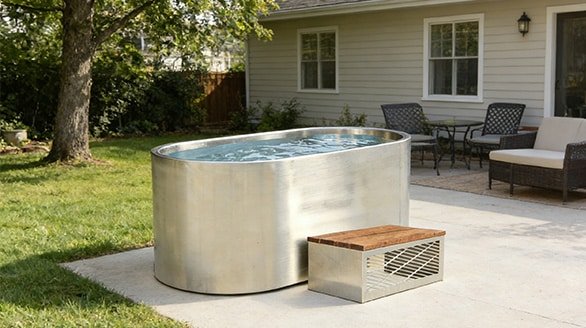
Start with a cold plunge for Airbnb go/no-go gate
| Gate | Evidence required | Hold condition |
|---|---|---|
| Property authority | Owner, lease, association and local approvals as applicable | The host cannot document authority to install or operate it |
| Insurance | Written confirmation of coverage, conditions and exclusions | Coverage is unclear or the amenity is excluded |
| Safe access | Risk review, guest restrictions, instructions and emergency process | Unsupervised use cannot be controlled |
| Site | Structural load, access, drainage, slip control, weather and service space | Filled load, water or access creates an unresolved hazard |
| Electrical | Qualified review of supply, grounding, protection and wet-area installation | The proposed connection conflicts with equipment or local requirements |
| Water | Testing, treatment, filtration, cleaning and turnover records | No trained person can maintain the plan between guests |
| Operations | Inspection, lockout, support and incident responsibilities | No one can respond during guest occupancy |
| Economics | Property-specific incremental cost and measured result | The decision relies on an unsupported revenue promise |
A supplier quotation cannot clear these gates for the host. The equipment seller can define the product and its operating limits, while the property team must coordinate the site, law, insurance, guest rules, local professionals and day-to-day operation.
12 critical cold plunge for Airbnb checks
| Check | Host question | Record |
|---|---|---|
| 1. Permission | Who authorizes installation and guest use? | Written approvals and conditions |
| 2. Insurance | What is covered, excluded or conditioned? | Insurer or broker confirmation |
| 3. Guests | Who may use it, when and under what restrictions? | Eligibility and access policy |
| 4. Site | Can the surface, access and drainage safely support the installed system? | Site assessment and layout |
| 5. Electrical | Does the supply match the exact model and wet-area requirements? | Qualified installation record |
| 6. Equipment | Can it meet the real water, ambient and duty conditions? | Configuration and commissioning baseline |
| 7. Water | Who tests, treats, filters, cleans and changes it? | Water-management procedure and log |
| 8. Instructions | Can guests understand safe entry, use, exit and stop rules? | House manual and on-site signage |
| 9. Turnover | What is inspected between stays? | Dated checklist and release |
| 10. Environment | How are weather, freezing, noise and neighbors controlled? | Placement and seasonal plan |
| 11. Service | Who locks out, diagnoses and restores the amenity? | Support and incident route |
| 12. Performance | Did this property’s economics improve after all costs? | Before/after operating dataset |
1–2. Confirm permissions and insurance in writing
Check ownership or lease restrictions, condominium or homeowners’ association rules, planning/building requirements, short-term-rental license conditions, health or aquatic-facility rules, water-discharge requirements and any electrical permit or inspection. Applicability varies by location and property. Do not treat another host’s setup as an approval for yours.
Describe the exact cold plunge for Airbnb to the property insurer or qualified broker: vessel, working volume, location, heating/cooling capability, guest access, sanitation method, supervision, commercial rental use and expected occupancy. Ask for written coverage, exclusions, limits, required barriers or locks, inspection obligations and incident-reporting steps. Keep the answer with the property risk file.
3. Define the guest and operating model
Decide whether access is private to one booking or shared, always available or time-limited, adult-only or subject to another professionally defined policy, self-service or supervised, and open year-round or seasonally. Define maximum simultaneous occupancy, who can unlock the amenity and how it is closed when a fault or water-quality concern appears.
The host should not prescribe a universal temperature, duration or therapeutic protocol. Provide equipment instructions, risk warnings and stop/emergency steps reviewed for the property, and direct guests with health questions to an appropriate professional. Cold-water immersion can create serious risk; guest enthusiasm is not a substitute for controlled access.
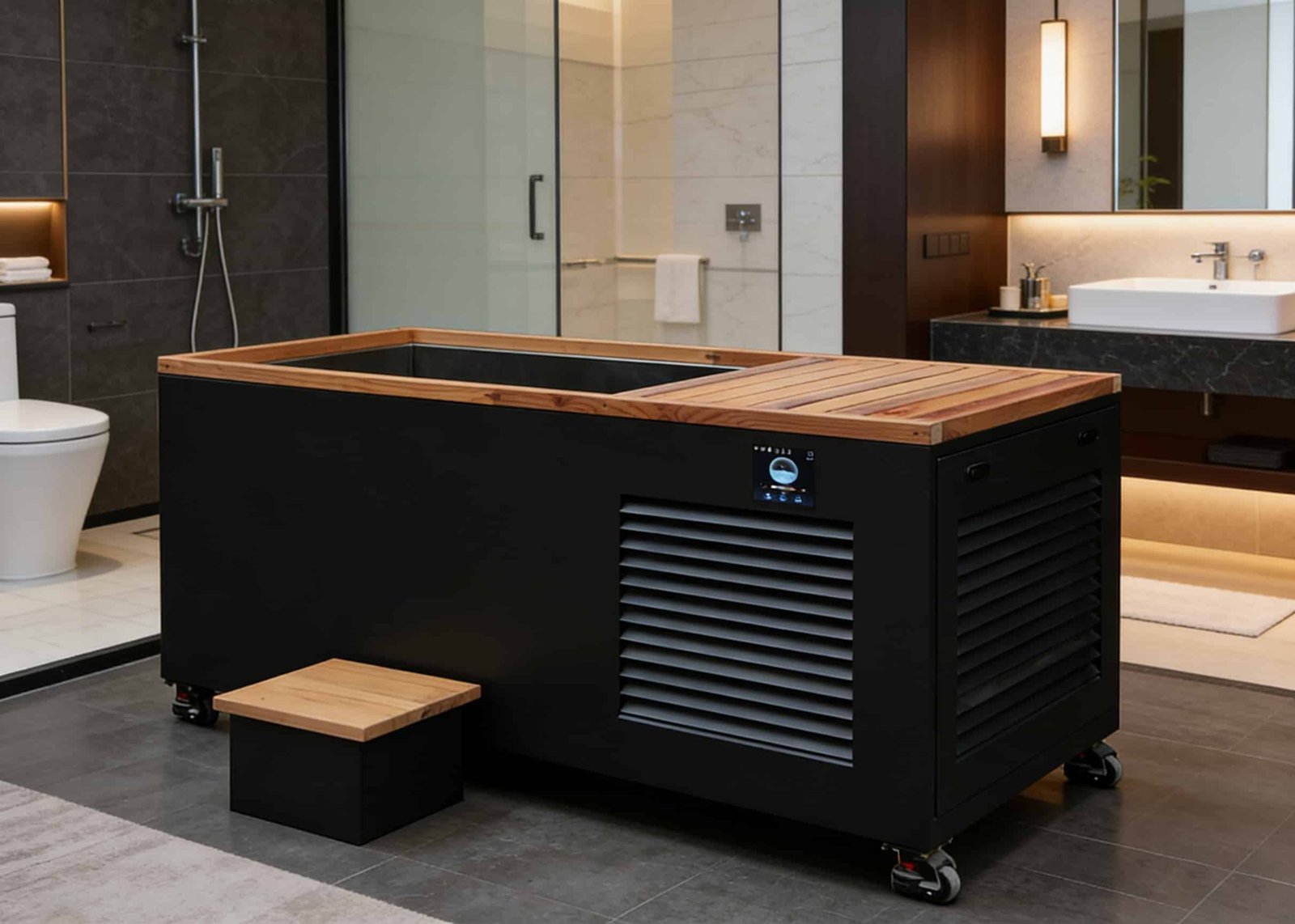
4–5. Review structure, wet-area safety, drainage and power
Calculate the filled system load using the manufacturer’s data and actual working volume, then have the proposed surface assessed where required. Check the delivery route, level support, access steps, handholds, edge conditions, cover storage, lighting, slip resistance, privacy, barriers, drainage, overflow, condensation and the effect of a leak on rooms below or neighboring property.
Match voltage, frequency, current, plug, grounding and circuit protection to the exact model. A qualified person should determine the installation method and applicable wet-area requirements. Do not rely on an extension cord, improvised adapter or a receptacle selected only because the plug fits. For U.S. workplace context, OSHA’s electrical rules state that equipment and enclosures in damp or wet locations must be suitable for the environment; local residential and building rules may differ.
6. Specify the cold plunge for Airbnb as a system
Send suppliers the working water volume, starting and target temperatures, ambient design range, acceptable pull-down time, booking turnover, likely user load, indoor/outdoor location, cover use, electrical supply, hose route, filtration and sanitation plan, weather exposure, noise constraints and service-access limits. Ask each supplier to identify assumptions and exclusions.
If guest or neighbor disturbance matters, attach a repeatable cold plunge chiller noise test brief instead of requesting an unexplained dB number. Keep factory comparison and installed-property acceptance as separate decisions.
Compare integrated and modular systems. An integrated tub can simplify the delivered package; a modular chiller can improve component access or allow a suitable vessel to be retained. Neither architecture is automatically correct. If a separate chiller is considered, the commercial configuration page explains the project inputs, and the RFQ template standardizes supplier responses.
Build a controlled supplier and pre-opening file
For each cold plunge for Airbnb quotation, keep the model and revision, scope of supply, water volume, electrical data, dimensions and weights, ambient limits, clearances, controller functions, water-loop diagram, approved treatment compatibility, warnings, installation instructions, maintenance schedule, consumables, warranty, service route, spare-parts list, packaging and delivery conditions. Mark every item supplied by the host or installer.
Before guest access, reconcile that file with the delivered unit and installed condition. Photograph the nameplate, circuit/disconnect, plumbing route, drain, filter, cover/lock, instructions and final layout. Record working volume, ambient temperature, start and target readings, elapsed time, normal flow indication, controller state, leak inspection and deviations. This becomes the baseline for a cold plunge for Airbnb maintenance or support complaint.
Run a staff-only operating pilot across at least one full property turnover. Practice water testing, filter inspection, lockout, guest-message escalation, after-hours support and a simulated contamination or equipment alarm. The cold plunge for Airbnb should remain unavailable until staff can complete the checklist and identify the person authorized to reopen it.
Use version-controlled instructions. When the equipment, treatment product, access policy or seasonal status changes, update the house manual, on-site sign, cleaner checklist and listing together. A cold plunge for Airbnb is not released correctly if the hardware changed but guests still receive an old procedure.
Review the supplier file at a fixed interval and after every material fault, guest incident, product change or platform-policy change. Confirm that contact details, consumable part numbers, warning labels and shutdown steps are still current. Archive obsolete versions without leaving them in the guest area. This review protects the cold plunge for Airbnb from gradual mismatch between the installed equipment and the operating documents.
When management changes, require a signed handoff of keys, access controls, water records, service history, warranties, spare parts and unresolved actions. Do not reopen the cold plunge for Airbnb merely because a booking advertises it; correct the listing and notify affected guests while the amenity is on hold.
7. Create a water-management plan before guest use
A clear, cold-looking tub is not proof of controlled water. Document the source water, working volume, approved treatment products, test method, target ranges established for the actual system, testing frequency, filter service trigger, cleaning method, water-change trigger, bather-load limit, response to contamination and who is trained to perform each task. Confirm material compatibility with the vessel, seals, hoses, pump, filter and chiller.
The CDC’s guidance for home pool and hot-tub water treatment and testing gives general context on testing and maintenance; it is not a cold-plunge prescription. Rental, shared-use or commercial rules may be more demanding. Follow the equipment documents and applicable local health requirements.
Ozone or UV, where fitted, does not remove the need for filtration, testing, cleaning and a documented operating plan. Link the water log to the cold plunge chiller maintenance record so the host can trace flow, filter and treatment changes together.
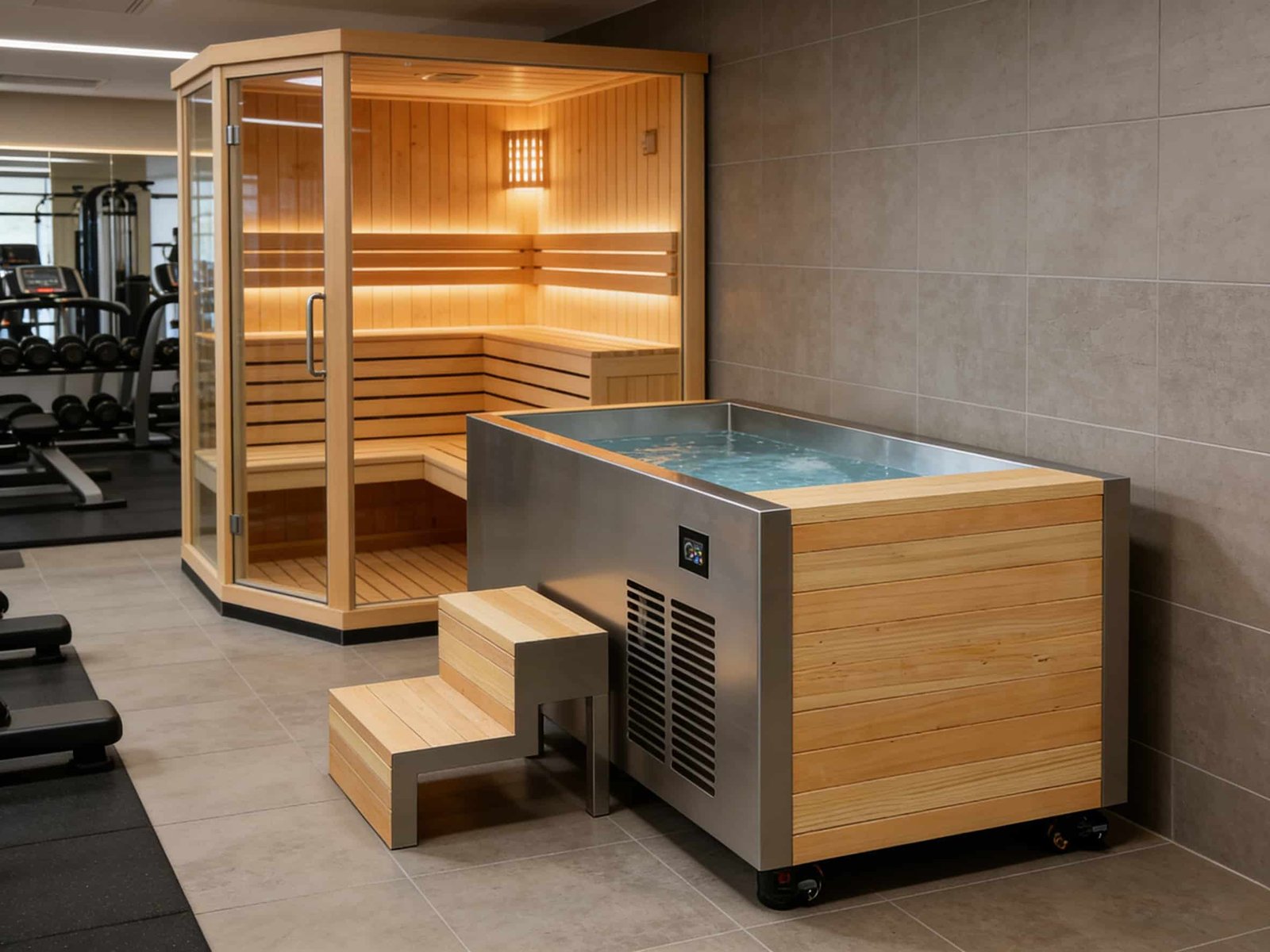
8. Control access and give property-specific instructions
Use a secured cover, gate, lock or another control required by the site assessment when the amenity is unavailable. Instructions should identify who may use it, occupancy limit, entry and exit method, prohibited behavior, required cover handling, how to stop the equipment, what an alarm or abnormal condition means, who to contact and when to stop using the amenity immediately.
Place concise instructions where the decision is made, then provide fuller details in the house manual and pre-arrival message. Use durable language and visuals that match the exact controls. Test the instructions with someone unfamiliar with the system. Do not hide critical restrictions in a long marketing description.
9. Add the plunge to every turnover checklist
Between stays, record water-test results, clarity and visible contamination, water level, filter/flow indication, controller state, starting temperature, leaks, hose and fitting condition, cover and lock, steps and surrounding surface, drainage, signage and any service message. Define the pass/hold rule and who signs the amenity back into use.
Keep lot or serial details for consumables and parts where practical. If a guest reports a problem, preserve photos, controller information, water records, cleaning history and actions taken. Do not reset or conceal a recurring alarm to make the next check-in. Route active equipment faults through the troubleshooting evidence checklist.
10. Plan for weather, freezing, noise and neighbors
Confirm the exact model’s ambient operating and storage limits, rain or sun exposure rating, required ventilation clearance, drainage, freeze-protection procedure and restart steps. “Outdoor” does not mean unrestricted weather or sub-freezing operation. Define who drains or winterizes the equipment and how reservations are updated when the amenity is seasonally unavailable.
Assess compressor, fan, pump, water and guest noise at the property boundary and nearby sleeping areas, especially during quiet hours. Use measured evidence under the intended installation condition where noise matters. An enclosure can create overheating or service problems if it violates airflow requirements.
11. Define service, lockout and incident response
Post one support route for guests and one technical route for staff. State who can isolate power and water, lock the amenity, contact emergency services, preserve evidence, notify the platform or insurer when required, authorize service and return the unit to operation. Keep warranty, parts, technician and remote-diagnosis information accessible to the property manager.
Stop guest access for damaged wiring, a burning smell, repeated protective-device trips, uncontrolled leakage, contaminated water, a broken cover or step, a circulation fault, severe abnormal noise, an unresolved alarm or any condition outside the approved operating plan. Do not ask cleaning staff or guests to open electrical or refrigerant sections.
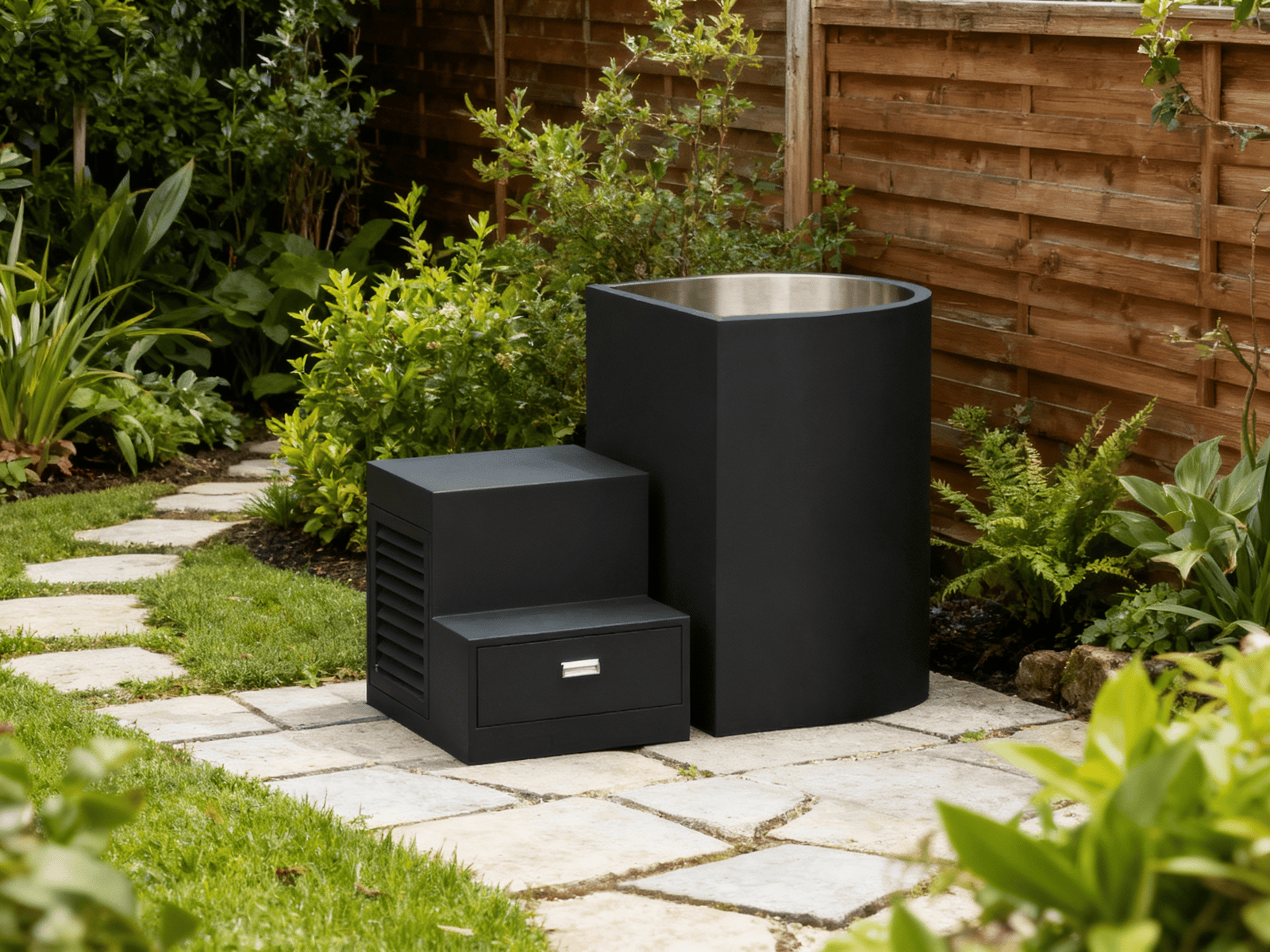
Describe the amenity accurately on Airbnb
Airbnb’s ground rules for home hosts state that listing pages should accurately represent available amenities and disclose access restrictions. Airbnb’s safety requirements for homes also call for instructions for features that could cause injury if improperly used and disclosure or mitigation of hazards. Review the current platform rules for the listing’s region; this article does not interpret or replace them.
Use current photos of the installed cold plunge for Airbnb. State whether it is private or shared, indoor or outdoor, year-round or seasonal, the hours and access rules, and whether advance setup is needed. Do not advertise a temperature, sanitation feature, accessibility attribute or therapeutic outcome that the exact installation cannot substantiate.
12. Measure ROI with the property’s own data
Build an incremental model instead of repeating an industry percentage. Upfront cost can include equipment, delivery, structural or electrical work, drainage, barriers, installation, commissioning, photography and permits. Recurring cost can include electricity, water, treatment products, filters, cleaning time, management, seasonal work, inspections, repairs, parts, insurance impact and downtime.
Choose a test period and record impressions, amenity-related inquiries, conversion where measurable, nightly rate, occupancy, cancellations, reviews that specifically mention the amenity, availability loss and all incremental costs. Compare with the property’s own prior period while noting seasonality, pricing changes, promotions and local events. Correlation does not prove the plunge caused the result.
| Decision metric | Calculation | Evidence caution |
|---|---|---|
| Incremental operating contribution | Measured incremental booking contribution minus recurring plunge cost | Separate seasonal and pricing effects |
| Payback | Verified upfront investment divided by measured monthly contribution | Do not calculate when contribution is unproven |
| Availability | Days offered minus days locked out | Track service and water-quality downtime |
| Guest value signal | Qualified inquiries and reviews specifically mentioning the plunge | A mention is not equal to caused revenue |
A cold plunge for Airbnb should pass safety and operations before it is tested as a marketing feature. If the measured result does not justify the burden, restrict, redesign or remove the amenity rather than inventing a return.
Keep a decision log showing why the cold plunge for Airbnb stayed open, changed or closed. Record evidence, responsible reviewer and next review date so a new property manager does not inherit an unsupported assumption.
Cold plunge for Airbnb FAQ
Will a cold plunge automatically increase Airbnb revenue?
No. There is no universal revenue or nightly-rate increase. Measure the property’s own incremental bookings and costs while controlling for seasonality, pricing, promotions and other changes.
Can guests use a cold plunge without supervision?
That decision requires a property-specific legal, insurance and risk review. If access, guest restrictions, instructions, emergency response and lockout cannot be controlled, do not offer unsupervised use.
How often should rental cold-plunge water be changed?
Use the approved water-management plan, test results, bather load, contamination events, equipment instructions and local rules. A universal calendar interval is not reliable for every vessel and treatment system.
What should cleaners inspect between bookings?
Use a trained, dated checklist covering water tests, visible contamination, level, flow/filter indication, controller state, leaks, hoses, cover/lock, steps, surfaces, drainage, signage and the pass/hold decision.
What information should I send a supplier?
Send destination, working volume, starting and target temperatures, ambient range, guest and turnover load, indoor/outdoor site, electrical supply, pull-down target, cover use, water-care plan, noise limits, access, quantity and required documents.
Evidence note: This cold plunge for Airbnb guide was source and technical reviewed on September 10, 2026. Airbnb host-policy pages and CDC water-care context were checked on that date. Current platform terms, local law, insurer requirements, product instructions and qualified professionals remain controlling.
For a configuration review after the property clears its go/no-go gates, send site inputs. We will identify assumptions instead of promising a booking return.