A cold plunge chiller golden sample approval should lock one production reference, not merely approve a good-looking prototype. The buyer should accept the sample only when the physical unit, controlled specifications, parts and finish decisions, labels, software or controller identity, test evidence, approved deviations and future change rules point to the same configuration. A photograph, a passed cooling demonstration or an email saying “looks good” cannot carry that responsibility.
This article is for importers, distributors and OEM brand owners moving from development into repeat production. It explains nine approval fields, the evidence that belongs behind each field and the differences between sample approval, factory acceptance testing, pre-shipment inspection and engineering change control. The exact contractual authority, sample retention period and acceptance tests must be agreed for the project; the record below is a buyer framework, not a claim that every OMNI order follows one universal procedure.
What a cold plunge chiller golden sample approval must decide
The decision is narrow and practical: is this identified configuration acceptable as the reference for the stated production order, and can another reviewer reproduce what was approved? The answer must cover more than appearance. A reference sample can look correct while carrying an unapproved controller revision, substituted hose, wrong electrical label, temporary software setting or test result from a different configuration.
Build the approval around five linked baseline layers. If one layer is missing, mark the approval conditional or hold it rather than allowing the physical sample to hide the gap.
| Baseline layer | What is controlled | Evidence the buyer should receive | Decision risk if missing |
|---|---|---|---|
| Physical unit | Cabinet, interfaces, visible components, workmanship, finish and packaging fit | Unique sample identity, dated photographs and signed inspection points | A different unit can later be called “the approved sample” |
| Configuration | Model, electrical version, controller, pump/filter arrangement, critical parts and options | Configuration list or BOM revision tied to the sample | Production can change internally while appearance stays similar |
| Controlled documents | Drawings, specifications, labels, manuals, artwork and software/parameter identity | Document register with revision and approval status | The factory and buyer may work from different revisions |
| Verification evidence | Agreed functional, electrical, water-loop, appearance and packaging checks | Results tied to the same sample and test method | A passed result from another unit or condition can be misapplied |
| Exceptions and change rules | Open deviations, conditions, retention, access and post-approval changes | Deviation list, closure responsibility and change-notification rule | Temporary exceptions can become silent production standards |
The cold plunge OEM manufacturing stages show where development, pilot work and repeat production separate. This page owns the reference-baseline decision between those stages. It does not replace the factory acceptance test, which proves agreed tests on an identified unit, or the pre-shipment inspection, which checks released goods before shipment.
The cold plunge chiller golden sample approval therefore acts as the handoff between “this sample is acceptable” and “production has enough controlled information to reproduce what was accepted.”
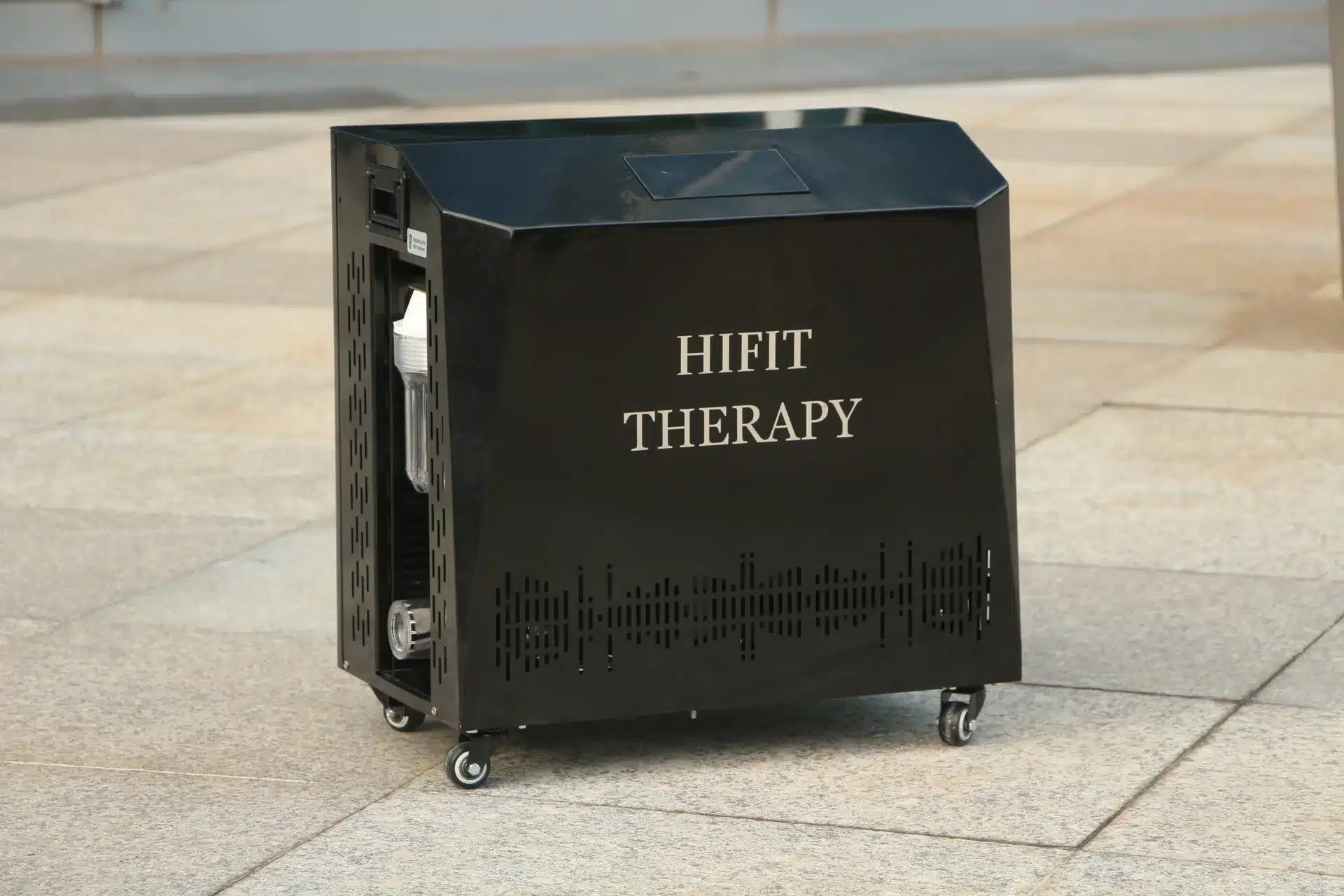
Approve the sample after definition, before repeat production
A cold plunge chiller golden sample approval should occur after the buyer and supplier have defined the intended model, market, electrical variant, visible brand treatment and verification plan, but before the factory treats the configuration as an unrestricted production standard. Approving too early turns unresolved development choices into hidden assumptions. Approving after volume production has started turns the sample into a retrospective argument instead of a control.
Use four release states rather than one ambiguous “approved” label:
- Review sample: suitable for design, branding or interface review, but not a production baseline.
- Conditionally approved sample: acceptable only with listed actions, deadlines and a rule stating whether production may start.
- Approved production reference: the sample and its controlled document set are accepted for the named order/configuration.
- Superseded or withdrawn reference: no longer valid because a later approved revision replaced it or its retention period ended.
The U.S. Federal Acquisition Regulation uses a formal first-article framework in which required characteristics and tests are stated, the contracting officer gives written approval, conditional approval or disapproval, and production before approval remains at the contractor’s risk. The FAR first-article clause governs specific U.S. government contracts, not ordinary cold-plunge purchasing. It is useful here because it makes the approval state, evidence and production-risk boundary explicit.
Another government procurement example states that first-article and production items should be manufactured at the same facility under the same conditions unless otherwise approved. The GSA first-article policy is not a universal commercial requirement, but it highlights a buyer question often missed in private-label projects: will the production route actually match the route that produced the approved sample?
Nine fields in a cold plunge chiller golden sample approval
Use these fields as a minimum approval record. Each field should point to a file, physical marking or result that another reviewer can retrieve. Blank fields should remain open; do not fill them with “same as sample” when the sample itself cannot identify the controlled detail.
| Field | Required content | Weak evidence to reject |
|---|---|---|
| 1. Approval identity | Project/order, buyer, supplier, approval number, date, status and approvers | An undated chat message or photo album |
| 2. Sample identity | Model, serial/sample number, electrical variant, controller/software identity and physical tag | “Black 1 HP unit” |
| 3. Configuration baseline | Critical component/options list and applicable BOM or configuration revision | A cosmetic specification with no internal configuration |
| 4. Document baseline | Drawing, specification, manual, label, artwork and packaging revisions | Loose attachments with no revision register |
| 5. Visible acceptance | Finish, color, logo, label position, workmanship and interface observations | One front photograph with no acceptance points |
| 6. Verification evidence | Agreed tests, methods, conditions, results and report references tied to this sample | “Machine works well” |
| 7. Deviations and open actions | Difference, reason, risk, temporary/permanent status, responsible person, due date and disposition | A handwritten exception with no closure rule |
| 8. Production handoff | Where the baseline is released, who receives it and how production/inspection confirms use | “Factory informed” |
| 9. Retention and change control | Sample location, condition, access, retention/review date and post-approval change route | An unsealed unit left on a general shelf |
A longer form is not automatically stronger. The cold plunge chiller golden sample approval is reviewable when each conclusion is traceable and the reference remains usable. Repeated photographs, marketing descriptions and signatures without revision identity do not substitute for the nine fields.
Lock the physical unit to the configuration and document set
Begin with the physical tag. Assign a unique sample number or serial and photograph it in place. Add the product model, destination electrical version and controller or software identity where applicable. Do not combine different model families because they share a cabinet. Internal technical records can use the same error code for different faults across controller families, so “same display” is not enough to prove the same baseline.
The configuration list should name the decisions that materially affect fit, function, compliance evidence, service or brand presentation. Depending on the project, that can include the pump/filter arrangement, heat-exchanger or water-interface option, controller family, power cord/plug, labels, hoses, fittings, casters, packaging and accessories. The buyer does not need every commodity fastener on the approval cover sheet, but the supplier needs a controlled BOM or equivalent record behind the declared configuration.
Document identity should be explicit. List the drawing and specification revision, artwork files, rating and warning labels, user manual, packing instruction and test plan. When a document is not final, state the condition. A cold plunge chiller golden sample approval should never imply that a draft manual or temporary label is final merely because it was attached to the sample.
Use the cold plunge chiller quality-document register to connect the sample to its files. The register can point to the approved record, BOM/configuration, drawings, reports, deviations and later changes without flattening them into one uncontrolled folder called “golden sample final.”
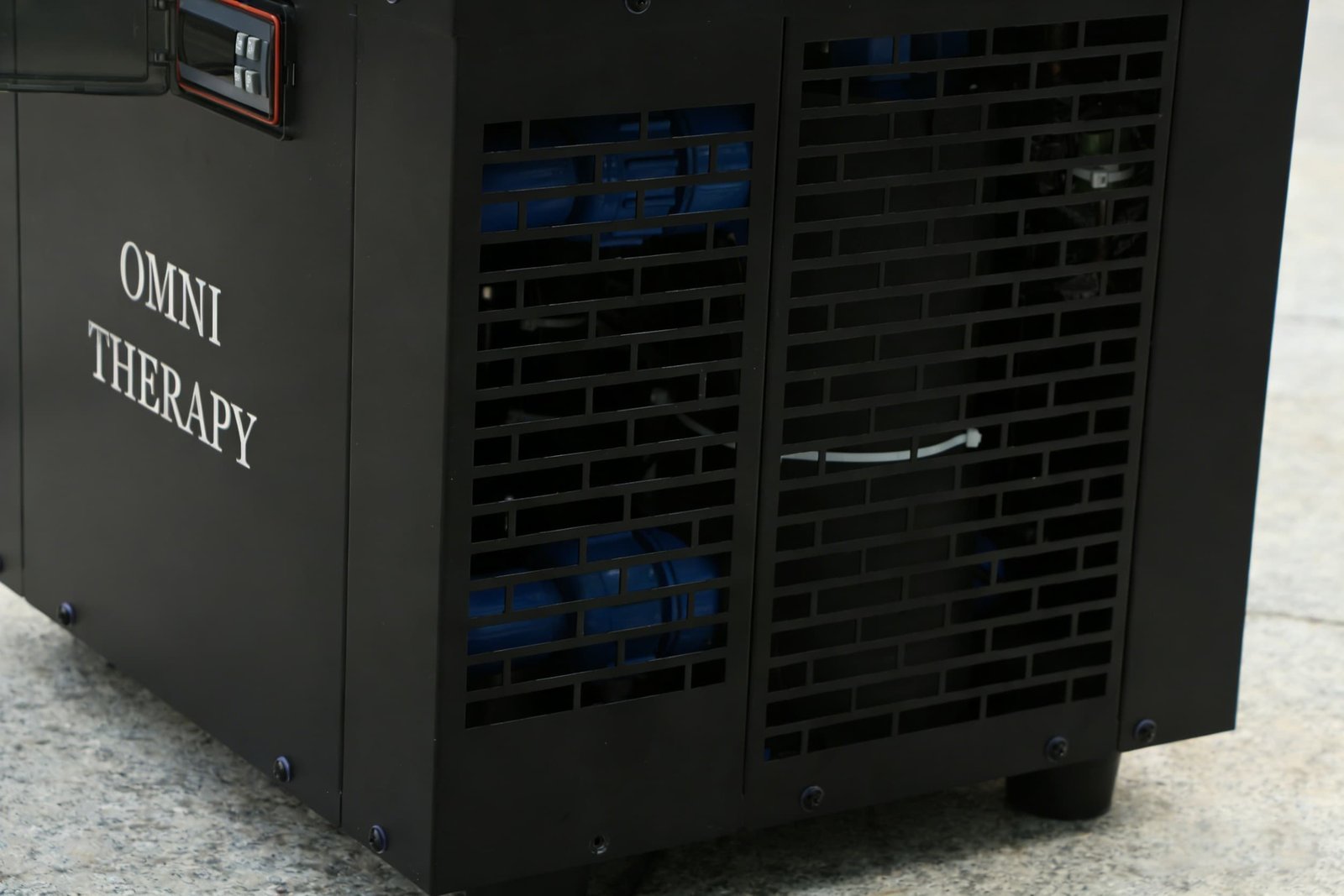
Attach evidence from the same identified sample
Test evidence belongs to the cold plunge chiller golden sample approval only when it identifies the tested unit, method, conditions, instruments or references, result and acceptance rule. A video can show that a controller starts; it usually cannot prove the electrical variant, water-loop integrity, stable operating condition or complete acceptance scope.
Build an evidence cross-reference rather than repeating entire reports in the approval form:
| Decision area | Evidence reference | Identity link | Approval question |
|---|---|---|---|
| Appearance and branding | Dated inspection sheet and controlled photographs | Sample number visible or recorded | Are finish, artwork, labels and workmanship accepted? |
| Electrical/configuration | Nameplate, wiring/configuration record and relevant check | Electrical variant and controller recorded | Does the physical unit match the quoted destination version? |
| Water loop | Connection inspection and agreed leak/flow evidence | Ports, pump/filter route and sample identified | Were the agreed interfaces verified without borrowing another unit’s result? |
| Functional test | FAT or approved verification report | Same serial/sample and test-plan revision | Did the unit meet the stated acceptance criteria under recorded conditions? |
| Packaging fit | Packing check, contents list and package/artwork revision | Same product and accessory configuration | Can the approved unit and contents be packed as specified? |
Do not convert engineering photographs, supplier drawings or prototype data into a claim that every production unit receives the same test. Evidence proves only the context it records. If a performance number depends on model mapping or test conditions that are not yet reconciled, keep it outside the public and contractual baseline until the link is approved.
A FAT can be one evidence package behind sample approval, but the decisions are different. The FAT asks whether an identified unit met agreed test criteria. The sample approval asks whether that unit plus its configuration, documents and exceptions is acceptable as the production reference. One can pass while the other remains on hold.
Make every deviation visible before approval
Many sample programs contain open items: temporary paint, prototype wiring, unavailable label stock, a manual still under review, substitute packaging or a part awaiting final approval. These do not automatically make the sample unusable, but they must not disappear inside a broad “approved” status.
For each deviation, record:
- the exact difference from the intended baseline;
- why it exists and whether it affects function, safety, compliance evidence, appearance, service or packaging;
- whether the deviation is temporary, order-specific or proposed as a permanent change;
- the affected document and configuration references;
- who owns the action, the due date and the evidence needed for closure;
- whether production may start, start conditionally or remain on hold.
A cold plunge chiller golden sample approval should not absorb a deviation as the new standard without an explicit decision. If the buyer accepts a different component, label, controller, finish or test route as permanent, move it through the cold plunge chiller change-control decision and revise the baseline. If the difference remains temporary, keep it open and prevent production from copying it unintentionally.
Reviewers should be able to read the cold plunge chiller golden sample approval and distinguish accepted attributes from temporary exceptions without reopening every email exchanged during development.
Use the nonconformance record when the sample fails an applicable requirement and needs controlled disposition. Sample approval should reference the disposition; it should not rewrite a failure as a preference.
Transfer the approved reference into repeat production
The sample is useful only if production, incoming inspection, assembly, testing, final inspection and packing can identify the approved baseline. A cold plunge chiller golden sample approval should therefore include a handoff record: release location, controlled revision, responsible functions, effective date and the checks used to confirm adoption.
Do not rely on physical memory. A technician who helped build the sample may not work on the next order. Parts can arrive from another lot. Artwork can be downloaded from an old folder. A controller setting can be changed without altering the cabinet. Translate each approved attribute into the production document that controls it and the inspection evidence that detects a mismatch.
| Approved sample attribute | Production control | Release check | Escalation if different |
|---|---|---|---|
| Model/electrical/controller identity | BOM/configuration and work order | Identity and nameplate check | Hold affected unit/lot and verify scope |
| Cabinet, finish, logo and label position | Drawing, artwork and appearance standard | First-off and final visual record | Deviation or nonconformance decision |
| Water ports, hoses and accessories | Assembly drawing and packing list | Interface and contents inspection | Contain units using the same input |
| Controller parameters or software identity | Controlled setup file/instruction | Version/parameter verification | Stop release until approved identity is restored |
| Functional acceptance evidence | Released test plan and method | FAT/production test records as contracted | Open NCR/CAR according to scope and recurrence risk |
Use batch traceability to connect production units to the relevant component lots, document revisions and test records. Traceability does not prove that the baseline was correct; it makes it possible to find the scope when a difference is discovered.
For the purchase order, add the sample approval number and revision to the OEM cold plunge chiller RFQ and order inputs. State which attributes are reference-only and which are contractual acceptance requirements. A visual sample should not silently override a written electrical, safety, performance or market requirement.
Protect the approved baseline after the sample is signed
Approval is not permanent permission to change everything around the sample. Define what requires buyer notification or approval: critical component substitution, controller or software revision, electrical configuration, water-interface change, label/artwork revision, finish, packaging, test method, manufacturing location or another project-specific attribute.
Keep the physical sample identifiable and usable. Record its location, custodian, seal or condition, access rule and review/retention date. Protect it from being shipped, cannibalized for parts or modified during later demonstrations. If the sample is too large or perishable to retain, define a controlled digital and documentary reference with photographs, measurements, configuration and evidence strong enough to reproduce the decision.
The cold plunge chiller golden sample approval should also name the event that makes the reference invalid, such as an approved revision, damage, loss of identity or a change in manufacturing route that has not been reviewed.
A later change can supersede the cold plunge chiller golden sample approval, but the history should remain traceable. Link the old approval, change request, revised documents, new evidence and replacement sample or digital reference. Do not edit the old record until it appears to have approved the new configuration from the beginning.
Review the baseline when an order resumes after a long gap, a facility or key supplier changes, a critical component becomes unavailable, regulatory/market requirements change, or repeated production findings suggest that the reference no longer controls the real process. The review can confirm the existing baseline; it does not always require a new physical sample.
Illustrative approval: one sample, three unresolved differences
Illustrative scenario, not an OMNI customer case: an OEM buyer receives a private-label chiller sample with the correct cabinet color, logo and external connections. The demonstration shows basic operation. During record review, however, the temporary rating label names the wrong destination voltage, the manual is still at a draft revision and the controller setup file is not identified.
The buyer does not reject the useful physical review, but does not grant unrestricted production approval. The cold plunge chiller golden sample approval is marked conditional. Appearance and interface fields are accepted. The electrical label is a blocking deviation because it can misidentify the product. The manual needs a final controlled revision before packing. The controller identity needs a retrievable version or parameter record tied to the sample and production setup.
The supplier corrects the label, issues the controlled manual and records the controller setup identity. The buyer checks that the corrected files match the physical sample and that the production BOM/work instruction references them. The approval then changes from conditional to approved production reference. No performance result is invented; any contracted functional evidence remains in its actual FAT or test report.
This scenario demonstrates why a beauty photograph or start-up video is insufficient. It also avoids the opposite error of discarding every sample with an open document. The approval state tells production exactly what is accepted, what is blocked and what evidence changes the decision.
Copyable cold plunge chiller golden sample approval record
- Approval: record number; project/order; buyer; supplier; date; status; approvers and authority.
- Sample identity: model; serial/sample tag; electrical variant; controller/software identity; physical condition and photos.
- Configuration: BOM/configuration revision; critical parts/options; pump/filter and water-interface arrangement; accessories.
- Documents: product drawing; specification; labels/artwork; manual; packing instruction; test plan; revision/status.
- Visible acceptance: finish; color; branding; labels; interface position; workmanship; approved photographs.
- Evidence: inspection, FAT or other report number; tested unit; method/conditions; acceptance rule; result.
- Deviations: difference; impact; temporary/permanent status; action; responsible person; due date; production hold/release rule.
- Production handoff: controlled release location; effective date; responsible functions; first-off/inspection confirmation.
- Retention/change: sample custodian/location; access; retention/review date; notification and reapproval triggers.
Add this record to the project’s OEM cold plunge chiller evidence route, then carry its identity into the RFQ, order, FAT and release documents. For a configuration review, send OMNI the target market, electrical version, branding files, system arrangement and required approval evidence. The next step is not “make one perfect sample”; it is “make the approved decision reproducible in production.”
Questions buyers ask about golden sample approval
Is a golden sample the same as a factory acceptance test unit?
No. A FAT unit is used to show whether agreed tests pass on an identified unit. A golden sample controls the accepted physical configuration together with its documents, evidence, deviations and change rules. The same unit can serve both roles only when both records identify it and their separate decisions are complete.
Can production start with conditional approval?
Only when the buyer’s written condition explicitly allows it and states the permitted scope, open actions, risk responsibility and release checks. Do not interpret a list of comments or a positive meeting as authorization for unrestricted production.
What should be kept with the physical sample?
Keep a unique identity, configuration/BOM reference, document register, approved photographs, verification references, deviation status, custodian/location and change history. The sample alone cannot identify invisible parts, revisions or test conditions.
Does the sample override the purchase specification?
No. State which sample attributes are contractual acceptance references and which are visual aids. Written electrical, safety, performance, market and order requirements remain applicable unless an authorized change revises them.
When should a cold plunge chiller golden sample approval be reviewed again?
Review it after an approved configuration change, a long production gap, a manufacturing-location or key-supplier change, critical part replacement, changed market requirements, damage or loss of the reference, or evidence that production no longer matches the approved baseline.