Cold plunge chiller change control gives an OEM buyer a way to approve a changed product without losing the evidence behind the approved sample. If a supplier proposes a different pump, controller, heat exchanger, seal or cabinet detail, ask for the before-and-after specification, affected units, impact assessment and repeat-test results before accepting the substitution. A part that fits, or a message saying “same performance,” is not enough to release the changed build.
The difficult decision is usually not whether changes should be allowed. It is whether this particular change preserves the requirements your brand, installer and service team rely on. For importers and equipment brands buying from OMNI Ice or another supplier, the method below separates permission to evaluate a change from permission to manufacture and ship it. Agree the approval roles, notice period and acceptance conditions for the named model, electrical variant and destination.
On this page
Start cold plunge chiller change control with the approved build
You cannot judge a substitution if the original configuration is uncertain. Start with a dated baseline: the agreed model and suffix, sample identifier, drawing revision, bill of materials, controller settings or software version, approved interfaces and acceptance records. A bill of materials, often shortened to BOM, is the identified list of parts and materials used for the build. A sales brochure usually does not contain that level of detail.
The baseline need not expose every piece of confidential manufacturing information to every buyer. Where a supplier restricts detailed drawings, agree which controlled identifiers, critical characteristics and supporting records will be shared. “Confidential” should not prevent the buyer from identifying the delivered configuration or checking the requirements that affect its market and installation.
Keep the physical product and its approved information connected throughout the order and service life. This buyer worksheet helps purchasing teams make that connection; it is not a certification assessment or a requirement to buy a particular document-control system.
If the project has not reached sample or specification approval, start with the OEM development stages. If it uses an existing platform with branding changes, the private-label launch checklist sets the earlier boundary. Here, the question is narrower: what must happen when someone proposes changing an already agreed build?
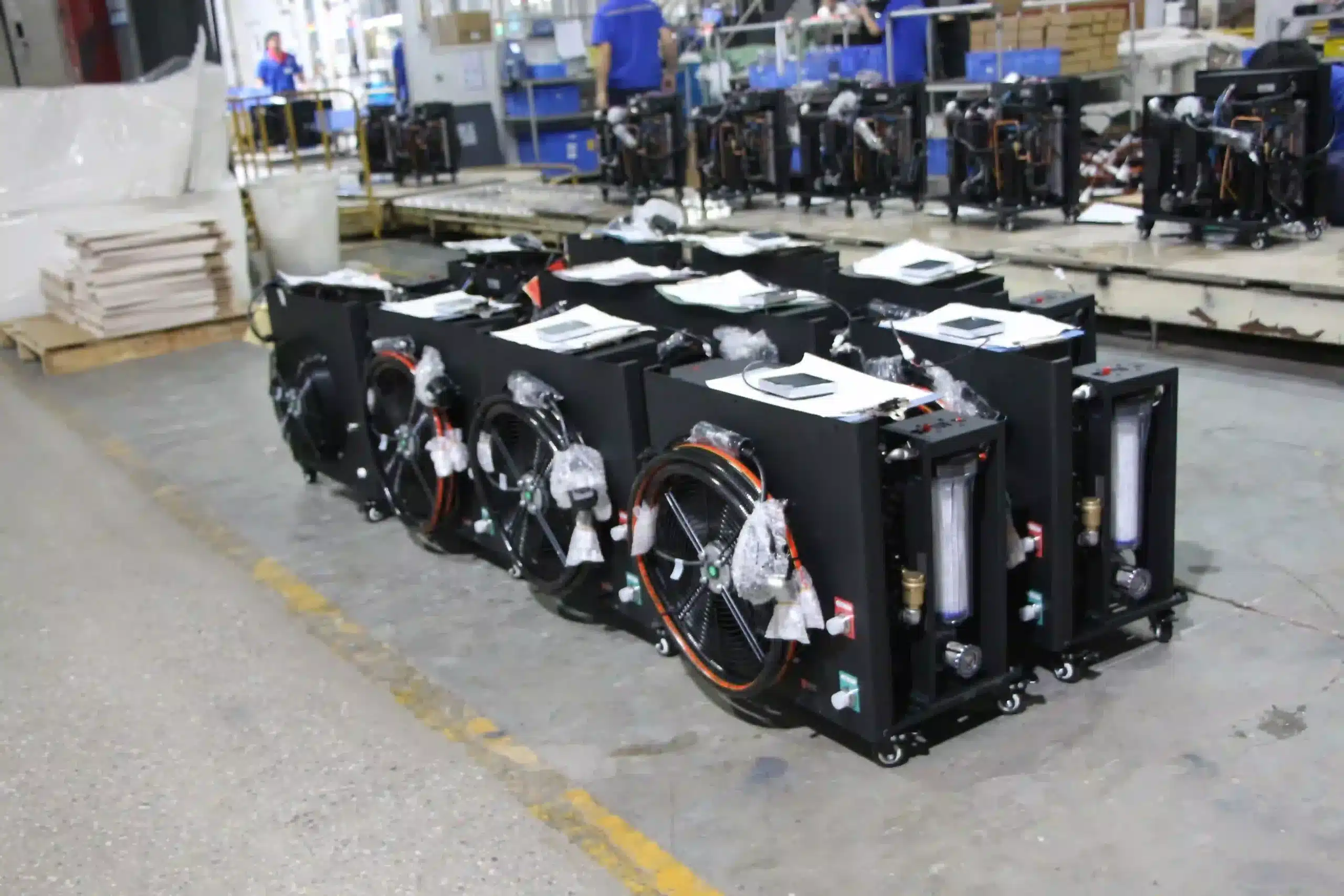
Seven decisions before accepting a changed chiller
Use the following cold plunge chiller change control worksheet when a notice arrives. Each row produces a decision, not just another attachment. An incomplete answer does not automatically mean rejecting the supplier; it means the approval is not ready for the next step.
| Decision | Evidence to request | Reason to keep the change on hold |
|---|---|---|
| 1. What is actually different? | Old and proposed part identifiers, revisions, drawings, settings and a marked comparison. | Only a photograph, sales name or “equivalent” statement is supplied. |
| 2. Which requirements could move? | An assessment of performance, interfaces, materials, controls, safety, service and destination documents. | Only the changed part is considered; its connections to the system are ignored. |
| 3. What must be demonstrated again? | A proposed test or review plan tied to the affected requirements, with acceptance criteria. | The only evidence is the original sample report. |
| 4. Who can authorize each step? | Named technical, quality and buyer approvers; separate permission for trial and shipment. | A purchase-order contact has accepted a technical change outside their authority. |
| 5. Which physical units are included? | Model variants, lots or serial ranges; work in progress, finished stock, spares and field units where relevant. | The proposed start date is known, but the affected unit population is not. |
| 6. How will the new build enter production? | Revision cutover, stock disposition, revised instructions, identification and first changed-unit check. | Old and new parts can be installed without a recorded distinction. |
| 7. What closes the change? | Accepted evidence, signed decision, implemented revisions and shipment-release confirmation. | The notice is marked closed when parts are ordered, before implementation is verified. |
Keep one change identifier across the request, drawings, test records and approval. Separate proposals when they need different technical decisions; link them when one depends on another. For example, a controller replacement and its sensor change may need a joint review, even if purchasing orders the parts separately.
NASA’s systems-engineering explanation of configuration management distinguishes evaluating a proposed change, incorporating an approved change and verifying its implementation. Those are useful distinctions for purchasing teams too; NASA’s program-specific procedures are not cold-plunge product requirements. The worksheet above applies the distinction to an equipment order.
Decide what evidence the substitution invalidates
A sensible cold plunge chiller change control review asks which previous conclusions still hold. It does not automatically demand a complete retest for every cosmetic change, and it does not assume a component data sheet proves the finished machine. Have the responsible engineer explain both the tests proposed and the tests they believe can be carried over.
| Proposed change | Questions for the technical review | Possible evidence, subject to the actual design |
|---|---|---|
| Pump, filter housing or water fittings | Do flow, pressure limits, priming, connections, wetted materials or service access change? | Component comparison, interface drawing, operating-point review and agreed water-loop checks. |
| Fan, condenser or enclosure openings | Are heat rejection, airflow path, mounting, noise or installation clearances affected? | Assembly drawings and defined thermal, airflow or acoustic checks under comparable conditions. |
| Controller, sensor or firmware | Do indication, control logic, limits, restart behavior, alarms or approved settings change? | Version and parameter comparison, functional checks and updated instructions where needed. |
| Heat exchanger, seal, hose or coating | Are pressure, temperature, chemical compatibility, corrosion behavior or cleaning limits affected? | Identified material specifications, supplier evidence and relevant compatibility or integrity review. |
| Electrical component or connection | Does the change affect ratings, protection, wiring, terminals, nameplate or document coverage? | Qualified electrical review, revised drawings and applicable assessment or test evidence. |
| Label, manual or packaging | Does the revision alter identification, warnings, installation instructions or shipping protection? | Controlled artwork comparison and relevant instruction, label or packaging verification. |
Carry over a result only with a reason
Record the previous report identifier, its tested configuration, the result being reused and why the change does not affect it. A drawing-only correction may need document verification rather than a new physical test. Conversely, moving a fitting can alter installation access even if the fitting itself is unchanged. The scope follows the affected requirement, not the supplier’s description of the change as “small.”
Ask whether several individually modest revisions have accumulated since the approved sample. A new fan, new grille and revised speed setting assessed separately may leave nobody accountable for their combined effect. Review the final proposed configuration, not only the sequence of purchasing substitutions.
Record the conditions, not just “passed”
If cooling, flow, pressure or control behavior must be checked again, identify the unit and revision, method, conditions, instrument, observations and acceptance basis. The factory acceptance test guide covers the wider witnessed-test record. The instrument-calibration guide addresses whether the measurements can support the decision. Neither a test photograph nor a calibration label alone establishes that the changed design is acceptable.
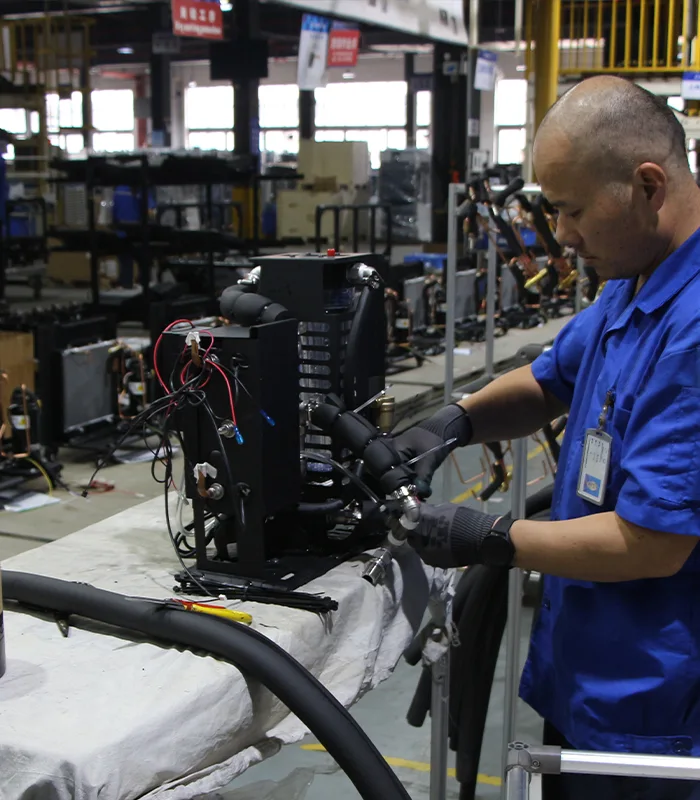
Work through a pump substitution before saying yes
Illustrative purchasing exercise: a supplier reports that the pump used in the approved sample is unavailable and proposes a replacement. The following is a decision example, not an OMNI test result, actual shortage or claim about a particular pump.
The first reply should request the old and proposed manufacturer references, relevant specifications and a marked assembly comparison. “Same maximum flow” does not answer how the pump behaves in the agreed tub, hoses, fittings and filter arrangement. Ask the engineer to identify the intended operating point and whether the available evidence covers that arrangement. If an installed system already has flow symptoms, use the pump troubleshooting guide for that separate service task; diagnosing a fault does not approve a production substitution.
Next, check dependencies. Does the replacement use the same electrical supply and control method? Do the mounting points and connections fit without an unapproved adapter? Are the pressure and temperature limits suitable? Has the wetted-material specification changed? Can the customer replace the part without new instructions or a different service kit? A satisfactory response can identify unchanged items as well as changed ones.
Then separate two authorizations. The buyer may permit a trial build for evaluation while withholding production-release approval. Define the trial configuration, responsible engineer, proposed checks and handling of the trial unit. Ordering the substitute for a trial should not quietly authorize its use in every unit waiting on the line.
Finally, attach the accepted results to the notice and specify the first affected production units. If only one electrical variant was assessed, do not extend the approval to another variant without review. If the evidence is incomplete, return a precise hold reason: for example, the proposed pump’s installed operating point has not been supported. That is more useful than a vague request for “more quality documents.”
Check which labels, reports and instructions must change
Cold plunge chiller change control must reach beyond the parts list. A substitution can make an installation instruction, spare-parts reference or model-specific report difficult to apply even when the enclosure looks identical. Ask the responsible parties to map every affected document to the revised build and state who must review its continued applicability.
For a product that actually carries a UL certification, UL Solutions’ Follow-Up Services guidance explains that construction, materials and components are checked against the relevant procedure, and directs manufacturers to seek assistance for construction changes. This is a conditional example of a certification-body process, not a claim that every OMNI model has UL certification or that every substitution requires the same assessment.
Use the applicable certification body, responsible engineer or destination-market specialist for the specific case. Do not infer continued coverage because the new component has its own mark, the sales model name remains the same or another electrical variant has a report. Keep the outcome as a dated record: coverage accepted, further review required, revised evidence issued, or approval withheld.
The quality-document register helps organize the whole delivery file. For a change, add a short impact column showing which entries were revised, which remain applicable and the reason. Retain the earlier version so support teams can still identify equipment shipped before the change.
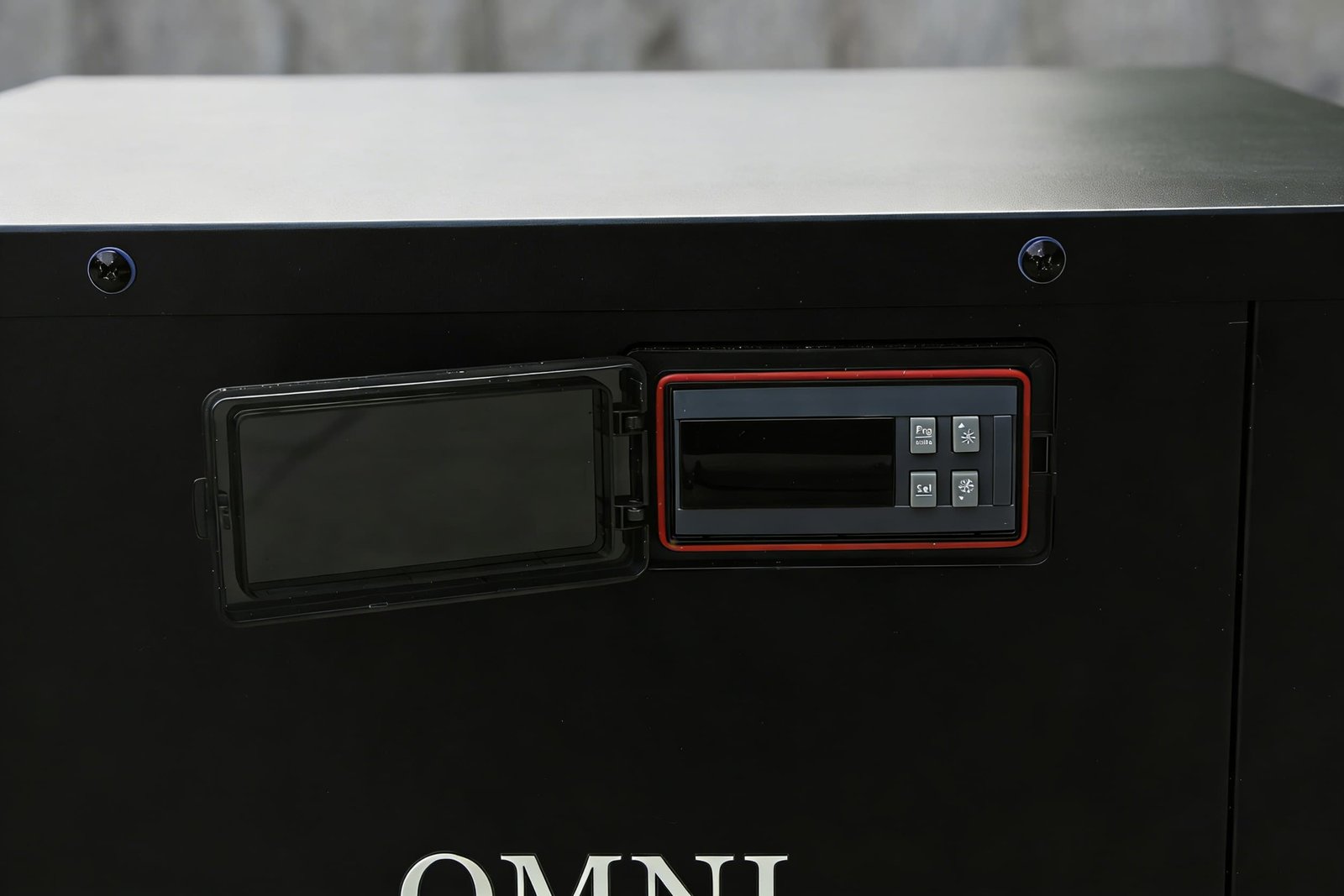
Introduce the new revision without mixing unidentified builds
An approved change still needs a controlled introduction. Name the boundary between old and new builds using the identification system actually used by the supplier: a production order, lot, serial range or another retrievable identifier. A calendar date alone may be inadequate when partly built units and stored components overlap.
Use the batch-traceability method to check two directions: which configuration belongs to a given unit, and which units contain a given changed component. Traceability identifies the population; cold plunge chiller change control records why the change was accepted and how it was introduced. Keep those records connected without treating them as interchangeable.
- Unused old parts: specify whether they remain approved for identified orders, are returned, or must be segregated pending a decision.
- Work in progress: identify which units keep the old configuration and which require an approved conversion and repeat checks.
- Finished stock: decide whether it can ship under the earlier approval; record any customer or destination restrictions.
- Service stock: distinguish old and new replacement parts and document any compatibility limits.
- Installed equipment: ask whether action is needed, who assesses it and which units are affected. Do not assume every production revision requires a field retrofit.
Check the first production build at the new revision against the approved notice. The physical component, drawing, work instruction, settings, label and associated inspection record should agree. If one item still refers to the old revision, resolve the discrepancy before closing the change. A completed purchasing transaction is not proof of correct implementation.
For a shipment containing both approved revisions, agree whether mixed delivery is acceptable and how the packing record will identify each group. If the buyer requested one uniform configuration, two individually acceptable builds do not automatically satisfy that order. The pre-shipment inspection checklist provides the release context; it should use the approved revision information rather than discover it at loading.
Copy a cold plunge chiller change control notice
The form below is an original buyer worksheet. Adapt its fields to the contract and product; it does not prescribe a universal notice period, test standard or approval deadline. Ask for linked evidence files with identifiers and revisions, not a folder of unlabelled photographs.
CHANGE REFERENCE / ISSUE DATE:
REQUESTING PARTY / TECHNICAL CONTACT:
PRODUCT MODEL / ELECTRICAL VARIANT / DESTINATION:
CURRENT APPROVED BUILD / SAMPLE / DRAWING REFERENCES:
PROPOSED PARTS, MATERIALS, SETTINGS OR DOCUMENT REVISIONS:
BEFORE-AND-AFTER COMPARISON / REASON FOR CHANGE:
AFFECTED REQUIREMENTS AND CONNECTED COMPONENTS:
EVIDENCE RETAINED FROM EARLIER APPROVAL, WITH REASONS:
NEW REVIEW OR TEST PLAN / ACCEPTANCE CONDITIONS:
TRIAL BUILD PERMISSION AND LIMITS:
RESULTS / OPEN ITEMS / DOCUMENT-COVERAGE DECISION:
OLD STOCK / WORK IN PROGRESS / FINISHED STOCK / SPARES:
FIRST AFFECTED UNIT OR LOT / IMPLEMENTATION CHECK:
TECHNICAL REVIEWER / QUALITY REVIEWER / BUYER APPROVER:
DECISION / CONDITIONS / EXPIRY OR QUANTITY LIMIT:
PRODUCTION AND SHIPMENT AUTHORIZATION:
CLOSURE RECORD / SUPPORT-TEAM HANDOFF:
Keep the request version distinct from the approved version. If a supplier revises the proposed part while a notice is under review, issue an updated comparison and recheck the affected decisions. An email approving an earlier proposal should not be reused as approval of a later configuration.
Document ownership and access also matter. Agree where the accepted record is kept, who can revise it and how the buyer will retrieve it when a service question arises. A reference that only one departing employee can locate is not a practical handoff. Keep the supporting technical files available under the agreed confidentiality arrangements.
Write a decision that production and service can use
A cold plunge chiller change control approval should say what has been authorized, not merely “OK.” Choose a disposition and attach its boundary. Use the same terms across procurement, the factory and the buyer’s quality team so a trial permission cannot be mistaken for unrestricted shipment approval.
| Disposition | What the record should make explicit |
|---|---|
| Approve | The accepted revision, evidence references, applicable variants and units, implementation checks and release authority. |
| Approve a limited trial | The trial units and purpose, permitted activities, outstanding acceptance work and prohibition on unapproved shipment. |
| Accept a bounded deviation | The exact departure, affected units or quantity, technical assessment, responsible approvals and expiry; it does not silently revise the permanent specification. |
| Hold for evidence | The unanswered requirement, responsible responder and evidence needed to resume the decision. |
| Reject the proposal | The unmet requirement and disposition of trial parts or units; preserve the rejection record if a revised proposal follows. |
Do not use a commercial concession to override a safety or applicable compliance requirement. Equally, do not hide a price or delivery change inside technical sign-off. Record the commercial consequences separately and obtain the approvals appropriate to each responsibility. A technically acceptable substitute can still be outside the agreed order.
If an unapproved substitution is discovered after manufacture, contain the affected units and preserve the as-built record. Determine the population, assess the impact and obtain a documented disposition. Backdating a notice does not establish that approval preceded production. If units have shipped, escalate the review to the responsible product and market-compliance parties rather than assuming the same internal stock decision is sufficient.
Send OMNI Ice a change request that can be reviewed
For an existing order, send the order reference, approved model and revision, proposed difference, reason, affected quantity or units, destination and supporting comparison to your project contact. Ask which technical checks, document reviews and approvals are needed before the changed configuration can be accepted. Leave unknown fields marked unknown instead of borrowing values from a similar model.
For a new program, use OMNI Ice’s OEM project options and the RFQ input template to establish the baseline first. You can then request a configuration review with the relevant files. The useful outcome is an identifiable, approved build that purchasing, production and service can all recognize.
Cold plunge chiller change control: buyer questions
Does a same-specification replacement need a change review?
A matching sales description is not enough to establish equivalence. Compare the identified part, relevant characteristics, interfaces and document coverage. The contract and responsible technical review determine whether notification, approval or repeat testing is required.
Should every change require a new approved sample?
Not necessarily. Match the evidence to the affected requirements. A document correction may need a controlled review, while a component or control change may require a trial build and repeat checks. Record why earlier evidence remains applicable where it is reused.
What separates a change request from a change notice?
Organizations use these terms differently. Define the status in the record: proposed for evaluation, approved for a trial, approved for production, implemented or closed. A document title alone should never be treated as authorization to manufacture or ship.
Can an approved change apply to every electrical variant?
Only where the technical assessment and supporting evidence cover those variants. Identify the voltage, frequency, model suffix, relevant components and document scope. Do not extend approval from one tested configuration to another without a justified review.
How do change approval and batch traceability work together?
Change approval records the reason, impact, evidence and authority for a revised configuration. Batch traceability identifies which units contain it. Connect the approved change reference to the relevant build and shipment records so a later service question can be answered.