A private label cold plunge uses an existing product platform with an agreed branding, packaging and document package. The buyer still needs to verify the exact model, electrical variant, materials, intended market, claims, labels, sample, inspection, traceability and after-sales responsibilities before selling it under a new brand.
This guide is for brands seeking a faster, lower-change route than full product development. It does not promise a universal minimum order quantity, launch time, margin or regulatory result. A private label cold plunge program depends on the selected platform, options, artwork, documentation, quantity, destination and approval speed.
Table of Contents
Private-label sourcing checklist
Private label cold plunge: quick answer
A practical private label cold plunge project follows a controlled sequence: select the base model, confirm destination variants, define branding and packaging, review claims and documents, approve artwork, inspect a branded sample or first article, freeze the production package and monitor changes. The base product may already exist, but the new brand still owns what it puts into the market.
Ask the supplier to separate standard features, selectable options, private-label changes and unavailable requests. That boundary prevents the project from quietly becoming an unvalidated custom design while the quotation still assumes a standard private label cold plunge.
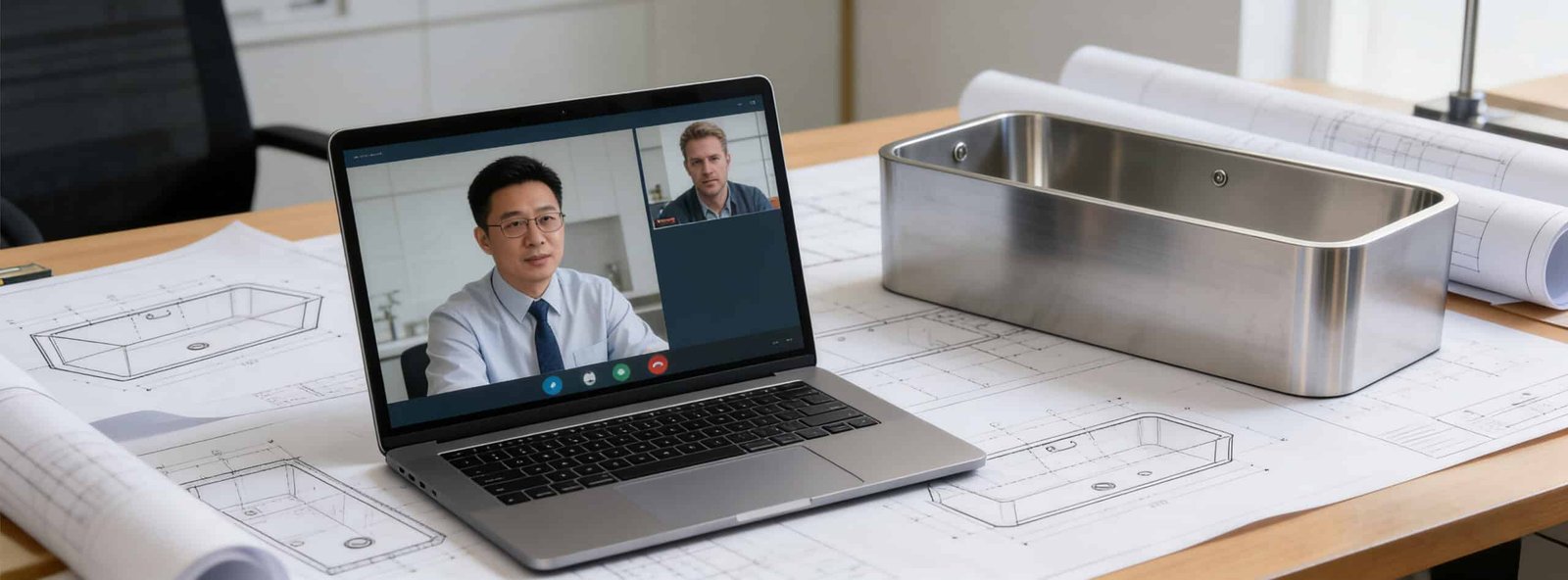
10 critical private label cold plunge launch checks
| Check | Buyer decision | Release evidence |
|---|---|---|
| 1. Base model | Exact tub and chiller platform, options and revision | Datasheet, drawings and bill of supplied items |
| 2. Destination variant | Markets, voltage, frequency, plug/cable and languages | Variant matrix and model labels |
| 3. Brand ownership | Approved trademark, company identity and support contact | Artwork authority and final contact fields |
| 4. Logo application | Method, colour, size and placement | Artwork proof and physical sample |
| 5. Packaging | Retail or export pack, inserts and accessory layout | Pack-out proof, dimensions and drop/handling basis if required |
| 6. Claims | Performance, health, material and compliance language | Substantiation and approved claims register |
| 7. Instructions | Installation, operation, maintenance, warnings and languages | Revision-controlled manual and quick-start materials |
| 8. Compliance | Applicable destination requirements and economic operator | Model-specific technical file and review status |
| 9. Quality | Sample, inspection, deviations and lot traceability | Signed first article and production records |
| 10. After-sales | Warranty boundary, spares, faults and recalls | Named escalation, records and change notices |
A private label cold plunge should not enter production with unresolved placeholders in the label, manual, carton or model table. Treat every file supplied to the factory as controlled production input.
Freeze the private label cold plunge scope
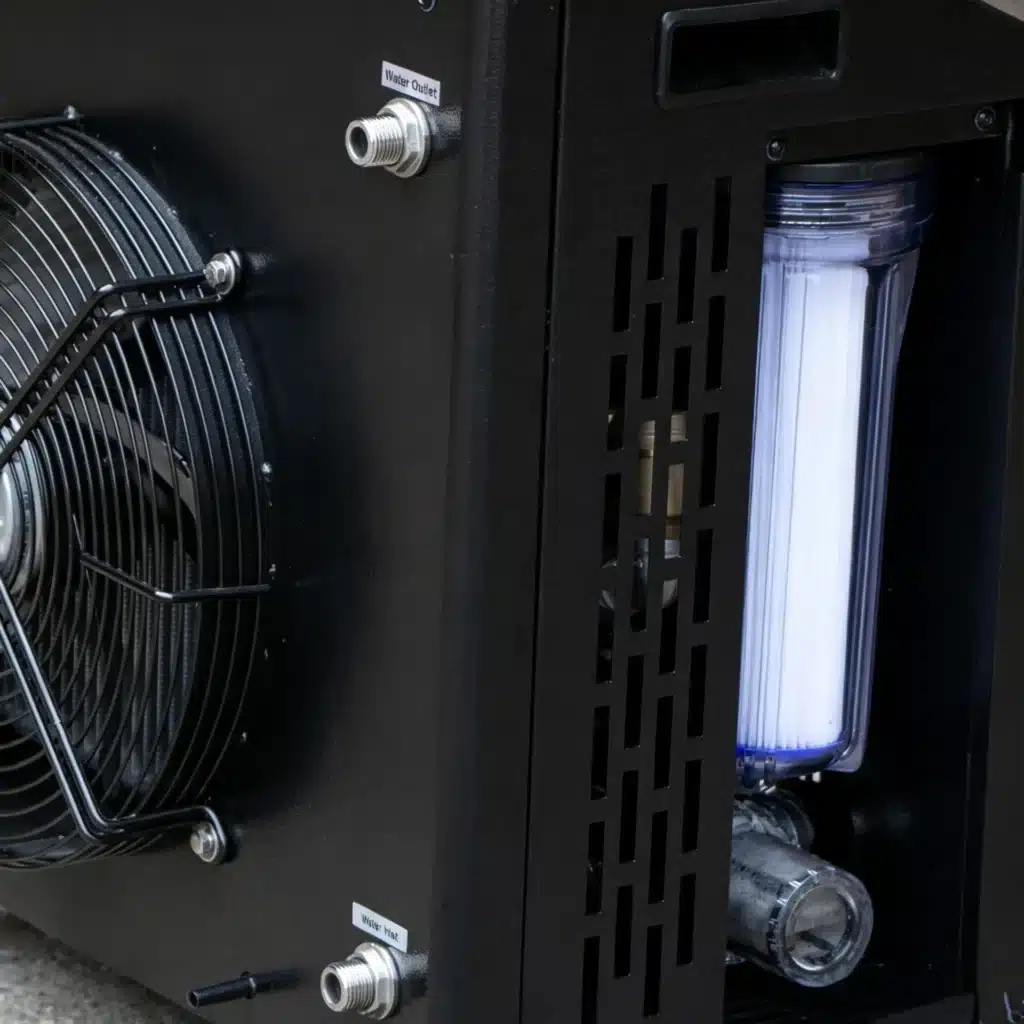
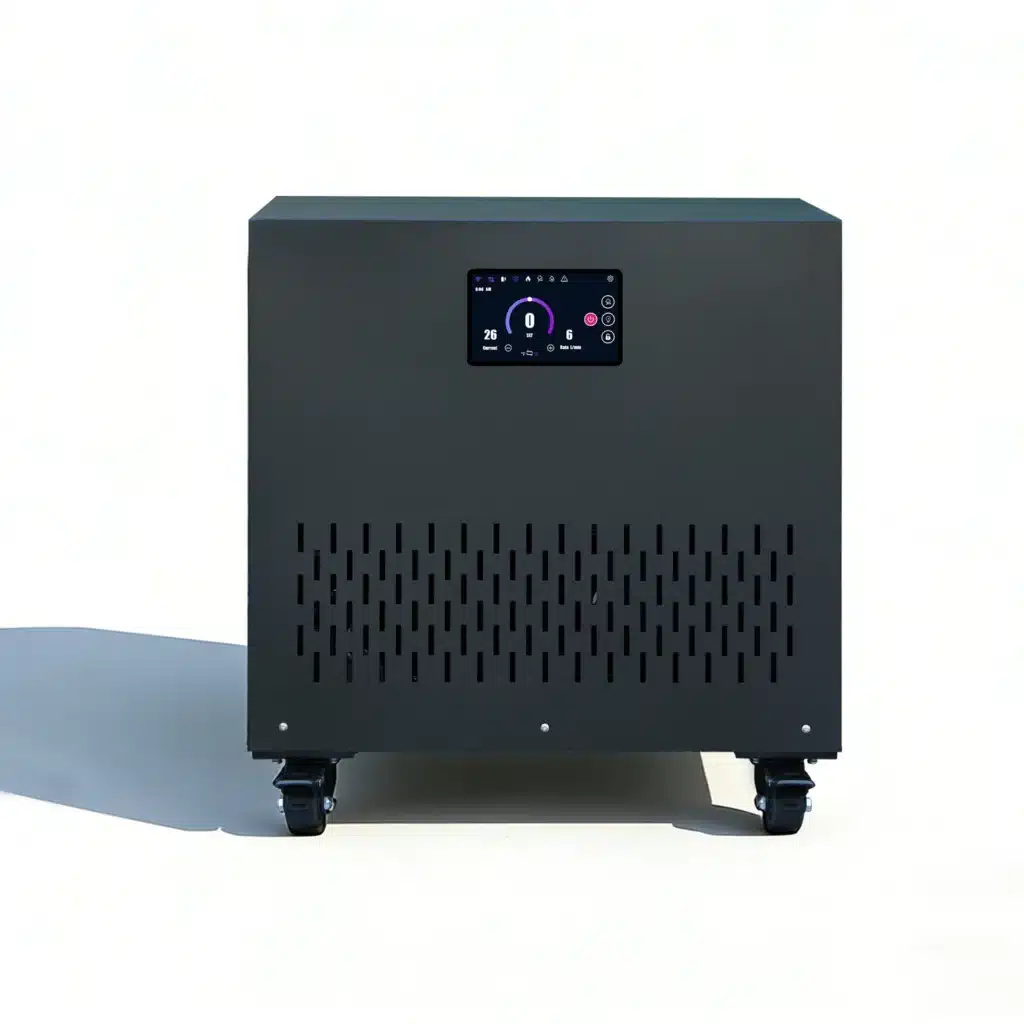
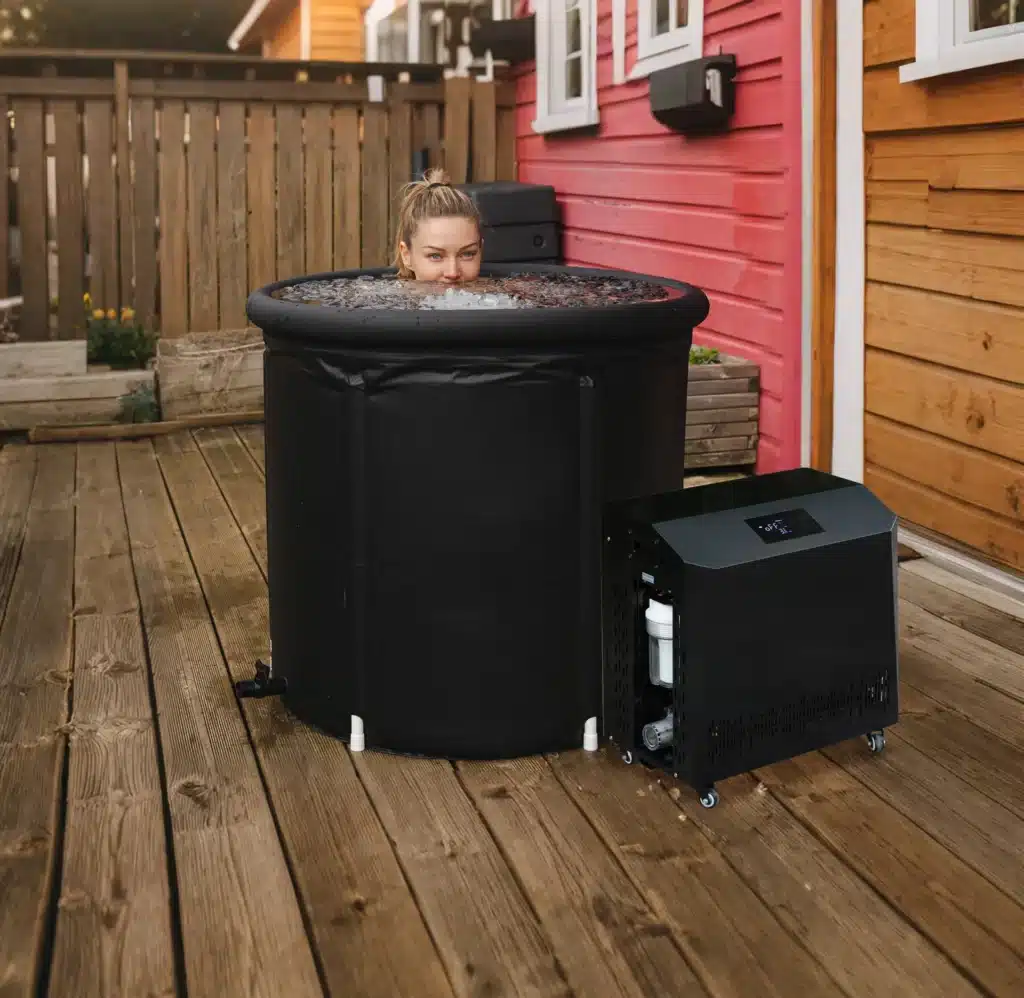
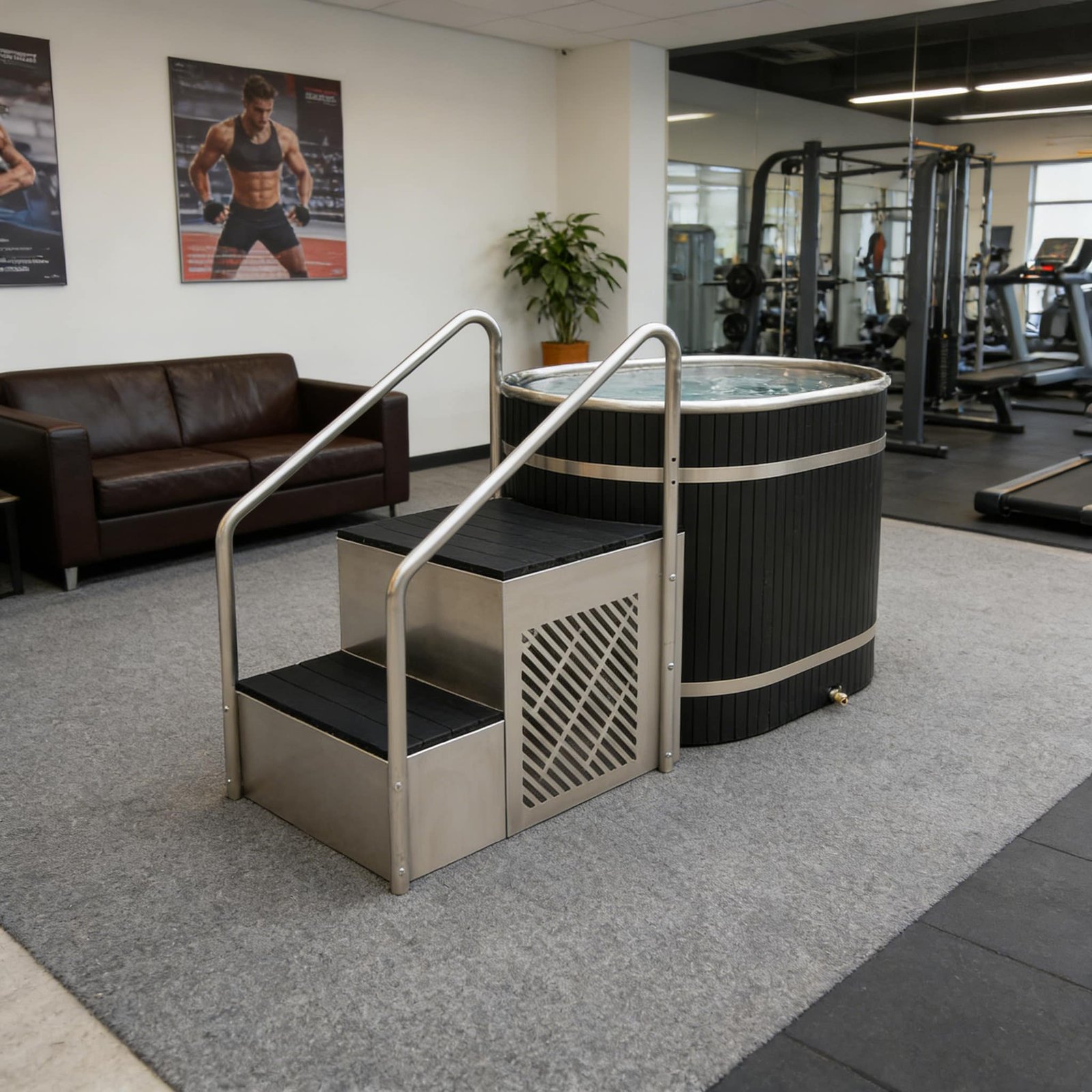
List the exact base model and every selected option. State usable water volume, tub material and finish, drain and water-loop connections, included chiller and electrical variant where applicable, controller version, accessories, cover, steps, hoses, filter and packaging. A private label cold plunge specification must be more precise than a catalogue screenshot.
For a branded tub aimed at a broad user-height range, add the cold plunge tub size fit record to sample approval so internal dimensions, posture and entry are tied to the exact model rather than an “XL” label.
Create a market-variant matrix. A single brand may need different voltage, frequency, plug or cable, labels, manuals and documentation by destination. Do not approve one generic label for all shipments unless qualified review confirms it. The 110V versus 220V chiller guide shows why voltage alone does not identify an electrical variant.
Identify what the project is not changing. If the brand requests a new heat exchanger, pump, controller, refrigerant circuit, structural tub change or performance duty, open an engineering review and move the affected requirements into the cold plunge OEM manufacturing process.
Control artwork, product names and marketing claims
Provide vector artwork, colour references, dimensions, clear space, placement and the approved application method. Review the logo on the real surface because colour, texture, curvature and manufacturing process can change the result. Sign a private label cold plunge artwork proof before the supplier repeats it across production.
Keep a claims register for the product page, carton, manual and sales material. Record each performance, material, safety, environmental and health statement with evidence and limitations. The U.S. Federal Trade Commission’s Health Products Compliance Guidance explains that health-related claims must be truthful, not misleading and adequately substantiated; implied claims and the overall impression matter too.
Do not inherit claims from the factory’s generic listing. A private label cold plunge brand is responsible for the statements it publishes. Avoid absolute terms such as “medical grade,” “guaranteed recovery,” “zero maintenance,” “universal certification” or a fixed cooling result without exact, relevant evidence.
Approve a branded sample or first article
The approval should cover more than logo appearance. Check exact model and variant, finish, labels, controller screen, fittings, accessories, manual revision, carton artwork, serial or lot fields and pack-out. If the sample is not production-like, record which private label cold plunge requirements remain unverified.
For a system with a chiller, define functional checks using actual water volume, starting and target temperatures, ambient condition, circulation and elapsed time. A result from another model or test setup is not automatically transferable. Use the factory acceptance test checklist for order-linked evidence.
Freeze the approved private label cold plunge sample with photos, signed deviations and file revisions. Production inspectors need that reference; a chat history of artwork changes is not a stable acceptance standard.
The nine-field golden sample approval record expands that reference beyond photographs by linking the branded unit to the BOM/configuration, labels, manuals, verification evidence, open deviations and production handoff.
Prepare destination documents and labels
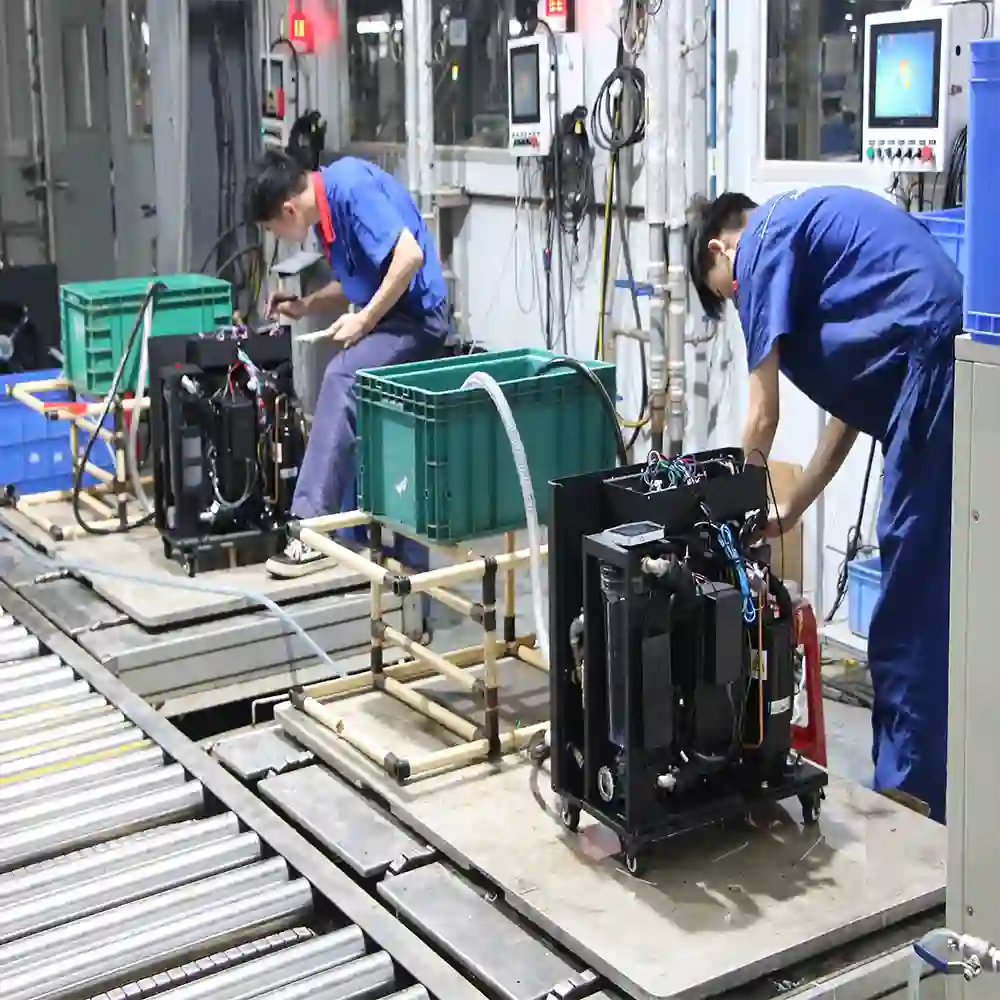
Determine which requirements apply to the actual product, intended use and market. The document package may include technical description, model and variant list, risk analysis, drawings, component evidence, verification results, labels, instructions, traceability and declarations where applicable. A private label cold plunge does not inherit destination acceptance because an unbranded version was sold elsewhere.
The European Commission’s general product compliance guidance outlines responsibilities for manufacturers, importers and distributors, including applicable requirements, conformity assessment where required, technical documentation, labels, instructions and traceability. Confirm the exact role of the brand and importer with qualified advisors.
For U.S. imports, using a customs broker does not transfer all importer responsibility. U.S. Customs and Border Protection states that the importer remains ultimately responsible for knowing and meeting applicable import requirements. Review the CBP customs broker guidance and engage the relevant specialists for classification and product requirements.
Control production quality and traceability
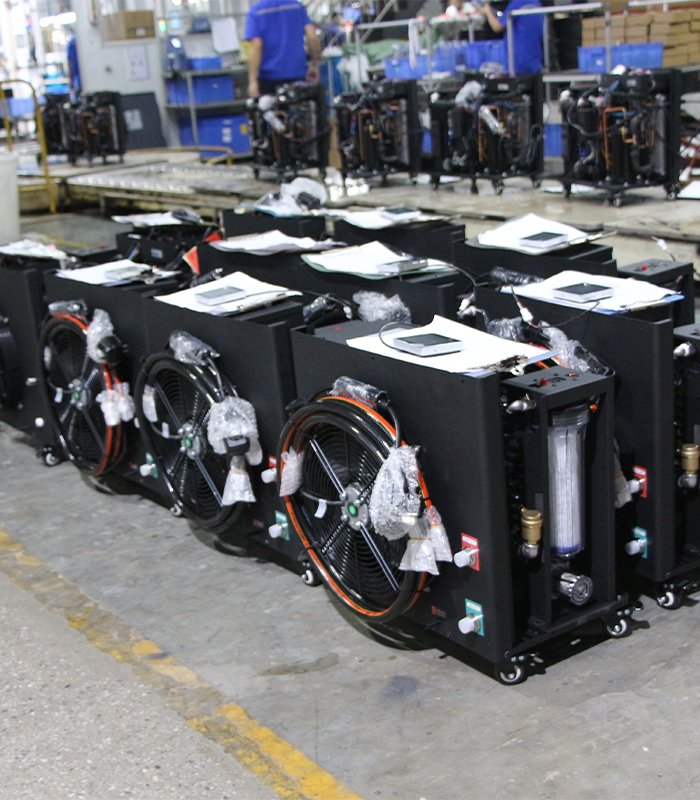
Define the lot, sampling rule, visual and dimensional criteria, functional checks, document review, packaging checks and deviation disposition. Inspect the private label cold plunge model and market variant actually shipping, not a demonstration unit from the showroom.
Require change notification for components, materials, controller or firmware, factories or key subcontractors, labels, manuals and packaging. A supplier may consider a substitution equivalent while the brand’s technical file or user instructions do not. Set which changes need approval and repeat validation before use.
The component-substitution review and revision-cutover guide provides a separate approval record when a proposed change affects an already accepted private-label build.
Preserve lot or serial identity through inspection, shipment and after-sales records. When a field issue is reported, the brand should be able to identify the affected private label cold plunge configuration, production lot, document revision and corrective action rather than guessing from purchase date.
Copyable private label cold plunge RFQ fields
BRAND OWNER / DESTINATION MARKETS: [ ]
BASE TUB / CHILLER MODEL AND OPTIONS: [ ]
INTENDED USE / USER / OPERATING ENVIRONMENT: [ ]
VOLTAGE / FREQUENCY / PLUG OR CABLE VARIANTS: [ ]
LOGO FILE / METHOD / SIZE / POSITION / COLOUR: [ ]
PRODUCT NAME / MODEL NAME / TRADEMARK APPROVAL: [ ]
LABELS / WARNINGS / CONTACT / TRACEABILITY: [ ]
MANUAL / QUICK START / LANGUAGES: [ ]
RETAIL / EXPORT PACKAGING AND INSERTS: [ ]
APPROVED CLAIMS AND SUPPORTING EVIDENCE: [ ]
SAMPLE / FIRST ARTICLE ACCEPTANCE: [ ]
PRODUCTION INSPECTION / SAMPLING / DEVIATIONS: [ ]
CHANGE NOTIFICATION / SPARES / AFTER-SALES: [ ]
QUANTITY / CURRENCY / VALIDITY / DELIVERY BASIS: [ ]
Send the completed private label cold plunge brief through OEM and private-label cold plunge solutions. Ask the supplier to return a platform-and-options matrix, open points and approval sequence.
Private label cold plunge FAQ
Is private label the same as OEM?
Not necessarily. Private label generally uses an existing product platform with branding and packaging changes. OEM involves buyer-defined product requirements or engineering responsibility beyond the standard platform.
What is a normal private-label MOQ?
There is no universal quantity. It depends on the platform, selected options, branding method, custom packaging, component commitments and commercial plan. Request dated quantity breaks tied to one frozen scope.
Can the supplier provide all compliance documents?
The supplier can provide agreed evidence, but the buyer must identify destination requirements and verify model and variant coverage. Contractual roles do not erase legal responsibilities that apply to the brand or importer.
Should branding be approved only on a digital proof?
A digital proof is useful, but a physical first article shows how colour, texture, curvature and the manufacturing method affect the result. Record both approvals when appearance matters.
What should be inspected before shipment?
Verify exact product and variant, appearance, branding, labels, controller and functional checks where agreed, documents, accessories, traceability fields, carton or crate, pack-out and approved deviations.