A cold plunge for med spa use should be approved as a facility and claims-governance project—not sold as an automatic add-on to a medical or aesthetic procedure. Define the intended service, user screening and supervision owner, water-management plan, local regulatory review, equipment duty, room interfaces, accessibility, staff training and marketing-claim boundary before requesting a quotation.
This guide covers procurement and operational questions. It does not recommend cold-water immersion for any medical condition, provide post-procedure instructions, or establish that a cold plunge is a medical device. Those decisions depend on intended use, claims, jurisdiction and qualified clinical and regulatory review. For rehabilitation or PT procurement, keep the decision inside physical-therapy clinic equipment planning rather than a med-spa claims workflow.
Table of Contents
Med spa cold plunge checklist
Cold plunge for med spa: quick answer
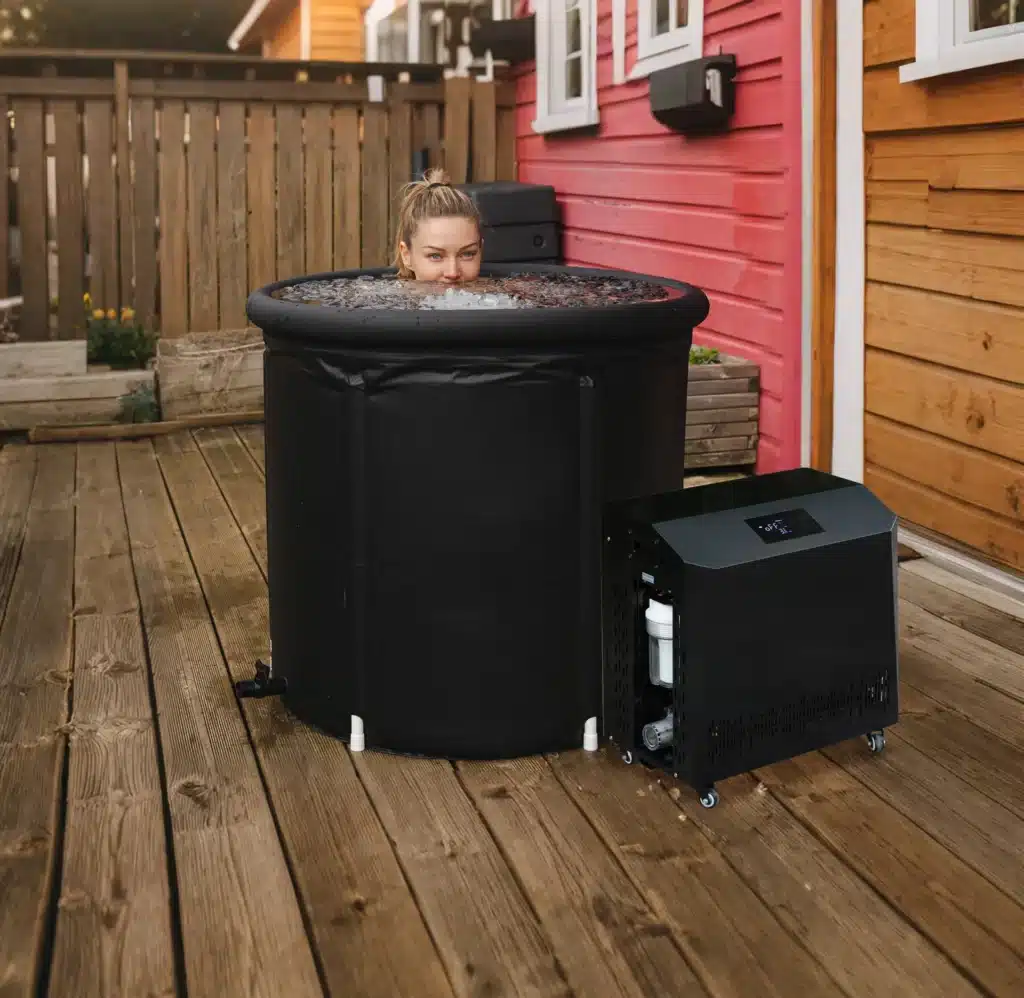
The best cold plunge for med spa operations is the configuration that the business can lawfully describe, safely supervise, maintain and document. Every cold plunge for med spa project should start with the service definition and local review, then match the tub, chiller, water loop, electrical variant and room layout to the real user pattern. Do not start with an unsupported revenue figure or treatment protocol.
A med spa combines consumer wellness, clinical proximity and marketing risk. Even when the plunge is offered as a general wellness amenity, the surrounding treatment menu and practitioner language can change the message a consumer receives. Keep equipment specifications, clinical decisions and advertising approval as three separate workstreams with named owners.
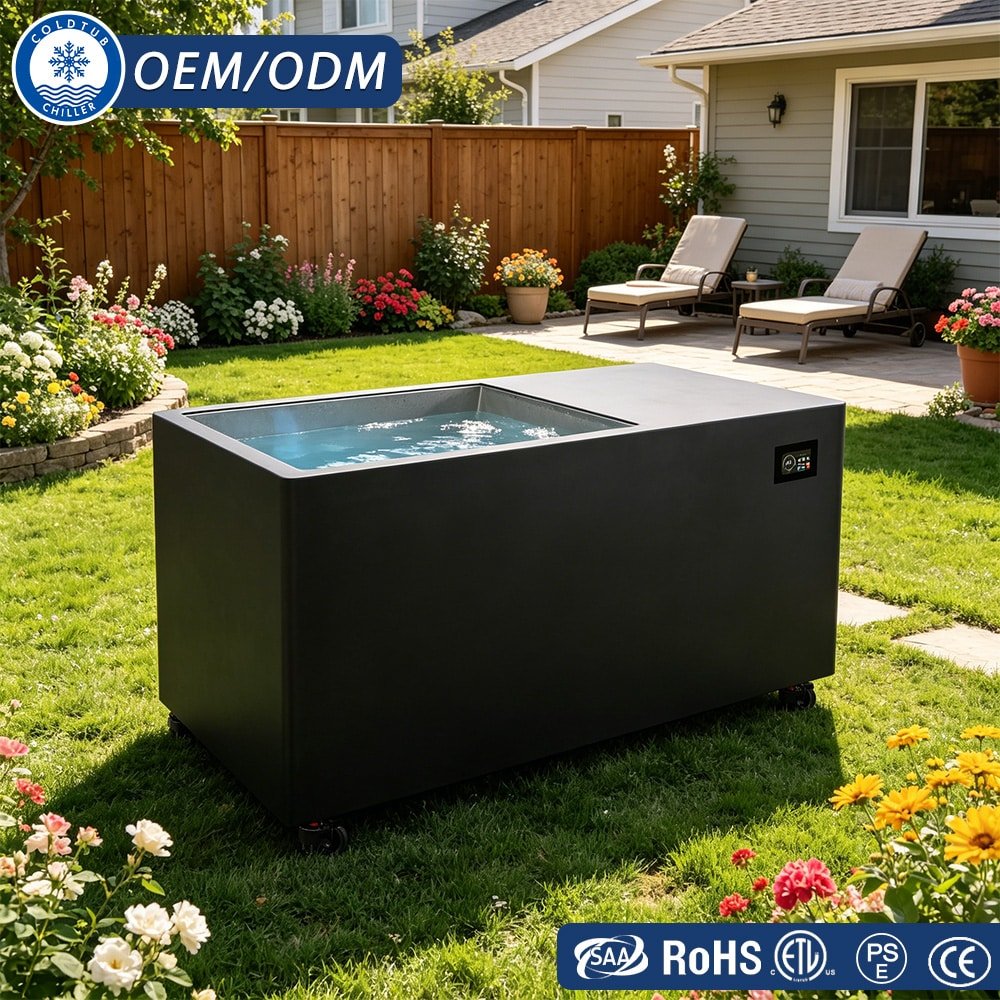
12 critical cold plunge for med spa approval checks
| Check | Question to resolve | Owner or evidence |
|---|---|---|
| 1. Intended use | General wellness amenity, supervised service or claimed treatment? | Written service definition and regulatory review |
| 2. Claims | What will staff, signage, website and consent materials say? | Approved claims file with substantiation |
| 3. User pathway | How are eligibility, contraindications and consent handled? | Qualified clinical/legal policy owner |
| 4. Supervision | Who observes use and responds to distress? | Staffing and emergency procedure |
| 5. Water volume | What is the measured operating fill? | Model-specific tub record |
| 6. Use pattern | Typical and peak sessions per hour/day? | Cooling and water-care duty |
| 7. Water management | Who tests, cleans, treats, records and closes the venue? | Operating procedure and local rules |
| 8. Electrical and room | What wet-area, circuit, drainage and ventilation work applies? | Qualified destination-site design |
| 9. Accessibility | Can intended users reach, enter and exit the tub safely? | Applicable design review |
| 10. Data and controls | Does an app collect user, account or location data? | Privacy, cybersecurity and support review |
| 11. Maintenance | Who services filters, water loop and refrigeration? | Tasks, spares and escalation route |
| 12. Acceptance | What must be verified before opening? | Commissioning and signed handover |
Unknown cold plunge for med spa answers should remain marked as unknown. A sales representative should not silently decide a medical, legal, water-treatment or building requirement. Turn each unresolved item into an action and approver before purchase.
Define cold plunge for med spa intended use before benefits
“General wellness,” “recovery,” “treatment” and “post-procedure care” are not interchangeable labels. The U.S. Food and Drug Administration’s General Wellness guidance explains the agency’s policy for certain low-risk products intended to support a healthy lifestyle and unrelated to diagnosis, cure, mitigation, prevention or treatment of disease. The guidance does not prove that a specific product is safe or effective.
The U.S. Federal Trade Commission’s Health Products Compliance Guidance states that health-related advertising must be truthful, not misleading and adequately substantiated. Review the full net impression: headlines, imagery, practitioner testimonials, before-and-after narratives and placement next to aesthetic procedures can imply claims even when an individual sentence is carefully worded.
Create a cold plunge for med spa claims register. For every proposed statement, record the exact wording, channel, audience, implied meaning, supporting evidence, limitations, reviewer and approval date. Remove claims that cannot survive that review. A disclaimer beneath an aggressive headline does not automatically correct the overall impression.
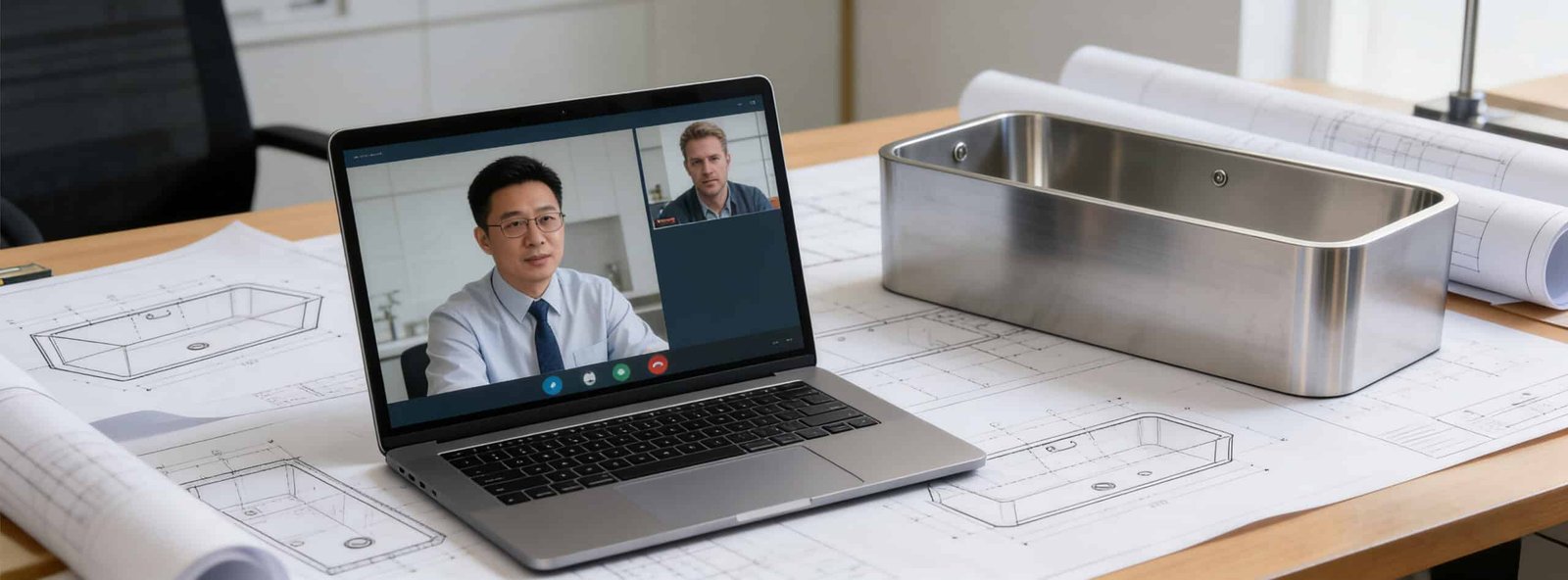
Match cold plunge for med spa equipment to facility duty
Define usable water volume, starting and target temperature range, indoor or outdoor conditions, tub insulation, opening hours, peak sessions and recovery time between users. A cold plunge for med spa use may be lightly scheduled or may operate continuously beside other services. Those patterns require different cooling and maintenance assumptions.
Ask for the exact chiller model and electrical variant, not only horsepower. The supplier’s performance evidence should identify water volume, starting and ending temperatures, ambient condition, elapsed time, cover state, circulation arrangement and measurement method. The commercial cold plunge chiller checklist provides a complete load profile.
Coordinate cold plunge for med spa airflow, noise, condensate, drainage and service access with the room design. Do not hide the chiller in cabinetry unless the installation meets the model’s clearance and ventilation limits. Confirm how technicians will reach filters, valves, panels and the unit itself without crossing an occupied treatment path.
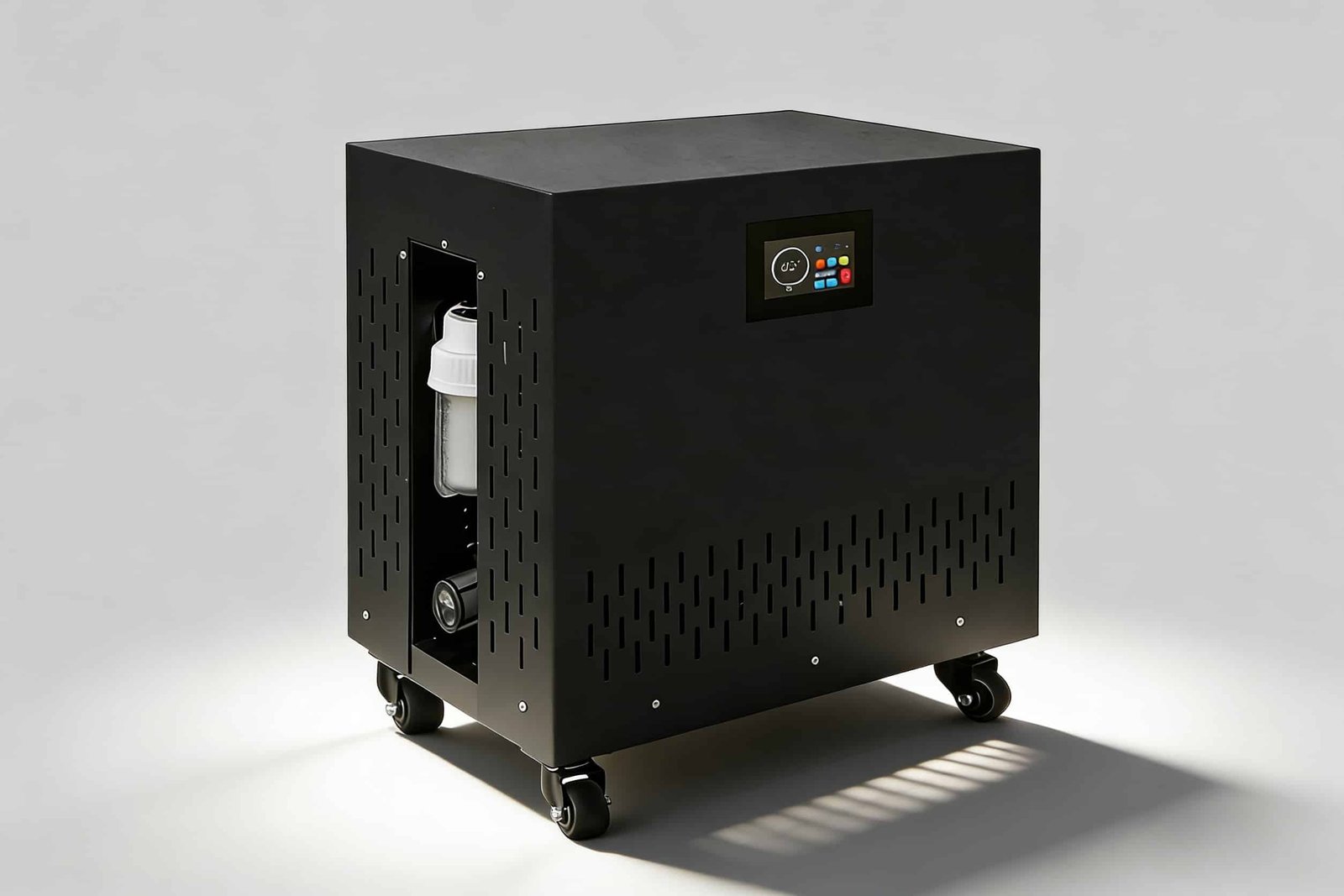
Build a cold plunge for med spa water-management procedure
Multi-user water creates operational responsibilities that are separate from refrigeration. Define filtration, treatment where applicable, testing, cleaning, water replacement, record retention and closure thresholds. A filter removes particles; it does not by itself establish that the water is safe.
The U.S. Centers for Disease Control and Prevention describes the Model Aquatic Health Code as guidance for public aquatic venues that jurisdictions may adopt or modify. Whether and how it applies to a med spa cold plunge is a local determination. Use it as a source for questions, not as a supplier-issued compliance badge.
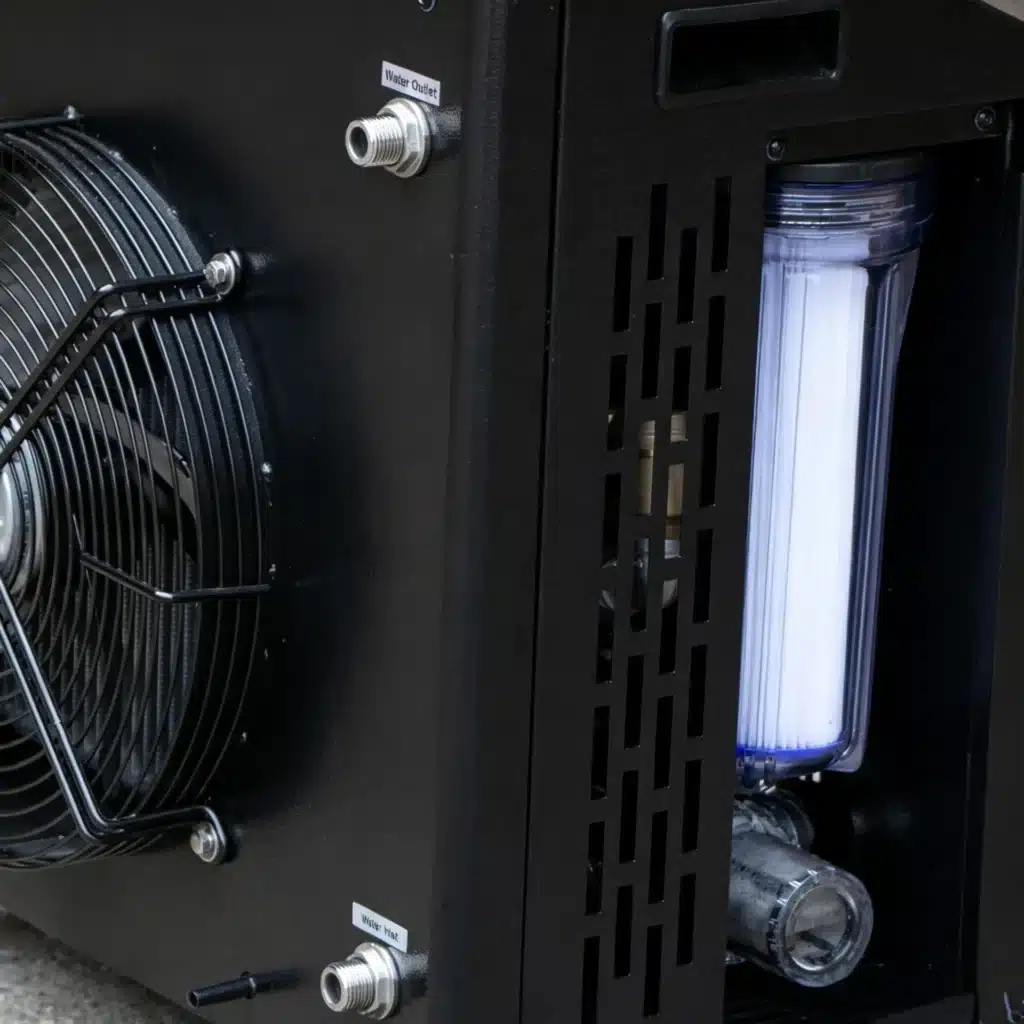
Map the complete cold plunge for med spa loop: tub outlets and returns, pump, mechanical filter, optional treatment components, hoses or pipes, valves, drains and controls. Record baseline flow or pressure during commissioning. The cold plunge chiller filter system guide separates each component’s role and maintenance boundary.
Assign cold plunge for med spa screening and supervision
Cold-water immersion is not risk-free. A systematic review on the cold-shock response describes rapid breathing and cardiovascular responses that can affect safety. The research is available through PubMed. That does not create a universal contraindication list or a protocol for a particular med spa; it supports the need for qualified policy, screening and supervision decisions.
Write who can authorize the cold plunge for med spa service, who answers health questions, who observes use, what stops a session, how a person exits, and how staff summon help. Make the route executable with the actual room layout and staffing level. Do not let equipment marketing become the clinical protocol.
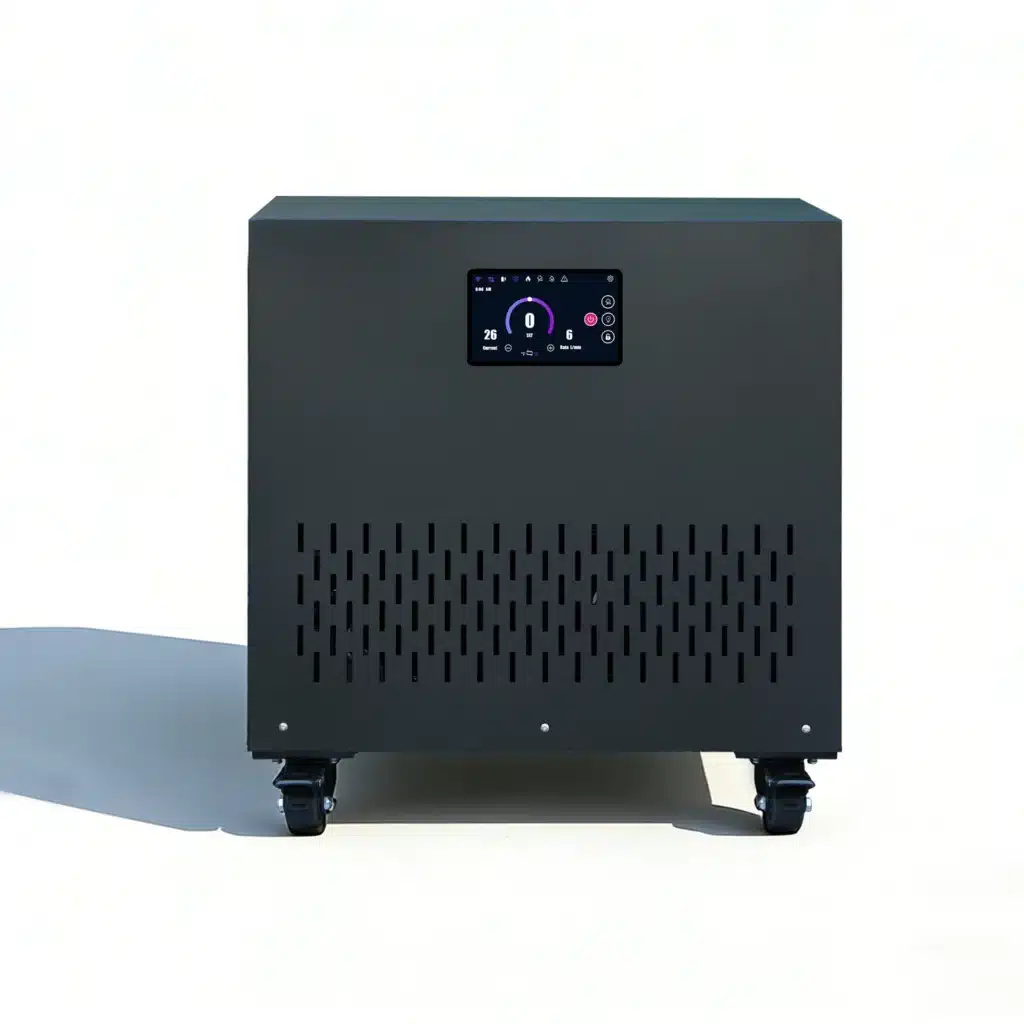
Keep guest-facing controls simple and bounded. Protect administrator settings, prevent unauthorized changes and document the approved operating range. If remote or app controls are used, identify account ownership, update support, permissions, data handling and fallback operation. These are procurement requirements, not optional IT details.
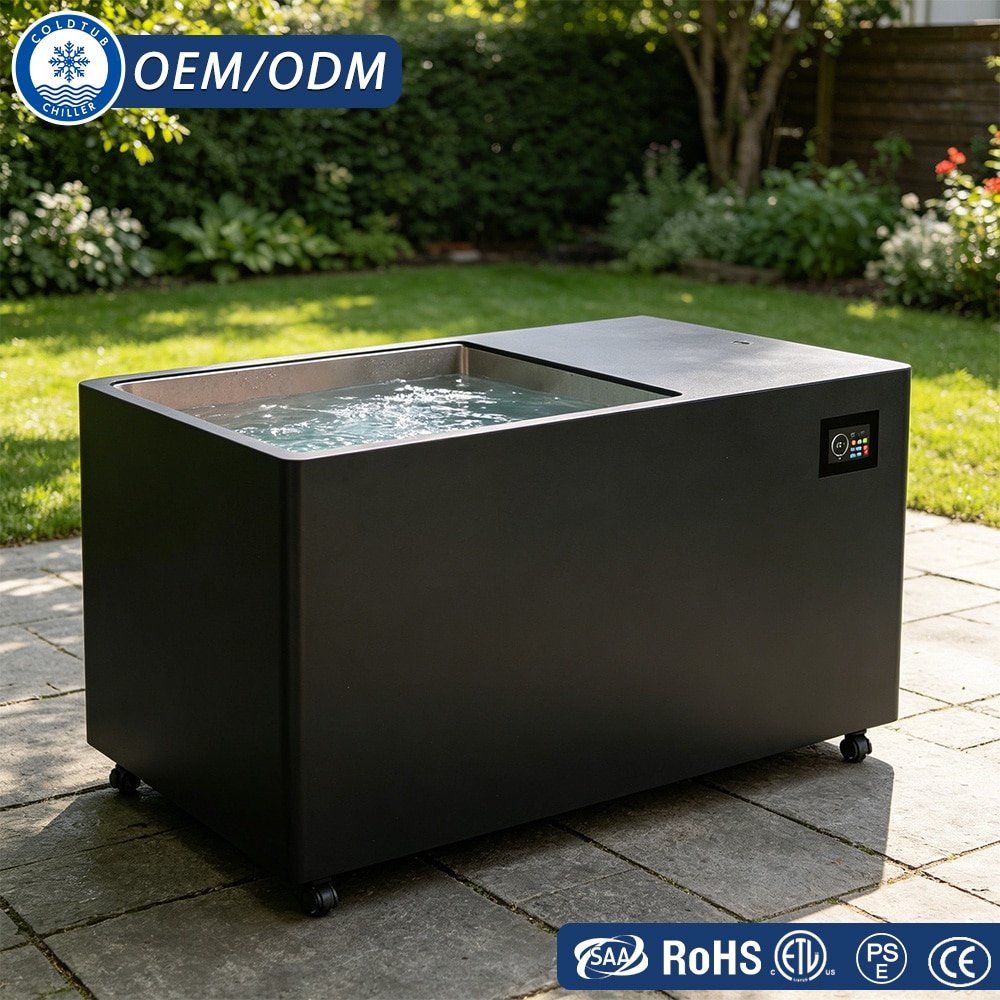
Cold plunge for med spa supplier evidence
- Exact tub, chiller, pump, filter, controller and optional-component models.
- Datasheet and nameplate fields for the destination electrical variant.
- Usable water volume, connection diagram and required flow.
- Operating envelope, ventilation and service-clearance requirements.
- Cooling record with all relevant test conditions and measurement points.
- Wetted-material description for the actual configuration.
- Included, optional and excluded water-care equipment.
- Controller functions, limits, account model and support lifecycle if connected.
- Maintenance tasks, consumables, spare parts and fault-escalation route.
- Requested certificates or reports identified by model coverage, issuer and revision.
- Factory-acceptance, pre-shipment, packaging and commissioning records.
Use the factory acceptance test to connect performance evidence to the order. Use the pre-shipment inspection checklist to verify identity, visible condition, documents, accessories and packing. Local regulatory acceptance remains the buyer’s responsibility.
Copyable cold plunge for med spa RFQ fields
INTENDED SERVICE / CLAIM BOUNDARY: [ ]
DESTINATION COUNTRY / CITY: [ ]
LOCAL REGULATORY REVIEW OWNER: [ ]
INDOOR / OUTDOOR LOCATION: [ ]
USABLE WATER VOLUME: [ ]
STARTING / OPERATING TEMPERATURE RANGE: [ ]
TYPICAL / PEAK SESSIONS PER HOUR: [ ]
SUPERVISION AND ACCESS REQUIREMENTS: [ ]
WATER-MANAGEMENT RESPONSIBILITY: [ ]
VERIFIED VOLTAGE / FREQUENCY: [ ]
ROOM, DRAINAGE, AIRFLOW AND ACOUSTIC LIMITS: [ ]
CONTROL / APP / DATA REQUIREMENTS: [ ]
DOCUMENTS, TESTS AND PACKING REQUIRED: [ ]
COMMISSIONING / TRAINING / SERVICE SCOPE: [ ]
For a matched cold plunge for med spa tub, chiller, branding and documentation project, submit the completed fields through OEM cold plunge chiller solutions. Ask for a written assumptions-and-exclusions response rather than a treatment or revenue promise.
Cold plunge for med spa FAQ
Is a cold plunge a medical device?
The answer depends on the product, intended use, claims and applicable jurisdiction. A supplier should not make that determination from the buyer’s industry label alone. Obtain qualified regulatory review for the exact use and market.
Can a med spa promote cold plunge after aesthetic procedures?
Do not infer compatibility or benefit. Any post-procedure use and related advertising should be approved by the qualified clinical and regulatory owners for the exact procedure, population and product.
Does filtration make shared cold-plunge water safe?
No. Mechanical filtration is only one function in a complete water-management system. Treatment, testing, cleaning, replacement and local operating rules require separate decisions.
How should a med spa compare chiller capacity?
Compare performance at the actual water volume, starting and target range, ambient condition, user pattern, circulation layout and allowed recovery time. Do not compare horsepower labels without model-specific test conditions.
What must be finished before opening the service?
Complete regulatory and claims review, installed-system commissioning, water-management and maintenance procedures, user-screening and supervision policy, staff training, accessibility and emergency planning, and a signed responsibility handoff.