


Water volume
Tub plus connected pipework.
Recovery equipment manufacturing for global B2B buyers
CHILLER COLLECTION / THREE OPERATING ROUTES
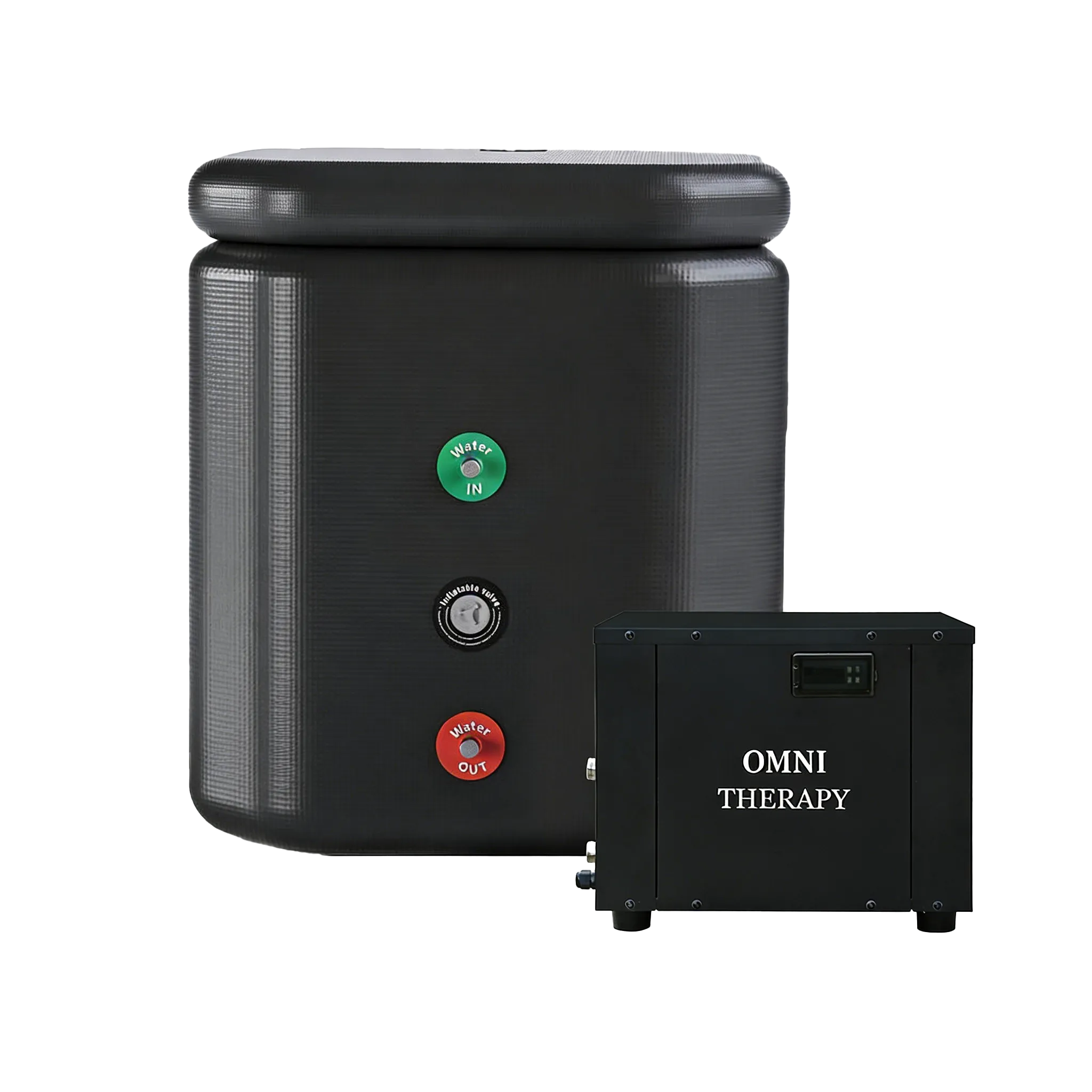
Use this cold plunge chiller manufacturer page to compare the complete OMNI Ice chiller catalogue in four clear families: 0.5–0.8HP essential models, 1HP smart all-in-one systems, 0°C deep-freeze machines, and a secondary range for compact pool projects.

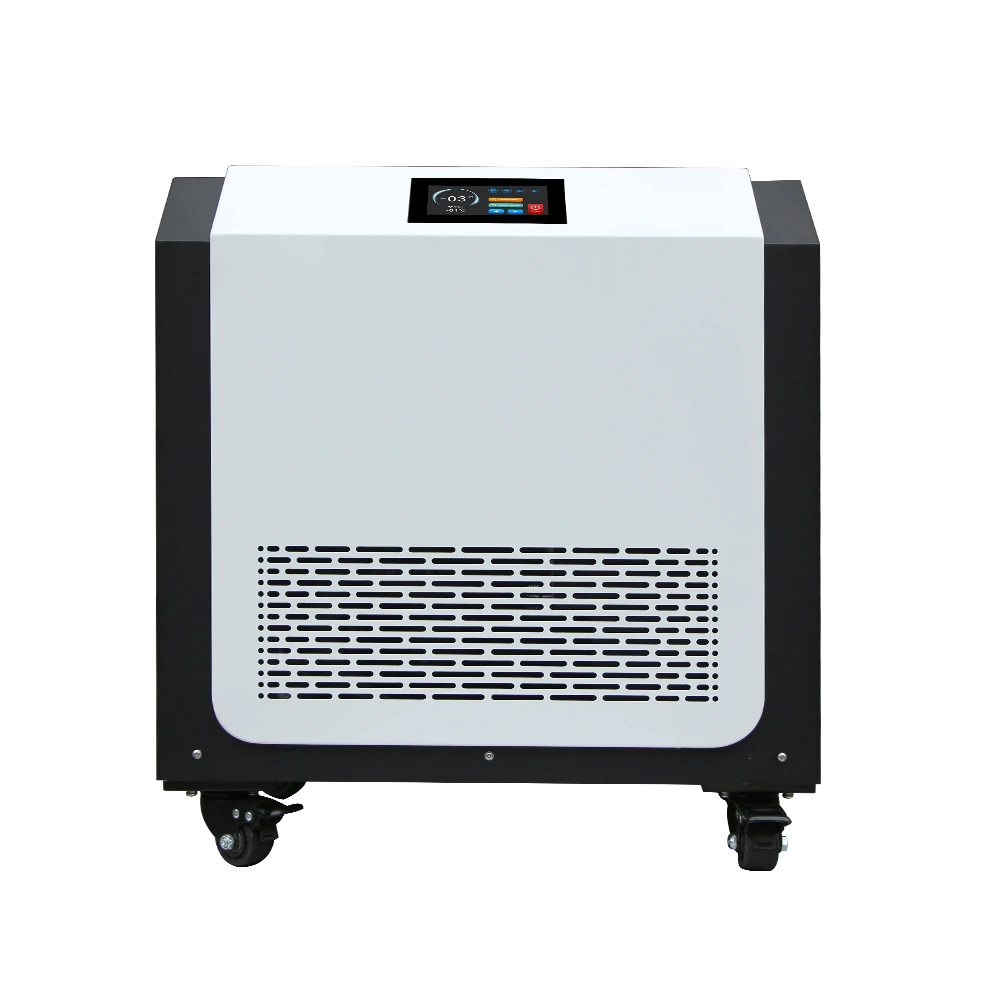
ROUTE BEFORE MODEL
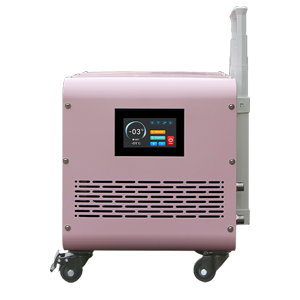
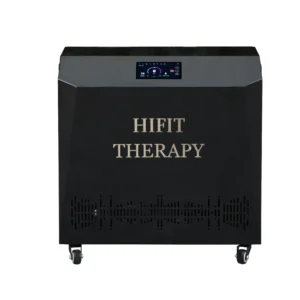
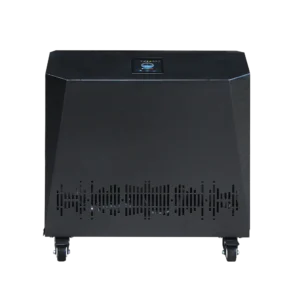
These three published routes separate everyday cooling, connected operation and deep-freeze requirements before a model is shortlisted. Choose the product family that matches the intended use.
01 / EVERYDAY ROUTEFor buyers who need straightforward water cooling and simpler controls. Included pump, filtration and heating still depend on the exact SKU.
Open route ↗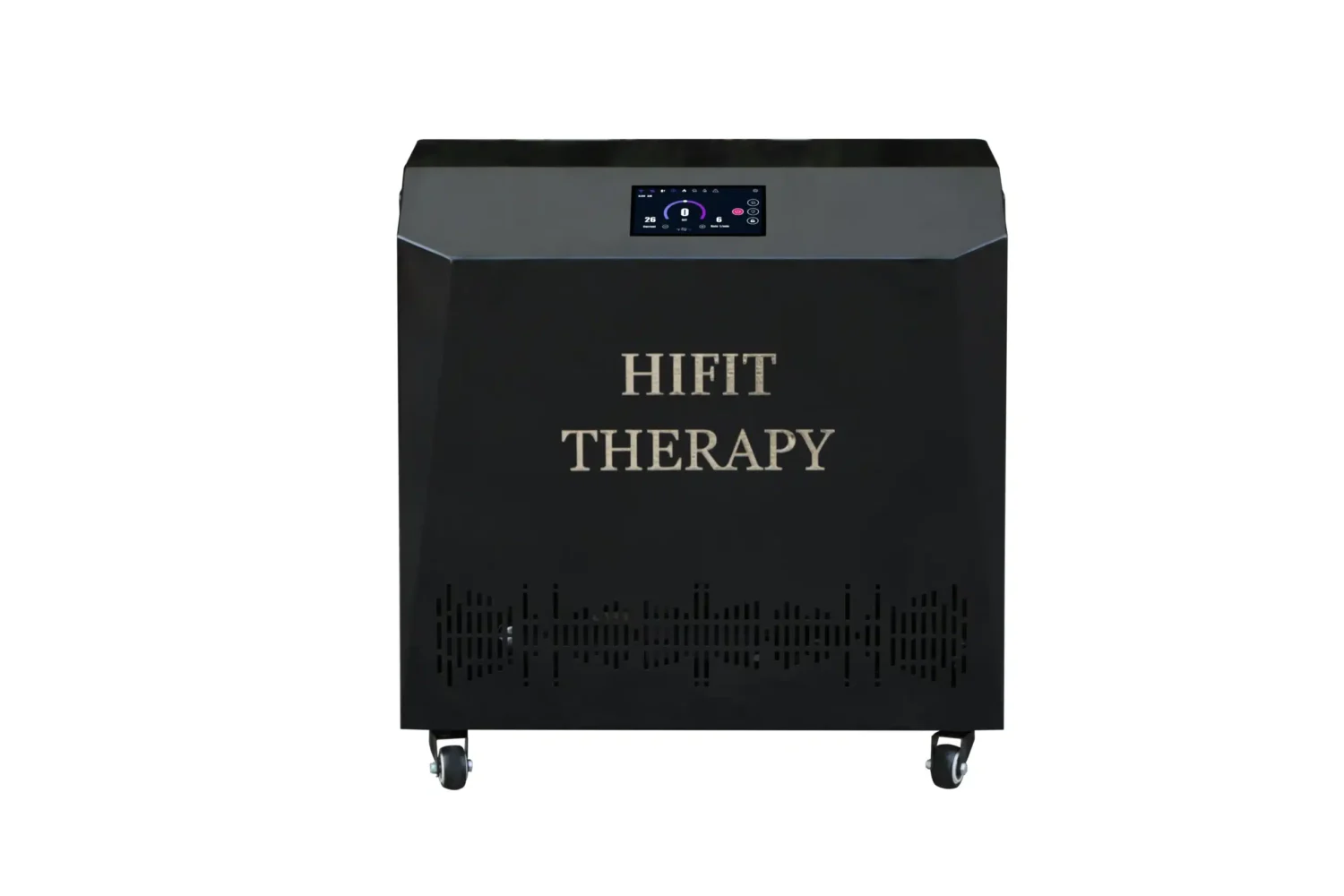 02 / CONNECTED ROUTE
For buyers who need scheduled operation or remote adjustment. Wi-Fi, app control, heating, ozone and filtration are model-level features, not blanket category claims.
Open route ↗03 / DEEP-FREEZE ROUTEFor low-temperature projects, review the complete test conditions: water volume, ambient, start point, target, run time, insulation and flow.
Open route ↗Essential, smart-controlled and deep-freeze models serve different operating requirements. Use the relevant family page for its specifications and selection requirements.
SYSTEM MATCHING
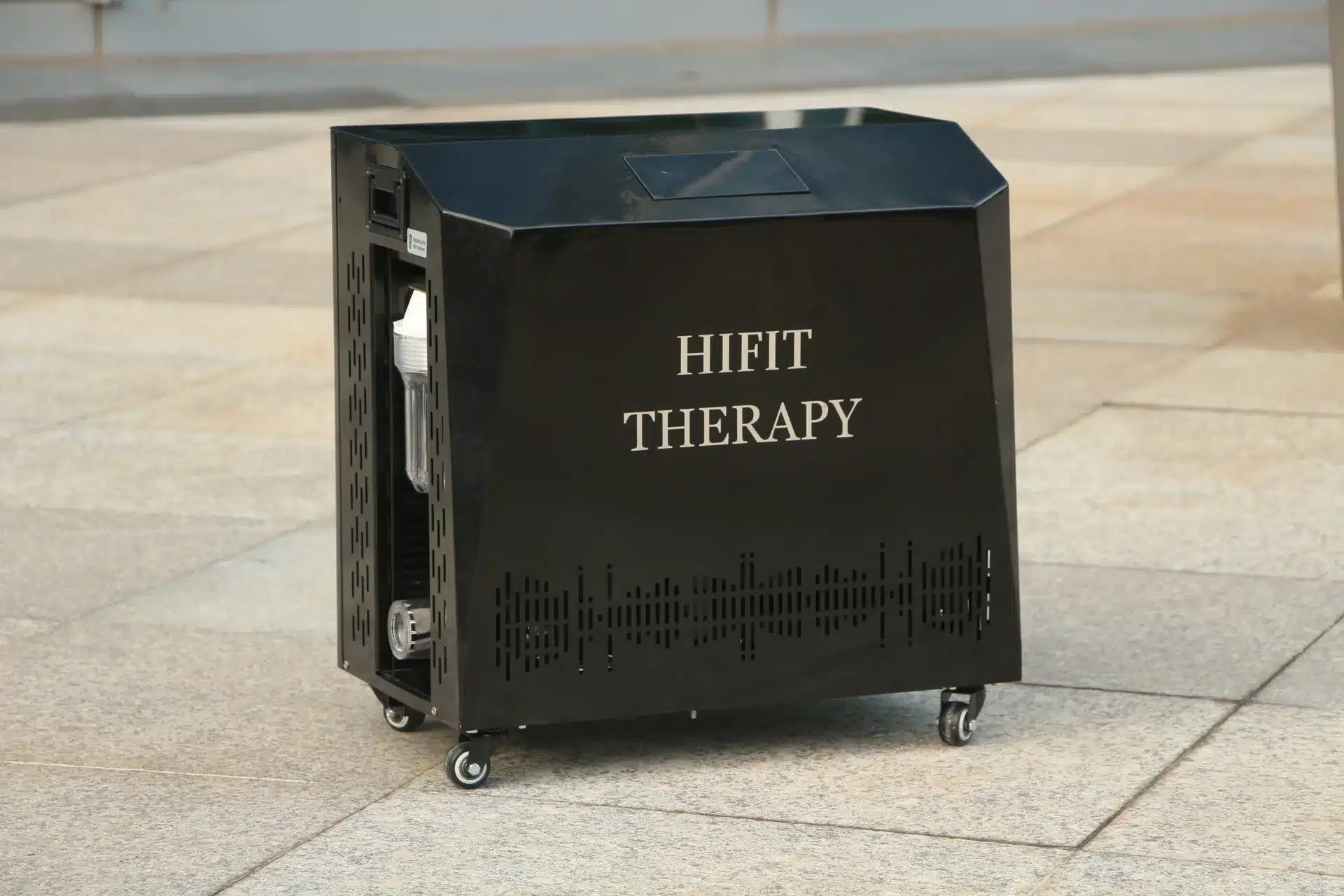
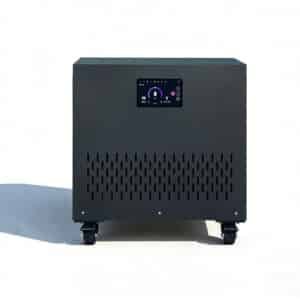
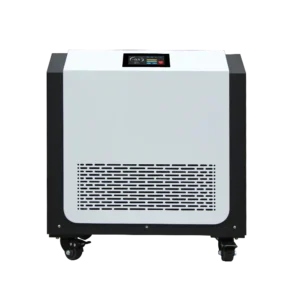
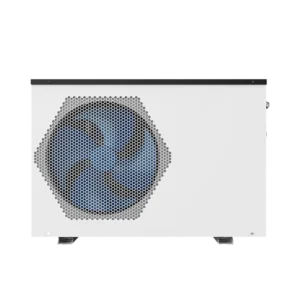
Review the chiller together with the tub, water-care system, controls and operating conditions. These three real component views show what must be confirmed beyond the front-panel photo.
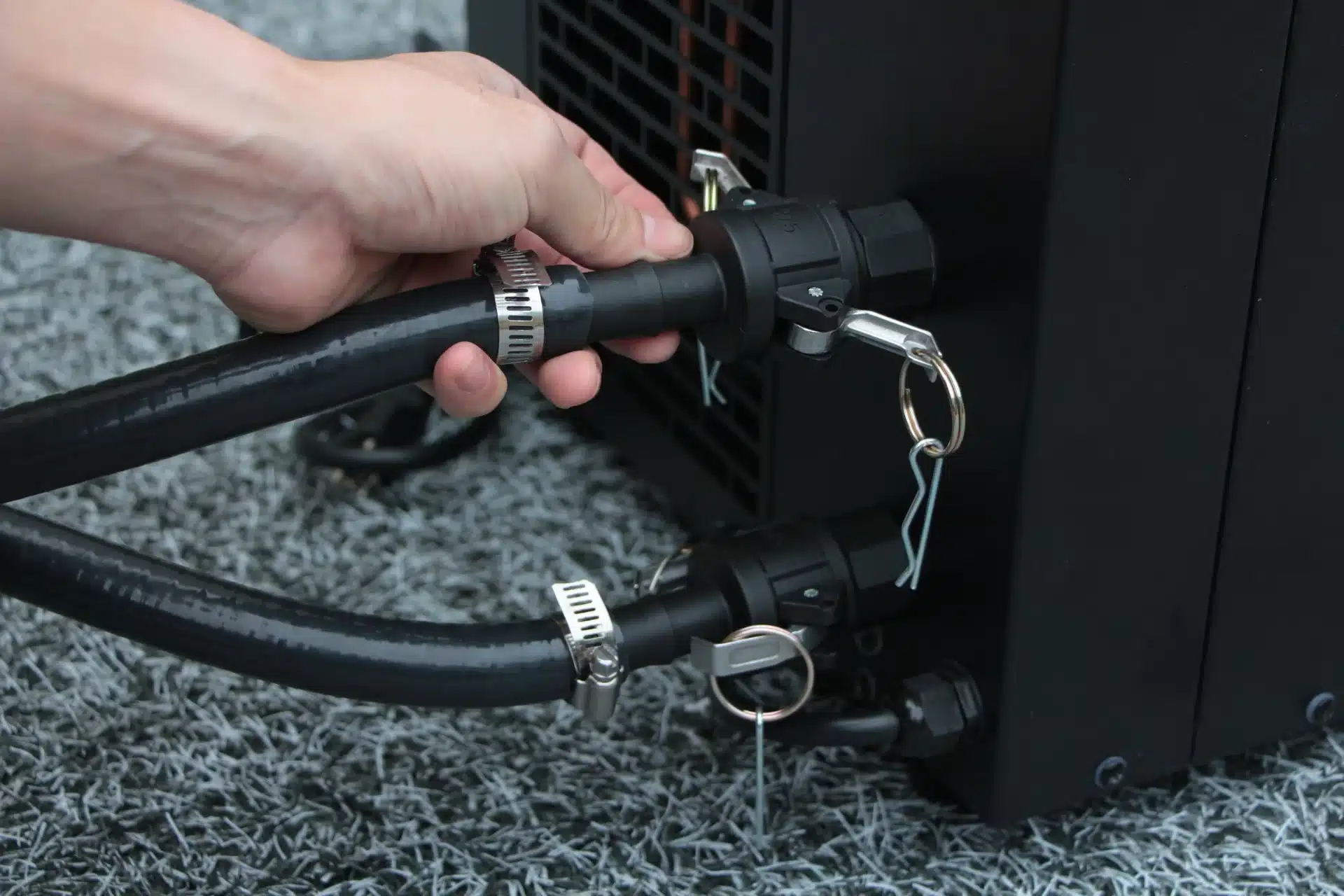
Confirm port size, hose route, lift and the components supplied with the selected model.
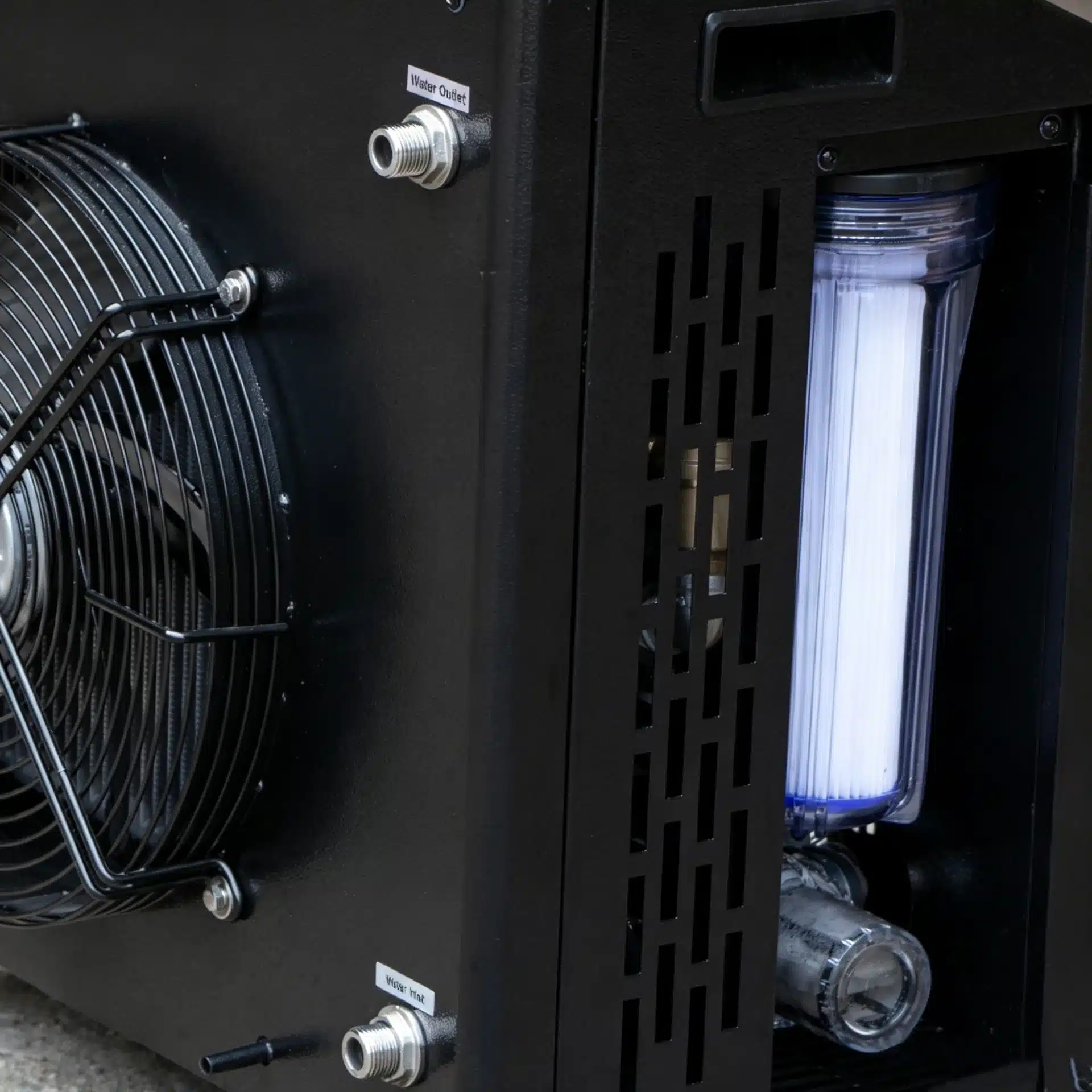
Match filtration, pump and ozone functions to the actual SKU and maintenance routine.
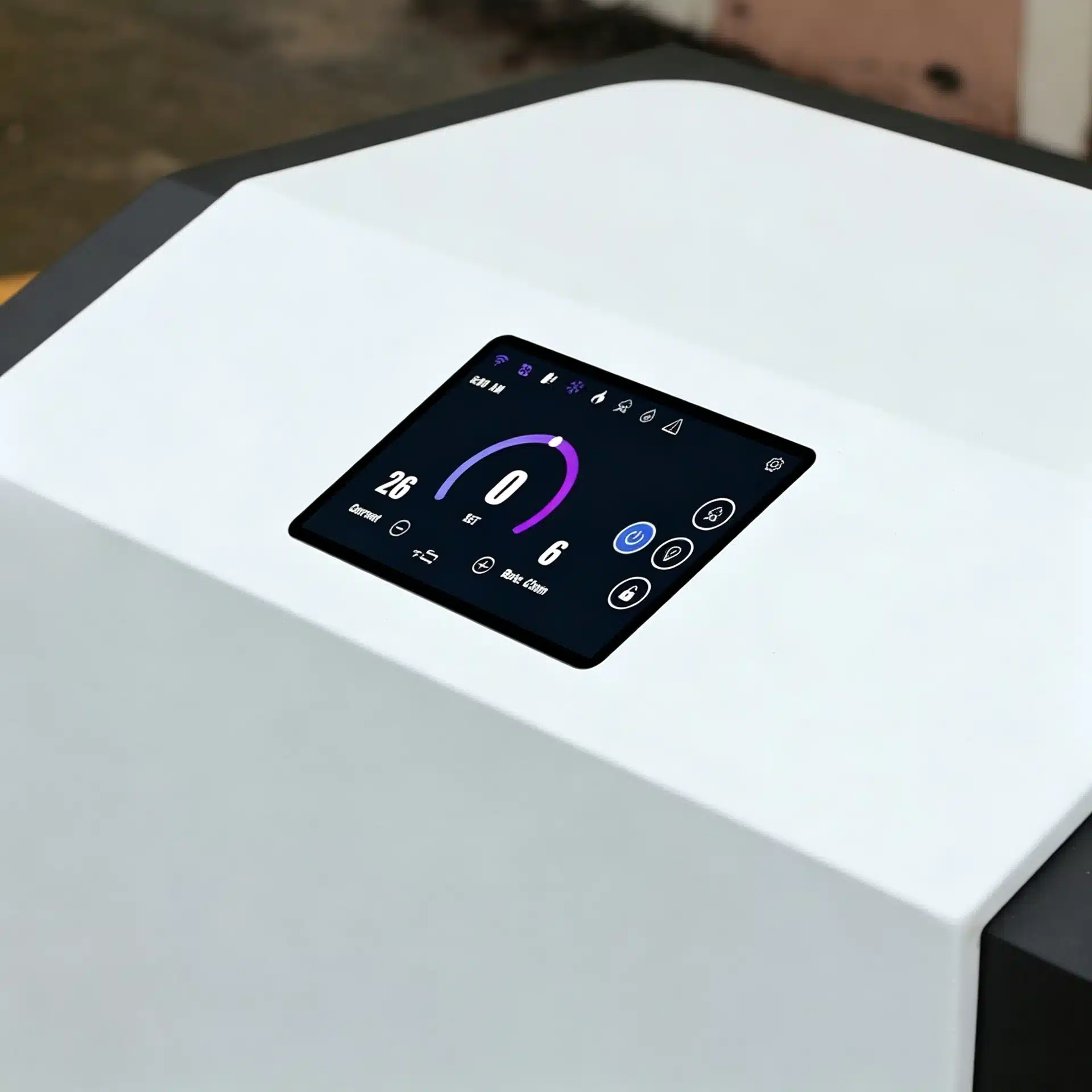
Check the local panel, scheduling, connectivity and low-temperature control route by model.
SIX PROJECT INPUTS
These inputs narrow the route before an exact model is approved.
Tub plus connected pipework.
Starting and operating temperature.
Indoor/outdoor and exposure.
Pull-down time and daily duty.
Hoses, pump, filter and cover.
Voltage, frequency and destination.
Tub water volume, start temperature, target, ambient and allowed pull-down time.
A written performance condition for the exact model—not an isolated setpoint.
A temperature promise with no litres, ambient or test duration.
Ports, hose length, lift, pump curve, filter, flow protection and pressure loss.
A loop diagram showing supplied and site-provided components.
Assuming nominal pump flow remains unchanged after installation.
Insulation, cover, sun exposure, ventilation and heat rejected into the room.
Placement clearance and ambient operating guidance.
Sizing while ignoring the tub, cover and enclosure.
Local panel, schedules, app access, heating and water-care functions by SKU.
The current feature list and what works without Wi-Fi.
Transferring one model's smart functions to the whole range.
Voltage, frequency, plug, circuit, protection and destination-market requirements.
Nameplate data and model-specific documents before shipment.
Choosing by plug shape while overlooking current draw and installation.
Drawings, current datasheet, agreed test condition, inspection points and packaging.
Evidence linked to the quoted model, variant and order scope.
Generic certificates or videos without product traceability.
Compressor/control direction, heat-exchanger arrangement, fan path and model envelope.
A current system description plus ventilation and service clearances.
Treating different cabinet or compressor platforms as cosmetic variants.
Exact refrigerant, service context and destination-market responsibilities.
Model nameplate information and a qualified local service plan where required.
Using one refrigerant statement for every market and production period.
Operating mode, measurement distance, mounting, airflow and occupied spaces.
A model-specific measurement condition and site mitigation plan.
Publishing one sound number with no mode, distance or ambient context.
Approved components, substitutions, firmware, artwork and acceptance points.
A signed specification revision and a process for communicating changes.
Relying on a sample photo while the controlled specification remains undefined.
Model-level boundary. Final cooling performance, refrigerant, controls and supplied water-loop components must be confirmed against the named model, variant and documented test condition.
REAL FACTORY EVIDENCE
Assembly, refrigeration-line and packout views help buyers connect a quotation to the way a unit is built, checked and prepared. Review these three areas with the supplier.
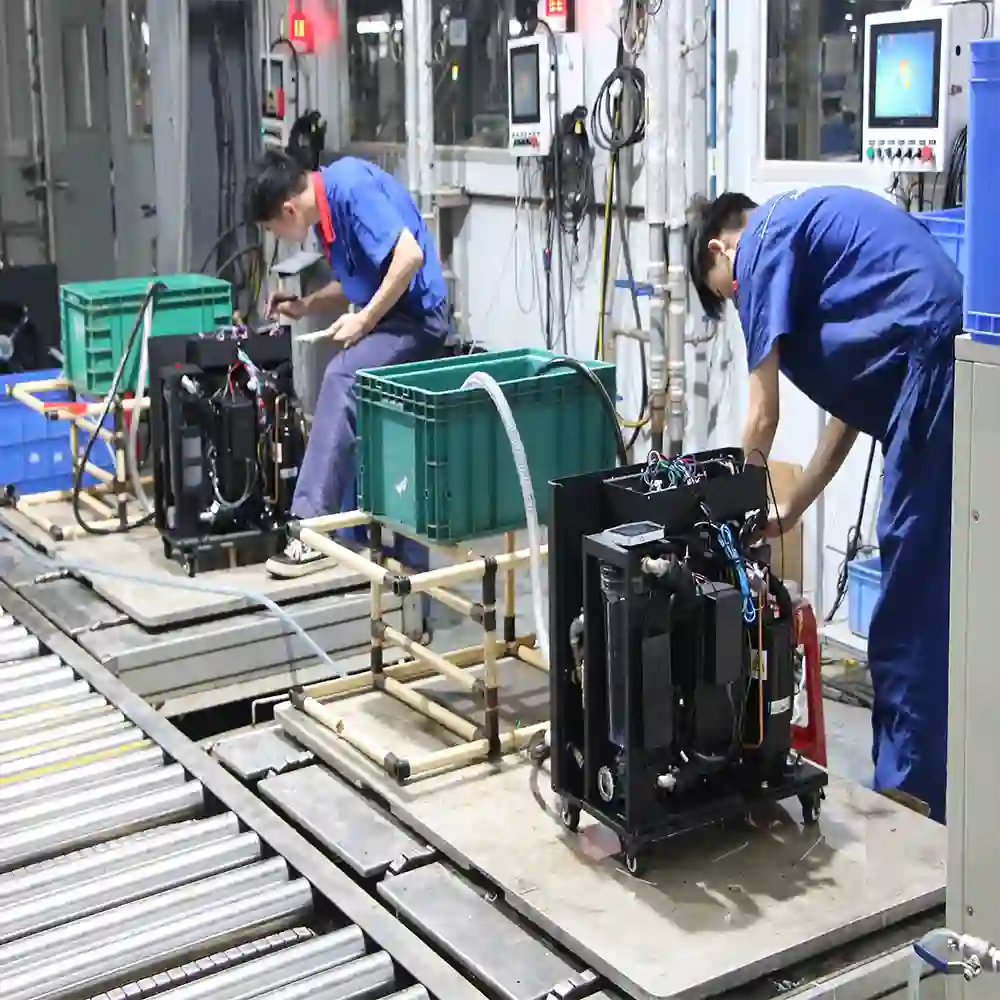
Link visible checks and test records to the quoted SKU.
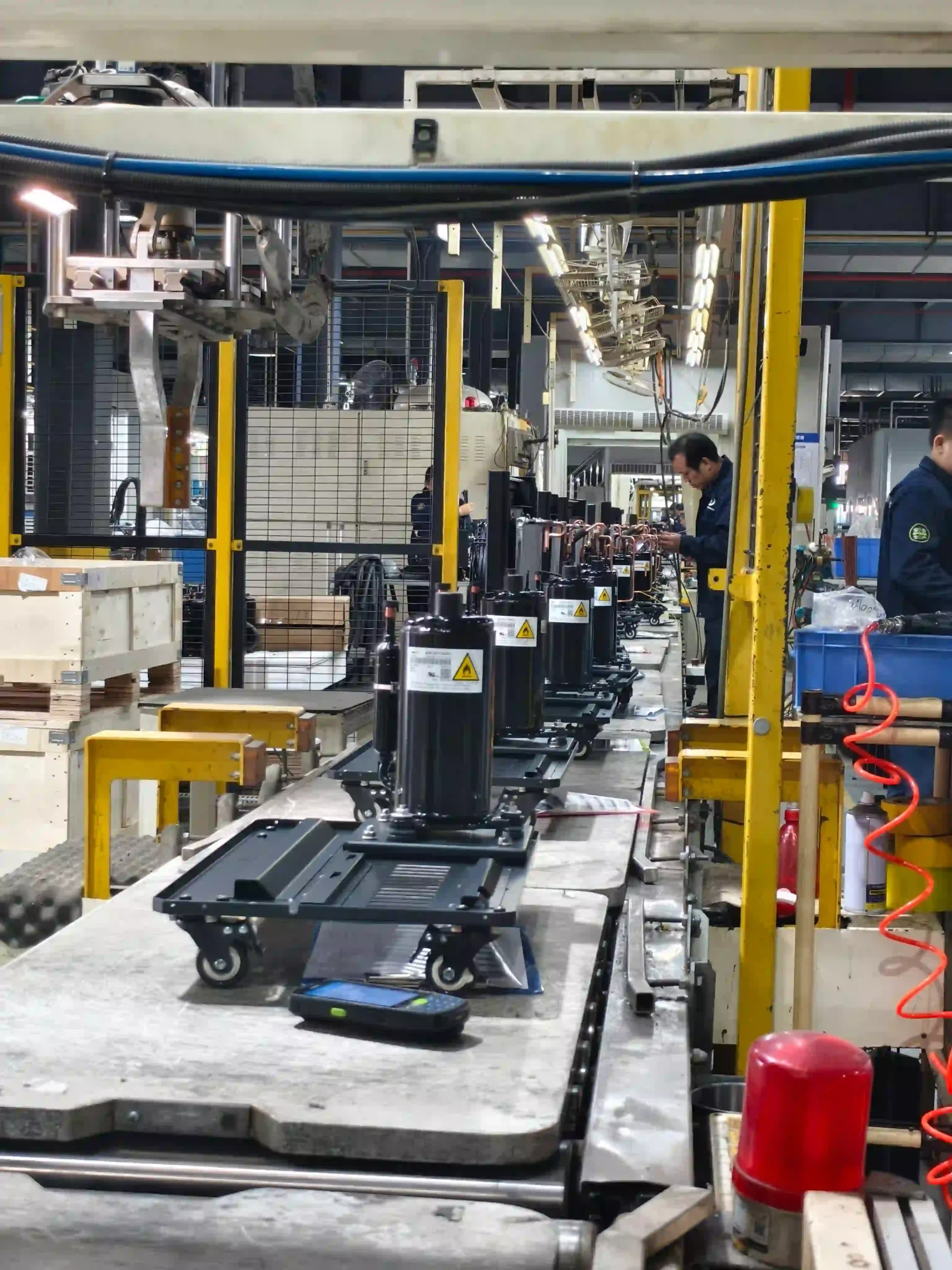
Review the production route, component control and test points.
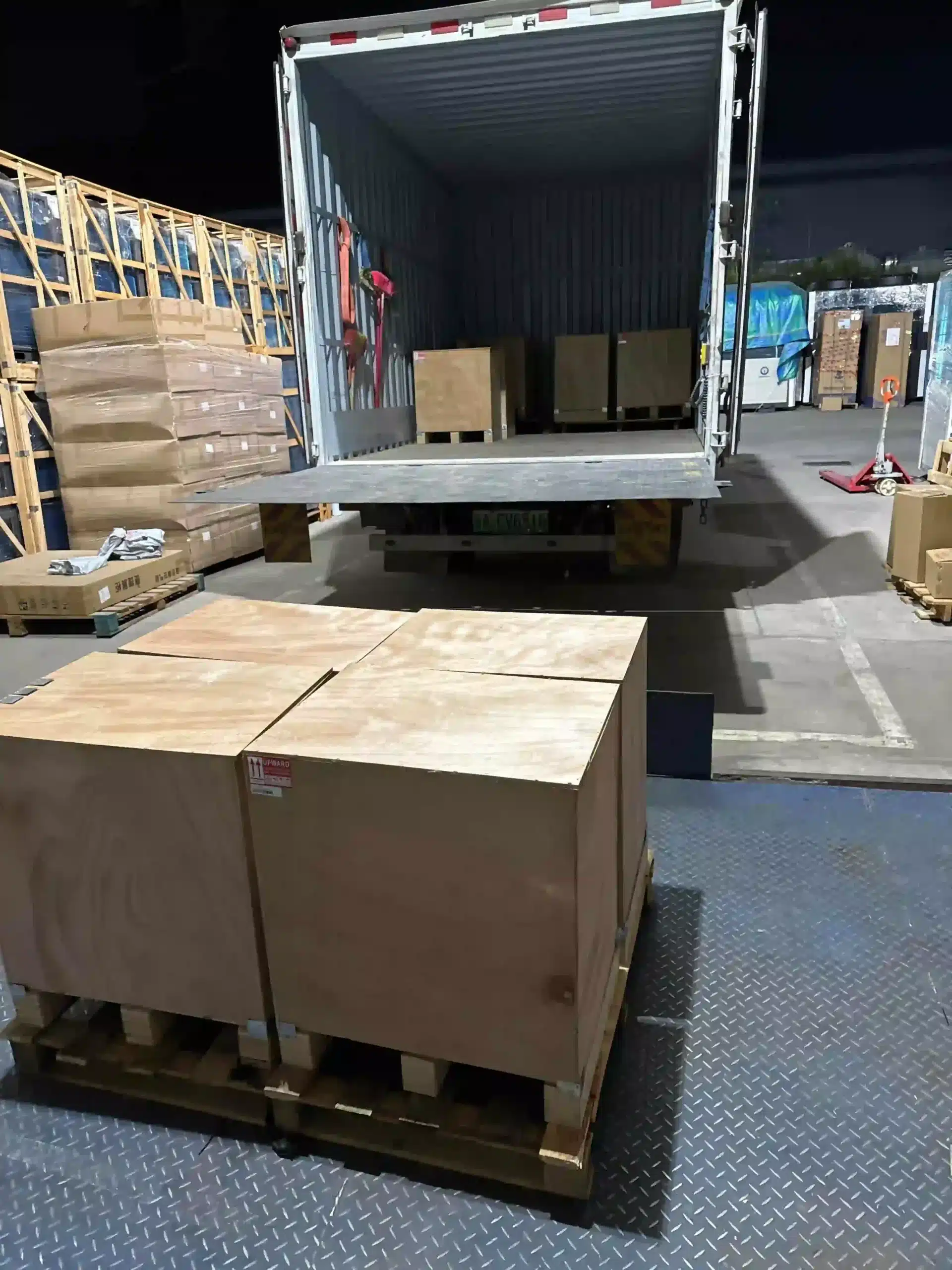
Approve protection, accessories, marks and receiving needs.
FROM REQUIREMENT TO SUPPLY
Agree on a named model, its operating conditions and the written supply scope.
Tub, target, ambient, run time, water loop and power.
Essential, smart-controlled or deep-freeze.
Specification, included parts and destination requirements.
Branding, QA records, packaging and handoff.
CHOOSE BY USE
The same machine can behave differently in a quiet home, a multi-user studio or a hospitality project. Use the setting below to decide what the chiller brief must prioritize.
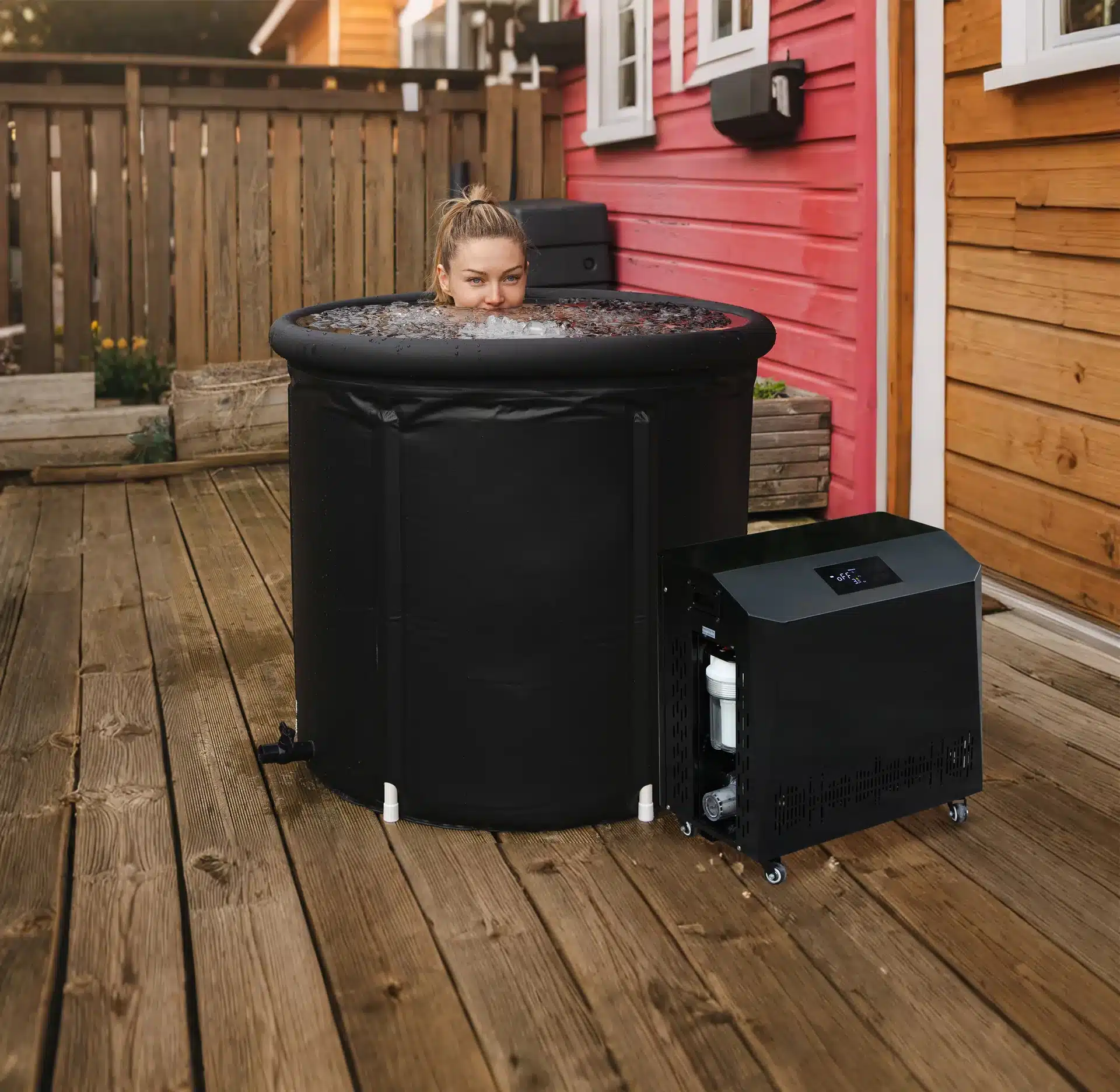
 PRIVATE / STARTER
For first-time or budget-conscious buyers who value simple cooling, drainage and daily care.
Water volume, realistic pull-down time, cover, noise and available circuit.
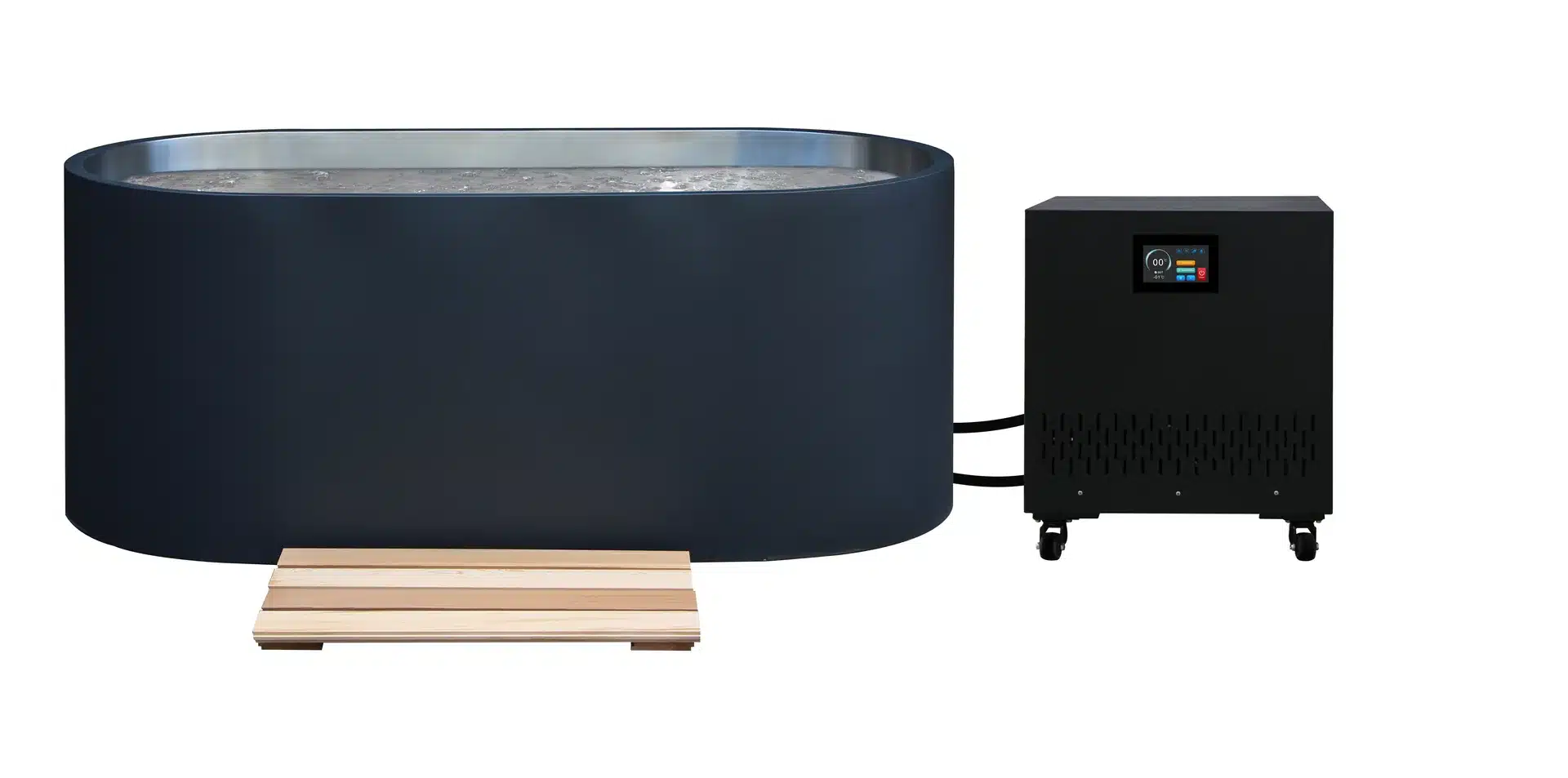
 MULTI-USER / SMART
For repeat sessions where scheduling, heating, filtration and operator-friendly controls matter.
Session pattern, reset time, water care, Wi-Fi needs and service access.
 PROJECT / PERFORMANCE
For higher-expectation projects that need coordinated placement, drainage, ventilation and handover.
Site plan, route length, ambient load, guest-area noise and responsibilities.
PROGRAM / OEMFor range-building programs where the product platform, documents and launch scope must align.
Destination markets, range plan, quantity, artwork, samples and after-sales ownership.
INTEGRATOR / INTERFACEFor builders who need the chiller to work as one subsystem inside a wider hydraulic design.
Drawings, interfaces, controls, commissioning and issue ownership.
CONTRAST / HIGH USEFor combined recovery spaces where heat sources and peak-use patterns change the operating load.
Adjacent equipment, room conditions, drainage, water care and daily schedule.
ONE USABLE BRIEF
Send the operating conditions first. Our team can then compare the relevant models against your requirements.