Leo

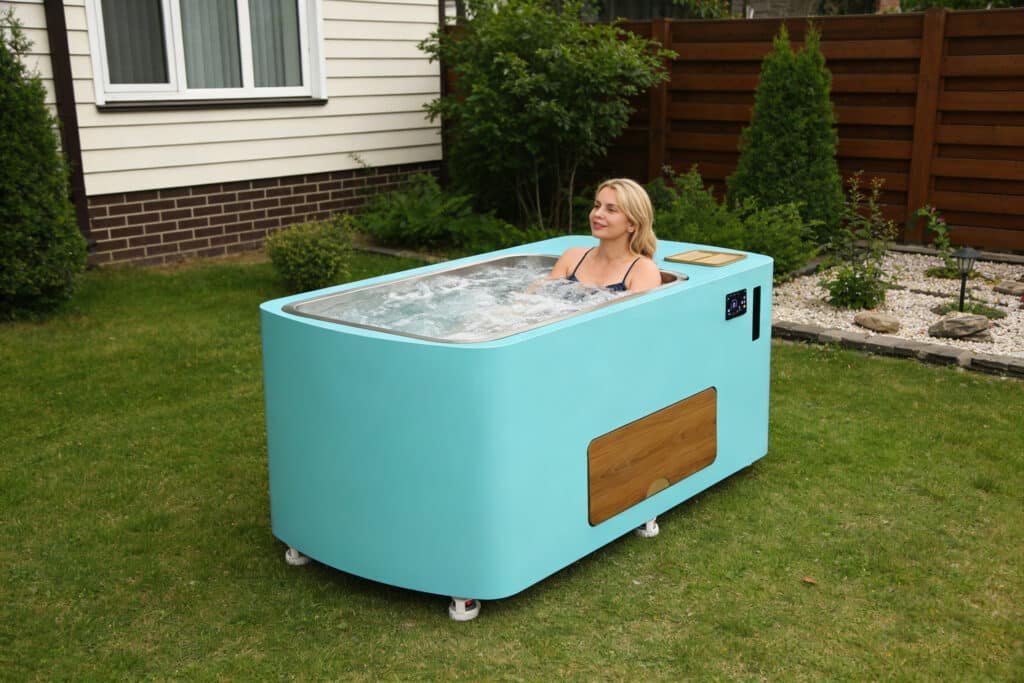
Woman using acrylic cold plunge tub outdoors in a residential backyard

Cold Plunge Physical Therapy: What Clinics Need to Know Before Installing

Cold plunge physical therapy is not a new idea — sports medicine facilities and elite rehabilitation centres have used controlled ice bath immersion as part of recovery protocols for decades. What’s changed is accessibility. Commercial cold plunge chiller systems have made it practical for private PT practices, outpatient rehabilitation clinics, and sports medicine offices to offer the same clinical-grade cold therapy that was previously exclusive to professional sports teams. The clinical question is not whether cold water immersion works. The practical questions are whether a cold plunge setup makes sense for your patient population, what ice bath equipment specification meets clinical hygiene standards, and whether the numbers justify the investment. This guide answers all three. Explore the full OMNI Ice cold plunge range to see what clinical-grade setups look like in practice. The Clinical Evidence Behind Cold Plunge Physical Therapy Physical therapists working with post-surgical patients, musculoskeletal injuries, and chronic inflammatory conditions have long used cold therapy in various forms — ice packs, cold compression units, contrast baths. Cold water immersion represents a more complete application of the same physiological principles. Research published in the Journal of Athletic Training demonstrates that full-body cold water immersion at 10 to 15°C produces significant reductions in delayed onset muscle soreness, perceived fatigue, and systemic inflammatory markers compared to passive recovery. For post-surgical rehabilitation — particularly lower extremity procedures including ACL reconstruction, total knee replacement, and hip arthroplasty — controlled cold immersion provides analgesic effect and reduces oedema more effectively than localised ice application alone. The mechanism is straightforward: immersion creates hydrostatic pressure across the entire submerged area simultaneously, compressing peripheral tissue and reducing inflammatory fluid accumulation more uniformly than any localised cold application can achieve. For a PT clinic treating patients with bilateral lower extremity involvement or trunk and hip conditions, this represents a meaningful clinical advantage. The critical qualifier is “controlled.” Temperature consistency matters clinically in a way it doesn’t for general wellness use. An ice bath that starts at 10°C and warms to 16°C over the course of a 15-minute session delivers a different physiological stimulus than a cold plunge chiller maintaining a stable 10°C throughout. For clinical documentation and reproducible outcomes, a cold plunge chiller is the only setup that gives you the temperature control you can actually record in patient notes. What Physical Therapy Clinics Need from a Cold Plunge Setup That Gyms Don’t A CrossFit box and a PT clinic have very different requirements from a cold plunge installation, and the differences matter for equipment specification. Clinical hygiene standards A PT clinic treats patients who may be immunocompromised, post-surgical, or have open wounds in healing stages. The hygiene standard for a clinical ice bath tub is not the same as for a general wellness facility. 316L stainless steel is the clinical standard — it’s the same material grade used in surgical instruments and hospital equipment specifically because of its non-porous surface and compatibility with clinical-grade disinfection protocols. Ozone sanitation, while effective for general use, may not be sufficient as the sole sanitation method in a clinical setting with immunocompromised patients. Consult your clinic’s infection control protocols — in many cases, pairing ozone with UV disinfection or low-concentration hospital-grade sanitiser is appropriate. The cold plunge chiller you select should be compatible with whatever sanitation approach your clinical policy requires. Patient assistance and accessibility PT patients are not healthy athletes. Many are recovering from surgery, managing chronic pain, or have limited mobility. The cold plunge tub needs to be accessible — ideally with a step or ramp for entry, grab bars, and sufficient depth that a patient can be assisted into the tub safely. A seated position with water to shoulder level at 90cm depth is the target for effective full-body cold therapy; the entry and exit process for a post-surgical knee patient requires more planning than it does for a CrossFit member. Session documentation Clinical use requires documentation that general wellness doesn’t. Temperature at session start and end, session duration, patient response, and any adverse reactions need to be recorded. A cold plunge chiller with digital temperature display and WiFi logging capability simplifies this significantly — the temperature data is already recorded rather than requiring manual observation and entry. Shorter but more frequent sessions Clinical cold plunge physical therapy sessions are typically shorter than wellness sessions — 8 to 12 minutes at 10 to 15°C for most rehabilitation applications, versus 15 to 20 minutes for general recovery. This means higher daily session frequency relative to time — a busy outpatient clinic may run 10 to 15 sessions across an 8-hour day, which demands equipment rated for commercial duty cycles. Equipment Specification for a PT Clinic Cold Plunge Tub specification For a physical therapy clinic, a 316L stainless steel cold plunge tub is the appropriate specification — not acrylic, not a standard 304 grade. The clinical hygiene rationale is outlined above. The practical durability rationale is the same as for any commercial application: at 10 to 15 sessions per day, acrylic degrades within two to three years. 316L handles the same load for a decade. Depth: 90cm internal depth minimum for shoulder-level immersion in the upright seated position. This is non-negotiable for clinical efficacy — partial immersion from a shallow tub does not deliver the hydrostatic pressure effect across the full treatment area. Volume: 300 to 400 litres handles solo patient sessions efficiently. If your clinic has the space and patient volume to consider simultaneous dual-patient sessions — which is unusual but relevant for some sports medicine environments — 500 litres with corresponding chiller capacity is appropriate. For the full stainless steel cold plunge tub range: Stainless Steel Cold Plunge Tubs Chiller specification For a clinical outpatient environment running 10 to 15 sessions daily, 1.5HP is the appropriate starting point. The temperature recovery between sessions — getting the water back to 10°C after a patient has transferred body heat — needs to happen in 5 to 8 minutes to maintain schedule. A 1HP unit at this frequency will run

Cold Plunge Physical Therapy: What Clinics Need to Know Before Installing Read More »

OMNI Ice commercial sports recovery ice bath chiller with 2HP industrial cooling power

Cold Plunge CrossFit Setup: What Actually Works and What Doesn’t

Cold plunge crossfit recovery is one of the most underutilised performance advantages available to box owners today — and one of the most misunderstood in terms of what equipment actually holds up to CrossFit usage frequency. Most gym cold plunge setups fail within two years in a CrossFit environment. Not because the concept doesn’t work — it absolutely does — but because the equipment was specified for home use or light commercial use, then pushed into a high-frequency CrossFit context it wasn’t designed for. The result is a chiller that can’t recover temperature between back-to-back sessions, a tub that degrades from daily use, and a box owner who concludes that cold plunge “isn’t worth it.” The problem is never the idea. It’s almost always the specification. This guide covers what a cold plunge crossfit setup actually needs, how to calculate whether the numbers make sense for your box specifically, and what to avoid buying. . Why CrossFit Training Creates a Specific Ice Bath Recovery Problem Standard gym workouts create manageable muscle stress. CrossFit WODs are a different category entirely. The combination of high-rep Olympic lifting, gymnastics movements, and metabolic conditioning in a single session creates widespread muscle microtrauma and systemic inflammatory response that accumulates faster than most members can clear between sessions. Members who train four or five days a week on a CrossFit program are running a chronic recovery deficit by week three. The ones who manage it — through sleep, nutrition, and active recovery — train consistently and stay. The ones who don’t plateau, get nagging injuries, or lose motivation and cancel. Research published in PLOS ONE shows that cold water immersion at 10 to 15°C significantly reduces delayed onset muscle soreness and perceived fatigue after high-intensity exercise — effects that are directly relevant to CrossFit training volume. Huberman Lab’s research protocols indicate that water temperatures at or below 11°C produce maximum norepinephrine response, contributing to mental performance benefits beyond physical recovery — which matters for athletes training before work who need to function at full capacity afterward. Ice bath crossfit recovery isn’t new among elite athletes. What’s changed is that commercial cold plunge chiller systems have made consistent, temperature-controlled cold immersion accessible to box owners without the ongoing ice costs or temperature inconsistency that made previous setups impractical. What a Cold Plunge CrossFit Setup Actually Needs The two most common specification mistakes for a cold plunge crossfit setup are undersizing the chiller and choosing the wrong tub material. Both have the same result: equipment that looks fine at purchase and fails within two years of CrossFit frequency. Tub specification A CrossFit box with 150 active members training an average of three times per week generates 450 training sessions weekly. Even if only 20% of members use the cold plunge after each session, that’s 90 ice bath sessions per week — 12 to 13 per day on busy days. An acrylic cold plunge tub running at this frequency will show surface degradation and micro-cracking within two years from repeated temperature cycling. A 316L stainless steel cold plunge tub handles the same load without degradation for a decade or more. The tub material isn’t a premium upgrade. At CrossFit usage levels, it’s the specification that determines whether your setup is still functional in three years. Depth matters as much as volume for ice bath crossfit recovery. Effective cold water immersion requires water to shoulder level — upright seated immersion at minimum 90cm depth. Most budget cold plunge tubs are designed for lying flat in shallow water, which delivers partial immersion and partial results. For CrossFit members who are paying for serious recovery infrastructure, this difference is noticeable. For the full stainless steel cold plunge tub range suited to commercial CrossFit use: Stainless Steel Cold Plunge Tubs. Browse all ice bath tub options at OMNI Ice: Cold Plunge Tub Collection. Volume A single 350 to 400-litre stainless steel ice bath tub handles sequential individual use efficiently at CrossFit volumes. If your box wants simultaneous dual-user capability — partners, or coach alongside athlete in rehabilitation — 500 litres minimum with appropriate chiller capacity. Choosing the Right Ice Bath Chiller for CrossFit Frequency This is where most CrossFit box cold plunge setups fail first. A cold plunge chiller that performs well in a home or light commercial setting runs into problems at CrossFit frequency because of one factor: temperature recovery between sessions. A home cold plunge chiller maintains temperature between two sessions per day without difficulty — it has time to recover. A CrossFit ice bath chiller running 12 to 13 sessions per day needs to pull the water back to target temperature in 5 to 8 minutes between uses. That recovery speed is determined by chiller HP and commercial duty cycle rating — two things that consumer-grade units are not built for. HP requirement for CrossFit For a 350 to 400-litre stainless steel cold plunge tub in a typical CrossFit box environment, 1.5HP is the correct starting point. If the box space runs warm — no air conditioning, peak summer temperatures — size up to 2HP. The cold plunge chiller needs headroom above what’s required just to maintain temperature, so it can actually recover it quickly between sessions. The OMNI Ice CHU-15-Pro (1.5HP) is designed specifically for commercial duty cycles — it handles CrossFit frequency without the compressor fatigue that shortens the life of home-rated units pushed into commercial use. Sanitation at CrossFit volume Twelve to thirteen CrossFit members using the same ice bath tub daily, post-WOD, introduces significant organic load. Without ozone disinfection, you’re managing a hygiene liability and changing water constantly. With ozone built into the cold plunge chiller, the system handles bacterial load automatically. Water changes drop from every 3 to 5 days to every 14 to 21 days — a meaningful operational difference for a busy box. See the full commercial cold plunge chiller range here: Ice Bath Chiller Collection. For HP selection guidance by volume and usage: Cold Plunge Chiller HP Guide. The ROI Calculation

Cold Plunge CrossFit Setup: What Actually Works and What Doesn’t Read More »

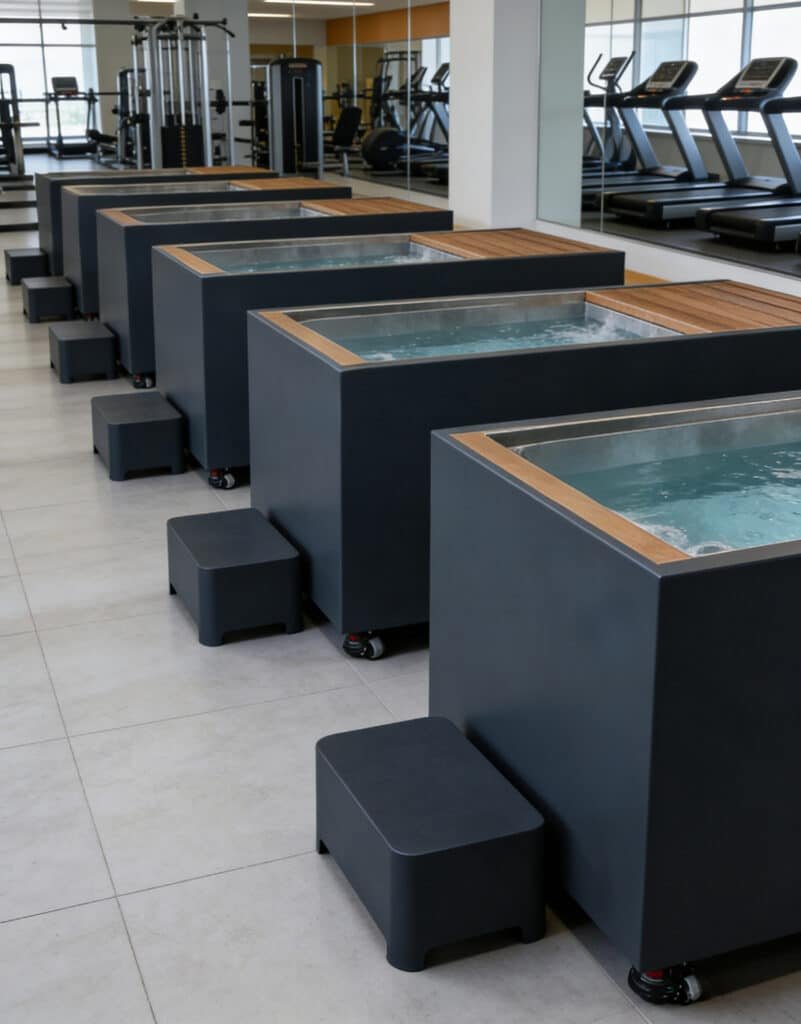
Row of premium commercial cold plunge units in elite athlete training club — industrial power meets high-end recovery aesthetic

Stainless Steel Cold Plunge Tub: What to Know Before You Buy

If you’ve been researching cold plunge tubs for more than a week, you’ve probably noticed that most buying guides are either product pages in disguise or generic comparisons that tell you nothing useful. This one’s different — because we manufacture these tubs and we see what actually fails, what customers regret, and what questions everyone asks after they’ve already bought. The stainless steel cold plunge tub is the right choice for most commercial buyers and a lot of serious home users. But the category is more complicated than it looks. The grade of steel matters. The depth matters more than the volume. And the chiller pairing can make or break the whole setup regardless of how good the tub is. Here’s what you actually need to know. The Grade of Stainless Steel in Your Cold Plunge Tub Is Not a Marketing Detail Most listings mention “stainless steel” without specifying the grade. That’s either laziness or a reason to be suspicious. 304 and 316L are both stainless steel, but they behave very differently in a cold plunge environment. 304 is what most kitchen appliances and entry-level tubs are made from — it’s fine for cold water, handles normal conditions well, and costs less. 316L adds molybdenum, which changes how the steel responds to chlorides. In a cold plunge tub, chlorides come from the water treatment you use. Ozone is fine for 304. Chlorine-based sanitisers — even diluted — attack 304 over time, creating small pitting and surface corrosion that gets worse with every cycle. We’ve seen 304 tubs from other manufacturers that looked fine at purchase and showed significant pitting within two years of commercial use with standard chemical sanitation. That’s not a manufacturing defect — it’s the wrong material specification for the application. For home use with ozone sanitation only, 304 holds up fine for years. For any commercial installation where you’re running chemical treatments, or if you’re not sure what sanitation system you’ll end up using, 316L is the only sensible choice. ASM International’s corrosion data consistently shows 316L maintaining structural integrity in chloride environments where 304 begins to fail — this isn’t a sales claim, it’s materials science. Our stainless steel cold plunge tubs use 316L throughout. See the full range at OMNI Ice: Stainless Steel Cold Plunge Tubs. Stainless Steel vs Acrylic vs Wood — An Honest Comparison The material debate comes up constantly and most comparisons either push whatever the seller has in stock or hedge everything into uselessness. Here’s the straightforward version. Stainless steel cold plunge tubs cool faster because steel conducts temperature changes quickly. The water responds immediately when the chiller runs, which matters when you’re managing back-to-back sessions in a commercial setting. The surface is completely non-porous — bacteria have nowhere to hide, and a proper clean actually cleans the tub. At 316L construction, it’ll outlast almost anything else in the room. The tradeoffs: it’s heavier, costs more upfront, and looks industrial. In a home gym or wellness space where appearance matters, some people find it cold-looking in both senses. Acrylic tubs are lighter, easier to install without help, and warmer aesthetically. Acrylic is slightly more insulating than steel by nature, so the chiller works marginally less hard to hold temperature. The issue is durability under real commercial conditions. Acrylic scratches, develops micro-cracks from repeated temperature cycling over years, and degrades faster with chlorine exposure. For one or two home users doing daily sessions, acrylic lasts well. For a gym running 40 sessions a week, stainless steel is the better investment every time. Wood-wrapped tubs — cedar or WPC exterior with a stainless steel inner liner — are the middle path. You get the hygiene of stainless inside and the aesthetic warmth of wood outside. WPC is fully weatherproof and better than natural cedar for permanent outdoor installations. These work well for home wellness rooms and outdoor spa setups where the tub is meant to look like part of the environment. The complication is that you’re now maintaining two different materials. For anything commercial, a stainless steel cold plunge tub is the practical default. Browse the full tub range here: Cold Plunge Tub Collection. Depth Is More Important Than Volume — And Most Buyers Get This Wrong Tub volume is the first number everyone looks at. It shouldn’t be. Depth determines whether cold immersion therapy actually works. The research on cold water immersion — the studies on inflammation reduction, hormonal response, and recovery acceleration — is based on full-body submersion with water at or near shoulder level. That requires upright seated or standing immersion at a minimum of 80cm water depth, ideally 90 to 95cm. A 400-litre stainless steel cold plunge tub that’s wide and shallow gives you partial immersion when you sit in it. Your lower body is cold, your upper body isn’t. That’s a different physiological experience from true full-body immersion, and not what the protocols are based on. This is worth checking explicitly when comparing tubs. Ask for the internal depth, not the external dimension. Tubs designed for lying flat are different products from tubs designed for upright immersion. For cold therapy, upright immersion at 90cm depth in a 300-litre stainless steel tub is more effective than lying flat in a shallower 500-litre one. Sizing Your Stainless Steel Cold Plunge Tub for the Right Use Case Volume matters once depth is confirmed. Here’s how to think about it: Home users doing solo daily sessions don’t need a large tub. A 250 to 300-litre stainless steel cold plunge tub paired with a 1HP chiller handles this cleanly — easier to maintain, faster to cool, lower running costs. Gyms and studios need to think about peak usage, not average usage. A single 350-litre tub running six sequential sessions daily has different water temperature recovery requirements than a home tub sitting idle between two sessions. Give yourself headroom: if you expect six daily sessions at peak, size for eight. Running a tub at 80% of capacity consistently is better than running it

Stainless Steel Cold Plunge Tub: What to Know Before You Buy Read More »

Commercial cold plunge pool factory production and quality control — OMNI Ice industrial manufacturing for global resort and hospitality projects

Cold Plunge Chiller Not Cooling: 8 Reasons and How to Fix Each One

Your cold plunge chiller is running. The pump is circulating, the display shows your target temperature, everything looks normal — but the water is staying warm. Or it’s cooling, just far more slowly than it used to. Before assuming the unit is broken, work through this list. The majority of cold plunge chiller not cooling problems are caused by issues you can fix yourself in under 20 minutes. These are arranged from most common to least common, based on what we see most frequently across home, gym, and commercial cold plunge installations. If you find your cold plunge chiller not cooling, it’s important to diagnose the issue promptly to restore its efficiency. Restricted Water Flow — The Most Common Reason a Cold Plunge Chiller Stops Cooling Understanding why your cold plunge chiller not cooling can save you time and money in repairs. If your cold plunge chiller is not cooling, start here. According to real-world user data from cold plunge manufacturers, water circulation problems account for the majority of chiller cooling failures — more than airflow, refrigerant, and compressor issues combined. The chiller works by drawing water from your tub, stripping heat from it through the heat exchanger, and returning cooled water. If circulation slows or stops, the chiller has no water to cool and the tub temperature doesn’t move. Three things cause restricted water flow in a cold plunge chiller: Clogged filter. The external cartridge filter captures hair, skin oils, and debris before they reach the heat exchanger. A filter running for six or more weeks without a change can reduce flow enough to trigger cooling problems or a flow alarm on the display. Turn off the unit, remove and inspect the cartridge. If it’s visibly dirty or overdue, replace it. After reinstalling, pour water into the inlet hose before restarting to clear any air from the line. Kinked or blocked hoses. A hose compressed against a wall or bent too sharply can cut flow significantly without looking obviously wrong. Follow each hose from the tub to the cold plunge chiller and back. Straighten any bends, check that fittings are secure, and make sure nothing is sitting on the lines. Air lock. An air pocket trapped in the hose blocks water circulation even when the pump sounds like it’s running. Most common after initial setup, after changing the filter, or if the tub water level dropped low enough to pull air into the inlet. Turn off the unit, pour water directly into the inlet hose to displace the air, then restart. Next, if your cold plunge chiller not cooling is a recurring issue, consider these solutions. Blocked Airflow Causing the Cold Plunge Chiller to Overheat Blocked airflow may lead to your cold plunge chiller not cooling effectively. Every cold plunge chiller pulls heat out of your water and expels it as warm air through the exhaust fan. If that warm air can’t escape — unit against a wall, inside a cabinet, in an enclosed space — it recirculates back into the intake and the chiller fights its own exhaust heat. A quick check: hold your hand near the exhaust. Warm or hot air means the refrigeration is working and the problem is flow or environmental. Cool air from the exhaust means the refrigeration system itself has failed (see points 7 and 8 below). The minimum clearance around the exhaust fan is 30cm. In an indoor room, ensure the space has enough ventilation that the ambient temperature doesn’t rise from the heat the cold plunge chiller is expelling. A unit that works fine in winter but struggles in summer in a closed garage is almost always this problem combined with high ambient temperatures. Ensure there’s sufficient airflow; otherwise, your cold plunge chiller not cooling will continue to be a problem. Dirty Condenser Coils Reducing Cold Plunge Chiller Performance Regular maintenance can prevent a cold plunge chiller not cooling from becoming a frequent concern. The condenser coils — the metal fins visible near the exhaust fan — release heat from the refrigerant into the surrounding air. A layer of dust or pet hair reduces their ability to dissipate heat, forcing the cold plunge chiller to work harder for less cooling output. This builds gradually, which is why it gets missed. The unit was cooling well six months ago, now it’s struggling, and nothing obvious has changed. Turn off the cold plunge chiller and clean the fins gently with a soft brush or vacuum attachment. The fins are thin aluminium and bend easily — don’t use a pressure washer. After cleaning, run the unit for 30 minutes and check whether temperatures improve. For gym installations with high dust levels, monthly checks are worth adding to the maintenance routine. Ambient Temperature Too High for Your Cold Plunge Chiller’s Rated Capacity In summer, your cold plunge chiller not cooling may indicate the ambient temperature is too high. Cold plunge chiller performance specs are measured at 20 to 25°C ambient temperature. In a hotter environment, the unit is working against a larger temperature differential than its specs assume. A 1HP cold plunge chiller rated to reach 5°C in a 20°C room may only hold 10 to 12°C in a 32°C outdoor space in summer. The unit isn’t broken — it’s doing what physics allows under those conditions. But the result feels like a cold plunge chiller not cooling to where it should. Shade the unit from direct sun, improve ventilation in the space, or relocate the installation somewhere cooler. If the problem consistently appears in summer and resolves in winter, ambient temperature is the cause. For long-term relief, upgrading to the next HP tier gives headroom to hit lower temperatures in warm conditions — see our cold plunge chiller HP guide for specific sizing by climate and environment. Tub Insulation Mismatch Overloading the Cold Plunge Chiller Check insulation if your cold plunge chiller not cooling issue persists, especially with uninsulated tubs. A cold plunge chiller sized for an insulated tub will underperform on an

Cold Plunge Chiller Not Cooling: 8 Reasons and How to Fix Each One Read More »

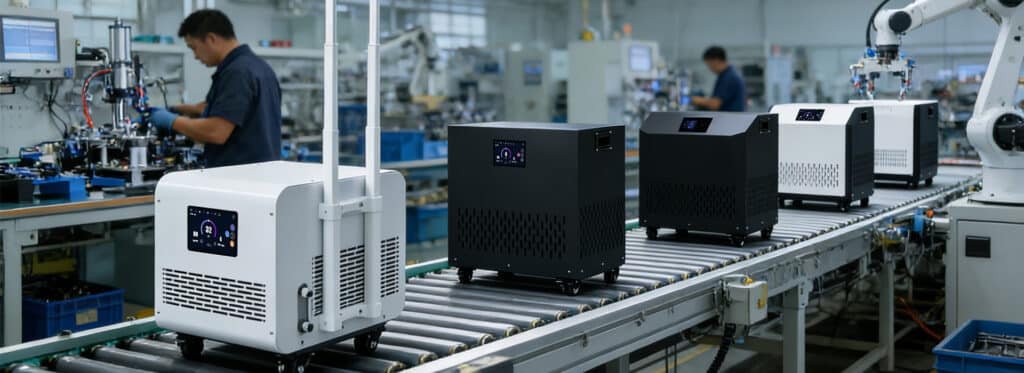
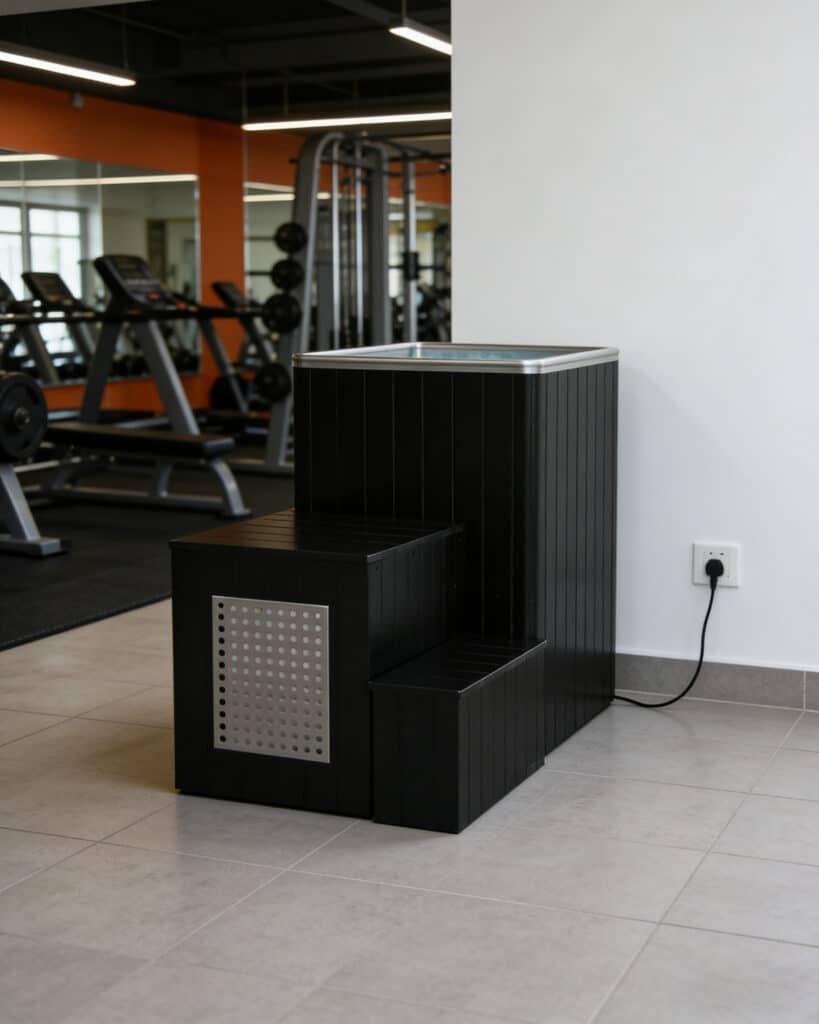
OMNI Ice plug-and-play commercial cold plunge connected to standard power outlet in gym — 30-minute installation with no plumbing required

Chiller for Cold Plunge: What Actually Matters Before You Buy

If you’ve spent more than ten minutes researching cold plunge chillers, you’ve probably noticed that most of the information out there falls into two categories: vague spec comparisons that don’t explain what any of it means in practice, or thinly disguised product pages that recommend whatever the seller happens to stock. This guide is neither. We manufacture cold plunge chillers and supply gyms, spas, hotels, and home users across more than 80 countries. We see what fails, what gets returned, and what people wish someone had told them before they spent $800 to $3,000 on a unit that doesn’t perform the way they expected. The short version: choosing the right chiller for cold plunge use is mostly about matching the unit to your actual environment — not just your tub volume. Get that right and the rest is straightforward. Why Most Cold Plunge Chiller Buying Guides Get It Wrong The standard buying advice goes something like this: find your tub volume, look it up on a chart, pick the corresponding HP. Simple enough. The problem is that this approach treats every cold plunge setup as if it exists in identical conditions — same room temperature, same insulation quality, same usage frequency. Real setups vary enormously, and that variation is exactly where buyers get burned. Here’s a scenario we see regularly. Someone buys a 1HP cold plunge chiller for their 250-litre inflatable tub based on a volume chart that says 1HP covers up to 300 litres. They set it up in their garage in Texas in August. The chiller runs constantly, never quite reaches the 10°C target, and the compressor fails within 18 months. The chart wasn’t wrong — it just didn’t account for the fact that their garage sits at 32°C in summer, and the inflatable tub has zero insulation. The variable that volume charts consistently underweight is the temperature differential your cold plunge chiller is working against. Moving water from 32°C ambient down to 10°C in an uninsulated vessel requires dramatically more sustained cooling capacity than moving 20°C water in an insulated tub. Both “fit” a 250-litre spec on paper. The real-world performance difference is significant. The second thing that gets glossed over is duty cycle — how often the compressor actually runs. A properly sized cold plunge chiller maintains temperature by cycling on when the water warms up and off when it reaches the target. In a well-insulated setup in a normal indoor environment, that might mean 20 to 30% run time. In a poorly insulated vessel in a hot environment, the compressor runs 70 to 90% of the time. Sustained continuous operation is the main cause of premature compressor failure in cold plunge chillers, and it’s almost always the result of undersizing rather than a manufacturing defect. How to Size a Chiller for Cold Plunge the Right Way There are four real variables that determine what you need. Work through them in order. 1. Tub volume This is the baseline. 200 to 350 litres covers most solo home setups. 350 to 600 litres is duo or light commercial. Beyond 600 litres you’re into high-capacity commercial territory where the sizing conversation gets more specific. One thing worth knowing: volume and immersion depth are not the same thing. A 400-litre rectangular tub might be wide and shallow, giving you a poor immersion experience despite the volume. A 300-litre purpose-built cold plunge barrel with 90cm depth gives you full shoulder immersion in less water. The chiller doesn’t care, but you will. 2. Insulation quality This is the single most important variable that volume-based charts ignore. A purpose-built cold plunge tub with 40 to 60mm of closed-cell foam in the walls holds temperature dramatically better than an uninsulated alternative. To put it in concrete terms: a properly insulated 300-litre tub might lose 1°C per hour sitting idle. A standard bathtub of the same volume might lose 3 to 4°C per hour. Your cold plunge chiller isn’t just cooling the water — it’s continuously fighting heat coming in through the vessel walls. The better the insulation, the less work the chiller has to do, the longer it lasts, and the lower your electricity bill. If you’re using an uninsulated vessel — bathtub, inflatable, stock tank, chest freezer conversion — you need to size your cold plunge chiller as if the volume is one tier higher than it actually is. A 250-litre uninsulated setup should be treated like a 350-litre insulated one for sizing purposes. 3. Ambient temperature Where is the chiller going, and how hot does it get? A cold plunge chiller working in a 20°C indoor room is in a very different situation from the same unit in a 30°C outdoor space in summer. The ambient temperature directly affects how hard the compressor has to work to maintain your target. Our general rule: if the setup is going outdoors, or in a garage or basement that gets above 25°C in summer, add 0.5HP to whatever the volume calculation suggests. If it’s going in a very warm climate — Southeast Asia, the Middle East, southern US states in summer — that buffer becomes more like 0.5 to 1HP depending on how extreme the peak temperatures get. 4. Usage frequency A cold plunge chiller running two 15-minute sessions per day has a very different workload from one supporting a commercial gym where six to ten members are using the tub daily. Higher frequency means more heat introduction (body heat from each user), more filter load, and more total compressor run time. For home use, any properly sized unit rated for cold plunge duty will handle this without issue. For commercial frequency, look specifically for units with commercial-rated compressors and higher duty cycle ratings — not just higher HP. A consumer-grade chiller rated at 1.5HP running at commercial frequency will outlast a commercial-grade 1HP unit for about 18 months before you notice the difference in longevity. The practical sizing table: Setup Recommended Cold Plunge Chiller HP 200–350L insulated tub, indoor, temperate 1HP 200–350L

Chiller for Cold Plunge: What Actually Matters Before You Buy Read More »

Custom-clad OMNI Ice commercial cold plunge pool on private resort terrace — floor-level architectural integration for 5-star hospitality environments

Cold Plunge for Hotels and Spas: A 2026 Buyer’s Guide

Cold plunge for hotels and spas has shifted from a quiet differentiator to expected infrastructure. If you walked through the spa wing of an Aman, Six Senses, or Auberge property in 2024, the cold plunge was tucked away as a niche amenity. Walk through one in 2026 and it sits right next to the sauna — sometimes integrated into the same room — because guests now expect it. The Global Wellness Institute’s most recent wellness economy report puts the spa and wellness segment at $1.8 trillion globally, growing roughly 8% annually, and contrast therapy is one of the categories pulling ahead. The problem isn’t whether to add cold plunge anymore. It’s that most hotels are buying the wrong equipment for the workload — and finding out six months in, when the chiller is struggling, the water isn’t holding temperature, and the spa team is escalating maintenance tickets weekly. This guide is for hotel owners, spa directors, and procurement teams choosing a commercial cold plunge pool for hotels and spas — what to specify, what to skip, and what real operating costs look like. Why hotels are adding cold plunge in 2026 Three drivers are pushing this from “nice-to-have” to standard amenity: Wellness tourism is the fastest-growing tourism segment. Travelers under 45 are booking properties partly on wellness offerings. Cold plunge, contrast therapy, and recovery rooms are showing up in booking filters and editorial coverage in ways that traditional gym equipment doesn’t. It drives ADR and length of stay. Resorts that have added properly executed cold plunge facilities report measurable lifts in average daily rate at the room categories with spa access — and longer average stays, because guests build wellness routines around it. The amenity also generates the kind of social media content that feeds organic bookings. Competitive pressure inside the same market. Once one luxury property in a market adds a serious recovery suite, peer properties feel it within a year. The same dynamic that drove rooftop pools in the 2010s is happening with cold plunge and sauna and cold plunge combo systems now.   The 3 most common mistakes hotel buyers make After supplying chillers and tubs to hotel projects across 80+ countries, the same mistakes show up again and again. Knowing them upfront saves a lot of pain. Mistake 1 — Specifying a residential-grade chiller for commercial workloads A 1HP residential chiller and a 1HP commercial chiller are not the same product. Residential units are designed for one or two sessions per day at 50–70% duty cycle. A hotel spa running 20+ sessions daily forces the compressor to run at near-continuous duty cycle. Compressors fail early, water temperature drifts during peak hours, and the spa team starts apologizing to guests. Hotels need 1.5HP minimum for boutique spa setups, and 2HP+ for high-traffic resorts. For the full breakdown of how this scales, our commercial cold plunge chiller guide covers the duty cycle math in detail. Mistake 2 — Underestimating acoustic requirements A spa is sold on quiet. A consumer chiller running at 65–70 dB sounds like a window AC unit and ruins the room. Commercial-grade chillers used in hotel installations should run under 55 dB at the equipment, with the chiller itself ideally placed in a separate utility space and connected via insulated lines. This single specification — quiet operation — is what most hotel buyers don’t think about until installation day. Mistake 3 — Treating water hygiene as an afterthought A cold plunge with 30 daily users without integrated sanitation becomes a liability within a week. Body oils, skin cells, and bacteria accumulate fast. Hotel-grade installations need ozone disinfection plus UV-C and an external cartridge filter as standard, not as add-ons. With this stack running 24/7, full water changes drop to every 7–14 days. Without it, daily. 4 installation types — which fits your property Not every hotel needs the same setup. The four configurations we deliver most often: TYPE 1 In-suite premium Built-in chiller tub installed inside a luxury suite or villa. Used by ultra-premium resorts where the suite itself is the wellness destination. Compact footprint, premium aesthetic. TYPE 2 Spa thermal circuit Cold plunge integrated into the spa’s existing thermal experience: sauna → steam → cold plunge → relaxation. Highest utilization, highest ROI per square meter. TYPE 3 Standalone wellness room Dedicated recovery room separate from the main spa, often paired with infrared sauna. Suits boutique hotels and properties with limited spa footprint. TYPE 4 Outdoor terrace Pool deck or terrace installation. Great for visual impact and Instagram exposure. Requires extra HP for ambient heat load and weatherproof installation planning.  Specification guide by hotel type As a general guideline based on real hotel deployments — adjust upward for hot-climate properties and outdoor installations: Property type Daily sessions Min HP Vessel Boutique hotel, single tub 10–25 1.5HP 316L stainless, 350–400L Mid-size hotel spa 25–50 2HP 316L + cedar cladding, 400–500L Luxury resort spa 50–100 2HP+ with redundancy Custom, 500L+ Premium suite (single guest) 2–6 1HP built-in Built-in chiller tub, 300L 316L marine-grade stainless — used in our stainless steel cold plunge tubs — is the standard for coastal and high-salinity environments. For inland properties, 304 stainless is acceptable. Hotels going for warmer aesthetics often pair the stainless interior with cedar or teak cladding — see our wooden cold plunge tubs for examples. Real operating costs For a 2HP commercial setup running 30 daily sessions in a 400L tub at 3°C, expected monthly running costs: Electricity $60–90 Water + filter $30–50 Sanitation $15–30 Total / month $105–170 Compared against the revenue uplift — even adding $10 per spa entry as a recovery surcharge across 30 daily sessions covers the operating cost in less than 12 days of the month, and that’s before factoring in ADR uplift and guest retention. The economics work even before you charge premium rates. OMNI Ice recommended configurations Four configurations cover most hotel and resort projects we deliver: CHU-15-RV 1.5HP  0°C ice-making  WiFi + Ozone Our most-deployed commercial chiller for boutique and mid-size hotel spas. Handles 25–40 daily sessions in a 400L tub without compressor stress. Part

Cold Plunge for Hotels and Spas: A 2026 Buyer’s Guide Read More »

OMNI Ice outdoor sauna cold plunge combo unit — modular cedar sauna cabin with integrated cold plunge chiller for resort courtyards and outdoor wellness areas

Sauna Cold Plunge Combo: The Complete Contrast Therapy Setup Guide

A sauna cold plunge combo is not a new idea. Nordic cultures have been alternating between extreme heat and cold water for centuries — stepping out of a wood-fired sauna and plunging into a frozen lake is practically a cultural ritual in Finland, Sweden, and Norway. What has changed is that this practice is now backed by a growing body of research, and the equipment to replicate it at home or in a commercial wellness facility has become genuinely accessible. Done correctly, a sauna cold plunge combo delivers physiological benefits that neither heat nor cold therapy achieves alone. The contrast between the two — rapid temperature shift, repeated deliberately — is what drives the response. This guide covers the science, the protocol, and most importantly, the equipment decisions that determine whether your setup actually delivers the contrast therapy experience or just costs money and takes up space.  Why Contrast Therapy Works: The Science Behind the Sauna Cold Plunge Combo Research published on PubMed contrast therapy research shows that alternating heat and cold exposure produces a distinctive cardiovascular and hormonal response that neither stimulus alone generates. The heat phase dilates blood vessels and raises core temperature. The cold phase causes rapid vasoconstriction and triggers a norepinephrine release — a neurotransmitter associated with improved mood, focus, and stress resilience. The alternation between these two states — repeated two to three times in a single session — creates what researchers describe as a vascular pump effect. Blood moves rapidly from the periphery to the core and back, improving circulation, reducing inflammation markers, and accelerating metabolic waste removal from muscles. For athletes, this translates to faster recovery. For general wellness users, it translates to improved mood, energy, and sleep quality that most users report noticing within the first week of regular practice. The key word is contrast. A sauna alone is beneficial. A cold plunge alone is beneficial. A sauna cold plunge combo used correctly is meaningfully more effective than either on its own. The Contrast Therapy Protocol: How to Use a Sauna Cold Plunge Combo Getting the most from a sauna cold plunge combo requires following a protocol rather than simply moving between hot and cold whenever it feels comfortable. Here is the protocol that most wellness practitioners recommend. Standard Contrast Therapy Protocol Phase Duration Temperature What Happens Sauna — Round 1 10–15 minutes 80–100°C Core temperature rises, blood vessels dilate Cold Plunge — Round 1 2–3 minutes 8–15°C Rapid vasoconstriction, norepinephrine spike Rest 5 minutes Room temperature Body equilibrates Sauna — Round 2 10–15 minutes 80–100°C Second heat phase amplifies contrast response Cold Plunge — Round 2 2–3 minutes 8–15°C Second cold response Rest 5–10 minutes Room temperature Full recovery Two full rounds is the standard protocol for most users. Advanced practitioners do three rounds. Total session time including rest periods is typically 50 to 70 minutes. Always end on cold, not heat. Ending a contrast therapy session in the sauna leaves the body in a vasodilated, heat-stressed state. Ending in the cold plunge closes the session with the anti-inflammatory, recovery-promoting response that is the point of the whole protocol. Setting Up a Sauna Cold Plunge Combo at Home The outdoor sauna cabin with an adjacent cold plunge tub has become one of the most sought-after home wellness installations in recent years. Cedar sauna cabin with a wooden cold plunge barrel immediately adjacent — this format works best for home contrast therapy for one key reason: physical proximity. The transition from sauna to cold plunge should take no more than 30 seconds. The cardiovascular response begins immediately upon leaving the heat, and a long walk reduces the contrast effect. Adjacent or same-structure installations maximise this transition speed. Outdoor positioning is ideal. The sauna generates significant heat and humidity — outdoor installation handles this naturally. The cold plunge benefits from shade and cool ambient air. A covered outdoor structure — pavilion, pergola, or purpose-built sauna cabin with adjacent cold plunge deck — provides the weather protection both units need while maintaining the outdoor wellness aesthetic. For outdoor sauna cold plunge combo setups and what to consider for year-round outdoor installation, our guide on outdoor cold plunge tub with chiller setups covers the climate, insulation, and HP considerations in detail. The Equipment Decision: What Your Sauna Cold Plunge Combo Actually Needs The Cold Plunge Tub For a sauna cold plunge combo setup, tub material choice has both aesthetic and practical implications. Cedar wood or cedar-wrapped stainless steel is the natural complement to a sauna environment — visually coherent, naturally warm to the touch despite the cold water inside, and appropriately durable for outdoor use. The OMNI Ice WT-05 hybrid cold plunge tub is the most commonly specified tub for home sauna combo setups. The stainless steel inner liner handles all water contact and chiller connection. The cedar exterior provides visual warmth and passive insulation. At 950mm depth, it provides full shoulder immersion — the depth required for the full-body vasoconstriction response that makes the cold phase effective. The Chiller A sauna cold plunge combo setup creates a specific demand on the chiller: the cold plunge tub is positioned adjacent to a sauna generating 80 to 100°C of heat. Even with a well-insulated tub, ambient heat from the sauna environment raises the thermal load compared to a standard indoor installation. The second consideration is the heating function. Many sauna cold plunge combo users want to use the same tub for warm water therapy — either as a warm soak before the sauna or as a contrast therapy variant. A chiller with built-in heating covers both use cases without requiring a separate vessel. High-Power 1.5HP Ice Bath Chiller Unit for Commercial Gyms The OMNI Ice CHM-10-RV is the recommended chiller for most home sauna cold plunge combo setups. At 1HP with a 3°C to 42°C range, it cools the tub for cold plunge phases and heats it for warm water therapy. Built-in ozone disinfection handles water management automatically. WiFi app control means you can pre-cool or pre-heat the tub before your session — set it from your phone while you are still in

Sauna Cold Plunge Combo: The Complete Contrast Therapy Setup Guide Read More »

Athlete using wooden cold plunge tub in commercial gym locker room

Outdoor Cold Plunge Tub with Chiller: What Nobody Tells You Before You Set One Up

Setting up an outdoor cold plunge tub with chiller looks straightforward until the day you check the temperature and the water is sitting at 14°C — and it has been running for hours. A customer came to OMNI Ice with exactly this problem. He had installed his cold plunge in a garden pavilion, connected a chiller he had been using indoors, and expected it to work the same way. In summer heat, it did not. The chiller was working, but the heat entering through the uninsulated tub walls was equal to what the chiller was removing. The result was a temperature plateau the system simply could not break through. This is the most common outdoor cold plunge problem, and it almost never gets explained clearly before purchase. An outdoor cold plunge tub with chiller faces a set of challenges that an indoor setup does not — higher ambient temperature, direct sun exposure, no climate control around the unit, and tub walls that may provide far less insulation than you expect. Getting the setup right requires understanding these challenges, not just buying a bigger chiller and hoping for the best. Why Outdoor Setups Are Harder Than Indoor Ones Indoors, a cold plunge tub operates in a controlled environment. The ambient temperature is typically 18 to 24°C, there is no direct sunlight hitting the water surface, and the room itself acts as a buffer against extreme temperature swings. The chiller has a predictable, manageable thermal load. Outdoors, every one of those conditions changes. Ambient temperature on a summer day can reach 30 to 40°C. Direct sunlight on the water surface adds significant heat gain that the chiller has to overcome on top of the ambient load. Wind increases evaporative cooling from the surface — which sounds helpful but actually increases the chiller’s work in maintaining a stable temperature. And tub materials that perform adequately indoors may be completely inadequate in outdoor conditions. According to ASHRAE outdoor equipment standards, refrigeration equipment performance is rated at defined ambient conditions — typically 20 to 25°C. In a 35°C outdoor environment, the effective cooling capacity of the same chiller drops significantly. This is the physics behind why the garden pavilion setup stopped working in summer — not a faulty chiller, just the wrong configuration for the conditions. The Real Problem: Insulation, Not HP When the customer described his problem — water temperature stuck at 14°C despite hours of running — the first instinct many people have is to buy a more powerful chiller. More HP, more cooling power, problem solved. We gave him two options. The first was exactly that: upgrade to a higher HP chiller, which would have more cooling capacity to overcome the heat gain through the tub walls and from the outdoor environment. This would work — up to a point. If the ambient temperature climbed higher, the problem would return. He would be in a permanent arms race between chiller power and outdoor heat, with no natural endpoint. The second option was to address the actual cause: the uninsulated tub. His existing tub had thin walls with no insulation layer. Every degree the chiller removed was being partially replaced by heat flowing through those walls from the warm summer air outside. Switching to an OMNI Ice tub with proper insulation layers and an insulated lid changed the fundamental equation — the chiller was no longer fighting against the tub itself. He chose the second option. The problem has not returned since. The lesson is not that HP does not matter outdoors — it does, and we will cover that. It is that insulation quality is the foundation that makes everything else work. A high-HP chiller paired with an uninsulated tub in summer heat is still fighting a losing battle. A correctly insulated tub paired with appropriately sized HP handles outdoor conditions reliably. The outdoor cold plunge rule: Insulation quality determines the baseline. HP determines how well the system handles what insulation cannot stop. Get the insulation right first, then size the HP for your climate. In that order. What to Look for in an Outdoor Cold Plunge Tub Not all cold plunge tubs are built for outdoor use. The material, construction, and accessories that work well indoors may perform poorly or degrade quickly when exposed to outdoor conditions year-round. Here is what actually matters for outdoor installations. Material and Corrosion Resistance Stainless steel is the outdoor material of choice for cold plunge tubs. 304-grade stainless handles outdoor conditions reliably — UV exposure does not degrade it, temperature cycling does not cause it to expand and contract in ways that create leaks, and standard weather exposure does not cause corrosion under normal conditions. For a full comparison of cold plunge tub materials and their outdoor suitability, see our cold plunge tub material guide. Cedar wood exterior wrapping on a stainless steel inner tub is also suitable for outdoor use and provides additional insulation benefit. The cedar naturally handles moisture and temperature variation well — it is the same material used in traditional outdoor saunas for this reason. For material comparison and grade selection, see: Stainless Steel Cold Plunge Tub: The Real Buyer’s Guide Insulation Quality This is the specification that prevents the temperature plateau problem. A purpose-built outdoor cold plunge tub should have foam insulation in the walls — 40mm minimum, with 60mm or more for hot climate outdoor use. The insulated lid is equally important: a large proportion of heat gain in an uncovered outdoor tub comes from the water surface, through evaporation and direct ambient heat exchange. A well-fitted insulated lid eliminates most of this heat gain between sessions and significantly reduces it during sessions. UV Resistance Plastic components, seals, and any non-metal exterior elements degrade under sustained UV exposure. For outdoor installations, confirm that exterior coatings, seals, and any plastic fittings are rated for outdoor UV exposure. This is particularly relevant in high-UV climates — Australia, Southeast Asia, the Middle East, Southern Europe, and similar regions. What HP Chiller Do You Need for an Outdoor Setup? Outdoor installations

Outdoor Cold Plunge Tub with Chiller: What Nobody Tells You Before You Set One Up Read More »

Sports recovery ice bath system used by professional athletes in elite training facility

Cold Plunge for Small Business: What Gyms and Studios Actually Need Before Buying

Adding a cold plunge for small business use is one of the smartest investments a gym or boutique studio can make right now — and one of the easiest to get completely wrong. A gym owner in Canada learned this the hard way. He bought a cold plunge chiller from another supplier with no filtration system included. Within six months of commercial use with 20+ daily members, hair and debris had clogged the water pump. The pump failed. The chiller ran continuously, cooled slowly, and rarely reached target temperature before the next session. The whole system needed to be replaced entirely. The difference between a cold plunge for small business that works reliably for years and one that fails within months comes down to a few specific decisions made before any money changes hands. As a cold plunge chiller manufacturer supplying gyms, wellness studios, and sports facilities across more than 80 countries, OMNI Ice has seen both outcomes — and exactly what separates them. Why a Cold Plunge Is One of the Best Investments a Small Gym Can Make Before getting into specifications, it is worth being clear about the business case. Research published on PubMed cold water immersion benefits consistently shows that cold water immersion reduces inflammation, accelerates muscle recovery, and improves mental resilience with regular use. For gym members who train seriously, this is not a luxury — it is a tool that makes their training more effective. For the business, the numbers are equally compelling. A cold plunge for small business gives a gym something most competitors do not have. It justifies a premium membership tier. It becomes a reason members talk about your facility to others. And critically, it gives members a reason to stay after their workout — increasing their time in your facility and their connection to it. The Canadian gym we mentioned at the start saw a direct increase in new member sign-ups after finally installing a properly functioning cold plunge system. The cold plunge was not just an amenity — it became a member acquisition and retention tool. For a detailed breakdown of how commercial cold plunge for gyms installations drive business growth, our dedicated gym facility guide covers the full ROI case. The Three Mistakes Small Businesses Make When Buying a Cold Plunge System Mistake 1: Buying a Consumer-Grade Chiller for Commercial Use Consumer-grade cold plunge chillers are designed for one or two sessions per day in a home environment. A small gym running 20 or more sessions daily is asking the compressor to operate at a duty cycle it was never rated for. The result is exactly what the Canadian gym experienced — continuous running, slow cooling, and premature failure. The specification that separates consumer from commercial grade is duty cycle rating. Consumer units are rated for around 8 hours at 25°C ambient. Commercial units are rated for 24-hour continuous operation. This single specification predicts real-world reliability in commercial use better than HP rating alone — and it is almost never mentioned in consumer product listings. Mistake 2: Skipping Filtration This is the mistake that destroyed the Canadian gym’s first system. In a home cold plunge with one user, water quality degrades slowly. In a gym with 20 daily users, hair, skin cells, and body oils enter the water every session. Without a mechanical filter before the pump and chiller, this debris accumulates in the pump impeller and heat exchanger. Flow drops, the chiller works harder, and components fail months ahead of their rated lifespan. For any cold plunge for small business installation with more than 5 daily users, filtration is not optional — it is the difference between a system that lasts and one that does not. Mistake 3: Underestimating Water Management Cold water slows bacterial growth but does not stop it. In a commercial environment with multiple daily users, water quality without active sanitation degrades within days. Ozone disinfection is the professional standard — it eliminates bacteria without chemical residue, does not affect pH, and does not irritate skin. For a small business running a cold plunge as a member amenity, ozone keeps operational overhead low and water quality consistently high. Real Case Study: A Canadian Gym Gets It Right the Second Time Case Study — Boutique Gym, Canada Situation: A newly opened gym in Canada wanted to offer cold plunge therapy as a premium membership benefit. Their first attempt — a consumer-grade chiller from another supplier with no filtration system — failed within six months. The pump clogged with debris, cooling was consistently slow, and water temperature rarely reached target before the next member session. The problem: 20+ members using the cold plunge daily, no filtration, consumer-grade duty cycle, no sanitation system. The first unit was simply the wrong tool for the workload. OMNI Ice solution: The gym replaced the failed system with an OMNI Ice CHU-10-RV — 1HP, reaches 0.5°C, built-in ozone disinfection, external replaceable filter, WiFi app control — paired with an OMNI Ice WT-10 all-in-one stainless steel cold plunge system. Why this configuration: The CHU-10-RV’s ozone disinfection handles water quality automatically without chemical addition. The external cartridge filter catches hair and particulates before they reach the pump. The 1HP commercial-rated compressor handles 20+ daily sessions without running at its limit. WiFi app control allows the gym owner to monitor water temperature and schedule maintenance cycles remotely. Result: Consistent sub-5°C water temperature across all sessions. No pump failures. Water changes every 10 to 14 days rather than every few days. And the business outcome that mattered most: a measurable increase in new member sign-ups from people specifically seeking post-workout cold therapy. Members who previously left immediately after their workout now stayed for cold plunge sessions — increasing their engagement and their loyalty to the facility. What Specifications Actually Matter for Small Business Use HP and Cooling Speed For a small gym or studio running 10 to 30 sessions per day, 1HP is the practical minimum. OMNI Ice factory testing shows the CHU-10-RV cools 300 litres from 25°C to 3°C in approximately 3.5 hours at 20°C ambient — and recovers 1°C of temperature gain from a user session

Cold Plunge for Small Business: What Gyms and Studios Actually Need Before Buying Read More »

OMNI Ice Cold Plunge Tub Model WT-08 — barrel-style commercial pool with stainless steel entry steps for high-traffic resort spa facilities

Commercial Cold Plunge Chiller: What Gyms, Spas and Wellness Facilities Actually Need

The most common mistake facilities make when buying a commercial cold plunge chiller is treating it like a home purchase. They find a chiller with the right HP rating, check the price, and place the order. Six months later the compressor is struggling, the water temperature is inconsistent between sessions, and the maintenance team is dealing with a unit that was simply not built for the workload it is being asked to handle. A gym running 30 cold plunge sessions per day is not the same environment as a home user doing one session every morning. The HP requirement is different. The duty cycle requirement is different. The water management requirement is different. And the cost of getting it wrong — in downtime, repairs, and member dissatisfaction — is far higher than the price difference between a consumer-grade and commercial-grade unit. This guide covers what commercial cold plunge chiller buyers actually need to know before making a decision. As a cold plunge chiller manufacturer supplying gyms, hotel spas, and wellness brands across more than 80 countries, OMNI Ice has seen both ends of this — facilities that got it right from day one and ones that learned the hard way. The Core Difference Between Consumer and Commercial Cold Plunge Chillers It is not just HP. That is the misunderstanding most buyers start with. A consumer chiller and a commercial chiller at the same HP rating are not equivalent products — they are built for fundamentally different operating conditions. Duty cycle is the real differentiator. A consumer-grade chiller is designed to run at roughly 50 to 70% duty cycle — meaning the compressor cycles on and off, resting between cooling cycles. In a home cold plunge with one or two sessions per day, this is perfectly adequate. The water temperature holds between sessions, the chiller cycles normally, and the compressor lasts for years. In a commercial facility running back-to-back sessions, body heat from each user raises the water temperature continuously. The chiller must respond to each heat load immediately, which means the compressor runs at much higher duty cycles — sometimes continuously during peak hours. A consumer-grade compressor running at 90 to 100% duty cycle for hours at a time will fail significantly earlier than its rated lifespan. A commercial-grade compressor is designed for exactly this workload. According to ASHRAE commercial refrigeration standards, commercial refrigeration equipment must be rated for sustained operation at high ambient temperatures and continuous load conditions. This is the specification standard that separates equipment designed for commercial use from consumer-grade products — and it is not visible in the HP number alone. What HP Does a Commercial Cold Plunge Chiller Actually Need? The answer depends on three variables: tub volume, daily session volume, and ambient temperature. Here is the practical breakdown from real commercial deployments. Facility Type Daily Sessions Tub Volume Minimum HP Recommended OMNI Ice Model Boutique studio, light use 5–15 200–300L 1HP CHU-10-RV Mid-size gym, moderate use 15–30 300–400L 1.5HP CHU-15-RV Large gym or hotel spa, heavy use 30–60 400L+ 2HP+ CHU-15-RV or custom High-traffic commercial facility 60+ Any 2HP+ with redundancy Custom OEM solution These figures assume a well-insulated tub in a controlled indoor environment. Outdoor installations or facilities in hot climates need an additional 0.5HP across each tier. For the full technical breakdown of how HP requirements scale with volume and ambient conditions, see our cold plunge chiller HP guide. The calculation that matters most: how quickly can the chiller recover temperature between sessions? If a user session adds 1.5°C to the water temperature, and your next session starts in 15 minutes, the chiller has 15 minutes to remove that heat load. An undersized commercial chiller cannot keep up with this recovery demand during peak hours — and members notice immediately when the water is not as cold as advertised. For a complete guide on choosing the right chiller for cold plunge use, see:《 Chiller for Cold Plunge: What Actually Matters Before You Buy》 Temperature Recovery Time: The Metric Nobody Talks About Most buyers focus on how long it takes to cool the water initially. For commercial use, the metric that matters far more is temperature recovery time between sessions — how quickly the chiller can return to target temperature after a user session adds heat to the water. A typical cold plunge session from a 75kg user adds approximately 0.8 to 1.5°C to a 300-litre tub, depending on session length and initial body temperature. If your facility runs sessions every 20 minutes, your chiller needs to remove that heat load within 20 minutes while maintaining target temperature. At OMNI Ice, our factory testing shows that our 1.5HP CHU-15-RV recovers 1°C in a 300-litre insulated tub in approximately 8 to 12 minutes at 20°C ambient. This makes it suitable for sessions every 15 to 20 minutes in moderate commercial use. For facilities running sessions every 10 minutes or less, a 2HP specification is the practical minimum. Water Management in Commercial Settings This is where most commercial buyers underestimate the operational difference between home and commercial use. A home cold plunge with one user per day needs a water change every 30 to 60 days with proper filtration and sanitation. A commercial facility with 30 daily users needs a completely different approach. Each user introduces body oils, skin cells, and bacteria to the water. Without adequate filtration and sanitation, water quality degrades within days at commercial use levels — creating both a hygiene risk and a maintenance burden. The filtration and sanitation system is not an optional add-on for commercial installations — it is a core operational requirement. OMNI Ice commercial cold plunge chillers include ozone disinfection as standard. Ozone is the professional standard for commercial cold plunge water management — it kills bacteria and viruses without chemical residue, does not affect pH, and does not irritate skin. Paired with an external cartridge filter that captures particulates, it handles the water management demands of high-traffic commercial use without requiring daily chemical addition. For very high-traffic facilities — more than 50 sessions per day — a UV sanitisation system

Commercial Cold Plunge Chiller: What Gyms, Spas and Wellness Facilities Actually Need Read More »

Request A Quote

We look forward to receiving your request information and we will be in touch with you within 48 hours!