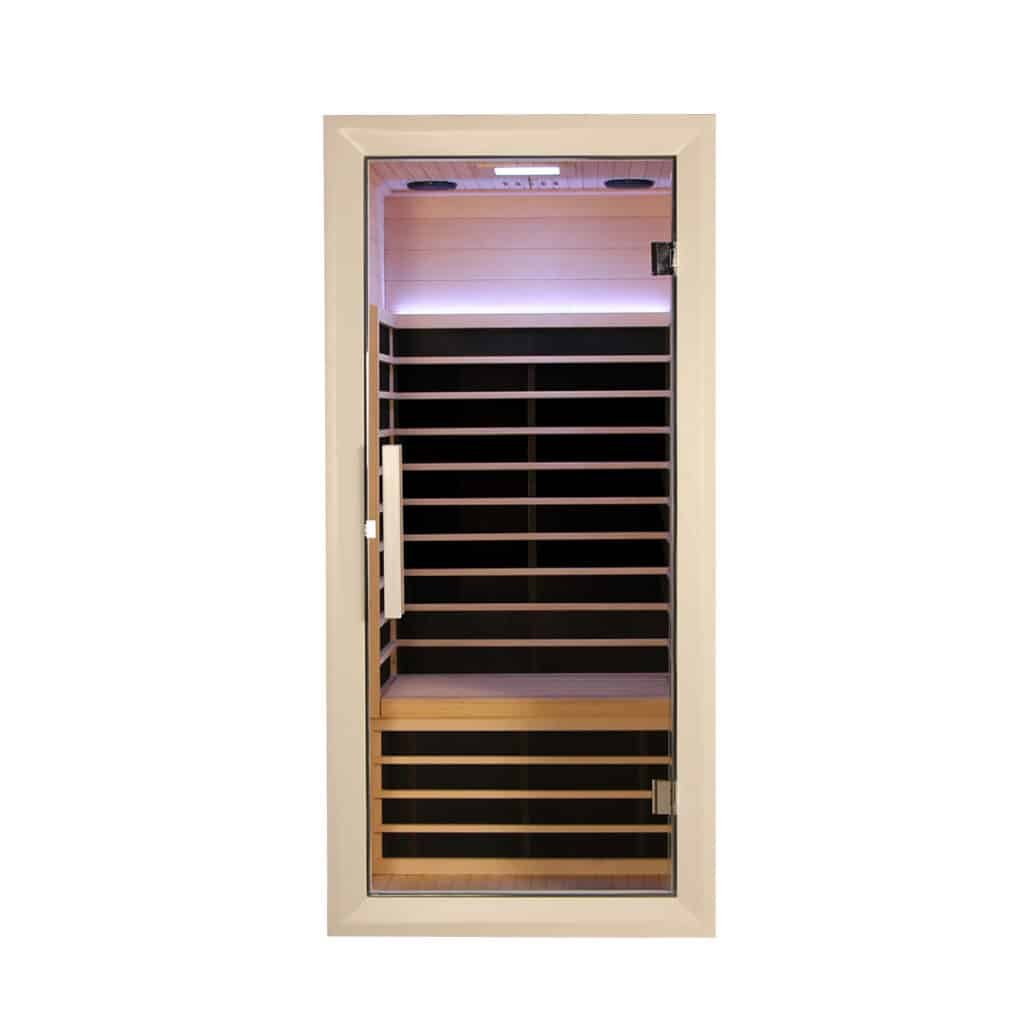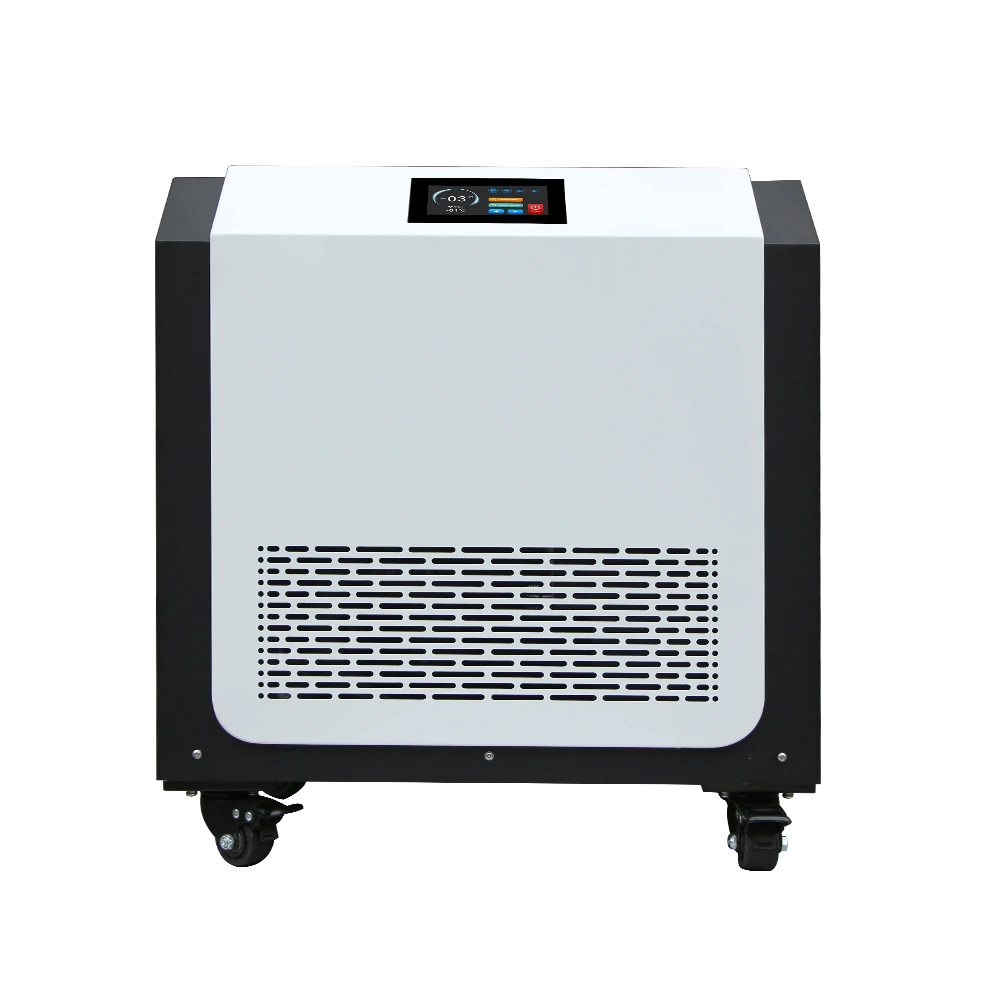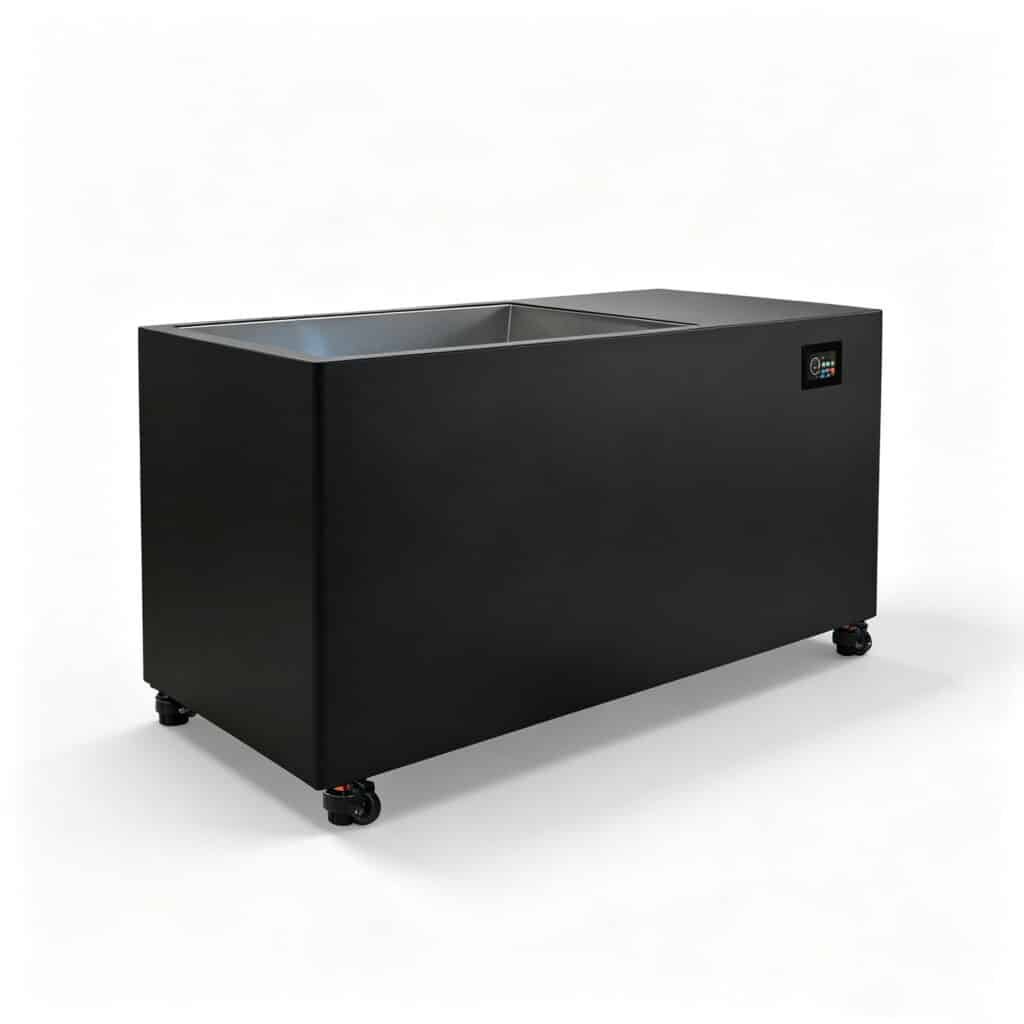
The best commercial cold plunge tub is the configuration that matches a documented facility duty and can be cleaned, inspected, serviced and operated consistently. It is not automatically the most expensive shell, the lowest advertised temperature or the product with the longest feature list. Buyers should compare the tub, water loop, cooling equipment, room interfaces, operating procedure and evidence as one system.
This guide helps gyms, hotels, wellness facilities, clubs and project buyers choose a best commercial cold plunge tub for their own use case. It does not rank brands or promise revenue, recovery or return-on-investment outcomes. Those results depend on the facility, users, operating model and evidence available for the exact product. If two users are part of the approved duty, use the two person cold plunge with chiller guide to define usable dimensions, occupancy, heat load and turnover assumptions.
Table of Contents
Commercial tub buyer checklist
Best commercial cold plunge tub: quick answer
For most projects, the best commercial cold plunge tub is the one with a clearly identified shell and frame, cleanable surfaces, accessible drain and water connections, suitable entry geometry, documented usable volume, compatible cooling and filtration interfaces, and a practical service route. The supplier should show how the quoted model addresses the buyer’s real operating conditions.
Do not begin with stainless steel versus acrylic or built-in versus external chiller. Begin with the duty. A one-user appointment studio, a hotel amenity and a high-throughput training room may require different layouts and operating controls even when their tubs look similar. “Best” therefore means best matched and best evidenced, not universal.
Define the commercial duty before choosing a tub
Write a one-page facility brief before requesting a best commercial cold plunge tub. Record whether access is supervised or self-directed, typical and peak users per hour, operating hours, usable water volume, starting and operating temperature range, allowed recovery time, indoor or outdoor conditions, cleaning windows and downtime tolerance.
- User pattern: scheduled sessions, walk-in use, teams, guests or staff-only operation.
- Physical duty: user sizes, entry method, water displacement, splash management and surrounding deck.
- Thermal duty: starting water, target range, ambient range, cover state and back-to-back use.
- Water duty: circulation, filtration, treatment responsibility, testing, cleaning and replacement.
- Site duty: verified voltage and frequency, drainage, ventilation, noise limits and service clearances.
- Lifecycle duty: consumables, spare parts, maintenance access, shutdown procedure and records.
The facility brief should identify assumptions and approval owners. If usable volume or peak use is unknown, mark it open and request a design range. Do not let a supplier silently select the most favorable test conditions.
Best commercial cold plunge tub comparison matrix
| Decision area | What to compare | Evidence to request |
|---|---|---|
| Shell and frame | Material by component, joining method, supports and finish | Model-specific material statement, drawings and production photos |
| Usable geometry | Internal dimensions, fill line, displacement, seat and entry | Controlled drawing and measured sample |
| Cleanability | Seams, corners, drains, removable parts and approved cleaners | Cleaning instructions and access demonstration |
| Water interfaces | Inlet, outlet, overflow, drain, port sizes and flow direction | Connection diagram tied to the quoted model |
| Cooling integration | External, integrated or remote plant; operating envelope | Complete model list and performance record under stated conditions |
| Facility fit | Footprint, loaded weight, route, ventilation and service space | Installation dimensions and site responsibility matrix |
| Operation | Opening checks, water care, cleaning, incidents and closure | Operating documents and named task owners |
| Acceptance | Appearance, dimensions, leak check, function, documents and packing | Signed first-article and shipment records |
Score each row against the same facility brief. A best commercial cold plunge tub candidate should not win because one supplier answered more marketing questions while another answered engineering questions. Normalize the evidence and list every unresolved point.
Compare materials and construction by use case
Material names are not performance guarantees. Stainless steel varies by grade, surface treatment, weld quality and exposure. Acrylic performance depends on sheet, reinforcement, support and joining. Wood can be a decorative cladding, a structural element or a water-contact surface. Rotomolded and inflatable constructions solve different portability and cost problems.
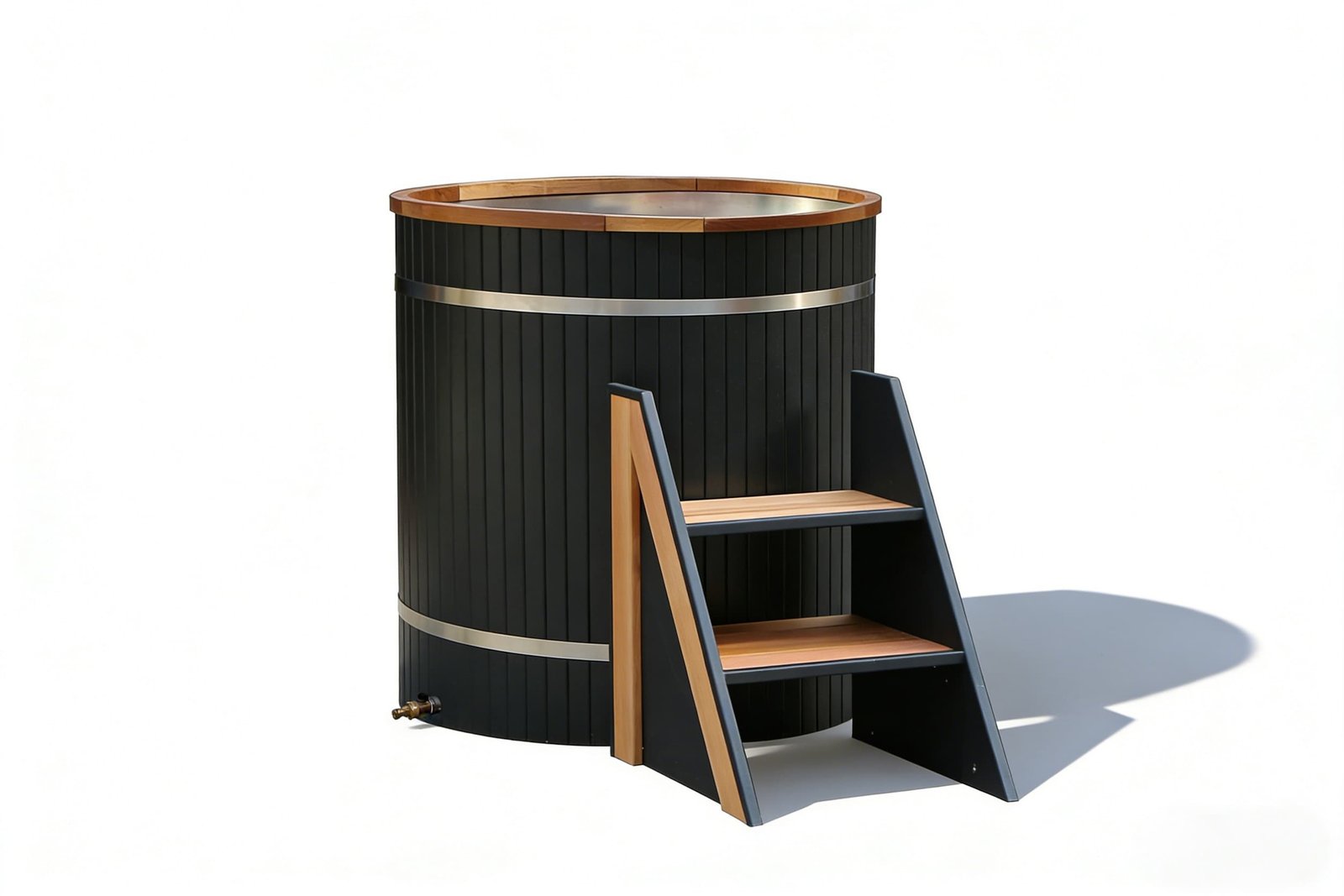
A best commercial cold plunge tub specification identifies those materials by component and connects them to the intended cleaning method, water conditions and service environment.
Ask the supplier to identify the wetted shell, frame, exterior, fittings and fasteners separately. Then compare cleanability, resistance to the intended water-care method, scratch visibility, repair route, weight, finish consistency and service life assumptions. Our cold plunge tub material guide owns that detailed material comparison; this page uses it only as one input to the broader commercial decision.
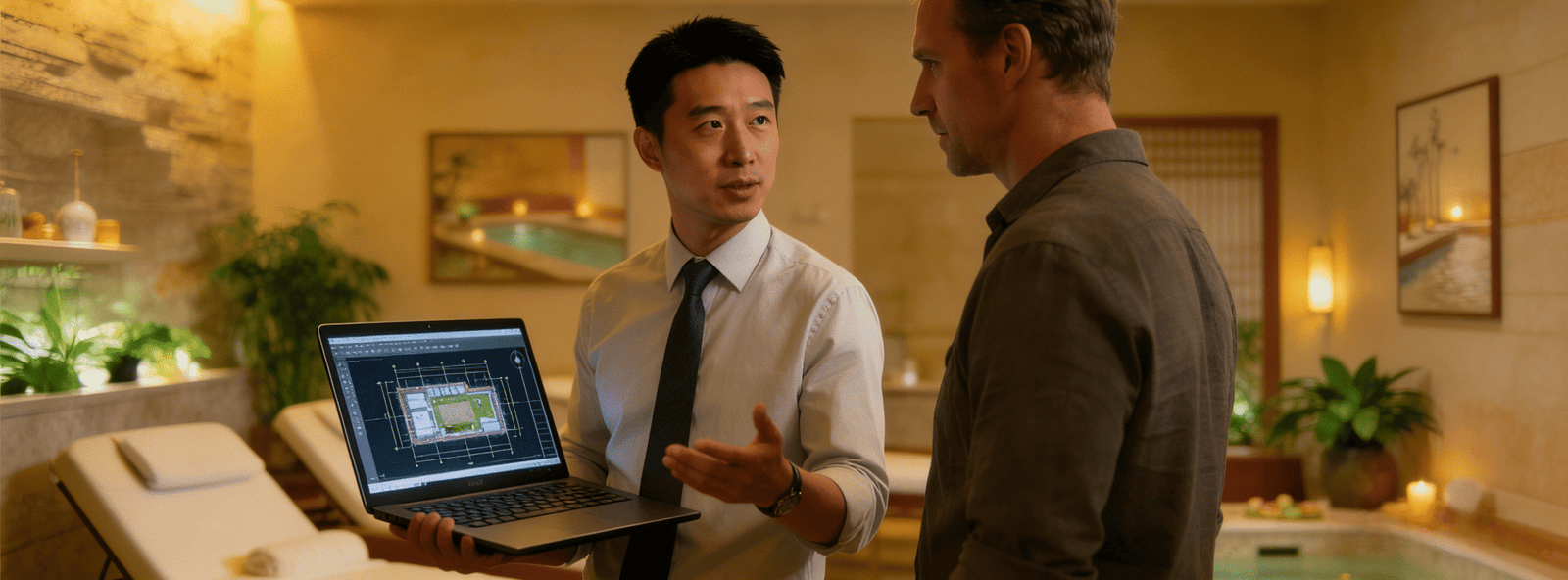
Treat the tub and water loop as one system
The best commercial cold plunge tub still fails as a project if the water loop is undefined. Record the tub volume, port locations, connection sizes, drain, overflow, pump, filter, water-care components, hose or pipe material, valves, controller and cooling equipment. Assign responsibility for compatibility when components come from different suppliers.
For that reason, a best commercial cold plunge tub comparison should show the complete loop beside the headline tub specification.
Cooling equipment should be selected from a stated thermal duty, not horsepower alone. Initial pull-down and temperature maintenance are different conditions. Ask for the exact water volume, starting and target temperatures, ambient condition, elapsed time, cover state and measurement points behind any performance record. The commercial cold plunge chiller guide explains that load calculation and equipment boundary.
Water management also needs a complete operating plan. The U.S. Centers for Disease Control and Prevention describes the Model Aquatic Health Code as guidance for public aquatic venues that jurisdictions may adopt or adapt. A buyer must determine which local rules apply; a filter, ozone unit or UV component alone does not establish safe operation or regulatory acceptance.
Plan facility integration, access and maintenance
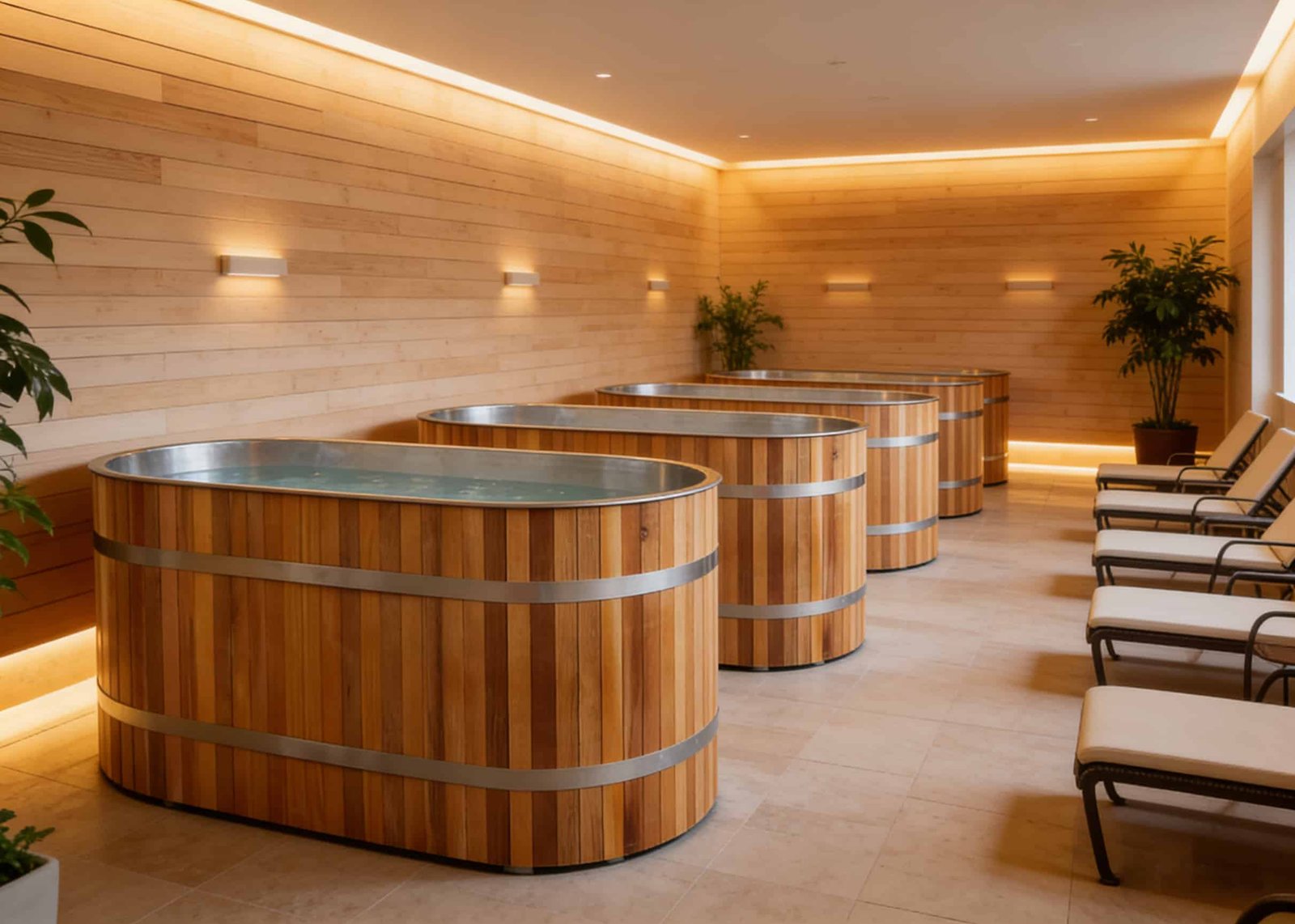
A best commercial cold plunge tub must fit more than the finished floor plan. Check delivery-route dimensions, floor loading with water and user, drainage, wet walking surfaces, entry and exit support, electrical separation, equipment airflow, noise, emergency access and the route used for routine maintenance.
Accessibility requirements depend on venue and jurisdiction. The U.S. Access Board’s pool and spa accessibility guide explains accessible routes and permitted means of entry for covered facilities. Project designers should determine applicability to the actual cold-plunge installation rather than copying a detail from an unrelated spa.
Leave room to inspect the drain, filter, valves, controller and service panels. Decorative enclosures can restrict airflow or turn a minor service task into demolition. For property-specific coordination, see the hotel cold plunge planning guide or the small-business cold plunge guide.
Best commercial cold plunge tub supplier evidence
- Legal seller, production role and payment beneficiary.
- Exact model, revision, dimensions, usable fill and loaded-weight assumptions.
- Material by shell, frame, cladding, fittings and water-contact components.
- Water-interface drawing and complete included-component list.
- Electrical nameplate and documents for the exact destination variant when powered equipment is included.
- Operating envelope, airflow and service-clearance instructions.
- Cleaning and maintenance tasks, approved consumables and spare-part route.
- First-article evidence linked to the frozen specification and artwork.
- Inspection criteria, sampling rule, deviation record and release authority.
- Pack-out, shipping dimensions, gross weight and handling points.
Certificates must be checked by issuer, number, scope, model coverage, standard, revision and current status. Do not assume that a company-level management certificate proves product compliance, or that a document for one variant covers every best commercial cold plunge tub configuration.
Best commercial cold plunge tub acceptance checks
Use two acceptance gates. The factory gate verifies model identity, appearance, dimensions, workmanship, water holding or the agreed leak method, fittings, accessories, documents and packing. The site gate verifies the assembled loop, utilities, flow, controller, drainage, representative cooling result, safe access, maintenance route and operating handover.
The best commercial cold plunge tub is not accepted until both gates close or every deviation has a named disposition and approver.
The cold plunge chiller factory acceptance test provides a record structure for equipment testing. Adapt it to the quoted system and record deviations; do not treat it as a promise that every order includes every test or as a substitute for local commissioning.
Best commercial cold plunge tub decision scorecard
Weight the best commercial cold plunge tub decision according to project risk. For example, a hotel may weight appearance, accessibility and quiet plant placement heavily; a training facility may prioritize repeated use, cleaning access and recovery time. Keep price as one transparent category rather than allowing it to erase unresolved technical risks.
| Category | Buyer weight | Candidate evidence | Open risk |
|---|---|---|---|
| Duty match | [ ] | [ ] | [ ] |
| Construction and cleanability | [ ] | [ ] | [ ] |
| Water and cooling integration | [ ] | [ ] | [ ] |
| Facility fit and accessibility | [ ] | [ ] | [ ] |
| Documents and compliance path | [ ] | [ ] | [ ] |
| Service, spares and lifecycle | [ ] | [ ] | [ ] |
| Commercial and landed scope | [ ] | [ ] | [ ] |
Copyable best commercial cold plunge tub RFQ
VENUE / DESTINATION: [ ]
TYPICAL AND PEAK USERS: [ ]
OPERATING HOURS / SESSION PATTERN: [ ]
USABLE WATER VOLUME: [ ]
STARTING / OPERATING TEMPERATURE RANGE: [ ]
INDOOR / OUTDOOR / AMBIENT RANGE: [ ]
TUB MATERIAL / FINISH / ENTRY: [ ]
WATER PORTS / DRAIN / OVERFLOW: [ ]
COOLING / PUMP / FILTER / WATER-CARE SCOPE: [ ]
VERIFIED VOLTAGE / FREQUENCY: [ ]
ACCESSIBILITY / WET-AREA / SERVICE REQUIREMENTS: [ ]
CLEANING / MAINTENANCE / SPARES: [ ]
DOCUMENTS / TESTS / ACCEPTANCE: [ ]
QUANTITY / PACKING / DELIVERY BASIS: [ ]
OPEN ASSUMPTIONS AND EXCLUSIONS: [ ]
Send this brief through the plunge cold tub factory page for a model-specific response. The answer should identify the proposed configuration, evidence, assumptions and exclusions—not simply declare one product the best commercial cold plunge tub.
Best commercial cold plunge tub FAQ
What makes a cold plunge tub commercial grade?
Commercial suitability is demonstrated against the venue’s real user pattern, operating hours, water management, environment, cleaning process and service needs. The phrase alone is not a test result or compliance statement.
Is stainless steel always the best commercial cold plunge tub material?
No. Grade, construction, finish, water chemistry, cleaning, appearance, weight, repair route and budget all matter. Acrylic and other constructions may fit some projects better when evaluated as complete systems.
Should a commercial tub include an integrated chiller?
Not necessarily. Integrated and external systems create different installation, airflow, noise and service tradeoffs. Select the architecture from the site layout and documented thermal duty.
How should buyers compare commercial cold plunge prices?
Compare one frozen specification, included components, documents, inspection, packing, delivery basis, validity, exclusions and lifecycle support. Headline prices are not comparable when scope differs.
What must pass before a commercial cold plunge opens?
The installed configuration, utilities, flow, drainage, controller, representative cooling condition, water-management procedure, access, maintenance route, staff handover and local approvals should all be accepted and recorded.