Leo

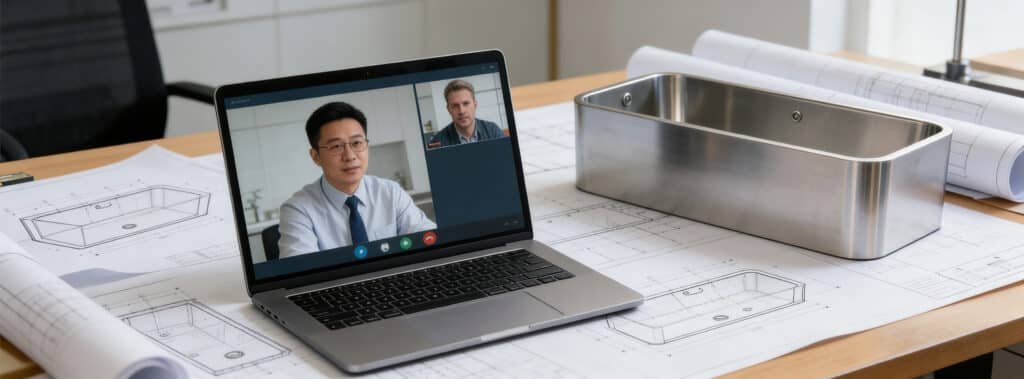
OMNI Ice engineering team providing remote project support and CAD design consultation for commercial cold plunge pool hotel installations

Private Label Cold Plunge: A Brand Owner’s Sourcing Guide (2026)

Building a cold plunge brand in 2026 doesn’t require an engineering team, a factory, or three years of product development. Private label is the path most new brands take — you take a proven cold plunge product, put your branding on it, set your retail strategy, and launch. It’s faster than full OEM, cheaper than building from scratch, and gives you a real product to sell while you figure out the rest of the business. This guide is for brand owners, distributors moving up the value chain, and entrepreneurs entering the cold plunge category. It covers what private label cold plunge actually involves, how it compares to OEM and ODM, what you can and can’t customize, realistic MOQ and pricing, and how to choose a manufacturer that won’t burn you. Quick Answer: What Is Private Label Cold Plunge? Private label cold plunge means buying a manufacturer’s existing, validated product and selling it under your own brand. You get the logo, the packaging, the documentation, sometimes the housing color — but the underlying product is the factory’s standard platform. Compared to full OEM, private label is faster (6–10 weeks vs 14–18 weeks), cheaper (no design or tooling fees), and lower-risk (MOQ from 10–50 units instead of 100–500). It’s the fastest legitimate way to launch a cold plunge brand, and it’s how most successful brands in the category started. Why Brand Owners Choose Private Label Cold Plunge in 2026 The cold plunge market is in a window most categories rarely offer: real demand, real margins, and not yet saturated by dominant brands. Most retailers are still reselling generic equipment at full markup. The space for new branded products is open. Private label cold plunge is the fastest path into that space because: You don’t need product engineering — the factory has already validated the design You don’t pay tooling fees — Private Label uses existing factory tooling MOQ is low — most factories accept 10–50 units for Private Label, vs 100–500 for full OEM Time to market is short — 6–10 weeks from kickoff to first units, versus 14–18 for OEM Margin structure works — factory-direct cost is 30–50% below distributor pricing, leaving room for retail markup You still get a real brand — your logo, packaging, customer experience, retail strategy This is why most cold plunge brands in 2026 launched with Private Label and graduated to full OEM only after they had market traction. Doing it in that order is the smart move. Going straight to OEM before you know what sells is how brands burn six figures on inventory that doesn’t move. For the broader sourcing landscape, our cold plunge chiller supplier guide and how to source cold plunge from China cover the wider B2B procurement picture. Private Label vs OEM vs ODM: Which One Fits Your Brand These three terms get used interchangeably and they shouldn’t. They describe different relationships with different costs and timelines. Model What you provide What the factory does MOQ Lead time Best for Private Label Brand only (logo, packaging) Their standard product + your branding 10–50 units 6–10 weeks New brands, fast launch ODM Brand + high-level requirements Adapts their existing design to your brief 50–100 units 10–14 weeks Brands wanting some differentiation, no engineering team OEM Your design specifications Manufactures to your specs 100–500 units 14–18 weeks Brands with engineering capability and validated market fit Most new brands should start with Private Label. It’s the lowest-risk way to validate that you can sell the product. Once you have proof of market fit — actual revenue, actual customers — graduate to ODM (more differentiation) or full cold plunge OEM manufacturing (real product proprietary). Trying to skip Private Label and start with OEM is how brands end up with $80,000 of unsold inventory in a custom configuration that turned out not to sell. What You Can Customize in a Private Label Cold Plunge The customization scope is narrower than OEM, but broader than most first-timers expect. The honest breakdown: What you can customize: Logo — laser etching on stainless steel, screen printing on acrylic, molded branding on housing Color — most factories offer a range of housing colors and finishes from existing tooling Packaging — your branded box, custom inserts, custom labels Documentation — branded user manual, warranty card, quick-start guide Marketing materials — branded photography, video, and spec sheets the factory can provide What you can’t change (without moving to OEM): The core product design (housing shape, dimensions, internal layout) The technical specifications (HP rating, control system, cooling capacity) The component selection (compressor, sanitation system, filtration) If you need to change technical specifications or the product design itself, you’ve moved past Private Label into ODM or full OEM. For most new brands, the standard product on the factory’s platform is what your customers actually want — and the branding/packaging customization is enough to differentiate at retail. A solid example of a strong Private Label platform: a 304 stainless steel commercial tub like the WT-09 metal ice bath, where the underlying product is proven, the certifications are in place, and you can brand it as yours from day one. The Private Label Cold Plunge Process: Step by Step A typical Private Label project runs through six stages. Knowing what each involves helps you plan and avoid the surprises that derail first-timers. Choose your platform (Week 1) — Review the factory’s standard product lineup and choose the model that fits your target market. Get spec sheets, certifications, and reference photos. Submit branding assets (Week 1–2) — Send your logo files (high-res vector), packaging design concept, color preferences, and any documentation templates. Factory’s design team produces a branded mockup. Sample production and approval (Week 3–5) — Factory produces 1 branded sample to your specifications. Sample ships to you (2–4 weeks transit depending on shipping method). Test it under realistic conditions for 1–2 weeks before approving. Sign contract and pay deposit (Week 5–6) — Standard terms are 30% deposit at order confirmation, 70% before shipment. Use Trade

Private Label Cold Plunge: A Brand Owner’s Sourcing Guide (2026) Read More »

Cold Plunge for Physical Therapy Clinics: A 2026 Guide

A cold plunge for physical therapy is no longer reserved for elite sports facilities. In the past two years, the equipment has dropped in price, become quieter, and added the sanitation features that make it practical for clinical use. The result: PT clinics across the US, UK, and Australia are adding cold plunge to their treatment menu — not as a wellness add-on, but as a clinical tool. This guide is for clinic owners, lead physical therapists, and practice managers thinking about adding cold water immersion to their facility. It covers what the equipment actually needs to do in a clinical setting, what the realistic numbers look like, the patient protocols that protect both outcomes and liability, and how to source the right system without paying retail markup. Quick Answer: Is a Cold Plunge Worth It for a PT Clinic? For most PT clinics, yes. The clinical case is well-established for post-exercise recovery, post-surgical inflammation management, and acute injury support. The business case works because PT clinics can charge for cold plunge sessions outside the insurance billing model — cash-pay recovery programs, membership packages, and patient self-pay options. Most clinics recover the equipment cost within 8–14 months and gain a service that competitors without it can’t offer. The right equipment for a clinic is a 1–1.5 HP commercial chiller with built-in ozone sanitation, paired with a stainless steel tub. Anything less is consumer-grade and won’t survive clinical use. Sourcing factory-direct typically saves 30–50% versus buying through a distributor. The rest of this guide explains why, and what to actually do. Why Physical Therapy Clinics Are Adding Cold Plunge in 2026 The reason is straightforward: it works clinically, and it generates revenue insurance doesn’t pay for. On the clinical side, research on cold water immersion recovery consistently shows reduced delayed-onset muscle soreness, faster recovery between sessions, and measurable benefits for inflammation management. For PT clinics treating athletes, post-surgical patients, and chronic-pain cases, that’s a tool worth having. On the business side, the math is what’s pushing adoption: Cash-pay recovery sessions typically run $25–50 per session, billed directly to the patient Recovery memberships ($60–150/month) give patients ongoing access between PT visits and create recurring revenue Add-on to existing visits — many clinics offer cold plunge as a $15–25 add-on at the end of a covered PT session Sports recovery packages for local athletes and weekend warriors who aren’t PT patients at all This last point matters. A cold plunge expands your customer base beyond the people who need physical therapy — runners, lifters, and CrossFit members will pay for recovery access at a clinic they otherwise wouldn’t visit. Some clinics now generate more revenue from non-PT recovery customers than from billable PT, with cold plunge as the anchor service. The same logic applies to other small healthcare and wellness businesses, covered in our cold plunge for small business guide. Clinical Applications: Where Cold Plunge Fits in PT Treatment Cold plunge isn’t a replacement for therapeutic exercise or manual therapy. It’s an adjunct that improves the conditions under which the rest of your treatment works. Common clinical applications: Post-exercise recovery for athletic and active patients between training blocks Post-surgical inflammation management in the appropriate window (typically after the initial acute phase, on physician clearance) Chronic pain support for patients with conditions where inflammation is a contributor Athletic rehab for return-to-sport protocols with elite or sub-elite athletes General recovery and wellness for non-PT patients using the clinic as a recovery facility For clinics building out a full sports-recovery program, the configurations on our professional sports recovery ice bath page are engineered for the kind of high-volume, high-intensity use elite training environments need. The contraindications matter. Cold plunge isn’t appropriate for patients with certain cardiovascular conditions, Raynaud’s, uncontrolled hypertension, or some post-surgical cases. Your protocols (covered below) need to screen for these. What Type of Cold Plunge Works for a PT Clinic A clinic isn’t a home, and consumer equipment doesn’t survive clinical use. The requirements that matter: 1 HP minimum cooling capacity, 1.5 HP if you’re running multiple patients per hour or want to hold temperatures below 4°C. Anything less can’t keep up with the load. Built-in ozone sanitation. This is non-negotiable. PT clinics see multiple patients per day, often with open wounds or surgical sites in the recovery phase. Manual chemical treatment between patients isn’t realistic and isn’t safe. Smart controlled chiller systems with integrated ozone are built for exactly this multi-user clinical use. Adjustable temperature across the 0–15°C range. Different patients and different protocols need different temperatures. A fixed-temp unit doesn’t give you clinical flexibility. Easy cleaning and surface sanitation between patients — non-porous stainless steel interior, accessible drain, smooth surfaces. Quiet operation. Treatment rooms next door, patient conversations, the general clinical atmosphere — a loud compressor disrupts all of it. WiFi monitoring and logs. For clinical documentation and infection-control records, automated temperature and usage logs save real administrative time. For most PT clinics, a 1HP smart chiller with ozone and adjustable temperature handles the requirements with margin. The CHU-15-RV 0°C smart chiller is a common clinical specification when sub-4°C temperatures are part of the protocol, because it holds those temperatures under repeated patient use without struggling. PT Clinic Equipment Needs vs Other Recovery Facilities PT clinics have specific requirements that overlap with — but aren’t identical to — gyms, spas, and wellness studios. Where the differences show up: Requirement PT Clinic Gym Spa Sports Center Cooling capacity 1–1.5 HP 1–1.5 HP 1 HP 1.5–2 HP Adjustable temp range Critical (0–15°C) Important Less critical Important Ozone sanitation Required (open wounds, surgical patients) Required Required Required Noise tolerance Very low Higher Low Higher Patient documentation Required (clinical records) Not needed Not needed Sometimes Aesthetic Clinical, clean Industrial OK Premium Functional The most clinic-specific factors are the wider temperature range and the documentation needs. Many PT clinics also place a higher premium on aesthetics that signal “clinical” rather than “wellness” — stainless steel rather than wood, clean lines, visible cleanliness. For other commercial

Cold Plunge for Physical Therapy Clinics: A 2026 Guide Read More »

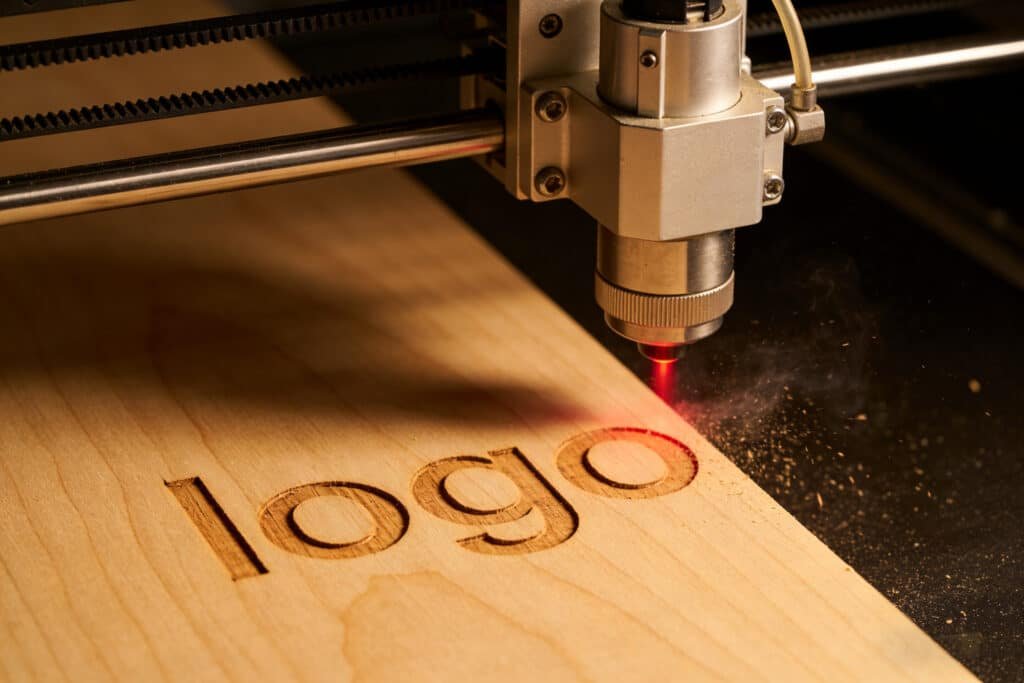
Custom OEM laser-engraved logo branding for cold plunge tub manufacturers

Cold Plunge OEM Manufacturing: A Brand Owner’s Guide for 2026

Building a cold plunge brand in 2026 starts with one decision: do you resell other people’s products, or do you build your own. Reselling is faster to launch but leaves you competing on price with everyone else carrying the same SKUs. Cold plunge OEM manufacturing is the alternative — you design your own product, brand it as yours, control the margin structure, and own the customer relationship. This guide is written for brand owners, distributors moving up the value chain, and entrepreneurs entering the cold plunge category. It walks through how cold plunge OEM manufacturing actually works in 2026 — the process, the scope of customization, the MOQ and pricing realities, the factory verification steps, and the mistakes that cost first-time OEM buyers the most. Why Brand Owners Choose Cold Plunge OEM Manufacturing in 2026 The cold plunge category has matured to the point where reselling generic equipment no longer differentiates a brand. Every retailer is chasing the same Plunge, Renu, and Morozko-style consumer products at full markup. Brand owners who want margin and identity are moving to cold plunge OEM manufacturing — building products that are theirs, not someone else’s. The strategic advantages are clear: Higher margins — Factory-direct OEM pricing is typically 30–50% below distributor cost, with no reseller layer eating your spread Brand identity — Your name on the unit, your design language, your specs. Customers buy a brand, not a generic SKU Category control — You set retail price; nobody else is selling the identical product on Amazon at a discount Long-term defensibility — A real brand with proprietary product is durable; a reseller account is not The cold plunge market itself supports the move. The category continues to grow at a healthy double-digit pace globally, and the window for new brands with distinctive positioning is still open — but closing as larger players consolidate. Brands launching now with proper cold plunge OEM manufacturing partnerships are setting up for the next 3–5 years of category growth. For buyers weighing OEM against simpler sourcing models, the cold plunge chiller supplier guide covers straight wholesale, the wholesale cold plunge tub buyer’s guide covers volume tub sourcing, and the how to source cold plunge from China guide covers the broader procurement process. OEM is the deepest commitment — but also the highest reward. OEM vs ODM vs Private Label: What’s the Difference These three terms get used interchangeably, but they describe very different relationships with your manufacturer. Understanding the distinction matters because each has different cost, control, and timeline implications. Model What you provide What factory provides Your control Best for OEM Your design specifications Manufacturing only High — you own design Brands with engineering capability ODM Brand and high-level requirements Design + manufacturing Medium — factory adapts existing designs Brands launching fast, no engineering team Private Label Brand only Standard product + your logo Low — you get factory’s standard product Resellers wanting brand identity quickly Most cold plunge brand owners launching in 2026 start with ODM or Private Label because it’s faster and cheaper, then transition to full OEM once their brand has traction and they want true product differentiation. A capable factory should support all three models, so you can evolve the relationship as your brand grows. What Can Actually Be Customized in Cold Plunge OEM The scope of customization is broader than most first-time OEM buyers realize. A capable cold plunge OEM manufacturing partner can adjust virtually any aspect of the product. The customizations fall into four categories: Exterior and branding: Custom logo placement (laser etching on stainless, screen printing on acrylic, molded branding on housings) Custom housing colors and finishes (powder coating, premium chassis options) Custom dimensions for specific markets (US vs EU vs Asia size preferences) Custom hardware (handles, drain fittings, integrated seating contours) Functional and technical: Custom HP ratings (0.5 HP to 5 HP across the product line) Custom temperature range (standard 3–42°C, or premium 0°C ice-making) Custom control systems (touchscreen, app integration, WiFi protocols, smart-home compatibility) Custom sanitation (ozone configuration, UV options, dual-stage filtration) System integration: Matched chiller-tub systems sold under your single brand Custom plumbing configurations for specific install environments Custom electrical specs for target markets (110V US, 220V EU/Asia) Packaging and documentation: Custom retail packaging with your brand identity Custom user manuals translated and branded Custom warranty cards and registration materials Branded shipping marks for retail distribution For brands wanting to launch quickly without building everything from scratch, starting from a proven OEM platform like the CHM-10 smart 1HP dual-function chiller lets you customize branding, housing, and key features while inheriting validated core engineering. This is the path most new cold plunge brands take. The Cold Plunge OEM Manufacturing Process: 6 Steps A typical cold plunge OEM project runs through six stages from first inquiry to first shipment. Knowing what each stage involves helps you plan timeline and avoid surprises. Requirements brief and quote (Week 1) — You submit your product requirements: target market, specifications, customization scope, target MOQ and price. Factory responds with a tailored quote within 24–48 hours covering pricing, lead time, and any technical clarifications. Design and engineering (Weeks 2–4) — Factory’s engineering team finalizes the design — custom housing, branding placement, functional specs. You review CAD drawings, 3D renders, and engineering documentation. Iterations happen here. Sample production (Weeks 5–7) — Factory produces 1–3 prototype units to your finalized specs. Samples ship to you for testing. Plan for 2–4 weeks of in-market testing under realistic conditions — don’t shortcut this stage. Sample approval and revisions (Weeks 8–9) — Based on sample testing, request any final adjustments. Most projects need 1–2 minor revisions at this stage. Once you sign off, the design is locked. Production (Weeks 10–14) — Factory runs your bulk order. Production timing depends on order size — 25–35 days for typical mid-volume orders, 35–50 days for larger or more complex configurations. Quality control and shipping (Weeks 15–16) — Final QC inspection, packaging, and shipping. With DDP terms, factory handles customs and delivery to

Cold Plunge OEM Manufacturing: A Brand Owner’s Guide for 2026 Read More »

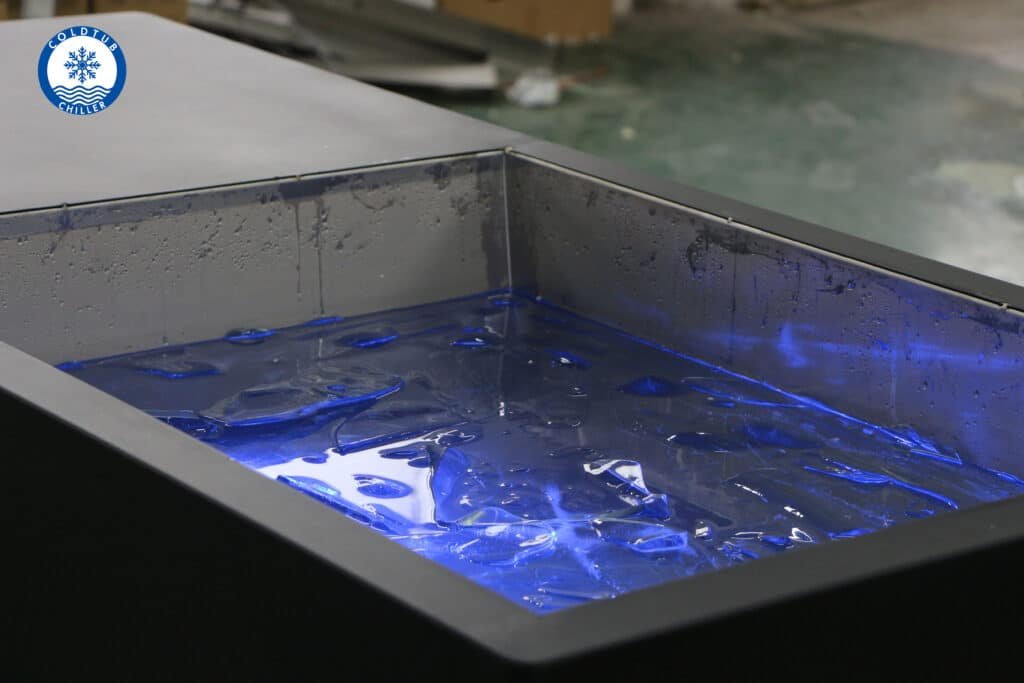
WT-11 ice bath tub interior with water — 1000×680mm stainless steel basin, full immersion view

Cold Plunge for Wellness Studios & Recovery Centers: The 2026 Owner’s Guide

A cold plunge for wellness studios has become one of the defining amenities of the modern recovery economy. In 2026, members no longer walk into a wellness studio expecting just a massage table or a yoga mat — they expect a complete recovery experience, and cold water immersion sits at the center of it. For studio owners and recovery center operators, the question is no longer whether to add a cold plunge, but which commercial-grade system to install, where to put it, and how to source it without overpaying. This guide is written for wellness studio owners, recovery center operators, and the small business buyers behind them. It covers why a cold plunge for wellness studios pays for itself, what separates commercial-grade equipment from consumer units, how to fit one into your floor plan, the real ROI numbers, the mistakes to avoid, and how to source directly from a manufacturer to protect your margin. Why Wellness Studios Are Adding Cold Plunge in 2026 The wellness industry has shifted from single-service businesses to integrated recovery destinations. Where a studio once offered one modality — yoga, massage, or stretching — the successful studios of 2026 stack complementary recovery services into a single membership. A cold plunge for wellness studios is the amenity driving that shift. It earns its place because it does three things no treadmill or massage chair can: It differentiates your studio in a saturated local market It justifies premium pricing through upgraded membership tiers and paid sessions It builds routine — members come back specifically for the plunge The demand is grounded in real physiology, not hype. According to research on cold water immersion recovery, cold water immersion measurably reduces delayed-onset muscle soreness and accelerates recovery after intense activity. Beyond muscle recovery, members consistently report improved mood, alertness, and sleep quality — which is why cold plunge retention rates tend to be high once a member builds the habit. Adding a cold plunge for wellness studios is, fundamentally, one of the smartest investments a recovery-focused small business can make — the same logic covered in our cold plunge for small business guide, applied specifically to the studio and recovery-center model. It belongs in the same high-ROI category as the installations covered in our commercial cold plunge for gyms guide, now extended to boutique studios and dedicated recovery centers. What Type of Cold Plunge Works for a Wellness Studio The single most common and most expensive mistake studio owners make is installing a consumer-grade unit in a commercial environment. A home cold plunge serves one or two people for an hour or two a day. A cold plunge for wellness studios serves dozens of members across a full operating day — a completely different demand. That difference dictates several non-negotiable requirements: Continuous-duty cooling capacity — A studio plunge runs 10–14 hours daily with water constantly warmed by repeated entries. A 1/2 HP consumer chiller can’t hold temperature under that load. Studios need 1 HP minimum, 1.5 HP for higher-traffic recovery centers. Studios offering contrast therapy often choose a dual cold-and-hot unit like the CHM-10 smart 1HP chiller, which delivers both modalities from one system and saves floor space. Continuous ozone sanitation — With dozens of members using the same water daily, manual chemical treatment isn’t viable. A studio plunge needs built-in ozone and multi-stage filtration that sanitize automatically. Smart controlled chiller systems with integrated ozone are built for this hands-off requirement. Quiet operation — Underrated and studio-specific. A loud compressor undermines the calm atmosphere a wellness studio sells, especially when the plunge shares space with treatment or relaxation areas. Check decibel ratings. Commercial-grade durability — Consumer units in studios typically fail within 6–12 months. Commercial equipment is built for years of continuous operation. App-based monitoring — WiFi temperature monitoring lets you confirm the plunge is ready before members arrive and catch issues before they become complaints. How to Integrate a Cold Plunge into Your Studio Layout This is the part most equipment guides skip — but it’s where studio owners hit real problems. Buying the right plunge is only half the job; fitting it into your space is the other half. Work through these five factors before installation: Space and footprint — A single-person commercial plunge plus chiller needs roughly 1.5–2.5 m² including service access and safe entry/exit room. Don’t push the unit flush against a wall if it blocks chiller maintenance. Drainage and water supply — The ideal spot has a nearby floor drain and water connection. It turns a 30-minute water change into a 5-minute one. No drain nearby? Budget to add one, or choose a unit with a pump-out function. Electrical — Most 1–1.5 HP chillers run on 220V drawing 1,000–1,800W under load. Have an electrician confirm your circuit can handle it alongside saunas and HVAC — before installation day, not after. Flooring and moisture — Plunges create splash and condensation. Non-slip flooring is a safety requirement, and good moisture management protects your floors long-term. Pairing with sauna — If you offer contrast therapy, position the plunge near the sauna for an easy hot-cold loop. It’s one of the most marketable recovery experiences in 2026. Choosing Commercial-Grade Equipment for Studio Use Once you know you need commercial-grade equipment and where it goes, three decisions remain: material, sanitation, and temperature. Tub material. For studios, stainless steel cold plunge tubs — specifically 304-grade — are the dominant choice: corrosion-resistant under ozonated water, non-porous so they don’t harbor bacteria, and projecting the clinical premium image that justifies a studio’s pricing. Wood and acrylic suit studios wanting a softer aesthetic, but stainless is the high-traffic workhorse. Sanitation. Ozone is the standard for multi-user environments — it sanitizes continuously without the chlorine smell that would undermine a calm studio atmosphere. Pair it with multi-stage filtration for body oils and contaminants. Temperature. Decide between true 0°C ice-making (premium “real ice” positioning) and stable 3–5°C cooling (sufficient for most studios). Going colder than you need raises equipment and running costs, so match capability

Cold Plunge for Wellness Studios & Recovery Centers: The 2026 Owner’s Guide Read More »

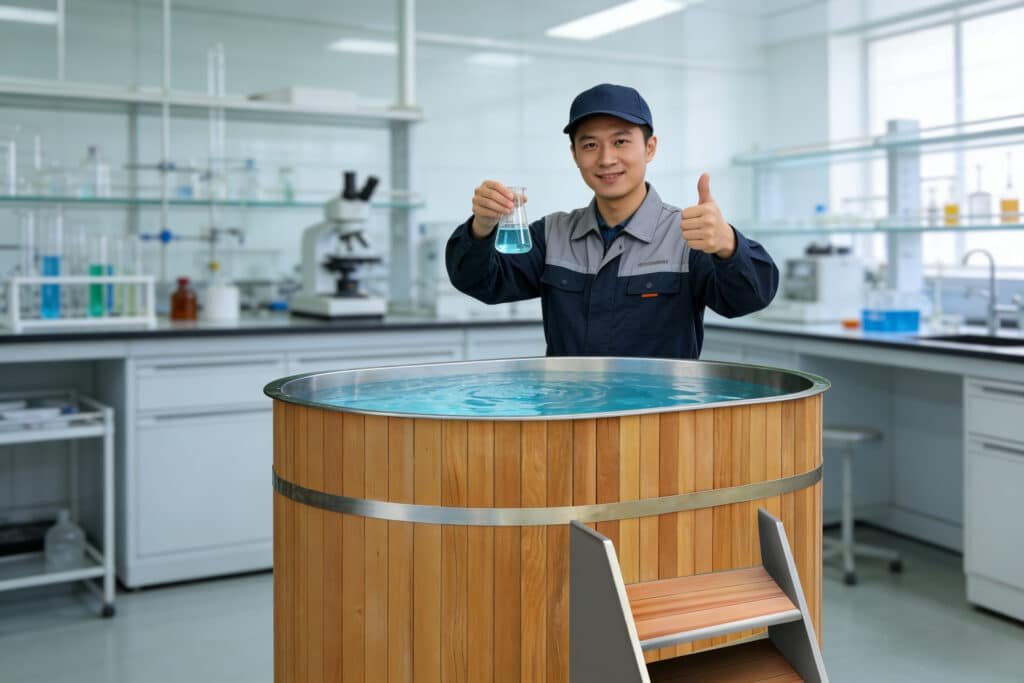
Wooden cold plunge tub automated water management system approved by OMNI Ice technician

How to Source Cold Plunge from China — A Complete Importer’s Guide

If you’re planning to source cold plunge from China — whether you’re a distributor building inventory, a brand owner launching a product line, or a retailer cutting out the middleman — the difference between a profitable sourcing operation and an expensive lesson comes down to process. China produces the overwhelming majority of cold plunge chillers and ice bath tubs sold worldwide, and the savings from direct sourcing are real. But so are the risks for importers who skip the verification steps experienced buyers treat as non-negotiable. This guide walks through the complete process: where to find suppliers, how to verify a factory before you wire any money, what MOQ and pricing realistically look like in 2026, how shipping and customs work, and the specific mistakes that cost first-time importers the most. Why Source Cold Plunge from China in 2026 China is the global manufacturing hub for cold plunge equipment for reasons that go beyond labor cost. The country has the refrigeration engineering capacity, the stainless steel and component supply chains, the cooperage skills for wooden tubs, and the export logistics infrastructure that no other manufacturing market matches at this price point and scale. The economics are straightforward. A cold plunge chiller that leaves a Chinese factory at $700–1,200 FOB is commonly sold by a US distributor at $1,800–2,800 retail. The same markup structure applies to tubs. When you source cold plunge from China directly, you capture the 30–50% margin that would otherwise go to importers and resellers in the distribution chain. For B2B buyers, this margin is the foundation of the business model. A distributor competing on retail price needs factory-direct cost structure to maintain healthy unit economics. A brand owner building a private-label line needs direct manufacturer access to customize the product. Both paths run through sourcing directly from a Chinese cold plunge chiller manufacturer or ice bath tub factory. The trade-off is responsibility. The importer you’d otherwise buy from handles supplier vetting, quality control, certification verification, and shipping logistics. Sourcing direct means taking those on yourself — which is exactly why the rest of this guide focuses on doing them correctly. Where to Find Cold Plunge Suppliers in China There are four main channels for finding cold plunge suppliers in China, each with different trade-offs. Alibaba The largest B2B marketplace and the default starting point for most importers. Alibaba lists thousands of cold plunge suppliers, but with a critical caveat: many listings are trading companies, not factories. Trading companies add a margin layer on top of factory pricing. To source at true factory-direct cost, filter for verified manufacturers, check for “Verified Supplier” and “Trade Assurance” badges, and confirm the company actually produces rather than resells. Made-in-China and Global Sources Two established B2B platforms with strong manufacturer representation. Global Sources in particular has a longer history with verified manufacturers and tends to attract more serious factories. Both are worth cross-referencing against Alibaba when verifying a supplier’s legitimacy. Trade shows The Canton Fair (Guangzhou), the China International Import Expo, and specialized wellness/fitness equipment shows allow you to meet manufacturers face-to-face, inspect product quality directly, and build relationships that online platforms can’t replicate. For buyers planning significant ongoing sourcing, attending a trade show once is worth the travel cost. Direct factory contact The most efficient channel once you know what you’re looking for. Established manufacturers maintain their own websites with direct inquiry channels — bypassing platform fees and trading company markups entirely. You can verify a manufacturer’s production background, certifications, and client base directly, as on the About OMNI Ice page, before initiating contact. For most importers, the optimal approach combines channels: use Alibaba and Global Sources to identify candidate suppliers, then move to direct factory contact for serious negotiation and verification. How to Verify a China Cold Plunge Factory Before Ordering This is the step that separates profitable importers from the ones who learn expensive lessons. Before wiring any money to a Chinese cold plunge factory, verify the following. Business credentials and export license Any legitimate manufacturer produces a business license, export registration, and tax records on request. Hesitation on documentation is the single most reliable warning sign in this industry. Cross-check the company name across Alibaba, Made-in-China, and ideally your country’s customs import records to confirm they’ve shipped to your region before. Quality certifications The certifications that matter depend on your market and whether the product includes electrical components. For chillers and electrically-integrated units entering Europe, CE marking requirements apply, and the factory must produce CE technical documentation. The ISO 9001 quality management standard is the baseline international quality certification — any serious manufacturer holds current ISO 9001. For North America, ETL is the relevant electrical certification; for Australia, SAA; for Japan, PSE. Without the right certifications, your shipment can be held at customs and your liability insurance may refuse coverage. Production capacity Ask for annual production volume, number of production lines, and current order backlog. A factory producing 2,000 units annually cannot reliably fulfill a 500-unit order in your timeframe. Larger manufacturers operating multiple production bases with capacity exceeding 2 million units annually can accept large orders without the delivery risk smaller factories carry. Material verification For stainless steel tubs, require a mill test certificate confirming 304 grade. “Stainless steel” claims sometimes turn out to be 201 or 202 grade, which corrode within 12–18 months under chlorinated water. For chillers, verify the compressor brand and refrigerant type. Third-party audit For orders above $50,000, commission a factory audit from SGS, Intertek, or Bureau Veritas, or conduct a live video factory tour. A supplier who refuses both is not worth engaging at any volume. The full verification framework for chillers specifically is covered in the cold plunge chiller supplier guide, and the tub-specific verification process is in the wholesale cold plunge tub buyer’s guide. MOQ, Pricing, and Payment Terms When Sourcing from China Mismatched expectations on minimum order quantity, pricing, and payment terms are the most common source of friction in China sourcing. Here is the realistic picture for

How to Source Cold Plunge from China — A Complete Importer’s Guide Read More »

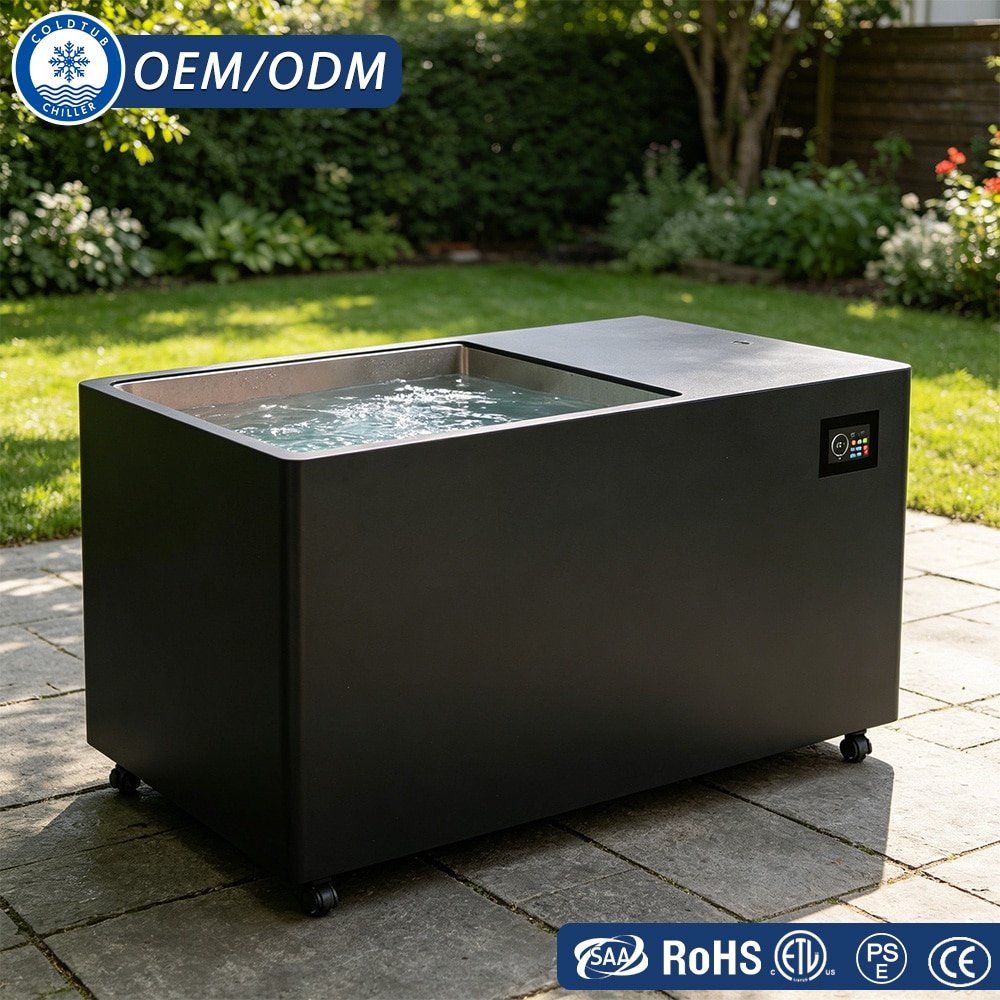
WT-11 stainless steel cold plunge tub side view — rectangular commercial ice bath, outdoor patio setup

Best Commercial Cold Plunge Tub for 2026: A Buyer’s Comparison

Choosing the best commercial cold plunge tub is a different problem from choosing one for home use. A home tub needs to look good and work reliably for one or two people. A commercial tub needs to survive dozens of users daily, maintain hygiene under continuous load, resist corrosion from constant chlorinated and ozonated water exposure, and still look professional after years of heavy use. Get the choice wrong and you’re replacing equipment within 18 months — and absorbing the cost of downtime, replacement, and disappointed customers. This guide compares the best commercial cold plunge tub options for 2026 by material, durability, cost, and ROI — written for gym owners, spa operators, hotel buyers, and distributors who need equipment that performs in a commercial environment and holds up over years, not months. What Makes a Cold Plunge Tub “Commercial-Grade” The phrase “commercial cold plunge tub” gets used loosely in the market. Plenty of products marketed as commercial-grade are simply consumer tubs with a higher price tag. The actual differences that matter for commercial buyers are specific and measurable. A residential cold plunge tub is used 1–2 hours daily by 1–2 people. A commercial cold plunge tub is used 10–16 hours daily by 30–60+ different people. Everything follows from this difference: the material has to resist far more wear, the sanitation system has to handle far more contamination, and the construction has to tolerate far more physical stress. Commercial-grade means corrosion resistance under continuous chlorinated and ozonated water exposure, non-porous surfaces that don’t harbor bacteria across high user volumes, structural durability that withstands daily entry and exit by dozens of users, and compatibility with continuous-duty sanitation and filtration systems. The demand for this equipment is being driven by the broader recovery economy — research on cold water immersion recovery continues to confirm the physiological benefits that bring members and guests back repeatedly, which is exactly why commercial buyers need equipment built for that repeat traffic. A tub that fails any of these requirements isn’t commercial-grade regardless of how it’s marketed. The rest of this guide compares which materials actually meet the bar — and which don’t. Best Commercial Cold Plunge Tub by Material: Full Comparison There are four main material categories. Each has a specific commercial use case, and only some are genuinely suited to heavy commercial deployment. Material Commercial Durability Hygiene Cost (Wholesale FOB) Best For Stainless Steel (304) Excellent (8–12 yrs) Excellent (non-porous) $450–$1,200 Gyms, spas, hotels, most commercial Acrylic Good (5–8 yrs) Very good $300–$700 Mid-tier commercial, residential Wooden (cedar/teak) Moderate (3–5 yrs) Requires management $600–$1,500 Boutique studios, premium aesthetic Inflatable Poor (not commercial) Difficult $40–$150 Home/portable only The short version: for most commercial buyers, stainless steel cold plunge tubs are the best overall choice. Acrylic cold plunge tubs are the best value for mid-tier commercial and high-end residential. Wooden cold plunge tubs are the best aesthetic choice for boutique environments where appearance justifies the durability trade-off. Inflatable tubs are not suitable for commercial use under any realistic scenario — they’re included here only to be clear about why. Stainless Steel: The Best Commercial Cold Plunge Tub for Most Buyers If you’re buying a single material category for a commercial facility, 304-grade stainless steel is the default correct choice. It’s the most-specified material for commercial gym, spa, and hospitality installations for clear reasons. Why stainless steel wins for commercial use Stainless steel is corrosion-resistant under the continuous chlorinated and ozonated water exposure that commercial sanitation requires. It’s completely non-porous, meaning bacteria has nowhere to harbor — critical when 40+ different people use the same water in a day. It’s structurally durable enough to absorb daily wear without visible degradation, and the clinical, professional appearance signals quality to members and guests in a way that supports premium pricing. The service life of a quality 304 stainless commercial tub is 8–12 years, which is 2–3x longer than wood and significantly longer than acrylic under heavy commercial load. Over the lifetime of the equipment, the higher upfront cost works out to the lowest cost per year of any material. The 304 vs 201/202 trap This is the single most important thing for commercial buyers to verify. “Stainless steel” is not a single material — there are different grades, and they perform very differently. If you’re buying a single material category for a commercial facility, 304-grade stainless steel is the default correct choice. It’s the most-specified material for commercial gym, spa, and hospitality installations for clear reasons. Why stainless steel wins for commercial use Stainless steel is corrosion-resistant under the continuous chlorinated and ozonated water exposure that commercial sanitation requires. It’s completely non-porous, meaning bacteria has nowhere to harbor — critical when 40+ different people use the same water in a day. It’s structurally durable enough to absorb daily wear without visible degradation, and the clinical, professional appearance signals quality to members and guests in a way that supports premium pricing. The service life of a quality 304 stainless commercial tub is 8–12 years, which is 2–3x longer than wood and significantly longer than acrylic under heavy commercial load. Over the lifetime of the equipment, the higher upfront cost works out to the lowest cost per year of any material. The 304 vs 201/202 trap This is the single most important thing for commercial buyers to verify. “Stainless steel” is not a single material — there are different grades, and they perform very differently. 304-grade stainless steel contains the chromium and nickel content needed to resist corrosion in wet, chemically-treated environments. 201 and 202 grades look identical on day one but contain less nickel, which means they corrode and pit within 12–18 months under chlorinated water exposure. Some suppliers market 201/202 tubs as “stainless steel” without specifying grade, and commercial buyers who don’t verify end up with rust-streaked equipment within two years. Always require a mill test certificate verifying 304 grade before placing a commercial order. A manufacturer who provides mill certificates and allows third-party material verification — and who holds

Best Commercial Cold Plunge Tub for 2026: A Buyer’s Comparison Read More »

Wholesale Cold Plunge Tub: A Buyer’s Guide to Sourcing in 2026

The cold plunge market in 2026 is being reshaped by B2B buyers — distributors stocking inventory, brand owners building private-label product lines, gym chains rolling out recovery zones, and importers entering wellness equipment as a category. The pattern shared across these buyers is the same: they’re skipping middlemen and going directly to manufacturers for wholesale cold plunge tub supply. This guide is written for B2B buyers sourcing tubs at volume. What materials actually perform in different use cases, how to verify a supplier before placing a six-figure order, what MOQ and pricing realistically look like in 2026, and how OEM customization works when you want to build your own brand around a tub product line. Why Buying Cold Plunge Tubs Wholesale Saves 30–50% Compared to Retail Distribution The cold plunge industry has the same distribution structure as most consumer equipment categories. A tub that leaves a Chinese factory at $400 wholesale is sold by an importer to a US retailer at $700, and to the end customer at $1,200–1,500. Every layer adds margin, and B2B buyers who source through these layers are paying for someone else’s profit on every unit they move. Wholesale cold plunge tub sourcing eliminates those layers. Factory-direct pricing saves 30–50% compared to buying through Alibaba resellers or domestic distributors, and at bulk order volumes the gap widens further. For distributors and brand owners, this margin is the entire foundation of the business model — without it, there’s no room to compete on retail price while maintaining healthy unit economics. The trade-off for B2B buyers going direct is responsibility transfer. The importer used to handle factory vetting, quality control, certification verification, and shipping coordination. When you source directly from an ice bath tub factory, you take on these responsibilities — which is exactly why supplier choice matters more than headline unit price. This guide covers what experienced wholesale buyers actually check before signing a manufacturing contract, and what the realistic numbers look like for tub sourcing in 2026. Cold Plunge Tub Materials: What B2B Buyers Should Order Material selection is the first decision in wholesale tub sourcing because it determines your target market, your retail positioning, and your manufacturing cost structure. Each material category has a specific buyer profile and a specific manufacturing reality. Stainless steel (highest-volume commercial category) Stainless steel cold plunge tubs — specifically 304-grade stainless — are the dominant product category in commercial and premium residential cold plunge. The material is corrosion-resistant under continuous chlorinated and ozonated water exposure, non-porous (zero bacterial harbor), and visually positions the product in the premium category at retail. Wholesale FOB pricing for 304 stainless tubs in 2026 ranges from $450 to $1,200 per unit at 10+ unit quantities, depending on size, finish, and integration features (built-in seating, drain systems, insulation). For B2B buyers targeting gyms, spas, hotels, and high-end residential markets, this is the category that moves consistently. Acrylic (best margin category) Acrylic cold plunge tubs sit between stainless steel and inflatable in the market — premium feel without the manufacturing cost of stainless. The material is durable, easy to mold into ergonomic shapes, and retails well at mid-tier price points. For distributors targeting the mass residential market and mid-range commercial buyers, acrylic offers the best margin structure of any cold plunge tub category at wholesale. Wholesale FOB pricing for acrylic tubs runs $300 to $700 per unit at 10+ unit quantities. Wooden (boutique and premium aesthetic category) Wooden cold plunge tubs — typically cedar or teak — serve the high-end aesthetic market. Spa operators, boutique recovery studios, premium Airbnb hosts, and luxury residential buyers select wooden tubs specifically for the visual differentiation against stainless steel and acrylic options. The manufacturing process requires skilled cooperage and seasoned hardwood, which is reflected in the wholesale price point. Wholesale FOB pricing for wooden tubs ranges from $600 to $1,500 per unit at 10+ unit quantities. Lower volume distributors targeting premium markets can justify the higher price point with better retail margin per unit. Inflatable (entry-level and portable category) Inflatable ice bath tubs serve the entry-level home market — first-time cold plunge buyers, portable use cases, gift purchases. Manufacturing cost is the lowest in the category, which makes the inflatable segment a high-velocity, lower-margin business. For B2B buyers targeting e-commerce, big-box retail, and entry-level wellness markets, inflatable tubs move volume but require corresponding volume commitment to make the economics work. Wholesale FOB pricing for inflatable tubs runs $40 to $150 per unit at 100+ unit quantities. For most new B2B buyers entering cold plunge, we recommend starting with one or two material categories rather than trying to stock across all four. The supplier relationship, quality control process, and retail positioning differ enough across materials that focus matters more than breadth in the first 12 months. How to Verify a Reliable Cold Plunge Tub Manufacturer in China China is the global manufacturing hub for cold plunge tubs across all four material categories. The country has the infrastructure, the cooperage and metalworking skills, and the export logistics network that makes wholesale sourcing economically viable. But not every factory is the same, and the supplier verification process is where most first-time wholesale buyers either set themselves up for success or expose themselves to expensive problems. Business credentials and export license Any legitimate cold plunge tub manufacturer produces a business license, export registration, and tax registration on first request. Hesitation on documentation is the single most reliable warning sign in this industry. Cross-check the company name on Alibaba, Made-in-China, and ideally your country’s customs records to verify the manufacturer has actually shipped to your region before. Quality certifications For tubs entering Western markets, the certifications that matter depend on whether the tub includes electrical components (built-in chiller, lighting, jets). A pure tub without electrical components requires fewer certifications than an integrated unit, but quality certifications still matter for buyer credibility. The ISO 9001 quality management standard is the baseline international standard — any serious manufacturer holds current ISO 9001 certification. For tubs with electrical

Wholesale Cold Plunge Tub: A Buyer’s Guide to Sourcing in 2026 Read More »

OMNI Ice commercial sports recovery ice bath chiller with 2HP industrial cooling power

Commercial Cold Plunge for Gyms: Equipment & Buyer’s Guide 2026

Gym memberships in 2026 are no longer won on equipment selection or square footage. They’re won on what members can do at your facility that they can’t do at home — and what they’ll happily pay extra to access. A commercial cold plunge for gyms has emerged as one of the clearest answers to that equation. Members are signing up specifically because of it, paying premium membership tiers to access it, and leaving better reviews because they used it. This guide is written for gym owners, fitness facility managers, and chain operators evaluating commercial cold plunge equipment in 2026. What actually works in a high-traffic gym environment, what the ROI numbers look like across single facilities and chains, and how to source from a direct manufacturer to maintain margin on the investment. Why Commercial Cold Plunge Is the Highest-ROI Gym Amenity in 2026 The fitness industry has shifted decisively toward recovery and wellness amenities as the primary growth driver for gym revenue. According to the IHRSA 2025 Global Report, fitness facilities that have invested in dedicated recovery zones — including cold plunge, sauna, and contrast therapy — are reporting member retention rates 25–40% higher than facilities relying on equipment alone. The reason is straightforward. A standard gym is a commodity. Members can find a treadmill, a squat rack, and a cable machine almost anywhere. Recovery infrastructure is not a commodity. A commercial cold plunge for gyms installation creates a specific reason to stay at your facility — and a specific reason to pay more for membership. The revenue model is becoming standardized across the industry. Gyms with commercial cold plunge installations are charging premium membership tiers ($30–80/month above base), running paid contrast therapy sessions ($25–45 per session for non-members), and reporting single-facility revenue increases of $30,000–80,000 annually from the addition alone. Most facilities recover the full equipment investment within 8–14 months of installation. The science backs the demand. Research on cold water immersion for athletic recovery consistently confirms reduced delayed-onset muscle soreness, accelerated recovery between training sessions, and measurable improvements in subjective wellness markers. Members who experience these effects firsthand become the strongest word-of-mouth marketing channel any gym has. For facilities focused specifically on athletic recovery, the professional sports recovery ice bath page covers the high-performance configurations used by CrossFit boxes, sports training centers, and competitive athlete facilities. What Makes a Cold Plunge “Commercial-Grade” for Gym Use The single most common mistake gym owners make when buying a cold plunge is purchasing consumer-grade equipment and trying to deploy it in a commercial environment. The two product categories look similar from the outside but are engineered for completely different use cases. A residential cold plunge operates 1–2 hours per day with one or two users. A commercial cold plunge for gyms operates 12–16 hours per day with dozens of users cycling through. The equipment requirements that follow from this difference are non-negotiable. Higher HP rating and cooling capacity A 1/2 HP chiller — common in home setups — cannot maintain target temperature in a commercial environment where the water is being agitated and warmed continuously throughout the day. Commercial gym installations require 1 HP minimum, with 1.5–2 HP recommended for facilities expecting heavy use or maintaining lower temperatures (3°C or below). The deep freeze performance chillers line is engineered specifically for this — true 0°C ice-making capability under continuous commercial load. Continuous-duty operation Commercial chillers are rated for continuous operation, not cyclical use. The compressor, condenser, and electrical components are built to industrial spec. A residential unit running 12 hours daily will fail within 6–12 months. A properly specified commercial chiller from a serious cold plunge chiller manufacturer is rated for 5–10 year service life under commercial load. Built-in ozone sanitation and filtration This is the most important factor for member-facing installations. A consumer cold plunge expects the owner to manually treat the water. A commercial cold plunge for gyms cannot rely on manual treatment — the operational burden is too high, and the liability of inconsistent water quality is significant. Commercial-grade units include continuous ozone sanitation, multi-stage filtration, and automated chemical dosing where applicable. This is what allows the same water to safely serve 30+ users in a day without becoming a hygiene problem. App-based monitoring and access control Commercial installations benefit from remote temperature monitoring, usage logging, and increasingly from member access control via app or RFID. These features matter for both operational efficiency and for premium membership tier management. Best Cold Plunge Tub Materials for High-Traffic Gym Facilities Material selection for the tub matters more in commercial environments than most owners realize. Each material has specific implications for durability, sanitation, and member perception. Stainless steel (most popular for commercial gyms) Stainless steel cold plunge tubs — specifically 304 grade stainless — are the dominant choice for commercial gym installations. The material is corrosion-resistant in chlorinated and ozonated environments, non-porous (no bacterial harbor), and durable enough to absorb the wear of dozens of daily users without showing it. The clinical, professional appearance also signals quality to members in a way that wooden or plastic tubs don’t. Wooden tubs (premium boutique segment) Cedar and teak wooden tubs work in boutique gym environments where aesthetic differentiation matters more than maximum durability. The lifespan in commercial use is shorter than stainless steel — typically 3–5 years versus 8–12 years — and the porous nature of wood requires more careful sanitation management. For high-end recovery studios and yoga-focused facilities, the aesthetic premium can justify the trade-offs. Inflatable and plastic tubs (not recommended for commercial use) These work for residential applications but not for high-traffic commercial deployment. The material breaks down under continuous use, sanitation is harder to maintain, and members perceive them as low-quality equipment that doesn’t justify a premium membership tier. For chain operators and gym brands sourcing tubs at volume, the ice bath tub factory page covers the direct-from-manufacturer wholesale program — factory-direct pricing on stainless steel commercial units in bulk quantities. Cold Plunge Equipment ROI for Gyms: Real Numbers

Commercial Cold Plunge for Gyms: Equipment & Buyer’s Guide 2026 Read More »

High-volume cold plunge chiller manufacturer production line

Cold Plunge Chiller Supplier: How to Source from a Factory in 2026

The global cold plunge and ice bath market is growing fast, and the buyers driving that growth are no longer just gym owners and wellness consumers. Distributors, brand owners, importers, and large facility operators are entering the market in significant numbers — and most of them are skipping local resellers and going directly to the source. If you’re sourcing inventory, building a private label, or supplying a chain of facilities, the cold plunge chiller supplier you choose determines your margin, your lead time, and ultimately whether your business scales smoothly. This guide is written for B2B buyers — what to check before signing a contract, how to evaluate a factory in China, and what the actual numbers look like for MOQ, pricing, and shipping in 2026. Why Sourcing Directly from a Cold Plunge Chiller Manufacturer Saves 30–50% The cold plunge market is full of middlemen. A typical unit sold by a US-based reseller has passed through at least two layers of markup — the importer who brought it in, and the retailer who lists it. A buyer paying $2,800 retail for a commercial-grade chiller is often paying for a unit that left the factory at $1,400–1,600. Working directly with a cold plunge chiller manufacturer eliminates those layers. Factory-direct pricing typically saves 30–50% compared to buying through a distributor, and for bulk orders the gap widens further. The trade-off is that you take on responsibilities the reseller used to handle — supplier vetting, quality control, shipping coordination, and after-sales logistics. This is why the choice of supplier matters so much. A reliable cold plunge chiller manufacturer handles those responsibilities for you through factory-direct service, OEM support, and DDP shipping. An unreliable one leaves you holding the bag when units fail in the field. OMNI Ice operates as a direct-from-factory cold plunge chiller manufacturer serving wholesale buyers, distributors, and brand owners in North America, Europe, Australia, and the Middle East. Our wholesale pricing structure is built specifically for B2B buyers who need to maintain margin without compromising on equipment quality. How to Verify a Reliable Cold Plunge Chiller Supplier in China China is the production hub for the majority of cold plunge chillers and ice bath tubs sold globally. The country has the manufacturing infrastructure, component supply chain, and skilled refrigeration engineering capacity that no other market matches at this price point. But not every factory is the same. Before placing an order with a Chinese cold plunge chiller supplier, you need to verify a few things. Business credentials and export license Any legitimate manufacturer can produce a business license, export registration, and tax records on request. If a supplier hesitates or provides unclear documentation, this is the single most important warning sign. Cross-check the company name on Alibaba, Made-in-China, or your country’s customs records. Certifications For chillers and ice bath tubs entering Western markets, the certifications that matter are CE (Europe), ETL (North America), SAA (Australia), and PSE (Japan). You can verify any factory’s ISO 9001 certification status through the official International Organization for Standardization registry. A supplier without these can still ship to you, but your customs may hold the shipment and your insurance may refuse coverage on liability claims. Verified ice bath tub factory operations should provide certificate copies before you commit to bulk orders. Production capacity Ask for the factory’s annual production volume, number of production lines, and current order backlog. A supplier producing 2,000 units per year cannot reliably fulfill a 500-unit order in your timeframe. OMNI Ice operates with 13 automated production lines and over 2 million units annual capacity, which is what allows us to accept large orders without quality compromise. Client references and case studies A serious cold plunge chiller supplier should be able to name brand partners they’ve supplied to, ideally in your region. Generic “we work with major brands” claims without specifics are not a substitute for actual references. Learn more on the About OMNI Ice page for our verified production background and client base. Factory audit option For orders above $50,000, most serious buyers either conduct a video factory tour or commission a third-party inspection (SGS, Intertek, Bureau Veritas). A supplier who refuses either is not a supplier you want to work with at any volume. MOQ, Lead Time, and Pricing: What B2B Buyers Need to Know The single most common source of friction in B2B sourcing is mismatched expectations on MOQ, lead time, and price. Here is the realistic picture for cold plunge chillers in 2026. Minimum Order Quantity (MOQ) Standard MOQs vary widely. Mass-producing factories typically require 100+ units for OEM orders. Smaller factories may accept 10–50 units. Specialized suppliers — including OMNI Ice — offer flexible MOQ as low as 1 unit for standard models and 10 units for OEM with custom branding. This flexibility matters most for new brands entering the market who can’t commit to a large initial order. Lead time For standard models in stock, expect 7–14 days for production confirmation and 3–5 days for shipping preparation. Custom OEM orders typically run 25–50 days depending on complexity. Ocean freight to North America or Europe adds 25–35 days, while air freight adds 5–8 days at significantly higher cost. Pricing structure Wholesale cold plunge chiller pricing in 2026 generally falls into these brackets: Entry-level 1/2 HP units: $400–700 FOB per unit (10+ qty) Standard 1 HP commercial units: $700–1,200 FOB per unit (10+ qty) Premium 1.5–2 HP units with smart control: $1,200–1,800 FOB per unit (10+ qty) All-in-one tub with built-in chiller systems: $1,500–3,500 FOB per unit (10+ qty) Volume discounts kick in meaningfully at 50, 100, and 500-unit thresholds. Prices listed are factory-direct FOB China — your final landed cost depends on shipping, duties, and customs in your country. Payment terms Standard payment terms in the industry are 30% T/T deposit, 70% balance before shipment. Alibaba Trade Assurance is also widely accepted for new buyer relationships, with funds held in escrow until shipment is verified. For repeat buyers, more flexible terms become available — letter

Cold Plunge Chiller Supplier: How to Source from a Factory in 2026 Read More »

Premium OEM Cold Plunge Chiller Solutions for stainless steel tubs

Cold Plunge for Airbnb: The Host’s Guide to Boosting Bookings in 2026

Adding a cold plunge for Airbnb properties has moved from a luxury upgrade to one of the most calculated investments a short-term rental host can make in 2026. The data is clear: hosts who install a cold plunge tub with a chiller are seeing 20–30% higher nightly rates, stronger occupancy, and guest reviews that drive long-term ranking on the platform. This guide covers everything an Airbnb host needs to know — from choosing the right ice bath chiller for a vacation rental setting, to the honest ROI numbers, to what the setup actually involves day-to-day. If you’re considering a cold plunge for your short-term rental, this is the guide to read first. Why a Cold Plunge for Airbnb Is the Highest-ROI Wellness Amenity in 2026 The short-term rental market in 2026 is more competitive than it has ever been. In saturated markets — popular beach destinations, mountain towns, urban rental hotspots — hosts who offer nothing distinctive are watching occupancy rates fall. The era of simply listing a clean, well-furnished space and expecting consistent bookings is over. Airbnb wellness amenities have become the primary differentiator for high-performing listings. Among them, a cold plunge for Airbnb has emerged as the fastest-rising upgrade — ahead of saunas, hot tubs, and fitness equipment — because it offers something guests genuinely can’t get at a standard hotel or average rental: a controlled cold water therapy experience they can access on their schedule, in a private setting. Cold water therapy has gone from niche athlete recovery tool to mainstream wellness practice. The science behind it is well-established — research published on PubMed confirms that cold water immersion effectively reduces delayed-onset muscle soreness, eliminates fatigue, and accelerates recovery after high-intensity exercise. Deliberate cold exposure also triggers norepinephrine release, reduces inflammation, improves circulation, and delivers a measurable mood lift. Guests who practice cold water therapy at home or at their gym now actively filter for properties that let them continue their routine while traveling. For a host, that means a direct line to a high-value, review-writing, repeat-booking segment of the market. The numbers confirm it. 82% of U.S. consumers say wellness amenities influence their vacation rental booking decisions. Hosts who have added a cold plunge to their Airbnb report an average revenue increase of 66% compared to before installation, according to 2026 STR amenity trend data. Nightly rates climb 20–30% on average, and most hosts recover their full equipment investment within 6 to 10 months. Airbnb’s own 2026 trend report explicitly names contrast therapy — the combination of cold plunge and sauna — as one of the defining guest experiences shaping bookings this year. Hot tubs proved this model a decade ago. An Airbnb internal study found hot tubs add an average of $40 per night to nightly rates — significant, but cold plunges are now generating comparable premiums while requiring less chemical maintenance, appealing to a younger wellness-focused demographic, and producing listing photos that stop the scroll in a way a standard hot tub no longer does. Best Cold Plunge Tub and Chiller Options for Airbnb Short-Term Rentals Not every cold plunge setup works in a vacation rental environment. The critical difference between a personal home ice bath and a cold plunge for Airbnb use is reliability and hygiene — you need a system that maintains water temperature automatically between guest stays, sanitizes continuously without host intervention, and holds up to daily use across multiple guest turnovers per week. There are three main configurations for Airbnb hosts to consider: Standalone ice bath chiller connected to an existing tub A commercial cold plunge chiller connects to a tub you already have or purchase separately. This is the most cost-effective entry point for hosts who want to upgrade an outdoor soaking tub or stock tank they already own. The chiller maintains water temperature automatically — set it once, and it holds it. For a vacation rental, the chiller must include built-in filtration and ozone sanitation. Without these, you’re manually treating the water between every stay, which is not a realistic operational model. All-in-one cold plunge tub with built-in chiller These units combine the ice bath tub and chiller into a single system. Plug-and-play installation, compact footprint, and no separate plumbing between two units. For most Airbnb hosts who are starting from scratch, this is the most practical choice. Stainless steel cold plunge tubs with integrated chillers are the most popular for rental properties — durable, easy to sanitize between stays, and visually impressive in listing photos. Wooden cold plunge tubs in cedar or teak work particularly well for cabin and mountain properties where the aesthetic fits naturally. Portable cold plunge chiller units For hosts with space constraints or who want the option to move the setup, a smart controlled chiller system paired with a portable tub is a viable option. These are increasingly popular for urban Airbnb properties with a private rooftop terrace or balcony. They require the same considerations as fixed installations — ozone sanitation and filtration are non-negotiable for multi-guest use. Browse the complete ice bath tub collection to compare materials, sizes, and chiller configurations for short-term rental use cases. The one configuration that does not work for Airbnb is a manual ice bath — a tub that relies on ice added by the host before each stay. Temperature is inconsistent, the operational cost of ice is significant over time, and guests who arrive to find the water insufficiently cold leave one-star reviews that damage your listing far more than the upgrade would have helped it. There are three main configurations to consider: Chiller + existing tub A standalone commercial cold plunge chiller connects to a tub you already have or purchase separately. This is the most flexible option for hosts who want to keep costs down or who already have an outdoor soaking tub. The chiller maintains water temperature automatically — you set it, and it holds it. Look for a unit with built-in filtration and ozone sanitation, both of which are essential in

Cold Plunge for Airbnb: The Host’s Guide to Boosting Bookings in 2026 Read More »

Request A Quote

We look forward to receiving your request information and we will be in touch with you within 48 hours!