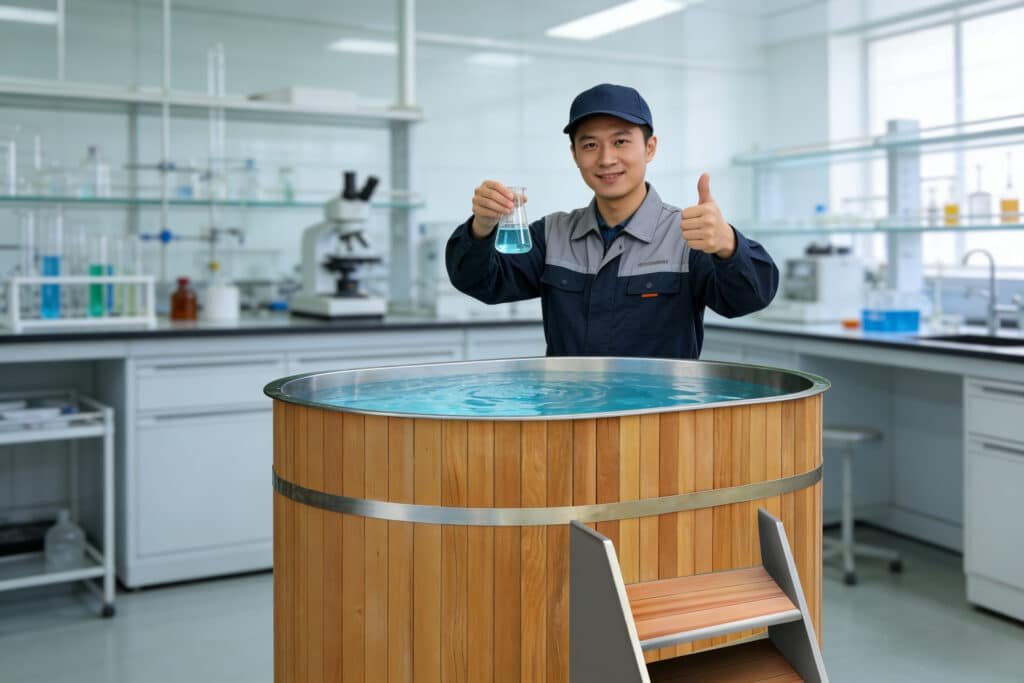
Stainless Steel vs Acrylic Cold Plunge Tubs: Which One for Commercial Use?
The first real decision a commercial cold plunge buyer makes isn’t which brand, which HP, or which supplier. It’s which material — stainless steel or acrylic. The two dominate the commercial cold plunge market, they cost meaningfully different amounts, they wear differently over years of multi-user use, and they signal entirely different things to customers walking into the facility. Most buyers default to whatever their installer or distributor suggests, and many discover months later that the alternative would have been the better business decision. This is a direct comparison for commercial cold plunge buyers, brand owners, distributors, and facility operators. Not a guide. A side-by-side analysis of where stainless steel vs acrylic cold plunge tubs each win, what they actually cost over the equipment lifecycle, and how to match the material to your specific business model. Quick Answer: Which Material Should You Choose? For high-traffic commercial use (gyms, PT clinics, med spas, athletic facilities) — 304 stainless steel wins on durability, hygiene management, and premium positioning, despite the higher upfront cost. For DTC brands, home market positioning, and budget-conscious commercial use — acrylic wins on aesthetic flexibility, lower MOQ for new brands, lighter installation, and easier shipping economics. For OEM brand owners — the choice depends on positioning: clinical/athletic/wellness premium positioning favors stainless; lifestyle/design/wellness-modern positioning favors acrylic. Both materials are available factory-direct with custom branding and finishes. The rest of this article shows exactly why. Why This Comparison Matters in 2026 The cold plunge market has matured to where material choice is no longer a small spec decision — it’s a positioning decision. Customers walking into a med spa with a polished 304 stainless tub form a different perception than the same med spa with a glossy white acrylic tub. Distributors stocking inventory in either material face different unit economics, different damage rates, different freight costs. Brand owners launching with one material build a different brand image than they would with the other. For buyers making the decision, two things are usually true: They get advice from suppliers who only sell one of the two materials (and the advice always favors that material) They underestimate how much the material affects their five-year cost, not just the upfront price This comparison addresses both gaps. Side-by-Side: Stainless Steel vs Acrylic at a Glance The honest summary of how the two materials compare across every factor that matters to a commercial buyer: Factor 304 Stainless Steel Acrylic Upfront wholesale FOB $450–1,200 $350–900 MOQ for Private Label 10–50 units 20–100 units Expected commercial lifespan 10–15+ years 5–8 years Visible aging over time Patina develops slowly, looks intentional Yellowing, micro-scratches accumulate visibly Damage resistance Excellent — dents possible, dings rare Cracks possible from impact, harder to repair Repair feasibility Welding repairs possible by competent shops Cracks usually mean replacement Weight (full of water) Heavier — 600–1,200 lbs filled Lighter — 400–900 lbs filled Shipping economics Slightly higher per unit (weight) Slightly lower per unit Installation complexity Standard for commercial sites Easier for upper floors / terraces Daily cleaning Wipe + ozone sanitation handles it Same — but micro-scratches trap residue over time Chemical resistance Excellent — handles ozone, chlorine, salt Good — some chemicals cause clouding Aesthetic finishes Polished, brushed, matte, electroplated Glossy white/black/charcoal, matte, custom color Color customization for OEM Limited (finish options) High (any color in tooling) Best aesthetic match Modern, clinical, premium, design-led Lifestyle, residential, brand-modern Resale value (used) Holds 40–60% of new value Holds 15–30% of new value The pattern across the table is consistent: stainless wins on long-term value, durability, and premium positioning; acrylic wins on flexibility, upfront cost, and shipping economics. Durability & Lifespan: Where Stainless Wins Commercial cold plunge equipment runs through more user volume in a month than a home unit sees in a year. The durability difference compounds fast. 304 stainless steel in a commercial cold plunge environment typically lasts 10–15 years before noticeable degradation, and many installations run 20+ years with proper maintenance. The water environment (ozone, low temperatures, repeated drain/fill cycles) is exactly what 304 stainless was engineered for in commercial kitchen and laboratory applications. It resists corrosion, scaling, and chemical degradation across the operating conditions a commercial cold plunge sees. The technical 304 stainless steel properties make it the dominant choice for commercial environments where corrosion resistance and longevity matter. The aging pattern is also kinder. Over years of use, stainless develops a subtle patina that most facilities consider a feature, not a flaw. Polished surfaces dull slightly to a brushed look. Brushed surfaces stay consistent. Dents are possible from hard impacts but rare in normal use, and dents in 304 stainless can be addressed by competent metalwork without replacing the tub. Acrylic tubs in commercial use typically show meaningful aging in 3–5 years and need replacement by 5–8 years. The aging pattern is more visible: yellowing in some grades from ozone exposure, micro-scratches from cleaning that gradually cloud the surface, occasional crazing under repeated thermal cycling. Visible aging in a commercial environment becomes a customer perception issue — clients notice and form opinions about hygiene based on how the tub looks. The damage profile is also different. Acrylic doesn’t dent — it cracks. A heavy item dropped on the rim, an aggressive cleaning chemical, an installation impact during transport — any of these can crack an acrylic tub, and cracks usually mean replacement rather than repair. For high-traffic commercial use (10–50+ daily users), the lifespan difference alone often justifies the upfront premium for stainless. A commercial-grade 304 stainless steel cold plunge tub at $800 FOB lasting 12 years has a meaningfully lower amortized cost than an acrylic tub at $600 FOB needing replacement at year 6. The popular WT-06 commercial stainless tub — 304 grade, polished finish, commercial-duty construction — is a typical specification for high-traffic facilities prioritizing long-term value. Aesthetic & Brand Positioning: Where Acrylic Wins Durability isn’t everything. For some buyer categories, aesthetic flexibility matters more than maximum lifespan — and acrylic dominates on aesthetic options. Acrylic offers customization
Stainless Steel vs Acrylic Cold Plunge Tubs: Which One for Commercial Use? Read More »