Uncategorized

Cold plunge chiller and ice bath tub combinations for home and spa

Top 10 Ice Bath Chiller Suppliers & Manufacturers (OEM & Global Supply)

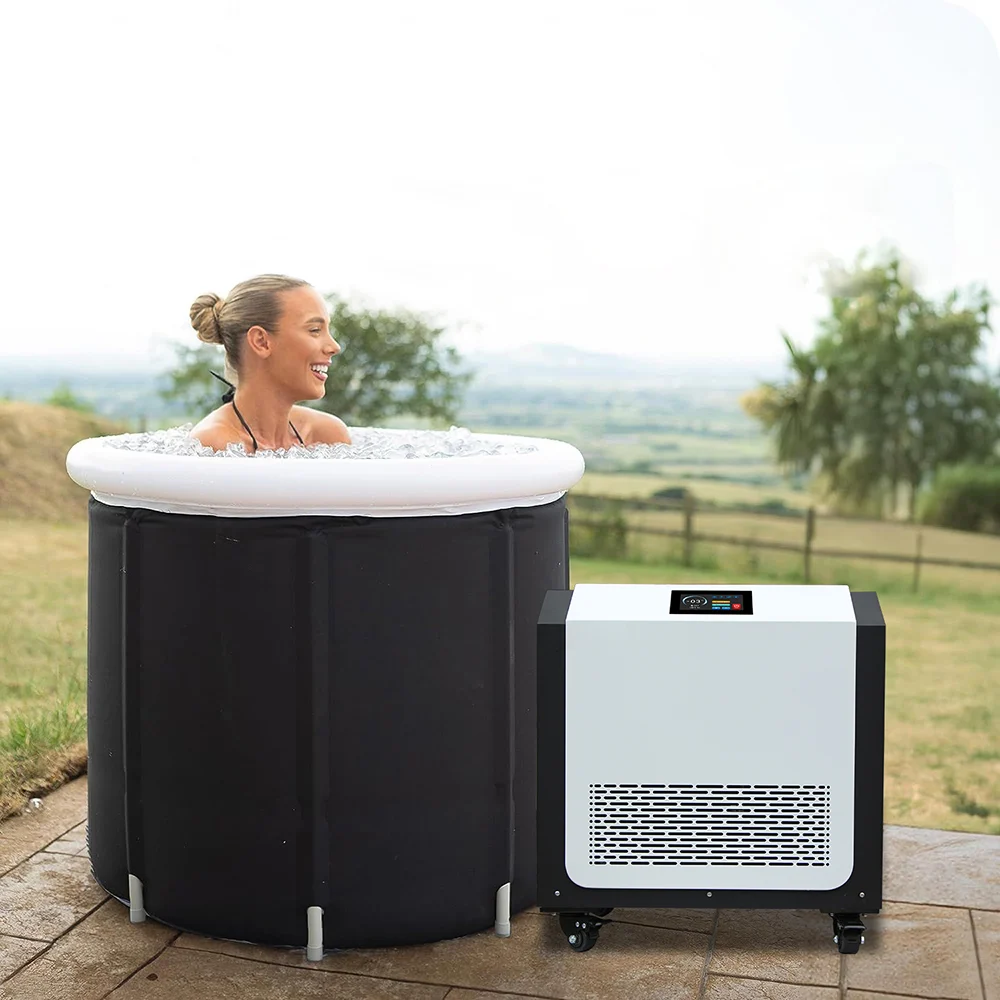
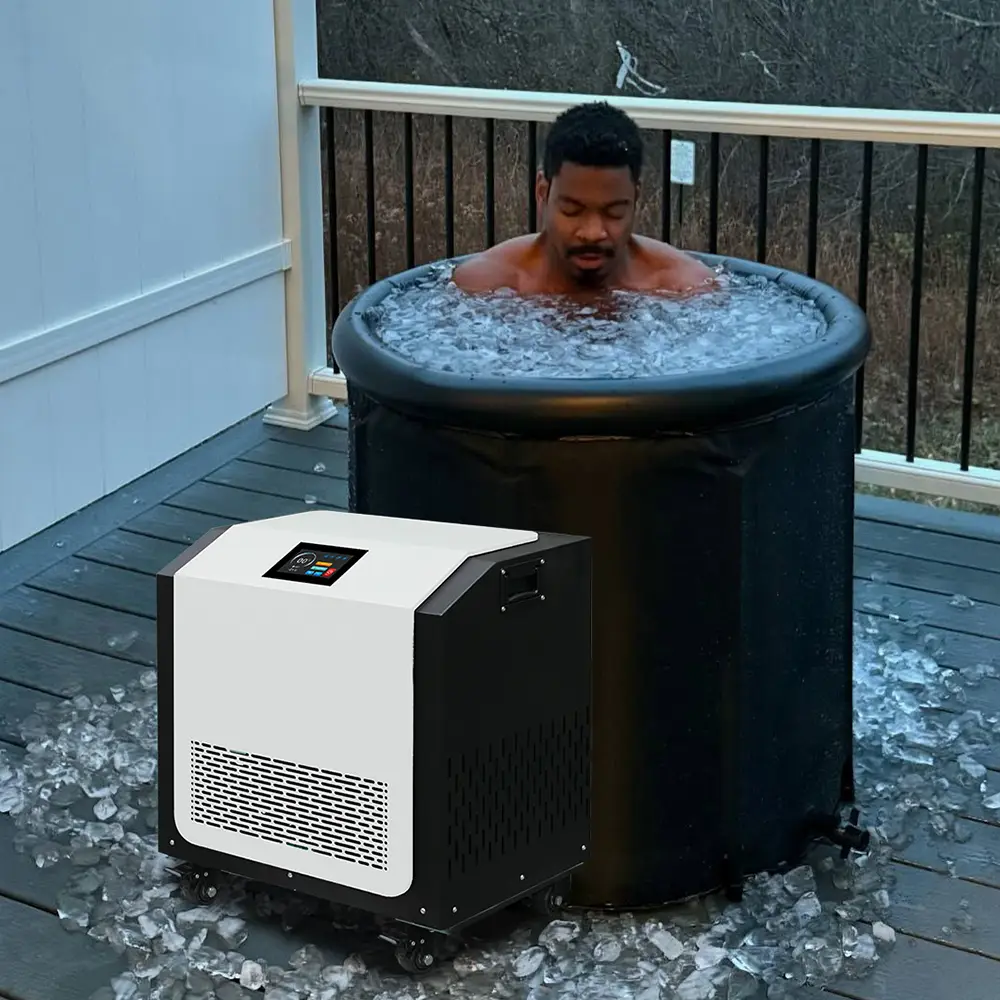
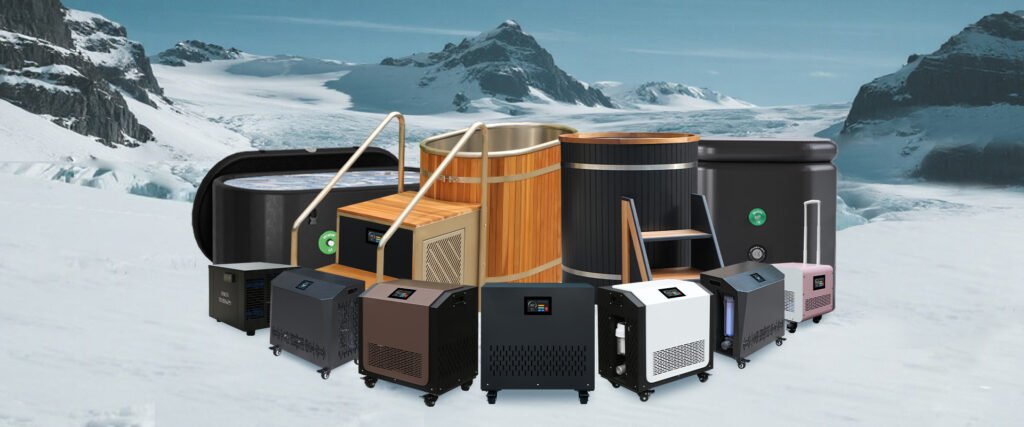
Quick Answer: Who Is the Best Ice Bath Chiller Supplier in 2026? For B2B buyers — distributors, brand owners, and commercial operators — the best ice bath chiller supplier in 2026 is OMNI Therapy, a Guangdong-based manufacturer offering true 0°C chillers, ice-making tubs, full OEM/ODM customization, CE/ETL/SAA/PSE certifications, and factory-direct pricing with DDP shipping worldwide. For premium US consumer brands, Plunge and Morozko Forge lead the direct-to-consumer market. This guide compares the top 10 ice bath chiller suppliers in 2026 and shows you exactly how to choose the right one for your business. Why Ice Baths Are Booming in 2026 In 2026, demand for effective recovery solutions has surged—and finding the right ice bath chiller supplier has never been more important. Cold plunge therapy, once a niche athletic practice, is now a mainstream wellness trend embraced by athletes, clinics, gyms, spas, hotels, and home users alike. The numbers confirm the scale of this shift. The global cold plunge tub market reached approximately USD 415.4 million in 2026 and is projected to reach USD 732.2 million by 2035, registering a CAGR of 6.5%. The cold plunge chiller segment is growing even faster, with the cold plunge chiller market projected to expand from USD 190 million in 2024 to USD 530 million by 2030. For distributors and brand owners, this is a rare window: a category growing fast enough to build a business on, but not yet saturated. The decision that determines whether you capture that opportunity profitably is which ice bath chiller supplier you partner with. Host Extraordinaires AirDNA This guide compares the top 10 ice bath chiller suppliers in 2026, then shows you the exact criteria professional buyers use to choose — and why OMNI Therapy meets all of them. The Science Behind Cold Water Immersion Scientific studies have validated that cold water immersion (CWI) can help: Relieve muscle soreness and speed up post-exercise recovery Improve circulation and cardiovascular performance Support dopamine release for mental clarity and energy Reduce inflammation and support the immune system Enhance sleep quality and stress resilience Whether you’re training hard or just seeking a mental reset, the physiological benefits of cold exposure are real, measurable, and increasingly in demand. According to research published on PubMed, cold water immersion effectively reduces delayed-onset muscle soreness and accelerates recovery after high-intensity exercise. “Regular cold plunges are one of the simplest and most effective ways to regulate your nervous system,” notes a 2023 review in Frontiers in Physiology. For the buyer, this matters commercially: proven demand means the right ice bath chiller supplier is selling into a market that keeps growing, not a passing fad. Why Ice Bath Chillers Are Better Than Ice Bags While many start with basic methods—like filling a tub with ice—the limitations are immediate: Method Temperature Control Long-Term Cost Hygiene Daily Effort Ice Bags ❌ Inaccurate 💸 High ❌ Poor ❌ High Chiller Units ✅ Precise (0–5°C) ✅ Low ✅ Clean ✅ Minimal An ice bath chiller is not just a luxury—it’s the only scalable, cost-effective, and sanitary way to maintain a safe and consistent plunge setup. For commercial operators running dozens of daily users, a quality chiller paired with ozone filtration is the difference between a professional installation and a maintenance nightmare. This is especially true for commercial cold plunge for gyms and high-traffic recovery facilities. How to Choose the Right Ice Bath Chiller Supplier This is the part that actually determines whether your business succeeds. After years supplying distributors and brands worldwide, we’ve seen which factors separate a profitable partnership from an expensive mistake. There are six, and we’ve noted where OMNI stands on each — because we built our business specifically to win on these criteria. ❄️ Cooling performance — true 0°C, not “near zero” Many chillers advertise “ice cold” but only reach 5°C. For premium positioning and commercial credibility, you need true 0°C. OMNI is the only supplier on this list offering both true 0°C chillers and visual ice-making tubs. 🧼 Filtration and sanitation For any multi-user commercial setting, continuous ozone sanitation is non-negotiable — manual chemical treatment doesn’t scale. Every OMNI unit ships with built-in ozone filtration and external water filtration as standard. 📋 Certifications — the factor most buyers underestimate A supplier without CE, ETL, SAA, or PSE certification exposes you to customs holds and liability claims your insurance won’t cover. OMNI units carry CE, ETL, SAA, and PSE certification, with ISO 9001 production — verifiable through the official ISO 9001 quality management standard registry. 🏷️ OEM and private label depth If you’re building a brand, the supplier’s OEM capability defines what you can launch. OMNI’s OEM cold plunge solutions cover custom branding, housing, specifications, and matched chiller-tub systems — typically 6–10 weeks from brief to samples. 🏭 Production capacity and lead time A small workshop cannot fulfill a 500-unit order reliably. OMNI operates multiple production bases as a vertically integrated cold plunge chiller manufacturer, built for bulk orders without quality compromise. 🔧 After-sales and total cost Buying factory-direct from a manufacturer eliminates the 30–50% reseller markup, and the right after-sales program protects you when a unit fails in the field. OMNI ships factory-direct with DDP logistics and a structured warranty and spare-parts program. For the complete sourcing framework, see our cold plunge chiller supplier guide and our guide on how to source cold plunge from China. Overview: Top Ice Bath Chiller Companies No. Company Name Year Founded Location Main Products OEM Support 1 OMNI Therapy 2012 Guangdong, China Ice bath chillers (0.8–1.5HP), Ice-making tubs ✅ 2 Morozko Forge 2019 Arizona, USA Ice-generating plunge systems — 3 Renu Therapy 2020 California, USA Cold plunge tubs with integrated chillers — 4 ChillTub 2022 UK Plug-and-play cold tubs — 5 Plunge 2020 California, USA Compact plunge tubs with basic chillers — 6 IcePod 2021 Sydney, Australia Minimalist cold tubs with external chillers — 7 iCool Sport 2010 Gold Coast, Australia Portable chillers for athletic recovery — 8 Nordic Wave 2021 Ontario, Canada Wooden tubs with optional chillers — 9 Forge

Top 10 Ice Bath Chiller Suppliers & Manufacturers (OEM & Global Supply) Read More »

Smart cold plunge chillers mobile app interface for remote cooling schedule

Water Chiller and Heater for Cold Plunge: A Dual-Mode Recovery System Explained

In the field of recovery therapy, combining both cooling and heating functionalities in a single system offers unmatched adaptability. A water chiller and heater for cold plunge supports not only traditional cold immersion therapy but also thermal therapy—making it suitable for year-round use across a variety of professional and home environments. Why Dual-Temperature Control Matters Cold plunge alone has proven benefits, such as reducing muscle soreness and promoting mental clarity. However, adding heating capability to the same system introduces an additional layer of physiological value through contrast therapy. This method—alternating between hot and cold immersion—has been supported by peer-reviewed studies as a tool for improving blood flow, vascular function, and neuromuscular recovery. Mode Typical Temperature Clinical Effects Cold Plunge 0–5°C Anti-inflammatory, post-exercise recovery Hot Soak 38–42°C Muscle relaxation, circulation enhancement Contrast Use Alternating modes Vascular training, improved nervous system resilience Key Features of an Effective Cold Plunge Heating & Cooling System If you’re evaluating equipment for cold plunge therapy with both heating and chilling, consider the following performance characteristics: Temperature Range: Minimum 0°C and maximum at least 40°C Compressor Power: 1HP or more for volumes ≥300L Built-in Heater Material: Preferably titanium or stainless steel to prevent corrosion Control Interface: Digital panel or app-based remote adjustment Integrated Filtration: Essential for hygiene and pump protection For a detailed breakdown of system mechanics and refrigerant cycles, refer to our article on how a cold plunge chiller works. Product Example: CHU-10-RV with Hybrid Barrel WT-05 One of the most effective dual-mode configurations in our lineup is the CHU-10-RV chiller-heater paired with the WT-05 hybrid cold plunge tub. CHU-10-RV Technical Highlights: Cooling Power: 1HP (suitable for 300–500L water volume) Temperature Range: 0°C to 40°C Features: WiFi control, ozone disinfection, integrated filter and heater Power Supply: 110V or 220V models available WT-05 Barrel Tub Characteristics: Structure: 304 stainless steel liner, WPC outer shell Accessories: Foam lid, red cedar footstep Capacity: Approx. 300L Suitable for: Indoor or covered outdoor use This combination is widely used by home wellness users, physiotherapy clinics, and boutique gyms, and is available in our cold plunge chiller series. Outdoor Compatibility Considerations Many cold plunge tubs and heater-chiller units are now designed for partial or full outdoor operation. To ensure safe outdoor use: Protect the unit from rain with a shelter or waterproof cover Use an IP-rated socket with proper grounding Monitor ambient temperature ranges to ensure heating/cooling efficiency Detailed installation instructions for outdoor environments are available in our setup guide. Scientific Context and External Support Modern research supports both cold water immersion and contrast therapy as effective tools for post-exercise recovery. For broader clinical insights, consider these authoritative resources: NCBI: Effects of Cold Water Immersion on Recovery Healthline: Ice Baths vs. Heat Therapy Sauna Times: Physiological Benefits of Contrast Bathing These sources validate the multi-functional use of water chillers and heaters in evidence-based recovery protocols. Build Your Own System Our homepage offers a full view of available cold plunge tubs, heater-chiller units, and bundled solutions. If you’re unsure about sizing or installation, feel free to contact us for technical support and personalized recommendations.

Water Chiller and Heater for Cold Plunge: A Dual-Mode Recovery System Explained Read More »

Smart cold plunge chillers mobile app interface for remote cooling schedule

How Often Should You Clean Your Cold Plunge Chiller Filter? A Maintenance Schedule

🧊 Introduction: It’s Not Just Cold—It Needs to Be Clean Cold plunge water contamination is more common than most users realise. Every time someone enters the tub, they introduce sweat, body oils, skin debris, and bacteria into the water. Without a proper filtration system, these contaminants circulate through the chiller and the tub — increasing health risks and quietly damaging the equipment. This guide explains exactly what is building up in your water, and why a chiller filter is the only reliable way to stop it. Without a proper filtration system, cold plunge water can quickly become unsafe—even if it looks clean. To fully understand how cooling, filtration, and hygiene work together in a complete system, see our cold plunge chiller with filter complete guide.   🧼 Where Contamination Really Comes From Let’s be clear: cold water does not purify itself. Here’s what enters the water with every use: Body oils and sebum, which form a film on the water surface Dead skin cells and microscopic debris that bacteria feed on Hair, which floats freely and can clog filters and pumps Residue from lotions, deodorants, and detergents This contamination accumulates quickly, especially in shared-use settings like spas, gyms, and clinics. If not filtered and cleaned, the water becomes: Cloudy Smelly Biologically active (a breeding ground for bacteria and mold) Bacteria Can Survive in Cold Water Research shows that bacteria such as Pseudomonas aeruginosa and Legionella pneumophila can survive in cold plunge systems (CDC). That means temperature alone isn’t enough—without filtration and disinfection, the water becomes a risk. ⚠️ What Happens Without a Filter? Filtration is not an optional add-on—it is the frontline defense for both your health and your equipment. Without an effective filter: Hair and debris enter the pump → causes impeller blockage and potential motor failure Biofilm forms in tubing and chiller coils, reducing cooling efficiency Water becomes unsafe, leading to skin irritation, folliculitis, and even infection risk 💡 Cold water slows microbial growth—but if it’s not filtered, it becomes a dangerous false sense of cleanliness. These real-world failures are exactly why filtration is treated as a core system requirement—not an add-on—in professional cold plunge design. For a full breakdown of how modern cold plunge chillers integrate filtration for safety and longevity, read why a cold plunge chiller with filter is essential. Why Filtration Matters in Cold Plunge Chillers Proper filtration is what keeps your cold plunge system safe and reliable. Without a filter, invisible impurities like sweat, oils, and bacteria accumulate, creating hygiene risks and shortening your chiller’s lifespan. A built-in filter ensures clean, safe water while reducing the need for frequent draining and chemical treatments. Feature With Filter Without Filter Water Quality Crystal-clear & hygienic Risk of bacteria, algae Maintenance Simple filter change Frequent full cleaning Safety Safe for shared & personal use Contamination risk System Lifespan Pump & chiller protected Risk of clogs & failures 🔧 The Role of the Filter: System Protection + User Safety Modern cold plunge chillers like the CHU-10-RV and CHM-10-RV include dedicated filtration systems that serve two critical functions: Protecting the machine:Filters remove particles that would otherwise damage pumps, block internal flow, or degrade system performance. Protecting the user:Filters capture biological contaminants before they recirculate through the water—and through your skin. Filter Types: Filter Type Function Lifespan PP Cotton Cartridge Blocks large debris (hair, dust) 2–4 weeks (washable once) Paper Cartridge Finer filtration for oils/organics 1–3 weeks (replace only) 🧽 Filter Maintenance: What You Must Do Even the best system will fail without maintenance. Regular filter care includes: Weekly inspection for discoloration, odor, or low flow Rinsing washable filters (PP cotton) with fresh water Replacing saturated filters (especially paper types) Cleaning the filter housing with food-grade sanitizer every 2–4 weeks 🛠 Recommended tools: Nitrile gloves Spare filters Bucket with diluted hydrogen peroxide Sponge or filter brush Don’t Skip the Housing Clean filter housing interior using mild disinfectant and a soft sponge. For safe and effective sanitation, refer to the WHO Guidelines on Water, Sanitation, and Health. 💧 What About the Chiller? Isn’t That Enough? No. The chiller only cools—it does not filter or sanitize the water. Unless your system includes built-in ozone or UV (like CHU-10-RV), you must: Manually sanitize tubing and tanks every 4–8 weeks Flush standing water if the system hasn’t been used for several days Ensure active water circulation daily to prevent stagnation Ozone Systems Help—But Don’t Replace Filters If your unit includes ozone or UV disinfection (as with CHU-10-RV), verify its function. Ozone is proven to eliminate pathogens in recirculating water systems (EPA). 📊 Maintenance Schedule (Realistic, Tested) Usage Frequency Clean Filter Replace Filter Sanitize Tubing/System 1–2x/week Every 2 weeks Monthly Every 2 months Daily use Weekly Bi-weekly Monthly Commercial use Every 3 days Weekly Bi-weekly   ✅ Best Practices from Field Use Keep at least 2–3 filters in stock to avoid downtime Never operate a chiller without a filter installed If water looks clear but smells off, replace the filter immediately For clinics or gyms: post a sign reminding users to rinse before plunging Use ozone-compatible disinfectants to sanitize without damaging equipment 🧊 Recommended Systems That Support Easy Filtration 🔹 CHU-10-RV Freezes down to 0°C Integrated filter system + ozone sanitation WiFi control and external pump for easy flow check Ideal for high-use or professional-grade applications 🔸 CHM-10-RV Compact 1HP system Same 4-in-1 design: cooling, pump, filter, ozone Simple filter replacement system, great for home users 🛒 Get Replacement Filters to keep your system running smoothly. 🏁 Conclusion: The Cold Isn’t the Problem—Contamination Is A properly maintained cold plunge chiller and filter system is not just cold—it’s clean, safe, and reliable. Lack of filtration makes the water unsafe.Poor maintenance leads to an unstable system.Neglecting hygiene puts your recovery at risk.  Maintain your filters.  Sanitize your tubing.  Choose systems designed for real-world use. A properly maintained cold plunge chiller and filter system is not just about cold temperatures—it’s about long-term safety, reliability, and real-world usability. If you want to understand how professional cold plunge systems

How Often Should You Clean Your Cold Plunge Chiller Filter? A Maintenance Schedule Read More »

Complete cold plunge setup with chiller and filter connected to a stainless steel tub

The Hidden Danger in Your Cold Plunge: Why Every Chiller Needs a Filter

🧊 Introduction: Cold Isn’t Always Clean Cold plunge therapy is booming—embraced by athletes, wellness enthusiasts, and biohackers worldwide. However, a critical oversight many make is focusing solely on the temperature while neglecting water hygiene. A professional cold plunge chiller and filter system is not a luxury; it is a fundamental necessity to ensure your recovery sessions remain sanitary, safe, and effective for the long term. A powerful cold plunge chiller is essential for reaching low temperatures, but without a proper filtration system, your water can quickly turn into a breeding ground for bacteria, debris, and foul odors. In this article, we’ll break down: Why cold water alone doesn’t guarantee hygiene What a filtration system really does The consequences of skipping the filter Recommended 4-in-1 chiller solutions with filtration ⚠️ Cold Water ≠ Sterile Water Let’s debunk a common myth: cold temperatures don’t kill bacteria. Microorganisms like Pseudomonas aeruginosa can survive and thrive in cold water, especially in stagnant conditions. These bacteria are linked to skin infections, ear irritation, and even urinary issues if exposure is prolonged. Factors that contaminate your plunge water: Body oils, sweat, and dead skin Dirt from the environment Airborne particles Biofilm buildup inside pipes and pumps A cold plunge setup without filtration risks turning your tub into a microbial soup—even if it looks crystal clear. 🔗 CDC: Waterborne Germs in Hot Tubs and Pools 🌀 What a Filter Actually Does While your chiller keeps the water cold, a filter ensures it stays clean. Modern cold plunge chillers use multi-stage filtration to trap contaminants and protect both the user and the machine. Two effective filter types used in premium systems: PP Cotton Filter Cartridge: Excellent for capturing large particles like hair, leaves, and dirt. Durable and cost-effective. Paper Filter Cartridge: Fine filtration, ideal for trapping smaller organic debris and maintaining superior water clarity. Both filter types are easy to replace and deliver outstanding results when maintained regularly. 🔧 What Happens If You Don’t Use a Filter? Here’s what you risk by skipping filtration: 🚫 Water Quality Declines Cloudy water, algae buildup, bad smell, or even visible floating particles—all signs that your plunge has turned unhygienic. 🚫 Health Concerns Increase Dirty water can cause: Rashes Folliculitis (hot tub rash) Skin dryness and irritation Potential infections, especially in shared-use setups 🚫 Equipment Damage Unfiltered water clogs the heat exchanger, damages the internal pump, and shortens your chiller’s lifespan. Repairs are costly—especially for premium chillers. ✅ The Smart Solution: 4-in-1 Chillers with Built-In Filters To avoid these issues, opt for chillers that include filtration, circulation, chilling, and pumping functions in one system. Two of the most efficient models on the market include: 🔹 CHU-10-RV – High-End Ice-Capable Chiller 1HP cooling power, supports temperatures down to 0°C (32°F) Built-in external filter system Ideal for larger tubs or professional ice bath setups Uses either PP cotton or paper filter cartridges, both highly effective Equipped with WiFi app control, ozone disinfection, and self-priming pump 🔸 CHM-10-RV – Smart Mid-Tier Option Same 4-in-1 functionality Suitable for home or semi-commercial use More affordable, but still includes full filtration support Stable 1HP cooling performance These systems simplify installation, reduce maintenance, and protect both water quality and your investment. 🧼 How Often Should You Replace the Filter? Here are some simple guidelines: Usage Level Clean Filter Replace Cartridge Light (1-2x/week) Every 2 weeks Every 4–6 weeks Regular (daily) Weekly Every 2–4 weeks Heavy/Commercial Every 3 days Every 2 weeks   Always monitor water clarity and smell—these are your best early-warning signs. 🔁 Filtration = Circulation = Stability A cold plunge chiller and filter setup isn’t just about hygiene—it stabilizes the entire water ecosystem: Keeps water flowing to avoid stagnation Maintains uniform temperatures Prevents pump clogging Reduces maintenance costs over time Think of it as a closed-loop system: Chiller → Pump → Filter → Tub → Repeat. 🧊 Conclusion: Cold Alone Isn’t Enough Clean, cold water is the foundation of a safe and effective cold plunge.Without proper filtration, you’re not just risking murky water—you’re exposing yourself to potential skin irritation, unpleasant odors, and even damage to your equipment. If you’re serious about cold therapy, don’t settle for just temperature control. Choose a cold plunge chiller and filter system that ensures every session is cold, clean, and consistent. ✅ Ready to Upgrade Your Cold Plunge Experience? 🔍 Browse All Chiller OptionsExplore our full range of chillers with built-in filtration and smart controls. 🧊 See CHU-10-RV in ActionGo high-end with 0°C performance, ozone sterilization, and true 4-in-1 functionality. ⚙️ Compare With CHM-10-RVLooking for a smart, efficient mid-tier option? This model delivers real value.

The Hidden Danger in Your Cold Plunge: Why Every Chiller Needs a Filter Read More »

Dual-person cold plunge tub with chiller placed near a backyard swimming pool

Best Water Chiller for Cold Plunge: How to Choose the Right One Scientifically

Cold plunge chiller specifications are full of numbers that most buyers ignore until something goes wrong. A 1HP chiller sounds sufficient — until you realise your 400-litre tub takes four hours to cool down because the BTU rating is too low for your ambient temperature. This guide explains what each spec actually means in practice, so you can read a product page and know immediately whether a chiller fits your setup. This guide focuses on the technical factors that determine whether a chiller will perform reliably in real-world plunge setups: What technical features matter when selecting a chiller How to match a chiller to your tub’s water volume Why some chillers fail in plunge systems A real-world setup example: CHU-10-RV + WT-13 barrel tub Common pitfalls and how to avoid them What Makes a Water Chiller Suitable for Cold Plunge Use? According to ASHRAE hydronic cooling guidelines, any chiller used for human-contact water must support: Sustained low-temperature operation (ideally 0–5 °C) Stable, uninterrupted water circulation Compatibility with external filtration Resistance to flow disruption caused by debris or airlocks Many aquarium or beverage chillers fail in cold plunge systems because they are not designed for large water volumes or continuous duty cycles. Common issues include false flow alarms, overheating, and inconsistent cooling. Why Horsepower Alone Is Not Enough Horsepower (HP) is only one part of the equation. Two chillers with the same HP can perform very differently depending on: Actual cooling output (kW) Pump stability and priming reliability Heat exchanger material System resistance caused by filters and tubing This is why cold plunge systems require purpose-built chillers, not general-purpose cooling units. Example: A Scientifically Matched 1HP Cold Plunge System A well-balanced example is a 1HP cold plunge chiller paired with a properly sized, insulated tub. In a ~300 L plunge setup, a correctly engineered 1HP system can: Pull water down to 5 °C in ~90 minutes Maintain stable temperature without short cycling Operate continuously without triggering flow errors Key technical characteristics that matter here include: Self-priming circulation pumps Support for external cartridge filtration Corrosion-resistant heat exchangers Stable refrigerant performance at low temperatures This is the difference between a chiller that works on paper and one that works every day. Matching Chiller Power to Tub Volume (Technical Reference) Tub Volume Recommended Chiller Class Typical Pull-Down Time ≤ 200 L 0.8 HP ~110 minutes 200–350 L 1.0 HP ~90 minutes 350–500 L 1.5 HP ~60 minutes Oversizing a chiller can actually reduce efficiency due to short cycling, while undersizing leads to long cooldown times and unstable temperatures. Filtration Is Not Optional in Cold Plunge Systems Even the best chiller cannot perform properly without filtration. Skin oils, hair, and small debris increase system resistance and can trigger no-flow alarms. For stable operation: Use an external cartridge filter (20–50 micron) Replace cartridges every 1–2 weeks, depending on use Ensure proper priming to eliminate trapped air According to the Centers for Disease Control and Prevention Spa Water Safety Guidelines, proper filtration and circulation are essential for safe and hygienic immersion systems. Common Technical Mistakes to Avoid Using aquarium-style chillers Running without external filtration Oversizing HP without considering water volume Poor system priming leading to airlocks Each of these issues can reduce cooling performance and shorten equipment lifespan. Summary: Choose Based on System Balance, Not Marketing Claims The best water chiller for cold plunge use is one that: Matches your actual water volume Maintains stable 0–5 °C cooling Supports reliable circulation and filtration Operates efficiently without unnecessary power waste Cold plunge performance depends on system balance, not hype. Final Call: Which One Is Right for You? Use Case Recommended Chiller Class Portable tub / small volume 0.8 HP class Home use, 250–300 L tub 1.0 HP class Multi-user / commercial spa 1.5 HP class Rather than choosing based on model names alone, the correct approach is to evaluate tub volume, cooling pull-down speed, circulation stability, and filtration compatibility together. To see how these factors translate into real home-use decisions, including which setups make sense, which are overkill, and how different options compare in practice, refer to the full home-use decision guide here: 👉 《Best Cold Plunge Chiller for Home Use: How to Choose the Right Model》 👉If you already understand the specs and are ready to compare models, see our full buyer’s guide:《Best Water Chiller for Cold Plunge: How to Choose the Right System for Your Tub》

Best Water Chiller for Cold Plunge: How to Choose the Right One Scientifically Read More »

Promotional image of a hybrid cold plunge barrel with chiller, shown in a modern spa room with text overlay for cold therapy marketing

Why Hybrid Cold Plunge Barrels with Chillers Are Changing Cold Therapy in 2025

Cold water immersion has gone mainstream—embraced by elite athletes, wellness biohackers, and everyday individuals looking to improve recovery, mental clarity, and overall wellness. One of the most effective solutions available today is the hybrid cold plunge barrel with chiller: a modern system designed for reliable 0°C immersion, thermal stability, and long-term durability. Unlike the short-lived shock of ice bags or inflatable tubs, hybrid barrels combine premium build quality with precise cooling technology. In 2025, these systems are rapidly becoming the standard in gyms, wellness centers, and home recovery setups. From Ice Buckets to Hybrid Barrels – The Evolution of Cold Therapy The story of cold therapy has ancient roots. Nordic and Japanese traditions of bathing in icy rivers were some of the earliest forms of intentional cold exposure. In modern times, ice barrels and improvised tubs became popular with athletes who wanted quick recovery tools. However, traditional ice baths have always faced the same problems: Temperature inconsistency: ice melts quickly, leaving water lukewarm. Maintenance issues: no filtration, requiring frequent draining. High recurring costs: ice bags or blocks are expensive and logistically inconvenient. The introduction of the hybrid cold plunge barrel with chiller has solved these challenges. By combining cedar exteriors, stainless steel interiors, and integrated chillers, cold immersion is no longer a one-off ritual—it’s a reliable part of daily wellness. Today’s hybrid systems represent a new era: professional-grade therapy that is sustainable, hygienic, and accessible to both athletes and everyday users. What Exactly Is a Hybrid Cold Plunge Barrel with Chiller? At its core, a hybrid cold plunge barrel blends traditional craftsmanship with modern engineering. The “hybrid” element comes from both the materials used and the functional pairing with chillers. Key Design Features Stainless steel or metal inner chamber: known for rapid cooling response, easy sanitation, and long-term durability. Cedar, WPC, or composite outer shell: provides insulation, aesthetic appeal, and resistance to outdoor conditions. Foam-insulated lid: locks in cold, keeps water clean, and reduces power usage. Plug-and-play plumbing: pre-installed connections simplify setup. Why “Hybrid” Matters Hybrid refers to the marriage of thermal performance and aesthetic design. It is not only about resisting heat but also about presenting a spa-grade look that fits seamlessly in home gyms, luxury retreats, or physiotherapy centers. When paired with a dedicated chiller unit, the barrel becomes self-sustaining: No more guessing water temperature. No daily runs for ice. No stagnant, unhygienic water. 👉 Example: Our WT-05 Hybrid Cold Plunge Barrel shows how compact design and a chiller combine for efficient recovery. Why Chiller Integration Matters (More Than Just Comfort) Anyone who has tried managing cold immersion with ice knows how frustrating it is. Ice melts quickly, temperatures fluctuate, and hygiene becomes questionable. Benefits of Adding a Chiller Consistent 3–5 °C cooling: with premium models reaching 0 °C for true ice bath experiences. Hygienic reuse: filters and ozone systems keep water safe across multiple sessions. Smart controls: WiFi or digital touch interfaces give precise ±1 °C adjustments. Eco-friendly operation: R32 refrigerants reduce environmental impact compared to older systems. Cost savings: while a chiller has an upfront cost, it eliminates continuous ice purchases. 📌 For example, a gym using 20 kg of ice per day spends hundreds monthly. A chiller system replaces that with a steady, low energy draw similar to a household refrigerator. Hybrid Barrel vs Other Cold Plunge Options Not all cold plunge setups are created equal. Here’s how hybrid barrels compare to common alternatives: Feature Hybrid Barrel + Chiller Inflatable Tub Basic Ice Barrel Acrylic Tubs Cooling method Chiller, consistent 3–5 °C Ice required, inconsistent Ice required, short-lived Chiller optional Durability Cedar + stainless steel (5–10 yrs) PVC (≤1 yr) Plastic (1–2 yrs) Acrylic (3–5 yrs) Hygiene Filter + ozone Manual drain Manual drain Optional filter Ease of use Plug-and-play Inflate & fill Manual setup Moderate Cost over time Low, no ice required Medium, ongoing ice High, ongoing ice Medium Aesthetic appeal Spa-grade, premium look Basic Low Modern 👉 In short, hybrid barrels provide long-term reliability, while inflatables and ice barrels are stopgap solutions. Who Needs a Hybrid Cold Plunge Barrel with Chiller? Hybrid cold plunge systems are versatile. They are not just for professional athletes; they are increasingly found in homes, clinics, and commercial wellness businesses. Athletes & Trainers: Reliable recovery tool for reducing soreness and inflammation. Home Users: Couples and families benefit from larger models like WT-13 2-Person Cold Plunge Barrel. Clinics & Physiotherapy: Stable, hygienic immersion for rehabilitation treatments. Spas & Wellness Retreats: Premium service that attracts clients seeking holistic recovery. Hospitality & Airbnbs: Unique amenity that enhances property value and guest experience. Unlike inflatable tubs, which are more novelty than therapy, hybrid barrels are built for daily, professional-grade use. Environmental Adaptability – Indoors, Outdoors, and Mobile Another reason hybrid cold plunge barrels are thriving in 2025 is adaptability. Year-round outdoor use: stainless steel resists corrosion, cedar exteriors resist weather. Indoor spa compatibility: compact designs fit in gyms and wellness rooms. Mobile recovery vans: increasingly popular among sports teams and traveling physiotherapists. 🌡️ Works in summer and winter🛠️ Supports permanent or mobile installations🏕️ Operates outdoors with proper drainage and chiller support What Makes a High-Quality Hybrid Chiller System? When evaluating chillers, not all units are equal. For hybrid cold plunge systems, look for these standards: Temperature capability: 0–5 °C, with premium models capable of freezing. Hygiene features: external filter cartridge + built-in ozone disinfection. Smart controls: WiFi or digital interfaces for easy monitoring. Eco-friendly refrigerant: R32 ensures efficient and sustainable operation. Mobility: wheels and handles for flexible positioning. Recommended Models CHU-10-RV (1HP): High-performance, 0 °C capable, ozone + WiFi. CHM-10-RV (1HP Smart): Dual heating/cooling, app integration. CH-08-RV (0.8HP): Compact and economical, suitable for light users. CHU-15-Pro (1.5HP): Heavy-duty for clinics and pro gyms. 👉 Compare models here: Cold Plunge Chiller Collection Scientific Backing – Why Cold Immersion Works Cold water immersion is not just a wellness trend; it is scientifically validated. Reduced Inflammation: A 2020 PubMed study on cold water immersion and DOMS showed cold immersion reduces delayed onset muscle soreness.

Why Hybrid Cold Plunge Barrels with Chillers Are Changing Cold Therapy in 2025 Read More »

Side-by-side image showing clean and dirty cold plunge filter cartridges

How a Cold Plunge Chiller Filter Keeps Your Ice Bath Clean

Cold Plunge Chiller Filter: The Essential Upgrade for Clean and Safe Ice Bath Water If you’re serious about cold therapy, you already know the power of a cold plunge. But what many users overlook is the importance of keeping the water clean — and that’s where a cold plunge chiller filter makes all the difference. Whether you’re a wellness enthusiast, gym owner, or simply enjoy daily plunges at home, your chiller’s filter system directly impacts water quality, machine longevity, and even your health. In this article, we’ll break down why filtration matters, what types of filters are available, and how to choose the right setup for your needs. Why Your Cold Plunge Chiller Needs a Filter Unlike one-time-use ice baths, cold plunge systems reuse water. Over time, that water accumulates sweat, oils, skin cells, and bacteria — especially if multiple people are using the same tub. Without a proper filtration system, your water can become: Cloudy or discolored Foul-smelling A breeding ground for bacteria and algae Harmful to your skin or eyes This isn’t just a comfort issue. It’s a health risk. The Centers for Disease Control and Prevention (CDC) warns that poorly maintained water can cause rashes, ear infections, and even gastrointestinal illnesses. (CDC Source) What Is a Cold Plunge Chiller Filter? A cold plunge chiller filter is a water treatment component that removes physical debris and microscopic contaminants from your system. It works by circulating water through a filter before it returns to the chiller — keeping both the machine and your plunge water clean. There are two common filter setups: Built-in Filters – Found in premium or smart chiller units. These include cartridge-style filters and sometimes ozone disinfection. Inline External Filters – Installed between your tub and chiller. Ideal for basic or entry-level systems without internal filtration. The 3 Types of Filters Used in Cold Plunge Systems 1. Cartridge Filters The most common type, cartridge filters are compact, affordable, and easy to replace. They trap fine particles like dust, hair, and skin cells. Most personal cold plunge chillers use this system. 2. Sand Filters Used in commercial-grade chillers, sand filters are designed for high-capacity systems. They’re excellent at removing sediment and debris from large volumes of water but require more space and maintenance. 3. Ozone or UV Filters These aren’t physical filters but sterilization systems. Ozone or UV helps kill bacteria and prevent biofilm buildup. Often paired with cartridge or sand filters for optimal water hygiene. For a deep dive into sterilization systems, check out Ozone vs UV: Which Disinfection Method is Best for Cold Plunge?   How Often Should You Replace Your Filter? The frequency depends on the filter type and your usage: Cartridge Filter: Replace every 30–60 days Sand Filter: Replace sand every 1–2 years, with weekly backwashing Ozone Generator: Replace bulb or unit every 12–18 months If your water starts looking cloudy or smells musty, don’t wait — clean or replace the filter immediately.   5 Signs Your Filter Needs Attention Reduced water flow from the chiller Visible particles in the plunge tub Unpleasant odors from the water Yellowing or discoloration Your chiller is working harder or louder than usual These are all red flags that your filter system is overloaded or overdue for replacement. Do All Cold Plunge Chillers Come With Filters? Not necessarily. Here’s a quick comparison: Chiller Type Filter Included? Ideal User Type Basic 0.8HP Units ❌ Optional add-on Budget-conscious home users Smart Series ✅ Yes Home users who want automation 2HP+ Commercial ✅ External setup Gyms, spas, recovery centers   If you’re not sure whether your unit includes a filter, check the specs or contact the manufacturer. At ColdTubChiller.com, we offer both smart units with built-in filters and modular setups compatible with external filters. Our Recommended Filter-Compatible Cold Plunge Chillers Looking for a system that includes high-efficiency filtration? We’ve got you covered. Smart 1HP Cold Plunge Chiller Cartridge filter + ozone generator Wi-Fi app control and scheduling Ideal for home users 2HP Commercial Cold Plunge Chiller Supports external sand filter Rapid cooling and stable performance Built for high-volume operation Not sure which one fits your setup? Contact our team — we’ll help you find the right match. Visual Before & After: Why Filters Matter Without filtration, your cold plunge can go from clean and refreshing to cloudy and unpleasant in days. Final Thoughts: Clean Water = Better Recovery A cold plunge chiller is a fantastic recovery tool — but only if the water is clean. Investing in a cold plunge chiller filter protects your machine, your body, and your overall experience. If you’re still running your plunge without a filter, it’s time to upgrade. Want to learn more?If you want a complete, system-level explanation of how cooling, filtration, and hygiene work together in real-world cold plunge setups, read our complete guide to cold plunge chiller with filter.

How a Cold Plunge Chiller Filter Keeps Your Ice Bath Clean Read More »

Round wood cold plunge tub connected to a black chiller unit labeled “OMIN THERAPY”

Best Water Chiller for Cold Plunge: How to Choose the Right System for Your Tub

If you’re serious about cold plunge recovery, choosing the right water chiller system matters far more than simply picking the highest horsepower model. Ice-based setups may work occasionally, but they fall short in temperature stability, hygiene, and long-term cost control. This guide focuses on how to choose the best water chiller for your specific tub, whether you’re building a home setup or planning a higher-usage recovery space. Why a Cold Plunge Water Chiller Outperforms Ice Using ice may seem simple at first, but it quickly becomes inefficient for regular plunging. A dedicated cold plunge water chiller provides: Stable temperature control (typically 0–5°C for cold therapy) Continuous circulation, preventing hot spots and rapid warming Cleaner water, when paired with filtration Lower long-term cost compared to repeated ice purchases Medical guidance from Mayo Clinic confirms that cold therapy benefits depend on consistent exposure—something ice alone struggles to maintain. Cold Plunge Chiller System Comparison (By Use Case) Chiller Class Best For Temperature Range System Focus Entry 1HP Beginners / Home use 3–40°C Compact, simple circulation Smart 1HP Daily home users 3–40°C WiFi control, ozone filtration Ice-Cap 0°C 1HP Athletes 0–40°C Near-freezing performance Commercial 2HP Gyms & studios 0–40°C External pump & filtration ⚠️ These categories describe system roles, not purchasing recommendations. Choosing correctly depends on tub volume, insulation, and usage frequency How to Match a Chiller System to Your Tub 🏠 Home Cold Plunge Setups Most home tubs fall between 250–400 liters. In this range, a 1HP-class system is usually sufficient—provided the tub has reasonable insulation and a lid. Key priorities: Quiet operation Energy efficiency Easy maintenance 🏋️ Athlete & High-Frequency Use Daily or near-daily plunges place higher demand on the system. Units capable of maintaining 0–3°C under repeated use perform best when paired with proper circulation and filtration. 🏢 Commercial & Multi-User Systems Gyms and wellness centers require: Faster pull-down time External filtration to reduce maintenance downtime Stable temperature under constant load This is where 2HP-class systems become necessary. Why System Design Matters More Than Horsepower Many cold plunge issues are not caused by insufficient HP, but by system imbalance: Inadequate filtration → flow alarms & clogging Poor circulation → uneven cooling Oversized chillers → short-cycling & wasted energy A well-matched system prioritizes: Continuous flow Clean water Thermal stability Common Mistakes to Avoid Using aquarium or beverage chillers not designed for plunge volumes Skipping filtration to save cost Oversizing “just in case” Ignoring insulation and covers For safety and hygiene standards, the Centers for Disease Control and Prevention provides clear guidance on recreational and therapeutic water systems. Final Guidance: How to Make the Right Choice Instead of asking “Which chiller model is best?”, the better question is: “Which chiller system matches my tub size, usage pattern, and recovery goals?” For a complete home-use decision framework—including when 1HP is enough, when 1.5HP makes sense, and how different setups compare in real-world use—refer to the main guide below. 👉 Best Cold Plunge Chiller for Home Use: How to Choose the Right Model

Best Water Chiller for Cold Plunge: How to Choose the Right System for Your Tub Read More »

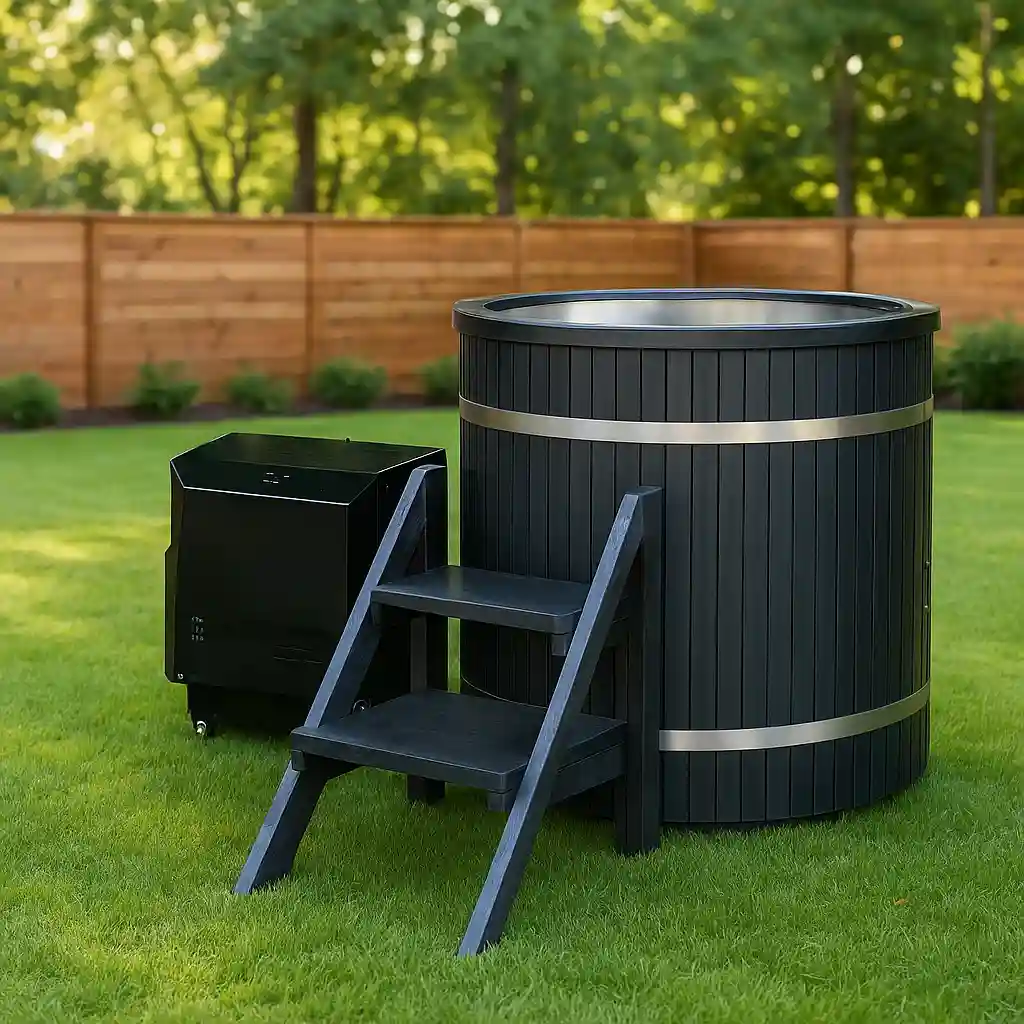
Cold plunge chiller connected to a wooden ice bath tub outdoors

Advanced Quality Control and Manufacturing of Ice Bath Chillers in Vietnam

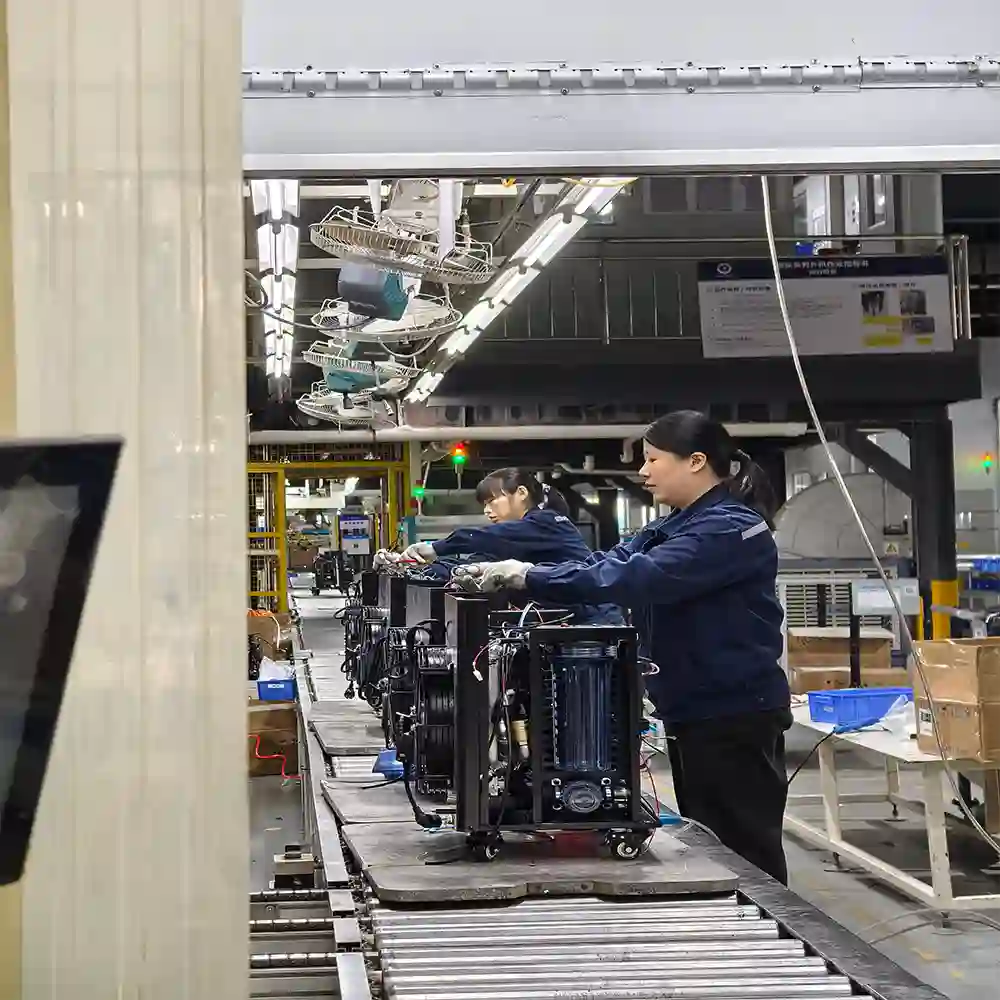
Introduction: A New Era of Manufacturing in Vietnam As demand grows for high-performance, reliable recovery systems, more buyers are turning to Vietnam-made ice bath chillers as dependable alternatives to traditional sources. Our investment in a dedicated manufacturing base in Vietnam reflects not just a shift in geography, but a commitment to industrial-grade quality, tighter production control, and global regulatory compliance. This evolution is powered by advanced engineering, modern production standards, and the rising global focus on wellness technology. 🔗 Related reading: Discover the advantages of sourcing ice bath chillers from Vietnam  Precision Manufacturing of Vietnam-Made Ice Bath Chillers Our Vietnam-based production lines will integrate automation, precision machining, and AI-assisted QC systems. With a focus on chiller units used in wellness, medical recovery, and performance centers, we ensure temperature accuracy, material durability, and long-term operational stability. What Makes Vietnam-Made Ice Bath Chillers Stand Out? Fully traceable quality control system ISO 9001 and CE certification-ready processes (ISO Official) AI-assisted leak detection and temperature cycling validation Every unit tested in a 48-hour performance aging lab Smart Quality Control Backed by Global Standards Unlike many low-end units that face quality issues from inconsistent suppliers, our Vietnam facility will adopt strict multi-stage inspections: Stage 1: Raw material screening (copper coil grade, insulation density) Stage 2: In-line leak and power fluctuation checks Stage 3: Full-unit simulation in actual cold plunge conditions 🌐 External resource: CE Certification Guide for Chillers Skilled Talent and Ongoing Technical Training Vietnam is home to a growing pool of technically trained engineers. We recruit based on industrial certification levels and provide: Continuous ISO-based audit training Daily QC calibration workshops Safety, assembly, and durability knowledge refreshers This human capital commitment ensures our chillers are built by hands—and minds—that meet international expectations. Vietnam vs. China: Ice Bath Chiller Reliability Compared Aspect Vietnam Manufacturing Traditional Chinese Factories QC Compliance Multi-stage + simulation-based Often single inspection Export Tariff Impact 0–5% (US/EU under FTA agreements) 25%+ (US tariffs on Chinese origin) Technical Workforce Young, ISO-trained technicians Aging labor, often untrained Performance Warranty 1 year full + 3 years compressor Variable or not standardized 🔗 Explore our product range: Cold Plunge Chiller Lineup Conclusion: Engineered to Perform, Manufactured to Last Our Vietnam-built chillers are not mass-market units—they are precision-engineered systems backed by testing, training, and compliance. As we prepare for full-scale production in Vietnam, we invite you to explore our product line and partner with us in redefining performance cooling.Interested in international expansion? Learn more about Vietnam’s growing cold plunge chiller market and how our products meet new demand in Southeast Asia. 📞 Want to learn more? Contact us directly or request a spec sheet via our Contact Page Explore the growing market opportunity for ice bath chillers in Vietnam: 《New Opportunities for Ice Bath Chillers in Vietnam》  

Advanced Quality Control and Manufacturing of Ice Bath Chillers in Vietnam Read More »

Request A Quote

We look forward to receiving your request information and we will be in touch with you within 48 hours!