How Much Electricity Does a Cold Plunge Chiller Use at Home?
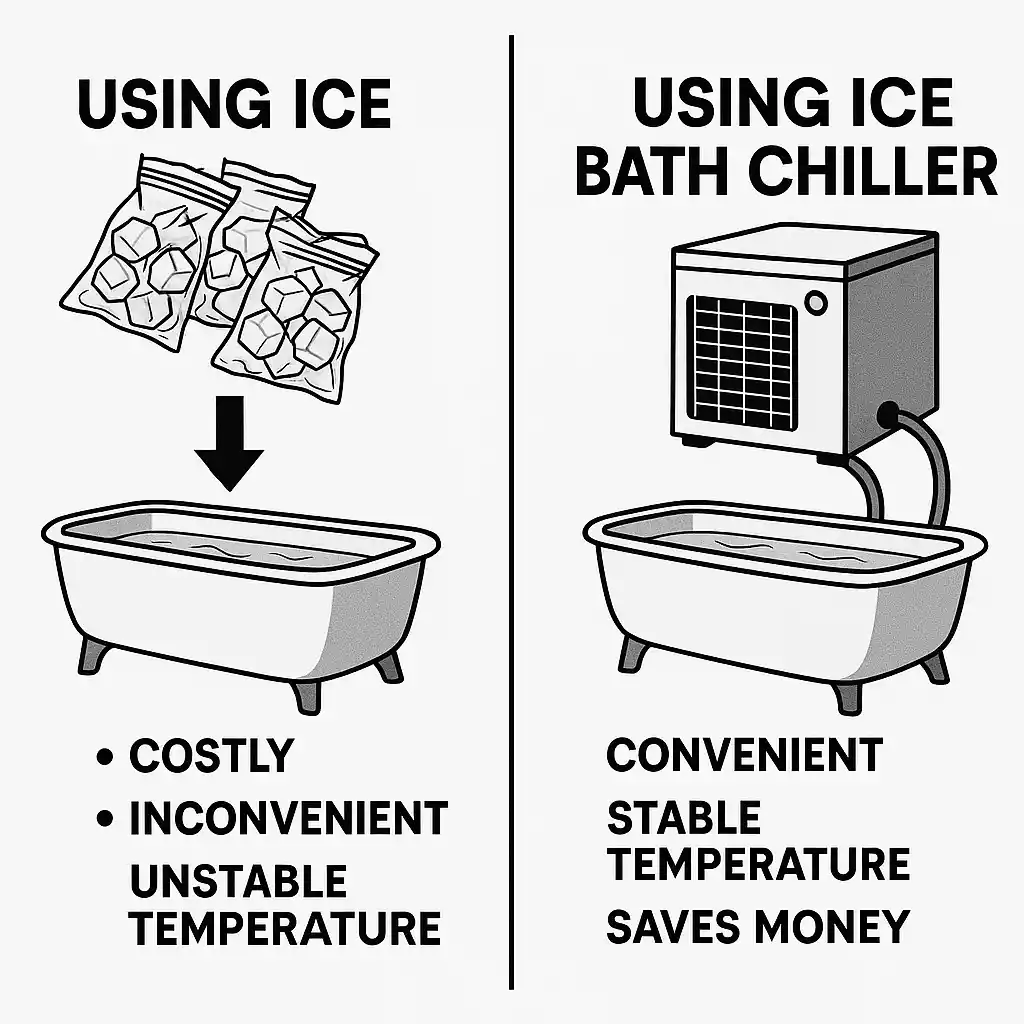
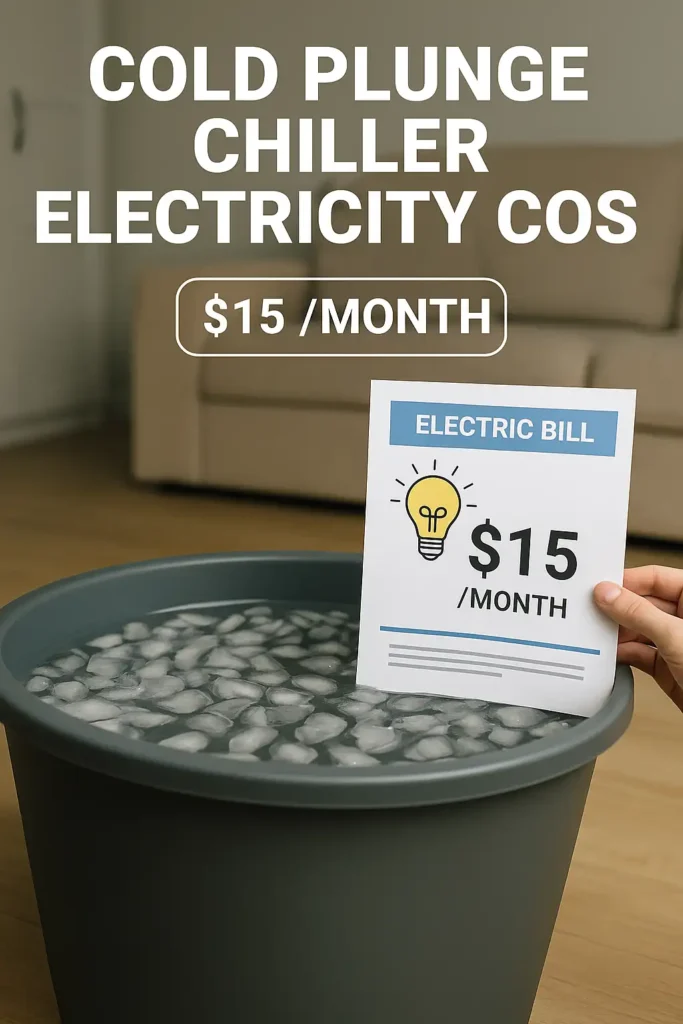
Why Electricity Cost Matters for Cold Plunge Users Cold plunges are becoming mainstream, but many people hesitate because they worry about the cold plunge chiller electricity cost at home It’s a fair concern. After all, nobody wants to buy a $1,000+ machine only to be shocked by monthly energy bills. The good news? A cold plunge chiller is far more energy-efficient than most people expect. Let’s dig into real numbers, based on horsepower (HP), tub size, and usage frequency. How Cold Plunge Chillers Work and Why Power Matters A cold plunge chiller functions like a compact air conditioner or mini freezer. It pulls warm water through a cooling coil, uses refrigerant to drop the temperature, and circulates the cooled water back into the tub. Power rating: Measured in HP (horsepower) Consumption: Similar to small household appliances Efficiency: Modern models use eco-friendly refrigerants and smart controls, which minimize waste 👉 In short, chillers are designed to cool efficiently, not run like an energy-hungry pool pump. Electricity Use by Chiller Size Let’s look at common household setups. 0.5 HP Cold Plunge Chiller (200–250L Tubs) Monthly electricity: ~$10 Usage: Solo user, small tubs, daily plunges Comparable to: Running a fan or small dehumidifier Example: Our 0.5 HP Cold Plunge Water Chiller – Portable Design easily keeps 200L tubs at 0–3°C with minimal energy draw. 0.8 HP Cold Plunge Chiller (200–250L Tubs) Monthly electricity: ~$12–15 Usage: People who want faster cooling for small tubs Comparable to: Small portable AC Example: The 0.8 HP ProValue Ice Bath Chiller provides extra power while still keeping electricity costs low. 1 HP Cold Plunge Chiller (350L Barrels) Monthly electricity: ~$15–18 Usage: Medium tubs, family use, or 2-person plunges Comparable to: Small room air conditioner Options include: Smart 1 HP (cools to 3°C) Ice-making 1 HP (cools to 0°C) This is the sweet spot for most home buyers. 1.5 HP Cold Plunge Chiller (400L All-in-One Tubs) Monthly electricity: ~$20 Usage: Large tubs, heavy use Comparable to: Large portable AC unit ROI: Still far cheaper than buying ice every week Families or small studios love this balance of power and efficiency. 2 HP and Beyond (Commercial Use) Monthly electricity: $25–30+ Usage: Gyms, recovery centers, wellness studios Note: Rarely needed at home Electricity Cost vs Ice Cost When comparing ice bags with machines, the cold plunge chiller electricity cost is dramatically lower, often less than $20 per month, while ice can cost hundreds. Using Ice Weekly plunges: $10–20 per session Monthly: $300–500 Yearly: $3,600–6,000 Using a Chiller Monthly: $10–20 in electricity Yearly: ~$150–250 ROI: Chiller pays for itself within a year for regular users 👉 According to the U.S. Department of Energy, small appliances like dehumidifiers or mini freezers typically use 200–500 kWh/year. A cold plunge chiller falls right in that range How to Reduce Electricity Costs Even More Use a lid – Prevents heat exchange, keeps water cold longer Plunge daily – The water stays cold, meaning less energy to maintain Insulated tubs – Materials like cedar and stainless steel retain cold better Smart chillers – Models with digital controls optimize power use Shade placement – Keep your tub out of direct sun to reduce load These tips make a noticeable difference in both electricity bills and water quality. Home vs Gym: Who Pays More in Electricity? Home users: $10–20 per month is standard, even for daily plunges Gyms/Studios: $25–40 per month, but spread across dozens of paying clients For homeowners, the cost is negligible. For gyms, it’s a profitable investment. FAQs: Cold Plunge Chiller Electricity Cost Q: Do chillers run 24/7?A: No. Once water reaches the set temperature, they cycle on and off, saving energy. Q: Can I leave my chiller running overnight?A: Yes, and it won’t spike your bill—think of it like a fridge. Q: How does electricity cost compare to ice?A: Chiller = $15/month. Ice = $300/month. Huge difference. Q: Is there a big difference between 1 HP and 1.5 HP in electricity?A: Only a few dollars per month, but you gain faster cooling for larger tubs. Q: Are chillers energy-efficient?A: Yes. Most use eco-friendly refrigerants and efficient compressors. Linking Back: Choosing the Right Chiller Electricity is just one piece of the puzzle. Choosing the right horsepower depends on your tub size and how cold you want to go. If you haven’t yet picked your setup, check out our full guide: Best Cold Plunge Chiller for Home Best Cold Plunge Chiller – How to Choose the Right System Cold Plunge Chiller Product Page Plunge Cold Tub Factory – All Tub Models ColdTubChiller Manufacturer Homepage Conclusion: Electricity Cost Shouldn’t Stop You In the end, the cold plunge chiller electricity cost is minimal compared to the convenience, health benefits, and long-term savings a chiller provides. For 0.5–1.5 HP chillers: $10–20/month For 2 HP+ commercial models: $25–30/month ROI: Pays for itself in months compared to ice Bottom line: Electricity is the smallest expense in your cold plunge journey. The real cost is sticking with ice bags and wasting thousands each year.
How Much Electricity Does a Cold Plunge Chiller Use at Home? Read More »