Uncategorized

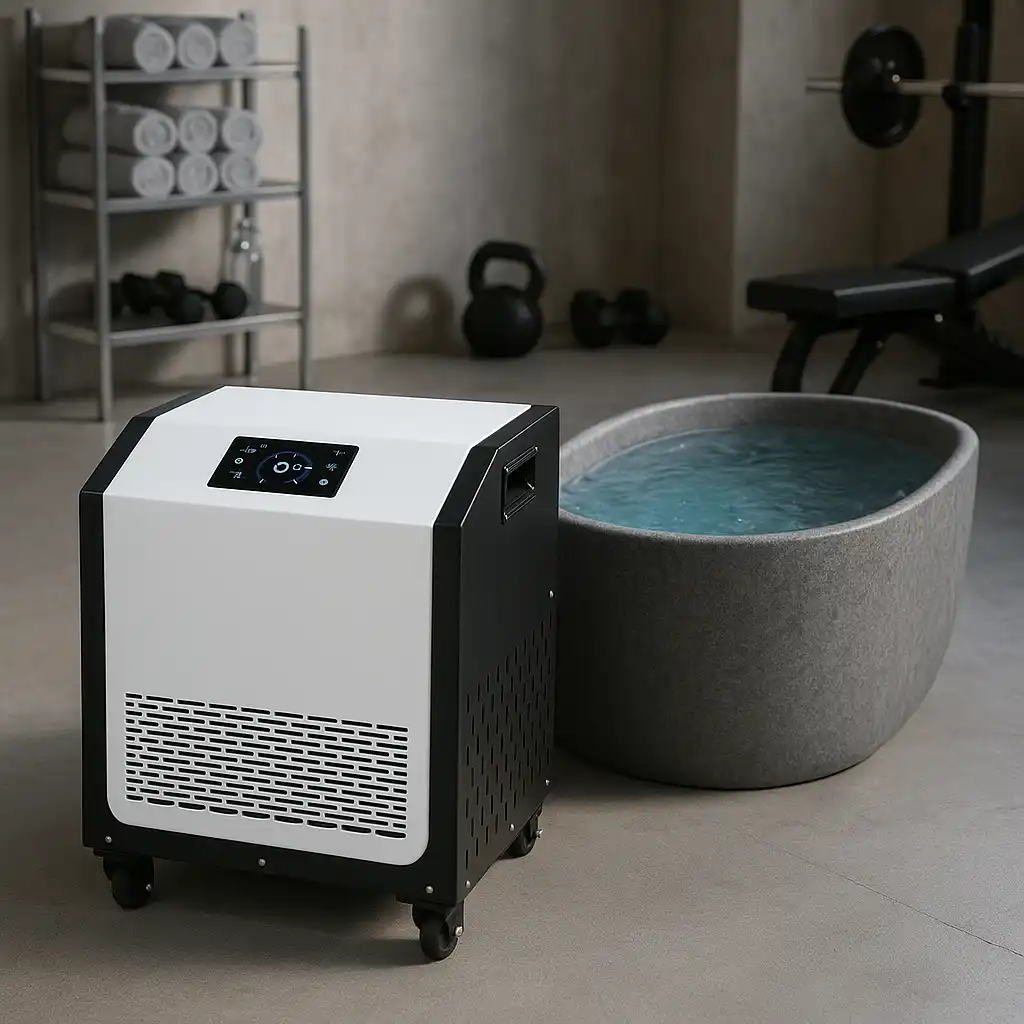
Cold plunge chiller next to a modern grey ice bath tub inside a gym recovery room, highlighting athletic recovery use

How to Choose the Right Cold Plunge Chiller Size for Your Ice Bath Setup

If you’re planning your first cold plunge chiller setup—whether at home, in a gym, or as part of a spa facility—getting the chiller size right is critical.This guide focuses on how horsepower (HP), tub volume, and environment interact, so you can size your system correctly without wasting energy or shortening equipment lifespan. Choosing the right size isn’t about buying the biggest unit available. It’s about balance: enough cooling power to reach and maintain 0–5°C, without overworking the compressor. Why Proper Sizing Matters for Cold Plunge Performance Incorrect sizing is the most common reason cold plunge systems underperform. An undersized chiller may run constantly yet never reach target temperature An oversized chiller may short-cycle, increasing energy cost and wear For example: A 0.8HP unit can handle a 300L indoor tub in mild climates The same unit may struggle outdoors in summer heat A 2HP commercial unit on a small indoor tub wastes power with no benefit Correct sizing ensures: Faster pull-down time Stable temperature during repeated plunges Longer compressor life and lower operating cost Understanding Chiller Horsepower (HP) and Cooling Efficiency Horsepower (HP) defines how much cooling energy your chiller can deliver per hour. But HP alone doesn’t tell the full story — you also have to consider ambient temperature, insulation, and tub material. Chiller Power Ideal Tub Capacity Cooling Speed Recommended Use 0.8 HP 200–300 L Moderate Compact home setups 1.0 HP 300–400 L Fast Home or small gym 1.5 HP 400–500 L Very fast Gym or spa 2.0 HP+ 600 L+ Ultra fast Commercial or multiple tubs If you live in a warmer climate or have an outdoor installation, move one size up from the chart.A 1HP unit can cool a 200L tub from 25°C to 5°C in roughly 2.5–3 hours, but a 1.5HP chiller may do it in under 2 hours. 👉 For consistent 0°C ice-bath performance, explore our stainless steel chillers designed for professional use — each engineered for continuous 24/7 operation and zero-frost reliability. Matching Chiller Power to Your Ice Bath Tub Size Tub volume is the single most important variable in sizing. Tub Volume Recommended HP Target Cooling Range Typical Scenario ≤ 300 L 0.8 HP 5–10°C Personal recovery 300–400 L 1.0 HP 3–7°C Home gym 400–600 L 1.5 HP 0–5°C Spa / shared use 600 L+ 2.0 HP+ 0°C Heavy-duty use Material matters: Stainless steel tubs lose heat faster Acrylic or wood with insulation reduces cooling demand A well-insulated tub can lower required HP by up to 30%. Smart Control Systems and Energy Savings Modern chillers go far beyond simple cooling. Today’s smart cold plunge chillers include Wi-Fi app control, digital thermostats, and variable-speed compressors that adapt to your environment automatically. This technology reduces temperature fluctuations to ±0.2°C and can save up to 30% in energy usage compared to constant-speed models.For home setups, smart chillers also allow scheduling — pre-cooling your tub before workouts or early mornings for consistent recovery sessions. 💡 Tip: Choose a chiller with O3 + UV water purification to reduce maintenance and keep your system running longer. Installation Environment and Ambient Load Factors Even a well-sized cold plunge chiller can underperform if the installation environment is ignored. In real-world setups, environmental heat load often matters just as much as horsepower. The following five factors directly influence how much cooling capacity your system actually needs: Ambient temperatureHot surrounding air continuously transfers heat back into the water, especially in outdoor or garage installations. Insulation qualityPoor insulation leads to constant heat gain, forcing the chiller to run longer and cycle more frequently. Water circulation rateFrequent refilling or high-flow circulation introduces warmer water into the system, increasing cooling demand. Usage frequencyBack-to-back plunges raise water temperature faster than most people expect. Ventilation around the chillerInadequate airflow traps heat around the condenser, reducing cooling efficiency and shortening compressor life. 👉 Practical rule:For outdoor or semi-enclosed setups, oversizing by at least 0.5HP is often necessary.If calculations suggest 1HP, choosing a 1.5HP unit usually delivers more stable long-term performance. Related Resource Learn more about long-term reliability in our cold plunge chiller manufacturer’s technical overview Why 316 Stainless Steel Makes a Difference When evaluating a water chiller for ice baths, material selection is often overlooked — yet it plays a major role in durability, hygiene, and long-term stability. Many low-cost chillers use aluminum or copper heat exchangers. Under ozone treatment or continuous cold-water exposure, these materials corrode quickly and may introduce metallic odors or performance loss. In contrast, 316 stainless steel offers: Superior corrosion resistance Hygienic, non-reactive water contact Stable performance under continuous operation This is why professional cold plunge systems rely on 316 stainless steel plate heat exchangers paired with industrial-grade compressors. For spas, gyms, and serious home users, these materials ensure consistent cooling without premature component failure. Common Sizing Mistakes (and How to Avoid Them) Incorrect chiller sizing is one of the most common reasons cold plunge systems fail to meet expectations. These issues are rarely caused by the equipment itself — but by mismatched system design. Avoid these frequent mistakes: Underestimating total water volume after user displacement Ignoring ambient temperature during sizing calculations Choosing based on price rather than cooling capacity Installing the chiller in poorly ventilated spaces Mismatching pump flow rate with the chiller’s inlet requirements A properly matched cold plunge chiller operates more efficiently, maintains stable temperatures, and requires less maintenance — delivering a better plunge experience over time. Real-World Example: 500L Ice Bath Setup Let’s look at a realistic mid-size installation to see how sizing works in practice. Setup conditions: Tub volume: 500L acrylic tub (indoor) Room temperature: 26°C Target water temperature: 4°C Usage: 2–3 sessions per day Recommended configuration: Chiller size: 1HP Cooling time: ~2.5–3 hours Estimated power draw: 800–1,000W If the same system were installed outdoors in 33°C summer conditions, upgrading to 1.5HP would be recommended to maintain consistent recovery cycles and reduce compressor stress. This small increase in capacity significantly improves long-term reliability and temperature stability. Expert Recommendation: Start with Data, Not Guesswork Choosing the right cold plunge chiller

How to Choose the Right Cold Plunge Chiller Size for Your Ice Bath Setup Read More »

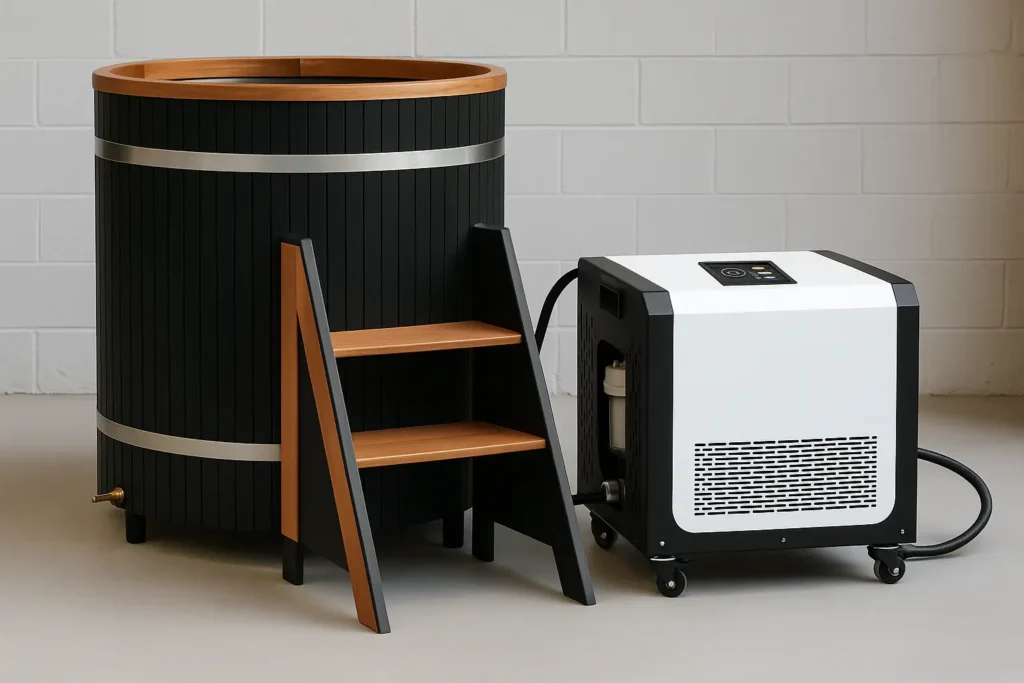
Smart cold plunge chiller paired with black cedar cold plunge barrel, featuring stainless steel accents and integrated filter system for 0°C ice bath therapy

Smart Cold Plunge with Chiller: The Future of Intelligent Ice Bath Systems

A smart cold plunge with chiller blends cutting-edge control and classic recovery benefits—no more ice bags or manual dials. With WiFi connectivity, ozone filtration, and auto temperature maintenance, these intelligent systems redefine modern cold therapy. Whether you run a home gym, spa, or recovery studio, switching to a smart ice bath system ensures consistent 0°C immersion and effortless operation. You can explore more models on our cold plunge with chiller page.According to Harvard Health Publishing, ice baths can enhance recovery and reduce inflammation when used consistently. What Makes a Smart Cold Plunge Chiller Different? A WiFi-controlled cold plunge chiller uses IoT intelligence to maintain precise temperatures and clean water automatically. Key functions include: WiFi / App Control – Adjust temperature remotely Auto Temperature Regulation – Maintain your ideal 0–5°C range Energy Smart Mode – Optimize cooling cycles 4-in-1 Filtration System – Includes pump, ozone, and filter Real-Time Diagnostics – App alerts for maintenance These upgrades transform a basic cold plunge chiller into a smart recovery ecosystem. Learn more in our Cold Plunge Chiller & Filter Setup Guide. Why WiFi-Controlled Chillers Improve Cold Therapy Smart control means consistency and convenience: Consistency & Control:Smart chillers maintain precise temperature, giving you repeatable recovery results—a key factor in reducing inflammation and improving muscle repair. Hands-Free Operation:Forget manual knobs. Schedule sessions via mobile app—perfect for busy gyms and biohackers. Energy Efficiency:Smart control reduces compressor runtime by 20–30%, saving power while keeping water cold. Data Tracking:Record temperature history and session duration to optimize your wellness routine. As the Cleveland Clinic notes, consistent cold exposure enhances circulation and speeds recovery. How to Build a Smart Cold Plunge System at Home or Gym Component Description Recommended Model Tub 300–400 L stainless steel or hybrid WT-05 Hybrid Barrel Chiller 1HP Smart WiFi + Ozone CHM-10-RV Smart Series Control App Tuya or OEM-branded app iOS/Android Filter System Built-in 4-in-1 unit Easy cartridge swap Voltage 110V (US) / 220V (EU) Regional supply options Looking for a more affordable option? See our Essential Ice Bath Chillers for home use. Smart Ice Bath System vs Traditional Cold Plunge Feature Smart Cold Plunge System Traditional Ice Bath Control WiFi App + Auto Temp Manual ice & thermometer Cooling Continuous 0°C Temperature fluctuates Filtration Built-in ozone + filter Manual cleaning Maintenance Smart alerts Manual monitoring Energy Use Smart cycle Always-on drain Smart chillers cut maintenance time by 50% and save 25% energy monthly. Check out the full specs in our Smart-Controlled Chiller Systems. Applications: From Home Biohacking to Commercial Gyms 🏠 Home Recovery: For individuals using ice baths daily 🧘 Wellness Studios: For spa operators managing multiple users 🏋️ Gyms: Pre- and post-workout recovery 🏭 OEM Partners: Private labeling smart chillers under your brand Partner with us as your cold plunge chiller manufacturer. Smart Maintenance: Let Technology Do the Work Your smart cold plunge chiller reminds you to: Replace filters Run ozone cycles Clean water Update firmware Learn more in our Cold Plunge Chiller Maintenance Guide.Pro Tip: Combine ozone + filter + lid to extend maintenance intervals. OEM Customization & Smart Integration OMNI Therapy provides: OEM Branding (Logo, Packaging, App Skin) Custom Power Range (0.5HP–1.5HP) App Integration (Tuya, Smart Life, OEM SDK) Rapid Fulfillment (MOQ 1 unit, lead time 7–15 days) Explore the full Cold Plunge with Chiller lineup. Conclusion: The Smartest Way to Cold Therapy A smart cold plunge with chiller is not just an upgrade—it’s the future of recovery. WiFi control, ozone filtration, and intelligent power management bring precision and convenience to every session. Also visit: Cold Plunge Chiller Manufacturer Cold Plunge Tub Factory Cold Plunge with Chiller

Smart Cold Plunge with Chiller: The Future of Intelligent Ice Bath Systems Read More »

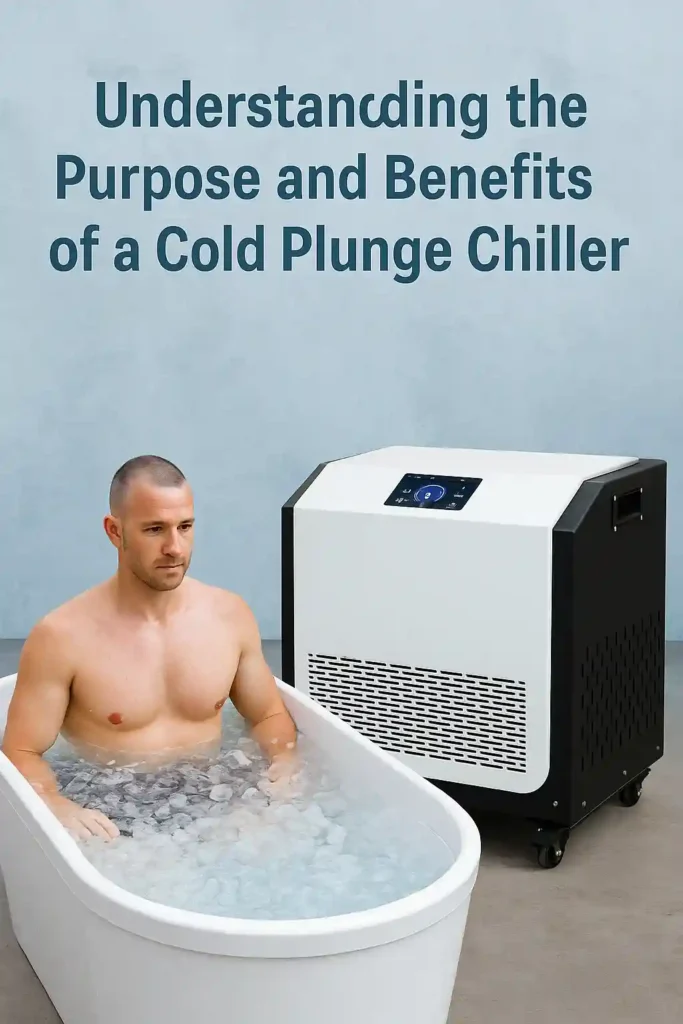
Man sitting in an ice bath tub connected to a cold plunge chiller, demonstrating real-world use for cold therapy recovery

Water Chiller vs Ice Bags for Ice Bath: Which Costs Less Over 12 Months?

When comparing a water chiller vs ice bags for ice bath use, ice bags seem cheaper until you run the monthly numbers.A 300-litre cold plunge needs roughly 25–30kg of ice per session — at $3–5 per bag, that adds up to $90–150 per week for daily users, before you factor in the time hauling ice, temperature spikes between top-ups, and hygiene risks that loose ice introduces. A water chiller eliminates all three problems. Here is the honest cost comparison. Medical studies from Harvard Health confirm that cold immersion reduces inflammation and supports recovery. That means a chiller isn’t just about comfort—it’s about results. How Cold Plunge Chillers Actually Work Instead of dumping ice, a chiller circulates water through a refrigeration system, filtering and cooling it continuously. Modern chillers often include: Built-in filtration for hygiene; Ozone or UV sterilization for long-term safety; WiFi control for easy scheduling; Commercial-grade compressors to handle large tubs. For more technical details, check our article on Best Water Chiller for Cold Plunge: How to Choose the Right One Scientifically Choosing the Right Size for Your Ice Bath Tub Selecting the correct chiller size depends on the water volume of your tub. Small tubs (≤250 L): 0.5–0.8 HP is sufficient. Medium tubs (250–400 L): 1.0 HP for effective cooling. Large tubs (≥400 L): 1.5 HP or higher for fast pull-down. See our related guide on What Size Water Chiller for Ice Bath Do You Need? for detailed matching. Pairing with the right tub is just as important. Browse our water chiller for ice bath collection to find models that balance volume, insulation, and design. Real Costs – Ice vs. Cold Plunge with Chiller Many first-time buyers wonder whether a chiller is worth the investment. Let’s compare: Factor Ice Bags & Buckets Cold Plunge with Chiller Daily Cost High (ice purchase) Low (electricity only) Temperature Control Poor Precise 0–4 °C Time & Effort Manual, messy Automatic & clean Long-Term Value Low High In fact, over a year of use, a chiller saves more than the initial cost, while giving you professional-grade recovery. Key Features to Look for in a Cold Plunge Chiller Not all chillers are equal. When comparing options, focus on: Durability: 316 stainless steel heat exchangers last longer. Performance: Can it reach 0 °C or even create ice? Filtration: A must-have for home gyms or commercial facilities. Smart Controls: WiFi + app control for remote operation. Mobility: Wheels and handles for easy relocation. Not all chillers deliver the same performance.To understand which features actually matter—and which are just marketing—read our full analysis in《 Why Consider a Water Chiller for Ice Bath in 2025?》 Applications – From Home to Professional Wellness Centers A Cold Plunge with Chiller is versatile: Home users: Save money and enjoy consistent recovery after workouts. Gyms: Offer members reliable recovery sessions without messy ice refills. Clinics & Spas: Maintain hygiene and control, supporting athlete rehab. Research from Mayo Clinic highlights cold therapy’s benefits in sports recovery and inflammation management—making chillers a practical investment for both personal and professional use. Maintenance, Longevity, and ROI Chillers are not only efficient but also designed for long-term use. Basic maintenance includes: Cleaning the filter monthly; Checking water quality; Running ozone sterilization when needed. With minimal care, most units last 5–8 years, delivering unmatched ROI compared to disposable ice. Conclusion – Why More People Are Moving Beyond Ice Traditional ice baths may work occasionally, but they fall short for anyone seeking consistent cold therapy results. Cold plunge chillers offer stable temperatures, better hygiene, and long-term cost savings. If you’re deciding whether upgrading from ice to a chiller makes sense for your routine, this guide explains the full picture: 《Why Consider a Water Chiller for Ice Bath in 2025?》

Water Chiller vs Ice Bags for Ice Bath: Which Costs Less Over 12 Months? Read More »

Cold Plunge Chiller Troubleshooting: The Ultimate Repair & Maintenance Guide (2026 Edition)

The demand for cold plunge therapy has grown rapidly, and many athletes, wellness centers, and home users rely on chillers to maintain water at 0–5°C. Yet even the best equipment can develop issues over time. A quick search for cold plunge chiller troubleshooting often comes from users frustrated by weak water flow, pumps not working, or temperature instability. This guide is not just a generic manual; it is a living encyclopedia built from OMNI Ice’s internal database of 1,600+ technical support hours and 500+ real-world support tickets filed by customers. Whether you are repairing a minor pump issue or deciding if it’s time to upgrade to a new system, this article will navigate every technical detail, from basic filter rinses to advanced sensor recalibration. The “Emergency Room” Diagnostic: Universal Error Code Table Before diving into mechanical repairs, your chiller’s controller usually provides a digital “distress signal.” Based on our service logs (from team members like Lina and Iris), these are the most common codes you will encounter: Error Code Official Meaning Real-World “Field” Diagnosis Immediate Fix Strategy E1 / E11 / FL Water Flow Alarm 85% are airlocks or dirty filters, NOT a dead pump. Clean filter & execute “OMNI Prime” (See Step 4). E2 / HH High-Temp Alarm The condenser is suffocating from dust or poor airflow. Clean fins; ensure 50cm clearance around the unit. E5 / AL Sensor Fault Temperature probe is loose, shorted, or disconnected. Inspect the 2-pin clips inside; swap with backup probe. B13 / E8 High Value / Low Temp Water is near freezing (below 2°C) or sensor is “open.” Reset target to 4°C+; check NTC sensor resistance. Expert Insight: > One of our clients (Mark) encountered a persistent E11 error. Even after force-feeding water into the intake, the error remained. Our engineering team (Jagger) diagnosed that the water temperature dropped too rapidly, meaning there wasn’t enough water inside the plate heat exchanger. The Real Fix: We removed the filter net and found that the secondary filter was not properly sealed. If the filter O-ring is damaged, air enters the system, stalling the flow even if the pump is spinning. Always check your O-ring integrity before replacing the pump. Cold Plunge Chiller Pump Not Working — The Most Common Problem When a chiller stops functioning properly, the first complaint is usually that the pump is running but no water is moving. This can happen suddenly after a water change or gradually as flow weakens over days. At OMNI Ice, we track these failures to ensure our cold plunge chiller repair strategies are always up to date. Typical Causes Found in Our Support Logs: Clogged Filter: A thin layer of biofilm or hair can reduce intake pressure by 40%, triggering a flow alarm. Airlock: Trapped air bubbles in the impeller chamber prevent the pump from “grabbing” water. Voltage Mismatch: We’ve seen cases where a 220V pump is incorrectly plugged into a 110V supply, causing the pump to hum but not spin. Thermal Overload: High-pressure pumps can shut down automatically if they run dry for more than 2 minutes. Expert Fix: If your system has already stopped drawing water entirely, review our detailed pump troubleshooting guid for targeted 5-minute fixes that can extend your pump’s lifespan by 2-3 years. Weak Water Flow and Circulation Issues Even if the pump works, circulation problems can reduce cooling performance. Weak flow makes it harder for the chiller to reach the target temperature, and stagnant water becomes a hygiene risk. Key Warning Signs of Circulation Issues: Noticeably slower cooling compared to normal operation (e.g., taking 4 hours instead of 2). Water returning to the tub feels “warm” or weak at the jet. The chiller cycles more frequently (turning on/off every 5 mins) without lowering the water temperature. Data-Driven Insight: In most cases, the root cause is filter blockage or hose obstruction. We recently assisted a customer who had a “kinked” hose behind the unit that reduced cooling efficiency by 60% without triggering a fatal error. Cold Plunge Chiller Filter Problems The filter is small but critical. Without it, debris quickly enters the pump and heat exchanger, causing expensive damage. With it, however, maintenance becomes essential. Signs your filter is causing trouble: Visible dirt or discoloration (yellowing) on the stainless steel or paper cartridge. Reduced water flow despite normal pump operation. Frequent “Buzzing” sounds from the pump as it struggles against resistance. Maintenance Tip: Cleaning and replacing filters is the simplest form of cold plunge chiller maintenance. Regular cleaning can increase cooling efficiency by 20%. For more details, see our filter maintenance guide and filter setup guide. Advanced Electrical Troubleshooting: Ozone & Screen Glitches Our engineering team has identified “hidden” issues that often go undetected by standard DIY guides: The Ozone Short-Circuit Loop If your unit keeps rebooting or the screen flickers, it might be the Ozone Generator. If the check-valve fails and water enters the ozone module, it causes a 24V short circuit. The Fix: Safely disconnect the ozone 2-pin wire. If the machine stabilizes, you simply need a new $15 ozone module. Hidden Failure Mode: > A critical issue identified in our 2025 support logs involves the Ozone Generator. If the ozone check valve fails, water backflows into the generator, causing a 24V short circuit. Symptom: The mainboard reboots repeatedly or the screen remains black. The Solution: Unplug the ozone 2-pin connector from the mainboard. If the machine starts normally, replace the ozone module and the check valve immediately to prevent water damage to the electronics. Sensor Drift & Phantom Values If the screen says the water is 10°C but it feels like 2°C, your NTC sensor is drifting. The Fix: Recalibrate parameters in the “hidden menu” (Contact OMNI for the specific model code) or replace the probe. Step-by-Step Cold Plunge Chiller Troubleshooting Guide Troubleshooting requires a logical approach. Work through the following steps before assuming your chiller needs professional repair. Check the Filter: Remove and rinse the filter under running water. If it remains clogged, replace it immediately. Inspect the Hoses

Cold Plunge Chiller Troubleshooting: The Ultimate Repair & Maintenance Guide (2026 Edition) Read More »

llustrated cold plunge tub with wrench and checklist icons representing cold plunge chiller maintenance

How to Maintain a Cold Plunge Chiller at Home (Simple Guide)

Why Cold Plunge Chiller Maintenance Matters Cold plunges are no longer just for professional athletes. Today, you’ll find them in home gyms, backyards, and even wellness studios. With more people choosing cold plunge chillers over bags of ice, the topic of cold plunge chiller maintenance has become essential. Homeowners often ask: how hard is it to keep a chiller running smoothly, and what steps ensure clean water and long-lasting performance? Maintenance by Frequency: Daily, Weekly, Monthly, Quarterly, and Yearly Breaking maintenance down by schedule makes it manageable. Here’s what a proper routine looks like: Daily Tasks Check water clarity – Clear water means the filter is working; cloudy water means attention is needed. Verify temperature – Ensure the chiller maintains your set point (0–3°C for most users). Listen for noise – A steady hum is fine. Rattling, grinding, or irregular sounds may signal a loose fitting or pump issue. Weekly Tasks Surface wipe – Clean tub edges and chiller connections with a mild cloth. Skim debris – Use a pool net to remove leaves, hair, or insects. Inspect lid – A secure cover keeps dirt out and reduces electricity costs. Monthly Tasks Replace or rinse filters – PP cotton filters should be swapped every 4–6 weeks. Paper cartridge filters may be rinsed and reused for 2–3 months. Check water quality – Drain and replace water if used daily. Add sanitizer or ozone disinfection if needed. Clean hoses – Flush out connections to prevent buildup. Quarterly Tasks Deep clean tub – Drain completely, wipe surfaces with spa-safe cleaner, rinse thoroughly. Inspect condenser – Dust buildup reduces cooling efficiency; wipe with a soft brush or vacuum. Check pump and hoses – Look for leaks, kinks, or wear. Yearly Tasks Professional inspection – Consider having refrigerant levels and compressors checked annually. Replace long-use filters – If you use a high-end cartridge, swap it yearly even if it looks clean. Electrical check – Inspect plugs, extension cords, and smart controllers. 👉 Treat this like car maintenance—routine care prevents big breakdowns. Maintenance for Different Horsepower Models Not every cold plunge chiller is the same. Maintenance varies slightly depending on horsepower and usage. 0.5 HP Cold Plunge Chiller (200–250L Tubs) Filter change every 4–6 weeks Best for solo users or small tubs Water changes every 2–3 weeks Example: Our 0.5 HP Cold Plunge Water Chiller – Portable Design keeps small tubs at 0°C with minimal upkeep. 0.8 HP Cold Plunge Chiller (200–250L Tubs) Faster cooling, slightly higher maintenance Filters every 4–5 weeks Best for users who plunge multiple times daily Example: The 0.8 HP ProValue Ice Bath Chiller balances power and efficiency. 1 HP Cold Plunge Chiller (350L Barrels) Filters every 4–6 weeks Water changes every 2–3 weeks Two versions: Smart (cools to 3°C) Ice-making (cools to 0°C) 1.5 HP Cold Plunge Chiller (400L Tubs) Filters every 3–4 weeks (larger volume means more debris) Water changes every 2 weeks for optimal hygiene Needs shade cover to reduce energy load 2 HP and Above (Commercial Use) Daily water quality tests Filters every 2 weeks Ozone/UV disinfection mandatory Suitable for gyms, clinics, or studios with multiple daily users Case Studies: Home vs Gym vs Studio Family Home User A family with a 350L cedar barrel uses a 1 HP ice-making chiller. They plunge 4–5 times per week. Maintenance: filter swap monthly, water change every 2–3 weeks Annual cost: ~$100 for filters, ~$200 for sanitizers Gym Environment A small gym with a 400L stainless tub uses a 1.5 HP chiller. Maintenance: water change weekly, filters every 3 weeks Additional sanitization: chlorine tablets after every day of use Annual cost: ~$300–500 for filters and cleaning products Commercial Studio A wellness center with two 2 HP units serving 20+ clients daily. Maintenance: daily checks, weekly water replacement, ozone disinfection Professional inspection every 6 months Annual cost: ~$800+ in supplies but supported by paying clients Water Quality and Hygiene Safe plunging starts with clean water. Even if it looks clear, bacteria can grow. Water changes – Every 2–3 weeks at home, weekly in gyms. Sanitizers – Spa-safe chlorine tablets or bromine are effective. Ozone/UV systems – Built-in sterilizers help but don’t replace water changes. Covers – Lids keep out leaves, dust, insects, and reduce electricity usage. 👉 According to the Mayo Clinic, cold therapy should always be done in clean, controlled conditions to avoid health risks. Electricity Efficiency and Longevity Good maintenance reduces your power bill. Clean filters – A clogged filter makes the pump work harder, increasing electricity use by 10–20%. Keep water clean – Dirty water requires more frequent cooling cycles. Insulation and lids – Reduce temperature fluctuations, cutting power bills. Smart controls – Schedule cooling cycles to match your plunge routine. For more details, see our guide: Cold Plunge Chiller Electricity Cost. Common Mistakes to Avoid Forgetting filter replacements Leaving tubs uncovered Using harsh chemicals that damage stainless steel Ignoring cloudy water or bad smells Running chillers in direct sun without shade Not addressing early warning noises Troubleshooting Guide Problem Likely Cause Solution Water not cooling Dirty filter / low refrigerant Replace filter; call service if issue persists Noisy pump Air bubble / loose screw Bleed pump; tighten fittings Water smells Old water / bad filter Replace water & filter; sanitize Weak flow Clogged hose Clean hoses For troubleshooting when your cold plunge chiller stops cooling, see: 《Cold Plunge Chiller Not Cooling: 8 Causes and How to Fix Each One》 ROI: Maintenance Cost vs Ice Maintenance cost: $100–200/year in filters and cleaning supplies Ice cost: $3,600–6,000/year for regular plunges Conclusion: Maintenance is a fraction of ice expense FAQs: Cold Plunge Chiller Maintenance Q: Can I leave the chiller on 24/7?A: Yes, it cycles on and off automatically like a fridge. Q: How often should I change filters?A: Every 4–6 weeks at home, every 2–3 weeks in commercial use. Q: Do I need professional maintenance?A: Rarely. Only for refrigerant leaks or compressor issues. Q: How do I reduce cleaning?A: Always use a lid and sanitizer. Internal Links and Resources

How to Maintain a Cold Plunge Chiller at Home (Simple Guide) Read More »

A cold plunge tub in a home setting with a low electricity bill showing $15 per month, representing cold plunge chiller electricity cost

How Much Electricity Does a Cold Plunge Chiller Use at Home?

Why Electricity Cost Matters for Cold Plunge Users Cold plunges are becoming mainstream, but many people hesitate because they worry about the cold plunge chiller electricity cost at home It’s a fair concern. After all, nobody wants to buy a $1,000+ machine only to be shocked by monthly energy bills. The good news? A cold plunge chiller is far more energy-efficient than most people expect. Let’s dig into real numbers, based on horsepower (HP), tub size, and usage frequency. How Cold Plunge Chillers Work and Why Power Matters A cold plunge chiller functions like a compact air conditioner or mini freezer. It pulls warm water through a cooling coil, uses refrigerant to drop the temperature, and circulates the cooled water back into the tub. Power rating: Measured in HP (horsepower) Consumption: Similar to small household appliances Efficiency: Modern models use eco-friendly refrigerants and smart controls, which minimize waste 👉 In short, chillers are designed to cool efficiently, not run like an energy-hungry pool pump. Electricity Use by Chiller Size Let’s look at common household setups. 0.5 HP Cold Plunge Chiller (200–250L Tubs) Monthly electricity: ~$10 Usage: Solo user, small tubs, daily plunges Comparable to: Running a fan or small dehumidifier Example: Our 0.5 HP Cold Plunge Water Chiller – Portable Design easily keeps 200L tubs at 0–3°C with minimal energy draw. 0.8 HP Cold Plunge Chiller (200–250L Tubs) Monthly electricity: ~$12–15 Usage: People who want faster cooling for small tubs Comparable to: Small portable AC Example: The 0.8 HP ProValue Ice Bath Chiller provides extra power while still keeping electricity costs low. 1 HP Cold Plunge Chiller (350L Barrels) Monthly electricity: ~$15–18 Usage: Medium tubs, family use, or 2-person plunges Comparable to: Small room air conditioner Options include: Smart 1 HP (cools to 3°C) Ice-making 1 HP (cools to 0°C) This is the sweet spot for most home buyers. 1.5 HP Cold Plunge Chiller (400L All-in-One Tubs) Monthly electricity: ~$20 Usage: Large tubs, heavy use Comparable to: Large portable AC unit ROI: Still far cheaper than buying ice every week Families or small studios love this balance of power and efficiency. 2 HP and Beyond (Commercial Use) Monthly electricity: $25–30+ Usage: Gyms, recovery centers, wellness studios Note: Rarely needed at home Electricity Cost vs Ice Cost When comparing ice bags with machines, the cold plunge chiller electricity cost is dramatically lower, often less than $20 per month, while ice can cost hundreds. Using Ice Weekly plunges: $10–20 per session Monthly: $300–500 Yearly: $3,600–6,000 Using a Chiller Monthly: $10–20 in electricity Yearly: ~$150–250 ROI: Chiller pays for itself within a year for regular users 👉 According to the U.S. Department of Energy, small appliances like dehumidifiers or mini freezers typically use 200–500 kWh/year. A cold plunge chiller falls right in that range How to Reduce Electricity Costs Even More Use a lid – Prevents heat exchange, keeps water cold longer Plunge daily – The water stays cold, meaning less energy to maintain Insulated tubs – Materials like cedar and stainless steel retain cold better Smart chillers – Models with digital controls optimize power use Shade placement – Keep your tub out of direct sun to reduce load These tips make a noticeable difference in both electricity bills and water quality. Home vs Gym: Who Pays More in Electricity? Home users: $10–20 per month is standard, even for daily plunges Gyms/Studios: $25–40 per month, but spread across dozens of paying clients For homeowners, the cost is negligible. For gyms, it’s a profitable investment. FAQs: Cold Plunge Chiller Electricity Cost Q: Do chillers run 24/7?A: No. Once water reaches the set temperature, they cycle on and off, saving energy. Q: Can I leave my chiller running overnight?A: Yes, and it won’t spike your bill—think of it like a fridge. Q: How does electricity cost compare to ice?A: Chiller = $15/month. Ice = $300/month. Huge difference. Q: Is there a big difference between 1 HP and 1.5 HP in electricity?A: Only a few dollars per month, but you gain faster cooling for larger tubs. Q: Are chillers energy-efficient?A: Yes. Most use eco-friendly refrigerants and efficient compressors. Linking Back: Choosing the Right Chiller Electricity is just one piece of the puzzle. Choosing the right horsepower depends on your tub size and how cold you want to go. If you haven’t yet picked your setup, check out our full guide: Best Cold Plunge Chiller for Home Best Cold Plunge Chiller – How to Choose the Right System Cold Plunge Chiller Product Page Plunge Cold Tub Factory – All Tub Models ColdTubChiller Manufacturer Homepage Conclusion: Electricity Cost Shouldn’t Stop You In the end, the cold plunge chiller electricity cost is minimal compared to the convenience, health benefits, and long-term savings a chiller provides. For 0.5–1.5 HP chillers: $10–20/month For 2 HP+ commercial models: $25–30/month ROI: Pays for itself in months compared to ice Bottom line: Electricity is the smallest expense in your cold plunge journey. The real cost is sticking with ice bags and wasting thousands each year.

How Much Electricity Does a Cold Plunge Chiller Use at Home? Read More »

Modern cold plunge tub with icy water for Sun Home Cold Plunge review and alternatives 2025

Sun Home Cold Plunge Review & Alternatives 2025: Smarter Ways to Experience True Cold Therapy

Why Sun Home Cold Plunge Is Everywhere Sun Home Cold Plunge has quickly become one of the most searched cold therapy systems in 2025. From TikTok influencers sharing their daily plunge routines to professional athletes crediting cold exposure for faster recovery, it has become a symbol of the modern wellness trend. Cold immersion itself is widely recognized in medical research for reducing inflammation and supporting muscle repair. As noted by Harvard Health, ice baths can play a valuable role in easing muscle fatigue and improving sleep quality. With this growing attention, cold plunges have moved from niche recovery rooms to everyday households. As cold therapy gains mainstream popularity, a key question has emerged: Is the Sun Home Cold Plunge worth the high price? With costs often exceeding $10,000, many buyers admire its performance but hesitate at the investment. This has led to rising interest in alternative setups that promise the same 0 °C immersion benefits without the luxury price tag. In this in-depth review, we’ll break down the strengths and limitations of the Sun Home Cold Plunge, compare it with more flexible portable cold plunge chiller systems, and help you decide which setup makes the most sense for your goals in 2025. What Makes the Sun Home Cold Plunge Popular? The Sun Home Cold Plunge appeals to those seeking a high-end, ready-made cold therapy solution. It combines a prebuilt insulated tub with integrated cooling technology, designed for users who want a “plug-and-plunge” experience without needing to assemble or configure additional equipment. Key features include: Temperature capability down to 0 °C – a true ice bath experience, comparable to professional recovery centers. Premium insulated design – engineered for durability and visual appeal, fitting well into luxury homes, gyms, or wellness studios. All-in-one convenience – users don’t need to source separate equipment; everything is included. This combination of performance, design, and convenience explains why the Sun Home Cold Plunge has been embraced by influencers and athletes. It feels like a luxury purchase, and it delivers on its promise of cold immersion. The Strengths of Sun Home Cold Plunge Before comparing it with alternatives, let’s acknowledge what Sun Home does well: Luxury AestheticThe tub looks sleek, modern, and premium—making it a centerpiece in home gyms or wellness spaces. 0 °C CapabilityLike professional-grade recovery systems, Sun Home can deliver true freezing water temperatures, giving users maximum recovery benefits. ConvenienceThe all-in-one design appeals to those who want to avoid setup, research, or trial-and-error. Brand VisibilityWith a strong presence on social media and endorsements from high-profile users, Sun Home has earned recognition as a luxury wellness brand. For high-budget buyers who value status and ease of use, Sun Home is a strong choice. The Limitations of Sun Home Cold Plunge However, the same factors that make Sun Home appealing also introduce some clear limitations—especially for everyday buyers: High PriceWith costs often exceeding $10,000, the Sun Home Cold Plunge is out of reach for many consumers. Fixed DesignIt is a heavy, standalone system. Once installed, it’s not easily moved or adapted to different spaces. Limited FlexibilityBuyers are locked into the tub and cooling system as a single package. You can’t mix and match or upgrade components separately. Maintenance ComplexityAll-in-one systems can be harder to maintain or repair compared to modular setups. For those who love the concept of cold therapy but want more flexibility and affordability, these pain points open the door to smarter alternatives. A Smarter Alternative: Portable Cold Plunge Chiller + Tub One of the biggest misconceptions in cold therapy is that you need a $10,000+ luxury tub to experience 0 °C immersion. In reality, you can achieve the same performance by combining a portable cold plunge chiller with a compatible plunge tub. Take for example the Cold Plunge Chiller and Filter 1HP. This system offers: 0 °C ice-making capability for a true freezing immersion. WiFi app control to manage temperature remotely. Ozone sanitation and external filter system for water hygiene. Portability and versatility, allowing you to pair it with a variety of tubs—stainless steel, acrylic, or even inflatable options. When combined with a high-quality plunge cold tub, you get a setup that rivals or surpasses Sun Home’s system while costing only a fraction of the price. Sun Home vs Portable Chiller Systems: A Side-by-Side Comparison Feature Sun Home Cold Plunge Cold Plunge Chiller + Tub Combo Price $$$$ (>$10,000) $$ ($2,000–$3,000 setup) Cooling Down to 0 °C Down to 0 °C (ice-making level) Flexibility Fixed system, one tub option Works with multiple tub types Mobility Heavy, difficult to move Portable, easy to relocate Maintenance Integrated, harder to modify External filter + ozone, easy care Upgrades Limited Can swap tubs or chillers This comparison highlights the key advantage: both systems achieve the same 0 °C performance, but a modular chiller setup costs less and offers greater flexibility. Why More Buyers Are Choosing Modular Chiller Systems Affordability Without CompromiseInstead of paying luxury prices, users can replicate the same freezing immersion for a fraction of the cost. AdaptabilityAs needs evolve, you can change the tub, upgrade the chiller, or scale your setup without replacing everything. PortabilityWhether you move homes or want to relocate your plunge setup to a different space, portability is a huge plus. Professional PerformanceWith features like ozone filtration, WiFi control, and true ice-making, modular chillers are as advanced as high-end systems. Real-World Scenarios: Who Benefits from Each Option? Homeowners Sun Home: Ideal if you want a luxury wellness centerpiece and budget is no concern. Chiller + Tub: Perfect for homeowners who want performance and flexibility without overspending. Gyms & Wellness Studios Sun Home: Works as a premium marketing tool to impress clients. Chiller + Tub: More practical, since you can install multiple tubs with one or two chillers for group sessions. Athletes & Biohackers Sun Home: Offers simplicity and brand recognition. Chiller + Tub: Offers the same 0 °C recovery benefits with better portability and customization. Cost Breakdown: Long-Term Value Category Sun Home Cold Plunge Cold Plunge Chiller + Tub Initial Price $10,000+

Sun Home Cold Plunge Review & Alternatives 2025: Smarter Ways to Experience True Cold Therapy Read More »

A minimalist illustration of a cold plunge tub with ice cubes and a chiller unit, representing the best cold plunge chiller for home use

Best Cold Plunge Chiller for Home Use: How to Choose the Right Model

What is the best cold plunge chiller for home use? At first glance, ice baths seem simple. Buy ice, dump it into a tub, and you’re done. But anyone who has tried this more than a few times quickly realizes the problem: ice melts fast, temperatures fluctuate, costs add up, and consistency disappears. That’s why more home users are transitioning from ice-based setups to dedicated cold plunge chillers—systems designed to maintain precise temperatures day after day. This guide consolidates the most important decision factors, real-world usage patterns, and conclusions drawn from multiple technical deep dives—so you can confidently choose the right model for your home. Why “Best” Depends on Your Setup (Not Just the Chiller) There is no single “best” cold plunge chiller for everyone. The right choice depends on four core factors: Tub water volume Usage frequency Target temperature (0–3°C vs 3–5°C) Installation environment (indoor vs outdoor) Rather than focusing on raw specifications alone, the best approach is to match chiller capacity to real-world conditions. This is exactly where many ice-based setups fall apart—and where chillers begin to show their value. Best Cold Plunge Chiller for Small Home Tubs (200–250L) Now, once you graduate to a 350L barrel (≈92 gallons), things change. This is the sweet spot for many home users—it’s big enough for comfort, sometimes even for two people, but still manageable indoors or outdoors. Here, you want a 1 HP chiller. And you actually have a choice depending on how extreme you like it: Our Smart 1 HP Chiller cools to about 3°C. That’s cold enough for recovery, mental clarity, and the wellness benefits most people seek. Our Ice-Making 1 HP Chiller takes it all the way to 0°C. This is the one for hardcore plungers or athletes who demand true ice-level immersion. Customer story: One of our clients in California was using a cedar barrel with bags of ice. On hot days, they spent over $400 per month at the local store just to keep the tub usable. After switching to a 1 HP chiller, their monthly bill dropped to about $18 in electricity—and the water stayed at 0–3°C every day. Best Cold Plunge Chiller for Standard Home Barrels (≈350L) The 350L barrel is a sweet spot for many home users—large enough for comfort, yet manageable in garages, patios, or backyards. Recommended range:1 HP At this level, users can choose between: Recovery-focused systems that stabilize around 3°C Ice-capable systems that reliably reach 0°C for more extreme protocols For households plunging multiple times per week—or for athletes using cold therapy daily—this category offers the best balance of performance, efficiency, and long-term cost control. Do You Ever Need a 2 HP Chiller at Home? Let’s be real—most homes don’t need 2 HP. That kind of power is for gyms, recovery studios, or professional facilities where clients are lining up all day. A 2 HP unit is designed to crash-cool large volumes of water very fast, which is great when five people are waiting their turn. For home use, it’s usually overkill. But if you plan to open your plunge to clients or friends every day, it might be worth considering. The Real Cost: Ice vs Chiller Here’s where most people finally get convinced. Using Ice 200L tub = 25–30kg of ice per session 350L tub = 40–50kg of ice 400L tub = 60+ kg Cost per plunge: $10–20 Monthly cost (3–5 plunges/week): $300–500 Yearly cost: $3,600–6,000 Using a Chiller Initial cost: $1,000–3,000 Monthly electricity: $15–20 Lifespan: 5–10 years Yearly operating cost after ROI: <$250 👉 According to the Cleveland Clinic, the benefits of cold therapy only come with consistent exposure to cold enough water. That consistency is exactly what a chiller provides. It’s not just about comfort—cold exposure has proven physiological effects. As Harvard Health points out, cold therapy can reduce inflammation and speed recovery when applied at the right temperature. This is why so many athletes and wellness enthusiasts rely on chillers rather than ice. Home vs Commercial Cold Plunge Chillers It’s worth drawing a line: Home chillers: 0.5 HP to 1.5 HP, compact, low noise, energy efficient. Commercial chillers: 2 HP and beyond, bigger footprint, higher energy use, but critical for facilities serving multiple users per hour. For most people reading this, staying within the 0.5–1.5 HP range is perfect. That covers everything from a solo inflatable tub to a family-sized cedar barrel. Do Home Users Ever Need 2 HP? In most cases, no. A 2 HP cold plunge chiller is designed for high turnover environments—gyms, studios, or facilities running continuous sessions throughout the day. For standard home use, 2 HP is usually excessive unless: The tub exceeds 450–500L The system is outdoors in hot climates Multiple users plunge back-to-back daily In these scenarios, higher capacity prevents overheating and extends system lifespan—but for typical households, 1–1.5 HP is sufficient. Ice vs Chiller: The Cost Reality Many users initially hesitate because of upfront cost. But long-term numbers tell a different story. Ice-based setup: $10–20 per plunge $300–500 per month (3–5 sessions/week) $3,600–6,000 per year Chiller-based setup: One-time equipment investment ~$15–20 per month in electricity Annual operating cost after ROI: <$250 Medical sources such as the Cleveland Clinic and Harvard Health emphasize that consistent cold exposure is what delivers results—not occasional cold water. Chillers make that consistency practical. Maintenance: Simpler Than Most Expect 1× per week: ROI in ~2–3 years 3× per week: ROI in ~8–12 months Daily use: ROI in under 6 months Beyond cost, the biggest return is time and reliability—your plunge is always ready. ROI: When Does a Chiller Make Sense? Let’s crunch it: Once-a-week plunger: ROI in 2–3 years 3x-a-week plunger: ROI in 8–12 months Daily plunger: ROI in less than 6 months And the value isn’t just money—it’s time. No hauling ice, no mess, no stress. FAQs: Best Cold Plunge Chiller for Home Q: What size chiller for a 200L tub?A: 0.5 HP or 0.8 HP is perfect. Q: Do I need 1.5 HP for 350L?A: No, 1 HP is enough. 1.5

Best Cold Plunge Chiller for Home Use: How to Choose the Right Model Read More »

A person sitting in an outdoor cold plunge tub filled with icy water, showing whether ice bath chillers are worth it for recovery

Are Ice Bath Chillers Worth It? (Complete 2025 Guide)

Why People Question Whether Ice Bath Chillers Are Worth It Cold plunges have exploded in popularity, from elite athletes to home wellness users. But with the rising trend, many people ask a key question: are ice bath chillers worth it? This question matters because while bags of ice seem cheap at first, only a chiller can keep water consistently at 0–3°C, the proven range for recovery. But once you try it yourself, a big question comes up: are ice bath chillers worth it? At first, using bags of ice seems easy. Buy a few, dump them in a tub, and you’ve got cold water. But if you’re plunging multiple times per week, the cost, inconvenience, and inconsistency quickly become a problem. According to the Cleveland Clinic, the real benefits of ice baths occur when water stays between 0–5°C (32–41°F). That’s nearly impossible to maintain with ice alone, which is why dedicated water chillers are becoming essential for serious users. 👉 If you’re new to this practice, start with our guide: 《How to Keep Ice Bath Cold.》 Are Ice Bath Chillers Worth It Based on Cost? Ice vs. Chiller Using Ice Bags Typical tub size: 280–300 L (≈75–80 gal) Ice required per plunge: 40–60 kg (88–130 lbs) Cost per plunge: $10–20 Monthly cost: $300–500 (3–5 plunges/week) Annual cost: $3,600–6,000 Hidden costs: Time spent buying, transporting, melting, and cleaning ice Using a Water Chiller Initial investment: $1,000–3,000 Monthly electricity cost: ~$15–20 Expected lifespan: 5–10 years Annual operating cost after purchase: <$250 Convenience: Always ready, no ice handling For regular users, the cost difference between ice and a chiller becomes noticeable within the first year—especially when time, effort, and consistency are factored in. This cost reality explains why more people are rethinking their setup and asking: 《Why Consider a Water Chiller for Ice Bath in 2025.》 Conclusion: For anyone plunging regularly, a chiller pays for itself in 6–12 months compared to ice. Are Ice Bath Chillers Worth It for Consistent Cooling Performance? Ice-based setups cool water temporarily, but temperatures often rise after 15–30 minutes, particularly in warm climates or during multiple plunges. This fluctuation makes it difficult to maintain consistent cold exposure across sessions. Chillers, by contrast, are designed to circulate and stabilize water at 0–3°C (32–37°F) using continuous cooling and digital temperature controls. Over time, many users find that consistency—not just coldness—is the main reason ice-only setups become frustrating. Are Ice Bath Chillers Worth It in Terms of ROI? How quickly a chiller “pays for itself” depends largely on usage frequency: Once per week:Ice ≈ $1,200/year → ROI in ~2–3 years Three times per week:Ice ≈ $3,600/year → ROI in ~8–12 months Daily plunges:Ice ≈ $6,000/year → ROI in <6 months For frequent plungers, ice-based routines often become impractical over time due to rising costs, preparation effort, and temperature instability. Home Users, Athletes, and Gyms: Different Pressures, Same Question Home Users Most home setups use tubs between 250–350 L. Ice works occasionally, but repeated use highlights issues with cost, cleanliness, and preparation time. Athletes Daily or near-daily plunges require stable temperatures. Managing ice volume at that frequency quickly becomes unrealistic. Gyms & Wellness Centers Larger tubs (350–500 L or more) and multiple daily users make ice-based systems inefficient. Hygiene and turnaround time become major concerns. Beyond Cooling: Why Ice Bath Chillers Are Worth It A water chiller does more than just keep water cold: Filtration & Sanitation – Clean water for weeks, not days Convenience – Always ready, no prep needed Precision – Adjust temperature (0–15°C) as desired Hygiene – Circulation prevents bacteria and debris buildup Professionalism – Essential for gyms and spas offering recovery services 👉 Harvard Health highlights that cold exposure, when managed properly, is highly effective for pain and inflammation relief (Harvard Health). How to Choose the Right Ice Bath Chiller (and Make It Worth It) HP vs Tub Size Tub Size (Liters / Gallons) Recommended HP Best For 250–300L (66–79 gal) 1 HP Home beginner 300–350L (79–92 gal) 1.5 HP Advanced home 350–450L (92–118 gal) 2 HP Small gyms 450–500L (118–132 gal) 2 HP+ Commercial centers 👉 More details: What Size Water Chiller for Ice Bath Do You Need? Are Ice Bath Chillers Worth It Considering Maintenance & Cost? Operating costs are surprisingly low: Electricity: ~$15–20/month Filter replacements: Every 1–2 months (low cost) Water replacement: Every 2–3 weeks vs every 2–3 days with ice Cleaning: Simple wipe-downs + occasional sanitizers 👉 Compared to the recurring expense and labor of ice, maintenance is negligible. Real-World Case Studies: Are Ice Bath Chillers Worth It? Home User “After spending nearly $500 on ice in two months, I bought a 1.5 HP chiller. Now my water stays at 3°C, I plunge daily, and save money.” Gym Owner “Our 2 HP chiller keeps a 400L tub at 2°C all day for 20+ plunges. Ice wasn’t realistic. Clients now trust our setup.” Wellness Center “Switching to chillers improved customer satisfaction by 40%. The plunge is always clean, cold, and ready, which means repeat business.” FAQs: Are Ice Bath Chillers Worth It for Your Setup? Q: How much does an ice bath chiller cost?A: $1,000–3,000 depending on size and features. Q: Do chillers use a lot of electricity?A: No, about the same as a small AC unit. Q: Can I use them with inflatable tubs?A: Yes, as long as the HP matches the volume. Q: Do I still need ice?A: No, a correctly sized chiller eliminates ice completely. Q: How long do they last?A: High-quality units last 5–10 years with proper care. Conclusion: So, Are Ice Bath Chillers Worth It or Not? People continue asking whether ice bath chillers are worth it because traditional ice-based setups often struggle with long-term consistency, cost control, and practicality, especially for frequent users. This article breaks down the cost, usage frequency, and performance factors behind that question. For a complete decision-level analysis—including who should invest, when it makes sense, and how different setups compare—read the main guide below:《Why Consider a Water Chiller for Ice Bath in 2025》

Are Ice Bath Chillers Worth It? (Complete 2025 Guide) Read More »

Cold plunge tub filled with ice water, showing how to keep ice bath cold

How to Keep Water Cold in an Ice Bath

Why Keeping Ice Bath Water Cold Really Matters Cold plunges are only effective when the water stays consistently near freezing temperatures (0–5°C / 32–41°F). At this range, you get maximum benefits: reduced muscle inflammation, faster recovery, improved blood circulation, and enhanced mental resilience. 👉 According to the Cleveland Clinic, cold immersion within this range is where most recovery benefits occur. If your water warms up quickly, you lose most of these benefits. A bath at 10–12°C might feel refreshing, but it won’t trigger the same physiological response as a true cold plunge. That’s why it’s critical to understand how to keep ice bath water cold for the entire session. 👉 For a detailed breakdown of equipment, check our main guide: Best Cold Plunge Chiller.This is also why many athletes and recovery professionals are now moving away from ice alone and choosing dedicated water chillers as a long-term solution. Traditional Methods: Using Ice to Keep Your Bath Cold Ice Bags and Blocks The most common way is simply adding ice. For a standard 280–300L (≈75–80 gal) tub, you’ll need around 40–60 kg (88–130 lbs) of ice just to reach 5–10°C. To push it lower (0–3°C), you may need double that amount. Cost: $10–20 per session → $300–500 per month Convenience: You need to buy and transport ice every time Consistency: Water warms up after 15–20 minutes 👉 Ice works if you plunge occasionally, but it’s not a long-term solution. Frozen Bottles Reusable frozen bottles are slightly more eco-friendly, but: They take up freezer space Cooling is slow and uneven You need dozens of bottles for one tub Dry Ice While very cold, dry ice is dangerous and not recommended. It releases CO₂ gas and can cause skin burns. DIY Cooling Hacks (and Their Limitations) Some enthusiasts have tried creative methods: Chest Freezer Conversion: Insulate a chest freezer, fill with water, and use as a plunge. Risky because of electrical hazards and hygiene issues. Aquarium or Beer Chillers: These small chillers are designed for tanks, not for hundreds of liters of water. Cooling is weak and slow. Shading & Insulation: Keeping tubs in the shade or using insulated tubs helps reduce heat gain, but it only slows warming—it doesn’t actively chill water. 👉 These methods may work for beginners, but they cannot compete with a dedicated ice bath water chiller. The Modern Solution: Ice Bath Water Chillers   A water chiller is the most reliable way to keep ice bath water cold at 0–3°C. How They Work A pump circulates water from your tub through the chiller The chiller actively cools it down to your set temperature Filtration systems keep the water clean and safe Why They’re Better Than Ice Stable cooling: Maintains water at your target temp for hours/days Cost-effective: One-time purchase + low electricity vs endless ice costs Hygienic: Built-in filters and sanitization options Scalable: From home tubs to commercial spas 👉 See models here: Cold Plunge Chiller Ice vs Water Chiller: Which Keeps Water Colder for Longer? Multiple studies and real-world recovery programs have shown that temperature stability, hygiene, and long-duration cooling are the key factors that separate ice from modern water chillers.These differences explain why water chillers consistently outperform ice in long-term cold plunge use. Factor Ice Bags Water Chiller Initial Cost Low ($20) Higher ($1,000–3,000) Monthly Cost $300–600 $10–20 (electricity) Temp Stability Inconsistent (10–15°C) Stable (0–3°C) Convenience Time-consuming Plug-and-play Hygiene Melting, messy water Filtered, clean water Best For Beginners, rare use Athletes, wellness centers 👉 For horsepower matching, read: What Size Water Chiller for Ice Bath Do You Need? Choosing the Right Cooling Option for Your Tub Home Use (250–350L / 66–92 gal) Best with 1–1.5HP chiller Reaches 0–3°C in a few hours Great balance between cost and performance Commercial Use (350–500L / 92–132 gal) Requires 2HP or higher Faster cooling, built for multiple users daily Essential for gyms, spas, and recovery centers 👉 Need a full setup? Explore our Plunge Cold Tub Factory. Extra Tips to Keep Ice Bath Water Colder for Longer Location matters: Place tubs indoors or shaded areas Insulation: Use insulated plunge tubs or add a cover Circulation: Chillers keep water moving, preventing warm layers Water Volume: For home use, 280–300L is enough; too much water = slower cooling Filtration: Prevents bacteria growth and keeps water clean longer Real-World Case Studies Home User (USA): Used ice for 3 months ($1,000+ spent), switched to 1.5HP chiller → saved money, got stable 0–2°C plunges daily. Gym Owner (UK): Installed 2HP chillers for 400L tubs. Now supports 20–30 plunges/day, water stays crystal clear. Wellness Center (Asia): Combined chillers with UV filters. Costs dropped by 60%, customer satisfaction increased. Extended FAQs Q: How long does ice keep water cold?Usually 15–30 minutes, depending on amount and weather. Q: Can aquarium chillers work for ice baths?Not effectively. They’re too small for large tubs. Q: What’s the fastest way to cool a tub without ice?A properly sized chiller can drop 300L water to 3°C in 3–4 hours. Q: Do chillers keep water at 0°C?Yes, modern models can maintain water at 0°C consistently. Q: How often should I replace ice bath water? With a chiller + filter: every 2–3 weeks (home use) Without filtration: every few days Conclusion If you want consistent and effective cold plunge therapy, you must know how to keep ice bath water cold. Ice is fine for occasional dips but expensive and inconsistent. DIY hacks may help, but they lack stability and safety. The best long-term solution is a dedicated water chiller, matched to your tub size and usage. Learn more in our detailed guide: Best Cold Plunge Chiller.For equipment options, see our Cold Plunge Chiller.If you need a complete setup, explore our Plunge Cold Tub Factory, or visit the ColdTubChiller Manufacturer homepage.

How to Keep Water Cold in an Ice Bath Read More »

Request A Quote

We look forward to receiving your request information and we will be in touch with you within 48 hours!