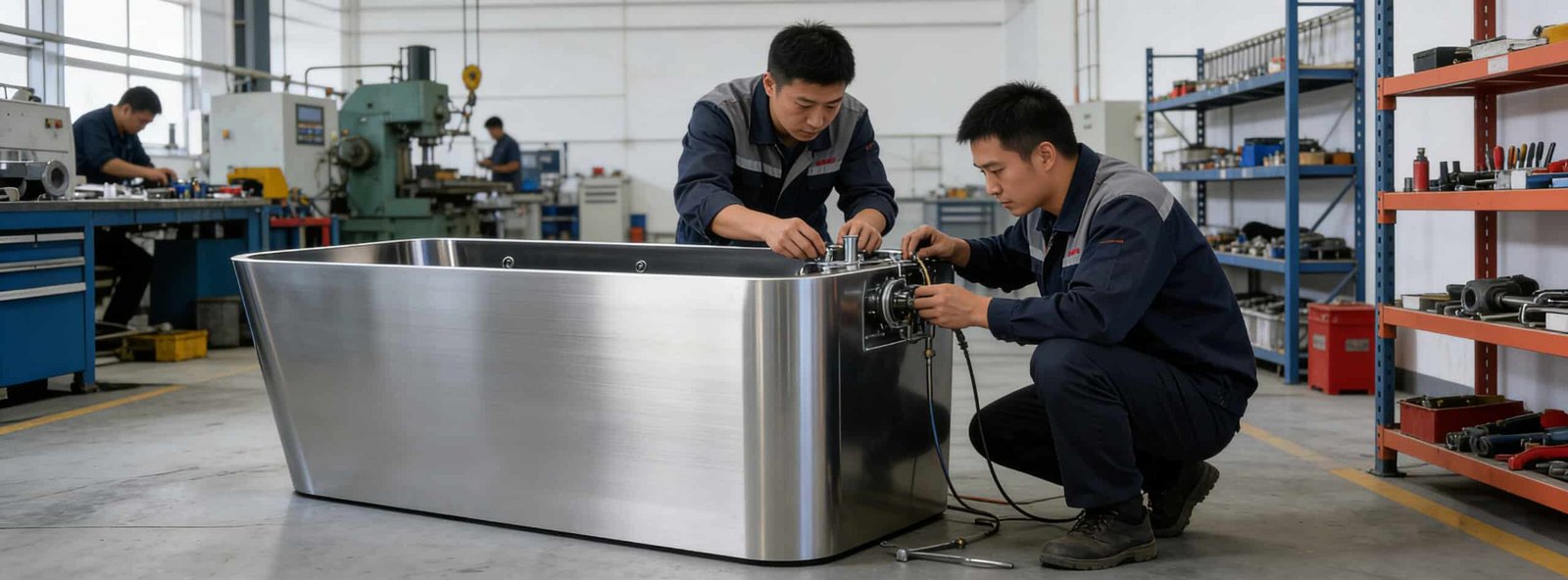
Why Cold Plunge Chiller Maintenance Matters
Cold plunges are no longer just for professional athletes. Today, you’ll find them in home gyms, backyards, and even wellness studios. With more people choosing cold plunge chillers over bags of ice, the topic of cold plunge chiller maintenance has become essential. Homeowners often ask: how hard is it to keep a chiller running smoothly, and what steps ensure clean water and long-lasting performance?
Maintenance by Frequency: Daily, Weekly, Monthly, Quarterly, and Yearly
Use this schedule as a general framework, not a universal service calendar. The correct interval depends on the model, filtration system, water treatment method, number of users, and the manufacturer’s instructions. Inspect more often whenever water clarity, flow, noise, or cooling performance changes:
Daily Tasks
Check water clarity – Clear water means the filter is working; cloudy water means attention is needed.
Verify temperature – Ensure the chiller maintains your set point (0–3°C for most users).
Listen for noise – A steady hum is fine. Rattling, grinding, or irregular sounds may signal a loose fitting or pump issue.
Weekly Tasks
Surface wipe – Clean tub edges and chiller connections with a mild cloth.
Skim debris – Use a pool net to remove leaves, hair, or insects.
Inspect lid – A secure cover keeps dirt out and reduces electricity costs.
Monthly Tasks
Replace or rinse filters – PP cotton filters should be swapped every 4–6 weeks. Paper cartridge filters may be rinsed and reused for 2–3 months.
Check water quality – Drain and replace water if used daily. Add sanitizer or ozone disinfection if needed.
Clean hoses – Flush out connections to prevent buildup.
Quarterly Tasks
Deep clean tub – Drain completely, wipe surfaces with spa-safe cleaner, rinse thoroughly.
Inspect condenser – Dust buildup reduces cooling efficiency; wipe with a soft brush or vacuum.
Check pump and hoses – Look for leaks, kinks, or wear.
Yearly Tasks
Professional inspection – Consider having refrigerant levels and compressors checked annually.
Replace long-use filters – If you use a high-end cartridge, swap it yearly even if it looks clean.
Electrical check – Inspect plugs, extension cords, and smart controllers.
👉 Treat this like car maintenance—routine care prevents big breakdowns.
Maintenance for Different Horsepower Models
Maintenance needs are determined by the system’s water load, number of users, filter type, water treatment method, and the model’s official instructions—not horsepower alone. A larger or commercial installation can need more frequent checks, but an HP label does not set a universal filter or water-change schedule.
Use the maintenance intervals specified for your exact chiller and filtration system. If the unit is being sized or re-sized for a different tub, climate, or level of use, see our <Cold Plunge Chiller HP Guide: 0.5HP vs 1HP vs 1.5HP>.
Case Studies: Home vs Gym vs Studio
Family Home User
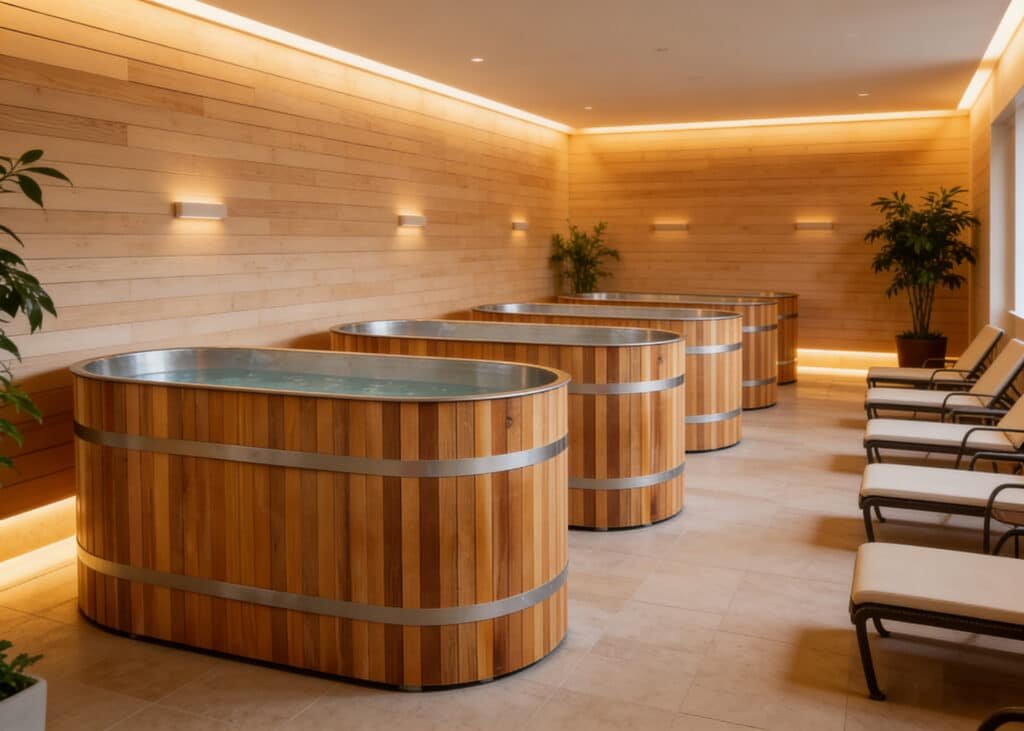
A family with a 350L cedar barrel uses a 1 HP ice-making chiller. They plunge 4–5 times per week.
Maintenance: filter swap monthly, water change every 2–3 weeks
Annual cost: ~$100 for filters, ~$200 for sanitizers
Gym Environment
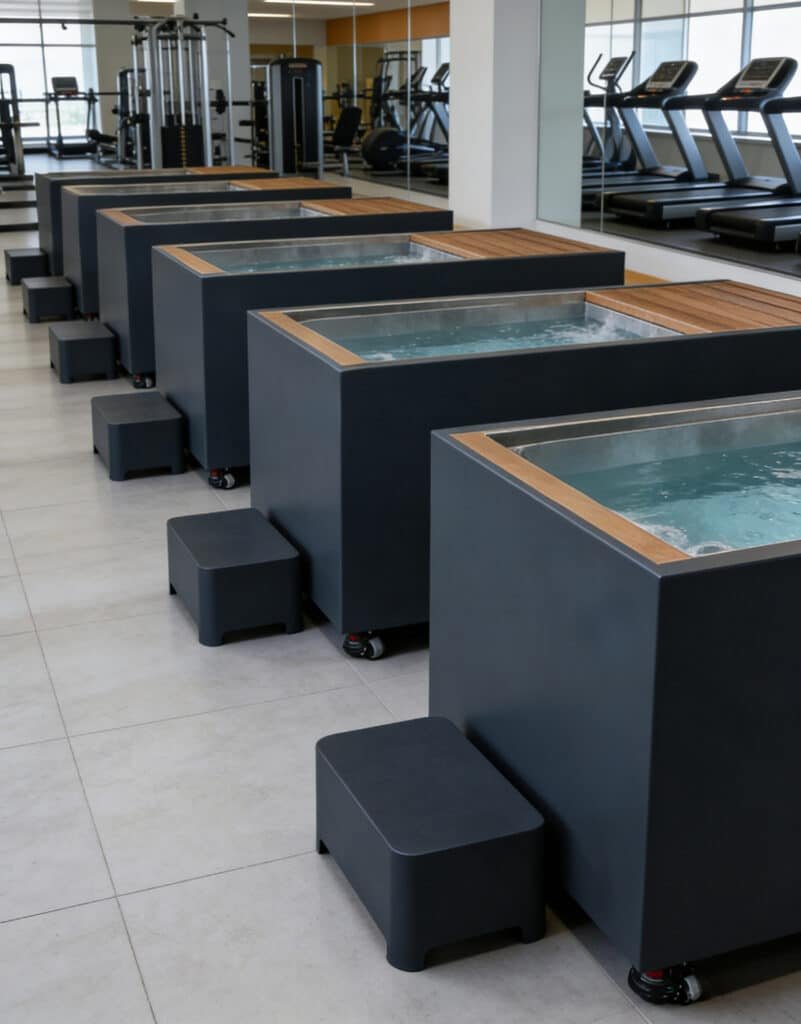
A small gym with a 400L stainless tub uses a 1.5 HP chiller.
Maintenance: water change weekly, filters every 3 weeks
Additional sanitization: chlorine tablets after every day of use
Annual cost: ~$300–500 for filters and cleaning products
Commercial Studio
A wellness center with two 2 HP units serving 20+ clients daily.
Maintenance: daily checks, weekly water replacement, ozone disinfection
Professional inspection every 6 months
Annual cost: ~$800+ in supplies but supported by paying clients
Water Quality and Hygiene
Clean-looking water is not by itself a reliable indicator of water quality. Follow the sanitiser, testing, filter-care, and water-change instructions for your exact system, and change the water sooner if its condition, odour, or use pattern indicates a problem.
For practical guidance on water treatment and testing, see the CDC’s Home Pool and Hot Tub Water Treatment and Testing guidance.
For shared or commercial installations, follow applicable local requirements and maintain filtration and recirculation in accordance with the manufacturer’s instructions.
Electricity Efficiency and Longevity
Good maintenance reduces your power bill.
Clean filters – A clogged filter makes the pump work harder, increasing electricity use by 10–20%.
Keep water clean – Dirty water requires more frequent cooling cycles.
Insulation and lids – Reduce temperature fluctuations, cutting power bills.
Smart controls – Schedule cooling cycles to match your plunge routine.
For more details, see our guide: Cold Plunge Chiller Electricity Cost.
Common Mistakes to Avoid
Forgetting filter replacements
Leaving tubs uncovered
Using harsh chemicals that damage stainless steel
Ignoring cloudy water or bad smells
Running chillers in direct sun without shade
Not addressing early warning noises
Troubleshooting Guide
| Problem | Likely Cause | Solution |
|---|---|---|
| Water not cooling | Dirty filter / low refrigerant | Replace filter; call service if issue persists |
| Noisy pump | Air bubble / loose screw | Bleed pump; tighten fittings |
| Water smells | Old water / bad filter | Replace water & filter; sanitize |
| Weak flow | Clogged hose | Clean hoses |
If maintenance does not restore normal cooling, follow <Cold Plunge Chiller Not Cooling: 8 Reasons and How to Fix Each One> before treating the issue as a component failure.
ROI: Maintenance Cost vs Ice
Maintenance cost: $100–200/year in filters and cleaning supplies
Ice cost: $3,600–6,000/year for regular plunges
Conclusion: Maintenance is a fraction of ice expense
FAQs: Cold Plunge Chiller Maintenance
Q: Can I leave the chiller on 24/7?
A: Yes, it cycles on and off automatically like a fridge.
Q: How often should I change filters?
A: Every 4–6 weeks at home, every 2–3 weeks in commercial use.
Q: Do I need professional maintenance?
A: Rarely. Only for refrigerant leaks or compressor issues.
Q: How do I reduce cleaning?
A: Always use a lid and sanitizer.
Internal Links and Resources
Conclusion: Maintenance is Simpler Than You Think
Maintaining a cold plunge chiller is most effective when it follows a consistent, model-appropriate routine: inspect the water path, keep the filter and condenser clean, maintain water quality, and respond promptly to changes in flow, noise, or cooling performance.
For a symptom-led next step when maintenance does not resolve the issue, return to the <Cold Plunge Chiller Troubleshooting: Complete Repair & Maintenance Guide>.