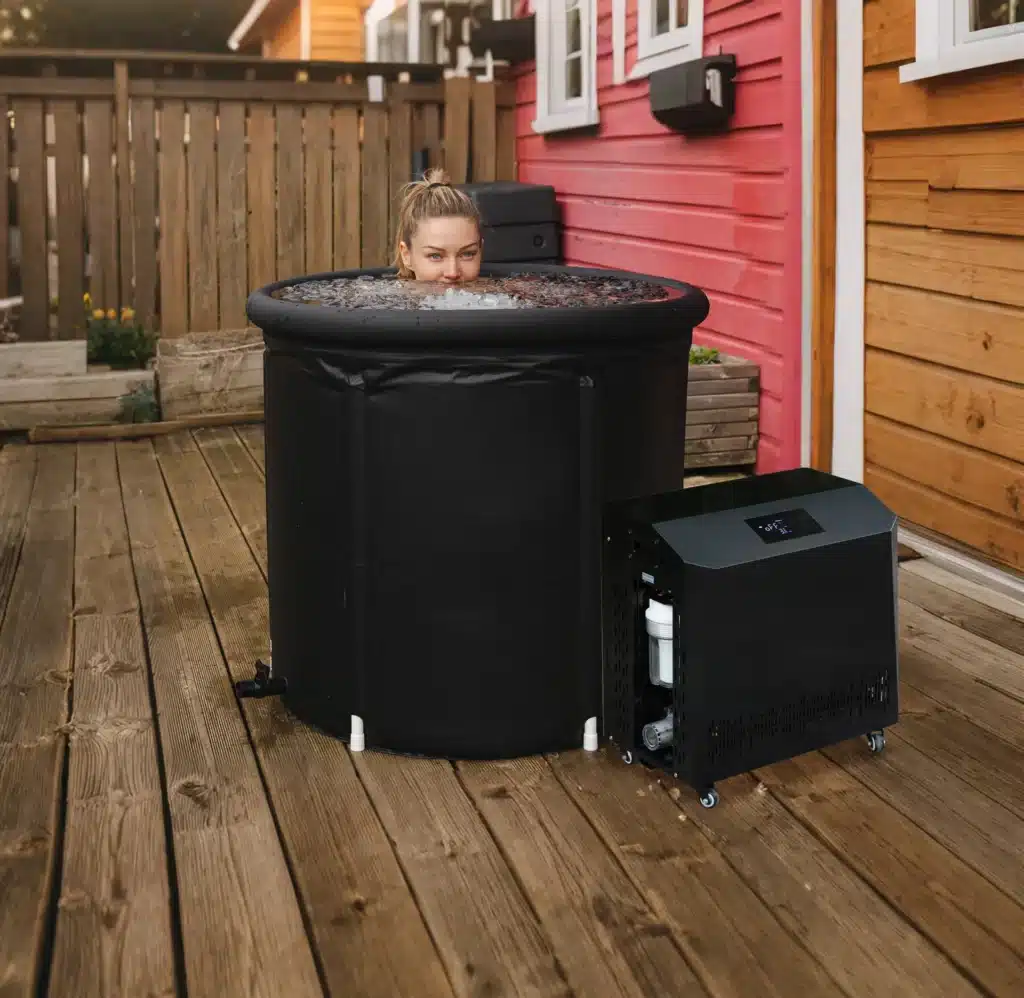
The best cold plunge chiller for home use is the model that matches your actual tub volume, climate, target range, usage pattern, electrical supply, water loop and maintenance capacity. It is not automatically the highest horsepower, the lowest advertised temperature or the unit with the most app features.
This homeowner guide shows how to compare a best cold plunge chiller for home installation without inventing universal model sizes or health benefits. It separates sizing, site fit, water management, noise, controls, service and cost so the purchase can be checked against your own setup. If you are comparing a branded bundled unit, review the Sun Home Cold Plunge alternatives before treating brand name or app features as the deciding factor.
Table of Contents
Home chiller buyer checklist
Best cold plunge chiller for home: quick answer
For a typical home project, the best cold plunge chiller for home use has enough documented capacity for the tub and climate, compatible water connections, required circulation and filtration, a verified electrical variant, accessible maintenance, acceptable noise and a clear parts and support route. Buy the complete operating scope, not only the refrigeration box.
Measure the usable fill rather than using the tub’s external size. Record how cold the source water starts, the operating range you actually need, whether the tub is covered, indoor or outdoor ambient conditions, use frequency and how quickly the water must recover. These values give the supplier a real duty.

Write a one-page home setup brief
- Tub: usable fill, material, insulation, cover, ports, drain and overflow.
- Location: indoor, sheltered or outdoor; sun, rain, dust, salt air and seasonal ambient range.
- Temperature: source-water range, desired operating band and allowed pull-down time.
- Use: users, frequency, consecutive sessions and time available between sessions.
- Utilities: verified voltage, frequency, circuit, outlet location, drainage and water supply.
- Experience: acceptable noise, visible hoses, app needs and equipment location.
- Operation: who cleans, checks water, services filters and handles winter storage.
A best cold plunge chiller for home recommendation should repeat these inputs back. If the supplier changes the water volume or assumes an indoor test while your system sits outdoors, ask it to revise or explain the difference.
11 best cold plunge chiller for home buying checks
| Check | Home input | Evidence to request |
|---|---|---|
| 1. Exact model | Cold-only or heat-and-cool, destination variant | Datasheet, nameplate and model code |
| 2. Water volume | Usable fill plus displacement | Recommendation tied to measured litres or gallons |
| 3. Pull-down duty | Starting and target temperatures, time allowed | Test or calculation with conditions stated |
| 4. Maintenance duty | Ambient, cover and use pattern | Operating envelope and assumptions |
| 5. Water loop | Ports, pump, filter, treatment, hoses and valves | Complete connection drawing and included items |
| 6. Electrical | Verified supply and wet-area location | Exact variant and qualified installation requirements |
| 7. Environment | Indoor/outdoor exposure and seasonal storage | Published environmental and ambient limits |
| 8. Airflow and noise | Clearances and distance from users or neighbours | Installation clearances and noise test conditions if published |
| 9. Controls | Local, scheduled or app operation | Functions, account ownership and offline behavior |
| 10. Maintenance | Filter, cleaning, consumables and winterization | Task schedule and spare-part route |
| 11. Acceptance | What must work before routine use | Installed-system checklist and baseline record |
Best cold plunge chiller for home sizing
Water volume is only the first sizing input. The chiller must remove heat from the starting water, surrounding air, sun, circulation equipment, tub surfaces and users. Insulation and a compatible cover can reduce heat gain, while a hot outdoor location or back-to-back use can increase it.
Separate initial pull-down from temperature maintenance. If you can cool overnight and keep the tub covered, a different capacity may be suitable than when the water must change quickly after every fill. Ask for the exact water volume, temperature points, ambient condition, elapsed time, flow and cover state behind any performance statement.
The water chiller for ice bath sizing guide provides the full input sheet. Use it before selecting a best cold plunge chiller for home and avoid fixed rules such as one horsepower for every tub within a broad volume range.
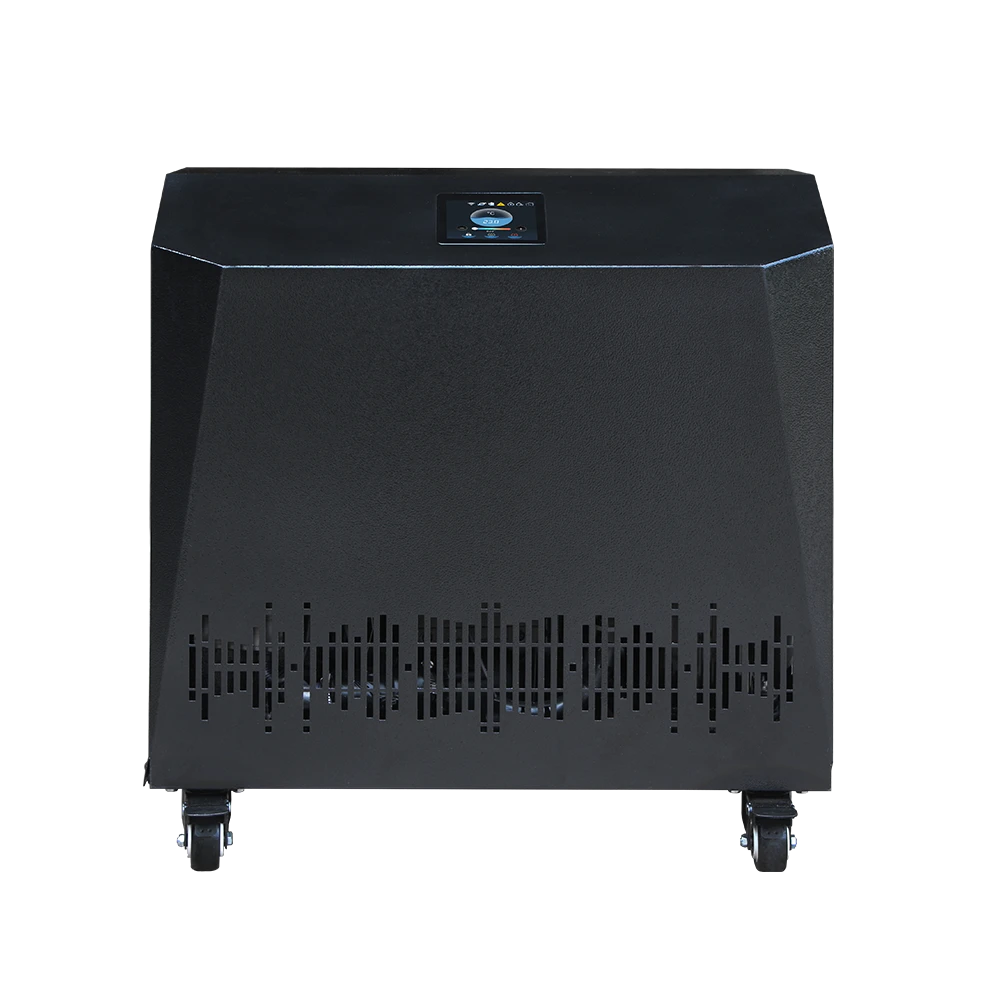
Best cold plunge chiller for home water loop
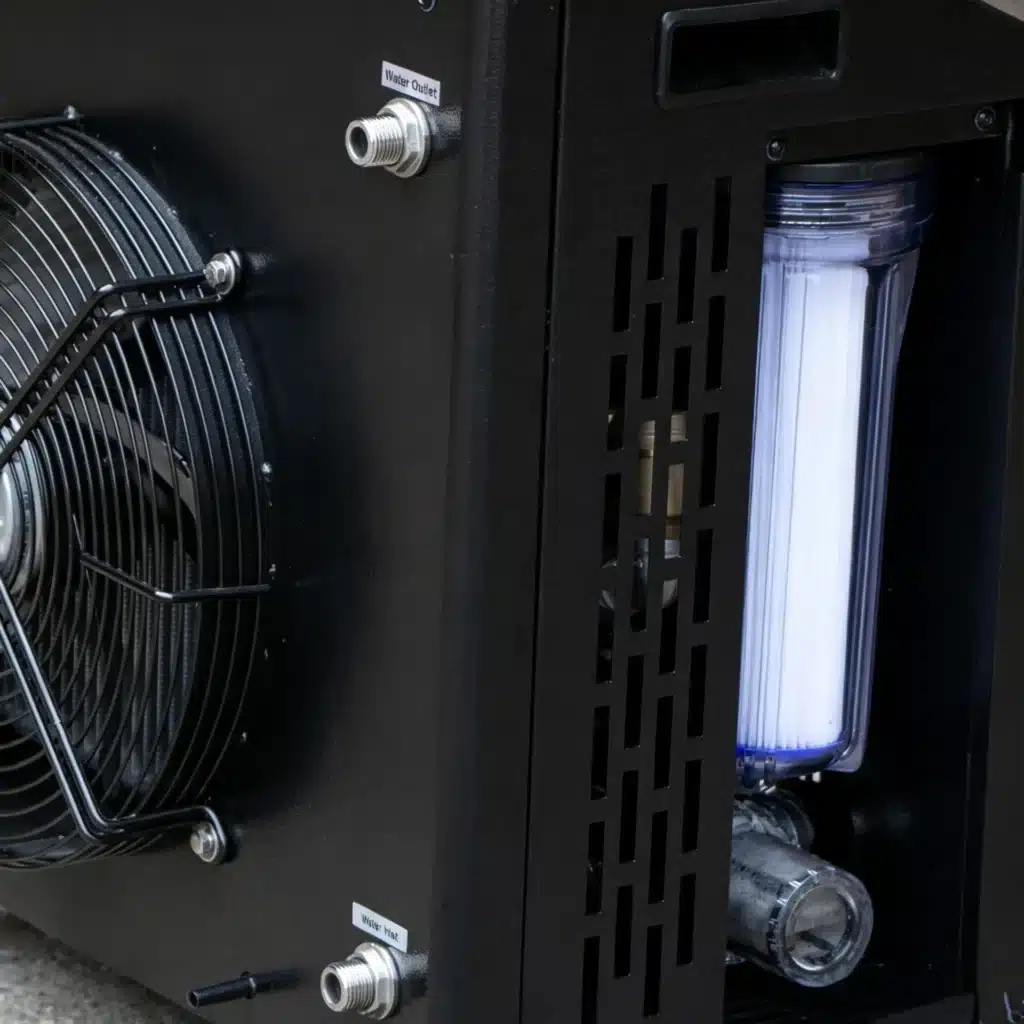
A best cold plunge chiller for home system needs stable flow. Identify tub inlet and outlet, port sizes, pump location, filter orientation, hose route, valves, drain, overflow and any priming requirements. Confirm which items arrive with the chiller and which must be supplied locally.
Long, narrow, kinked or collapsing hoses and dirty filters can restrict flow. The pump and chiller may also have minimum or maximum flow requirements. Do not assume a connector fits because the nominal sizes sound similar; request thread or fitting details and an approved connection diagram.
Water management includes more than cooling. Define filtration, treatment, testing, cleaning and water replacement for the intended users, equipment materials and local guidance. CDC’s home pool and hot-tub water guidance explains the importance of regular testing and following product directions; adapt any plan to the actual plunge and applicable requirements.
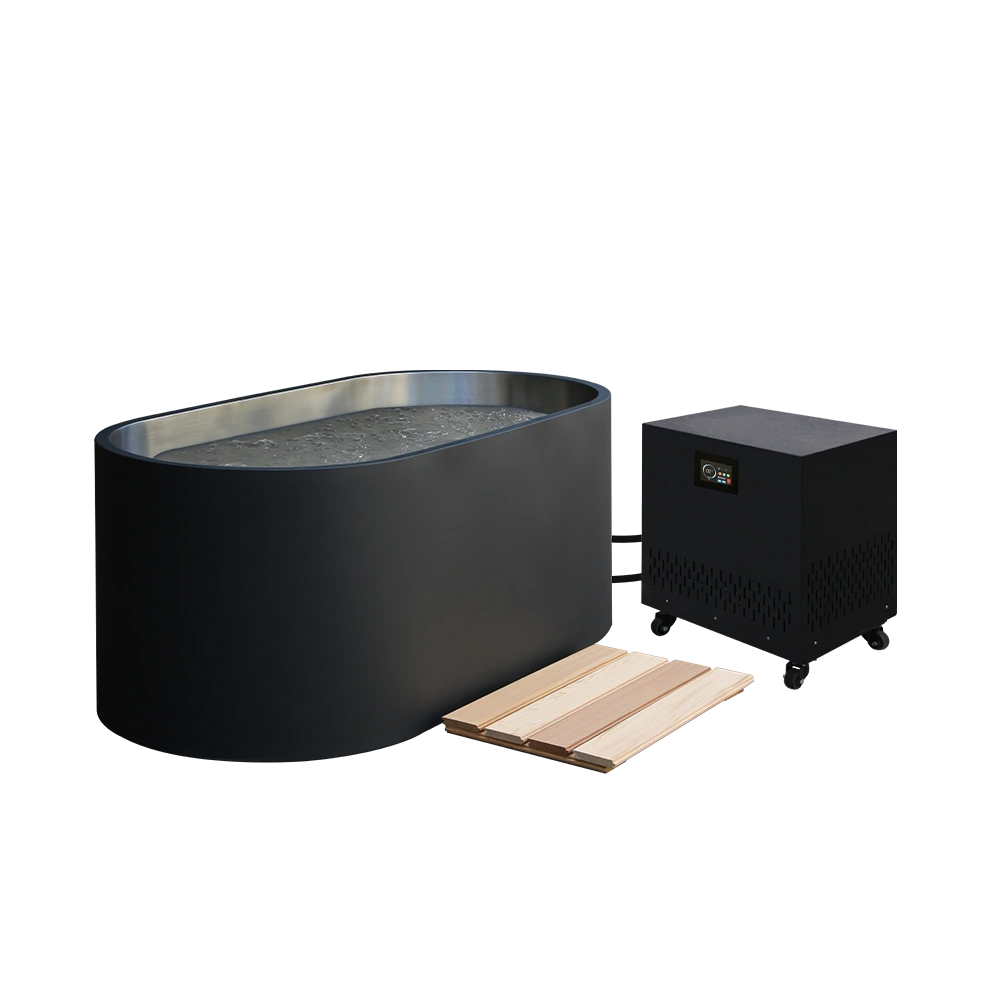
Best cold plunge chiller for home site fit
Match the equipment nameplate to the verified home supply. Wet-area electrical work, circuits, protection and grounding or earthing belong to qualified local professionals. The U.S. Consumer Product Safety Commission’s GFCI fact sheet explains the role of ground-fault protection where electrical equipment is near water.
Preserve the manufacturer’s intake, exhaust and service clearances. A cabinet can reduce visible equipment but may trap hot exhaust and increase both noise and cooling time. Confirm drainage for condensation or service and do not place connections where water can run toward electrical parts.
Noise figures are meaningful only with test distance, operating mode and conditions. Ask where the compressor, fan and pump will sit relative to bedrooms, neighbours and the plunge user. A best cold plunge chiller for home may prioritize low disturbance over the fastest possible pull-down.
The eight-condition chiller noise record shows the instrument, metric, microphone coordinates, background and installation details needed to compare a factory figure or investigate a changed home sound.
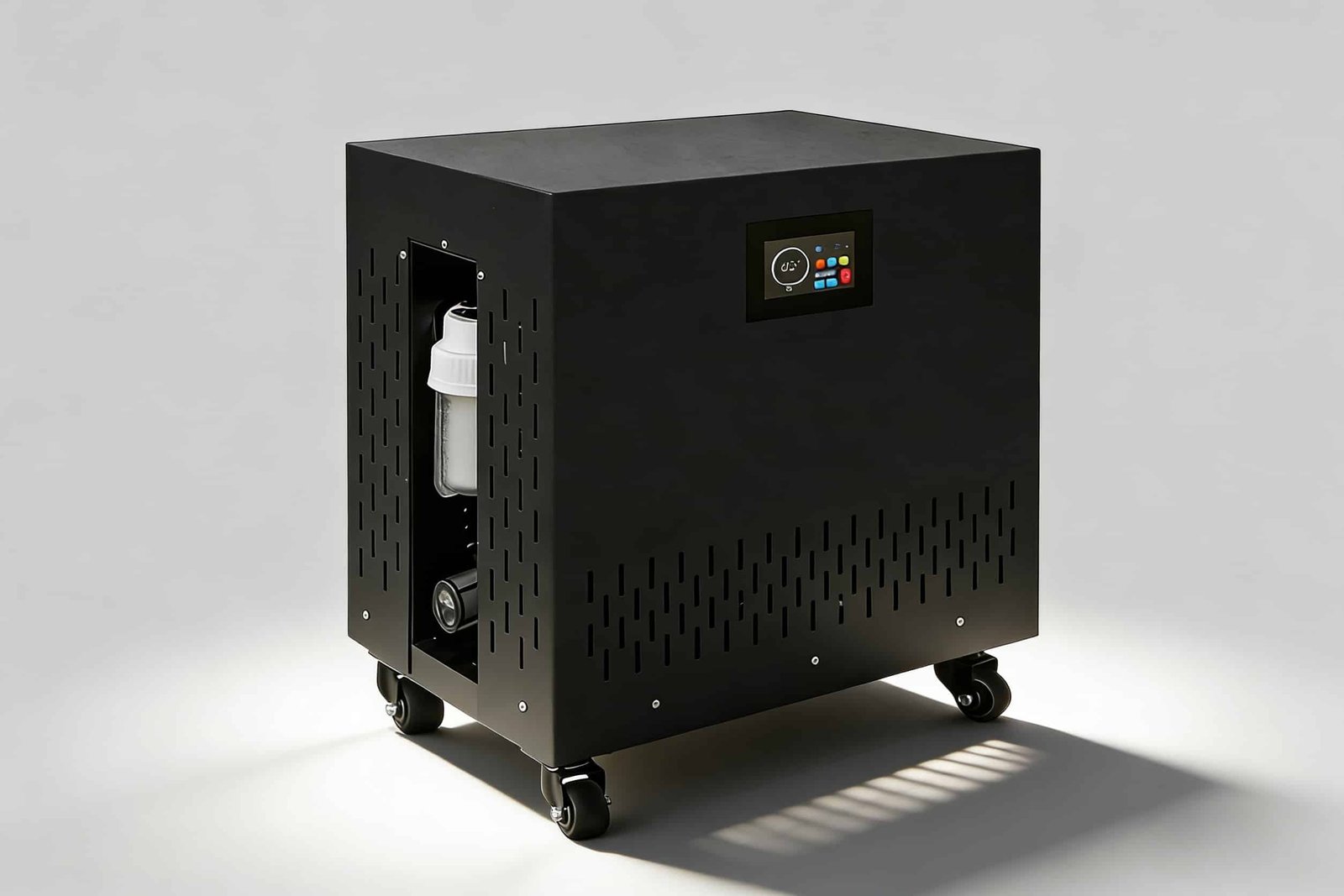
Best cold plunge chiller for home controls
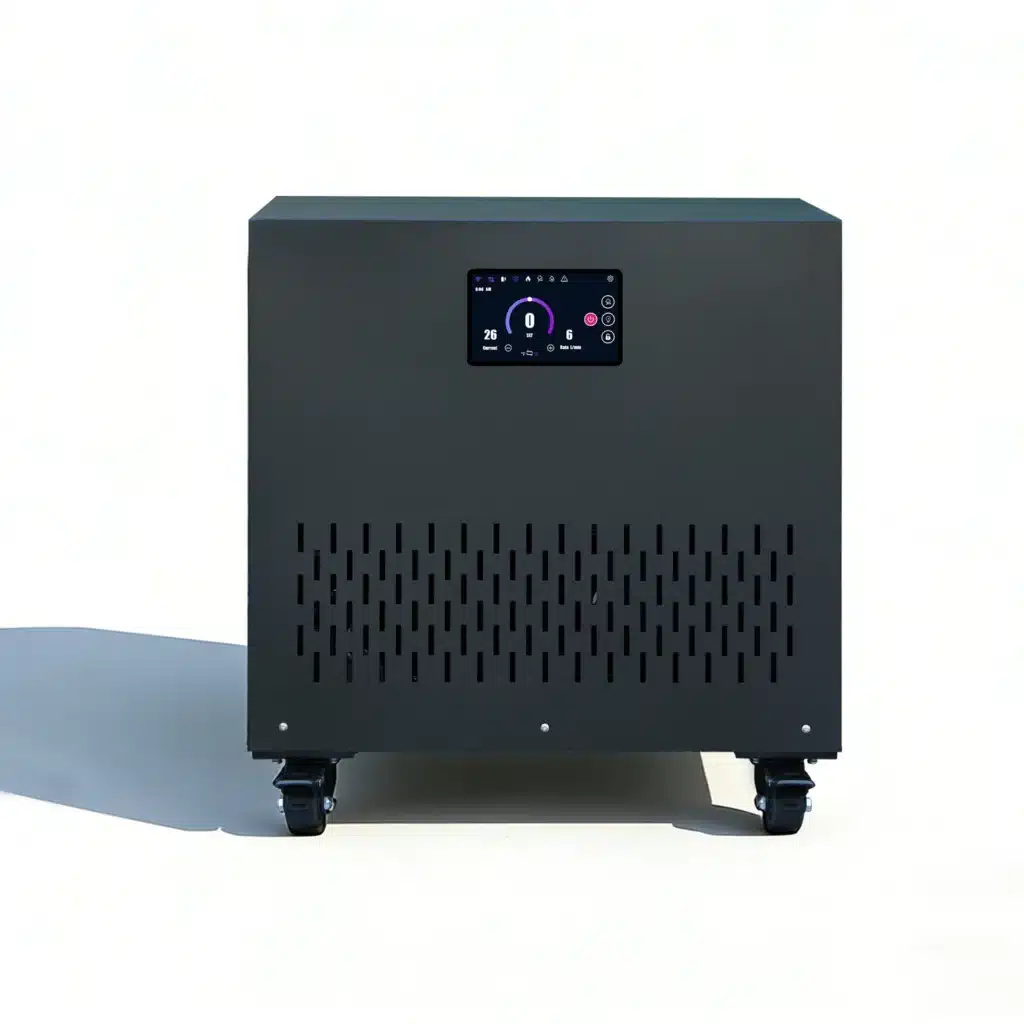
Local temperature control may be enough for a simple home setup. Scheduling can reduce unnecessary run time when the thermal behavior is understood. An app adds convenience but also introduces account ownership, connectivity, updates, permissions and offline behavior. Verify those functions for the exact model.
If heating is required, read the water chiller and heater for cold plunge guide. A dual-mode label should identify the heating architecture, separate heating conditions, switching logic and safety limits. Do not pay for a feature that the site cannot support or the household will not use.
Best cold plunge chiller for home maintenance
Before buying, read the filter, cleaning, drainage, ambient and storage instructions. Ask how often accessible tasks are expected under your use, which consumables are model-specific, how parts are ordered and what evidence support needs for a claim. “Maintenance free” is not a useful purchasing assumption.
Keep a simple baseline after commissioning: clean-filter condition, controller settings, normal visible flow, typical sound, water and ambient temperatures, and time for a representative cooling period. If performance changes, the cold plunge chiller troubleshooting guide uses that evidence for safe first checks.
Sealed refrigeration and internal electrical work are not homeowner trial-and-error tasks. Use the qualified service route applicable in your location and obtain authorization before disassembly if warranty coverage may apply.
Best cold plunge chiller for home total cost
Total cost can include the chiller, pump, filter, hoses, fittings, cover, electrical work, drainage, delivery, installation, water-care supplies, replacement filters, electricity, service and winter storage. Use actual local quotes and tariff data instead of a generic monthly estimate.
A best cold plunge chiller for home decision should identify which of those costs are included, estimated or still unknown.
Keep the best cold plunge chiller for home comparison tied to one dated setup brief so later quotes remain comparable.
The ice bath chiller cost guide provides a complete worksheet, while are ice bath chillers worth it compares use frequency, convenience and alternatives. Those pages own the financial decision; this page owns the best cold plunge chiller for home selection.
Copyable best cold plunge chiller for home RFQ
DESTINATION / INDOOR OR OUTDOOR: [ ]
TUB MATERIAL / USABLE WATER VOLUME: [ ]
PORTS / DRAIN / OVERFLOW: [ ]
STARTING / OPERATING TEMPERATURE RANGE: [ ]
ALLOWED INITIAL PULL-DOWN TIME: [ ]
TYPICAL USE / CONSECUTIVE USERS: [ ]
AMBIENT RANGE / SUN / WEATHER EXPOSURE: [ ]
COVER / INSULATION: [ ]
PUMP / FILTER / WATER-CARE SCOPE: [ ]
VERIFIED VOLTAGE / FREQUENCY / CIRCUIT: [ ]
AIRFLOW / NOISE / SERVICE LIMITS: [ ]
LOCAL / APP / HEATING FUNCTIONS: [ ]
MAINTENANCE / SPARES / SUPPORT: [ ]
DELIVERY / INSTALLATION / COMMISSIONING: [ ]
Send the completed brief through the cold plunge chiller manufacturer page. A useful response names the proposed model and explains why it is the best cold plunge chiller for home conditions you supplied.
Best cold plunge chiller for home FAQ
What size chiller does a home cold plunge need?
Size from usable water volume, starting and target temperatures, ambient range, cover and insulation, use pattern and allowed cooling time. Volume or horsepower alone is insufficient.
Does a home cold plunge need a filter?
A reusable water system normally needs a complete circulation and water-management plan. Filtration is one part; treatment, testing, cleaning and water replacement address different tasks.
Can I put a cold plunge chiller inside a cabinet?
Only when the exact model’s airflow, ambient, drainage and service-clearance requirements remain satisfied. Enclosures can recirculate hot air and make maintenance difficult.
Is an app required for the best home chiller?
No. An app may help with scheduling or remote status, but local control, reliable operation, offline behavior, account ownership and support are more fundamental.
What should I verify before first use?
Verify the electrical installation, water path, leak condition, flow, filter, controller, drainage, airflow, representative cooling performance, water-management procedure and maintenance access.