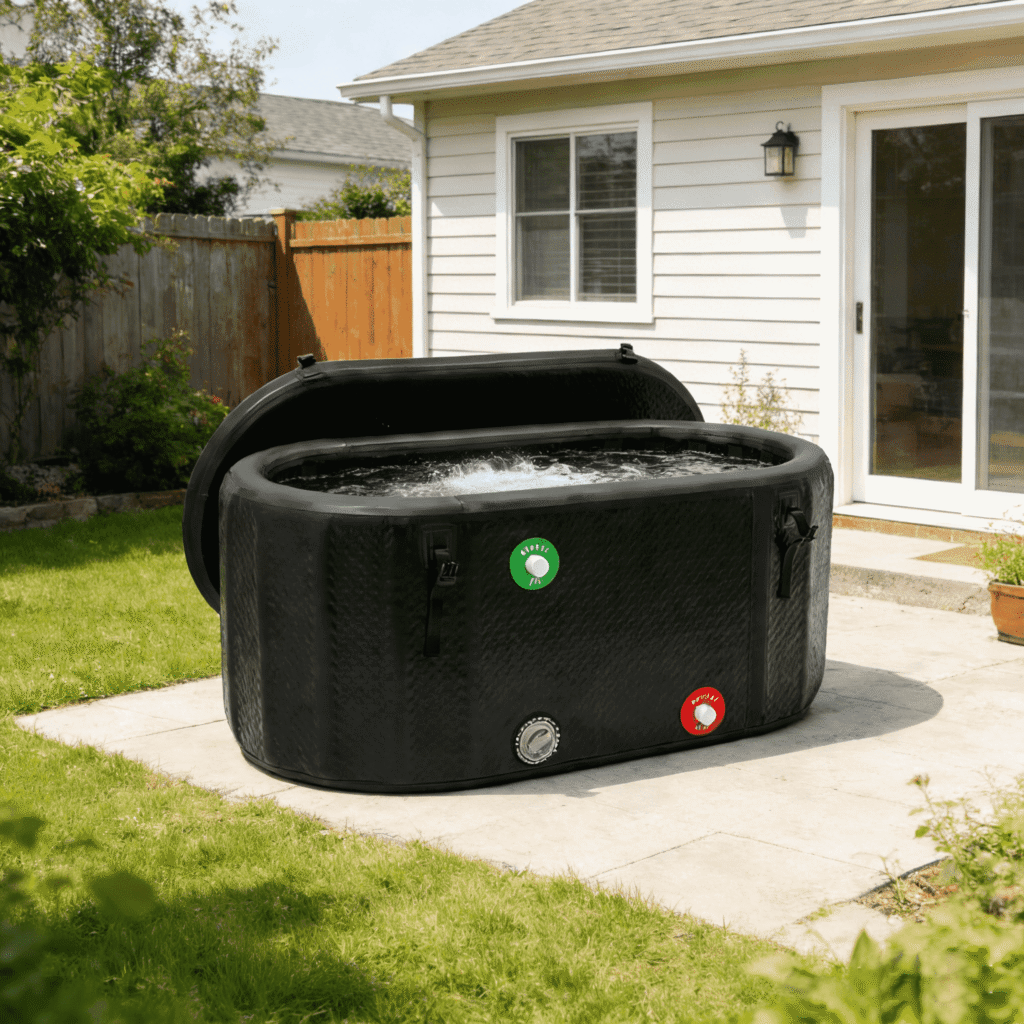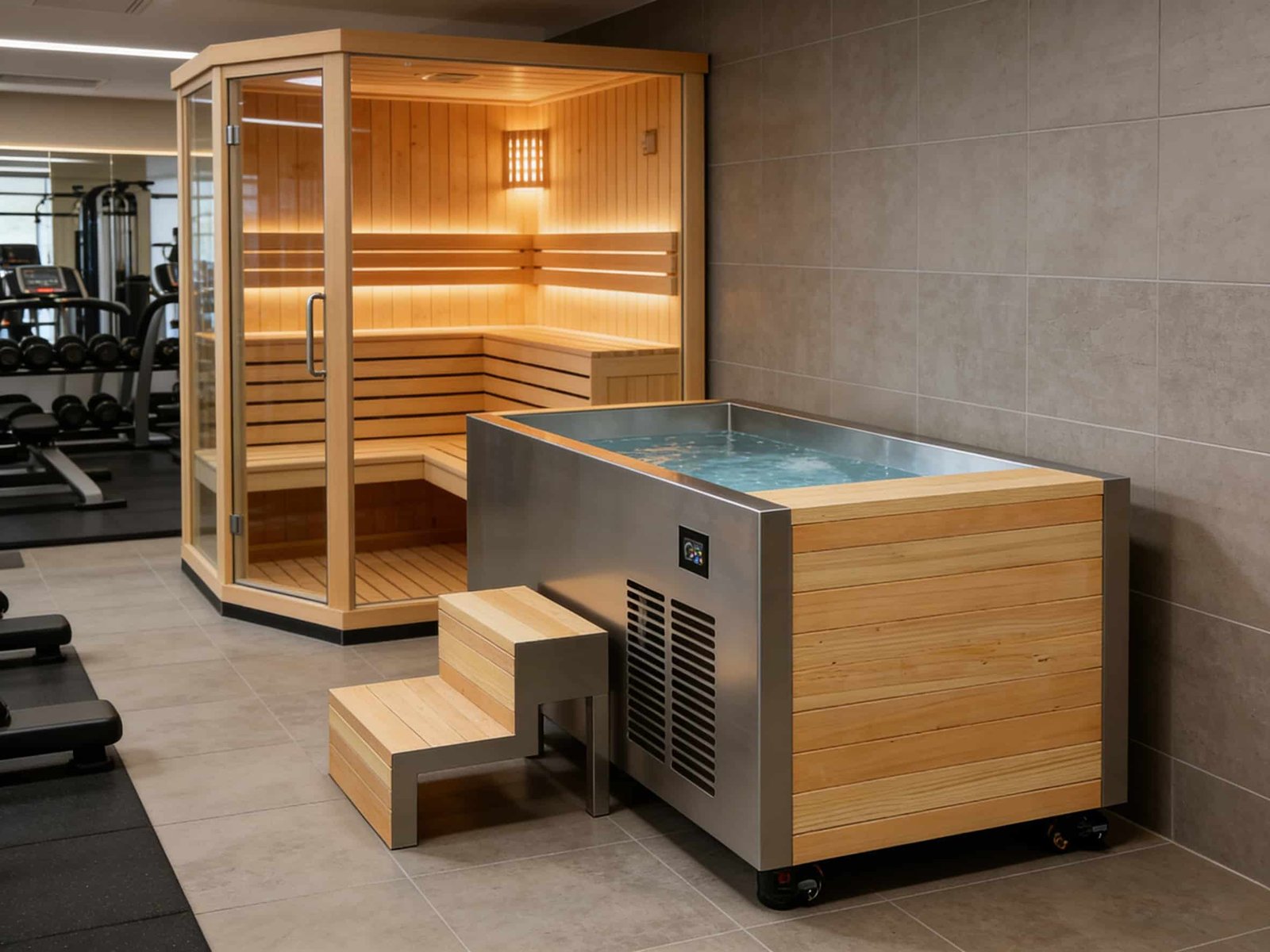
If you walked through the spa wing of an Aman, Six Senses, or Auberge property in 2024, the cold plunge was tucked away as a quiet differentiator. Walk through one in 2026 and it sits right next to the sauna — sometimes integrated into the same room — because guests now expect it. The Global Wellness Institute’s most recent wellness economy report puts the spa and wellness segment at $1.8 trillion globally, growing roughly 8% annually, and contrast therapy is one of the categories pulling ahead.
The problem isn’t whether to add cold plunge anymore. It’s that most hotels are buying the wrong equipment for the workload — and finding out six months in, when the chiller is struggling, the water isn’t holding temperature, and the spa team is escalating maintenance tickets weekly.
This guide is for hotel owners, spa directors, and procurement teams choosing a commercial cold plunge pool for hotels and spas — what to specify, what to skip, and what real operating costs look like.
Why hotels are adding cold plunge in 2026
Three drivers are pushing this from “nice-to-have” to standard amenity:
Wellness tourism is the fastest-growing tourism segment. Travelers under 45 are booking properties partly on wellness offerings. Cold plunge, contrast therapy, and recovery rooms are showing up in booking filters and editorial coverage in ways that traditional gym equipment doesn’t.
It drives ADR and length of stay. Resorts that have added properly executed cold plunge facilities report measurable lifts in average daily rate at the room categories with spa access — and longer average stays, because guests build wellness routines around it. The amenity also generates the kind of social media content that feeds organic bookings.
Competitive pressure inside the same market. Once one luxury property in a market adds a serious recovery suite, peer properties feel it within a year. The same dynamic that drove rooftop pools in the 2010s is happening with cold plunge and sauna and cold plunge combo systems now.
The 3 most common mistakes hotel buyers make
After supplying chillers and tubs to hotel projects across 80+ countries, the same mistakes show up again and again. Knowing them upfront saves a lot of pain.
Mistake 1 — Specifying a residential-grade chiller for commercial workloads
A 1HP residential chiller and a 1HP commercial chiller are not the same product. Residential units are designed for one or two sessions per day at 50–70% duty cycle. A hotel spa running 20+ sessions daily forces the compressor to run at near-continuous duty cycle. Compressors fail early, water temperature drifts during peak hours, and the spa team starts apologizing to guests. Hotels need 1.5HP minimum for boutique spa setups, and 2HP+ for high-traffic resorts. For the full breakdown of how this scales, our commercial cold plunge chiller guide covers the duty cycle math in detail.
Mistake 2 — Underestimating acoustic requirements
A spa is sold on quiet. A consumer chiller running at 65–70 dB sounds like a window AC unit and ruins the room. Commercial-grade chillers used in hotel installations should run under 55 dB at the equipment, with the chiller itself ideally placed in a separate utility space and connected via insulated lines. This single specification — quiet operation — is what most hotel buyers don’t think about until installation day.
Mistake 3 — Treating water hygiene as an afterthought
A cold plunge with 30 daily users without integrated sanitation becomes a liability within a week. Body oils, skin cells, and bacteria accumulate fast. Hotel-grade installations need ozone disinfection plus UV-C and an external cartridge filter as standard, not as add-ons. With this stack running 24/7, full water changes drop to every 7–14 days. Without it, daily.
4 installation types — which fits your property
Not every hotel needs the same setup. The four configurations we deliver most often:
TYPE 1
In-suite premium
Built-in chiller tub installed inside a luxury suite or villa. Used by ultra-premium resorts where the suite itself is the wellness destination. Compact footprint, premium aesthetic.
TYPE 2
Spa thermal circuit
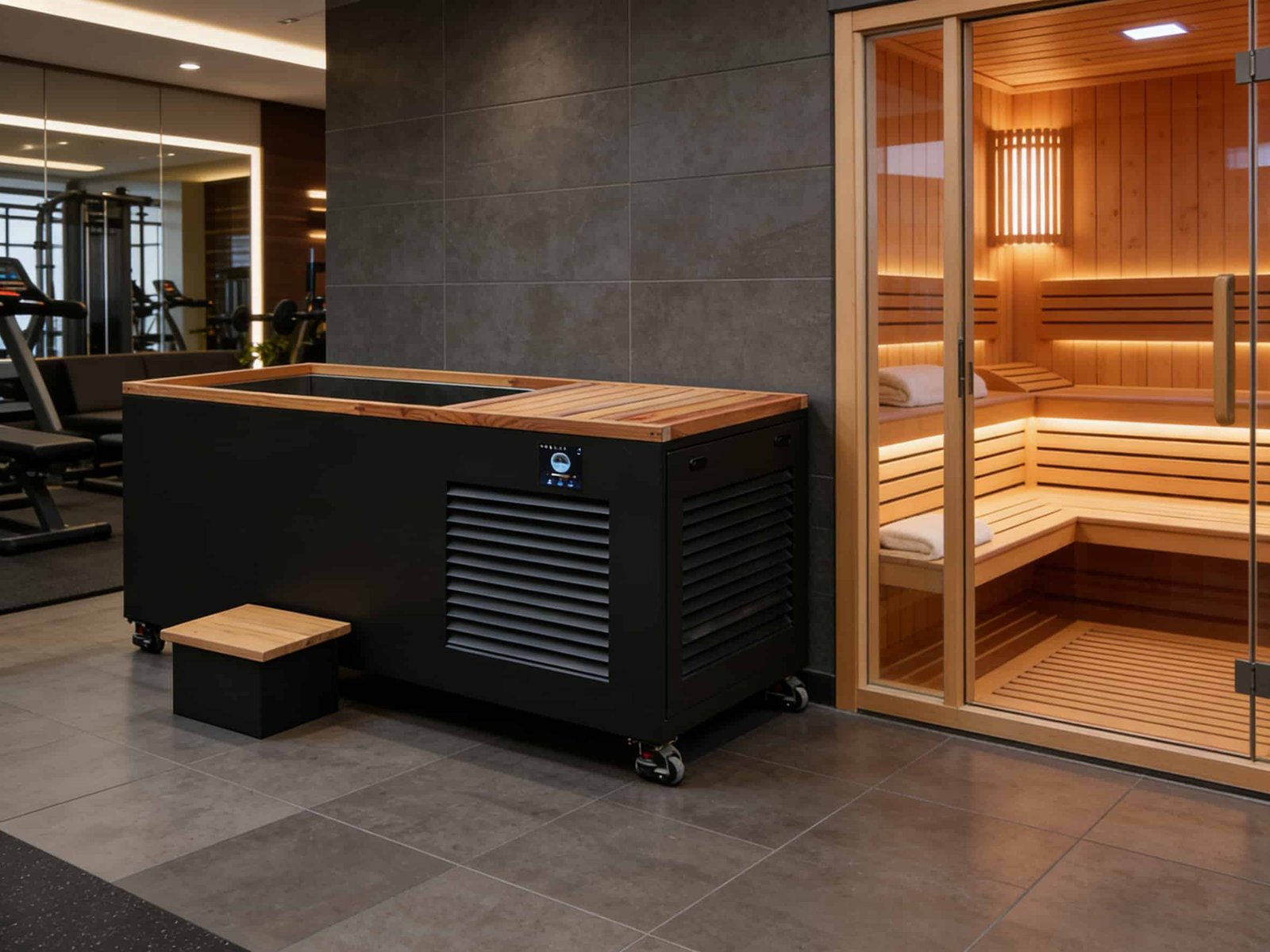
Cold plunge integrated into the spa’s existing thermal experience: sauna → steam → cold plunge → relaxation. Highest utilization, highest ROI per square meter.
TYPE 3
Standalone wellness room
Dedicated recovery room separate from the main spa, often paired with infrared sauna. Suits boutique hotels and properties with limited spa footprint.
TYPE 4
Outdoor terrace
Pool deck or terrace installation. Great for visual impact and Instagram exposure. Requires extra HP for ambient heat load and weatherproof installation planning.
Specification guide by hotel type
As a general guideline based on real hotel deployments — adjust upward for hot-climate properties and outdoor installations:
| Property type | Daily sessions | Min HP | Vessel |
|---|---|---|---|
| Boutique hotel, single tub | 10–25 | 1.5HP | 316L stainless, 350–400L |
| Mid-size hotel spa | 25–50 | 2HP | 316L + cedar cladding, 400–500L |
| Luxury resort spa | 50–100 | 2HP+ with redundancy | Custom, 500L+ |
| Premium suite (single guest) | 2–6 | 1HP built-in | Built-in chiller tub, 300L |
316L marine-grade stainless — used in our stainless steel cold plunge tubs — is the standard for coastal and high-salinity environments. For inland properties, 304 stainless is acceptable. Hotels going for warmer aesthetics often pair the stainless interior with cedar or teak cladding — see our wooden cold plunge tubs for examples.
Real operating costs
For a 2HP commercial setup running 30 daily sessions in a 400L tub at 3°C, expected monthly running costs:
Electricity
$60–90
Water + filter
$30–50
Sanitation
$15–30
Total / month
$105–170
Compared against the revenue uplift — even adding $10 per spa entry as a recovery surcharge across 30 daily sessions covers the operating cost in less than 12 days of the month, and that’s before factoring in ADR uplift and guest retention. The economics work even before you charge premium rates.
OMNI Ice recommended configurations
Four configurations cover most hotel and resort projects we deliver:
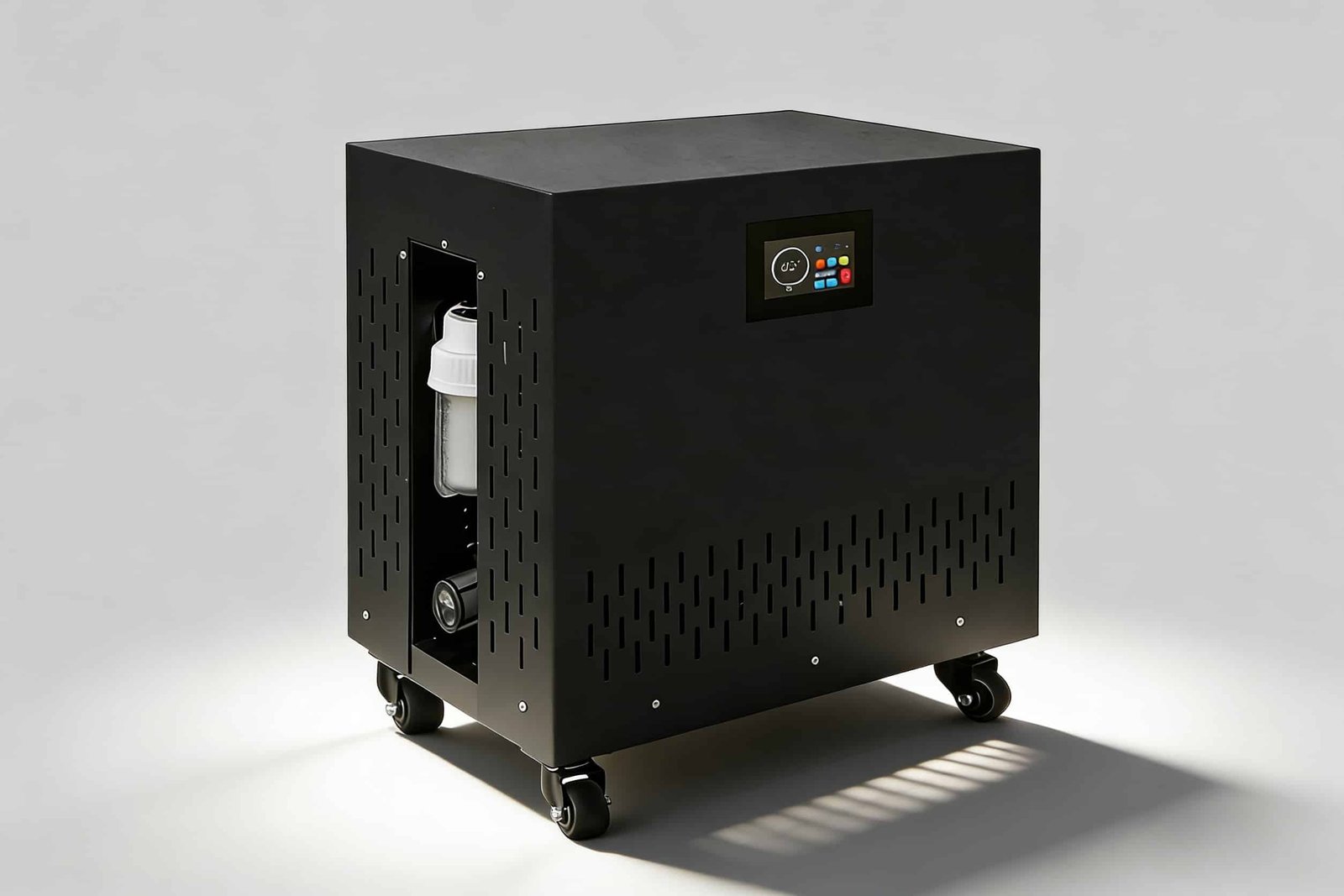
CHU-15-RV
1.5HP 0°C ice-making WiFi + Ozone
Our most-deployed commercial chiller for boutique and mid-size hotel spas. Handles 25–40 daily sessions in a 400L tub without compressor stress. Part of our smart controlled chiller systems line.

WT-12 Premium
Built-in chiller Teak bench Luxury suite
All-in-one premium pool with industrial chiller, built for in-suite installation in luxury resorts. Self-contained — no separate utility space required.
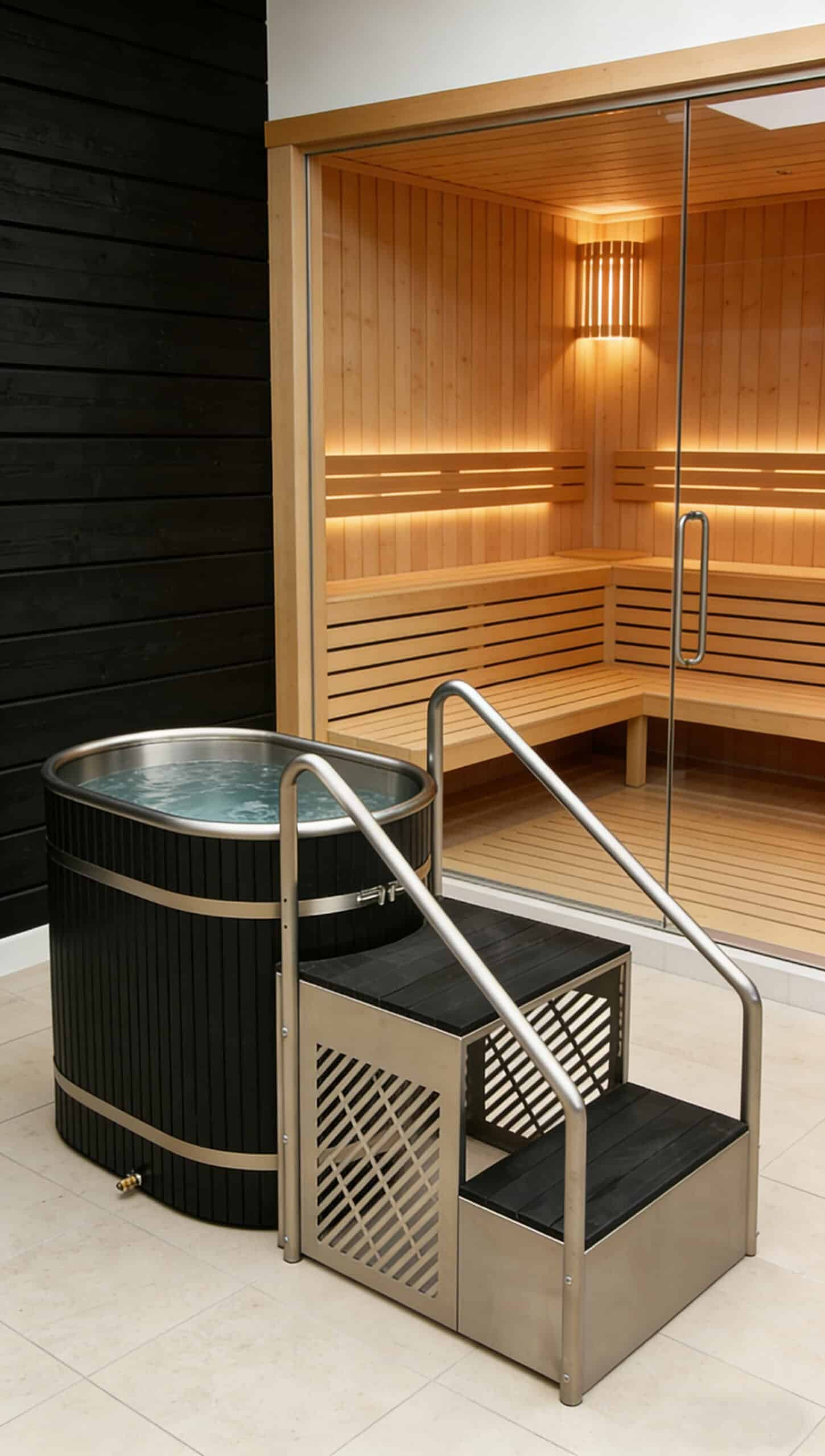
WT-09
304SS + cedar 500L 1-person
Stainless interior with cedar exterior — the most-requested combination for boutique hotel spas wanting a warmer aesthetic without sacrificing commercial durability.
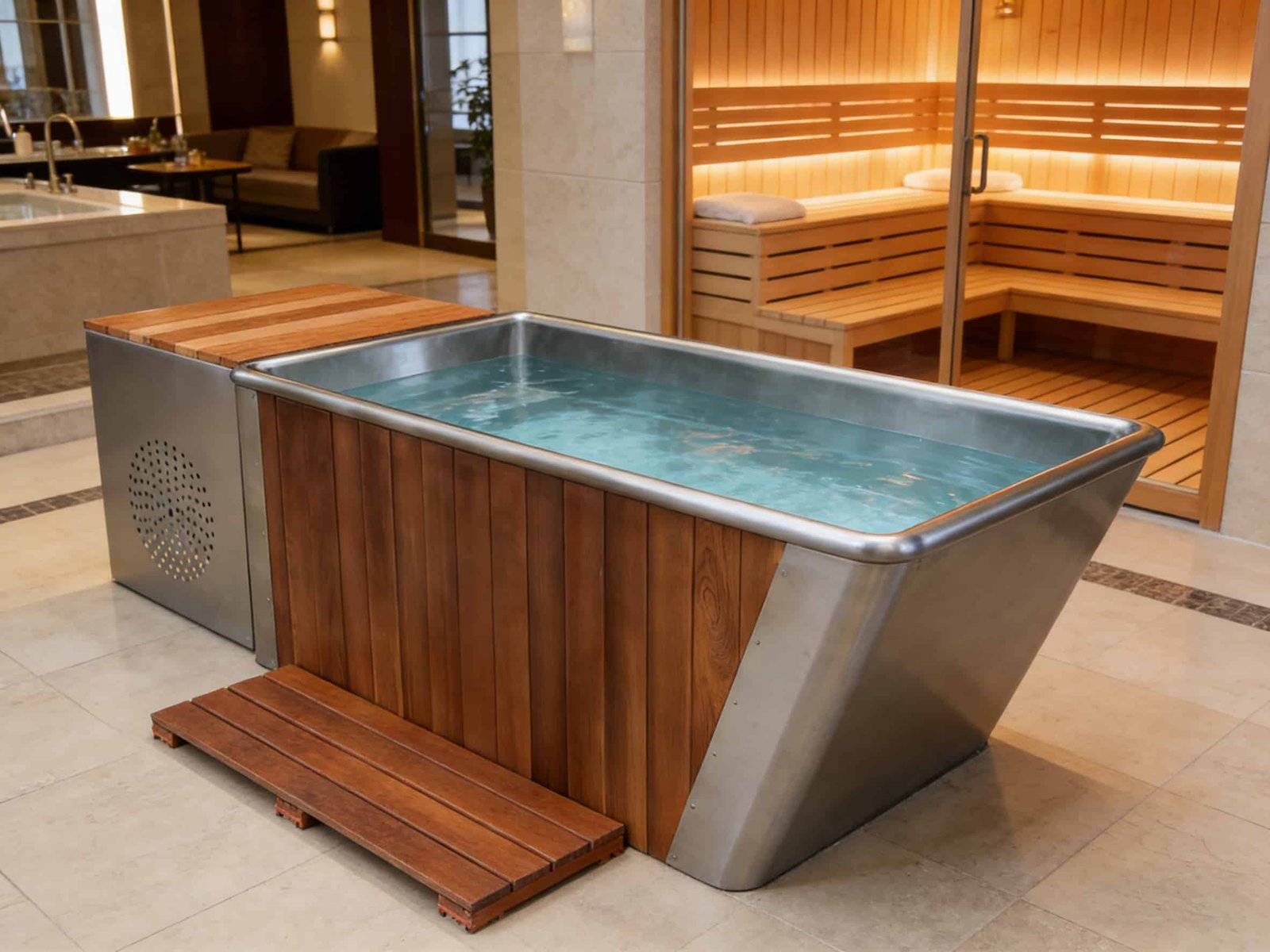
WT-07
Wet-room ready Spa-grade OEM-ready
Spa treatment-room integration tub. The model most commonly delivered for thermal circuit installations and Asia/EU spa OEM projects.
OEM and custom branding for hotel projects
Larger hotel groups and luxury brands often require equipment that carries their own brand identity and matches an established design language. We support custom-clad exteriors, branded chiller faceplates, custom finishes, and bespoke vessel dimensions through our OEM cold plunge chiller solutions program.
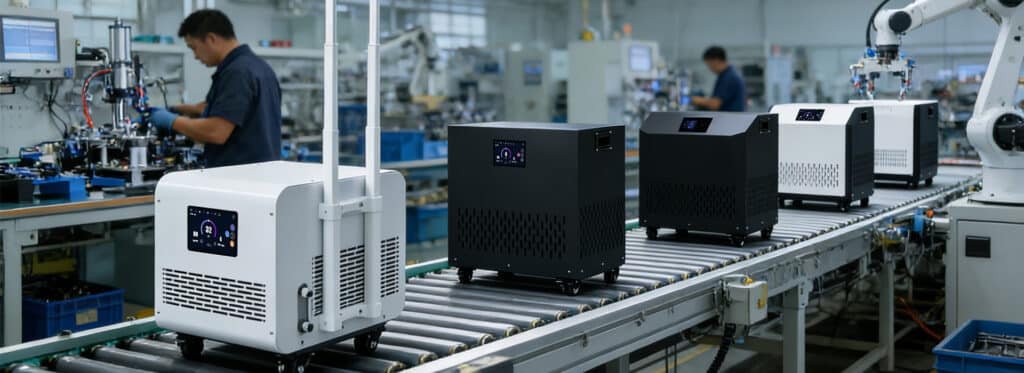
Most hotel projects we deliver involve some level of customization — typically cladding choice, color, and built-in module configuration. Our OMNI Ice manufacturing facility offers CAD support and 3D renderings within 48 hours of receiving project specs, so designers can visualize the equipment in the spa layout before commitment.
Frequently asked questions
How loud are commercial cold plunge chillers in a spa environment?
Properly specified hotel-grade chillers run at 50–55 dB at the unit. With the chiller placed in a separate utility room and connected via insulated lines, the spa room itself stays under 40 dB — quieter than a normal conversation. Consumer-grade chillers running at 65–70 dB are not appropriate for hotel installations.
How often does water need to be changed in a hotel cold plunge?
With ozone and UV-C sanitation plus mechanical filtration running 24/7, full water changes drop to every 7–14 days for moderate traffic, and every 5–7 days for high-volume resorts. Without integrated sanitation, daily.
Can one chiller serve multiple cold plunge tubs?
For commercial hotel installations, one chiller per tub is the standard. Splitting a single chiller across two tubs cuts effective capacity in half and creates flow balancing problems that show up under peak load. For multi-tub spa installations, we deliver matched chiller-per-tub packages with quantity pricing.
What certifications are required for hotel cold plunge equipment?
CE for European hotel installations, ETL for North America, SAA for Australia/New Zealand, PSE for Japan. OMNI Ice commercial chillers carry CE, ETL, SAA, and PSE — covering most major hospitality markets directly.
Is cold plunge installation a good fit for boutique hotels with limited spa space?
Yes — and often a better ROI than larger properties. Boutique hotels can install a built-in chiller tub like the WT-12 in a single suite or wellness room with a footprint under 4m², and use it as a positioning differentiator. The same logic that drives demand at smaller wellness studios applies — see our guide on cold plunge for small business for related benchmarks. For gym facilities specifically, our commercial cold plunge for gyms guide covers similar sizing logic from a fitness-facility angle.
Where this is heading
Cold plunge in hotels is following the same arc that infinity pools and infrared saunas did — early adopters use it as differentiation, mainstream adoption follows within 3–5 years, and properties without it lose competitive ground. The wellness segment isn’t slowing down. Recent peer-reviewed research on cold water immersion (PubMed) continues to validate the recovery and metabolic claims. The hotels investing now will be the ones referenced when the rest of the market catches up.
Spec your hotel's cold plunge with OMNI Ice
Tell us your property type, daily session volume, and design preferences. We’ll respond with a configuration, CAD drawings, and a quote within 48 hours. CE, ETL, SAA, PSE certified. Delivered to 80+ countries.