+8613417402517

Hello@coldtubchiller.com

Leo

Why is the Ice Bath Cold Water Machine a Better Choice than Ice? Scientific Data Reveals Its Advantages!

Exploring the Convenience, Precision, and Hygiene Advantages of Ice Bath Cold Water Machines In the realm of sports recovery and body care, cryotherapy is widely used to alleviate muscle soreness and promote recovery. While many people traditionally rely on ice blocks for cryotherapy, the ice bath cold water machine, with its numerous benefits, is gradually becoming a more popular choice. So, what advantages does the ice bath cold water machine have that make it a better alternative to ice blocks? This article will explore this question through scientific research, real-world examples, and solid data.  1. Precise Temperature Control Research shows that cooling temperatures between 10°C and 15°C significantly reduce muscle temperature and alleviate post-exercise inflammation (Bleakley et al., 2012). The ice bath cold water machine’s temperature control function allows users to precisely set the ideal cooling temperature according to individual needs. In contrast, the temperature control of ice blocks is limited, making it difficult to achieve consistent effects. Real-World Case:In a recovery training session for athletes, one group used ice blocks, while another group used the ice bath cold water machine. The results showed that athletes using the ice bath cold water machine had significantly faster muscle recovery post-therapy compared to those using ice blocks. 2. Convenient Usage Experience Using ice blocks for cryotherapy involves preparation and cleanup, which can be time-consuming and cumbersome. For example, athletes need to place the ice blocks into water, wait for them to melt and cool down—this process wastes time and is not convenient for repeated use. The ice bath cold water machine simplifies this process. Users just need to add water and set the temperature, and the machine will automatically cool the water. According to a study published in Physical Therapy in Sport, simplifying the cryotherapy process improves athlete compliance, which in turn aids in recovery (Cameron et al., 2018). Many professional sports teams, such as the NBA’s Miami Heat, have incorporated ice bath cold water machines into their daily recovery routines to enhance training efficiency.While precise temperature control is a key advantage of ice bath cold water machines, many users still struggle with one practical challenge: how to keep water cold in an ice bath once ice begins to melt or ambient temperatures rise. 3. Long-Lasting Cooling Effect Ice blocks quickly melt during use, leading to a decrease in cooling effectiveness. A study found that prolonged cooling is crucial for muscle recovery and can effectively reduce muscle damage (Murray et al., 2017). The ice bath cold water machine can maintain a stable low temperature, ensuring that the entire cryotherapy process stays within the effective temperature range, which is especially important for alleviating muscle fatigue after exercise. Real-World Case:In a clinical trial, researchers compared the recovery effects of using ice blocks and the ice bath cold water machine. The results showed that athletes using the ice bath cold water machine experienced significantly better comfort and recovery effects during the cooling process compared to the ice block group. 4. Hygiene and Safety Assurance Using ice blocks may present hygiene risks. Studies show that improperly stored ice blocks can foster bacteria (Bourgeois et al., 2015). In contrast, ice bath cold water machines are often equipped with filtration systems that effectively remove impurities from the water, ensuring a clean and safe environment for cryotherapy. This is particularly important for athletes, as their bodies are more vulnerable to infections after intense training.  5. Multi-Functionality Enhances Recovery Modern ice bath cold water machines not only provide cooling but also feature heating functions and even offer alternating hot-cold therapy. A study found that alternating hot and cold therapy can more effectively improve blood circulation and reduce muscle soreness (Häkkinen et al., 2000). This multifunctionality allows the ice bath cold water machine to address various recovery needs, catering to the demands of different athletes. Real-World Case:In high-level training sessions, coaching teams often use alternating hot and cold therapy to help athletes recover quickly from the fatigue and damage caused by consecutive intense training sessions.  Conclusion Based on scientific research and real-world examples, the ice bath cold water machine clearly outperforms traditional ice blocks in terms of precise temperature control, convenience, long-lasting cooling effects, hygiene, safety, and multifunctionality. As sports science continues to evolve, more and more athletes and teams are realizing the advantages of the ice bath cold water chiller. If you are looking for a more efficient cryotherapy experience, investing in an ice bath cold water chillermachine is a wise choice.For users evaluating whether to move beyond traditional ice methods, understanding why a cold plunge water chiller is better than ice requires looking not only at temperature, but also at consistency, hygiene, and long-term recovery outcomes.

Why is the Ice Bath Cold Water Machine a Better Choice than Ice? Scientific Data Reveals Its Advantages! Read More »

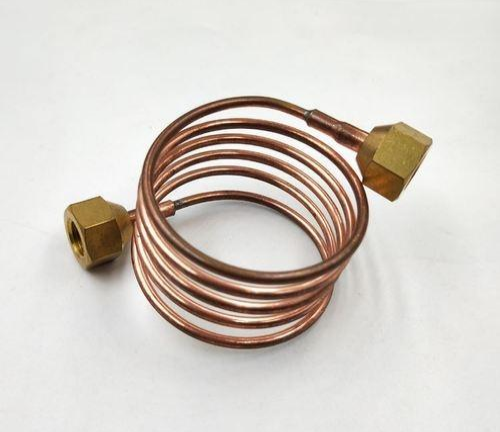
Copper capillary tube used in basic chiller systems, often limiting refrigerant control and system efficiency

What’s the Efficiency Limit of a Cold Plunge Chiller? Can the Improved Expansion Valve Break Tradition?

Introduction: Why Efficiency Matters in Cold Plunge Systems Cold plunge therapy relies on consistent water temperature, but not all chillers deliver the same performance. A system’s cooling speed and power usage come down to one key factor: **cold plunge chiller efficiency**. Surprisingly, the expansion valve—often overlooked—plays a major role in how effective and energy-efficient your setup really is. But while most users focus on tub size or water temperature, few consider the true performance driver behind every cold plunge setup—the chiller’s efficiency. In cold plunge systems, the ability to cool water quickly and maintain stable temperatures is crucial. However, this performance is not just about motor size or compressor power. It’s about the overall system’s thermal efficiency, and a key part of that efficiency comes down to a small but critical component: the expansion valve. Understanding the Efficiency Limit of Cold Plunge Chillers Cold plunge chillers operate using vapor compression cycles, similar to air conditioners or commercial refrigerators. Their efficiency depends on multiple factors: Compressor capacity and control Refrigerant flow regulation Evaporator and condenser coil design Circulation rate of the water pump Ambient air temperature and humidity Insulation and thermal retention of the plunge tub One of the biggest bottlenecks in the system is how refrigerant is delivered into the evaporator—and this is where expansion valves come into play.This inefficiency limits cold plunge chiller efficiency in demanding recovery routines. Traditional Expansion Valves: Where They Fall Short Improving cold plunge chiller efficiency starts with better refrigerant control.Conventional fixed or thermostatic expansion valves regulate refrigerant based on pressure-temperature readings, but they respond slowly to load changes. In plunge chillers, where water temperature may drop rapidly and operating conditions shift minute to minute, these old-style valves often: Cause overfeeding or underfeeding of refrigerant Create inefficient evaporation cycles Lead to longer pull-down times (time to reach target cold temperature) Increase power consumption during extended run cycles Contribute to compressor stress and short cycling These problems compound over time, leading to slower chilling, inconsistent water temperatures, and higher electricity bills. How Improved Expansion Valves Enhance Cold Plunge Efficiency Modern expansion valves—especially electronic expansion valves (EEVs)—use sensors and microprocessors to dynamically control refrigerant flow. They constantly adjust to system demand, ambient temperature, and load feedback.According to ASHRAE’s refrigeration efficiency guidelines, expansion valve responsiveness is one of the key drivers of overall cooling system performance. Key advantages include: ✅ Precise refrigerant metering improves heat exchange efficiency ✅ Faster cooling response, especially in hot environments or large-volume tubs ✅ Lower power usage due to reduced cycle length ✅ Increased compressor lifespan from minimized cycling According to ASHRAE refrigeration standards, expansion valve design and responsiveness significantly influence the system’s overall Coefficient of Performance (COP) and Seasonal Energy Efficiency Ratio (SEER). Real-World Example: The CHU-10-RV Chiller Upgrade Our CHU-10-RV cold plunge chiller is built with an upgraded electronic expansion valve and optimized flow logic. It delivers 0°C performance while using less energy than traditional systems. Compared to a typical fixed-valve unit: Feature Traditional Chiller CHU-10-RV Cooling time (25°C to 4°C) ~60–75 min ~35–45 min Power draw (avg) 750–800W 620–680W Target hold time Inconsistent Stable ±0.5°C Compressor lifespan ~2 years 3+ years   This upgrade doesn’t require any major reconfiguration. It’s a component-level improvement that delivers immediate results. 🔗 View full CHU-10-RV specifications → Additional Tips for Maximizing Chiller Efficiency Beyond expansion valves, you can further improve system efficiency by: ✅ Matching Chiller Size to Tub Volume A 300L+ tub requires at least a 1HP chiller. Undersized units work harder and last shorter. ✅ Insulating All Tubing Uninsulated hoses can increase heat gain, making chillers work harder to maintain temperature. ✅ Using Built-in Filters Hair and debris can clog flow, straining both pumps and cooling loops. ✅ Regular Maintenance Keep filters clean and check for refrigerant leaks. A system running low on gas will perform poorly even with the best components. 💡 See our full chiller maintenance guide here Choosing the Right Cold Plunge Chiller When evaluating which chiller is right for your needs, don’t just look at HP or price. Ask these key questions: Does it use a fixed or dynamic expansion valve? How long does it take to cool 300L from room temperature? What’s the average power draw during chilling and standby? Is it compatible with your tub’s size and circulation rate? Compare all our cold plunge chiller models → Summary: Efficiency Starts With the Right Details Improving cold plunge chiller efficiency isn’t always about replacing the whole unit. Sometimes, rethinking one key component—like the expansion valve—can unlock better cooling, lower energy use, and a longer lifespan for your system.pgrading the valve can significantly boost cold plunge chiller efficiency with minimal cost. If you’re looking to upgrade or build a more efficient setup, make sure your chiller is as advanced as the tub it’s connected to. FAQ: Expansion Valves & Cold Plunge Efficiency Q1: Is an improved valve worth the cost?Yes. Even a mid-level upgrade can reduce energy use by 10–15%. Q2: Will this work for outdoor tubs?Definitely. In fact, fluctuating ambient temperatures make smart valve response even more critical. Q3: Can I retrofit an old chiller?Some models can be upgraded. Contact us to check compatibility.

What’s the Efficiency Limit of a Cold Plunge Chiller? Can the Improved Expansion Valve Break Tradition? Read More »

Animated demonstration of cold plunge chiller filter inspection and replacement process

How to Solve the Issue of a Chiller Pump Not Drawing Water

Cold plunge chiller troubleshooting often begins when your system shows a water flow alarm or stops circulating water. Whether you’re using your cold plunge for recovery, wellness, or gym applications, it’s frustrating when the pump suddenly stops drawing water. In this guide, we’ll explain common causes and show you step-by-step how to fix them effectively—ensuring your cold plunge chiller stays in optimal working condition.

How to Solve the Issue of a Chiller Pump Not Drawing Water Read More »

Person taking a cold plunge in a tub with ice, illustrating a DIY chiller for bathtub application

Can You Use a Chiller in a Bathtub? (Easy DIY Guide)

Looking to elevate your bathing experience with the benefits of cold water therapy? Using a chiller in your bathtub can transform a regular bath into a rejuvenating cold plunge, offering numerous health benefits. This article explores how to use chillers in bathtubs and their advantages, including muscle recovery, improved circulation, enhanced immune function, stress relief, and energy efficiency. Whether you’re a fitness enthusiast or seeking mental health benefits, a chiller can provide significant advantages

Can You Use a Chiller in a Bathtub? (Easy DIY Guide) Read More »

Request A Quote

We look forward to receiving your request information and we will be in touch with you within 48 hours!