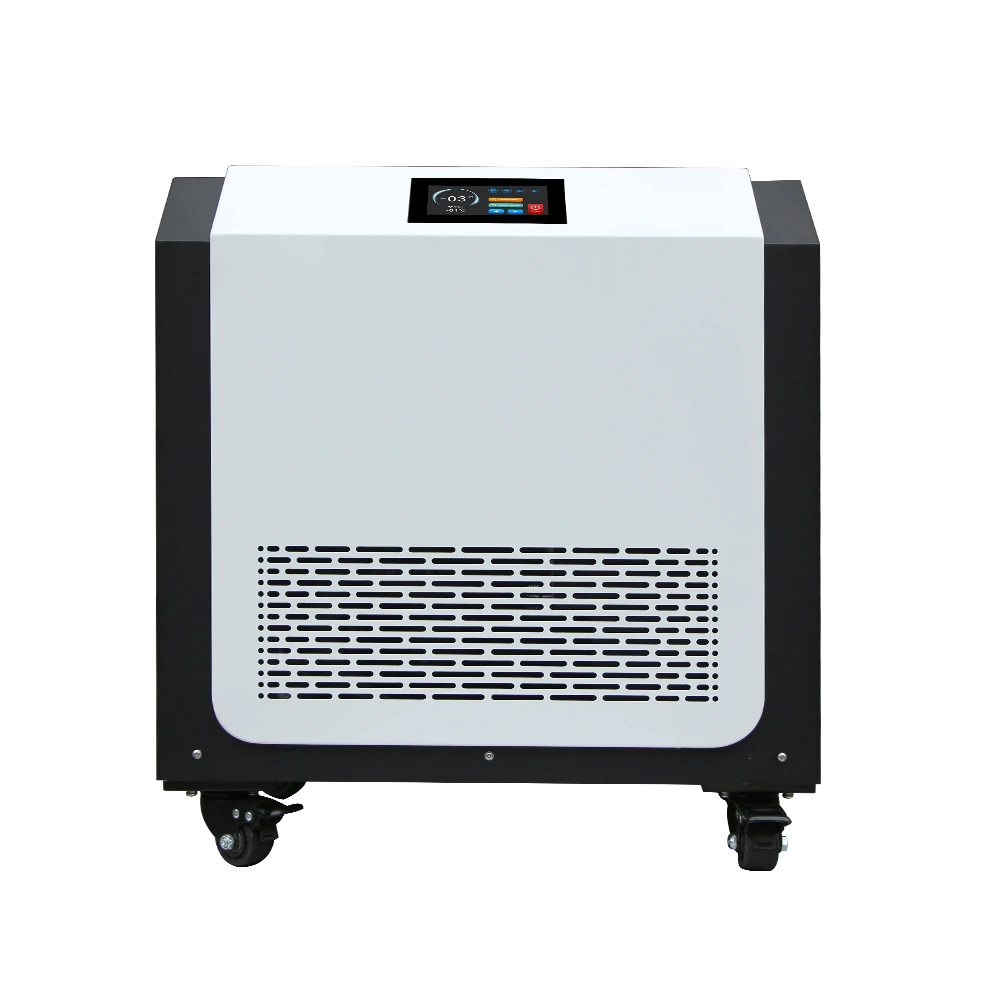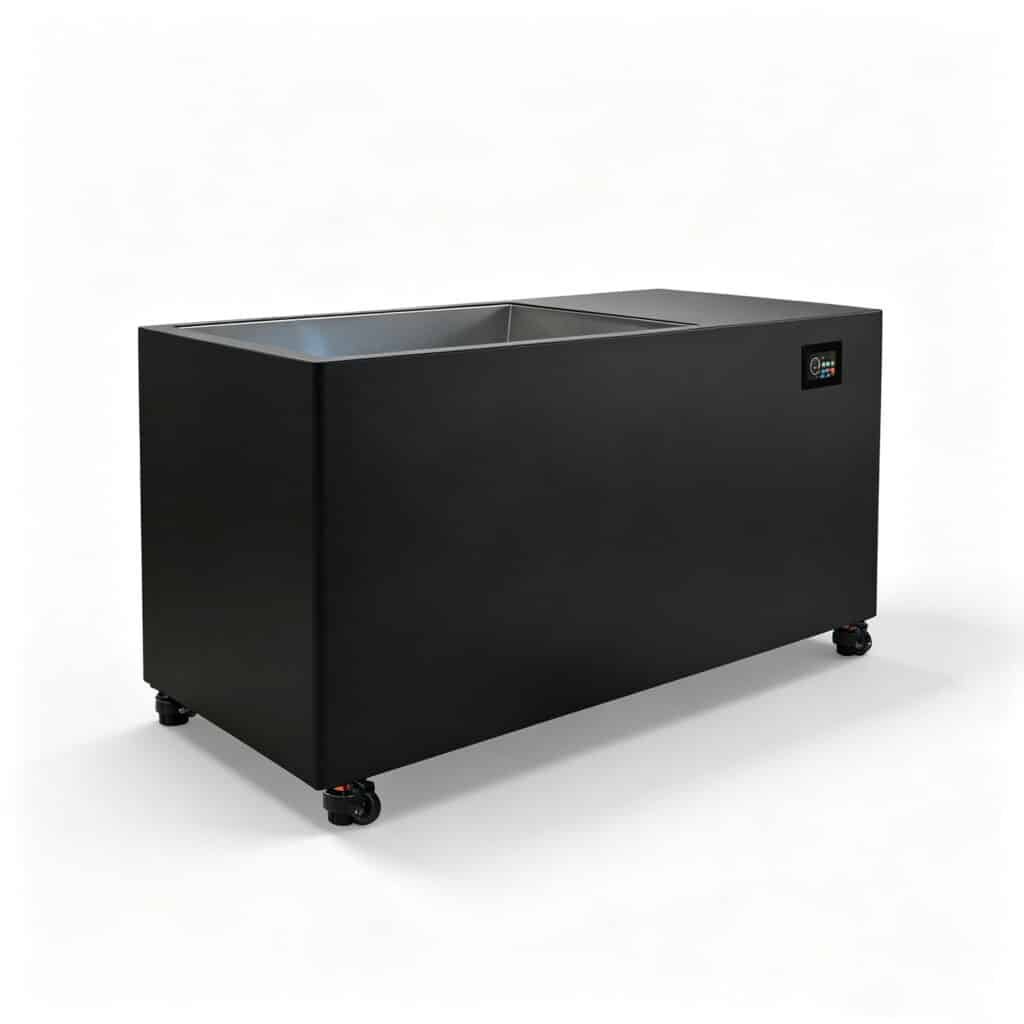
Common Causes of Cold Plunge Pump Failure
Cold plunge chiller troubleshooting often starts when users encounter water flow alarm faults—one of the most common issues during daily operation. These faults usually stem from a clogged filter, airlock, or pump failure.Want to understand how cold plunge chillers work in real setups? complete chiller troubleshooting guidefor more details. This guide walks you through how to detect and fix these problems step by step:
1. Dirty Filter
A clogged filter can significantly restrict water flow, often triggering a water flow alarm. This usually results from infrequent cleaning or neglecting to replace the filter over time. If left unchecked, it can reduce cooling efficiency and damage the pump.We recommend regular filter maintenance with our cold plunge chiller units designed to minimize clogging issues.
2. Airlock in the System
If air has entered the water line, the pump may lose suction power and fail to circulate water. This airlock issue is often caused by loose pipe fittings, poor installation, or improper priming of the chiller pump.
3. Internal Pump Failure
Older cold plunge systems or those lacking regular maintenance may suffer from internal pump wear. Unusual noises, vibrations, or a total lack of flow typically point to pump component failure.
If the issue started after installation, hose routing, or a filter change, review 《chiller and filter setup guide.
Cold Plunge Chiller Troubleshooting Steps
Once you identify the possible cause, follow these detailed troubleshooting steps to resolve the issue:
🔧 Step 1: Replace the Filter & Check the Seals
Shut off water flow before beginning.
Open the filter housing, remove the old filter, and install a new one.
Inspect the filter housing seals—replace if cracked or worn.
✅ This eliminates clogs and ensures a proper seal to maintain consistent flow.
🔧 Step 2: Remove Air from the System
Check all pipe connections for tightness to avoid air leaks.
If the pump has a purge valve, release trapped air slowly.
Alternatively, power cycle the unit and monitor for restored water flow.
✅ Airlocks are a common cold plunge chiller troubleshooting issue and can usually be resolved without disassembly.
🔧 Step 3: Inspect or Replace the Pump
After powering down, check for irregular pump noises or overheating.
If internal damage is detected, replace damaged components or the entire pump assembly.
✅ If the pump is still under warranty, consider contacting the manufacturer.
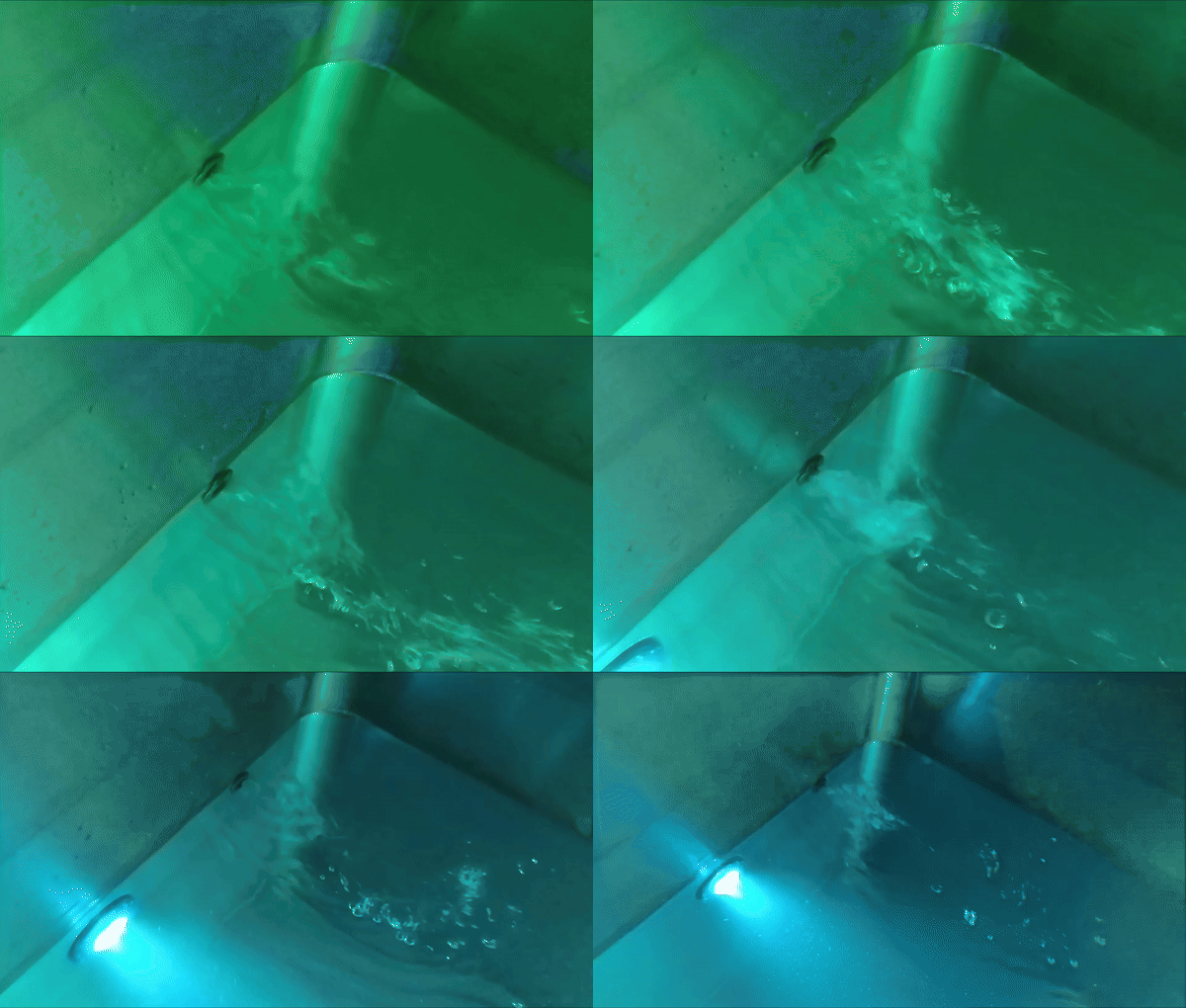
Quick Troubleshooting Summary Table
| Problem type | First safe check | When to stop DIY checks |
|---|---|---|
| Restricted filter or intake | Inspect filter condition, water level, intake, and hose route. | If normal flow does not return after approved service. |
| Air in the water path | Follow the model-specific priming or air-removal procedure. | If the system repeatedly loses prime or shows a flow alarm. |
| Possible pump or controller issue | Record noise, heat, display message, and flow behaviour. | Before opening wiring, replacing internal parts, or bypassing safety controls. |
Cold Plunge Maintenance Tips
Prevent recurring water flow issues with these simple maintenance steps:
Clean or replace filters every 1–2 weeks
Tighten all water line connections monthly
Use only clean water or treated water in the tub
Run your system regularly to avoid stagnation
For a complete cold plunge solution, browse our full line of cold plunge tubs and chillers
Use the official maintenance procedure for your model rather than a universal one- or two-week schedule. If the issue is pump-specific, a general technical reference is Grundfos’ Maintain, Optimise & Repair resource.
Why Choose Cold Tub Chiller Equipment?
Our cold plunge chillers are engineered with advanced self-priming pumps, clog-resistant filtration, and built-in flow sensors to prevent the very issues you just learned how to fix. Designed for both personal and commercial use, they support 0°C operation and include smart controls for safe, consistent performance.
💡 Looking for a more reliable cold plunge solution?
Explore our best-selling cold plunge chiller models here.
Final Thoughts
Effective cold plunge chiller troubleshooting starts with identifying the root cause—whether it’s a dirty filter, airlock, or pump malfunction. By following the steps above, you can quickly restore water circulation and keep your cold therapy experience uninterrupted.
If problems persist after troubleshooting, don’t hesitate to contact a certified technician or reach out to Cold Tub Chiller for expert support.
Ready to Stop Troubleshooting and Start Enjoying?
At OMNI Ice chillers, we build systems that prevent common water flow problems before they happen. Whether you’re a home user or a commercial spa owner, our chillers include:
Smart flow sensors that detect blockages early
Self-priming pumps that eliminate startup frustration
Clog-resistant filters for lower maintenance
👉 Browse cold plunge chillers
👉 Explore cold plunge tubs
Effective cold plunge chiller troubleshooting begins with the water path: inspect the filter, water level, hose route, accessible fittings, and approved priming procedure before assuming a failed pump.
For a broader pump-focused guide, read pump troubleshooting guide.
For system-level troubleshooting of pump, flow, filter, cooling, and controller-code symptoms, return to the 《complete chiller troubleshooting guide.