Cold Plunge Chiller Troubleshooting: The Ultimate Repair & Maintenance Guide (2026 Edition)
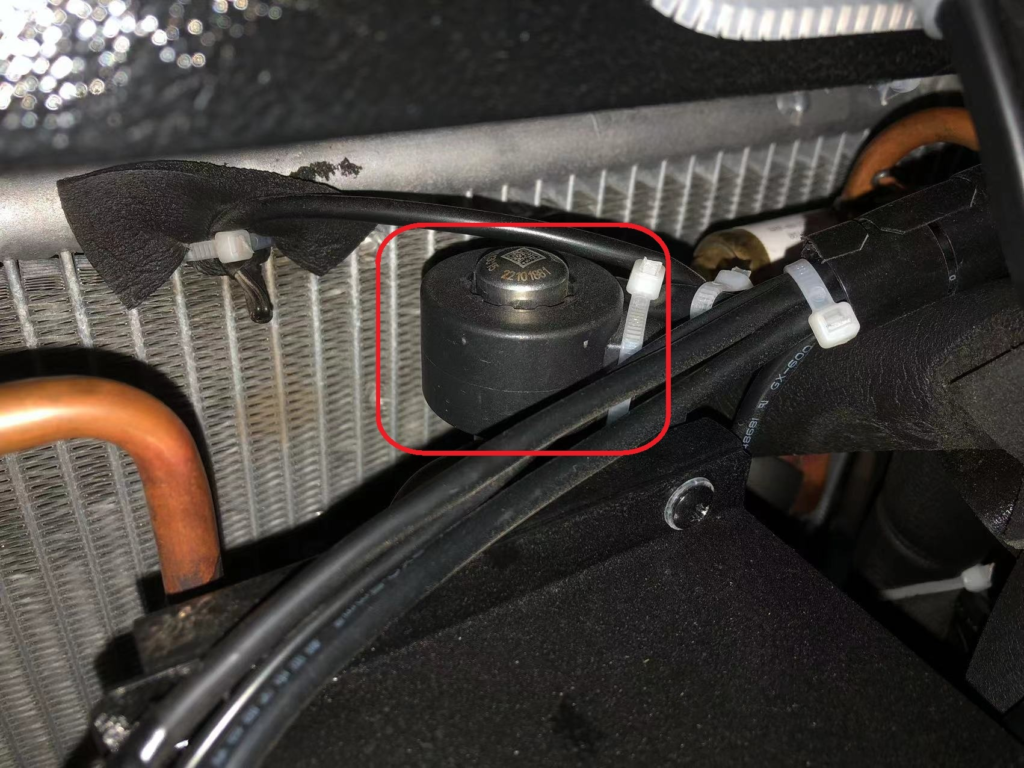
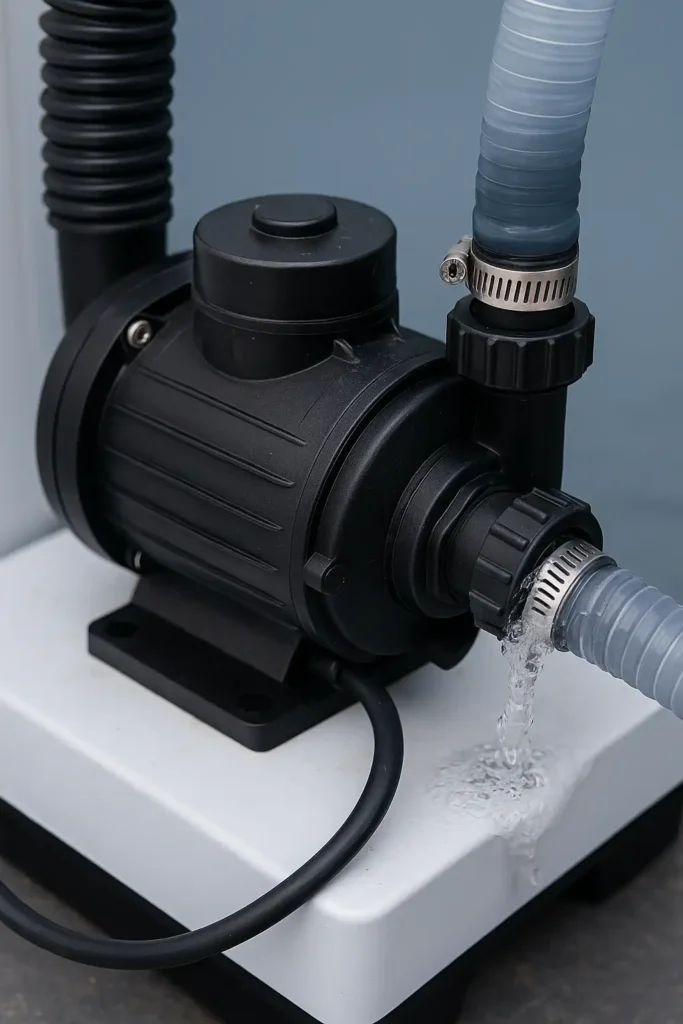
The demand for cold plunge therapy has grown rapidly, and many athletes, wellness centers, and home users rely on chillers to maintain water at 0–5°C. Yet even the best equipment can develop issues over time. A quick search for cold plunge chiller troubleshooting often comes from users frustrated by weak water flow, pumps not working, or temperature instability. This guide is not just a generic manual; it is a living encyclopedia built from OMNI Ice’s internal database of 1,600+ technical support hours and 500+ real-world support tickets filed by customers. Whether you are repairing a minor pump issue or deciding if it’s time to upgrade to a new system, this article will navigate every technical detail, from basic filter rinses to advanced sensor recalibration. The “Emergency Room” Diagnostic: Universal Error Code Table Before diving into mechanical repairs, your chiller’s controller usually provides a digital “distress signal.” Based on our service logs (from team members like Lina and Iris), these are the most common codes you will encounter: Error Code Official Meaning Real-World “Field” Diagnosis Immediate Fix Strategy E1 / E11 / FL Water Flow Alarm 85% are airlocks or dirty filters, NOT a dead pump. Clean filter & execute “OMNI Prime” (See Step 4). E2 / HH High-Temp Alarm The condenser is suffocating from dust or poor airflow. Clean fins; ensure 50cm clearance around the unit. E5 / AL Sensor Fault Temperature probe is loose, shorted, or disconnected. Inspect the 2-pin clips inside; swap with backup probe. B13 / E8 High Value / Low Temp Water is near freezing (below 2°C) or sensor is “open.” Reset target to 4°C+; check NTC sensor resistance. Expert Insight: > One of our clients (Mark) encountered a persistent E11 error. Even after force-feeding water into the intake, the error remained. Our engineering team (Jagger) diagnosed that the water temperature dropped too rapidly, meaning there wasn’t enough water inside the plate heat exchanger. The Real Fix: We removed the filter net and found that the secondary filter was not properly sealed. If the filter O-ring is damaged, air enters the system, stalling the flow even if the pump is spinning. Always check your O-ring integrity before replacing the pump. Cold Plunge Chiller Pump Not Working — The Most Common Problem When a chiller stops functioning properly, the first complaint is usually that the pump is running but no water is moving. This can happen suddenly after a water change or gradually as flow weakens over days. At OMNI Ice, we track these failures to ensure our cold plunge chiller repair strategies are always up to date. Typical Causes Found in Our Support Logs: Clogged Filter: A thin layer of biofilm or hair can reduce intake pressure by 40%, triggering a flow alarm. Airlock: Trapped air bubbles in the impeller chamber prevent the pump from “grabbing” water. Voltage Mismatch: We’ve seen cases where a 220V pump is incorrectly plugged into a 110V supply, causing the pump to hum but not spin. Thermal Overload: High-pressure pumps can shut down automatically if they run dry for more than 2 minutes. Expert Fix: If your system has already stopped drawing water entirely, review our detailed pump troubleshooting guid for targeted 5-minute fixes that can extend your pump’s lifespan by 2-3 years. Weak Water Flow and Circulation Issues Even if the pump works, circulation problems can reduce cooling performance. Weak flow makes it harder for the chiller to reach the target temperature, and stagnant water becomes a hygiene risk. Key Warning Signs of Circulation Issues: Noticeably slower cooling compared to normal operation (e.g., taking 4 hours instead of 2). Water returning to the tub feels “warm” or weak at the jet. The chiller cycles more frequently (turning on/off every 5 mins) without lowering the water temperature. Data-Driven Insight: In most cases, the root cause is filter blockage or hose obstruction. We recently assisted a customer who had a “kinked” hose behind the unit that reduced cooling efficiency by 60% without triggering a fatal error. Cold Plunge Chiller Filter Problems The filter is small but critical. Without it, debris quickly enters the pump and heat exchanger, causing expensive damage. With it, however, maintenance becomes essential. Signs your filter is causing trouble: Visible dirt or discoloration (yellowing) on the stainless steel or paper cartridge. Reduced water flow despite normal pump operation. Frequent “Buzzing” sounds from the pump as it struggles against resistance. Maintenance Tip: Cleaning and replacing filters is the simplest form of cold plunge chiller maintenance. Regular cleaning can increase cooling efficiency by 20%. For more details, see our filter maintenance guide and filter setup guide. Advanced Electrical Troubleshooting: Ozone & Screen Glitches Our engineering team has identified “hidden” issues that often go undetected by standard DIY guides: The Ozone Short-Circuit Loop If your unit keeps rebooting or the screen flickers, it might be the Ozone Generator. If the check-valve fails and water enters the ozone module, it causes a 24V short circuit. The Fix: Safely disconnect the ozone 2-pin wire. If the machine stabilizes, you simply need a new $15 ozone module. Hidden Failure Mode: > A critical issue identified in our 2025 support logs involves the Ozone Generator. If the ozone check valve fails, water backflows into the generator, causing a 24V short circuit. Symptom: The mainboard reboots repeatedly or the screen remains black. The Solution: Unplug the ozone 2-pin connector from the mainboard. If the machine starts normally, replace the ozone module and the check valve immediately to prevent water damage to the electronics. Sensor Drift & Phantom Values If the screen says the water is 10°C but it feels like 2°C, your NTC sensor is drifting. The Fix: Recalibrate parameters in the “hidden menu” (Contact OMNI for the specific model code) or replace the probe. Step-by-Step Cold Plunge Chiller Troubleshooting Guide Troubleshooting requires a logical approach. Work through the following steps before assuming your chiller needs professional repair. Check the Filter: Remove and rinse the filter under running water. If it remains clogged, replace it immediately. Inspect the Hoses