Using a chiller for bathtub cold plunge therapy is one of the most searched questions in the home wellness space — and one of the most misunderstood setups buyers attempt. The short answer is yes, a chiller for bathtub use works. But getting it right requires understanding two things that most guides skip entirely: why bathtubs demand significantly more HP than their volume suggests, and why the depth of a standard bathtub limits what cold therapy can deliver.
This guide covers everything — what a chiller for bathtub setups actually does, how to choose the right HP, how to connect it correctly, and realistic expectations about results. Whether you are a fitness enthusiast, an athlete using cold therapy for recovery, or someone starting their cold plunge journey at home, this is the complete picture before you spend any money.
What Is a Chiller for Bathtub Use?
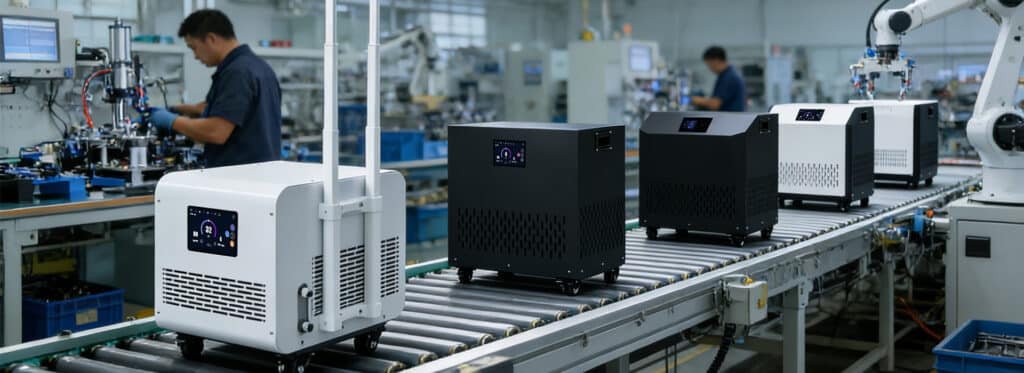
A cold plunge chiller is a refrigeration unit that continuously removes heat from water, maintaining a set temperature without the need for ice. Connected to your bathtub via two hoses and a circulation pump, the chiller for bathtub draws water out, passes it through a heat exchanger that strips out thermal energy, and returns cooled water back to the tub.
Unlike adding ice — which melts within an hour, warms the water, and requires constant restocking — an ice bath chiller for bathtub setups maintains your target temperature automatically. It is a fundamentally different approach to cold water therapy, and for anyone doing more than one or two sessions per week, the economics and convenience of a chiller versus ice become clear very quickly.
Why a Chiller for Bathtub Use Is More Demanding Than Most People Expect
The core challenge is insulation — or rather, the complete absence of it. A purpose-built cold plunge tub has 40 to 80mm of closed-cell foam built into its walls, specifically designed to retain cold water temperature with minimal energy input. A standard acrylic or fibreglass bathtub has walls 4 to 6mm thick with nothing behind them.
Heat moves freely through those thin walls in both directions. In a normal bathroom at room temperature, an uninsulated bathtub loses heat three to five times faster than a properly insulated cold plunge tub of the same volume. Your chiller for bathtub is not just cooling the water once — it is constantly fighting heat coming in through the walls every minute it is running.
According to ASHRAE cooling capacity standards, effective cooling must account for this ongoing thermal load from the environment — not just the volume of water being cooled. This is why the HP requirement for a water chiller for bathtub use is higher than the volume calculation alone would suggest.
Key point: HP does not determine how cold the water gets — any chiller can reach 3°C given enough time. HP determines how fast it cools and how well it holds temperature against continuous heat gain through the bathtub walls. This is the most important thing to understand before buying.
What HP Chiller for Bathtub Setups Do You Actually Need?
Standard bathtubs hold 150 to 300 litres. Based on volume alone, 0.5HP looks reasonable. In practice, for any chiller for bathtub application with no insulation, 1HP is the minimum regardless of volume.
A 0.5HP unit on a standard bathtub will run at near 100% duty cycle trying to compensate for heat gain through the walls. Compressors are designed to cycle on and off — sustained continuous operation shortens their lifespan significantly. The water will also struggle to hold below 15°C on a warm day, which limits the therapeutic benefit.
| Bathtub Type | Volume | Insulation | Recommended HP |
|---|---|---|---|
| Standard acrylic or fibreglass, indoor, temperate climate | 150–250L | None | 1HP minimum |
| Standard bathtub, warm climate or warm bathroom | 150–250L | None | 1–1.5HP |
| Deep soaking tub, Japanese style | 250–350L | Minimal | 1.5HP |
| Purpose-built insulated cold plunge tub | 200–350L | Good | 0.5–1HP |
For a full breakdown of how HP requirements scale with volume, insulation, and ambient temperature, see our 《cold plunge chiller HP guide.》
Not sure which chiller is right for your specific setup? See our complete buying guide: 《Chiller for Cold Plunge: What Actually Matters Before You Buy》
Benefits of Using a Chiller for Bathtub Cold Therapy
When correctly sized and set up, a chiller for bathtub delivers genuine cold therapy benefits that ice alone cannot match consistently.
Enhanced Recovery and Muscle Relief
Cold water therapy is widely recognised for its ability to reduce muscle soreness and inflammation. A correctly set up cold plunge chiller for bathtub use maintains consistent temperature session after session — no running to buy ice, no water warming up halfway through.
Improved Circulation and Immune Function
Cold water immersion stimulates blood flow, improves circulation, and has been shown to support immune function with regular use. The key word is regular — a chiller for bathtub makes daily cold therapy practical in a way that ice simply cannot sustain long term.
Mental Health and Stress Relief
Cold water immersion triggers norepinephrine release — a neurotransmitter associated with improved focus, mood, and stress resilience. Many users report the mental benefits are as significant as the physical ones. The deliberate discomfort of a cold plunge also builds mental discipline over time.
Energy Efficiency vs Ice
A bag of ice costs $5 to $8 and lasts one session. A chiller for bathtub use runs for a fraction of that cost per session over its lifetime. Our Deep Freeze Performance Chillers offer 0°C precision cooling, delivering efficient performance even in the demanding thermal conditions of an uninsulated bathtub environment.
The Depth Problem: What a Chiller for Bathtub Use Cannot Fix
There is a second limitation of chiller for bathtub setups that almost no guide addresses honestly. Standard bathtubs are designed for lying down in shallow water — typically 35 to 45cm deep. When you lie flat, cold water covers your lower body, but your chest, shoulders, and upper back are either barely submerged or completely above the waterline.
Effective cold immersion therapy for full-body benefit requires water up to shoulder level. A bathtub, regardless of how cold the water gets, cannot replicate this unless you have an unusually deep soaking model. For lower body recovery — legs, hips, lower back — a chiller for bathtub works well. For full upper body immersion, a deeper dedicated vessel is necessary.
Our detailed guide on cold plunge chiller for bathtub setups covers both challenges in depth, including when it makes practical sense to upgrade to a dedicated cold plunge tub.
How to Set Up a Chiller for Bathtub Cold Plunge
Step 1: Choose the Right Chiller for Your Bathtub
Select a 1HP unit as your starting point. If your bathroom runs warm or you want to reach below 8°C consistently, step up to 1.5HP. A unit with a built-in pump and filter reduces the number of separate components you need to source and manage. View our range of Cold Plunge Chillers to compare HP ratings, features, and what suits your specific bathtub setup.
Step 2: Connect the System Correctly
The flow sequence for any chiller for bathtub connection is non-negotiable: bathtub outlet → pump → filter → chiller → bathtub inlet. The filter must come before the chiller to protect the heat exchanger from particulates. Most bathtub setups run hoses over the rim — less permanent than a fitted installation but fully functional and completely reversible. Use food-grade reinforced PVC hose with stainless hose clamps.
Step 3: Set Your Temperature and Build Gradually
Start at 15°C for your first sessions and reduce gradually as you adapt to cold immersion. Most cold therapy benefits are accessible at 10 to 15°C, and serious cold exposure begins below 10°C. Starting at 3°C without acclimatisation is unnecessary and potentially unpleasant — the body needs time to adapt.
Step 4: Add a Tub Cover
A simple foam sheet cut to fit your bathtub reduces surface heat gain by 30 to 40% between sessions. This is the single easiest improvement to any chiller for bathtub setup — it reduces how hard the chiller has to work to maintain temperature and significantly cuts electricity cost.
Step 5: Follow Safety Guidelines
Place the chiller for bathtub on a stable, dry surface with at least 20cm of clearance around the exhaust fan. Never operate electrical equipment with wet hands. Begin sessions at 1 to 2 minutes and increase gradually. Consult a healthcare professional before starting cold water immersion therapy if you have cardiovascular conditions. For ongoing maintenance and troubleshooting, our Complete Cold Plunge Chiller Troubleshooting Guide covers every common issue with step-by-step solutions.
When to Upgrade from a Chiller for Bathtub to a Dedicated Setup
A chiller for bathtub is the right starting point if you want to test cold therapy before committing to a permanent installation, or if budget is the primary constraint. The chiller you buy carries over completely when you upgrade the vessel — invest in a quality 1HP unit from day one.
Once you are doing cold therapy three to five times per week, the depth limitation becomes the main frustration. At that point, adding a dedicated insulated cold plunge tub alongside your existing chiller transforms the experience. The same chiller for bathtub that ran continuously in an uninsulated tub will cycle comfortably and efficiently in a properly insulated cold plunge tub.
If you have a hot tub rather than a standard bathtub, the setup requirements are significantly different — the larger volume and built-in heater conflict create additional complexity. See our guide on chiller for hot tub setups for the specific HP requirements and connection approach for that application.
Frequently Asked Questions
Can any chiller work in a bathtub?
Technically yes, but not every chiller is practical for bathtub use. Aquarium chillers are designed for very small volumes and very slow cooling — they cannot hold cold plunge temperatures in a 200-litre bathtub under normal conditions. You need a purpose-built cold plunge chiller rated at 1HP minimum, with a duty cycle designed for sustained operation in demanding thermal environments.
How long does a chiller for bathtub take to cool the water?
Starting from room temperature water at around 20°C, a 1HP chiller typically cools a 200-litre bathtub to 10°C in approximately 2 to 3 hours in a normal indoor environment. Reaching 3 to 5°C takes 3 to 5 hours. A tub cover and keeping the bathroom cool both help reduce cooling time meaningfully.
How often do I need to change the water?
Will a chiller for bathtub damage the tub?
A properly installed chiller with hoses over the rim will not damage a standard acrylic or fibreglass bathtub. Cold plunge temperatures of 3 to 15°C are well within the material tolerances of standard bathtub materials. The main practical concern is hose clamps marking the rim over time — use silicone padding under any clips resting on the tub edge.
What sanitation method should I use with a chiller for bathtub setups?
Ready to Set Up Your Bathtub Cold Plunge?
We manufacture 1HP and 1.5HP cold plunge chillers with