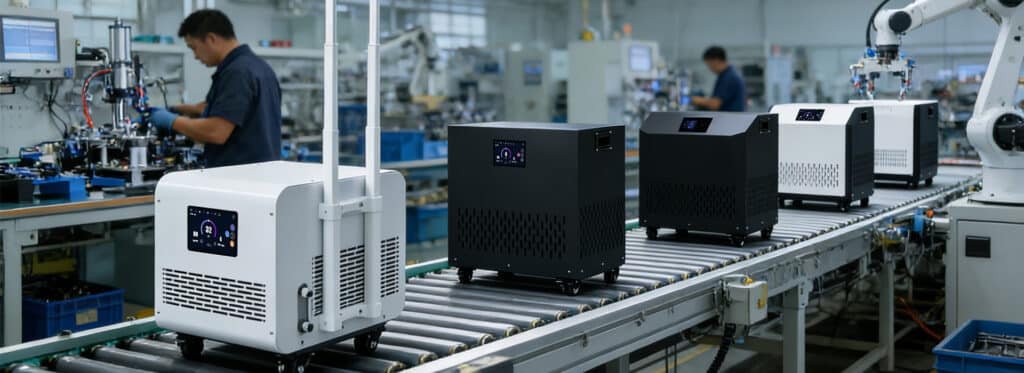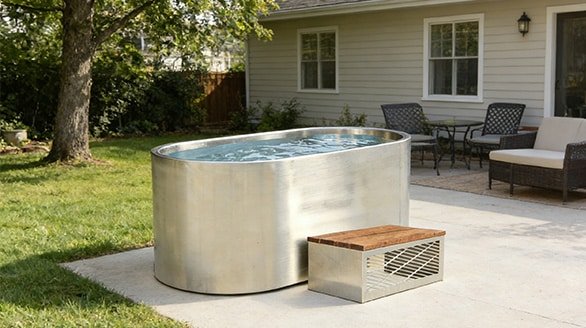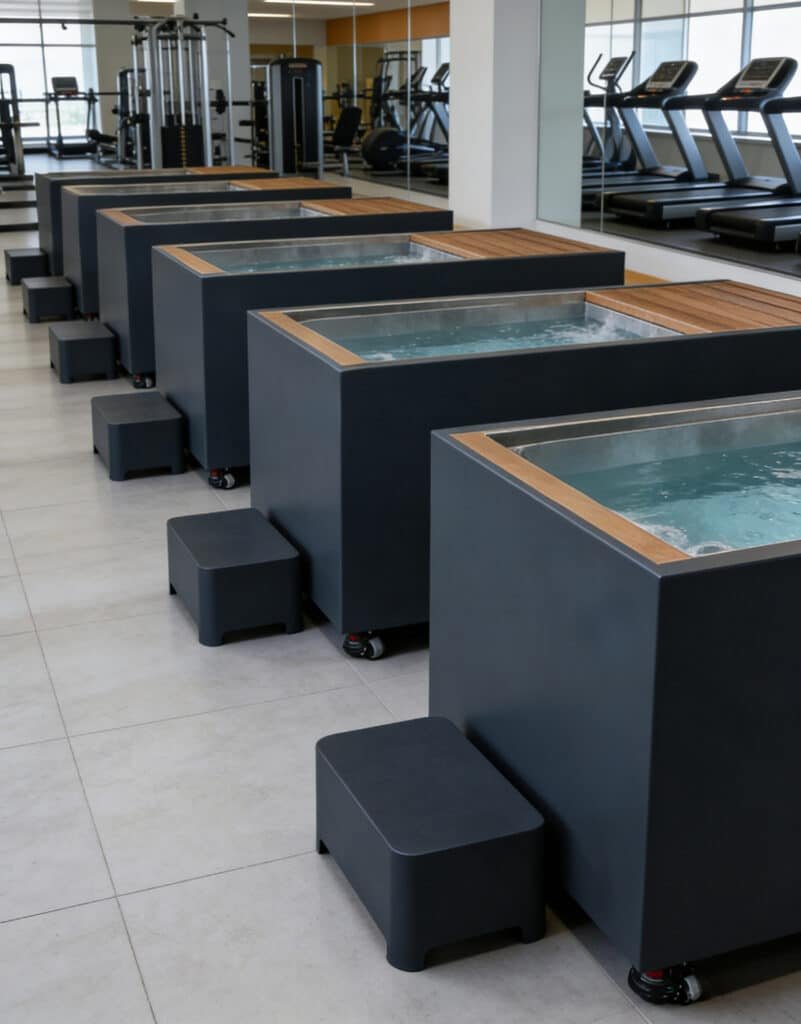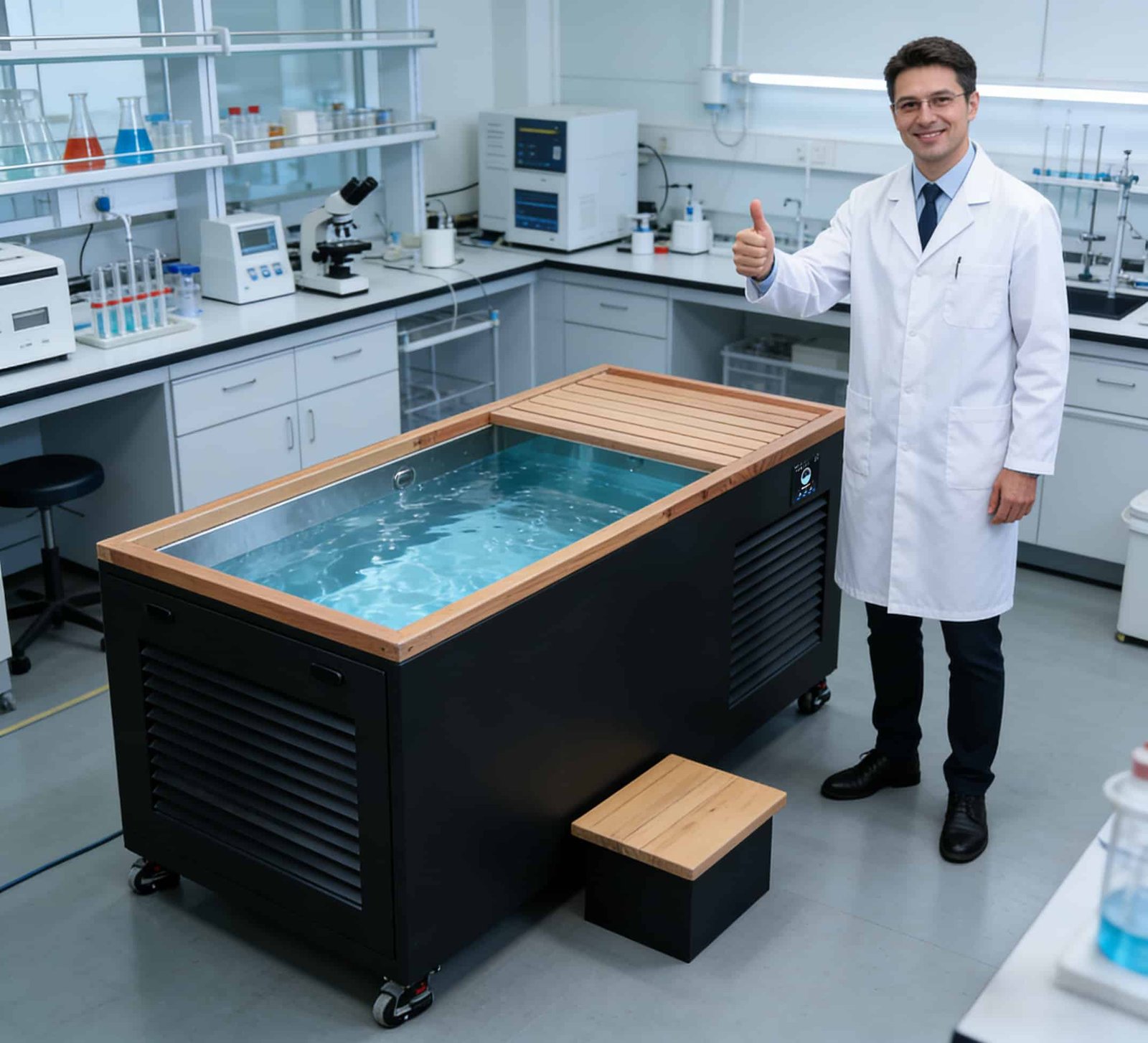
Cold plunge physical therapy is not a new idea — sports medicine facilities and elite rehabilitation centres have used controlled ice bath immersion as part of recovery protocols for decades. What’s changed is accessibility. Commercial cold plunge chiller systems have made it practical for private PT practices, outpatient rehabilitation clinics, and sports medicine offices to offer the same clinical-grade cold therapy that was previously exclusive to professional sports teams.
The clinical question is not whether cold water immersion works. The practical questions are whether a cold plunge setup makes sense for your patient population, what ice bath equipment specification meets clinical hygiene standards, and whether the numbers justify the investment. This guide answers all three. Explore the full OMNI Ice cold plunge range to see what clinical-grade setups look like in practice.
The Clinical Evidence Behind Cold Plunge Physical Therapy
Physical therapists working with post-surgical patients, musculoskeletal injuries, and chronic inflammatory conditions have long used cold therapy in various forms — ice packs, cold compression units, contrast baths. Cold water immersion represents a more complete application of the same physiological principles.
Research published in the Journal of Athletic Training demonstrates that full-body cold water immersion at 10 to 15°C produces significant reductions in delayed onset muscle soreness, perceived fatigue, and systemic inflammatory markers compared to passive recovery. For post-surgical rehabilitation — particularly lower extremity procedures including ACL reconstruction, total knee replacement, and hip arthroplasty — controlled cold immersion provides analgesic effect and reduces oedema more effectively than localised ice application alone.
The mechanism is straightforward: immersion creates hydrostatic pressure across the entire submerged area simultaneously, compressing peripheral tissue and reducing inflammatory fluid accumulation more uniformly than any localised cold application can achieve. For a PT clinic treating patients with bilateral lower extremity involvement or trunk and hip conditions, this represents a meaningful clinical advantage.
The critical qualifier is “controlled.” Temperature consistency matters clinically in a way it doesn’t for general wellness use. An ice bath that starts at 10°C and warms to 16°C over the course of a 15-minute session delivers a different physiological stimulus than a cold plunge chiller maintaining a stable 10°C throughout. For clinical documentation and reproducible outcomes, a cold plunge chiller is the only setup that gives you the temperature control you can actually record in patient notes.
What Physical Therapy Clinics Need from a Cold Plunge Setup That Gyms Don't
A CrossFit box and a PT clinic have very different requirements from a cold plunge installation, and the differences matter for equipment specification.
Clinical hygiene standards
A PT clinic treats patients who may be immunocompromised, post-surgical, or have open wounds in healing stages. The hygiene standard for a clinical ice bath tub is not the same as for a general wellness facility. 316L stainless steel is the clinical standard — it’s the same material grade used in surgical instruments and hospital equipment specifically because of its non-porous surface and compatibility with clinical-grade disinfection protocols.
Ozone sanitation, while effective for general use, may not be sufficient as the sole sanitation method in a clinical setting with immunocompromised patients. Consult your clinic’s infection control protocols — in many cases, pairing ozone with UV disinfection or low-concentration hospital-grade sanitiser is appropriate. The cold plunge chiller you select should be compatible with whatever sanitation approach your clinical policy requires.
Patient assistance and accessibility
PT patients are not healthy athletes. Many are recovering from surgery, managing chronic pain, or have limited mobility. The cold plunge tub needs to be accessible — ideally with a step or ramp for entry, grab bars, and sufficient depth that a patient can be assisted into the tub safely. A seated position with water to shoulder level at 90cm depth is the target for effective full-body cold therapy; the entry and exit process for a post-surgical knee patient requires more planning than it does for a CrossFit member.
Session documentation
Clinical use requires documentation that general wellness doesn’t. Temperature at session start and end, session duration, patient response, and any adverse reactions need to be recorded. A cold plunge chiller with digital temperature display and WiFi logging capability simplifies this significantly — the temperature data is already recorded rather than requiring manual observation and entry.
Shorter but more frequent sessions
Clinical cold plunge physical therapy sessions are typically shorter than wellness sessions — 8 to 12 minutes at 10 to 15°C for most rehabilitation applications, versus 15 to 20 minutes for general recovery. This means higher daily session frequency relative to time — a busy outpatient clinic may run 10 to 15 sessions across an 8-hour day, which demands equipment rated for commercial duty cycles.
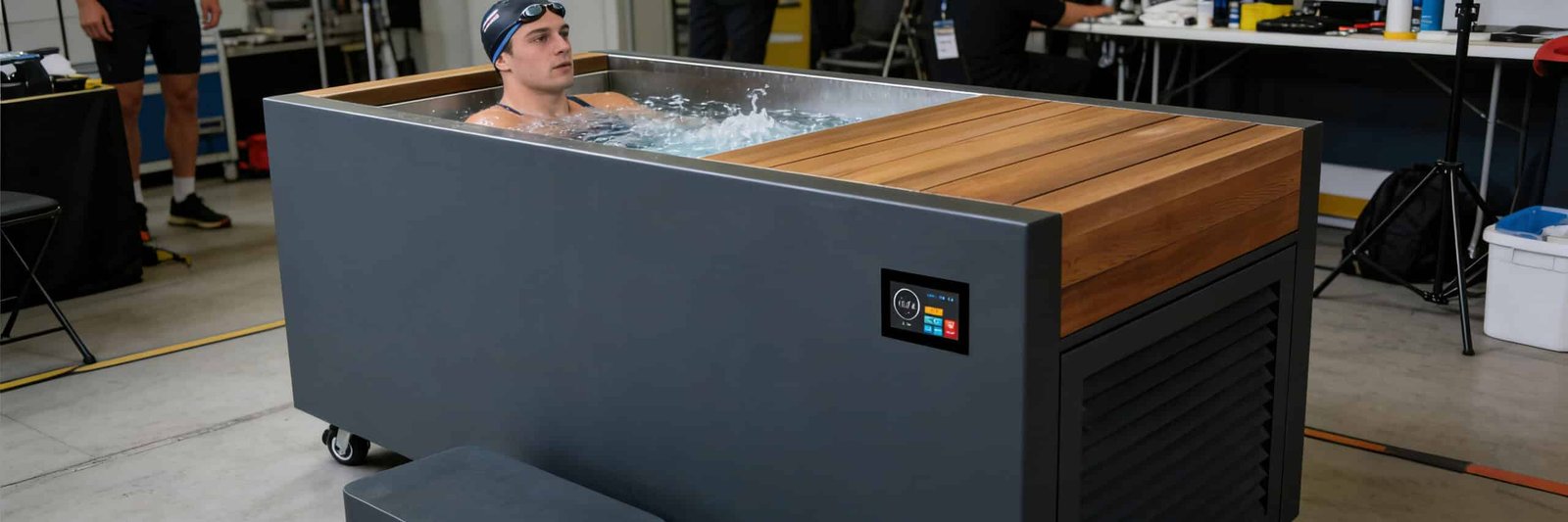
Equipment Specification for a PT Clinic Cold Plunge
Tub specification
For a physical therapy clinic, a 316L stainless steel cold plunge tub is the appropriate specification — not acrylic, not a standard 304 grade. The clinical hygiene rationale is outlined above. The practical durability rationale is the same as for any commercial application: at 10 to 15 sessions per day, acrylic degrades within two to three years. 316L handles the same load for a decade.
Depth: 90cm internal depth minimum for shoulder-level immersion in the upright seated position. This is non-negotiable for clinical efficacy — partial immersion from a shallow tub does not deliver the hydrostatic pressure effect across the full treatment area.
Volume: 300 to 400 litres handles solo patient sessions efficiently. If your clinic has the space and patient volume to consider simultaneous dual-patient sessions — which is unusual but relevant for some sports medicine environments — 500 litres with corresponding chiller capacity is appropriate.
For the full stainless steel cold plunge tub range: Stainless Steel Cold Plunge Tubs
Chiller specification
For a clinical outpatient environment running 10 to 15 sessions daily, 1.5HP is the appropriate starting point. The temperature recovery between sessions — getting the water back to 10°C after a patient has transferred body heat — needs to happen in 5 to 8 minutes to maintain schedule. A 1HP unit at this frequency will run continuously and may not recover adequately during peak clinic hours.
WiFi temperature monitoring is a clinical advantage, not just a convenience feature. It allows you to verify and document the water temperature before each session starts without manual thermometer measurement.
Ozone sanitation built into the chiller handles baseline bacterial load automatically. For patients where additional sanitation is clinically indicated, the system should be compatible with supplemental chemical treatment.
For chiller sizing guidance and commercial options: Cold Plunge Chiller Range. For detailed HP selection: Cold Plunge Chiller HP Guide.
Clinical Protocols — How to Actually Use Cold Plunge in PT Practice
Post-surgical rehabilitation
For lower extremity post-surgical patients — ACL, knee replacement, hip arthroplasty — cold water immersion is typically introduced 2 to 4 weeks post-surgery when wounds are fully closed and cleared by the surgical team. Sessions of 10 to 12 minutes at 12 to 15°C, two to three times per week, complement manual therapy and exercise rehabilitation by managing residual oedema and providing analgesic effect that supports more productive exercise sessions immediately following.
Musculoskeletal injury management
Acute soft tissue injuries — muscle strains, ligament sprains — benefit from cold water immersion in the subacute phase (48 to 72 hours post-injury) when the acute inflammatory response has peaked. Unlike ice packs, which lose temperature rapidly and require repositioning, an ice bath chiller maintains consistent temperature throughout the session and provides uniform coverage of the affected area.
Sports performance and recovery
For sports medicine clinics working with competitive athletes, cold plunge physical therapy as a recovery modality between training sessions or competitions positions the clinic as a performance partner, not just an injury treatment provider. Athletes who use the facility for recovery between training loads represent recurring visits beyond the injury episode. For sports-specific recovery protocols, see our professional sports recovery page.
Contraindications to document
Raynaud’s syndrome, peripheral vascular disease, cold urticaria, and open wounds are standard contraindications. Cardiovascular conditions require physician clearance before cold immersion in a clinical setting. Your patient intake documentation should capture these specifically before any cold plunge physical therapy session.
ROI for a Physical Therapy Practice
The revenue model for cold plunge physical therapy in a PT clinic differs from gym or spa applications. Insurance reimbursement for cold water immersion as a standalone modality is limited in most markets — the financial case is typically built on cash-pay add-on services rather than insurance billing.
Cash-pay session fees
PT clinics charging separately for cold plunge sessions typically price between $25 and $45 per session. At 10 sessions per day, five days per week: $1,250 to $2,250 per week in additional revenue — $5,000 to $9,000 per month — from a single cold plunge unit.
Package integration
Many clinics integrate cold plunge access into a recovery or performance membership package at $150 to $250 per month above standard care. At 20 members on this tier, that’s $3,000 to $5,000 per month in recurring revenue.
Setup cost reference:
| Item | Estimated Cost |
|---|---|
| 1.5HP commercial cold plunge chiller | $1,800–2,500 |
| 316L stainless steel ice bath tub (300–400L) | $1,500–2,200 |
| Grab bars, step, clinical accessories | $300–500 |
| Total | $3,600–5,200 |
| Monthly electricity | $20–30 |
| Monthly filter + sanitation | $20–30 |
At $25 per session with 8 sessions per day, payback on a $4,500 setup is under 23 days of operation. Most PT clinics that introduce cold plunge physical therapy see payback within 4 to 8 weeks.
Installation Considerations for a PT Clinic
Space and patient flow
Position the cold plunge tub where it’s accessible from the treatment area but separated enough to maintain patient privacy. A curtained alcove or a dedicated recovery room works better than an open treatment floor placement. The chiller unit needs 30cm clearance around the exhaust fan — plan the room layout before purchasing.
Drainage
The most consistently underestimated installation requirement. Water changes require draining 300 to 400 litres every 14 to 21 days. A floor drain in the room, or the ability to pump water to a drain, is essential. Plan this before the tub arrives, not after.
Flooring
Anti-slip flooring around the tub is a clinical requirement — wet patients transferring in and out of a cold plunge represent a fall risk. Non-slip mats at minimum; dedicated anti-slip clinical flooring is better for a permanent installation.
Infection control documentation
Your infection control policy should include the cold plunge tub: sanitation schedule, water change frequency, temperature verification procedure, and cleaning protocol for the tub interior and surrounding area. This documentation is relevant for any clinic accreditation review.
Cold Plunge Physical Therapy FAQ
Q: Is cold plunge covered by insurance for physical therapy patients? A: In most markets, cold water immersion is not a separately reimbursable modality under standard insurance contracts. It’s typically billed as a cash-pay add-on service or incorporated into a recovery membership package. Some clinics include cold plunge access within their standard plan-of-care at no additional charge as a patient retention and outcomes tool, absorbing the cost through improved efficiency and reduced episode length.
Q: What temperature is appropriate for clinical cold plunge physical therapy? A: For most rehabilitation applications, 10 to 15°C is the appropriate range. Temperatures below 10°C are more common in athletic performance contexts than clinical rehabilitation and require more careful patient monitoring. Post-surgical patients new to cold immersion should start at the higher end of the range (13 to 15°C) and progress as tolerance is established. A cold plunge chiller that maintains temperature with ±1°C precision allows you to set and document exactly what each patient receives.
Q: How do I manage infection control with multiple patients using the same cold plunge tub? A: 316L stainless steel non-porous surface plus ozone sanitation handles baseline bacterial load effectively. For immunocompromised patients or those with healing wounds, consult your infection control protocol — additional UV disinfection or low-concentration hospital-grade sanitiser compatible with stainless steel may be indicated. Full water change every 14 to 21 days with a well-maintained filtration system. Document the sanitation schedule as part of your infection control policy.
Q: How long should clinical cold plunge sessions be for rehabilitation patients? A: For most musculoskeletal rehabilitation applications, 8 to 15 minutes at 10 to 15°C is the evidence-based range. Post-surgical patients typically start at 8 minutes and progress. Longer sessions do not consistently produce additional benefit and increase the risk of adverse responses in clinical populations. Duration and temperature should be documented for each session as part of the patient record.
Q: Can I use a cold plunge tub for contrast therapy in a PT clinic? A: Yes — contrast therapy (alternating cold and heat) has a strong evidence base for improving circulation and accelerating tissue healing. In a PT clinic context, this typically involves alternating between the cold plunge and a warm hydrotherapy pool or hot pack application, rather than a dedicated heat vessel. Some cold plunge chillers include a heating function that allows the same unit to deliver warm water for contrast protocols, which can be a space-efficient solution for smaller clinics.
Looking for factory-direct pricing on clinical-grade cold plunge chillers and 316L stainless steel ice bath tubs for your physical therapy practice? OMNI Ice supplies PT clinics, sports medicine facilities, and rehabilitation centres across 80+ countries — factory direct, full clinical specification available.