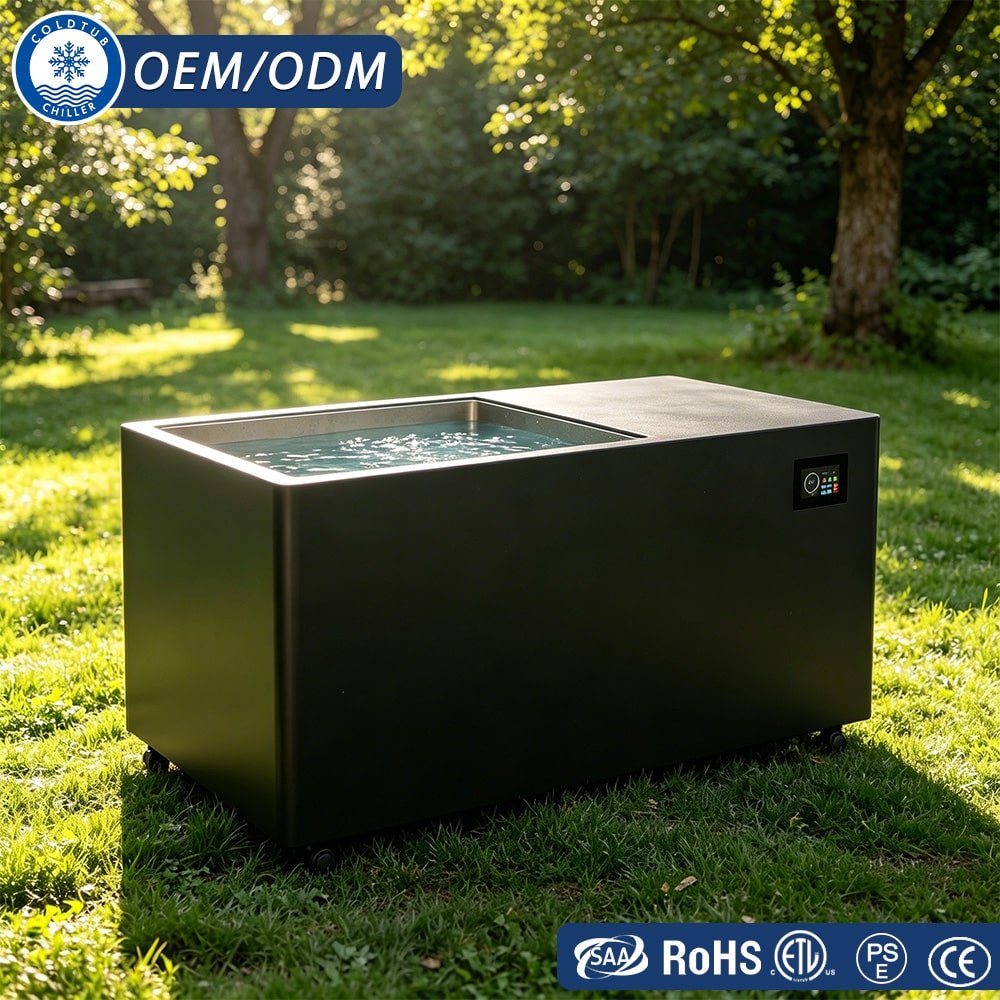
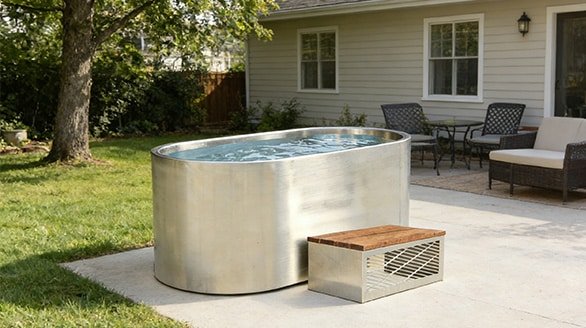
What Size Water Chiller for Ice Bath Do You Need? (Complete Guide)
Choosing the right water chiller size for an ice bath is less about the physical dimensions of the machine and more about cooling power, commonly expressed as horsepower (HP).
When people search “what size water chiller for ice bath”, they are usually trying to avoid two problems:
Buying a chiller that takes all night to cool
Paying extra for power they don’t actually need
This guide explains how HP relates to tub volume, cooling time, and real-world performance—so you can size correctly from the start.
Why Ice Bath Chiller Horsepower (HP) Matters
Horsepower determines how fast water temperature drops and how stable it remains during repeated plunges.
Too little HP → slow pull-down, unstable temperatures
Too much HP → higher upfront cost and unnecessary energy use
In practice, HP directly affects whether your tub can reliably reach 0–4°C (32–39°F) and stay there during normal use.
The goal isn’t maximum power—it’s balanced sizing based on water volume and usage frequency.
How to Calculate What Size Water Chiller for Ice Bath You Need
Cooling power reflects how much heat the chiller can remove per unit time. The required HP depends on four practical factors:
Water volume
More water = more heat energy to remove.Cooling efficiency per HP
In real-world plunge systems, 1 HP effectively supports ~250–300L under normal conditions.Target temperature & pull-down time
Smaller chillers take longer to reach near-freezing temperatures.Usage pattern
Repeated plunges demand more recovery capacity than occasional use.
This is why matching liters (or gallons) to HP is critical for performance.
Recommended Horsepower (HP) by Tub Water Volume
The table below reflects practical, field-tested sizing, not theoretical maximums.
| Tub Water Volume | Recommended Chiller | Gallons | Practical Outcome |
|---|---|---|---|
| 200–250 L | 0.5 HP | 53–66 gal | Solo use; reaches 0–4°C in ~2–3 hrs |
| 300–330 L | 1.0 HP | 79–87 gal | Ideal for home inflatables; stable daily use |
| 330–400 L | 1.5 HP | 87–105 gal | Family tubs / light gym use |
| 400–550 L | 2.0 HP+ | 105–145 gal | Commercial use; rapid recovery |
A ~50L buffer accounts for body displacement, insulation quality, and climate.
Home vs. Commercial Ice Bath Chiller Size Requirements
For Home Users
Typical volume: 200–350L
Cooling expectation: Overnight or within a few hours
Priority: Quiet operation, energy efficiency, reasonable cost
In most cases, 1.0–1.5 HP is technically sufficient for home use.
For Gyms & Recovery Studios
Typical volume: 350–500L+
Cooling expectation: Fast pull-down between users
Priority: Durability, filtration, 24/7 reliability
Commercial environments usually require 2.0 HP or above to handle continuous demand.
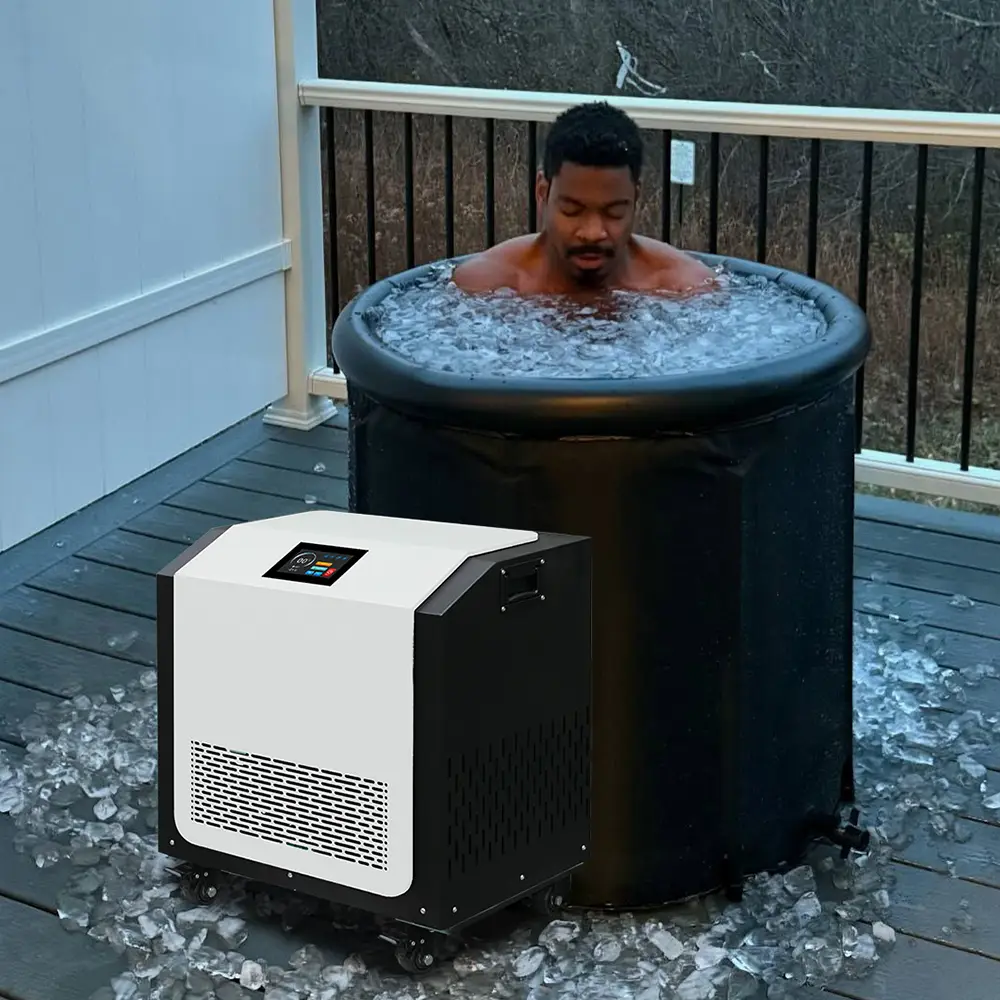 Example shown for reference only. Performance varies by tub size, environment, and usage frequency.
Why Correct HP Sizing Affects Performance & Cost
If You Undersize
Cooling can take 6–10 hours
Water may never reach 0°C
Poor consistency between sessions
If You Oversize
Higher upfront investment
Increased electricity usage
Short-cycling in small tubs
If You Size Correctly
Cooling in 2–4 hours
Stable near-freezing temperatures
Better long-term energy efficiency
Real-World Sizing Examples
Home Inflatable Tub (300L / 79 gal)
A 1.0 HP chiller cools water to ~2°C in about 3 hours and maintains temperature all day—often described as the best balance of cost and performance.
Small Gym Tub (350L / 92 gal)
A 1.5 HP system allows fast recovery between sessions, keeping water at 0–1°C during busy periods.
Cold Therapy Studio (500L / 132 gal)
A 2.0 HP system with filtration maintains 0°C under heavy daily use, ensuring consistency for clients.
Cost by HP: Upfront & Operating Estimates
| Chiller Size | Typical Price | Monthly Electricity |
|---|---|---|
| 0.5 HP | $600–900 | $10–15 |
| 1.0 HP | $1,000–1,500 | $15–25 |
| 1.5 HP | $1,600–2,000 | $25–35 |
| 2.0 HP+ | $2,200–3,000+ | $35–50 |
By comparison, regular ice use often costs $600–1,200 per year.
According to Harvard Health, the benefits of cold exposure depend on consistent temperature control—something only a properly sized chiller can provide.
Maintenance Tips to Keep HP Working Efficiently
Keep it clean: Flush water weekly and use filters to prevent bacteria.
Energy savings: Use a lid/cover on your tub to trap cold.
Right placement: Keep the chiller in a shaded, ventilated area.
Regular servicing: Check coolant and pump every 6–12 months.
Scientific Perspective: Why Consistency Matters
Cold plunge isn’t a fad. Mayo Clinic research shows consistent cold therapy can:
Reduce inflammation
Improve muscle recovery
Enhance sleep and stress resilience
Without a chiller, water warms up quickly, making it impossible to maintain 0°C daily.
FAQs: Ice Bath Chiller Sizing
Can a 0.5 HP chiller handle a 300L tub?
No. Cooling time becomes impractically long. 1.0 HP is the minimum.
What’s best for inflatable tubs?
Most inflatables (280–300L) pair best with 1.0 HP.
Do I need 2 HP at home?
Only for very large tubs or multiple daily users.
Can modern chillers reach 0°C?
Yes—properly sized modern systems can maintain 0–1°C.
Conclusion: Choosing the Right Size Ice Bath Chiller
So, what size water chiller for ice bath do you need?
For most homes: 1.0 HP (300–330L / 79–87 gal)
For larger family tubs: 1.5 HP (330–400L / 87–105 gal)
For commercial setups: 2.0 HP+ (400–550L / 105–145 gal)
Choosing the right horsepower ensures faster cooling, stable temperatures, and long-term energy efficiency.
👉 Still unsure how to evaluate whether an ice bath chiller is the right investment overall?
Read our complete guide:《Best Cold Plunge Chiller for Home Use: How to Choose the Right Model》