The demand for cold plunge therapy has grown rapidly, and many athletes, wellness centers, and home users rely on chillers to maintain water at 0–5°C. Yet even the best equipment can develop issues over time. A quick search for cold plunge chiller troubleshooting often comes from users frustrated by weak water flow, pumps not working, or temperature instability.
This guide covers the most common problems, detailed solutions, and preventive steps to ensure your cold plunge system runs smoothly. Whether you are repairing a minor pump issue or deciding if it’s time to upgrade to a new system, this article will help you navigate every step.
Cold Plunge Chiller Pump Not Working — The Most Common Problem
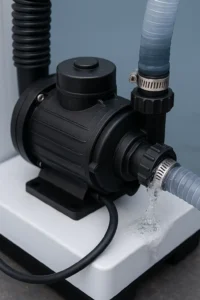
When a chiller stops functioning properly, the first complaint is usually that the pump is running but no water is moving. This can happen suddenly or gradually as flow weakens over days.
Typical causes include:
A clogged filter restricting water intake.
An airlock trapped inside the pump housing.
Loose fittings or hoses drawing in air instead of water.
The pump overheating and shutting down automatically.
If your system has already stopped drawing water entirely, review our detailed pump troubleshooting guide for targeted fixes.
Weak Water Flow and Circulation Issues
Even if the pump works, circulation problems can reduce cooling performance. Weak flow makes it harder for the chiller to reach the target temperature, and stagnant water becomes a hygiene risk.
Key warning signs of circulation issues:
Noticeably slower cooling compared to normal operation.
Water returning to the tub feels weak.
The chiller cycles more frequently without lowering the temperature.
In most cases, the root cause is filter blockage or hose obstruction. Regular inspection is the best defense.
Cold Plunge Chiller Filter Problems
The filter is small but critical. Without it, debris quickly enters the pump and heat exchanger, causing expensive damage. With it, however, maintenance becomes essential.
Signs your filter is causing trouble:
Visible dirt or discoloration on the cartridge.
Reduced water flow despite normal pump operation.
Frequent overheating of the pump.
Cleaning and replacing filters is the simplest form of cold plunge chiller maintenance. If ignored, filter issues escalate into major repair needs. For more details, see our filter maintenance guide and filter setup guide.
Step-by-Step Cold Plunge Chiller Troubleshooting Guide
Troubleshooting requires a logical approach. Work through the following steps before assuming your chiller needs professional repair.
Check the Filter
Remove and rinse the filter under running water. If it remains clogged or damaged, replace it immediately.
Inspect the Hoses and Connections
Tighten clamps, straighten hoses, and confirm all parts are submerged. Even a small leak allows air to enter the system.
Remove Airlocks
Tilt the pump or manually fill it with water to release trapped air. This simple fix often restores circulation in seconds.
Cool the Pump
If the pump overheats, turn off the system for at least 20 minutes. Restart after confirming the filter and hoses are clear.
Flush the Chiller Unit
Mineral buildup inside the heat exchanger can reduce flow. Run a descaling solution or arrange professional servicing if blockages persist.
By following these steps, most cold plunge chiller repair situations can be resolved without replacing the unit.
Preventive Cold Plunge Chiller Maintenance
Maintenance is cheaper than repair. With consistent care, pumps and filters last much longer.
Weekly Cleaning Routine
Rinse filters, inspect hoses, and ensure the water remains clear.
Scheduled Filter Replacement
Every two to three months, swap filters to maintain smooth operation.
System Flushing
Every six months, flush the chiller to prevent mineral deposits in the heat exchanger.
Proper Setup
Position the pump below the water level, avoid sharp bends in hoses, and double-check connections. These small details eliminate most recurring problems.
This preventive strategy not only reduces breakdowns but also protects water quality, ensuring your plunge is safe and refreshing.
When to Repair or Replace Your Chiller
Troubleshooting works in most cases, but sometimes replacement is the smarter choice.
Consider replacement if:
The pump burns out repeatedly despite maintenance.
The chiller housing shows cracks or corrosion.
Repairs cost more than half the price of a new unit.
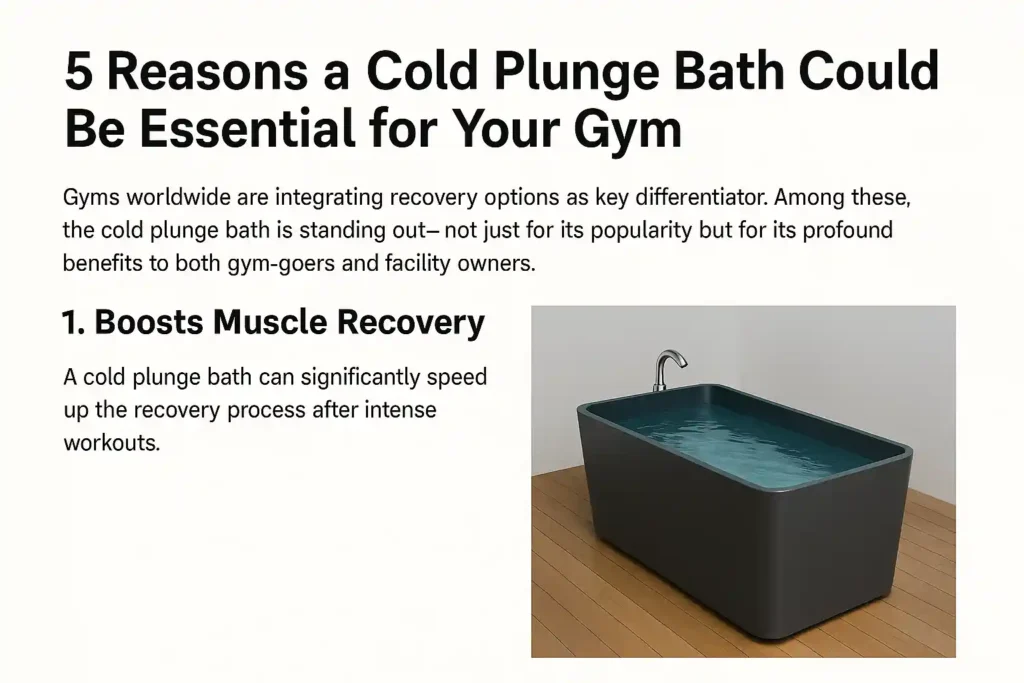
When replacement is the best option, explore our cold plunge chiller collection for durable models, or pair them with our plunge cold tubs for complete systems.
Health and Safety Considerations
Cold immersion is effective only when the water is clean and cold. Weak circulation increases the risk of bacteria growth, cloudy water, and skin irritation. Inconsistent temperatures also reduce the recovery benefits.
According to the Cleveland Clinic, proper hygiene and reliable equipment are essential for safe ice bath use. A poorly maintained chiller is not just inconvenient—it can compromise your health.
Choosing a Reliable Cold Plunge System
Not all chillers are equal. High-quality systems integrate strong pumps, efficient filters, and durable exchangers. This reduces the need for constant troubleshooting and provides consistent performance.
If you are upgrading or setting up a new recovery space, visit our homepage to learn more about our manufacturing expertise. As a global supplier, we offer both chillers and plunge tubs designed for different budgets and applications.
Conclusion
Most cold plunge chiller troubleshooting cases involve pump or filter problems that can be fixed with simple steps: cleaning, checking hoses, and removing airlocks. Regular maintenance prevents most issues, keeping your system reliable and your recovery routine uninterrupted.
If your pump has already stopped working, follow this pump not drawing water guide for detailed repair steps. And if it’s time for an upgrade, explore our cold plunge chiller range and plunge tub collection.
A well-maintained system not only extends equipment life but also ensures you get the full benefits of cold immersion—day after day.