If you’re serious about cold plunge recovery, choosing the right water chiller system matters far more than simply picking the highest horsepower model. Ice-based setups may work occasionally, but they fall short in temperature stability, hygiene, and long-term cost control.
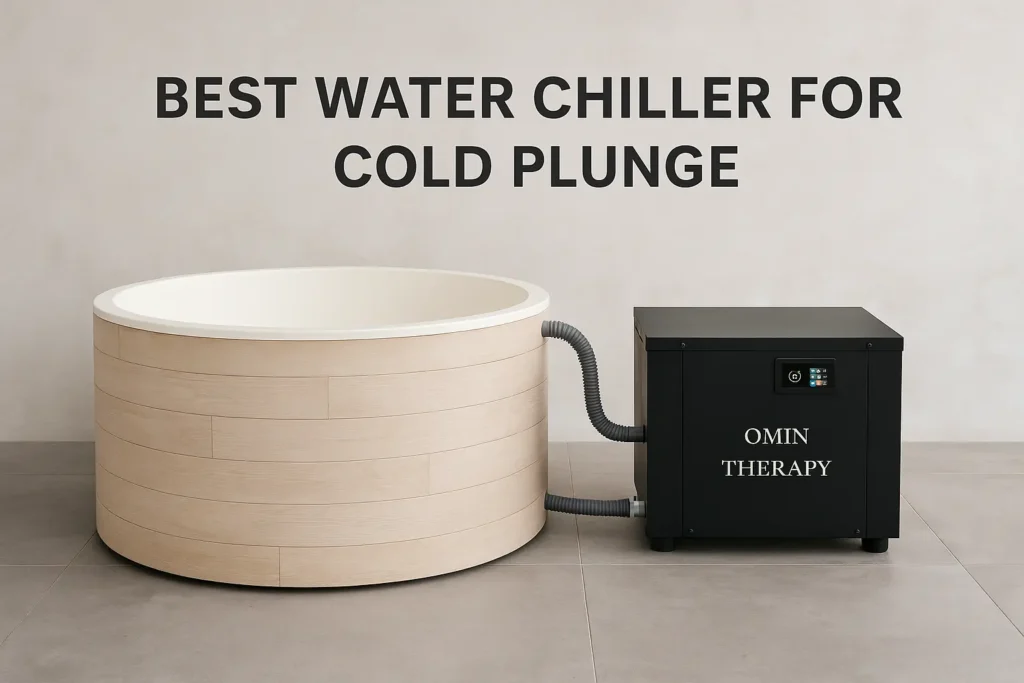
This guide focuses on how to choose the best water chiller for your specific tub, whether you’re building a home setup or planning a higher-usage recovery space.
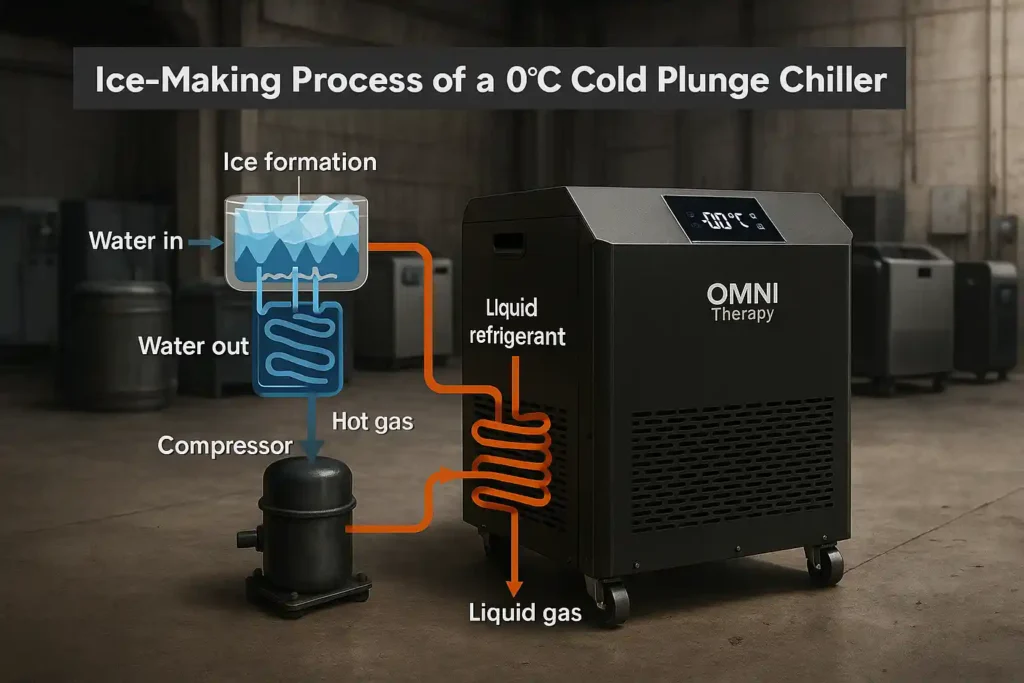
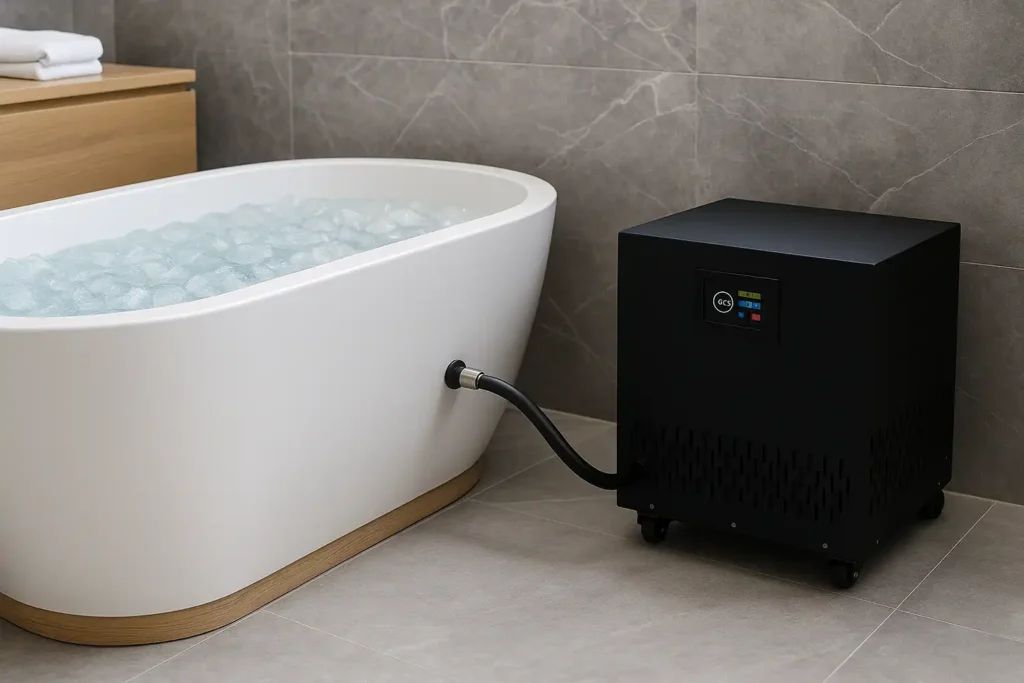
Using ice may seem simple at first, but it quickly becomes inefficient for regular plunging. A dedicated cold plunge water chiller provides:
Stable temperature control (typically 0–5°C for cold therapy)
Continuous circulation, preventing hot spots and rapid warming
Cleaner water, when paired with filtration
Lower long-term cost compared to repeated ice purchases
Medical guidance from Mayo Clinic confirms that cold therapy benefits depend on consistent exposure—something ice alone struggles to maintain.
| Chiller Class | Best For | Temperature Range | System Focus |
|---|---|---|---|
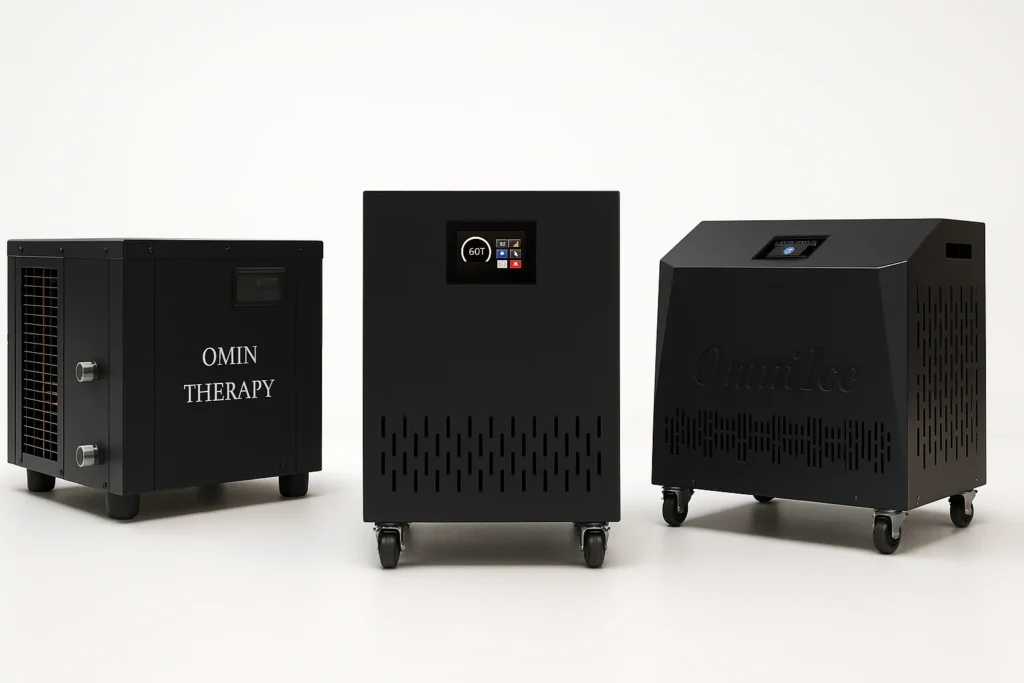
| Entry 1HP | Beginners / Home use | 3–40°C | Compact, simple circulation |
| Smart 1HP | Daily home users | 3–40°C | WiFi control, ozone filtration |
| Ice-Cap 0°C 1HP | Athletes | 0–40°C | Near-freezing performance |
| Commercial 2HP | Gyms & studios | 0–40°C | External pump & filtration |
⚠️ These categories describe system roles, not purchasing recommendations. Choosing correctly depends on tub volume, insulation, and usage frequency
🏠 Home Cold Plunge Setups
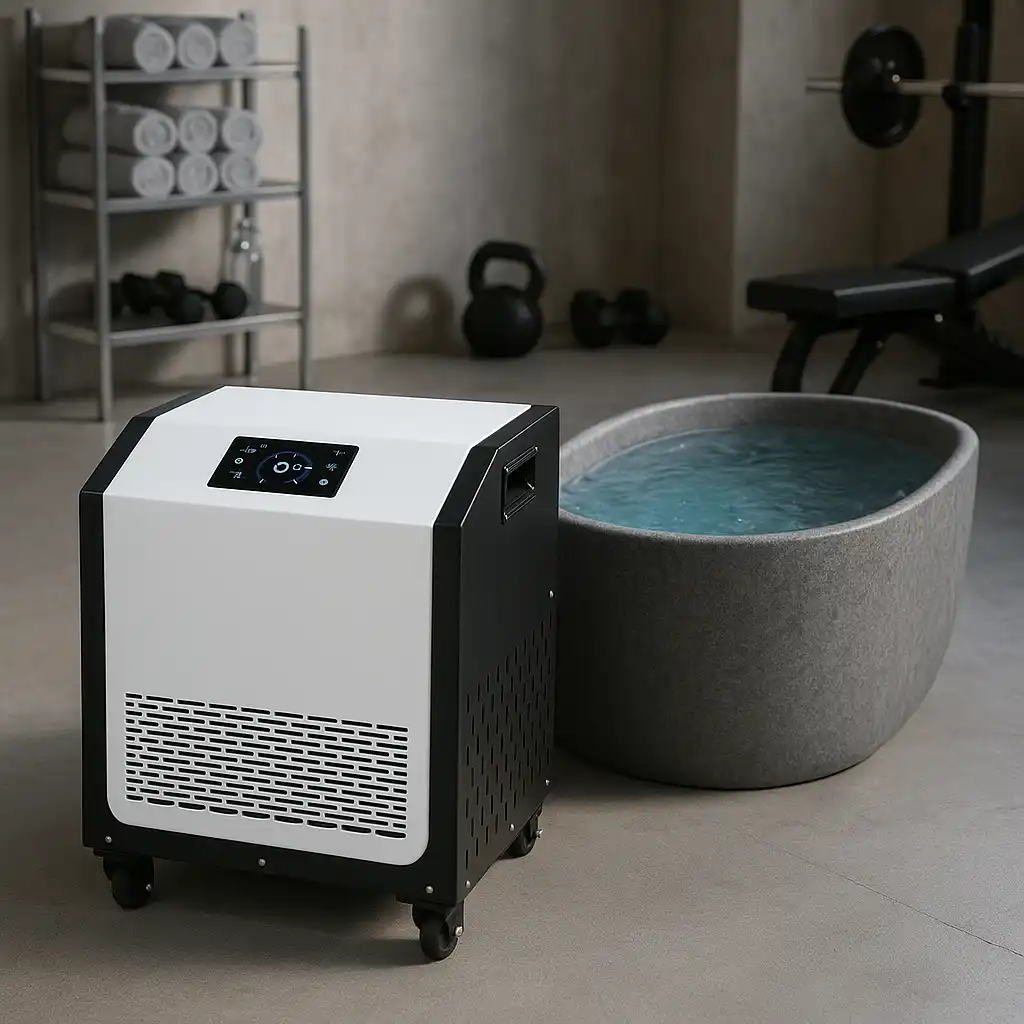
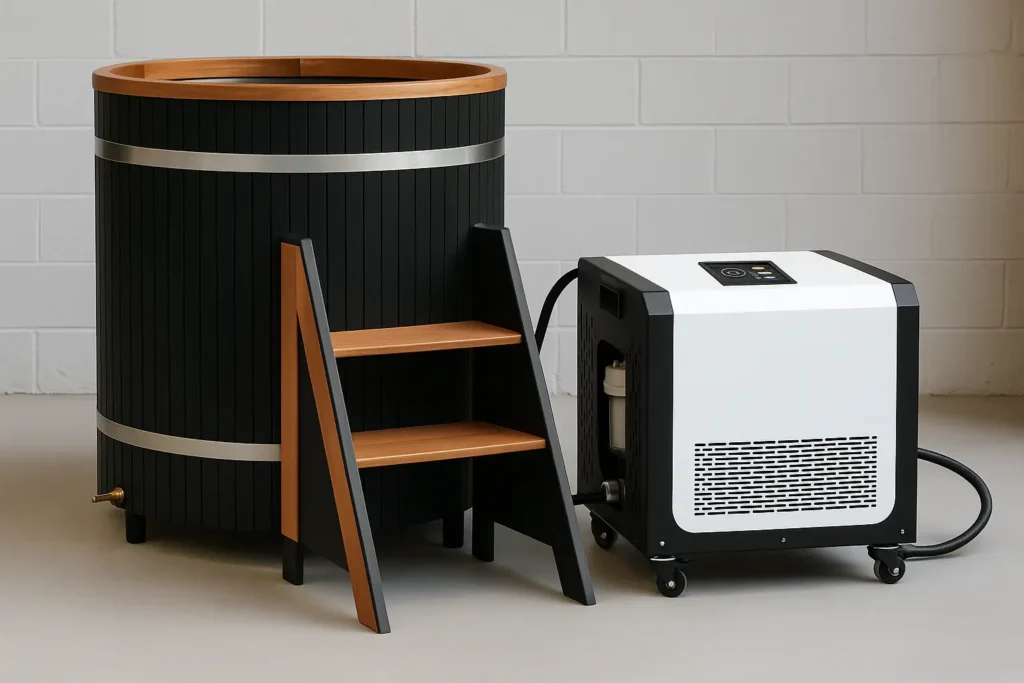
Most home tubs fall between 250–400 liters. In this range, a 1HP-class system is usually sufficient—provided the tub has reasonable insulation and a lid.
Key priorities:
Quiet operation
Energy efficiency
Easy maintenance
🏋️ Athlete & High-Frequency Use
Daily or near-daily plunges place higher demand on the system. Units capable of maintaining 0–3°C under repeated use perform best when paired with proper circulation and filtration.
🏢 Commercial & Multi-User Systems
Gyms and wellness centers require:
Faster pull-down time
External filtration to reduce maintenance downtime
Stable temperature under constant load
This is where 2HP-class systems become necessary.
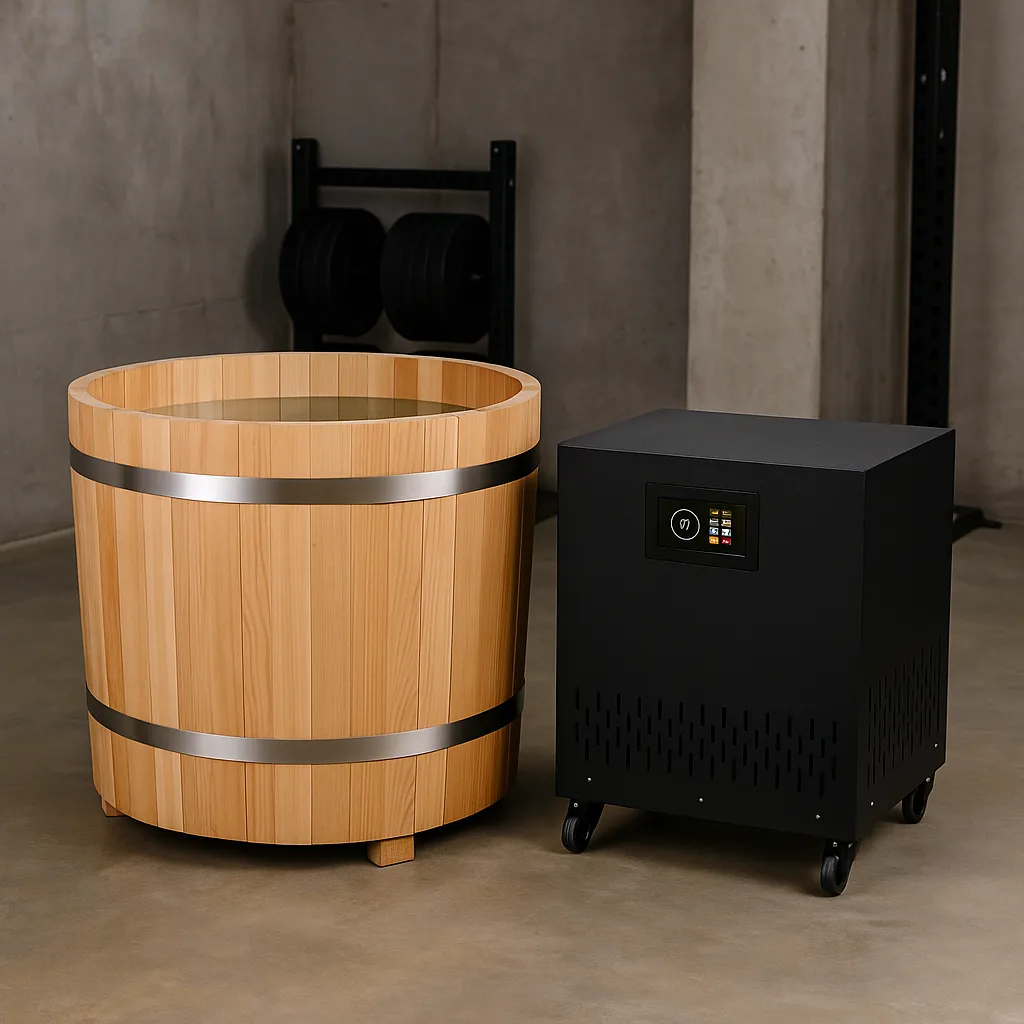
Many cold plunge issues are not caused by insufficient HP, but by system imbalance:
Inadequate filtration → flow alarms & clogging
Poor circulation → uneven cooling
Oversized chillers → short-cycling & wasted energy
A well-matched system prioritizes:
Continuous flow
Clean water
Thermal stability