+8619719949468

Hello@coldtubchiller.com

Leo

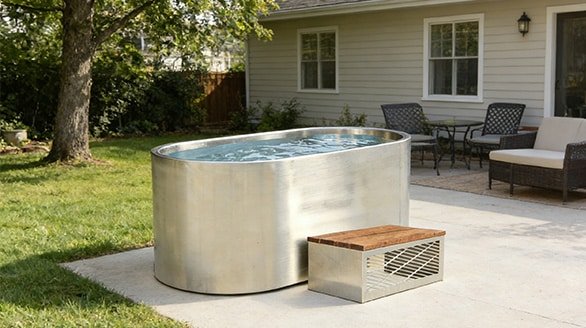
Modern cold plunge tub used for gym recovery training under article section about benefits of cold water therapy

Smart Ice Bath Chiller Systems: How Automation Is Reshaping Commercial Recovery Facilities

The Rise of Intelligent Cooling in Recovery Facilities Over the past few years, smart ice bath chiller systems have redefined the way ice bath recovery is integrated into gyms, rehabilitation centers, and luxury spas worldwide. This new generation of automated cooling brings consistency, cost efficiency, and ease of operation—solving the long-standing challenge of traditional, labor-intensive ice management. The emergence of the OMNI Ice smart ice bath chiller system is transforming that reality. These systems combine precise temperature control, ozone sanitation, and automation—making them essential infrastructure rather than optional accessories. For commercial operators, automation is no longer a luxury; it’s the only way to maintain consistent performance and hygiene across multiple users daily. According to Harvard Health Publishing, consistent cold exposure can improve circulation, recovery, and overall body resilience. Why Automation Matters for Commercial Recovery Traditional setups that rely on manual ice additions and frequent water changes consume enormous time and resources.Smart automation solves this by enabling: Automatic filtration and ozone disinfection, eliminating daily manual cleaning. Precise digital temperature control, maintaining 0 °C stability without intervention. Energy-efficient operation, reducing electricity use by up to 40 %. Data tracking, allowing managers to monitor performance and maintenance schedules. For businesses running several recovery pools or ice baths, automation cuts labor costs and water waste dramatically. According to Energy.gov, smart thermal systems can reduce utility consumption by nearly half when properly configured. Inside the Smart Ice Bath Chiller System — Core Technologies At the heart of this innovation is the smart control chiller system engineered by OMNI Ice, designed specifically for commercial environments that demand reliability and sanitation. Key components include: Wi-Fi & App Control Users can adjust temperatures, activate filtration, or check fault diagnostics remotely. Multi-user management makes it ideal for gyms and spas. Advanced Ozone Sterilization Ozone disinfection ensures pathogen-free water, minimizing chemical usage and water replacement frequency. 316 Stainless-Steel Heat Exchanger Engineered for durability, it resists corrosion in high-moisture environments and maintains efficient heat transfer for years of operation. These technologies collectively define the next generation of commercial ice bath chillers, blending precision engineering with effortless management. Industry Applications — Automation Across Recovery Sectors Automation isn’t limited to elite athletic centers anymore. It’s reshaping how various industries deliver recovery experiences. Gyms & Fitness Studios – Allow multiple sessions per day without downtime. Rehabilitation Clinics – Maintain safe, consistent temperatures for injury therapy. Luxury Hotels & SPAs – Add premium wellness features that attract clientele. Sports Teams & Training Centers – Ensure 24/7 readiness for athletes post-training. For all these environments, OMNI Ice provides both the hardware and the OEM expertise to deliver scalable, hygienic solutions.Learn more about our ice bath tub supplier for gyms and hotels capabilities. Energy Efficiency and ROI — Smart Systems That Pay for Themselves For commercial owners, performance metrics matter. A smart ice bath chiller system pays for itself through efficiency and reliability. Parameter Traditional Ice Setup Smart Ice Bath Chiller Daily Labor Time ~2 hours < 30 minutes Water Change Frequency Every 2 days Weekly Energy Use High, inconsistent 35 % lower Avg. ROI Period — 6–9 months OMNI’s flagship model, the Smart 1.5 HP Ice Bath Chiller, demonstrates this advantage clearly. It combines 0 °C ice-making capacity with automatic sanitation and app-based control, allowing businesses to cut costs while elevating user experience. From Equipment to Ecosystem — The OMNI Advantage The transition from traditional hardware to a smart recovery ecosystem defines the next phase of wellness technology.OMNI Ice integrates manufacturing precision, OEM customization, and intelligent control to serve clients globally. Key OEM advantages: Full customization for tank size, cooling power, and control modules. Certified components and factory-level QA. After-sales support for international distributors. For investors, spa developers, or gym chain operators, partnering with OMNI Ice means investing in long-term operational efficiency and premium customer experience. 👉 Interested in building your next OEM project? Contact us today to discuss your custom system. Conclusion — Automation Is the Future of Recovery The ice bath revolution has entered a new era. From smart sensors to self-cleaning systems, the future of recovery is automated, sustainable, and data-driven.Businesses that adopt these solutions early are already seeing measurable gains in energy efficiency, client satisfaction, and brand value. In 2025 and beyond, the smart ice bath chiller system isn’t just equipment — it’s the foundation of modern recovery infrastructure.

Smart Ice Bath Chiller Systems: How Automation Is Reshaping Commercial Recovery Facilities Read More »

OMNI Ice commercial ice bath chiller standing in a modern gym recovery area, showcasing its smart control panel and stainless-steel body for professional cooling efficiency.

Commercial Ice Bath System — Redefining Efficiency and ROI in the Global Cold Therapy Market

In today’s wellness and performance industry, recovery is no longer a luxury — it’s a business model. Across the world, from boutique gyms to global hotel chains, cold therapy has evolved from an improvised ritual of ice and tubs into a scalable wellness infrastructure.At the heart of this transformation lies one technology: the commercial ice bath system. A decade ago, trainers dumped bags of ice into plastic tubs. Now, operators install automated chillers, ozone sterilization loops, and WiFi monitoring dashboards. What was once manual has become smart; what was once a cost has become an investment. The Rise of Smart Recovery Infrastructure The global wellness market surpassed US$5.6 trillion in 2024 and continues to expand by over 8% annually (source: Global Wellness Institute). Within this growth, cold therapy — particularly ice bath recovery — has become one of the most rapidly scaling sub-sectors. What changed?Consumers now expect recovery solutions that are safe, repeatable, and data-driven. Businesses realized that selling recovery experiences, not just sessions, demands consistency. That consistency is only possible with engineered systems — not ice bags. According to Harvard Health, cold immersion helps reduce inflammation, supports mental clarity, and enhances circulation. But to deliver those benefits commercially, stability and hygiene are non-negotiable — and that’s exactly what a commercial ice bath system provides. From Ice Bags to Engineered Cooling: The Evolution of Efficiency Let’s talk economics.A single gym operating two manual ice tubs typically spends: US$400–600/month on ice 2–3 hours/day of labor (filling, draining, cleaning) Frequent water changes, wasting thousands of liters per month This setup is unsustainable. By contrast, a smart commercial ice bath system: Maintains 0 °C automatically Recycles and disinfects water via ozone Runs on energy-efficient compressors Operates autonomously for weeks with minimal maintenance The result?Operational costs drop by over 70%, and ROI is achieved within 6–8 months — all while providing clients a superior, consistent experience. If you want to explore how such systems work technically, visit the cold plunge chiller manufacturer page. The Technology Core — Precision, Purity, and Performance A true commercial ice bath system is an integration of three technologies: Cooling Precision — Industrial-grade compressors and 316 stainless steel plate heat exchangers sustain 0 °C even under heavy usage. Water Purity — Ozone or UV sterilization ensures long-term water hygiene without chemical additives. Smart Control — WiFi or app-based dashboards enable remote monitoring of temperature, cycle time, and system alerts. Energy.gov notes that modern cooling systems using R410A or R32 refrigerants achieve 20–30% greater efficiency than older designs — a crucial factor for commercial operations balancing energy bills with sustainability goals. You can see an example of this technology applied in the 1.5 HP ice-making chiller, which offers smart control and energy optimization built for gyms and spas. Sustainability: Saving Water, Power, and Reputation Cold therapy businesses increasingly face questions of sustainability.In regions like the Middle East or Australia, water scarcity and electricity costs make traditional ice baths impractical. The commercial ice bath system solves both: Water Recycling: Closed-loop filtration and sterilization mean one fill can last for weeks. Energy Reduction: Variable-speed compressors reduce load when idle. Longer Equipment Lifespan: Corrosion-resistant materials cut replacement frequency. These systems don’t just conserve resources — they build reputation.Eco-efficiency has become a commercial advantage. Clients today choose recovery centers that align with responsible practices, and systems built on sustainable engineering strengthen brand credibility. The Market Landscape — Why Commercial Systems Are Replacing DIY Setups Globally, operators are recognizing that “DIY” setups limit scalability.Once a gym crosses 150 members or a spa adds multiple treatment rooms, manual cooling collapses under demand.This realization triggered a new category in 2023–2025: Commercial Ice Bath Infrastructure — modular, serviceable, and upgradeable units. In Asia, manufacturers have emerged as leaders in this space, combining OEM capability with industrial engineering.ColdTubChiller.com represents this new generation — a factory that merges commercial-grade cooling expertise with export-standard design. Unlike imported retail chillers, these units are designed for continuous operation, 24 hours a day, 7 days a week — perfect for fitness centers, recovery clinics, and hotels. Regional Advantage — Asia as the Manufacturing Powerhouse Asia’s manufacturing ecosystem now defines global recovery technology.Factories in China and Southeast Asia produce over 65% of the world’s commercial chiller exports. Their advantage lies not in cheap labor, but in integrated production: sheet-metal fabrication, compressor assembly, and digital control boards all under one roof. This enables rapid innovation — from stainless steel tubs to hybrid plunge systems.At ColdTubChiller.com’s factory, every model undergoes multi-environment testing — simulating both tropical humidity and European winter conditions to ensure global reliability. For B2B buyers, this manufacturing maturity means faster lead times, consistent quality, and scalable OEM partnerships.No wonder global distributors are moving production contracts from the U.S. and Europe to Asia for cold-therapy equipment. The Business Math — Calculating ROI of a Commercial Ice Bath System A smart recovery business treats cooling as a capital investment, not an expense.Let’s break down a simple scenario: Parameter Traditional Ice Setup Commercial Ice Bath System Monthly Ice/Water Cost $600 $50 Labor 2 h/day 15 min/day Downtime Between Sessions 1–2 hours < 10 minutes Annual Maintenance $1 000 $300 ROI Period — 6 months Beyond cost, the system improves client satisfaction: no water fluctuation, no hygiene complaints, no operational delay.In an industry built on experience and trust, those variables are priceless. OEM, Customization, and Brand Growth Commercial buyers increasingly request private-label systems — branded for gyms, recovery studios, or wellness chains.Leading OEM suppliers now offer: Custom chassis colors and branding Variable horsepower options (0.8 HP – 2 HP) Integration with smart-building systems Remote diagnostic support For brands targeting international distribution, working with an OEM partner such as OMNI Ice Products ensures both quality control and design flexibility. These collaborations also allow localized compliance — from CE certification in Europe to ETL and RoHS standards — ensuring seamless global trade. Looking Forward — The Future of Cold Therapy Technology The commercial ice bath system is entering its second wave of innovation.Next-generation models are moving beyond cooling into complete

Commercial Ice Bath System — Redefining Efficiency and ROI in the Global Cold Therapy Market Read More »

Ice bath chiller ROI system featuring 316 stainless steel heat exchanger and ozone disinfection technology for efficient power and water savings in gyms and spas

Ice Bath Chiller ROI for Gyms & SPAs: How Smart Cooling Pays for Itself

From Ice Bags to Smart Cooling: A Shift in Mindset For most gyms and spas, calculating the ice bath chiller ROI has become the new standard for smart recovery systems. What started as a simple idea — fill a tub, add ice, and let clients cool down — now turns into a serious operational cost. Daily ice deliveries, manual cleaning, and water changes quickly make the old way unsustainable. That’s where understanding the ice bath chiller ROI becomes essential. A modern chiller system eliminates ice waste, reduces labor, and saves water — turning cold recovery from a recurring expense into a long-term investment. In short, an ice bath chiller isn’t a gadget; it’s an infrastructure upgrade that pays for itself while keeping your business efficient and professional. The Hidden Costs of Traditional Ice Baths What looks “cheap” at first glance often becomes expensive once you factor in all the moving parts.Here’s what the average 500L manual ice bath costs to run: Cost Item Ice-Based Cooling Chiller System Ice purchase $25–$40/day — Labor (fill, drain, clean) $10/day — Water refill 400–600 L/day <100 L/week Cooling time 45–60 min 10–15 min Temperature consistency Unstable ±0.3 °C For facilities with two or more tubs, that means over $1,000/month on consumables alone — and that’s before adding downtime and client scheduling gaps. How a Chiller Changes the Economics A properly sized 1HP–1.5HP ice bath chiller creates a closed-loop cooling system: Water continuously circulates through a stainless-steel plate heat exchanger. An ozone module sterilizes bacteria and algae. The temperature is maintained automatically via smart WiFi control. Instead of discarding the entire volume of water every day, you simply filter and reuse it for up to two weeks — clean, cold, and odor-free.In regions where water is expensive — Australia, the Middle East, California — this single change can save hundreds of liters per day. So ROI isn’t just about electricity; it’s about reclaiming wasted resources. Calculating the Ice Bath Chiller ROI Let’s take a real gym scenario: Setup: 2 tubs × 500 L Old method: Ice + manual refill New method: 1.5HP smart ice bath chiller Initial investment: $2,000 Expense Type Old Ice Method Chiller System Ice $30/day $0 Water $2/day $0.20/day Labor $10/day $0 Power $0 $4/day Total Daily Cost $42 $4.20 Monthly Savings: ≈ $1,134Payback Period: $2,000 ÷ $1,134 ≈ 1.7 months In other words — the system pays for itself in less than 60 days, then continues saving every month thereafter. Operational Stability: The Hidden ROI Multiplier Downtime is invisible on the balance sheet — until it affects your clients.When a manual bath warms up or turns murky, you lose time draining, cleaning, and refilling. That’s hours per week of non-billable time. Smart chillers maintain a stable temperature around 0 °C, automatically defrost, and notify staff of maintenance needs.That means no interruptions, no waiting, and no wasted sessions.Every minute your recovery zone stays operational adds to your bottom line. Ice Bath Chiller Efficiency: Power & Water Performance You Can Measure Every kilowatt and every liter of water counts when you manage a professional facility.That’s why the most advanced ice bath chillers are no longer just about “getting cold faster” — they’re about how efficiently that cold is created, circulated, and preserved. At OMNI Therapy’s factory, every unit is engineered with a 316 stainless-steel plate heat exchanger, which offers superior thermal conductivity and corrosion resistance compared to standard copper coils. This ensures not only faster temperature drops but also a longer operational lifespan — critical for gyms running back-to-back recovery sessions. The digital inverter compressor adjusts its power output automatically according to load demand, cutting unnecessary consumption by up to 30%. According to Energy.gov’s Commercial Equipment Standards, variable-speed control systems like these can significantly reduce peak energy draw and improve overall system efficiency. But electricity is only half of the equation.In traditional ice baths, water is drained daily to avoid contamination. Modern chillers, however, integrate ozone disinfection and multi-stage filtration, allowing the same 400–600L of water to stay clean and safe for up to two weeks.That’s hundreds of liters saved — especially relevant in markets where water is expensive or restricted, such as the Middle East and Australia. By combining smart power modulation and water reuse, a commercial chiller system achieves true efficiency in both cost and sustainability — not only cutting bills but also reducing the environmental footprint of every recovery session. Long-Term Value: Beyond the Payback Period Once the payback period ends, the savings keep compounding: Lower monthly utility bills Fewer replacements of filters and fittings Minimal technician intervention Longer equipment life due to stable workloads Meanwhile, your customers feel the difference — consistent temperature, better hygiene, and faster turnover.That reliability becomes part of your brand promise. To calculate your ice bath chiller ROI, you must consider both electricity and water reuse savings.Facilities using OEM systems report a faster ROI from ice bath chillers than any other cooling setup. Why ROI Goes Hand in Hand with Brand Image In wellness businesses, perception matters. When clients see a professional-grade system with digital control and industrial build, it signals quality and care.That image directly feeds customer retention and referrals — the “soft ROI” often bigger than the financial one. As a manufacturer and OEM partner, OMNI Therapy supports global buyers with customizable voltage, branding, and capacity options, ensuring every chiller fits the operational profile of the end facility. Conclusion: Efficiency That Pays for Itself Switching from ice bags to a smart ice bath chiller is not a luxury — it’s a business decision.It reduces energy and water waste, cuts labor and downtime, and pays back its cost in weeks, not years. For facilities focused on consistent recovery service, predictable operations, and long-term savings, a chiller is simply the smarter investment. 🔗 Learn more at Ice Bath Chiller Manufactureror explore the full range of Cold Plunge Chiller Systems.

Ice Bath Chiller ROI for Gyms & SPAs: How Smart Cooling Pays for Itself Read More »

0°C cold plunge chiller internal structure showing compressor and stainless plate heat exchanger for ice bath cooling

Why 0°C Cold Plunge Chillers Outperform Regular Cooling Systems

Introduction: The Science Behind True Ice-Cold Recovery For athletes, wellness enthusiasts, and spa owners, the effectiveness of cold plunge therapy depends on one thing — consistent and precise cooling.While most regular water chillers or ice baths can only reach around 4–6°C, a 0°C cold plunge chiller is designed to deliver real ice-level recovery.This difference isn’t just about temperature — it’s about performance, hygiene, and control. At OMNI Therapy, we’ve developed a new generation of cold plunge chillers that push the boundaries of cooling technology, combining 0°C performance, WiFi smart control, and ozone disinfection — making them far superior to traditional systems. ❄️ 1. What Makes a 0°C Cold Plunge Chiller Different? Most regular chillers rely on basic refrigeration cycles that cannot maintain sub-4°C temperatures for long periods.A 0°C ice-making cold plunge chiller, on the other hand, uses an industrial-grade compressor, 316 stainless steel plate heat exchanger, and smart PID control to precisely regulate water flow and temperature. Here’s what sets them apart: True Ice Formation Capability – The system can generate fine ice crystals, sustaining 0°C water for extended sessions. High-Capacity Cooling – Uses R410A or R32 refrigerant with powerful 1HP or 1.5HP compression. Corrosion-Resistant Design – All water-contact parts are made from 316 stainless steel or titanium, ideal for long-term spa or gym environments. Smart Digital Interface – Real-time WiFi control allows users to monitor and adjust temperature remotely. 🧩 Internal link suggestion:Learn more about our full range of systems here → Cold Plunge Chiller Manufacturer | OEM Ice Cooling Systems ⚙️ 2. Performance Advantages Over Regular Cooling Systems Let’s break down why a 0°C cold plunge chiller isn’t just “colder,” but fundamentally more efficient and reliable. ✅ A. Faster Cooling Speed A standard water chiller typically takes 2–3 hours to cool 500L of water from 25°C to 5°C.By contrast, a 1.5HP 0°C cold plunge chiller can achieve the same drop in under 60 minutes — and even form ice at the base of the tub. ⚡ Efficiency Gain: up to 3x faster cooling speed thanks to advanced heat exchange technology. ✅ B. Consistent Temperature Control Traditional ice baths rely on melting ice bags, which fluctuate between 0°C and 10°C.This inconsistency affects the shock-response of the body and reduces recovery benefits.Smart chillers, on the other hand, maintain exact temperature points with ±0.1°C precision. That means your users always get scientifically optimized recovery — not luck-based temperature swings. ✅ C. Energy and Cost Efficiency Many assume that 0°C cooling requires more energy. In fact, the opposite is true.The PID inverter control and optimized compressor cycles used in OMNI’s systems reduce power waste by 20–30%. For home users, this translates to lower monthly bills; for commercial gyms, it means stable operation even during peak hours. 💡 Learn more: How Much Electricity Does a Cold Plunge Chiller Use at Home? ✅ D. Hygiene and Water Safety Ice baths without filtration or ozone disinfection quickly accumulate bacteria, skin debris, and odors.A cold plunge chiller with filter and ozone keeps the water clean and re-usable for weeks, saving both time and water costs. This is especially important in regions where water resources are expensive or limited — such as the Middle East and Australia. 🌿 Internal link: Cold Plunge Chiller and Filter – 1HP Ice Making to 0°C with WiFi and Ozone 🧠 3. Why 0°C Cooling Matters for Recovery Cold exposure therapy triggers vasoconstriction, reduces inflammation, and speeds up muscle recovery.But to maximize these benefits, temperature precision matters. Clinical research (Harvard Health, Mayo Clinic) shows that 0–2°C exposure yields 25–40% higher norepinephrine release — the hormone responsible for recovery and stress adaptation. In short: 10°C water refreshes. 4°C water recovers. 0°C water heals and transforms. So if you’re using ice bags or portable cooling units, you’re not truly reaching “cold therapy” levels. 📚 External reference: Harvard Health – The Science of Cold Exposure 🏭 4. Designed for OEM and Commercial Applications For spa owners, gyms, and recovery centers, reliability and scalability are key.Our OEM 0°C cold plunge chillers are built for continuous operation — 24 hours a day, 7 days a week. Key features for B2B buyers: Custom Horsepower Options (0.8HP / 1HP / 1.5HP / 2HP) Branded Control Panel with OEM Logo Optional Dual Filtration + Ozone + UV Global Voltage Compatibility (110V / 220V) Factory QC Certification and Warranty 🔗 Explore customization options: OEM Cold Plunge Chiller Manufacturer – Asia Top Factory for Global Buyers 🧩 5. How 0°C Chillers Pair with Ice Bath Tubs A chiller alone isn’t enough — pairing it with a well-insulated ice bath tub ensures long-term thermal stability. Metal tubs (like WT-09) retain cold longer and resist corrosion. Barrel-style tubs combine aesthetic design with easy integration. Together, a 1.5HP chiller + barrel tub combo forms a professional-grade cold therapy setup used in top spas and performance centers. 🛁 Recommended pairing: 2-Person Barrel Cold Plunge Tub ⚙️ 6. Smart Control and Connectivity Today’s users want simplicity.Our 0°C chillers come with WiFi connectivity, allowing full control from your smartphone.Adjust temperature, set schedules, monitor filter status, and receive maintenance alerts remotely. This feature also helps extend product lifespan — since the smart controller ensures the compressor never runs inefficiently or overheats. 🌿 7. Maintenance and Longevity Even the most advanced chillers need simple, regular maintenance to keep them running like new.Basic monthly tasks include: Cleaning or replacing filters Flushing the heat exchanger Checking the ozone module Verifying WiFi connectivity 🧰 See our full guide: Cold Plunge Chiller Troubleshooting & Maintenance When maintained properly, OMNI’s chillers last 5–8 years even under heavy daily use. 🌍 8. Why Choose OMNI Therapy’s 0°C Cold Plunge Systems Whether you’re a professional athlete, wellness center, or OEM buyer, OMNI’s chillers deliver unmatched value: Feature Regular Chiller OMNI 0°C Ice-Making Chiller Cooling Range 5–10°C 0°C Ice Formation Disinfection None Ozone + Replaceable Filter Control Manual Knob Smart WiFi Touch Panel Lifespan 2–3 Years 6–8 Years Application Basic Cooling Home, Spa, Gym, OEM In short: If it doesn’t reach 0°C, it’s not a true cold

Why 0°C Cold Plunge Chillers Outperform Regular Cooling Systems Read More »

Cold plunge chiller next to a modern grey ice bath tub inside a gym recovery room, highlighting athletic recovery use

How to Choose the Right Cold Plunge Chiller Size for Your Ice Bath Setup

If you’re planning your first cold plunge chiller setup—whether at home, in a gym, or as part of a spa facility—getting the chiller size right is critical.This guide focuses on how horsepower (HP), tub volume, and environment interact, so you can size your system correctly without wasting energy or shortening equipment lifespan. Choosing the right size isn’t about buying the biggest unit available. It’s about balance: enough cooling power to reach and maintain 0–5°C, without overworking the compressor. Why Proper Sizing Matters for Cold Plunge Performance Incorrect sizing is the most common reason cold plunge systems underperform. An undersized chiller may run constantly yet never reach target temperature An oversized chiller may short-cycle, increasing energy cost and wear For example: A 0.8HP unit can handle a 300L indoor tub in mild climates The same unit may struggle outdoors in summer heat A 2HP commercial unit on a small indoor tub wastes power with no benefit Correct sizing ensures: Faster pull-down time Stable temperature during repeated plunges Longer compressor life and lower operating cost Understanding Chiller Horsepower (HP) and Cooling Efficiency Horsepower (HP) defines how much cooling energy your chiller can deliver per hour. But HP alone doesn’t tell the full story — you also have to consider ambient temperature, insulation, and tub material. Chiller Power Ideal Tub Capacity Cooling Speed Recommended Use 0.8 HP 200–300 L Moderate Compact home setups 1.0 HP 300–400 L Fast Home or small gym 1.5 HP 400–500 L Very fast Gym or spa 2.0 HP+ 600 L+ Ultra fast Commercial or multiple tubs If you live in a warmer climate or have an outdoor installation, move one size up from the chart.A 1HP unit can cool a 200L tub from 25°C to 5°C in roughly 2.5–3 hours, but a 1.5HP chiller may do it in under 2 hours. 👉 For consistent 0°C ice-bath performance, explore our stainless steel chillers designed for professional use — each engineered for continuous 24/7 operation and zero-frost reliability. Matching Chiller Power to Your Ice Bath Tub Size Tub volume is the single most important variable in sizing. Tub Volume Recommended HP Target Cooling Range Typical Scenario ≤ 300 L 0.8 HP 5–10°C Personal recovery 300–400 L 1.0 HP 3–7°C Home gym 400–600 L 1.5 HP 0–5°C Spa / shared use 600 L+ 2.0 HP+ 0°C Heavy-duty use Material matters: Stainless steel tubs lose heat faster Acrylic or wood with insulation reduces cooling demand A well-insulated tub can lower required HP by up to 30%. Smart Control Systems and Energy Savings Modern chillers go far beyond simple cooling. Today’s smart cold plunge chillers include Wi-Fi app control, digital thermostats, and variable-speed compressors that adapt to your environment automatically. This technology reduces temperature fluctuations to ±0.2°C and can save up to 30% in energy usage compared to constant-speed models.For home setups, smart chillers also allow scheduling — pre-cooling your tub before workouts or early mornings for consistent recovery sessions. 💡 Tip: Choose a chiller with O3 + UV water purification to reduce maintenance and keep your system running longer. Installation Environment and Ambient Load Factors Even a well-sized cold plunge chiller can underperform if the installation environment is ignored. In real-world setups, environmental heat load often matters just as much as horsepower. The following five factors directly influence how much cooling capacity your system actually needs: Ambient temperatureHot surrounding air continuously transfers heat back into the water, especially in outdoor or garage installations. Insulation qualityPoor insulation leads to constant heat gain, forcing the chiller to run longer and cycle more frequently. Water circulation rateFrequent refilling or high-flow circulation introduces warmer water into the system, increasing cooling demand. Usage frequencyBack-to-back plunges raise water temperature faster than most people expect. Ventilation around the chillerInadequate airflow traps heat around the condenser, reducing cooling efficiency and shortening compressor life. 👉 Practical rule:For outdoor or semi-enclosed setups, oversizing by at least 0.5HP is often necessary.If calculations suggest 1HP, choosing a 1.5HP unit usually delivers more stable long-term performance. Related Resource Learn more about long-term reliability in our cold plunge chiller manufacturer’s technical overview Why 316 Stainless Steel Makes a Difference When evaluating a water chiller for ice baths, material selection is often overlooked — yet it plays a major role in durability, hygiene, and long-term stability. Many low-cost chillers use aluminum or copper heat exchangers. Under ozone treatment or continuous cold-water exposure, these materials corrode quickly and may introduce metallic odors or performance loss. In contrast, 316 stainless steel offers: Superior corrosion resistance Hygienic, non-reactive water contact Stable performance under continuous operation This is why professional cold plunge systems rely on 316 stainless steel plate heat exchangers paired with industrial-grade compressors. For spas, gyms, and serious home users, these materials ensure consistent cooling without premature component failure. Common Sizing Mistakes (and How to Avoid Them) Incorrect chiller sizing is one of the most common reasons cold plunge systems fail to meet expectations. These issues are rarely caused by the equipment itself — but by mismatched system design. Avoid these frequent mistakes: Underestimating total water volume after user displacement Ignoring ambient temperature during sizing calculations Choosing based on price rather than cooling capacity Installing the chiller in poorly ventilated spaces Mismatching pump flow rate with the chiller’s inlet requirements A properly matched cold plunge chiller operates more efficiently, maintains stable temperatures, and requires less maintenance — delivering a better plunge experience over time. Real-World Example: 500L Ice Bath Setup Let’s look at a realistic mid-size installation to see how sizing works in practice. Setup conditions: Tub volume: 500L acrylic tub (indoor) Room temperature: 26°C Target water temperature: 4°C Usage: 2–3 sessions per day Recommended configuration: Chiller size: 1HP Cooling time: ~2.5–3 hours Estimated power draw: 800–1,000W If the same system were installed outdoors in 33°C summer conditions, upgrading to 1.5HP would be recommended to maintain consistent recovery cycles and reduce compressor stress. This small increase in capacity significantly improves long-term reliability and temperature stability. Expert Recommendation: Start with Data, Not Guesswork Choosing the right cold plunge chiller

How to Choose the Right Cold Plunge Chiller Size for Your Ice Bath Setup Read More »

Smart cold plunge chiller paired with black cedar cold plunge barrel, featuring stainless steel accents and integrated filter system for 0°C ice bath therapy

Smart Cold Plunge with Chiller: The Future of Intelligent Ice Bath Systems

A smart cold plunge with chiller blends cutting-edge control and classic recovery benefits—no more ice bags or manual dials. With WiFi connectivity, ozone filtration, and auto temperature maintenance, these intelligent systems redefine modern cold therapy. Whether you run a home gym, spa, or recovery studio, switching to a smart ice bath system ensures consistent 0°C immersion and effortless operation. You can explore more models on our cold plunge with chiller page.According to Harvard Health Publishing, ice baths can enhance recovery and reduce inflammation when used consistently. What Makes a Smart Cold Plunge Chiller Different? A WiFi-controlled cold plunge chiller uses IoT intelligence to maintain precise temperatures and clean water automatically. Key functions include: WiFi / App Control – Adjust temperature remotely Auto Temperature Regulation – Maintain your ideal 0–5°C range Energy Smart Mode – Optimize cooling cycles 4-in-1 Filtration System – Includes pump, ozone, and filter Real-Time Diagnostics – App alerts for maintenance These upgrades transform a basic cold plunge chiller into a smart recovery ecosystem. Learn more in our Cold Plunge Chiller & Filter Setup Guide. Why WiFi-Controlled Chillers Improve Cold Therapy Smart control means consistency and convenience: Consistency & Control:Smart chillers maintain precise temperature, giving you repeatable recovery results—a key factor in reducing inflammation and improving muscle repair. Hands-Free Operation:Forget manual knobs. Schedule sessions via mobile app—perfect for busy gyms and biohackers. Energy Efficiency:Smart control reduces compressor runtime by 20–30%, saving power while keeping water cold. Data Tracking:Record temperature history and session duration to optimize your wellness routine. As the Cleveland Clinic notes, consistent cold exposure enhances circulation and speeds recovery. How to Build a Smart Cold Plunge System at Home or Gym Component Description Recommended Model Tub 300–400 L stainless steel or hybrid WT-05 Hybrid Barrel Chiller 1HP Smart WiFi + Ozone CHM-10-RV Smart Series Control App Tuya or OEM-branded app iOS/Android Filter System Built-in 4-in-1 unit Easy cartridge swap Voltage 110V (US) / 220V (EU) Regional supply options Looking for a more affordable option? See our Essential Ice Bath Chillers for home use. Smart Ice Bath System vs Traditional Cold Plunge Feature Smart Cold Plunge System Traditional Ice Bath Control WiFi App + Auto Temp Manual ice & thermometer Cooling Continuous 0°C Temperature fluctuates Filtration Built-in ozone + filter Manual cleaning Maintenance Smart alerts Manual monitoring Energy Use Smart cycle Always-on drain Smart chillers cut maintenance time by 50% and save 25% energy monthly. Check out the full specs in our Smart-Controlled Chiller Systems. Applications: From Home Biohacking to Commercial Gyms 🏠 Home Recovery: For individuals using ice baths daily 🧘 Wellness Studios: For spa operators managing multiple users 🏋️ Gyms: Pre- and post-workout recovery 🏭 OEM Partners: Private labeling smart chillers under your brand Partner with us as your cold plunge chiller manufacturer. Smart Maintenance: Let Technology Do the Work Your smart cold plunge chiller reminds you to: Replace filters Run ozone cycles Clean water Update firmware Learn more in our Cold Plunge Chiller Maintenance Guide.Pro Tip: Combine ozone + filter + lid to extend maintenance intervals. OEM Customization & Smart Integration OMNI Therapy provides: OEM Branding (Logo, Packaging, App Skin) Custom Power Range (0.5HP–1.5HP) App Integration (Tuya, Smart Life, OEM SDK) Rapid Fulfillment (MOQ 1 unit, lead time 7–15 days) Explore the full Cold Plunge with Chiller lineup. Conclusion: The Smartest Way to Cold Therapy A smart cold plunge with chiller is not just an upgrade—it’s the future of recovery. WiFi control, ozone filtration, and intelligent power management bring precision and convenience to every session. Also visit: Cold Plunge Chiller Manufacturer Cold Plunge Tub Factory Cold Plunge with Chiller

Smart Cold Plunge with Chiller: The Future of Intelligent Ice Bath Systems Read More »

Man sitting in an ice bath tub connected to a cold plunge chiller, demonstrating real-world use for cold therapy recovery

Water Chiller for Ice Bath: The Smarter Way to Cold Therapy

Why Cold Plunge Chillers Are Replacing Traditional Ice Baths For decades, people have relied on ice bags or frozen bottles to cool their tubs. But these methods are inconsistent, expensive in the long run, and inconvenient for regular users. A water chiller for ice bath ensures stable 0 °C cooling, precise temperature control, and reduced maintenance hassle—making it a smarter solution than traditional ice methods. Medical studies from Harvard Health confirm that cold immersion reduces inflammation and supports recovery. That means a chiller isn’t just about comfort—it’s about results. How Cold Plunge Chillers Actually Work Instead of dumping ice, a chiller circulates water through a refrigeration system, filtering and cooling it continuously. Modern chillers often include: Built-in filtration for hygiene; Ozone or UV sterilization for long-term safety; WiFi control for easy scheduling; Commercial-grade compressors to handle large tubs. For more technical details, check our article on Best Water Chiller for Cold Plunge: How to Choose the Right One Scientifically Choosing the Right Size for Your Ice Bath Tub Selecting the correct chiller size depends on the water volume of your tub. Small tubs (≤250 L): 0.5–0.8 HP is sufficient. Medium tubs (250–400 L): 1.0 HP for effective cooling. Large tubs (≥400 L): 1.5 HP or higher for fast pull-down. See our related guide on What Size Water Chiller for Ice Bath Do You Need? for detailed matching. Pairing with the right tub is just as important. Browse our water chiller for ice bath collection to find models that balance volume, insulation, and design. Real Costs – Ice vs. Cold Plunge with Chiller Many first-time buyers wonder whether a chiller is worth the investment. Let’s compare: Factor Ice Bags & Buckets Cold Plunge with Chiller Daily Cost High (ice purchase) Low (electricity only) Temperature Control Poor Precise 0–4 °C Time & Effort Manual, messy Automatic & clean Long-Term Value Low High In fact, over a year of use, a chiller saves more than the initial cost, while giving you professional-grade recovery. Key Features to Look for in a Cold Plunge Chiller Not all chillers are equal. When comparing options, focus on: Durability: 316 stainless steel heat exchangers last longer. Performance: Can it reach 0 °C or even create ice? Filtration: A must-have for home gyms or commercial facilities. Smart Controls: WiFi + app control for remote operation. Mobility: Wheels and handles for easy relocation. Not all chillers deliver the same performance.To understand which features actually matter—and which are just marketing—read our full analysis in《 Why Consider a Water Chiller for Ice Bath in 2025?》 Applications – From Home to Professional Wellness Centers A Cold Plunge with Chiller is versatile: Home users: Save money and enjoy consistent recovery after workouts. Gyms: Offer members reliable recovery sessions without messy ice refills. Clinics & Spas: Maintain hygiene and control, supporting athlete rehab. Research from Mayo Clinic highlights cold therapy’s benefits in sports recovery and inflammation management—making chillers a practical investment for both personal and professional use. Maintenance, Longevity, and ROI Chillers are not only efficient but also designed for long-term use. Basic maintenance includes: Cleaning the filter monthly; Checking water quality; Running ozone sterilization when needed. With minimal care, most units last 5–8 years, delivering unmatched ROI compared to disposable ice. Conclusion – Why More People Are Moving Beyond Ice Traditional ice baths may work occasionally, but they fall short for anyone seeking consistent cold therapy results. Cold plunge chillers offer stable temperatures, better hygiene, and long-term cost savings. If you’re deciding whether upgrading from ice to a chiller makes sense for your routine, this guide explains the full picture: 《Why Consider a Water Chiller for Ice Bath in 2025?》

Water Chiller for Ice Bath: The Smarter Way to Cold Therapy Read More »

Cold Plunge Chiller Troubleshooting: The Ultimate Repair & Maintenance Guide (2026 Edition)

The demand for cold plunge therapy has grown rapidly, and many athletes, wellness centers, and home users rely on chillers to maintain water at 0–5°C. Yet even the best equipment can develop issues over time. A quick search for cold plunge chiller troubleshooting often comes from users frustrated by weak water flow, pumps not working, or temperature instability. This guide is not just a generic manual; it is a living encyclopedia built from OMNI Ice’s internal database of 1,600+ technical support hours and 500+ real-world support tickets filed by customers. Whether you are repairing a minor pump issue or deciding if it’s time to upgrade to a new system, this article will navigate every technical detail, from basic filter rinses to advanced sensor recalibration. The “Emergency Room” Diagnostic: Universal Error Code Table Before diving into mechanical repairs, your chiller’s controller usually provides a digital “distress signal.” Based on our service logs (from team members like Lina and Iris), these are the most common codes you will encounter: Error Code Official Meaning Real-World “Field” Diagnosis Immediate Fix Strategy E1 / E11 / FL Water Flow Alarm 85% are airlocks or dirty filters, NOT a dead pump. Clean filter & execute “OMNI Prime” (See Step 4). E2 / HH High-Temp Alarm The condenser is suffocating from dust or poor airflow. Clean fins; ensure 50cm clearance around the unit. E5 / AL Sensor Fault Temperature probe is loose, shorted, or disconnected. Inspect the 2-pin clips inside; swap with backup probe. B13 / E8 High Value / Low Temp Water is near freezing (below 2°C) or sensor is “open.” Reset target to 4°C+; check NTC sensor resistance. Expert Insight: > One of our clients (Mark) encountered a persistent E11 error. Even after force-feeding water into the intake, the error remained. Our engineering team (Jagger) diagnosed that the water temperature dropped too rapidly, meaning there wasn’t enough water inside the plate heat exchanger. The Real Fix: We removed the filter net and found that the secondary filter was not properly sealed. If the filter O-ring is damaged, air enters the system, stalling the flow even if the pump is spinning. Always check your O-ring integrity before replacing the pump. Cold Plunge Chiller Pump Not Working — The Most Common Problem When a chiller stops functioning properly, the first complaint is usually that the pump is running but no water is moving. This can happen suddenly after a water change or gradually as flow weakens over days. At OMNI Ice, we track these failures to ensure our cold plunge chiller repair strategies are always up to date. Typical Causes Found in Our Support Logs: Clogged Filter: A thin layer of biofilm or hair can reduce intake pressure by 40%, triggering a flow alarm. Airlock: Trapped air bubbles in the impeller chamber prevent the pump from “grabbing” water. Voltage Mismatch: We’ve seen cases where a 220V pump is incorrectly plugged into a 110V supply, causing the pump to hum but not spin. Thermal Overload: High-pressure pumps can shut down automatically if they run dry for more than 2 minutes. Expert Fix: If your system has already stopped drawing water entirely, review our detailed pump troubleshooting guid for targeted 5-minute fixes that can extend your pump’s lifespan by 2-3 years. Weak Water Flow and Circulation Issues Even if the pump works, circulation problems can reduce cooling performance. Weak flow makes it harder for the chiller to reach the target temperature, and stagnant water becomes a hygiene risk. Key Warning Signs of Circulation Issues: Noticeably slower cooling compared to normal operation (e.g., taking 4 hours instead of 2). Water returning to the tub feels “warm” or weak at the jet. The chiller cycles more frequently (turning on/off every 5 mins) without lowering the water temperature. Data-Driven Insight: In most cases, the root cause is filter blockage or hose obstruction. We recently assisted a customer who had a “kinked” hose behind the unit that reduced cooling efficiency by 60% without triggering a fatal error. Cold Plunge Chiller Filter Problems The filter is small but critical. Without it, debris quickly enters the pump and heat exchanger, causing expensive damage. With it, however, maintenance becomes essential. Signs your filter is causing trouble: Visible dirt or discoloration (yellowing) on the stainless steel or paper cartridge. Reduced water flow despite normal pump operation. Frequent “Buzzing” sounds from the pump as it struggles against resistance. Maintenance Tip: Cleaning and replacing filters is the simplest form of cold plunge chiller maintenance. Regular cleaning can increase cooling efficiency by 20%. For more details, see our filter maintenance guide and filter setup guide. Advanced Electrical Troubleshooting: Ozone & Screen Glitches Our engineering team has identified “hidden” issues that often go undetected by standard DIY guides: The Ozone Short-Circuit Loop If your unit keeps rebooting or the screen flickers, it might be the Ozone Generator. If the check-valve fails and water enters the ozone module, it causes a 24V short circuit. The Fix: Safely disconnect the ozone 2-pin wire. If the machine stabilizes, you simply need a new $15 ozone module. Hidden Failure Mode: > A critical issue identified in our 2025 support logs involves the Ozone Generator. If the ozone check valve fails, water backflows into the generator, causing a 24V short circuit. Symptom: The mainboard reboots repeatedly or the screen remains black. The Solution: Unplug the ozone 2-pin connector from the mainboard. If the machine starts normally, replace the ozone module and the check valve immediately to prevent water damage to the electronics. Sensor Drift & Phantom Values If the screen says the water is 10°C but it feels like 2°C, your NTC sensor is drifting. The Fix: Recalibrate parameters in the “hidden menu” (Contact OMNI for the specific model code) or replace the probe. Step-by-Step Cold Plunge Chiller Troubleshooting Guide Troubleshooting requires a logical approach. Work through the following steps before assuming your chiller needs professional repair. Check the Filter: Remove and rinse the filter under running water. If it remains clogged, replace it immediately. Inspect the Hoses

Cold Plunge Chiller Troubleshooting: The Ultimate Repair & Maintenance Guide (2026 Edition) Read More »

llustrated cold plunge tub with wrench and checklist icons representing cold plunge chiller maintenance

How to Maintain a Cold Plunge Chiller at Home (Simple Guide)

Why Cold Plunge Chiller Maintenance Matters Cold plunges are no longer just for professional athletes. Today, you’ll find them in home gyms, backyards, and even wellness studios. With more people choosing cold plunge chillers over bags of ice, the topic of cold plunge chiller maintenance has become essential. Homeowners often ask: how hard is it to keep a chiller running smoothly, and what steps ensure clean water and long-lasting performance? Maintenance by Frequency: Daily, Weekly, Monthly, Quarterly, and Yearly Breaking maintenance down by schedule makes it manageable. Here’s what a proper routine looks like: Daily Tasks Check water clarity – Clear water means the filter is working; cloudy water means attention is needed. Verify temperature – Ensure the chiller maintains your set point (0–3°C for most users). Listen for noise – A steady hum is fine. Rattling, grinding, or irregular sounds may signal a loose fitting or pump issue. Weekly Tasks Surface wipe – Clean tub edges and chiller connections with a mild cloth. Skim debris – Use a pool net to remove leaves, hair, or insects. Inspect lid – A secure cover keeps dirt out and reduces electricity costs. Monthly Tasks Replace or rinse filters – PP cotton filters should be swapped every 4–6 weeks. Paper cartridge filters may be rinsed and reused for 2–3 months. Check water quality – Drain and replace water if used daily. Add sanitizer or ozone disinfection if needed. Clean hoses – Flush out connections to prevent buildup. Quarterly Tasks Deep clean tub – Drain completely, wipe surfaces with spa-safe cleaner, rinse thoroughly. Inspect condenser – Dust buildup reduces cooling efficiency; wipe with a soft brush or vacuum. Check pump and hoses – Look for leaks, kinks, or wear. Yearly Tasks Professional inspection – Consider having refrigerant levels and compressors checked annually. Replace long-use filters – If you use a high-end cartridge, swap it yearly even if it looks clean. Electrical check – Inspect plugs, extension cords, and smart controllers. 👉 Treat this like car maintenance—routine care prevents big breakdowns. Maintenance for Different Horsepower Models Not every cold plunge chiller is the same. Maintenance varies slightly depending on horsepower and usage. 0.5 HP Cold Plunge Chiller (200–250L Tubs) Filter change every 4–6 weeks Best for solo users or small tubs Water changes every 2–3 weeks Example: Our 0.5 HP Cold Plunge Water Chiller – Portable Design keeps small tubs at 0°C with minimal upkeep. 0.8 HP Cold Plunge Chiller (200–250L Tubs) Faster cooling, slightly higher maintenance Filters every 4–5 weeks Best for users who plunge multiple times daily Example: The 0.8 HP ProValue Ice Bath Chiller balances power and efficiency. 1 HP Cold Plunge Chiller (350L Barrels) Filters every 4–6 weeks Water changes every 2–3 weeks Two versions: Smart (cools to 3°C) Ice-making (cools to 0°C) 1.5 HP Cold Plunge Chiller (400L Tubs) Filters every 3–4 weeks (larger volume means more debris) Water changes every 2 weeks for optimal hygiene Needs shade cover to reduce energy load 2 HP and Above (Commercial Use) Daily water quality tests Filters every 2 weeks Ozone/UV disinfection mandatory Suitable for gyms, clinics, or studios with multiple daily users Case Studies: Home vs Gym vs Studio Family Home User A family with a 350L cedar barrel uses a 1 HP ice-making chiller. They plunge 4–5 times per week. Maintenance: filter swap monthly, water change every 2–3 weeks Annual cost: ~$100 for filters, ~$200 for sanitizers Gym Environment A small gym with a 400L stainless tub uses a 1.5 HP chiller. Maintenance: water change weekly, filters every 3 weeks Additional sanitization: chlorine tablets after every day of use Annual cost: ~$300–500 for filters and cleaning products Commercial Studio A wellness center with two 2 HP units serving 20+ clients daily. Maintenance: daily checks, weekly water replacement, ozone disinfection Professional inspection every 6 months Annual cost: ~$800+ in supplies but supported by paying clients Water Quality and Hygiene Safe plunging starts with clean water. Even if it looks clear, bacteria can grow. Water changes – Every 2–3 weeks at home, weekly in gyms. Sanitizers – Spa-safe chlorine tablets or bromine are effective. Ozone/UV systems – Built-in sterilizers help but don’t replace water changes. Covers – Lids keep out leaves, dust, insects, and reduce electricity usage. 👉 According to the Mayo Clinic, cold therapy should always be done in clean, controlled conditions to avoid health risks. Electricity Efficiency and Longevity Good maintenance reduces your power bill. Clean filters – A clogged filter makes the pump work harder, increasing electricity use by 10–20%. Keep water clean – Dirty water requires more frequent cooling cycles. Insulation and lids – Reduce temperature fluctuations, cutting power bills. Smart controls – Schedule cooling cycles to match your plunge routine. For more details, see our guide: Cold Plunge Chiller Electricity Cost. Common Mistakes to Avoid Forgetting filter replacements Leaving tubs uncovered Using harsh chemicals that damage stainless steel Ignoring cloudy water or bad smells Running chillers in direct sun without shade Not addressing early warning noises Troubleshooting Guide Problem Likely Cause Solution Water not cooling Dirty filter / low refrigerant Replace filter; call service if issue persists Noisy pump Air bubble / loose screw Bleed pump; tighten fittings Water smells Old water / bad filter Replace water & filter; sanitize Weak flow Clogged hose Clean hoses   ROI: Maintenance Cost vs Ice Maintenance cost: $100–200/year in filters and cleaning supplies Ice cost: $3,600–6,000/year for regular plunges Conclusion: Maintenance is a fraction of ice expense FAQs: Cold Plunge Chiller Maintenance Q: Can I leave the chiller on 24/7?A: Yes, it cycles on and off automatically like a fridge. Q: How often should I change filters?A: Every 4–6 weeks at home, every 2–3 weeks in commercial use. Q: Do I need professional maintenance?A: Rarely. Only for refrigerant leaks or compressor issues. Q: How do I reduce cleaning?A: Always use a lid and sanitizer. Internal Links and Resources Best Cold Plunge Chiller for Home Cold Plunge Chiller Electricity Cost Plunge Cold Tub Factory – Explore All Tub Models ColdTubChiller Manufacturer

How to Maintain a Cold Plunge Chiller at Home (Simple Guide) Read More »

A cold plunge tub in a home setting with a low electricity bill showing $15 per month, representing cold plunge chiller electricity cost

How Much Electricity Does a Cold Plunge Chiller Use at Home?

Why Electricity Cost Matters for Cold Plunge Users Cold plunges are becoming mainstream, but many people hesitate because they worry about the cold plunge chiller electricity cost at home It’s a fair concern. After all, nobody wants to buy a $1,000+ machine only to be shocked by monthly energy bills. The good news? A cold plunge chiller is far more energy-efficient than most people expect. Let’s dig into real numbers, based on horsepower (HP), tub size, and usage frequency. How Cold Plunge Chillers Work and Why Power Matters A cold plunge chiller functions like a compact air conditioner or mini freezer. It pulls warm water through a cooling coil, uses refrigerant to drop the temperature, and circulates the cooled water back into the tub. Power rating: Measured in HP (horsepower) Consumption: Similar to small household appliances Efficiency: Modern models use eco-friendly refrigerants and smart controls, which minimize waste 👉 In short, chillers are designed to cool efficiently, not run like an energy-hungry pool pump. Electricity Use by Chiller Size Let’s look at common household setups. 0.5 HP Cold Plunge Chiller (200–250L Tubs) Monthly electricity: ~$10 Usage: Solo user, small tubs, daily plunges Comparable to: Running a fan or small dehumidifier Example: Our 0.5 HP Cold Plunge Water Chiller – Portable Design easily keeps 200L tubs at 0–3°C with minimal energy draw. 0.8 HP Cold Plunge Chiller (200–250L Tubs) Monthly electricity: ~$12–15 Usage: People who want faster cooling for small tubs Comparable to: Small portable AC Example: The 0.8 HP ProValue Ice Bath Chiller provides extra power while still keeping electricity costs low. 1 HP Cold Plunge Chiller (350L Barrels) Monthly electricity: ~$15–18 Usage: Medium tubs, family use, or 2-person plunges Comparable to: Small room air conditioner Options include: Smart 1 HP (cools to 3°C) Ice-making 1 HP (cools to 0°C) This is the sweet spot for most home buyers. 1.5 HP Cold Plunge Chiller (400L All-in-One Tubs) Monthly electricity: ~$20 Usage: Large tubs, heavy use Comparable to: Large portable AC unit ROI: Still far cheaper than buying ice every week Families or small studios love this balance of power and efficiency. 2 HP and Beyond (Commercial Use) Monthly electricity: $25–30+ Usage: Gyms, recovery centers, wellness studios Note: Rarely needed at home Electricity Cost vs Ice Cost When comparing ice bags with machines, the cold plunge chiller electricity cost is dramatically lower, often less than $20 per month, while ice can cost hundreds. Using Ice Weekly plunges: $10–20 per session Monthly: $300–500 Yearly: $3,600–6,000 Using a Chiller Monthly: $10–20 in electricity Yearly: ~$150–250 ROI: Chiller pays for itself within a year for regular users 👉 According to the U.S. Department of Energy, small appliances like dehumidifiers or mini freezers typically use 200–500 kWh/year. A cold plunge chiller falls right in that range How to Reduce Electricity Costs Even More Use a lid – Prevents heat exchange, keeps water cold longer Plunge daily – The water stays cold, meaning less energy to maintain Insulated tubs – Materials like cedar and stainless steel retain cold better Smart chillers – Models with digital controls optimize power use Shade placement – Keep your tub out of direct sun to reduce load These tips make a noticeable difference in both electricity bills and water quality. Home vs Gym: Who Pays More in Electricity? Home users: $10–20 per month is standard, even for daily plunges Gyms/Studios: $25–40 per month, but spread across dozens of paying clients For homeowners, the cost is negligible. For gyms, it’s a profitable investment. FAQs: Cold Plunge Chiller Electricity Cost Q: Do chillers run 24/7?A: No. Once water reaches the set temperature, they cycle on and off, saving energy. Q: Can I leave my chiller running overnight?A: Yes, and it won’t spike your bill—think of it like a fridge. Q: How does electricity cost compare to ice?A: Chiller = $15/month. Ice = $300/month. Huge difference. Q: Is there a big difference between 1 HP and 1.5 HP in electricity?A: Only a few dollars per month, but you gain faster cooling for larger tubs. Q: Are chillers energy-efficient?A: Yes. Most use eco-friendly refrigerants and efficient compressors. Linking Back: Choosing the Right Chiller Electricity is just one piece of the puzzle. Choosing the right horsepower depends on your tub size and how cold you want to go. If you haven’t yet picked your setup, check out our full guide: Best Cold Plunge Chiller for Home Best Cold Plunge Chiller – How to Choose the Right System Cold Plunge Chiller Product Page Plunge Cold Tub Factory – All Tub Models ColdTubChiller Manufacturer Homepage Conclusion: Electricity Cost Shouldn’t Stop You In the end, the cold plunge chiller electricity cost is minimal compared to the convenience, health benefits, and long-term savings a chiller provides. For 0.5–1.5 HP chillers: $10–20/month For 2 HP+ commercial models: $25–30/month ROI: Pays for itself in months compared to ice Bottom line: Electricity is the smallest expense in your cold plunge journey. The real cost is sticking with ice bags and wasting thousands each year.

How Much Electricity Does a Cold Plunge Chiller Use at Home? Read More »

Request A Quote

We look forward to receiving your request information and we will be in touch with you within 48 hours!